


Imagine a tiny creature spending days weaving, stacking, or sculpting a home—all for the safety of its babies. It’s downright inspiring. In the wild, the race to create the perfect nursery is more dramatic than any reality show. Animals don’t just lay eggs or give birth and walk away; some species go all out, crafting ingenious, jaw-dropping nests that would put some human architects to shame. From high-flying engineers to underwater artists, here are ten animals whose nesting skills will make you see the natural world in a whole new light.
10 Weaver birds turn grass into intricate hanging homes

Weaver birds are famous for their architectural wonders. These small, energetic birds use their beaks like sewing needles, meticulously weaving long strands of grass and plant fibers into elaborate hanging nests. The nests often dangle from tree branches, swinging like little baskets in the breeze. Males do most of the building, hoping to impress potential mates with the quality of their craftsmanship. Some nests have multiple chambers and woven tunnels, all designed to keep eggs and chicks safe from snakes and other predators. The sheer complexity and strength of a weaver bird’s nest are a marvel, especially considering they’re built without hands or tools.
9 Orangutans create leafy beds high in the treetops

You might think of nests as only for birds, but orangutans shatter that stereotype. Every night, these clever apes climb up into the canopy and build a fresh bed using branches and leaves. They bend and interlock sturdy sticks to make a platform, then pile on soft foliage for comfort—a bit like fluffing your pillows. Orangutans sometimes add a roof of extra branches to shield themselves and their young from rain. These sleeping nests are surprisingly strong, supporting the weight of both mother and baby, and are usually built high up to avoid ground predators.
8 European harvest mice weave ball-shaped nests among tall grasses

European harvest mice are tiny, but their nests are little masterpieces. Using their nimble paws and teeth, these mice weave together blades of grass and stems, creating tight, round nests about the size of a tennis ball. They often build these nests up off the ground among tall grasses or reeds, cleverly suspending them between stalks. This keeps their young out of reach of predators and safe from flooding. The inside is lined with soft plant material, making a cozy, insulated chamber for raising their pups.
7 Bald eagles assemble enormous stick nests in the tallest trees

Bald eagles take nest-building to mammoth proportions. These majestic raptors use large sticks, branches, and softer materials like moss to build gigantic nests—sometimes more than two meters wide and weighing over a ton. Eagles often return to the same nest year after year, adding more material each season, so their homes can grow to legendary size. Placed high up in tall trees or on cliffs, the nests give the eagle family a panoramic view and protection from ground threats. Inside, eaglets are cradled in a soft depression lined with grass and feathers.
6 Australian brush turkeys build mounds that act as natural incubators
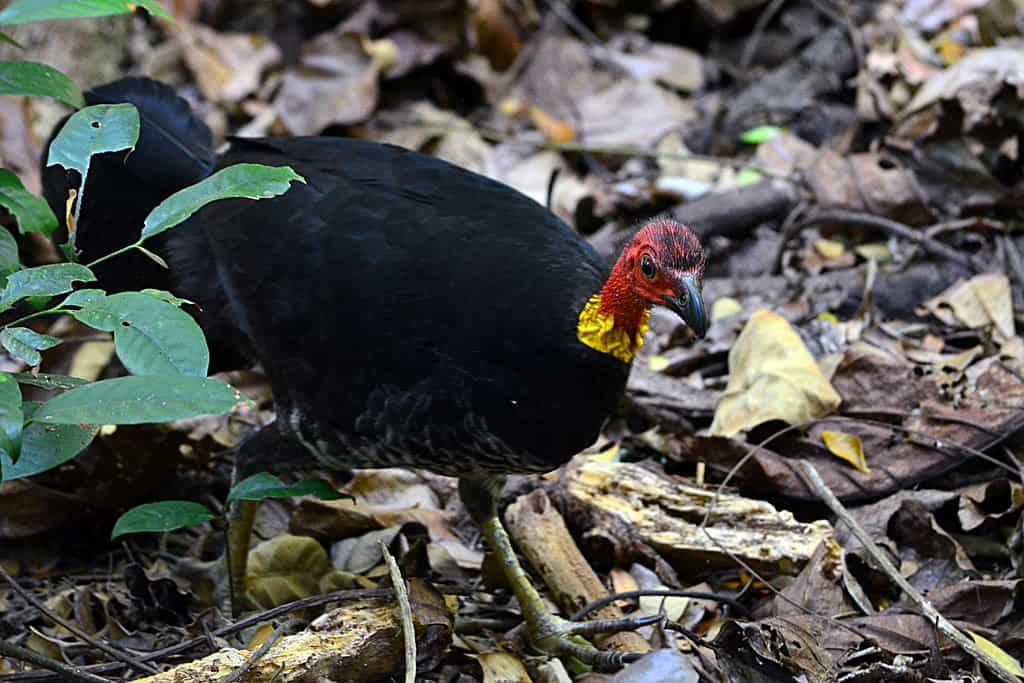
Australian brush turkeys are nature’s composting engineers. Instead of sitting on their eggs, these birds pile up huge mounds of leaves, soil, and organic debris—sometimes over a meter high. As the material decomposes, it generates heat, keeping the eggs warm like a natural incubator. The male constantly checks the temperature with his beak and adds or removes material to regulate it, ensuring the chicks develop safely. When the young finally hatch, they dig their way out and are ready to face the world alone, never meeting their parents.
5 Paper wasps construct delicate nests from chewed wood pulp

Paper wasps are the original paper makers. They gather wood fibers, chew them up, and mix them with saliva to make a grayish paper-like substance. With remarkable teamwork, they mold this material into umbrella-shaped nests that hang from branches or eaves. Each nest contains a series of hexagonal cells where eggs are laid, and larvae grow in safety. The lightweight but sturdy structure protects the developing wasps from rain and predators, and the open design keeps the nest well-ventilated.
4 African termites build towering mud castles for their colonies

Termites might be tiny, but their nests are some of the largest animal-built structures on Earth. African termites use mud, saliva, and chewed plant material to create towering mounds—sometimes several meters high. Inside, an intricate network of tunnels and chambers keeps the colony cool, moist, and safe. Special nursery chambers are dedicated to raising young termites, and the entire nest is engineered to circulate air naturally. These termite mounds are so impressive that some people call them “cathedrals” of the savanna.
3 Horned coots arrange underwater stones to build floating nurseries

Horned coots from South America are expert underwater builders. These birds dive down and gather stones, stacking them to create a solid mound on the lakebed. On top of this artificial island, they pile aquatic plants to form a nest above the water. This ingenious construction keeps the eggs dry and out of reach of most predators. The process is so labor-intensive that both parents work together for weeks, moving stones that can weigh several times more than the birds themselves.
2 Leafcutter ants farm fungus in underground city nests

Leafcutter ants have a complex, almost alien way of building their nests. Deep underground, they carve out elaborate tunnel systems with chambers dedicated to raising their young. Their real trick is farming: workers cut fresh leaves and bring them into the nest, where they use them to cultivate a special fungus. This fungus is the main food for developing larvae. The ants’ organization is so efficient that their nests can house millions of individuals, all working together in a bustling subterranean city.
1 Sociable weavers build massive communal nests in the desert

Sociable weavers from southern Africa are the ultimate community builders. Dozens of bird families work together to weave gigantic nests out of grass and twigs, often in the branches of a single tree or even on telephone poles. These communal nests can weigh up to a ton and house hundreds of birds in separate chambers, each with its own entrance. The structure protects against extreme heat, cold, and predators, creating a safe haven for generations of chicks. The sight of one of these nests is simply breathtaking—a living apartment complex in the wild.
Conclusion

From skyscraping termite mounds to floating bird islands, the animal kingdom’s architects never fail to astonish. The lengths to which these creatures go to protect and nurture their offspring show us just how powerful parental instinct can be. Next time you spot a bird’s nest or a cluster of ants, remember—there’s a whole world of engineering happening right under our noses. Did you expect animals to be such master builders?

As a little kid, I fell in love with nature, wildlife, and animals. Living in the USA, South Africa, Italy, China and Germany gave me the opportunity to discover the world's Wildlife. My favorite animals are Mountain Gorillas, Siberian Tigers, and Great White Sharks.
I'm a certified PADI Open Water Diver, went to Everest Base Camp and Trekked Gorillas in Uganda. I hold a Master of Science in Economics and Finance.
Please send any feedback to feedback@animalsaroundtheglobe.com
- 10 Common Animal Myths That You Need to Stop Believing - June 21, 2026
- 14 Dog Breeds That Love to Cuddle - June 21, 2026
- 13 Smartest Fish (and Their Surprising Behavior) - June 21, 2026