


Setting up a tropical fish tank requires careful consideration of water temperature, as different species have evolved to thrive in specific thermal ranges. Most tropical fish originate from equatorial regions where water temperatures remain consistently warm throughout the year. For home aquariums, maintaining the right temperature is crucial for fish health, proper metabolism, immune function, and breeding success. A reliable aquarium heater and thermometer are essential investments for any tropical tank setup.
However, not all aquarium fish prefer the same temperatures, and some species marketed as “tropical” may actually prefer cooler waters. Understanding these differences can prevent stress, disease, and premature death in your aquatic pets. This guide explores ten popular tropical fish that truly thrive in warm water conditions, followed by three commonly misclassified species that actually prefer cooler temperatures. Whether you’re a beginner or experienced aquarist, this information will help you create the optimal environment for your finned friends.
Discus Fish The Jewels of Warm Water Aquariums
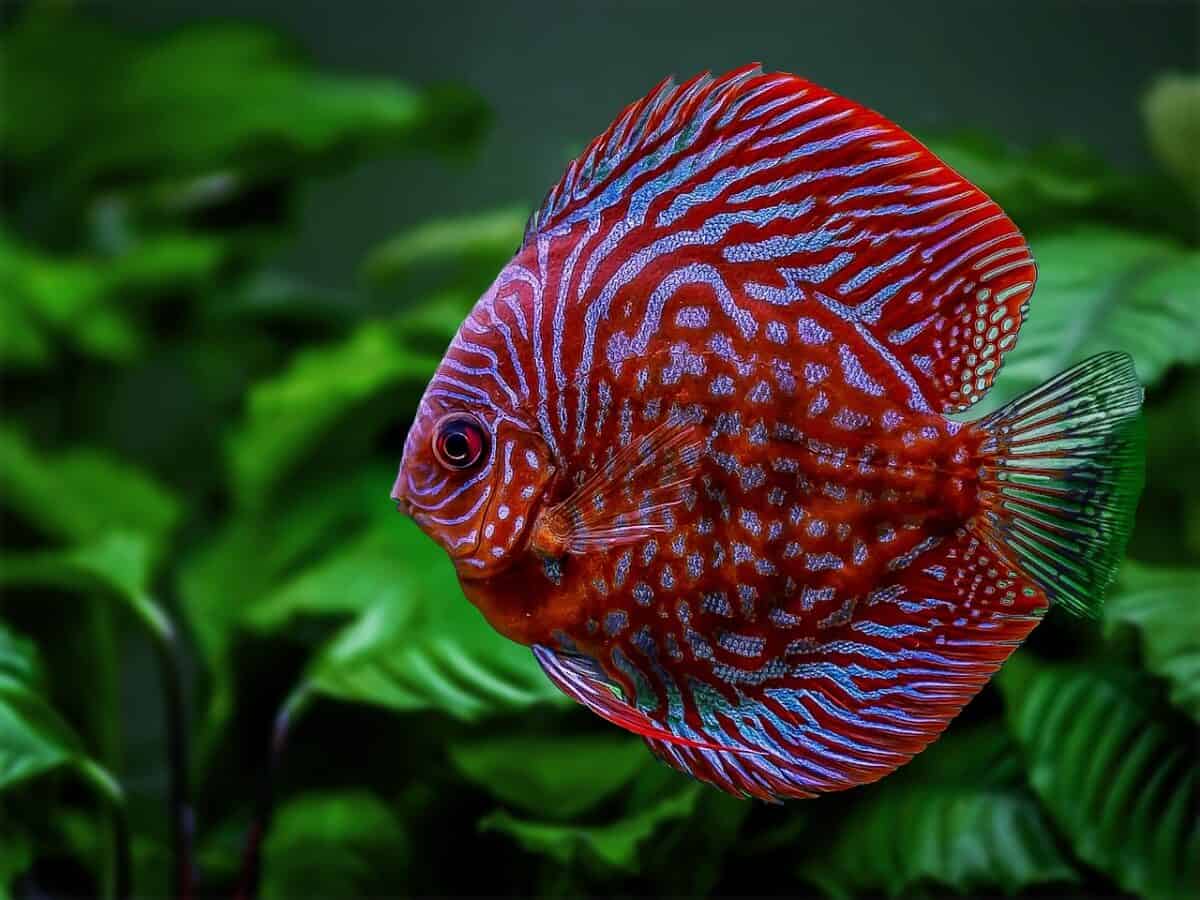
Discus fish (Symphysodon spp.) are often considered the kings of warm water aquariums, requiring temperatures between 82-86°F (28-30°C), significantly higher than most tropical species. These colorful, disc-shaped cichlids native to the Amazon River basin have adapted to the consistently warm waters of their natural habitat. Their striking patterns and calm, graceful swimming behavior make them highly sought after by experienced aquarists despite their demanding care requirements.
Beyond their temperature needs, discus fish are sensitive to water quality and require pristine conditions with specific pH levels between 6.0-7.0. Their higher temperature requirement serves an important biological function—it enhances their immune system and digestive efficiency while reducing the risk of certain parasitic infections common in cooler waters. For successful discus keeping, dedicated aquarists should be prepared to maintain these higher temperatures consistently, as fluctuations can quickly stress these magnificent but sensitive fish.
Angelfish Elegant Swimmers Preferring Tropical Warmth
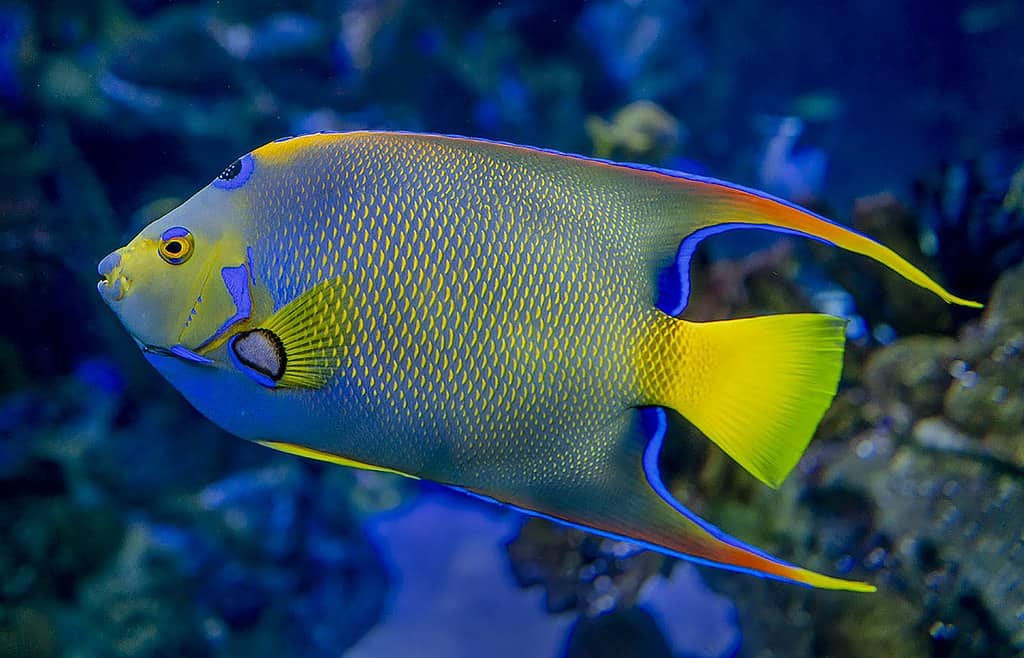
Angelfish (Pterophyllum scalare) are among the most recognizable tropical fish, with their distinctive triangular body shape and long, flowing fins. These South American cichlids thrive in temperatures between 78-84°F (25.5-29°C), making them true warm water lovers. In the wild, angelfish inhabit the slow-moving, warm waters of the Amazon basin, where they navigate through dense vegetation and use their compressed bodies to hide among plants.
The warmer temperature range is particularly important for angelfish during breeding periods, as it stimulates spawning behavior and ensures proper development of eggs and fry. While they can tolerate slightly cooler waters temporarily, extended periods below their preferred range can compromise their immune system and lead to stress-related diseases. Their elegant appearance combined with relatively hardy nature makes them popular choices for community tanks, provided their temperature requirements are met consistently.
Guppies Colorful Livebearers That Flourish in Warmth

Guppies (Poecilia reticulata) are some of the most popular aquarium fish, beloved for their vibrant colors and active, peaceful nature. Native to northeastern South America and the Caribbean islands, these livebearers thrive in temperatures between 74-82°F (23-28°C), with the higher end of this range being optimal for their metabolism and breeding. The males, with their ornate, colorful tails and smaller size, are particularly eye-catching when kept in properly heated water.
Warm water is especially critical for guppy reproduction, as these prolific breeders give birth to live young rather than laying eggs. Higher temperatures accelerate their gestation period and growth rate of fry. While guppies are adaptable and can survive brief periods in temperatures outside their ideal range, consistent warmth ensures their colors remain vibrant and their immune systems strong. This makes them excellent candidates for beginner tropical aquariums with reliable heating systems.
Ram Cichlids Vibrant Dwarf Cichlids Requiring Extra Heat
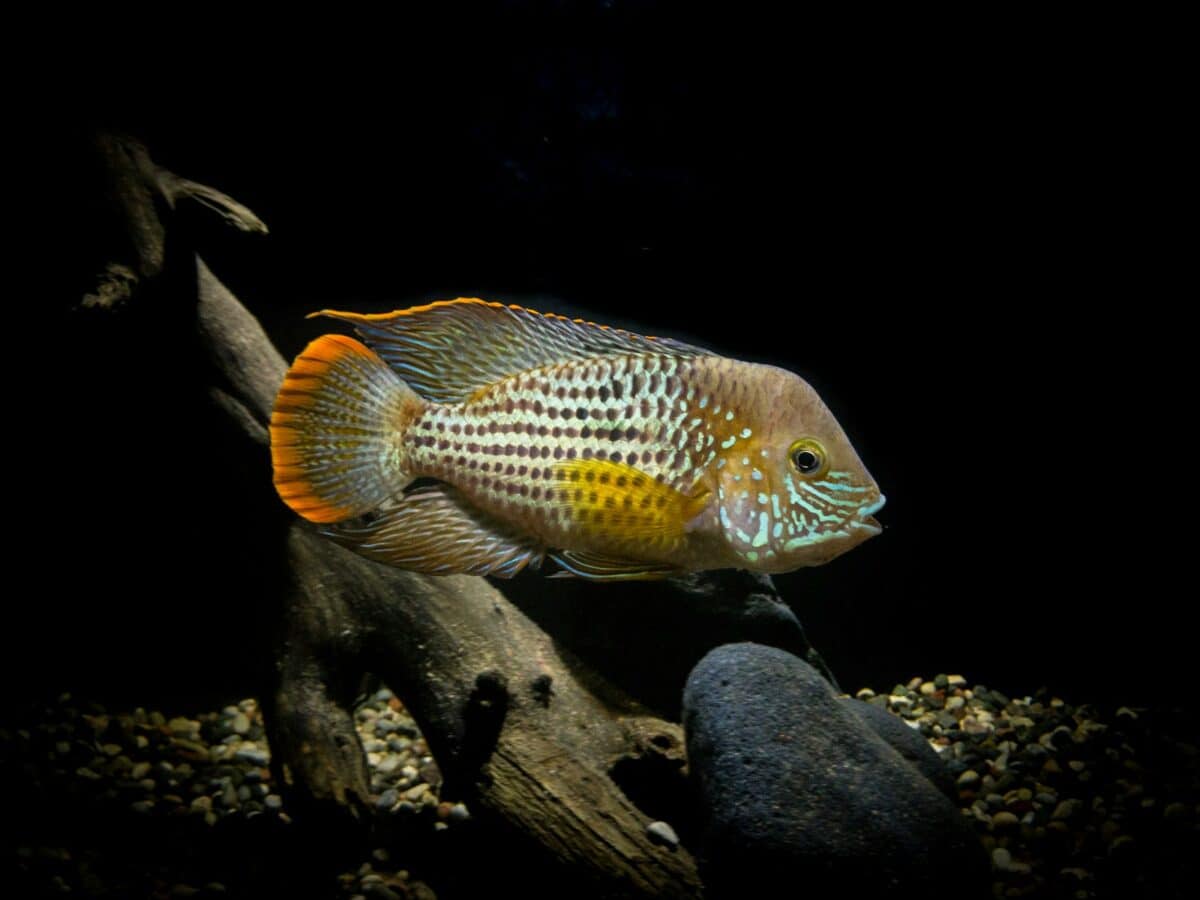
German Blue Rams and other Ram cichlid varieties (Mikrogeophagus ramirezi) are stunning dwarf cichlids that require exceptionally warm water to thrive. Originating from the Orinoco River basin in Venezuela and Colombia, these fish have evolved in waters consistently heated by the tropical sun to temperatures between 82-86°F (28-30°C). Their brilliant blue, yellow, and red coloration only fully develops and maintains its vibrancy in properly heated aquariums.
Ram cichlids are particularly sensitive to temperature fluctuations and cold water, which quickly weakens their immune system and can lead to “Ram Cichlid Disease”—a condition characterized by rapid health decline. Despite their specific temperature requirements, these peaceful cichlids are popular in community tanks due to their small size (rarely exceeding 2 inches) and generally non-aggressive behavior. For successful Ram cichlid keeping, aquarists should invest in reliable heating equipment and regular temperature monitoring to maintain the consistent warmth these jewel-like fish demand.
Dwarf Gouramis Labyrinth Fish That Appreciate Warmth

Dwarf Gouramis (Trichogaster lalius) are popular labyrinth fish known for their stunning colors and peaceful temperament. Native to South Asia, particularly India and Bangladesh, these fish thrive in temperatures between 77-82°F (25-28°C). As labyrinth fish, they possess a specialized organ that allows them to breathe atmospheric oxygen directly, an adaptation to their natural habitat of slow-moving, oxygen-poor waters that typically remain warm year-round.
The warm water requirement for Dwarf Gouramis supports their metabolism and immune function, particularly important as this species can be susceptible to Dwarf Gourami Disease (DGD), a viral condition common in commercially bred specimens. Maintaining proper temperature helps strengthen their resistance to this and other ailments. Male Dwarf Gouramis display particularly vibrant colors in warm, well-maintained tanks, showing off their characteristic blue or red bodies with striking vertical stripes. Their bubble-nest building behavior, an essential part of their reproduction, is also most actively displayed when kept at optimal temperatures.
Platies Hardy Livebearers That Enjoy Tropical Conditions

Platies (Xiphophorus maculatus) are colorful, active livebearers that have become staples in community aquariums worldwide. These adaptable fish originate from Central America, particularly Mexico, Guatemala, and Honduras, where they inhabit warm streams and ponds. They thrive in temperatures ranging from 72-82°F (22-28°C), with the upper range being ideal for encouraging breeding and maximizing their activity levels and color expression.
Unlike some more demanding tropical species, platies are forgiving of minor temperature fluctuations, making them excellent choices for beginners. However, consistently warm water is still important for their long-term health and reproduction. As livebearers, female platies give birth to fully-formed fry rather than laying eggs, a process optimized in warmer water. Their varied color patterns—including sunset, wagtail, and tuxedo varieties—show best under proper tropical conditions, where their metabolism allows them to remain active and their immune system functions optimally to prevent common ailments that can affect this otherwise hardy species.
Betta Fish Siamese Fighting Fish and Their Heat Requirements

Betta fish (Betta splendens), commonly known as Siamese fighting fish, are among the most recognizable tropical species due to their spectacular finnage and brilliant coloration. Native to the warm, shallow waters of Thailand (formerly Siam), Cambodia, and Vietnam, bettas require consistent temperatures between 76-82°F (24.5-28°C). This temperature range reflects their natural habitat of rice paddies, slow-moving streams, and flood plains where water is heated by the tropical sun.
The myth that bettas can thrive in unheated bowls has led to countless premature deaths among these fish. While they can survive briefly in cooler water due to their labyrinth organ allowing them to breathe surface air, prolonged exposure to temperatures below their preferred range results in lethargy, compromised immunity, and shortened lifespan. Properly heated water is essential for maintaining their vibrant colors, supporting their active metabolism, and preventing common betta ailments like fin rot. During breeding, slightly higher temperatures around 80-82°F (27-28°C) stimulate spawning behavior and support the development of fry in the bubble nests constructed by males.
Mollies Versatile Livebearers That Prefer Warmth

Mollies (Poecilia sphenops and related species) are popular livebearing fish that display remarkable adaptability but truly thrive in warm water conditions. Native to freshwater and brackish environments from Mexico to Colombia, different molly varieties prefer temperatures between 75-82°F (24-28°C). Black mollies, sailfin mollies, and dalmatian mollies all share this temperature preference despite their different appearances and slight variations in habitat requirements.
Warm water is particularly critical for mollies’ immune health, as they are somewhat prone to “shimmies”—a condition where the fish trembles due to stress or poor water conditions. Higher temperatures within their preferred range support their active metabolism, enhance their vibrant coloration, and optimize their prolific breeding. Some varieties, particularly those adapted to brackish conditions in the wild, show their best coloration and most robust health when kept at the upper end of their temperature range. For successful molly keeping, consistent warmth combined with hard, alkaline water provides the optimal environment for these adaptable but heat-loving livebearers.
Cardinal Tetras Neon Cousins That Need Tropical Heat
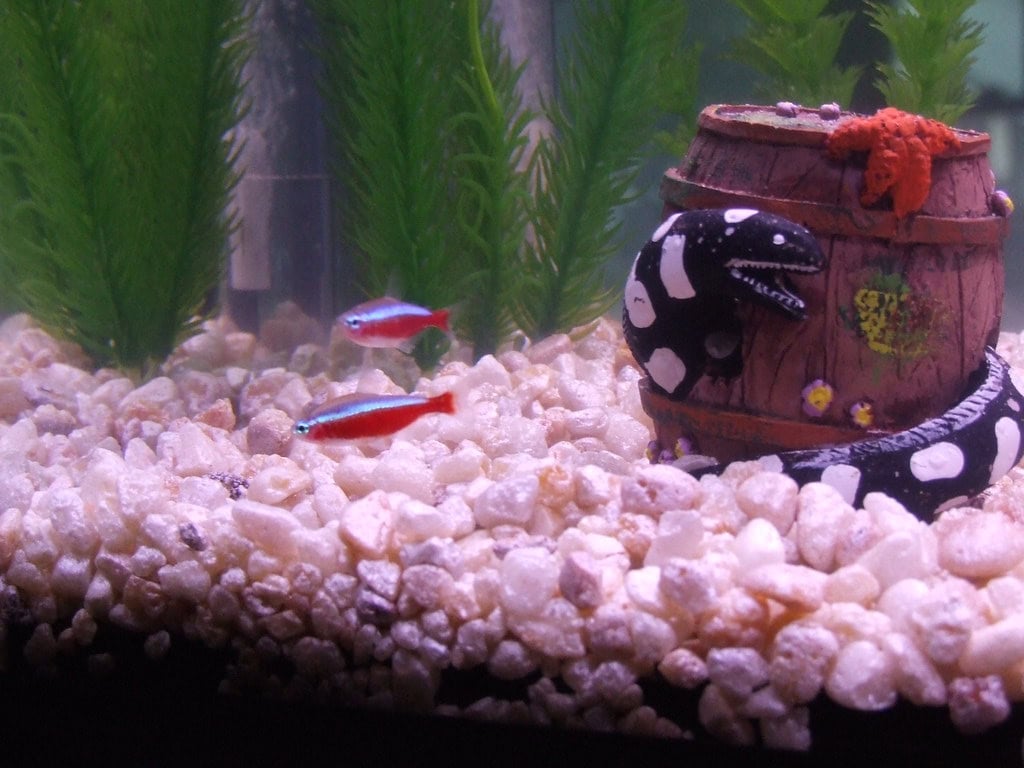
Cardinal Tetras (Paracheirodon axelrodi) are often confused with their cousins, the Neon Tetras, but have different temperature requirements. These stunning schooling fish, characterized by their brilliant blue and red horizontal stripes running the full length of their bodies, are native to the blackwater tributaries of the Rio Negro and Orinoco River basins in South America. Cardinals thrive in temperatures between 76-84°F (24.5-29°C), significantly warmer than what Neons prefer.
The warm, acidic waters of their natural habitat have shaped Cardinals’ physiology to depend on higher temperatures for optimal health. When kept too cool, they become susceptible to “Neon Tetra Disease” (which affects many tetra species despite its name) and other bacterial infections. Their spectacular coloration—with red extending along their entire underside unlike the partial red stripe of Neons—displays most vibrantly in properly heated aquariums. Keeping these fish in groups of 8 or more in warm, slightly acidic water with subdued lighting recreates their natural environment and results in the most natural behavior and best long-term health.
Oscar Fish Large Cichlids That Demand Tropical Warmth
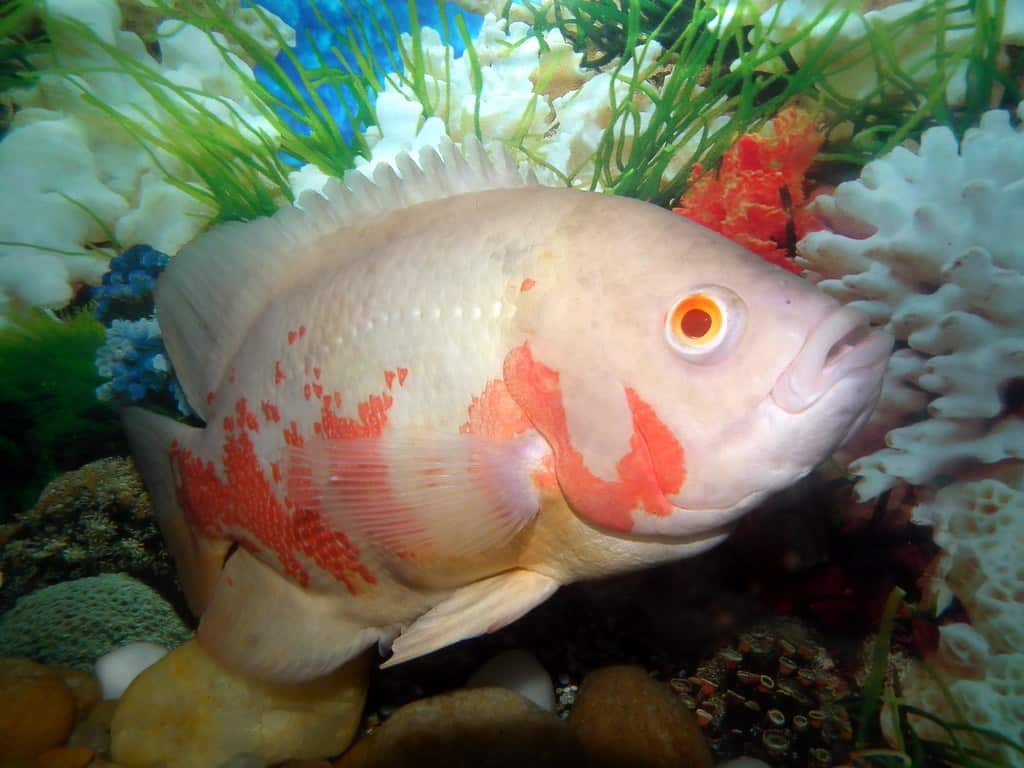
Oscar fish (Astronotus ocellatus) are impressive South American cichlids known for their large size, personality, and intelligence. Native to the Amazon River basin, these robust fish require temperatures between 74-81°F (23.5-27°C), with the upper range being particularly beneficial for their digestion and immune function. Growing up to 12 inches in captivity, Oscars develop strong bonds with their keepers and display complex behaviors that have earned them the nickname “water dogs.”
Consistent warm water is essential for Oscars’ long-term health, as cooler temperatures can slow their metabolism and make them susceptible to HITH (Hole in the Head) disease and other infections. Their temperature requirements reflect their natural habitat in the warm, flowing waters of tropical South America. Despite their adaptability and hardiness compared to some more delicate tropical species, Oscars should never be subjected to cool water conditions. Their impressive growth rate, which can exceed an inch per month in juveniles, depends on proper temperature to support their metabolism and the efficient processing of the substantial amounts of food these large, active cichlids require.
Neon Tetras Popular Fish That Actually Prefer Cooler Water
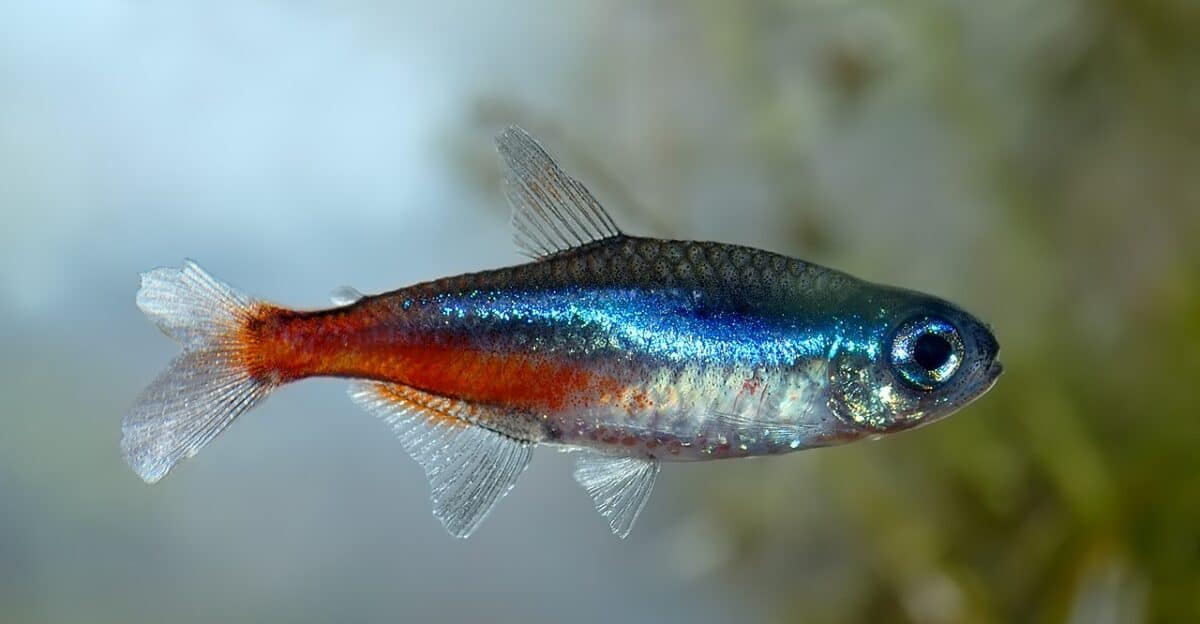
Neon Tetras (Paracheirodon innesi), despite being commonly sold as tropical fish, actually prefer moderately cool water temperatures. Native to clearwater streams in the Amazon basin, particularly in Peru, these small, schooling fish thrive in temperatures between 68-74°F (20-23°C), significantly cooler than what many tropical species require. Their natural habitat consists of shaded forest streams where canopy cover prevents excessive warming from the tropical sun.
Keeping Neon Tetras in water that’s too warm can significantly reduce their lifespan and make them susceptible to diseases. While they can tolerate standard tropical temperatures around 76-78°F (24-26°C) for short periods, long-term exposure to such warmth accelerates their metabolism, increases stress, and often leads to premature death. Their brilliant blue and red coloration, which has made them aquarium favorites worldwide, actually displays best in slightly cooler water. For optimal health and longevity, Neons should be kept in dedicated tanks with appropriate temperatures or combined only with other species that share their preference for cooler conditions.
White Cloud Mountain Minnows Cool Water Gems Often Misclassified
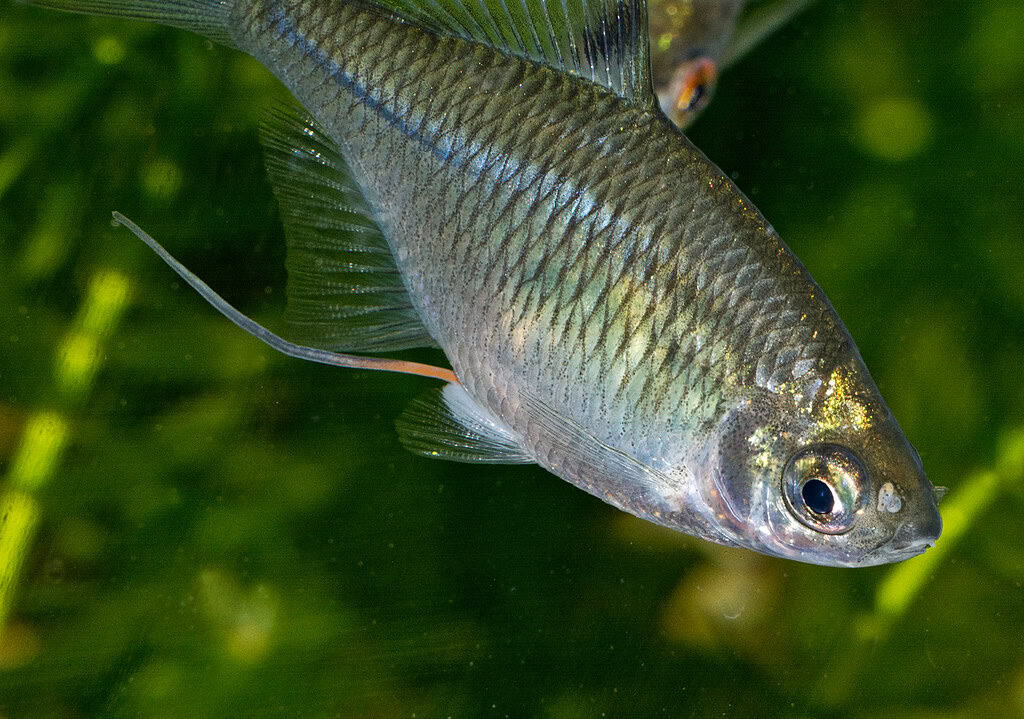
White Cloud Mountain Minnows (Tanichthys albonubes) are frequently mislabeled as tropical fish in pet stores, but these elegant little swimmers are actually one of the most cold-tolerant species in the aquarium hobby. Native to cool, fast-flowing streams near White Cloud Mountain in China, these fish thrive in temperatures between 60-72°F (15.5-22°C). At these cooler temperatures, their red, white, and silver coloration becomes more vibrant, and their activity levels increase.
Often called “poor man’s neon” due to their affordability and hardiness, White Clouds offer an excellent option for unheated tanks in temperate climates. Keeping them in tropical temperatures above 75°F (24°C) causes significant stress, reduces their lifespan, and often leads to reproductive issues. Their natural adaptations to cooler environments mean they actually exhibit more natural behaviors, better coloration, and greater longevity when kept in temperature ranges that would be far too cold for true tropical species. For aquarists without heating equipment or those looking to reduce energy consumption, White Cloud Mountain Minnows provide an attractive, active, and relatively easy-to-keep alternative to heat-loving tropical fish.
Goldfish Classic Cool Water Fish Commonly Misunderstood

Goldfish (Carassius auratus) represent perhaps the most widely misunderstood fish in terms of their temperature requirements. Despite often being displayed alongside tropical species in pet stores, these descendants of wild carp are distinctly cool water fish that thrive in temperatures between 65-74°F (18-23°C). Their metabolism and respiratory efficiency are optimized for these cooler conditions, reflecting their origins in the temperate waters of East Asia.
Keeping goldfish in tropical temperatures accelerates their metabolism to dangerous levels, significantly reducing their potential lifespan and leading to increased waste production that quickly pollutes their environment. The higher temperatures also decrease oxygen availability in the water while simultaneously increasing the fish’s oxygen demands—a dangerous combination that stresses their respiratory system. Common and fancy goldfish varieties alike suffer in warm water, developing swim bladder issues more frequently and becoming more susceptible to bacterial infections. For optimal health and the potential to reach their impressive natural lifespan of 10-20+ years, goldfish should always be maintained in spacious, well-filtered aquariums or ponds with appropriate cool water temperatures.
Conclusion: Creating the Perfect Temperature Environment for Your Aquatic Pets

Understanding the specific temperature requirements of different fish species is fundamental to successful aquarium keeping. This knowledge allows aquarists to create appropriate community tanks by grouping fish with compatible temperature needs rather than mixing species that would ultimately stress each other. Investing in quality heating equipment with built-in temperature controls, backup heaters for larger tanks, and multiple thermometers placed strategically can help maintain the stable environment that most tropical fish require for optimal health.

As a little kid, I fell in love with nature, wildlife, and animals. Living in the USA, South Africa, Italy, China and Germany gave me the opportunity to discover the world's Wildlife. My favorite animals are Mountain Gorillas, Siberian Tigers, and Great White Sharks.
I'm a certified PADI Open Water Diver, went to Everest Base Camp and Trekked Gorillas in Uganda. I hold a Master of Science in Economics and Finance.
Please send any feedback to feedback@animalsaroundtheglobe.com
- 14 Facts About Animal Memory That Will Shock You - June 17, 2026
- 12 Historic Horses That Changed the World - June 17, 2026
- 15 Dogs That Love Water More Than Land - June 17, 2026