


In the harsh Australian wilderness, where predators prowl and dangers lurk, the wombat has evolved one of nature’s most unusual defense mechanisms. Unlike animals that rely on sharp claws, venomous bites, or lightning-fast speed, the wombat turns its backside into a powerful shield against threats. This marsupial’s posterior is not just any ordinary rear end—it features a cartilaginous plate reinforced by modified, extra-dense bone, creating what scientists describe as one of the strongest natural armor systems in the animal kingdom.
When threatened inside their burrows, wombats strategically position themselves with their rump facing the entrance, effectively blocking the tunnel with their rock-hard backsides. This ingenious tactic allows them to use their strongest feature as a shield while keeping their more vulnerable head and belly protected. For predators like dingoes or Tasmanian devils attempting to access the burrow, they’re met with what amounts to a living, breathing wall of solid cartilage and bone that can withstand tremendous force.
Anatomy of the Armored Backside
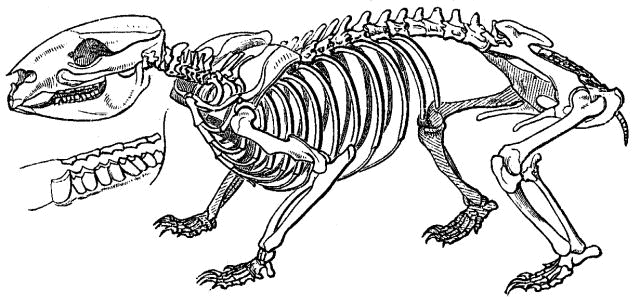
The wombat’s defensive posterior is a marvel of evolutionary engineering. Their backside features a shield made primarily from cartilage and thickened skin, measuring approximately 4 inches (10 cm) thick. This shield covers their posterior and lower back region, creating an effective armor plate. Beneath this tough exterior lies a uniquely modified pelvis and tailbone structure that provides additional reinforcement. Unlike other mammals, the wombat’s posterior bone structure has evolved specifically to withstand significant impact and pressure.
Research conducted by University of Tasmania biologists found that the tissue in a wombat’s backside is approximately 20 times denser than typical mammalian skin and subcutaneous tissue. This density, combined with a network of collagen fibers arranged in a cross-hatched pattern, creates a structure similar to modern bulletproof vests. The result is a natural shield capable of withstanding attacks from predators’ teeth and claws while protecting the wombat’s vital organs and spinal cord.
The Burrow Defense Technique
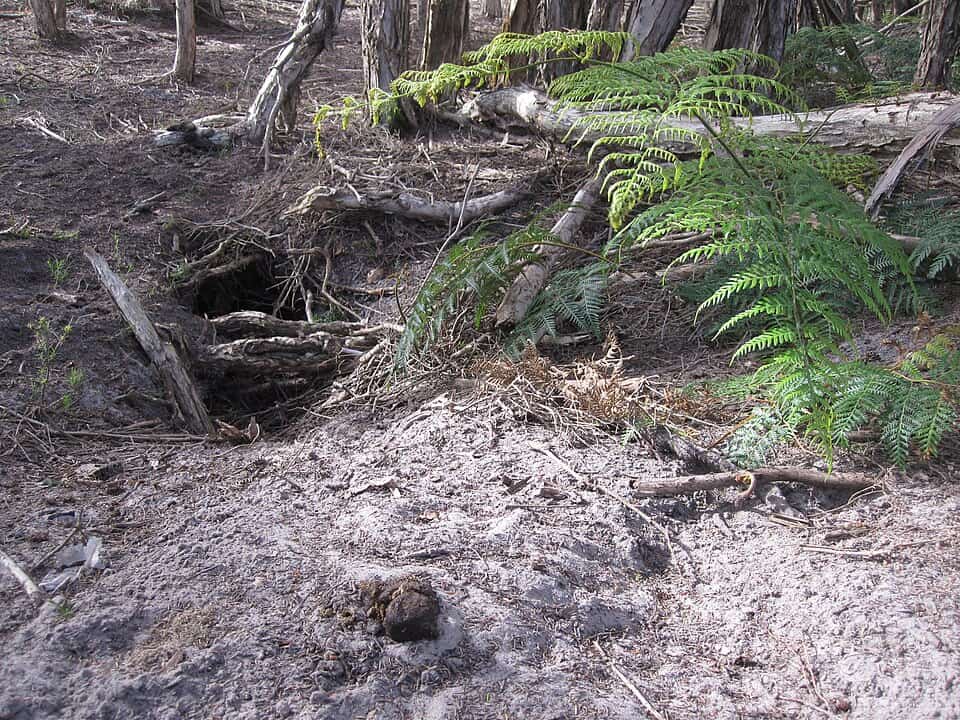
When a wombat senses danger approaching its burrow, it employs a remarkably effective defensive position. The wombat backs into the narrowest part of the tunnel, positioning its armored backside toward the entrance. This strategic placement creates a nearly impenetrable barrier that few predators can overcome. The tight fit of the burrow gives the wombat leverage, allowing it to brace against the tunnel walls and create an even more formidable obstacle.
What makes this defense particularly effective is the wombat’s ability to maintain this position for extended periods—sometimes hours—until the threat passes. Their strong legs push against the tunnel walls, and their specialized backbone allows them to remain comfortable in this awkward-looking but highly functional position. Some wombats have been observed reinforcing this blockade by slightly elevating their posteriors, creating an even tighter seal against the tunnel ceiling, making it virtually impossible for predators to gain purchase or leverage.
Crushing Power Against Predators
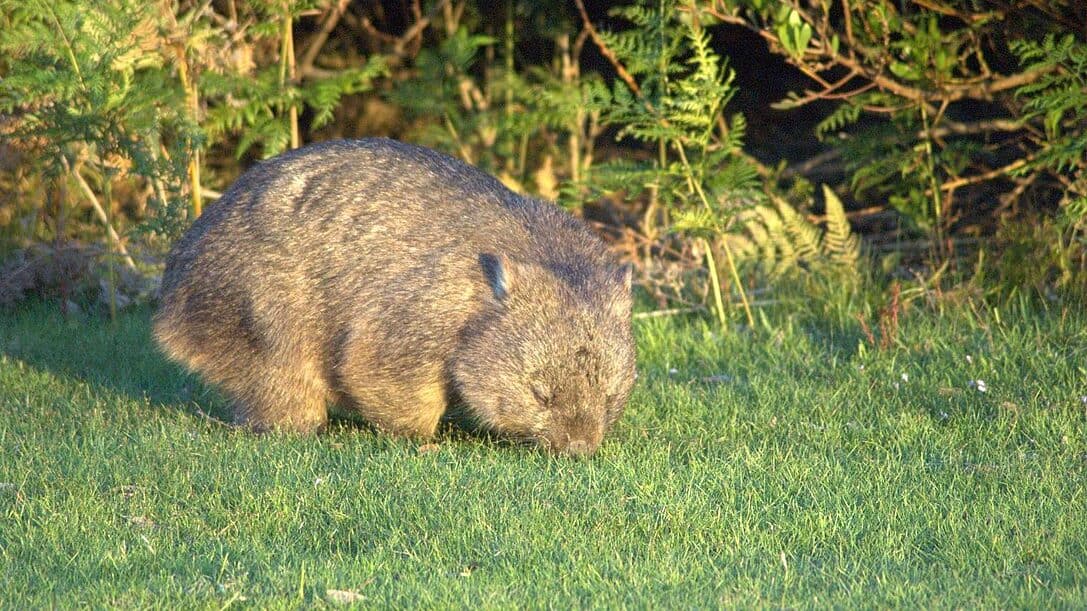
Perhaps the most remarkable aspect of the wombat’s defensive strategy is not just passive resistance but active defense. When predators persist in their attempts to enter the burrow, wombats can use their powerful legs to thrust their reinforced backside upward with tremendous force. This crushing mechanism can deliver enough pressure to fracture predator skulls or ribs if the attacker becomes wedged in the tunnel. Scientists have estimated that a large adult wombat can exert over 1,800 pounds (816 kg) of crushing force using this technique.
This defensive capability has been documented in several studies, including research by wildlife biologist Dr. Lauren Richards, who recorded instances of dingoes and foxes sustaining significant injuries after attempting to extract wombats from their burrows. The wombat’s ability to maintain this crushing pressure for extended periods compounds the danger for predators, who often become exhausted and must retreat or risk severe injury. This combination of armored protection and active defense makes the wombat’s backside one of the most effective natural weapons in Australia’s ecosystem.
Evolutionary Development of the Armored Backside
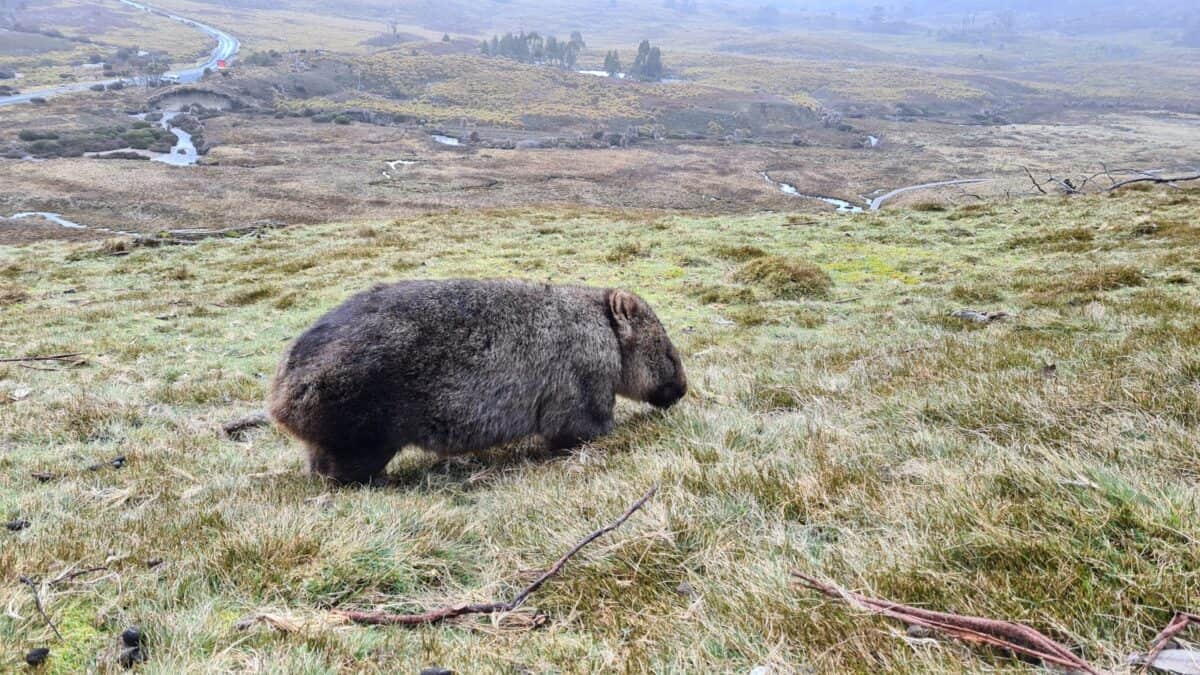
The wombat’s remarkable posterior defense system didn’t develop overnight but evolved over millions of years in response to environmental pressures. Paleontological evidence suggests that ancient wombat ancestors began developing reinforced posterior regions approximately 25 million years ago. This adaptation likely emerged as these marsupials adopted burrowing lifestyles, creating a need to defend narrow tunnels from predators who evolved alongside them.
The fossil record reveals a gradual thickening of the posterior skeletal structure through successive wombat species, with modern wombats representing the pinnacle of this evolutionary path. Interestingly, this adaptation appears to have developed independently from similar defensive structures in other burrowing mammals, making it a prime example of convergent evolution—where similar environmental pressures lead to comparable adaptations in unrelated species. The wombat’s defensive backside stands as testament to the power of natural selection to create specialized solutions to survival challenges.
The Three Species and Their Defensive Variations
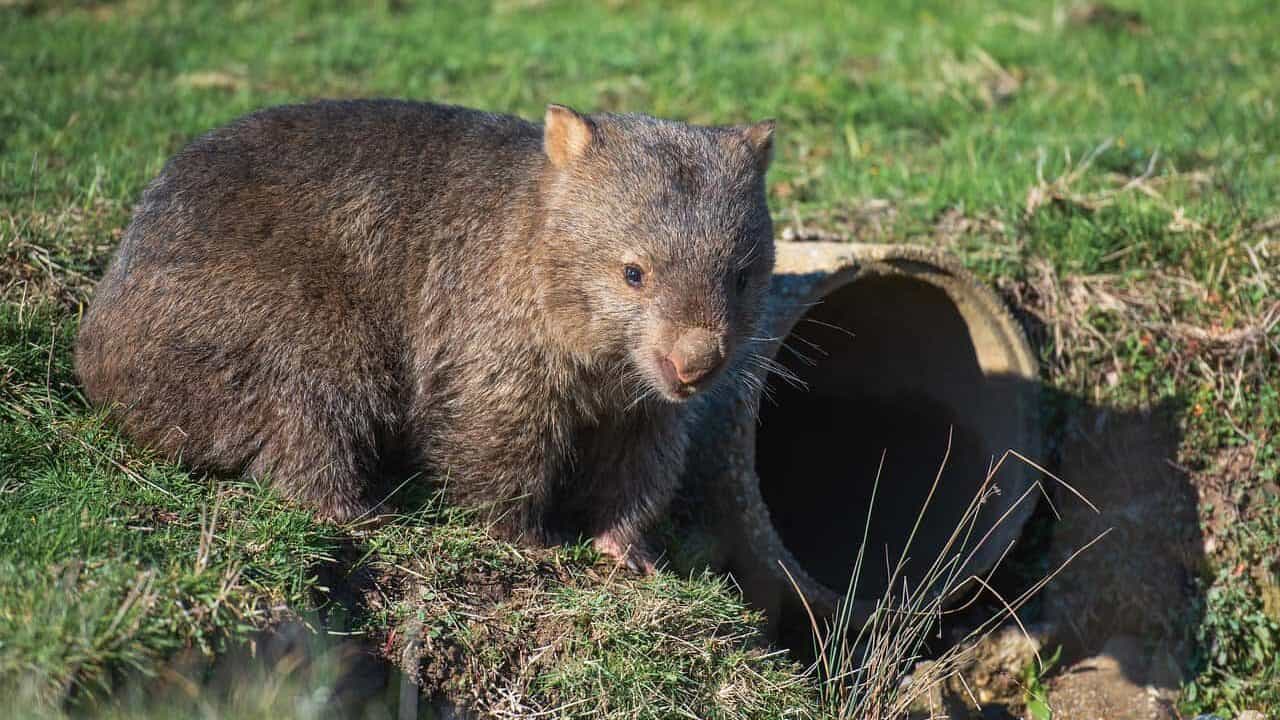
There are three extant species of wombats, each with slight variations in their defensive backside adaptations. The common wombat (Vombatus ursinus) possesses the most robust posterior shield, correlated with its extensive burrowing behavior and larger size. Reaching weights of up to 35 kg (77 pounds), this species creates the most elaborate burrow systems and consequently has developed the strongest defensive features. Their posterior shields can withstand pressures that would crush ordinary bone.
The southern and northern hairy-nosed wombats (Lasiorhinus latifrons and Lasiorhinus krefftii) have similarly reinforced backsides but with subtle differences in structure. The critically endangered northern hairy-nosed wombat, with fewer than 115 individuals remaining in the wild, has a slightly less developed shield, possibly due to historically facing fewer predators in its native Queensland habitat. The southern hairy-nosed wombat occupies a middle ground, with defensive capabilities impressive but not quite matching those of the common wombat. These differences highlight how local ecological factors influence the development of defensive adaptations.
Scientific Studies on Wombat Posterior Strength
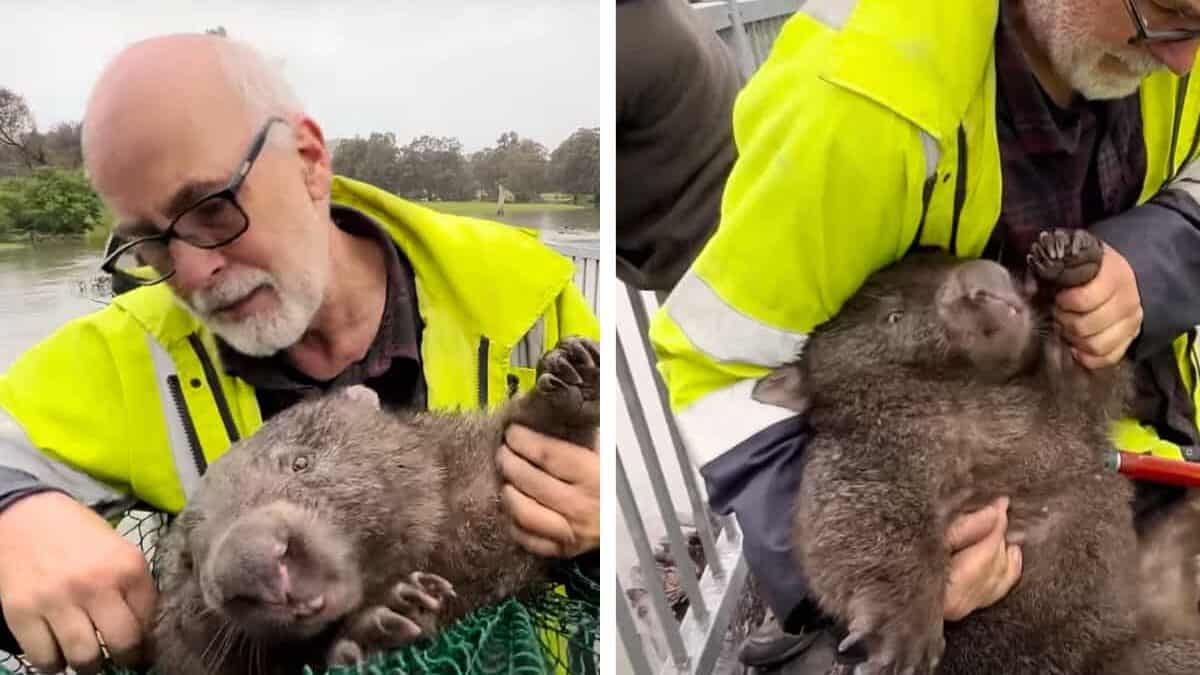
Recent biomechanical research has provided fascinating insights into the exceptional strength of the wombat’s defensive backside. In a 2021 study published in the Journal of Experimental Biology, researchers used pressure sensors and imaging technology to measure the force resistance of wombat posterior shields. The results were remarkable, showing that the tissue could withstand direct pressure of up to 150 kg/cm² before showing signs of compression damage—roughly equivalent to the bite force of a large crocodile distributed over a small area.
Another groundbreaking study conducted at the University of Queensland utilized CT scanning technology to create three-dimensional models of the wombat’s posterior bone and cartilage structure. This research revealed a honeycomb-like arrangement of supportive tissues that maximizes strength while minimizing weight—similar to engineering principles used in modern impact-resistant materials. These scientific investigations confirm what Aboriginal Australians have known for thousands of years: the wombat’s backside represents one of nature’s most effective defensive adaptations, worthy of both scientific curiosity and practical respect.
Predators and Their Failed Attacks
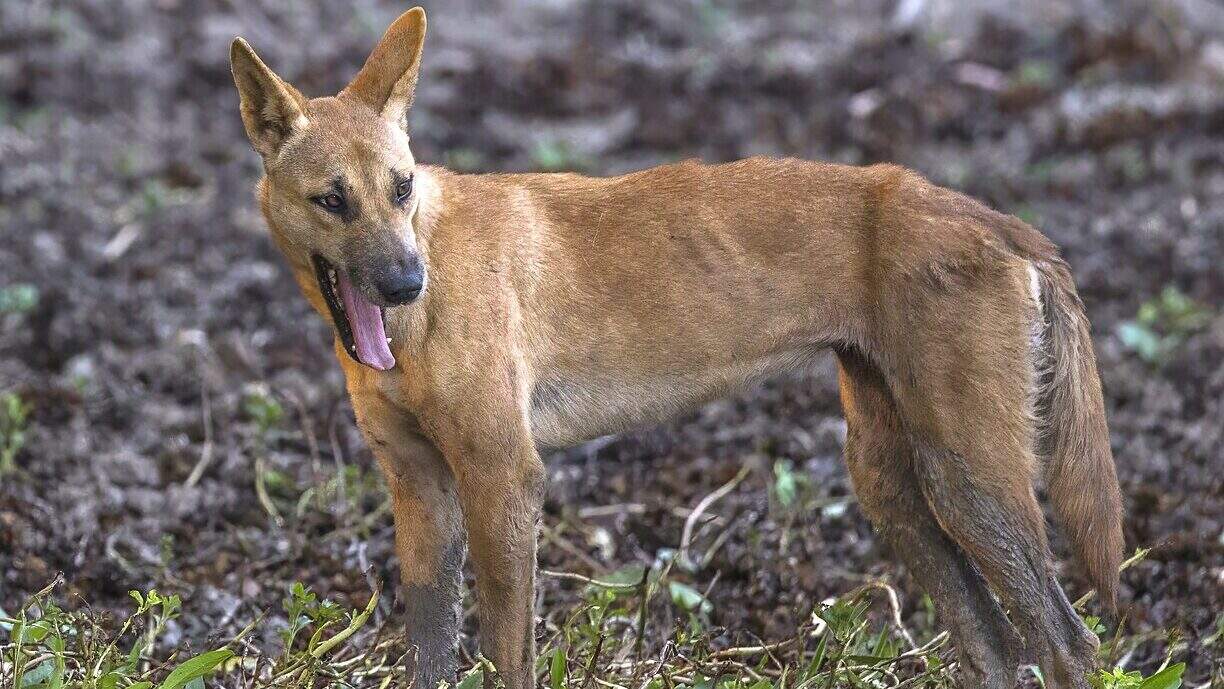
The primary predators challenging wombats include dingoes, Tasmanian devils, large eagles, and introduced species like foxes and domestic dogs. Each of these predators has evolved or developed different strategies to attempt to overcome the wombat’s posterior defense. Dingoes typically try to dig around the sides of burrow entrances or wait for wombats to emerge, having learned through generations that direct confrontation with a defensive wombat often results in injury. Wildlife researchers have documented numerous cases of dingoes with facial fractures and damaged teeth resulting from unsuccessful attempts to extract wombats from burrows.
European foxes, lacking the evolutionary history with wombats that native predators have, often fare even worse in these encounters. A 2018 field study in Victoria documented the remains of foxes found wedged in wombat burrows, having been crushed when they ventured too far inside. Tasmanian devils, despite their powerful jaws and aggressive hunting style, have similarly learned to exercise caution around wombat burrows. These failed predation attempts demonstrate the remarkable effectiveness of the wombat’s seemingly simple but highly specialized defensive strategy.
Human Encounters with Wombat Defenses
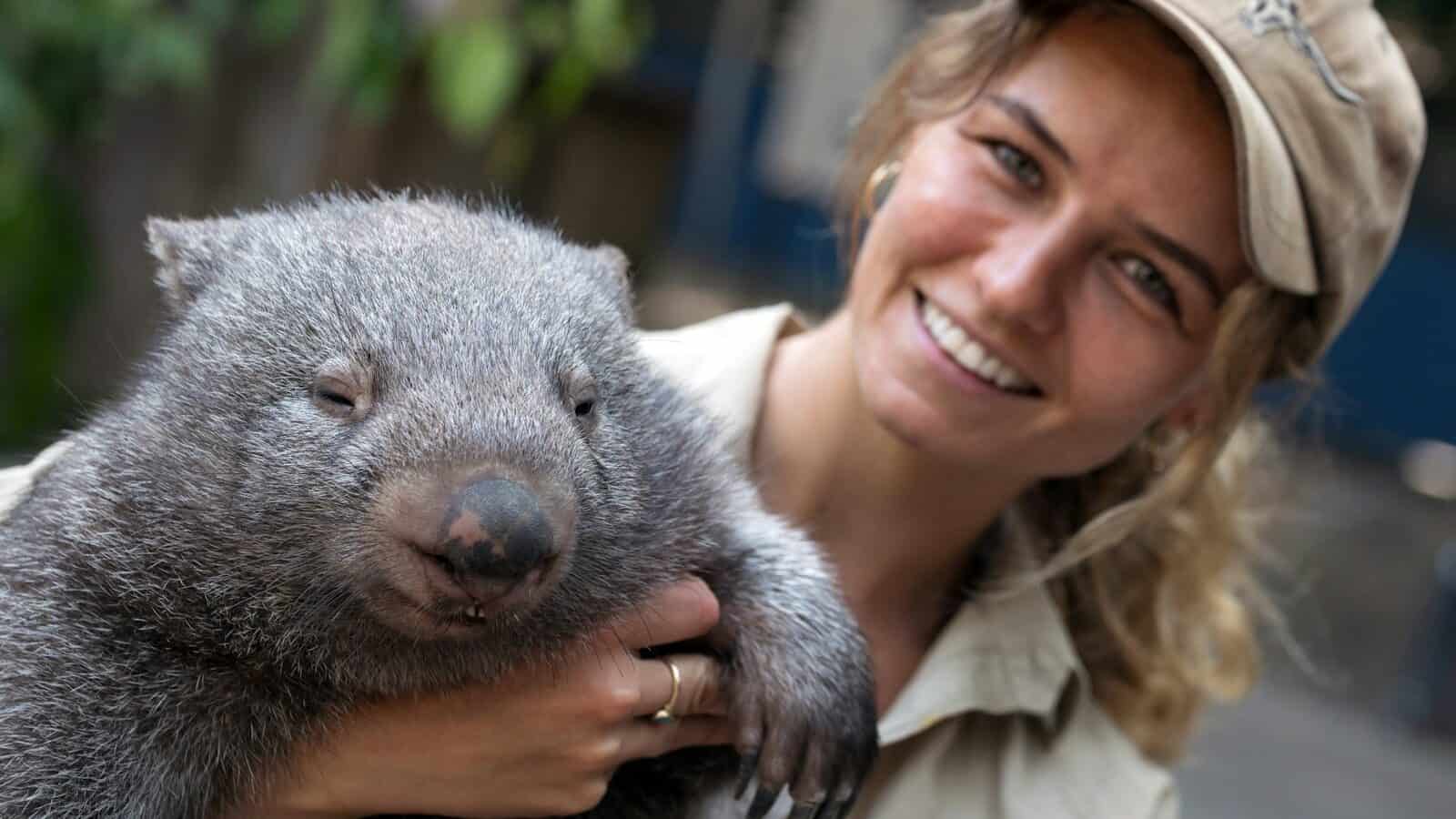
Humans who have encountered defensive wombats have their own stories to tell about the animal’s remarkable posterior shield. Wildlife rehabilitators report that even when handling sedated wombats for medical treatment, the density and hardness of their posterior region is immediately noticeable. Dr. Jackie Simmonds, a veterinarian specializing in Australian wildlife, notes that “attempting to administer injections in the posterior region of a wombat is like trying to push a needle through a car tire—nearly impossible without specialized equipment.”
There are documented cases of humans attempting to extract wombats from burrows (typically for relocation or research purposes) being surprised by the animal’s defensive capabilities. In one notable incident recorded by Australian wildlife authorities, a wildlife officer attempting to remove a wombat from a burrow using approved handling techniques suffered a fractured wrist when the animal suddenly engaged its crushing defense mechanism. These encounters have taught wildlife professionals to develop specialized extraction techniques and equipment when working with wombats, treating their defensive capabilities with appropriate respect.
Burrow Systems: The Fortresses Being Defended
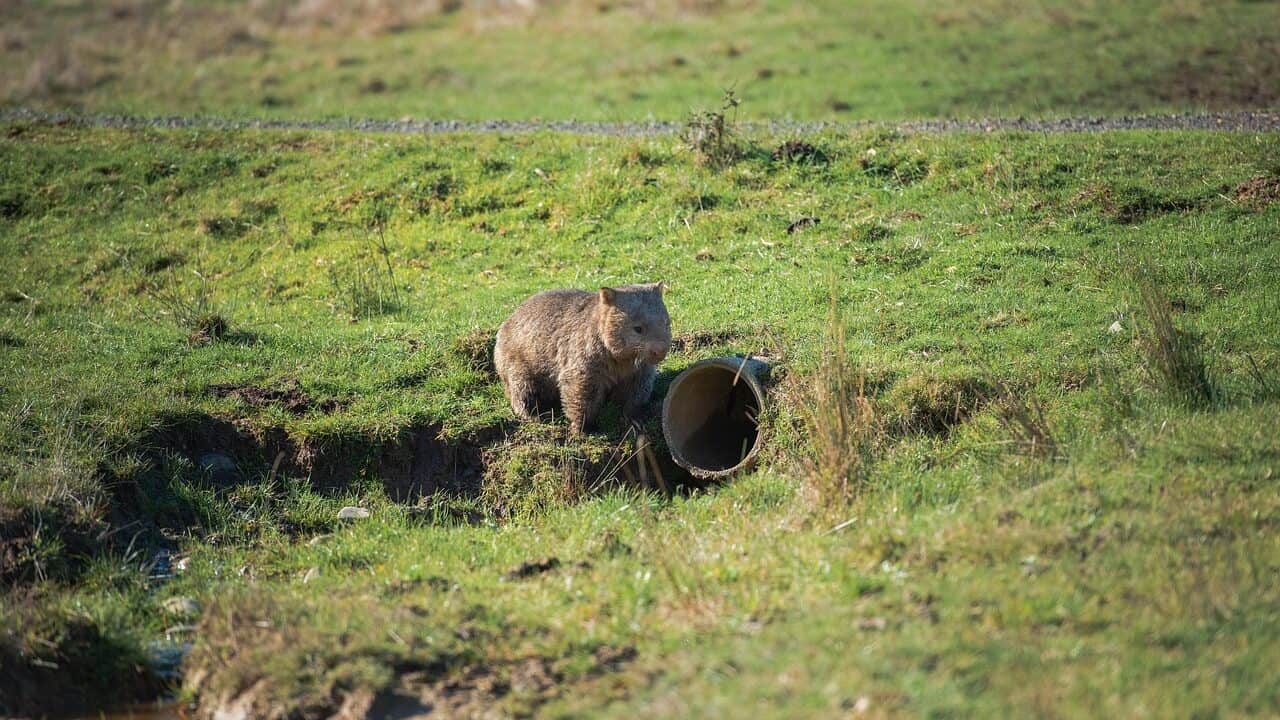
Understanding the importance of the wombat’s defensive adaptations requires appreciating the burrows they so vigorously protect. Wombat burrows are engineering marvels, consisting of complex networks of tunnels and chambers that can extend for 30 meters (98 feet) or more, with multiple entrance and exit points. These elaborate underground structures represent significant investments of energy, often taking years to fully develop, and serve as protection against both predators and Australia’s extreme temperatures.
A single wombat may maintain multiple burrows within its territory, using different ones depending on seasonal conditions or perceived threats. The main sleeping chambers are typically located at the deepest points of the burrow system, with narrower tunnels leading to the surface. These narrow passages serve a critical defensive function, creating the perfect bottlenecks where wombats can employ their posterior shield most effectively. The value of these burrows—representing both safety and significant energy investment—explains why wombats have evolved such specialized and effective means to defend them.
Cultural Significance of the Wombat’s Defense
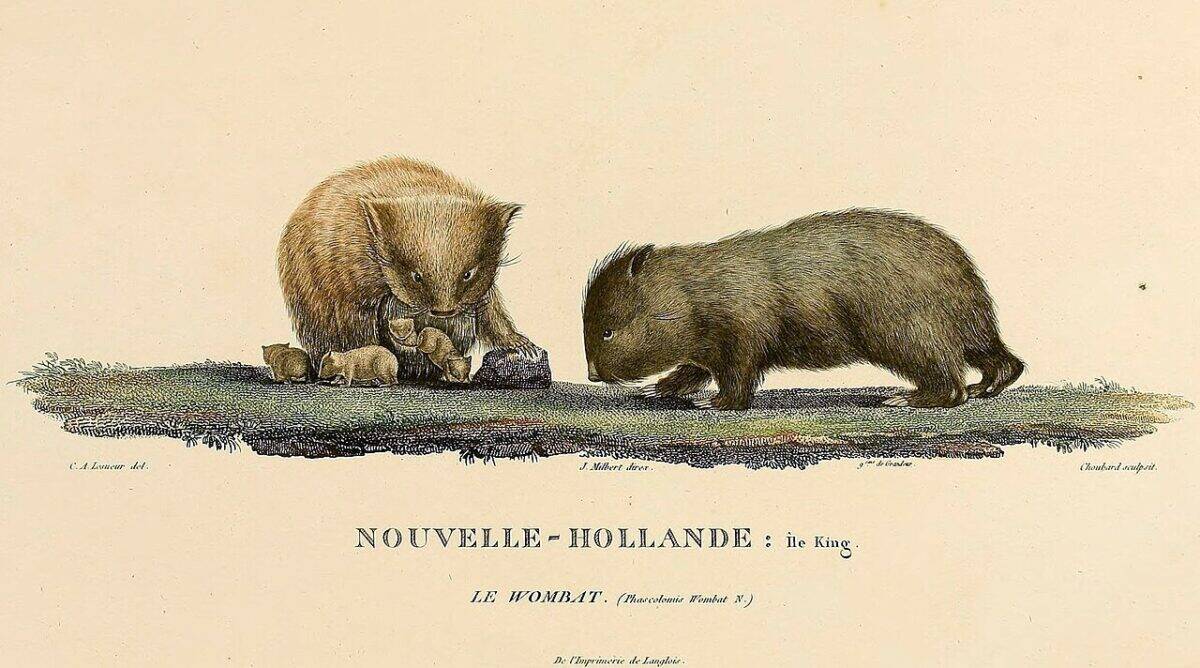
The wombat’s unique defensive strategy has not gone unnoticed in Australian Aboriginal culture, where it features in numerous traditional stories and practical knowledge. In several Aboriginal languages, the names for wombats translate to references about their powerful backsides or burrowing abilities. These animals are often portrayed in traditional stories as clever creatures who use their specialized attributes to overcome challenges or outwit enemies—a testament to Indigenous Australians’ detailed observational knowledge of wildlife behavior.
In contemporary Australian culture, the wombat’s defensive backside has become something of a humorous national symbol, featured in children’s books, wildlife documentaries, and even inspiring engineering students studying impact-resistant materials. Wildlife conservation organizations have used the wombat’s unique defensive adaptation in educational campaigns, highlighting how even seemingly unglamorous adaptations can represent remarkable evolutionary solutions. This cultural appreciation represents another dimension of the wombat’s impact beyond its ecological role.
Conservation Challenges and the Future of Wombats
Despite their impressive defensive capabilities, wombats face significant conservation challenges in the modern world. Habitat destruction, road accidents, and competition with livestock have all contributed to population declines, particularly for the critically endangered northern hairy-nosed wombat. Ironically, the very burrows wombats so effectively defend can bring them into conflict with agricultural interests when their digging impacts farmland or damages infrastructure.
Climate change presents another challenge, as increasingly severe droughts in Australia affect the vegetation wombats depend on for sustenance. Conservation efforts include habitat protection, establishment of wildlife corridors, and captive breeding programs for the most threatened species. Researchers continue to study wombat defensive behaviors and anatomy not just for scientific interest but to better understand how to protect these ecological engineers. The future of these remarkable creatures—and their specialized defensive adaptations—depends on successful conservation strategies that allow them to continue their unique role in Australia’s ecosystems.
The wombat’s rock-hard backside represents one of nature’s most specialized and effective defensive adaptations, a perfect example of evolutionary problem-solving in response to specific environmental challenges. Through millions of years of refinement, these marsupials have transformed what might seem like a vulnerability—their rear end—into their greatest strength, creating a defense system that few predators can overcome. The combination of armored tissues, strategic positioning, and active crushing force makes the wombat burrow one of the most secure shelters in the animal kingdom.
This remarkable adaptation reminds us that evolutionary success often comes not from being the largest or most aggressive creature, but from developing specialized adaptations perfectly suited to specific ecological niches. The wombat has survived alongside formidable predators not by outrunning or outfighting them, but by transforming defense into an art form. As we work to protect these unique animals and their habitats, we preserve not just a species but a fascinating chapter in the story of evolutionary adaptation—one written in the language of cartilage, bone, and the humble but mighty wombat backside.

- How Leafcutter Ants Use Fungus to Grow Their Own Food - June 30, 2026
- The Role of Animals in Mexican Folklore and Culture - June 30, 2026
- 9 Times Dogs Showed Unbelievable Loyalty to Their Owners - June 30, 2026