

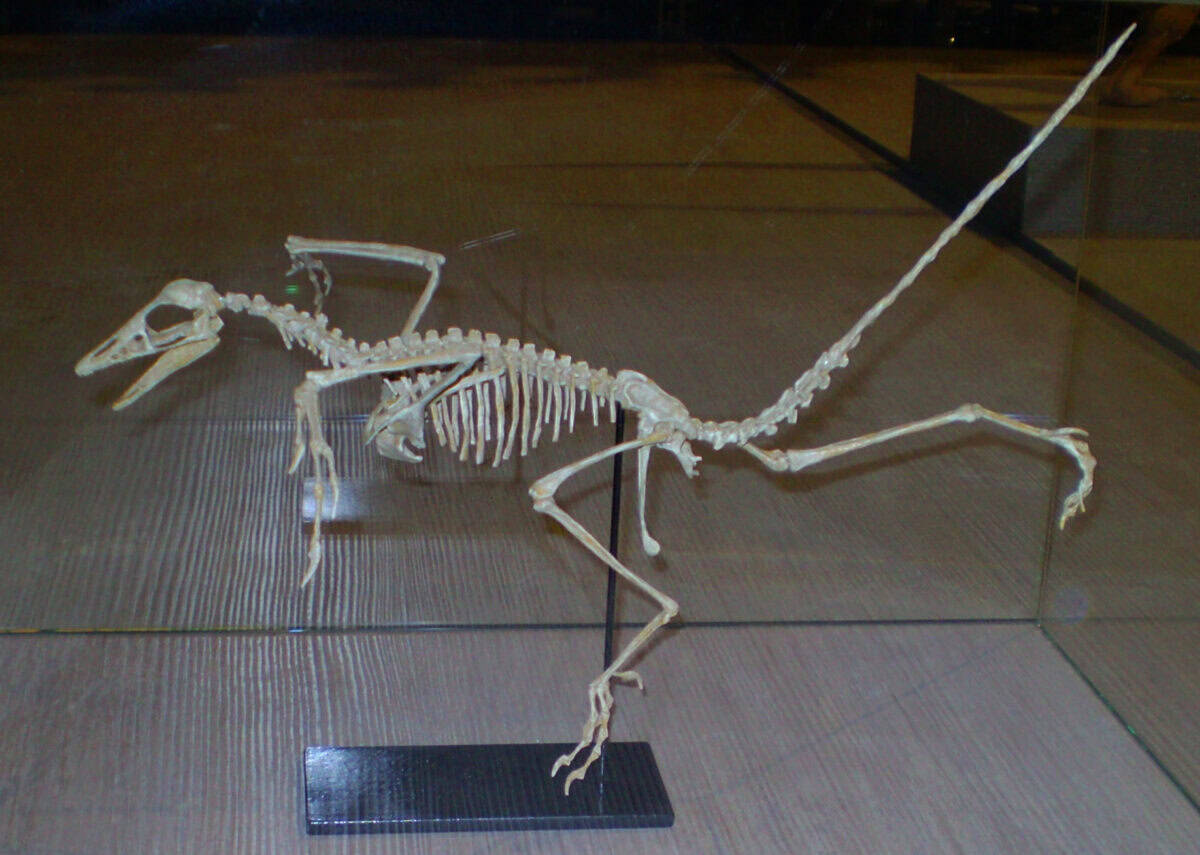
Fossils are windows into Earth’s past, providing crucial evidence of life forms that existed millions of years ago. These preserved remains have revolutionized our understanding of evolution, extinction events, and the interconnectedness of all living things. While countless fossils have contributed to scientific knowledge, some discoveries stand out for dramatically altering our perception of ancient life. From revealing unexpected evolutionary links to challenging long-held assumptions about when and how certain species evolved, these remarkable specimens have rewritten textbooks and reshaped scientific thinking. This article explores 18 groundbreaking fossil discoveries that fundamentally changed what we know about ancient life on Earth, offering glimpses into forgotten worlds and evolutionary pathways that continue to fascinate scientists and the public alike.
Lucy Redefining Human Origins
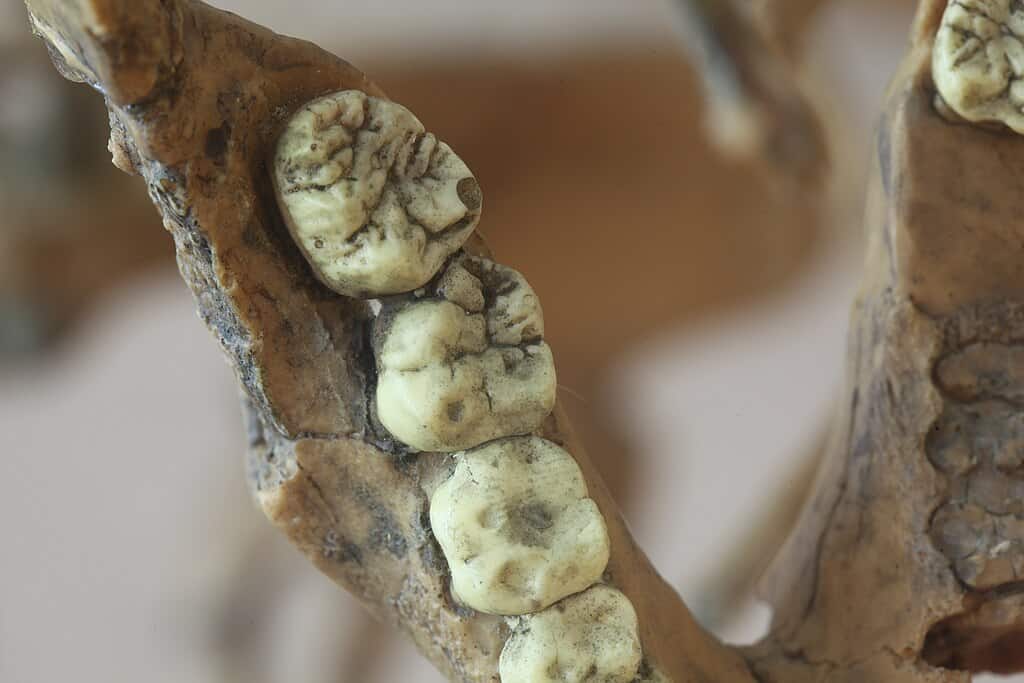
Discovered in 1974 by paleoanthropologist Donald Johanson in Ethiopia, the 3.2-million-year-old partial skeleton nicknamed “Lucy” belongs to the species Australopithecus afarensis and represents one of the most complete early hominin fossils ever found. Comprising about 40% of a complete skeleton, Lucy provided unprecedented insights into human evolution, particularly the development of bipedalism. Analysis of her bones revealed that while she had a small brain similar to chimpanzees, her pelvis and leg bones showed clear adaptations for upright walking.
Lucy’s discovery fundamentally changed our understanding of human evolution by demonstrating that our ancestors began walking upright long before developing larger brains, contrary to previous assumptions. This finding suggested that bipedalism was the initial defining characteristic that set early hominins on the evolutionary path toward modern humans, not increased brain size as was previously thought. Lucy remains an iconic fossil that continues to influence our understanding of human origins and has earned her place as “the grandmother of humanity” in both scientific literature and popular culture.
Archaeopteryx The Missing Link Between Dinosaurs and Birds
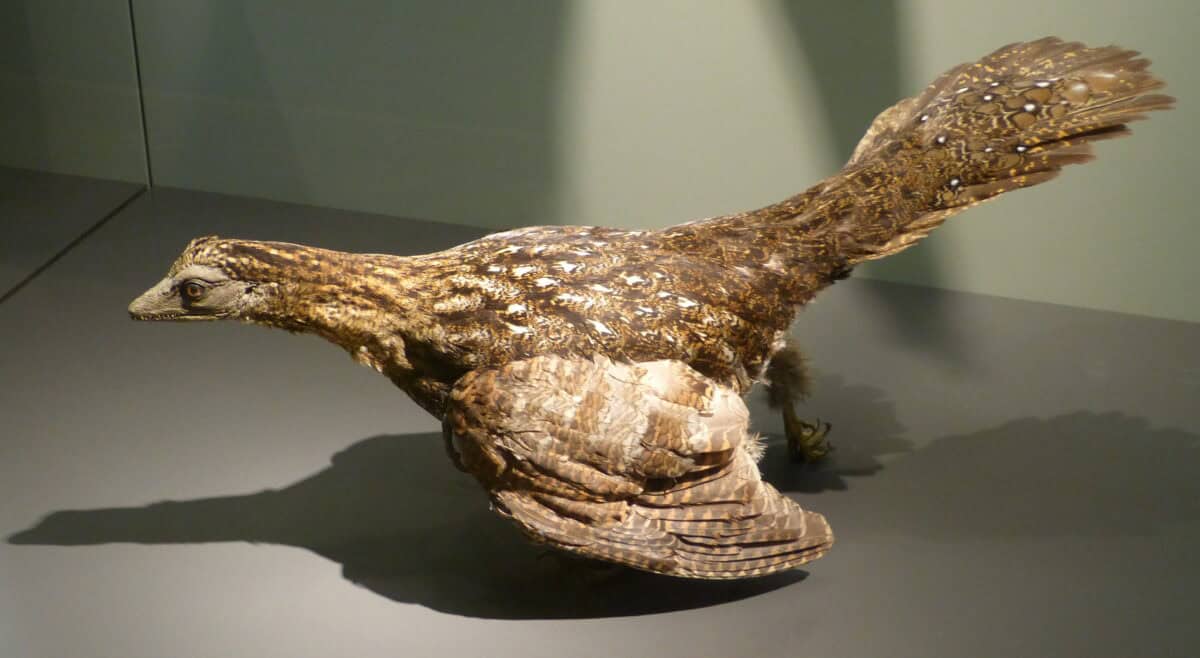
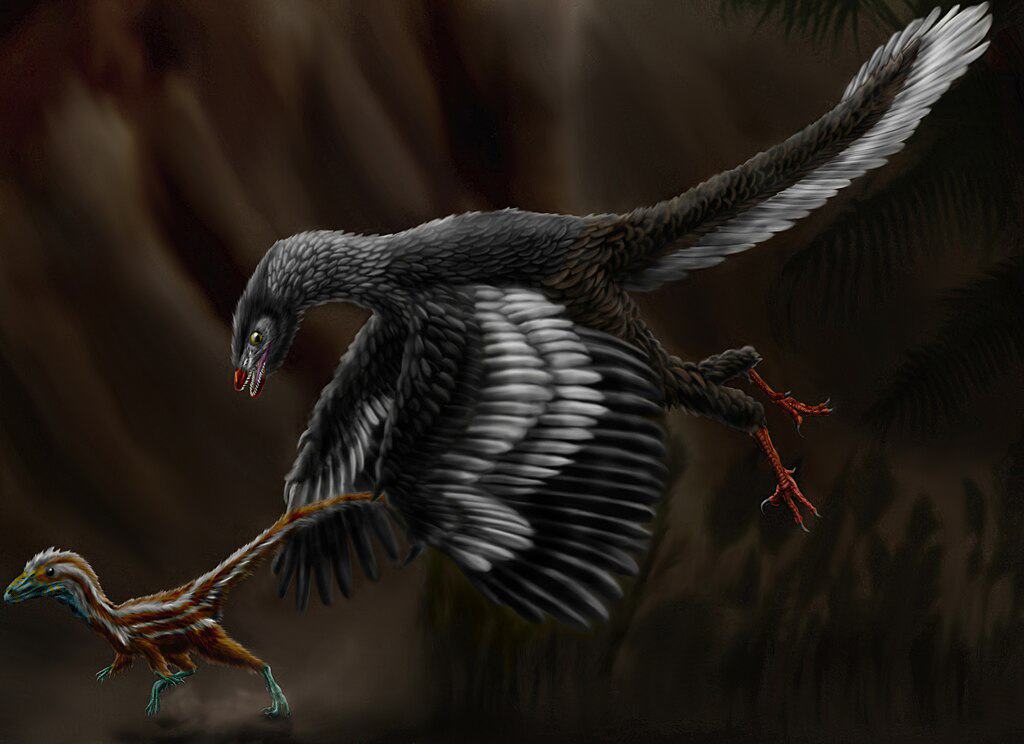
First discovered in 1861 in Germany, just two years after Charles Darwin published “On the Origin of Species,” Archaeopteryx arrived at a pivotal moment in scientific history. This 150-million-year-old fossil from the Late Jurassic period exhibits an extraordinary combination of reptilian and avian features: teeth, a bony tail, and three claws on each wing like a dinosaur, yet also possessing feathers and a wishbone like modern birds. Measuring about the size of a raven, Archaeopteryx represents one of the most important transitional fossils ever found.
Archaeopteryx provided the first compelling evidence for Darwin’s theory of evolution by showing a clear transitional form between major animal groups. It demonstrated that birds likely evolved from small, feathered dinosaurs, rather than from a separate evolutionary lineage. This breakthrough challenged the prevailing view that major animal groups had always been distinct and separate, instead supporting the concept of gradual evolutionary change. Today, most paleontologists consider Archaeopteryx an early bird, though not necessarily a direct ancestor of modern birds, but its significance in transforming our understanding of evolution cannot be overstated.
Tiktaalik The Fish That Walked

Discovered in 2004 on Ellesmere Island in the Canadian Arctic by paleontologists Neil Shubin, Edward Daeschler, and Farish Jenkins, Tiktaalik roseae represents a critical transitional fossil between fish and tetrapods (four-legged animals). Dating back approximately 375 million years to the Late Devonian period, this remarkable creature possessed both fish characteristics like scales and fins and tetrapod features including primitive lungs, a movable neck, and wrist-like bones in its fins that could support its body weight.
Tiktaalik dramatically altered our understanding of how vertebrates transitioned from aquatic to terrestrial environments. The fossil suggests that this transition occurred gradually in shallow water environments where these adaptations provided advantages, rather than in a sudden evolutionary leap. What makes Tiktaalik especially significant is that it was discovered through predictive paleontology—scientists specifically searched in rocks of a particular age and environment where they hypothesized such a transitional form might be found. This discovery filled a crucial gap in the fossil record and provided compelling evidence for the evolutionary pathway from fish to the first land-dwelling vertebrates, from which all amphibians, reptiles, birds, and mammals—including humans—eventually evolved.
Pikaia The Oldest Known Chordate
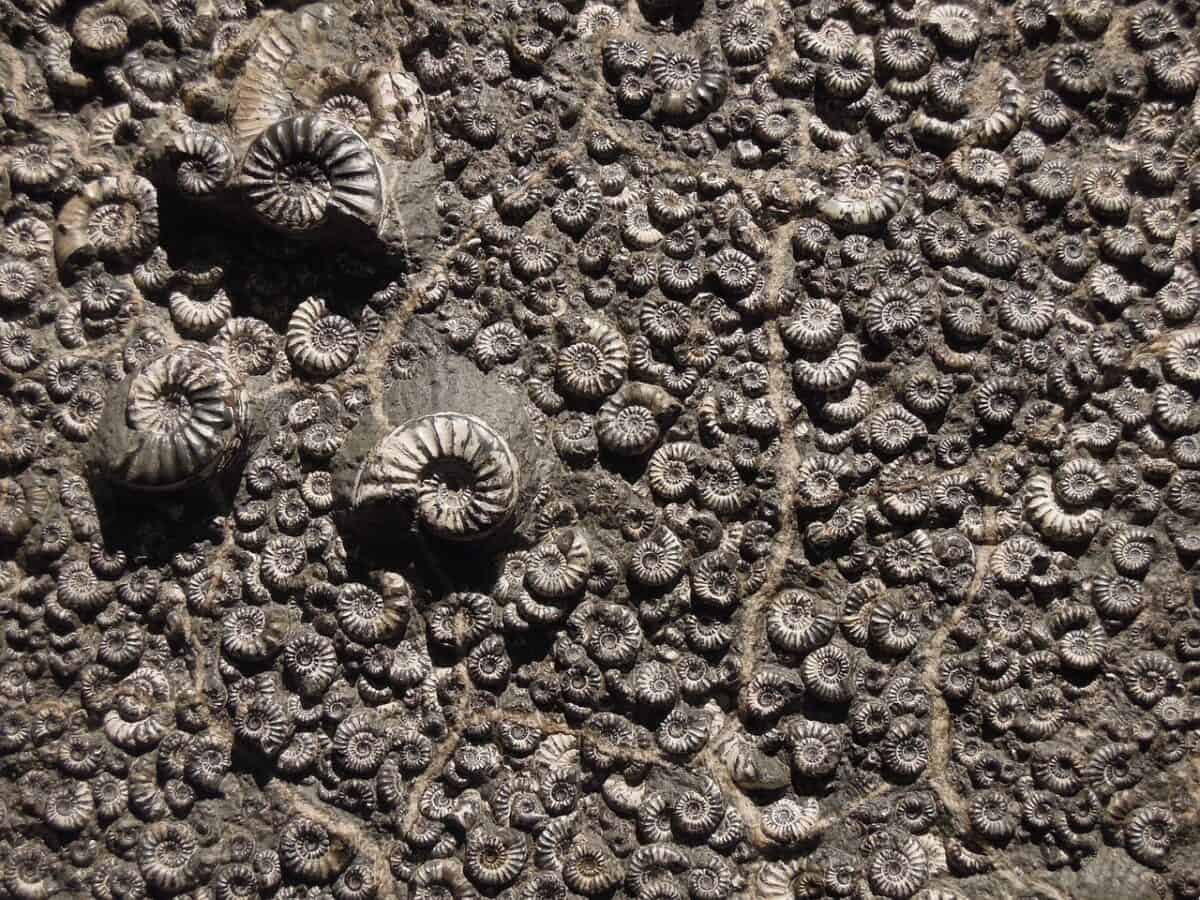
Discovered in the famous Burgess Shale formation in British Columbia, Canada, Pikaia gracilens dates back approximately 505 million years to the Middle Cambrian period. This small, worm-like creature, measuring about 5 centimeters in length, was initially described in the early 20th century but wasn’t recognized for its true significance until the 1970s. Detailed analysis revealed that Pikaia possessed a notochord (a flexible rod-like structure that runs along the back), making it the oldest known member of the chordate phylum—the group that includes all vertebrates, including humans.
Pikaia revolutionized our understanding of vertebrate evolution by pushing back the timeline for the emergence of chordates and providing insight into what our earliest ancestors might have looked like. Its preservation in the Burgess Shale, famous for its exceptional fossil preservation of soft-bodied organisms, allowed scientists to examine anatomical details that would normally decompose before fossilization. The discovery suggested that the basic body plan that would eventually lead to all vertebrate life was already established over 500 million years ago, during the Cambrian Explosion—a period of rapid diversification of complex life forms. Pikaia demonstrates that even seemingly insignificant creatures can represent crucial evolutionary turning points in the history of life on Earth.
The Jehol Biota Feathered Dinosaurs Rewrite History
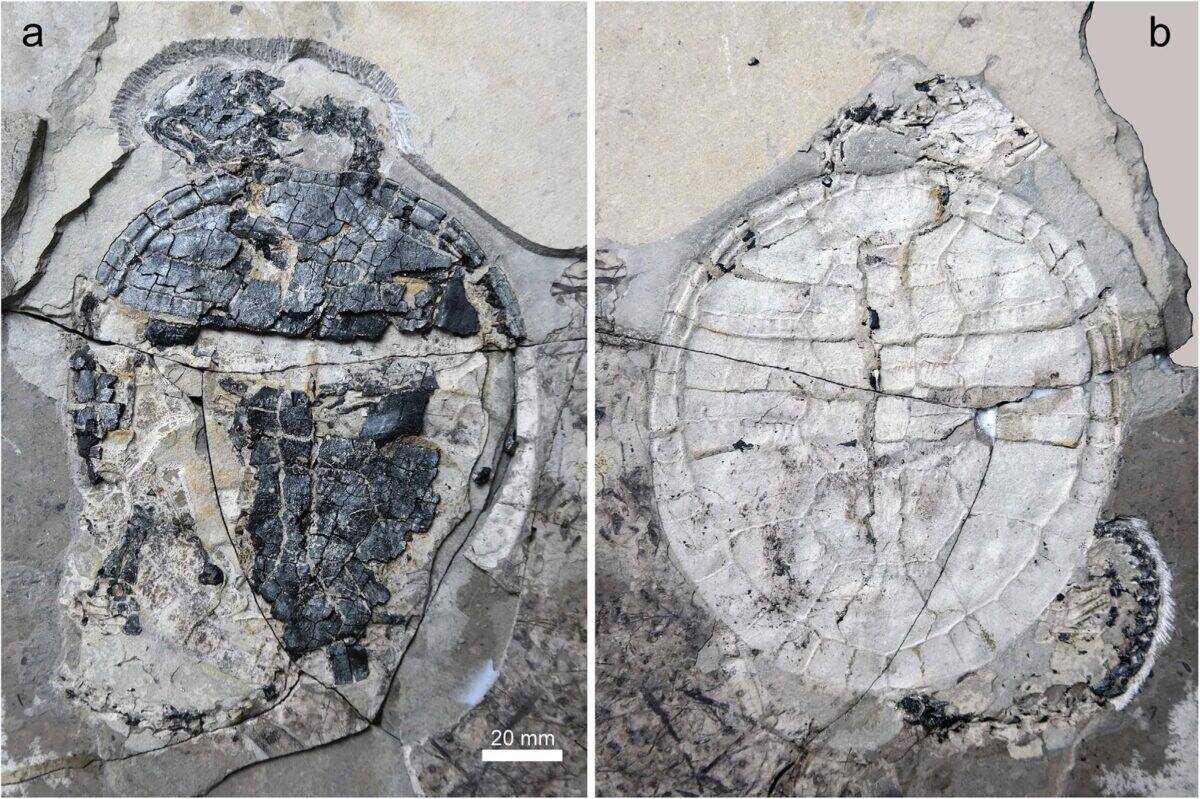
The Jehol Biota refers to a remarkable assemblage of exceptionally well-preserved fossils from northeastern China dating to approximately 120-130 million years ago during the Early Cretaceous period. Beginning in the 1990s, this fossil treasure trove has yielded numerous feathered dinosaur specimens that fundamentally transformed our understanding of dinosaur appearance, behavior, and their evolutionary relationship with birds. Species like Sinosauropteryx, the first non-avian dinosaur discovered with preserved feathers, Microraptor with its four wings, and Yutyrannus, a 9-meter-long tyrannosauroid with primitive feathering, provided indisputable evidence that many dinosaurs were feathered.
The Jehol discoveries challenged the traditional image of dinosaurs as scaly, reptilian creatures and forced scientists to reimagine what these animals looked like in life. More importantly, they provided overwhelming evidence for the dinosaurian origin of birds by documenting the progressive evolution of feathers and flight-related adaptations across different dinosaur lineages. The exceptional preservation conditions at Jehol captured fine details including soft tissues, stomach contents, and color-producing structures in feathers, offering unprecedented insights into dinosaur ecology and behavior. These fossils conclusively demonstrated that birds are not just descended from dinosaurs—they are, in fact, living dinosaurs, the sole survivors of a once-dominant group of animals that ruled Earth for over 160 million years.
Homo floresiensis The “Hobbit” That Rewrote Human Evolution
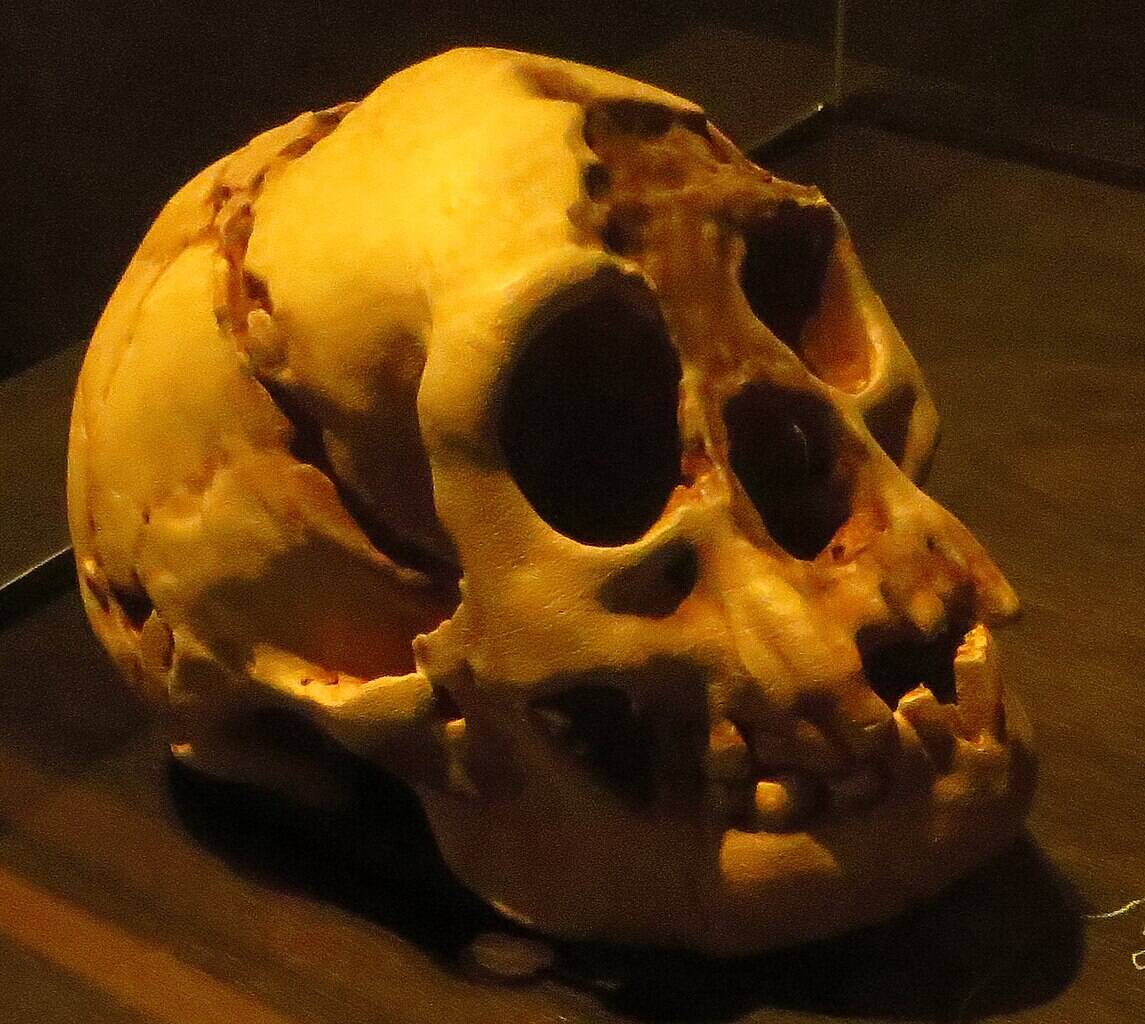
In 2003, archaeologists working in Liang Bua cave on the Indonesian island of Flores made an astonishing discovery: the remains of a tiny hominin species that stood just over 3 feet (1 meter) tall with a brain size comparable to a chimpanzee. Named Homo floresiensis and quickly nicknamed the “Hobbit” due to its small stature, this species lived as recently as 50,000 years ago—meaning it coexisted with modern humans. The most complete specimen, LB1, represented an adult female with a unique combination of primitive and advanced features, including a small brain but relatively advanced tools found in association with the remains.
The discovery of Homo floresiensis challenged many assumptions about human evolution, particularly the idea that brain size consistently increased throughout hominin evolution. It also complicated our understanding of hominin migration out of Africa, suggesting either an earlier dispersal event than previously recognized or an instance of island dwarfism—an evolutionary process where species isolated on islands evolve smaller body sizes. The fact that H. floresiensis survived until relatively recent times means that multiple human species coexisted across Earth much more recently than scientists had thought, painting a picture of human evolution not as a linear progression but as a branching bush with multiple contemporaneous species. This remarkable discovery continues to generate debate about the diversity of the human family tree and the complex pathways of human evolution.
Wiwaxia Revealing the Cambrian’s Enigmatic Diversity
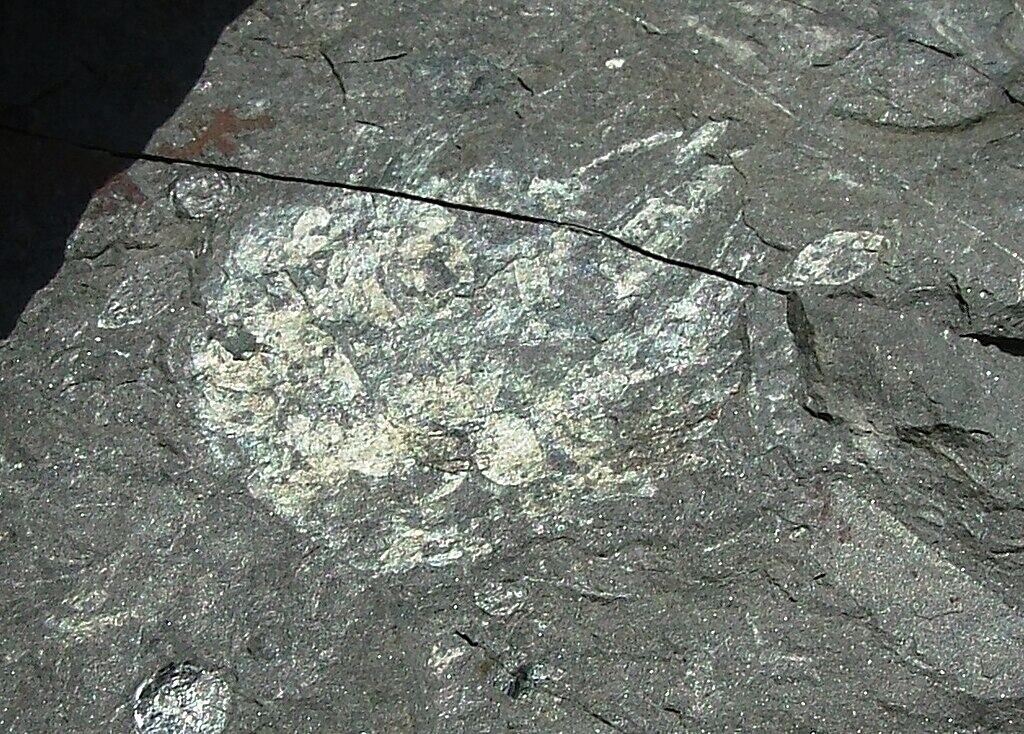
Discovered in the Burgess Shale formation in Canada, Wiwaxia corrugata represents one of the most peculiar creatures from the Cambrian period, living approximately 505 million years ago. This small, slug-like organism, typically 1-5 centimeters in length, was covered with rows of overlapping carbonaceous scales and two rows of prominent spines along its back. Since its first complete description in the 1970s, Wiwaxia has puzzled paleontologists due to its unusual morphology and uncertain evolutionary relationships. The creature possessed a feeding structure called a radula, similar to that found in mollusks, but its overall body plan didn’t neatly fit into any modern animal group.
Wiwaxia’s significance lies in how it transformed our understanding of early animal evolution and the Cambrian Explosion—the rapid diversification of complex animal life that occurred around 540-520 million years ago. The fossil revealed that early evolution produced experimental body plans and unique organisms that don’t fit neatly into modern taxonomic categories, suggesting that evolution explored numerous biological designs before settling on the successful body plans we see today. After decades of debate, most scientists now place Wiwaxia in a stem group related to annelids (segmented worms) and mollusks, highlighting the complex evolutionary relationships between major animal groups. This enigmatic creature reminds us that the tree of life once contained branches that later disappeared entirely, leaving no direct descendants in today’s world.
Hallucigenia From Paleontological Puzzle to Evolutionary Insight
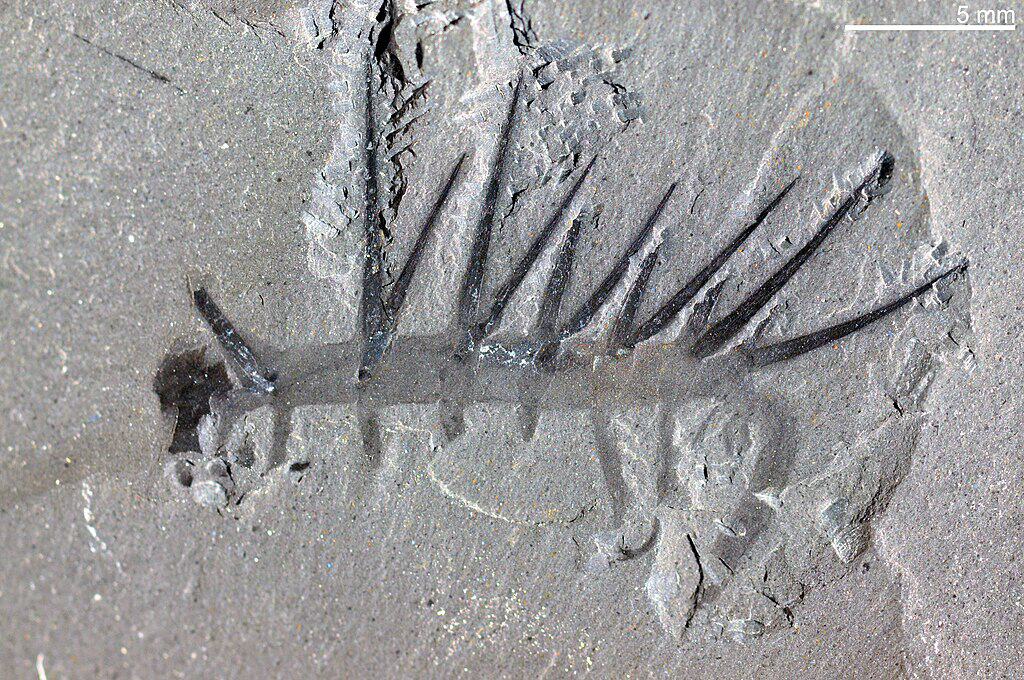
First discovered in the Burgess Shale in the 1970s, Hallucigenia sparsa was initially so bizarre that scientists couldn’t determine which end was the head or even which way was up. Named for its “hallucinatory” appearance, this 1-2 centimeter long creature from the Middle Cambrian period (about 508 million years ago) was initially reconstructed upside down, with what were actually protective spines misidentified as legs. It wasn’t until the 1990s, with the discovery of better-preserved specimens, that researchers correctly oriented the animal, identifying its head with simple eyes and a ring of teeth, and recognizing it had seven pairs of tentacle-like legs and seven pairs of defensive spines along its back.
Hallucigenia’s story represents how fossil interpretations can dramatically change with new evidence, revolutionizing our understanding of early animal evolution. Modern analysis has revealed that this once-perplexing creature belongs to the group Onychophora (velvet worms), making it a crucial link in understanding the early evolution of arthropods and related groups. The reinterpretation of Hallucigenia illustrates how seemingly bizarre Cambrian creatures can actually inform our understanding of modern animal relationships. This remarkable fossil demonstrates that the Cambrian period wasn’t just characterized by the appearance of major animal groups we recognize today, but also by unique experimental body plans that push the boundaries of what we thought possible in animal evolution, highlighting the remarkable creativity of evolutionary processes during this pivotal time in Earth’s history.
Ida: The Controversial Primate That Sparked Debate

Discovered in Germany’s Messel Pit and unveiled to the public in 2009 with considerable media fanfare, “Ida” (formally named Darwinius masillae) is a 47-million-year-old primate fossil from the Eocene epoch. This remarkably complete specimen—about 95% intact—preserves not only the skeleton but also the outline of fur and even stomach contents, revealing that the juvenile female had eaten fruits and leaves before her death. Initially hailed as a “missing link” in primate evolution and potentially a direct human ancestor, Ida’s announcement was accompanied by a documentary, a book, and an exhibition that generated both public excitement and scientific controversy.
The scientific significance of Ida has been subject to intense debate that transformed how we understand primate evolution and highlighted the challenges of interpreting the fossil record. Subsequent research has placed Darwinius not in the lineage leading to monkeys, apes, and humans (haplorhines) as initially claimed, but rather among the adapiforms, an extinct group more closely related to lemurs and lorises (strepsirrhines). While this repositioning diminished Ida’s direct relevance to human evolution, the fossil remains extraordinarily important for understanding early primate diversity and evolution during a crucial period when primates were diversifying. The controversy surrounding Ida’s interpretation serves as a reminder of the complex nature of evolutionary relationships and the importance of rigorous peer review in evaluating bold claims about fossil discoveries, even as it provides invaluable insights into the prehistoric world of our distant primate relatives.
The First Dinosaur Eggs Insights into Reproductive Biology
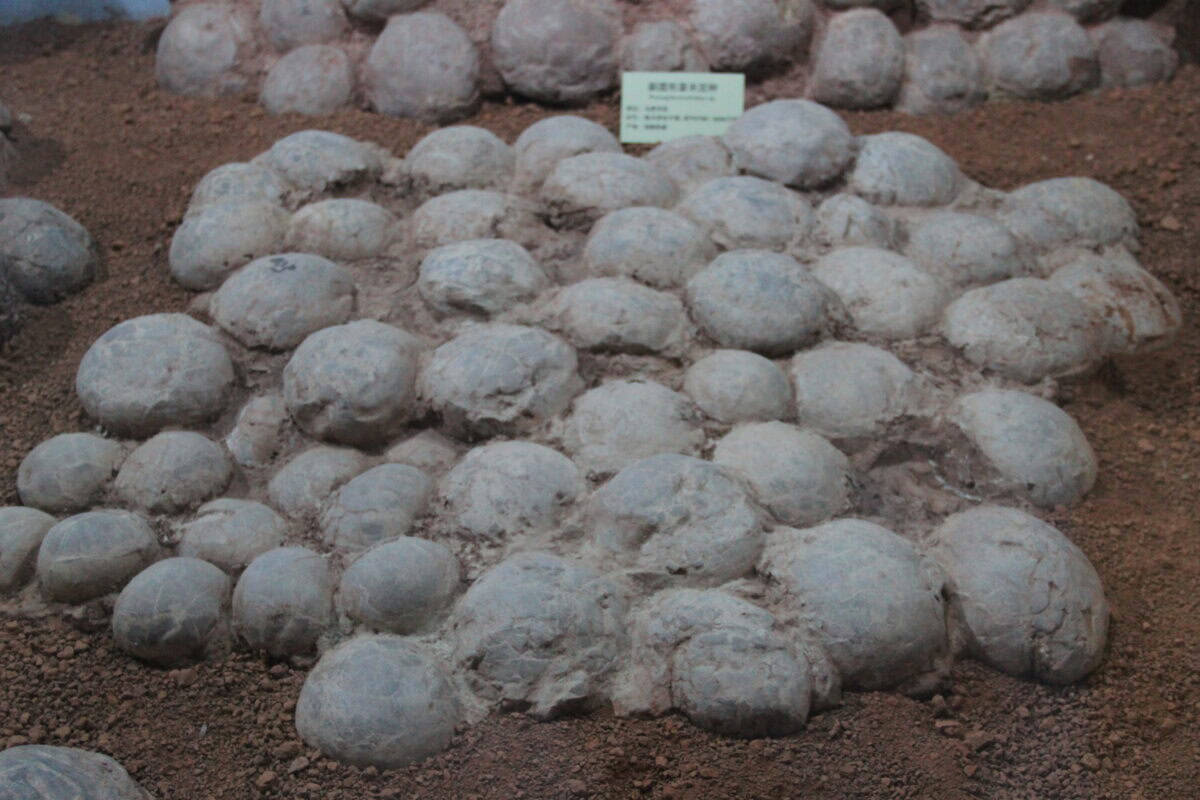
The first scientifically documented dinosaur eggs were discovered in 1923 by an American Museum of Natural History expedition to the Gobi Desert of Mongolia. Initially, the expedition members thought they had found fossil turtle eggs, but they were soon recognized as the first confirmed dinosaur eggs, later attributed to the ceratopsian dinosaur Protoceratops. Subsequent discoveries of dinosaur eggs and nests around the world, particularly in sites like Auca Mahuevo in Argentina (which yielded thousands of sauropod eggs) and various localities in China, have provided unprecedented insights into dinosaur reproductive biology, behavior, and development. Many of these fossils preserve not just the eggs themselves but also embryos in various stages of development.
These discoveries fundamentally changed our understanding of how dinosaurs reproduced and cared for their young. Evidence from nest structures, egg arrangements, and the presence of multiple juveniles in nests suggested that many dinosaur species exhibited complex parental care behaviors, much like modern birds. The discovery of brooding oviraptorids—dinosaurs preserved while sitting on their nests in a bird-like posture—provided compelling evidence that some theropod dinosaurs incubated their eggs. Analysis of eggshell microstructure and porosity has revealed information about dinosaur nesting environments and incubation strategies. Perhaps most significantly, these eggs and embryos demonstrated that dinosaurs, like their bird descendants, laid eggs with hard shells arranged in organized nests rather than soft-shelled eggs deposited haphazardly like many reptiles. This reproductive evidence added crucial support to the evolutionary link between dinosaurs and birds, showing that bird-like reproductive behaviors evolved in dinosaurs long before the first birds appeared.
Pakicetus Revealing the Origin of Whales

Discovered in Pakistan in 1981 by paleontologist Philip Gingerich, Pakicetus attocki represents one of the most significant transitional fossils in mammalian evolution. Dating back approximately 50 million years to the early Eocene epoch, this wolf-sized mammal was initially known only from skull fragments, but those fragments contained crucial evidence: ear bones with a structure unique to whales. Later, more complete specimens revealed that Pakicetus had four legs and could walk on land, yet its skull showed unmistakable whale-like features, particularly in the ear region which was adapted for hearing underwater. The creature likely lived in shallow freshwater environments, hunting fish and small animals.
Pakicetus revolutionized our understanding of whale evolution by providing concrete evidence that these marine mammals evolved from terrestrial ancestors. Prior to this discovery, the evolutionary origin of whales was a profound mystery, as there seemed to be an unbridgeable gap between land mammals and fully aquatic whales. Subsequent discoveries of other transitional forms like Ambulocetus (the “walking whale”) and Rodhocetus further filled in the evolutionary sequence, showing the gradual adaptation of these mammals to an aquatic lifestyle over about 10 million years. The pakicetid fossils demonstrated one of the most dramatic evolutionary transitions known—the transformation of a land-dwelling mammal into the fully aquatic whales and dolphins we know today. This remarkable series of discoveries provided compelling evidence for major evolutionary transitions and helped scientists understand how seemingly impossible evolutionary changes can occur through a series of intermediate adaptations.
Conclusion:
The discovery of these 18 incredible fossils has dramatically reshaped our understanding of ancient life on Earth. Each fossil, from feathered dinosaurs to early mammals and marine reptiles, has filled in critical gaps in the evolutionary record, providing scientists with invaluable insights into how species adapted, evolved, and interacted over millions of years. These findings have not only confirmed long-held theories but also challenged conventional thinking, leading to new hypotheses and a deeper appreciation of life’s complexity throughout geological history.
As technology continues to advance, the study of fossils grows more precise, allowing researchers to extract even more information from ancient remains. These groundbreaking discoveries remind us that the history of life on Earth is still being written—one fossil at a time. Whether buried beneath deserts, encased in amber, or revealed by erosion, each unearthed fossil brings us closer to understanding the intricate puzzle of our planet’s biological past.

As a little kid, I fell in love with nature, wildlife, and animals. Living in the USA, South Africa, Italy, China and Germany gave me the opportunity to discover the world's Wildlife. My favorite animals are Mountain Gorillas, Siberian Tigers, and Great White Sharks.
I'm a certified PADI Open Water Diver, went to Everest Base Camp and Trekked Gorillas in Uganda. I hold a Master of Science in Economics and Finance.
Please send any feedback to feedback@animalsaroundtheglobe.com
- 13 Aquatic Mammals That Don not Look It - July 10, 2026
- 15 Unlikely Hunters With Killer Instincts - July 10, 2026
- 10 Low-Maintenance Pets for Busy Owners - July 10, 2026