

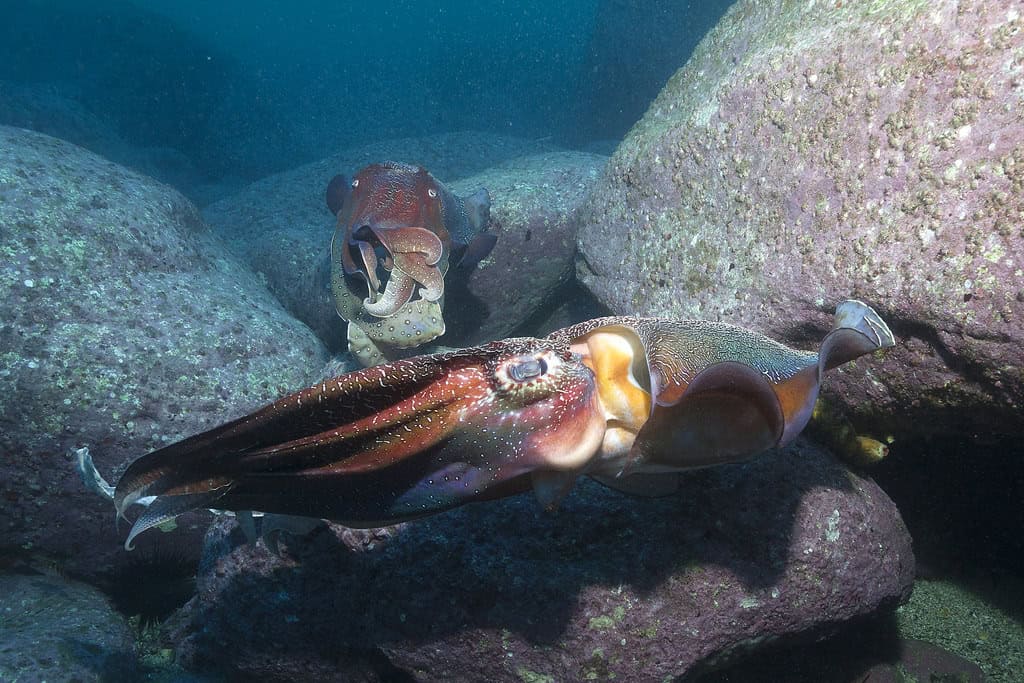
Beneath the ocean’s surface lives one of nature’s most remarkable artists – the cuttlefish. These enigmatic cephalopods possess an unparalleled ability to transform their appearance in ways that seem almost magical to human observers. Unlike the static coloration of most marine creatures, cuttlefish can change their skin’s color, pattern, and even texture almost instantaneously, creating living displays that range from subtle camouflage to dazzling psychedelic shows. This remarkable ability serves not just as protection from predators but plays crucial roles in hunting, communication, and courtship.
What makes the cuttlefish’s color-changing abilities particularly fascinating is the sophisticated biological mechanisms behind them. While chameleons may be the land animals most famous for color change, their abilities pale in comparison to the cuttlefish’s rapid and complex transformations. Through a combination of specialized skin cells, neural control, and visual processing that scientists are still working to fully understand, these mollusk relatives have developed one of the animal kingdom’s most sophisticated dynamic camouflage systems.
Biological Marvels: The Anatomy Behind the Magic
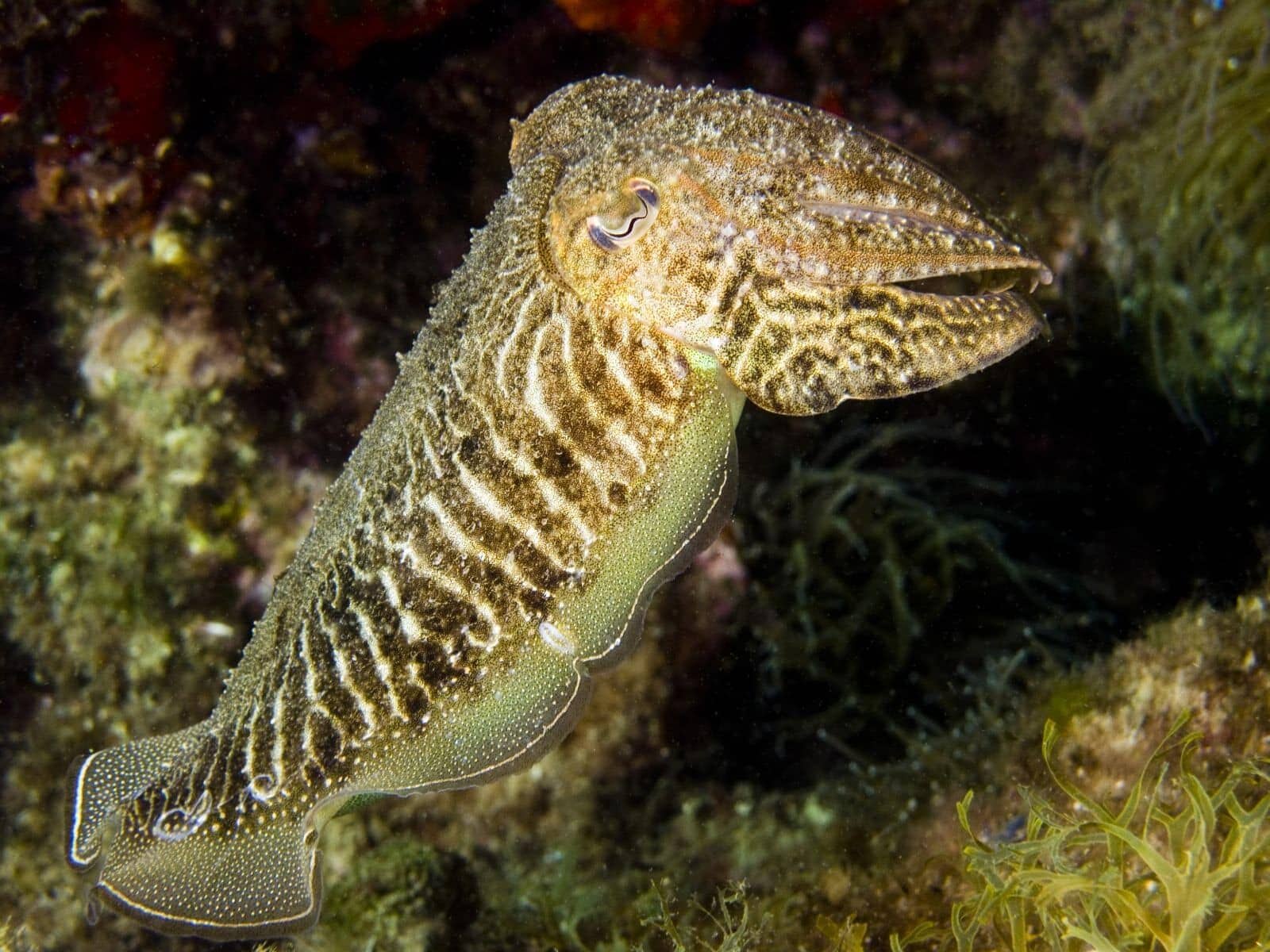
The cuttlefish’s extraordinary color-shifting abilities stem from specialized cells in their skin called chromatophores, iridophores, and leucophores. Chromatophores are elastic sacs filled with pigment, primarily yellow, red, and brown, that can expand or contract when controlled by the cuttlefish’s muscles. When expanded, these sacs display vibrant colors; when contracted, they become nearly invisible. This system allows cuttlefish to create an endless variety of patterns and colors across their skin with astonishing speed and precision.
Beneath the chromatophores lie iridophores, which reflect light rather than absorbing it. These cells contain plates of guanine crystals that reflect different wavelengths of light depending on their orientation, creating iridescent blues, greens, and silvers. The deepest layer contains leucophores, which reflect white light and provide brightness to the cuttlefish’s display. Working in concert, these three types of cells give cuttlefish their remarkable ability to mimic almost any background or create dramatic visual displays that can change in less than a second.
Speed Champions: The Rapid Response System
Perhaps the most impressive aspect of cuttlefish coloration is the speed at which changes occur. Unlike other color-changing animals that might take minutes or hours to alter their appearance, cuttlefish can transform completely in just 200 milliseconds—faster than the blink of a human eye. This remarkable speed is possible because their color-changing mechanism is controlled directly by neurons rather than hormones, which would take much longer to circulate through the bloodstream.
The cuttlefish’s brain sends signals directly to the muscles surrounding their chromatophores, allowing for instantaneous expansion or contraction of these pigment-filled sacs. This direct neural control enables cuttlefish to create moving patterns across their skin, such as bands of color that ripple from head to tentacles, or to match complex backgrounds with precise patterning. Research has shown that a single cuttlefish can produce thousands of distinct patterns, making them among the most visually versatile animals on the planet.
Masters of Mimicry: Camouflage Perfected
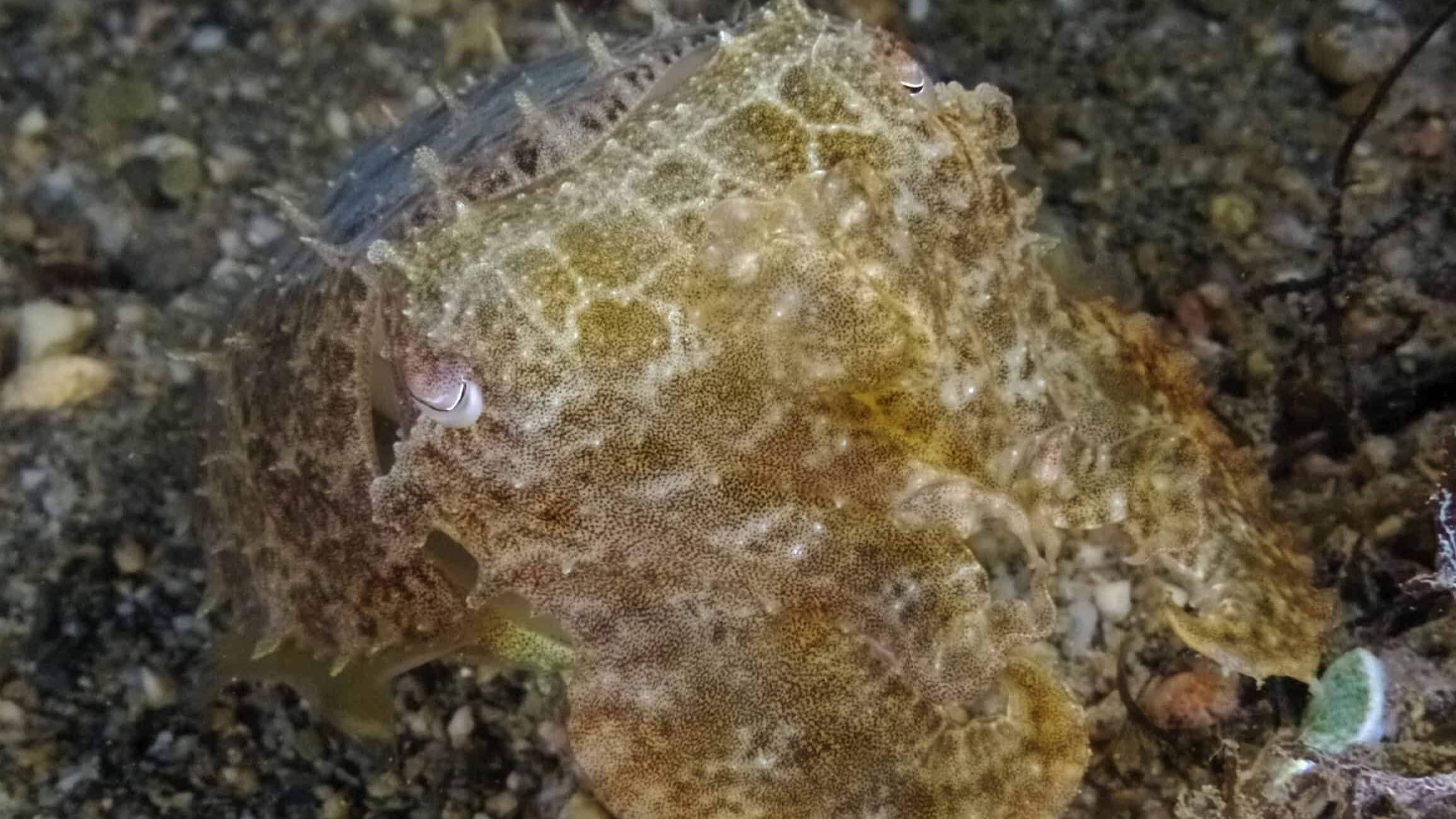
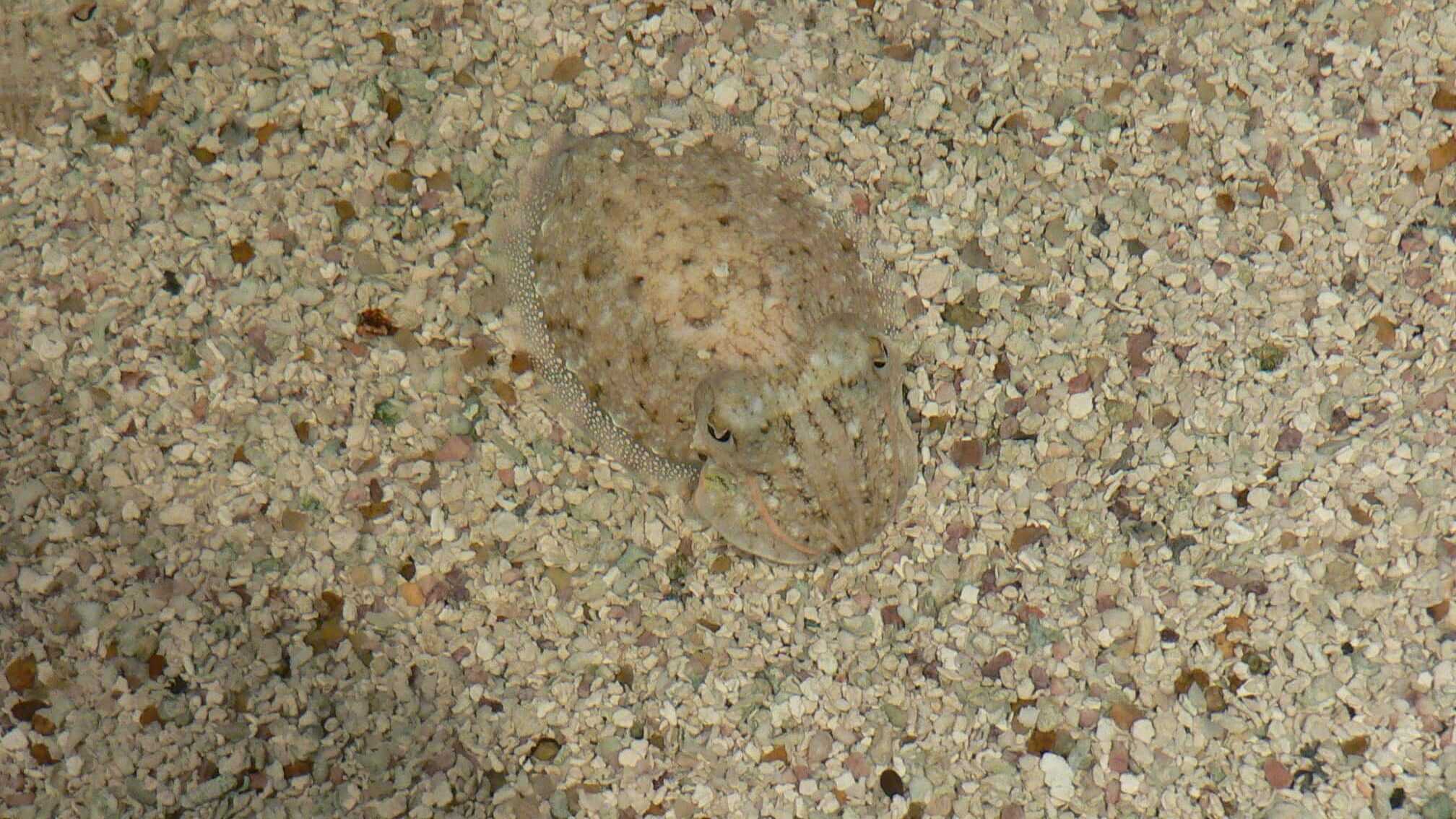
Cuttlefish are unrivaled masters of camouflage, capable of matching not just the colors but also the textures and patterns of their surroundings. When resting on coral, they can adopt both the hue and the bumpy texture of the reef. On sandy bottoms, they flatten their skin and take on a speckled appearance that perfectly mimics the seafloor. This ability to blend in is so sophisticated that cuttlefish can even match checkerboard patterns presented by researchers in laboratory settings, demonstrating their exceptional visual processing and skin control.
What makes this camouflage ability even more remarkable is that cuttlefish are colorblind. Despite having only one type of photoreceptor in their eyes (compared to humans’ three), they somehow perceive and match colors with extraordinary accuracy. Scientists believe they may detect colors based on how different wavelengths of light are filtered through their uniquely shaped pupils, essentially using their eyes as prisms to break down light in ways we’re still working to understand. This sophisticated camouflage system serves as their primary defense against predators, as cuttlefish lack the protective shells of their nautilus relatives.
Visual Communication: The Language of Color
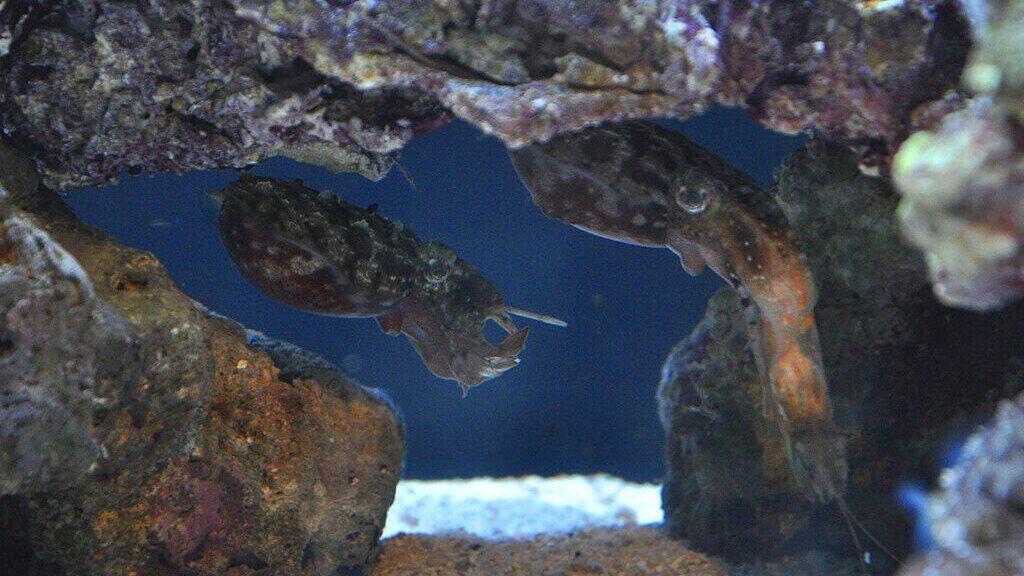
Beyond camouflage, cuttlefish use their color-changing abilities as a sophisticated form of communication. Males display specific patterns to attract females, with some species creating moving bands of color that ripple across their bodies in hypnotic waves. During competition for mates, male cuttlefish engage in fascinating displays where one side of their body may show aggressive patterns toward rival males while the other side simultaneously displays courtship patterns to females—a technique scientists call “dual signaling.”
Cuttlefish also use color signals to warn others of danger or establish dominance. When threatened, many species can produce a startling “deimatic display”—rapidly changing to bold patterns with dark eye spots and contrasting colors to startle predators. This visual language extends to hunting as well, where some cuttlefish species use pulsating color patterns to mesmerize prey before striking. These complex visual communications demonstrate an advanced level of social interaction that belies their relatively simple nervous systems.
The Remarkable Brain Behind the Colors
The neural control system that enables cuttlefish to change colors so rapidly and precisely is extraordinarily sophisticated. Despite having brains much smaller than those of mammals, cuttlefish devote a significant portion of their neural processing to visual information and skin control. Their brain-to-body weight ratio is among the largest of all invertebrates, rivaling some vertebrates, and they possess complex learning abilities that would be impressive even in mammals.
Research has shown that the cuttlefish visual system processes enormous amounts of information about their surroundings, analyzing patterns, contrasts, and textures in real-time. This information is then translated into precise muscle commands that control millions of chromatophores across their skin. Scientists studying cuttlefish brains have discovered specialized neural pathways dedicated solely to camouflage and display behaviors, suggesting that these abilities have been under intense evolutionary pressure for millions of years, resulting in one of nature’s most sophisticated visual systems.
Mood Rings of the Sea: Emotional Displays
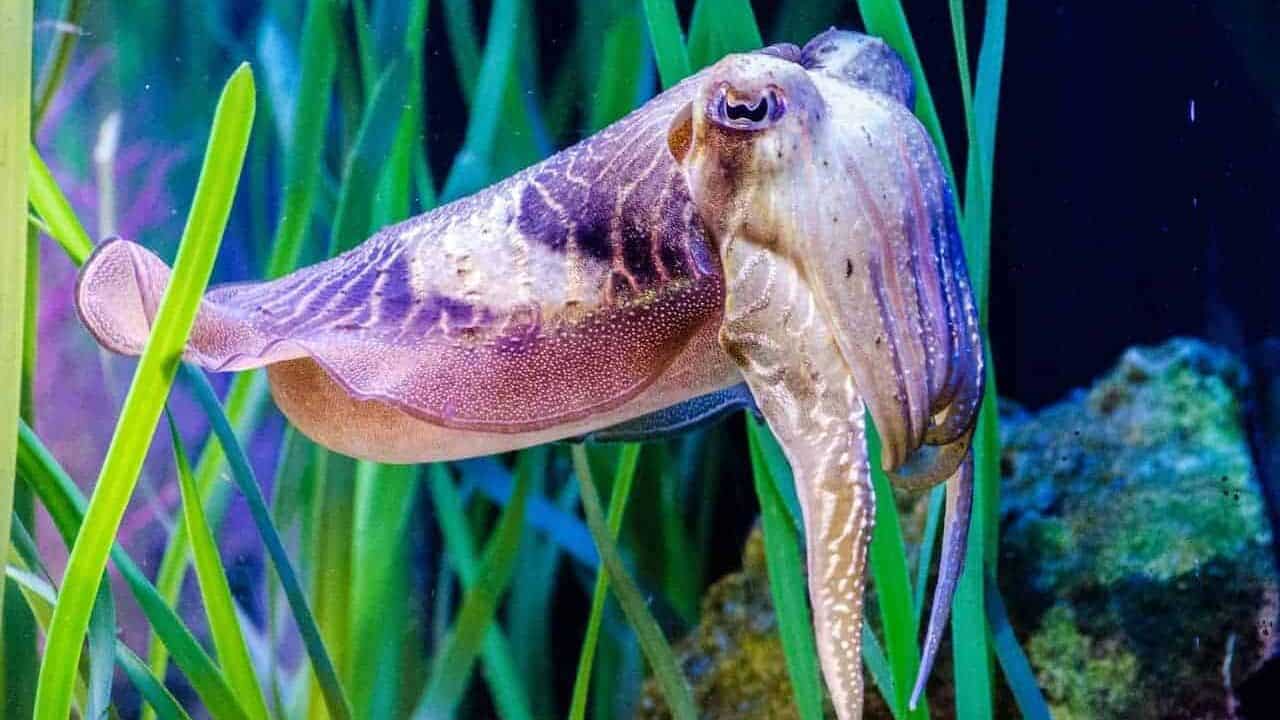
Like mood rings for the ocean, cuttlefish skin often reflects their internal state. When agitated or stressed, many species display distinctive patterns with high contrast or rapid movement. Calm cuttlefish typically show more subdued colors. These displays aren’t just reflexive responses—they represent complex interactions between the animal’s perception, emotional state, and social context, making cuttlefish coloration one of the most direct windows into cephalopod psychology available to researchers.
During sleep or rest, cuttlefish display what scientists call “passing cloud” patterns—gentle waves of color that move across their bodies even while the animal remains still. These patterns might represent a form of neural activity similar to dreaming in higher vertebrates. Researchers studying these phenomena have observed that cuttlefish seem to process and consolidate information during these periods, suggesting that their color displays may serve as external manifestations of internal cognitive processes—a living display of cephalopod consciousness.
Hunting in Technicolor: Predatory Tactics
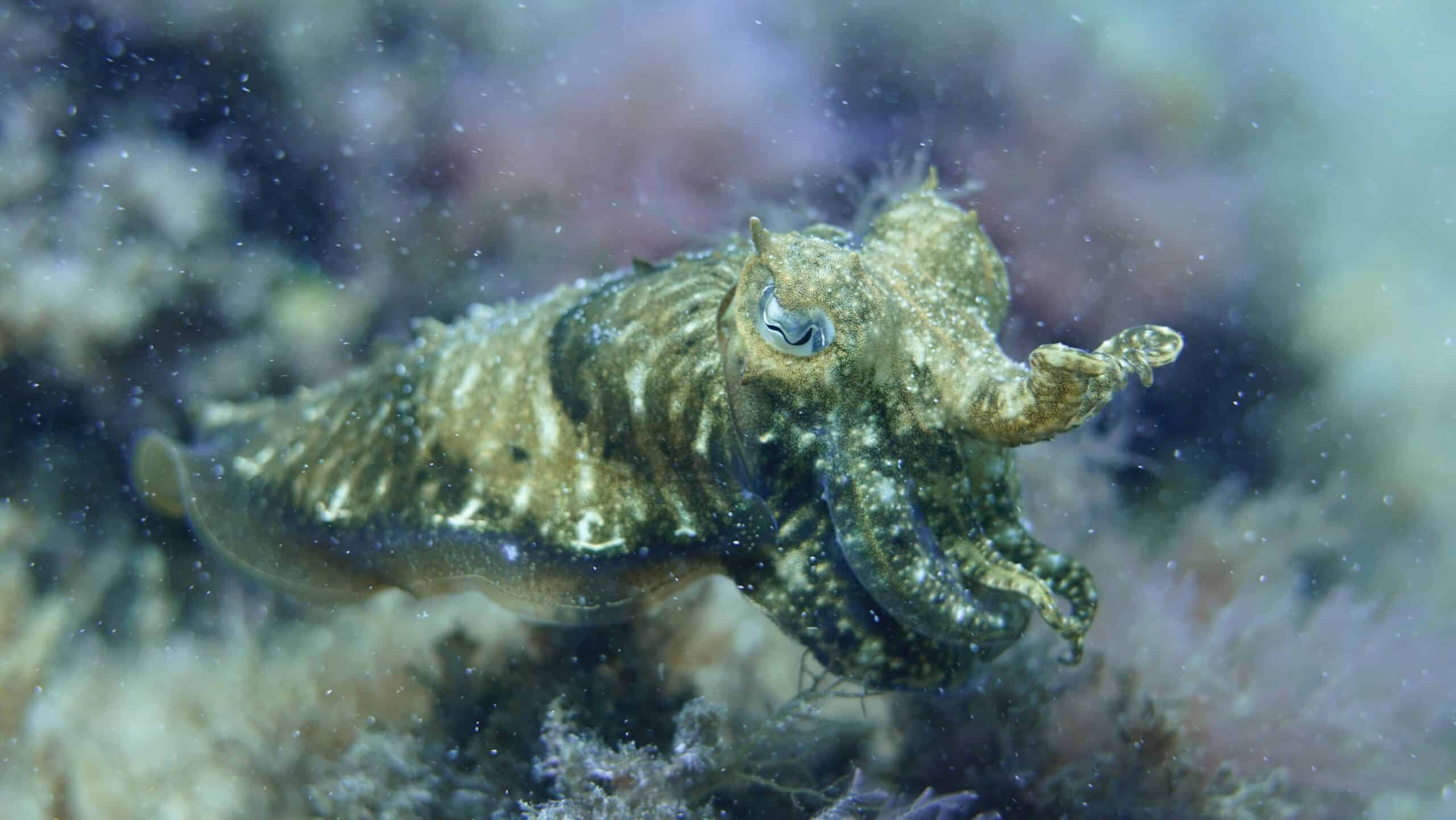
Cuttlefish employ their color-changing abilities not just for defense but also as sophisticated hunting tools. When stalking prey, many species adopt colors that blend with their surroundings, making them nearly invisible until they’re ready to strike. Some species have been observed using a fascinating technique called “hypnosis” where they produce rhythmic, pulsating color patterns that appear to mesmerize or disorient small fish and crustaceans, making them easier to capture with a lightning-fast strike of their feeding tentacles.
Another hunting strategy involves what researchers call “moving rock” camouflage, where cuttlefish match the color and texture of nearby rocks while slowly creeping toward unsuspecting prey. When hunting in groups, some cuttlefish species coordinate their coloration, creating confusion among prey schools that mistake the predators for a single large organism or environmental feature. These varied hunting strategies highlight how cuttlefish have evolved their color-changing abilities not just as defensive adaptations but as active tools for predation.
Species Variations: A Rainbow of Differences
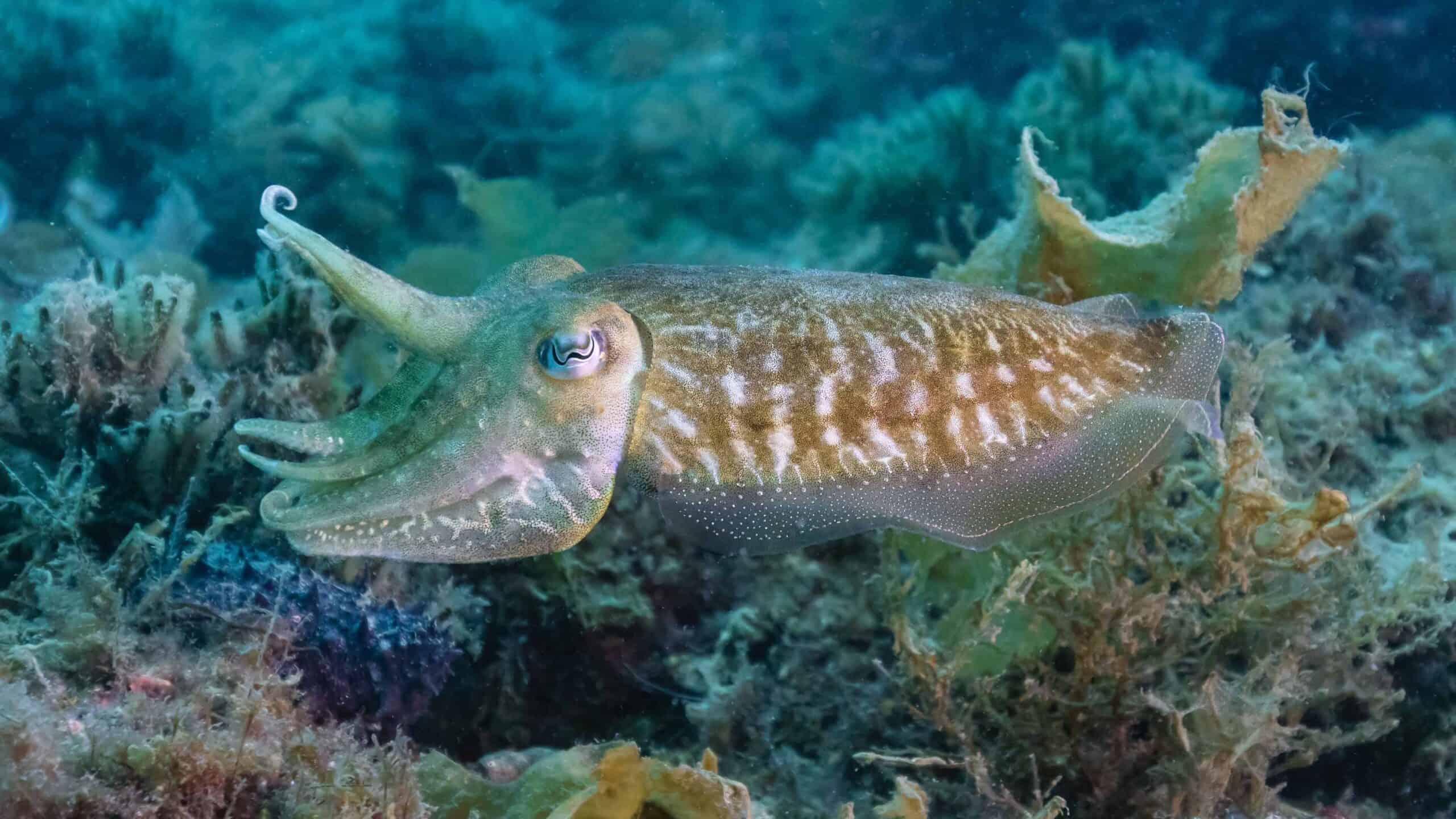
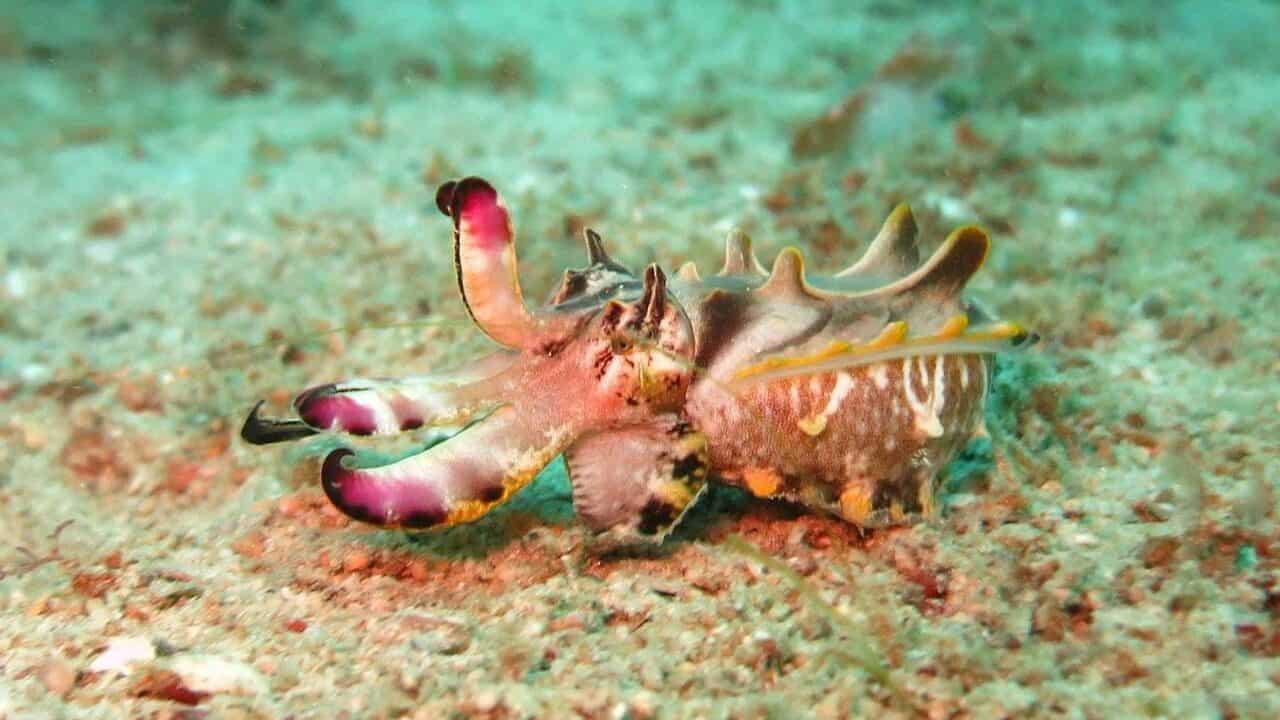
While all cuttlefish possess color-changing abilities, the specific patterns and colors vary significantly among the approximately 120 recognized species. The common cuttlefish (Sepia officinalis) of European waters can produce bold zebra-like patterns and rich browns, while the flamboyant cuttlefish (Metasepia pfefferi) of the Indo-Pacific displays warning coloration of bright yellows, whites, and purples to advertise its toxicity. The pharaoh cuttlefish (Sepia pharaonis) can create intricate mottled patterns that match complex coral reef environments with astonishing precision.
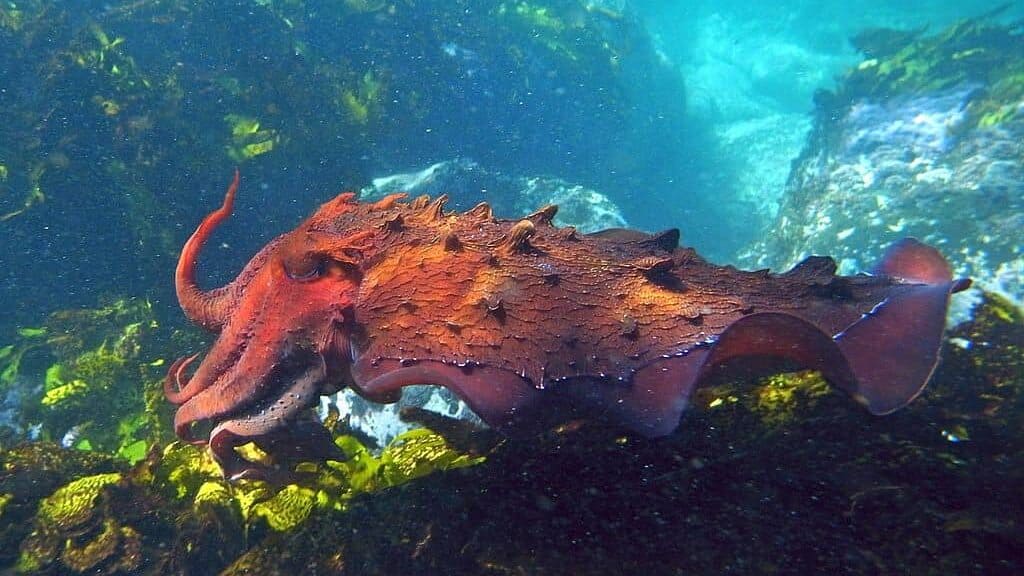
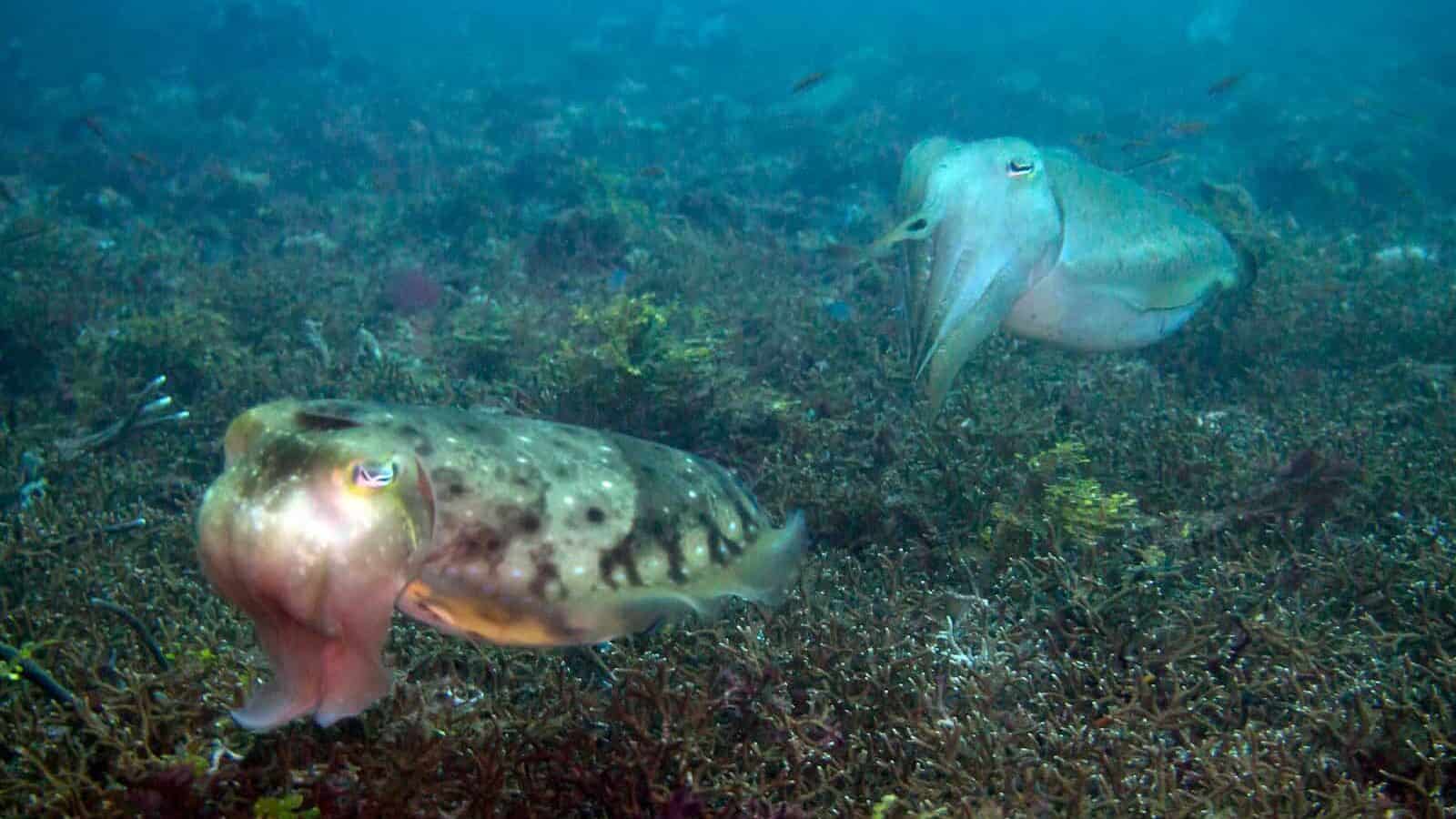
Size also influences coloration capabilities, with the giant Australian cuttlefish (Sepia apama) capable of the most complex displays due to its larger skin surface and greater number of chromatophores. During their spectacular mating aggregations, males produce swirling, rainbow-like patterns to attract females in one of nature’s most magnificent light shows. Smaller species like the dwarf cuttlefish (Sepia bandensis) have fewer chromatophores but compensate with more rapid color changes, allowing them to quickly disappear against varied backgrounds in the shallower waters they typically inhabit.
Conservation Concerns: Protecting Living Art
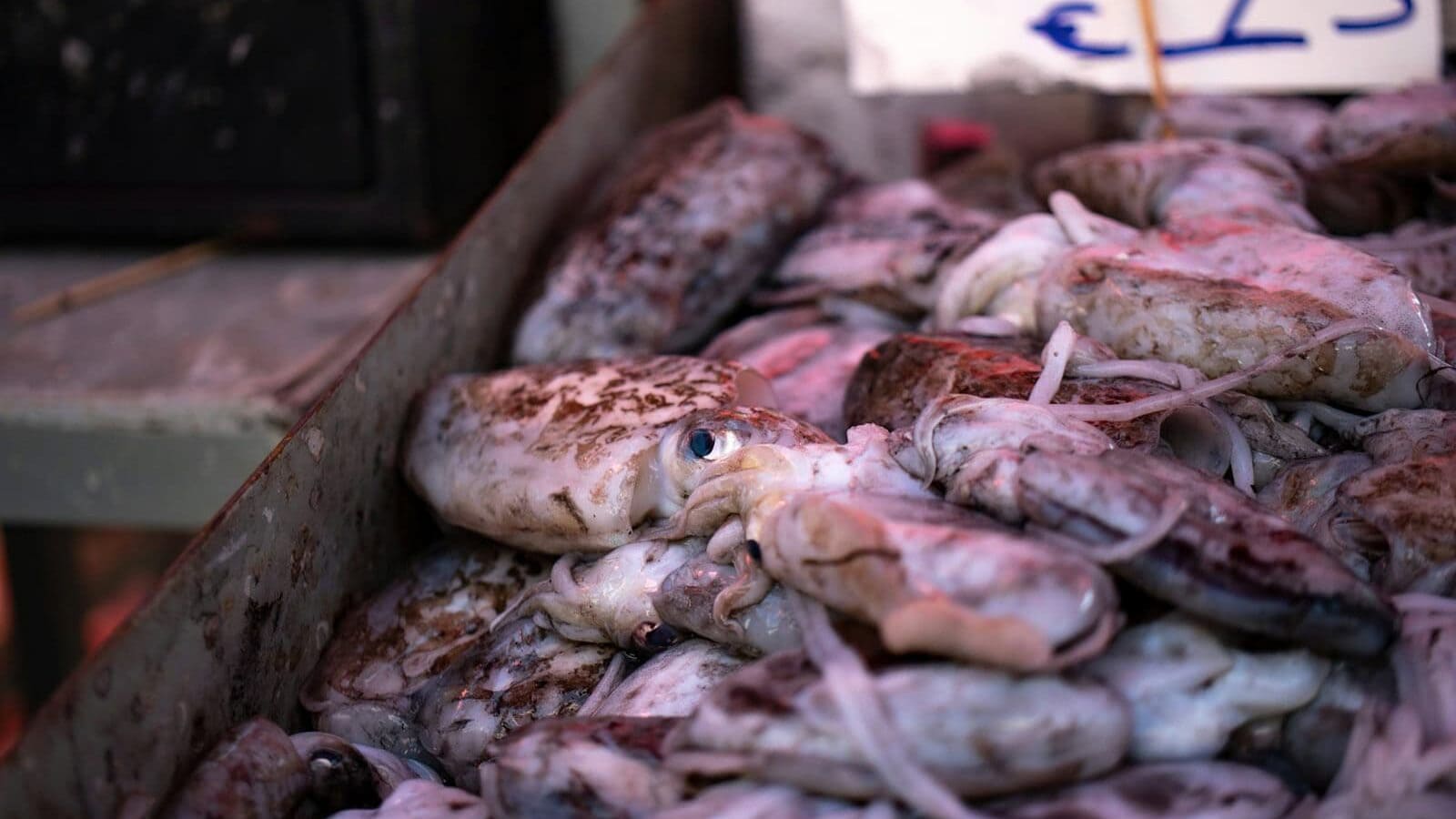
Despite their remarkable adaptations, cuttlefish face significant threats from human activities. Overfishing represents the primary danger, as cuttlefish are harvested for food in many parts of the world. Their relatively short lifespan—most species live only 1-2 years—makes their populations particularly vulnerable to fishing pressure. Climate change poses additional challenges, as warming oceans and acidification may affect the development of cuttlefish eggs and the abundance of their prey species.
Habitat destruction, particularly of seagrass beds and coral reefs where many species breed and hunt, further threatens cuttlefish populations. Marine pollution, especially microplastics and agricultural runoff, may disrupt the sensitive visual systems cuttlefish rely on for their sophisticated color matching. Conservation efforts focused on establishing marine protected areas and implementing sustainable fishing practices are essential to ensuring these remarkable color-shifters continue to enchant future generations of ocean explorers and scientists.
Scientific Inspiration: Biomimicry and Research
The cuttlefish’s extraordinary abilities have inspired numerous technological innovations. Engineers studying soft robotics look to cuttlefish skin for inspiration in creating flexible, color-changing materials. Military researchers examine cuttlefish camouflage when developing new forms of adaptive camouflage for vehicles and equipment. The cuttlefish’s unique approach to visual processing despite colorblindness has informed new algorithms for image recognition and processing in computer science.
Beyond practical applications, cuttlefish continue to provide valuable insights into neuroscience, evolution, and animal cognition. Their highly developed visual systems and complex behaviors offer researchers unique opportunities to study how relatively simple nervous systems can produce sophisticated behaviors. The discovery that cuttlefish can pass versions of the “marshmallow test”—delaying gratification for better rewards—challenged assumptions about cognitive abilities in invertebrates and opened new avenues for understanding the evolution of intelligence across diverse evolutionary lineages.
The Continuing Mystery of Cuttlefish Coloration
Despite decades of scientific study, many aspects of cuttlefish coloration remain mysterious. Scientists are still working to understand exactly how these colorblind animals perceive and match colors so precisely. The relationship between their visual perception, neural processing, and the fine muscle control that enables such rapid and complex pattern generation continues to challenge our understanding of sensory systems and motor control. New research techniques, including non-invasive imaging and genetic analysis, are helping to unravel these mysteries, but many questions remain.
Each new discovery about cuttlefish coloration seems to reveal additional layers of complexity. Recent studies suggest that cuttlefish may be capable of learning color patterns from observing other individuals, suggesting a form of social learning previously unrecognized in cephalopods. Other research indicates that their skin may contain light-sensitive proteins similar to those found in eyes, raising the intriguing possibility that cuttlefish skin might “see” in ways independent of their main visual system. These ongoing discoveries ensure that the stunning color shifts of cuttlefish will continue to fascinate scientists and nature enthusiasts for generations to come.
The cuttlefish stands as one of nature’s most remarkable achievements – a living canvas capable of transformations that still defy our complete understanding. Their ability to change color, pattern, and texture with unmatched speed and precision represents one of the most sophisticated dynamic camouflage systems on the planet. From the complex neural controls to the specialized skin cells that make these transformations possible, cuttlefish embody evolution’s extraordinary capacity to develop specialized adaptations that blur the line between biology and art.
As we continue to study these fascinating creatures, we gain not just scientific knowledge but a deeper appreciation for the diversity and ingenuity of life on Earth. Cuttlefish remind us that even animals with relatively simple nervous systems can develop complex abilities that challenge our understanding of perception, cognition, and communication. Their stunning color shifts serve as a humbling reminder of how much we still have to learn about the creatures that share our planet, particularly those that dwell in the vast, still largely unexplored realms of our oceans.
Whether displaying hypnotic courtship patterns, vanishing against complex backgrounds, or flashing warning colors to predators, the cuttlefish performs its color-changing feats with a mastery that human technology can only aspire to replicate. As we work to protect marine ecosystems and the remarkable species they contain, the cuttlefish stands as a compelling ambassador for ocean conservation – a living work of art whose survival depends on our stewardship of the blue planet we share.
In the underwater theater of life, the cuttlefish remains the undisputed master of visual transformation, a reminder that sometimes nature’s greatest spectacles occur not in grand scales but in the subtle, shifting colors of creatures we’re still coming to understand.

- The Role of Bears in Keeping Forests Healthy - July 10, 2026
- How Tiger Cubs Learn to Hunt From Their Mothers - July 10, 2026
- Wildlife That Thrives in the Carolinas Year-Round - July 10, 2026