


As our beloved pets grow older, many pet parents find themselves searching for answers about what to expect and how to provide the best care during their furry friends’ golden years. From changes in behavior to healthcare concerns, understanding pet aging is crucial for ensuring our companions enjoy their senior years with comfort and dignity. This comprehensive guide addresses the ten most frequently asked questions about pet aging, providing evidence-based insights and practical advice to help you navigate this important life stage with your pet.
10. When Is My Pet Considered Senior?

The age at which pets enter their senior years varies significantly by species, breed, and size. For dogs, smaller breeds typically age more slowly than larger breeds. Small dogs (under 20 pounds) are generally considered seniors around 11-12 years, medium-sized dogs (20-50 pounds) at about 10 years, and large breeds (50+ pounds) as early as 7-8 years. Giant breeds may be considered seniors by age 6. This size-related aging difference explains why a 10-year-old Chihuahua might still be quite spry while a 10-year-old Great Dane is deep into senior territory.
For cats, the transition to senior status typically begins around 11 years of age, with cats being considered geriatric after 15 years. However, indoor cats often live longer than outdoor cats and may not show significant signs of aging until later. Other pets have their own timelines: small rodents like hamsters and mice are seniors after 1.5 years, while parrots vary dramatically with some smaller species becoming seniors at 10-15 years and larger species not reaching senior status until 30+ years of age. Understanding when your pet enters their senior phase helps you adjust care practices appropriately.
9. How Can I Tell If My Pet Is Aging Normally?

Normal aging in pets involves gradual changes that occur over months or years, not sudden shifts in health or behavior. Physical signs of normal aging include graying around the muzzle (particularly noticeable in dark-colored pets), reduced muscle mass, slightly decreased activity levels, and minor stiffness after rest that improves with movement. You may notice your pet sleeping more soundly or for longer periods, though they should still have regular periods of alertness and engagement with their environment. Their senses may diminish gradually, with some hearing loss or slightly cloudy eyes (not to be confused with cataracts).
Behaviorally, aging pets may become more set in their routines and potentially less tolerant of major changes or extreme excitement. They might be less interested in vigorous play but should still enjoy appropriate activities and interaction. Warning signs that aging isn’t progressing normally include dramatic weight loss, extreme lethargy, disorientation, house-soiling in previously trained animals, excessive thirst, significant behavior changes, or signs of pain. If you notice any of these more concerning symptoms, consult your veterinarian promptly, as they may indicate underlying health issues rather than normal aging.
8. How Often Should Senior Pets Visit the Veterinarian?

As pets age, their healthcare needs increase, making more frequent veterinary visits necessary. While younger adult pets typically need annual check-ups, senior pets benefit from semi-annual examinations (every 6 months). These more frequent visits allow veterinarians to detect subtle changes that might indicate developing health problems. Since pets age more rapidly than humans, six months in a senior pet’s life is roughly equivalent to several years of human aging. Regular monitoring becomes especially important as age-related conditions can progress quickly if left unaddressed.
Senior pet check-ups typically include more comprehensive screenings than those for younger animals. Your veterinarian may recommend regular blood work, urinalysis, blood pressure measurements, and thorough physical examinations to establish baselines and track changes over time. Many veterinary practices offer specific senior wellness programs designed to address the unique needs of aging pets. These programs often include dental assessments, cognitive evaluations, and arthritis screenings. Maintaining this schedule of preventive care can help identify issues at their earliest, most treatable stages, potentially extending both the length and quality of your pet’s life.
7. What Dietary Changes Do Aging Pets Need?

Senior pets often require dietary adjustments to accommodate their changing metabolism and health needs. Generally, aging pets have lower energy requirements as their activity levels decrease, meaning they need fewer calories to maintain a healthy weight. However, protein requirements typically remain high or even increase to help maintain muscle mass that naturally diminishes with age. Senior pet foods are formulated with this balance in mind, often containing high-quality protein sources while controlling calorie content. Many senior diets also include added joint supplements like glucosamine and chondroitin, omega-3 fatty acids for cognitive function, and antioxidants to combat cellular aging.
Beyond commercial diet selection, senior pets may benefit from feeding adjustments. Many older pets do better with smaller, more frequent meals that are easier to digest. Food texture may need modification for pets with dental issues—softening kibble with warm water or transitioning to wet food can help pets with missing teeth or oral discomfort. Some senior pets develop specific health conditions requiring therapeutic diets, such as kidney disease, diabetes, or heart conditions. Always consult your veterinarian before making significant dietary changes, as individual needs vary greatly, and proper nutrition becomes increasingly crucial during the senior years.
6. How Can I Help My Pet With Arthritis and Joint Pain?
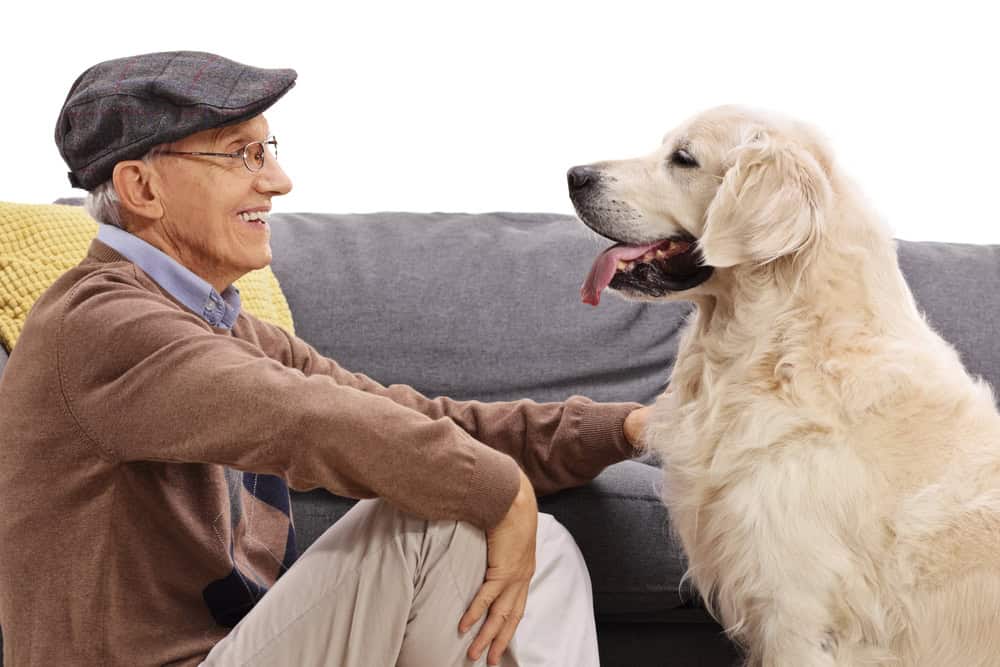
Arthritis affects a majority of senior pets, with studies suggesting up to 80% of dogs over age 8 show some degree of joint disease. Managing this condition requires a multi-modal approach. Weight management stands as perhaps the most important intervention—even slight excess weight significantly increases stress on already painful joints. Environmental modifications can dramatically improve quality of life: providing ramps for accessing furniture or cars, using steps for beds, placing non-slip rugs on slippery floors, and ensuring food and water dishes are easily accessible without requiring stretching or bending. Orthopedic bedding with proper support helps relieve pressure on joints during rest.
Medical management often includes supplements like glucosamine, chondroitin, and omega-3 fatty acids, which may help maintain cartilage and reduce inflammation. For more significant discomfort, veterinarians may prescribe NSAIDs specifically formulated for pets, along with other pain management medications. Physical therapy, including controlled exercise regimens, hydrotherapy, and massage, can maintain muscle strength and joint flexibility. Newer treatments gaining popularity include laser therapy, acupuncture, and stem cell treatments. The key is early intervention—many pet owners mistake arthritis signs for “normal aging” and delay treatment. Watch for subtle indicators like reluctance to climb stairs, difficulty rising after rest, or decreased interest in walks, and consult your veterinarian if you notice these changes.
5. What Cognitive Changes Should I Expect in My Aging Pet?

Cognitive Dysfunction Syndrome (CDS)—often compared to Alzheimer’s disease in humans—affects a significant portion of senior pets. Studies indicate approximately 28% of dogs aged 11-12 show some cognitive impairment, increasing to 68% in dogs aged 15-16. Cats experience similar age-related cognitive changes. Early signs include subtle alterations in sleep-wake cycles, with increased restlessness or vocalization at night. You might notice your pet becoming disoriented in familiar surroundings, sometimes appearing to “get lost” in corners or staring blankly at walls. Changes in social interactions are common, with some pets becoming more clingy while others withdraw from family activities they previously enjoyed.
While cognitive decline isn’t entirely preventable, several interventions can slow progression. Mental stimulation remains crucial—teaching new tricks, using food puzzles, or introducing novel toys can help maintain cognitive function. Specialized diets containing antioxidants, omega-3 fatty acids, and medium-chain triglycerides have shown benefits for brain health. Some veterinarians prescribe medications like selegiline or supplements containing S-adenosylmethionine (SAMe) to support cognitive function. Maintaining consistent daily routines helps cognitively impaired pets navigate their environment more successfully. If you notice cognitive changes, consult your veterinarian promptly, as early intervention typically yields better results, and some symptoms that appear cognitive may actually stem from other treatable medical conditions.
4. How Should Exercise Change for Senior Pets?

Exercise remains vital for senior pets, though its nature should evolve with age. While younger pets might thrive on vigorous, extended activity, older animals benefit from shorter, more frequent exercise sessions that are gentler on aging joints. For dogs, consider replacing long runs with several shorter walks throughout the day. Low-impact activities like swimming provide excellent cardiovascular benefits without stressing arthritic joints. Many senior dogs enjoy “sniff walks” where they can move at their own pace while engaging their minds through scent exploration. For cats, interactive play sessions with wand toys can be adjusted in intensity and duration to accommodate decreased stamina.
Consistency becomes increasingly important with age—regular, moderate exercise helps maintain muscle mass, joint mobility, and cardiovascular health. Pay close attention to your pet’s cues during activity; panting, lagging behind, or seeking rest indicate it’s time to conclude the session. Weather considerations become more significant for seniors, as they often struggle with temperature regulation. Avoid exercising during extreme heat or cold, and consider protective gear like sweaters for cold weather or booties to protect sensitive paws. Remember that mental exercise counts too—training sessions, food puzzles, and new environments provide cognitive stimulation that complements physical activity. The goal is to keep your senior pet moving comfortably while respecting their changing capabilities.
3. Why Is My Senior Pet Losing Weight Despite Eating Well?
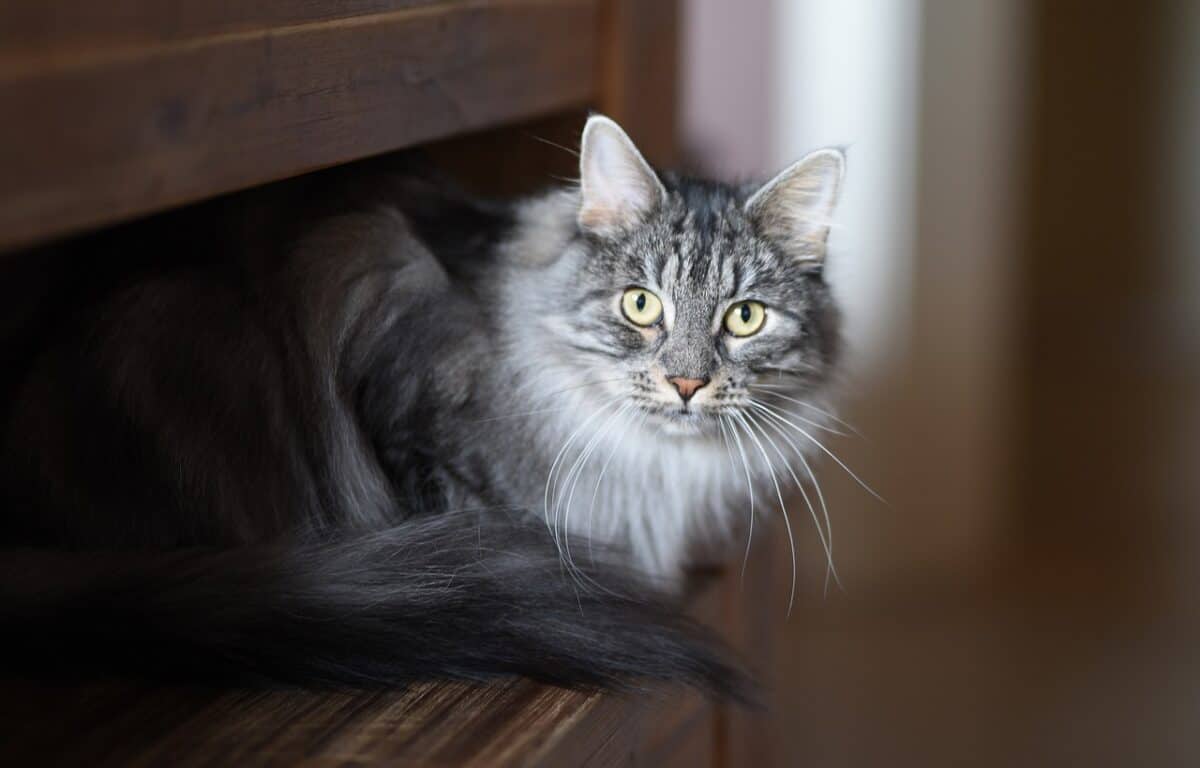
Unexplained weight loss in senior pets despite good appetite warrants veterinary attention, as it often signals underlying health conditions. One common cause is hyperthyroidism in cats, where excessive thyroid hormone production accelerates metabolism, causing weight loss despite increased food consumption. This condition affects approximately 10% of cats over 10 years old. In both dogs and cats, diabetes can present similarly, as glucose cannot properly enter cells despite adequate eating. Intestinal disorders that affect nutrient absorption, such as inflammatory bowel disease or certain cancers, may also allow pets to eat normally while losing weight as nutrients pass through unabsorbed.
Dental disease represents another frequent culprit—pets may appear to eat normally but actually drop food or eat less efficiently due to oral pain. Kidney disease, particularly common in older cats, can cause weight loss through protein loss in urine and decreased appetite. Various forms of cancer can cause weight loss through multiple mechanisms, including increased metabolic demands and production of compounds that suppress appetite. Less commonly, certain infections or parasitic conditions may be responsible. While age-related muscle loss (sarcopenia) occurs normally in senior pets, this generally doesn’t cause dramatic weight changes when fat stores remain adequate. Any unexplained weight loss deserves prompt veterinary evaluation, as early diagnosis significantly improves outcomes for many of these conditions.
2. How Can I Care for My Senior Pet’s Dental Health?

Dental disease affects approximately 80% of dogs and 70% of cats over age three, with the prevalence and severity increasing dramatically with age. By the senior years, proactive dental care becomes essential for maintaining overall health. Professional dental cleanings under anesthesia remain the gold standard for addressing accumulated tartar and treating issues below the gumline. While many owners express concern about anesthesia in older pets, modern protocols include thorough pre-anesthetic testing and monitoring that make the procedure safe for most seniors. Regular veterinary evaluation helps determine when cleanings are necessary and whether your pet is a suitable candidate for the procedure.
At home, daily tooth brushing with pet-specific toothpaste provides the most effective preventative care. For pets unaccustomed to brushing, start gradually with finger brushes or gauze wrapped around your finger, focusing first on acceptance of the process before attempting thorough cleaning. Dental diets and treats designed to reduce tartar can supplement (though not replace) brushing. Water additives and oral gels containing enzymes that break down plaque offer another layer of protection. Watch for signs of dental pain in seniors, including dropping food, chewing on one side, pawing at the mouth, or bad breath. Many owners mistake these for normal aging behaviors, delaying treatment for painful conditions. Regular oral examinations, ideally as part of semi-annual senior check-ups, help catch problems before they become severe.
1. When Should I Consider End-of-Life Care for My Pet?

End-of-life considerations represent perhaps the most challenging aspect of senior pet care. While there’s no single formula for determining when hospice care or euthanasia becomes appropriate, several frameworks can guide this deeply personal decision. Quality of life assessment tools, such as the HHHHHMM scale (Hurt, Hunger, Hydration, Hygiene, Happiness, Mobility, and More good days than bad), help owners objectively evaluate their pet’s condition. Many veterinarians recommend maintaining a daily journal tracking good versus difficult days, as gradual decline can be harder to perceive when you’re with your pet constantly.
Hospice care, focusing on comfort rather than curative treatment, offers an option for pets with terminal conditions who still maintain acceptable quality of life. This might include pain management, assistance with mobility, hand-feeding, and hygiene support. When considering euthanasia, most veterinarians suggest evaluating whether your pet can still enjoy the activities that previously brought them joy, whether pain can be adequately controlled, and whether they maintain dignity in daily functions. Many pet owners find comfort in scheduling a quality-of-life consultation with their veterinarian or a veterinary hospice specialist, who can provide objective assessment and discuss available options. Remember that choosing to prevent suffering through euthanasia can be the final act of love for a pet who has shared their life with you, though the timing of this decision remains uniquely individual to each pet’s situation.
Conclusion: Embracing Your Pet’s Golden Years

Navigating the aging process with our beloved pets requires awareness, adaptation, and attentiveness to their changing needs. By understanding the normal progression of aging, recognizing warning signs that require intervention, and making appropriate adjustments to care routines, we can significantly enhance our senior pets’ quality of life. Regular veterinary care becomes increasingly important during these years, forming the foundation of effective senior pet management. Remember that many conditions once considered inevitable consequences of aging now have effective treatments or management strategies that can maintain comfort and functionality.
Perhaps most importantly, our senior pets deserve our patience and compassion as they adjust to the changes in their bodies and abilities. The relationship you’ve built over years together continues to evolve, often deepening during this life stage as your pet relies more on your support and understanding. While watching a beloved pet age presents emotional challenges, these golden years also offer unique rewards—the quiet companionship of an older pet, their deep familiarity with your routines and preferences, and the special bond that comes from caring for them through this final life stage. By addressing their needs proactively and celebrating what each day brings, you honor the lifetime of loyalty and love your senior pet has given you.

As a little kid, I fell in love with nature, wildlife, and animals. Living in the USA, South Africa, Italy, China and Germany gave me the opportunity to discover the world's Wildlife. My favorite animals are Mountain Gorillas, Siberian Tigers, and Great White Sharks.
I'm a certified PADI Open Water Diver, went to Everest Base Camp and Trekked Gorillas in Uganda. I hold a Master of Science in Economics and Finance.
Please send any feedback to feedback@animalsaroundtheglobe.com
- 10 Common Animal Myths That You Need to Stop Believing - June 21, 2026
- 14 Dog Breeds That Love to Cuddle - June 21, 2026
- 13 Smartest Fish (and Their Surprising Behavior) - June 21, 2026