

Fish are remarkable aquatic creatures that have evolved over millions of years to thrive in water environments across the globe. Central to their success are their fins – specialized appendages that serve numerous functions beyond what most people realize. While many of us understand that fish use fins to swim, these remarkable structures actually perform a variety of sophisticated tasks that help fish navigate their complex underwater worlds. From precise maneuvering to communication, protection, and even breathing assistance, fins are truly multifunctional tools that showcase the incredible adaptations of aquatic life. However, despite their versatility, there are certain limitations to what fish can accomplish with their fins. In this comprehensive exploration, we’ll dive into ten essential functions of fish fins and three surprising limitations that highlight the unique evolutionary path these animals have taken.
The Anatomy of Fish Fins
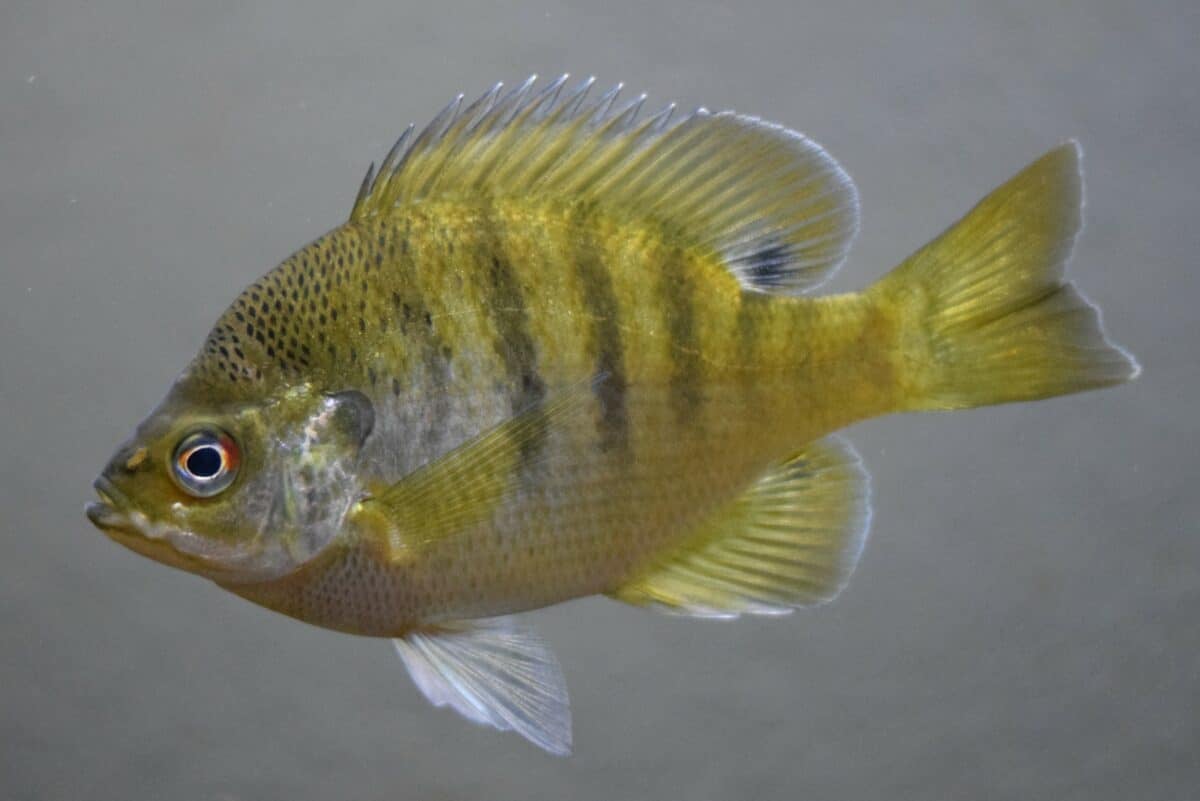
Before exploring the functions of fins, it’s important to understand their basic structure. Fish fins are primarily composed of fin rays (also called lepidotrichia) that extend outward from the body. These rays can be either soft and flexible or spiny and rigid, depending on the species and the specific fin. The rays are connected by a thin membrane that creates the characteristic fin shape. Most fish possess several distinct types of fins: the dorsal fin (on the back), the caudal fin (tail), the anal fin (bottom rear), pectoral fins (sides, behind the gills), and pelvic fins (on the underside).
The arrangement, size, and shape of these fins vary dramatically across the more than 34,000 species of fish, reflecting their diverse habitats and lifestyles. For instance, fast-swimming predators like tuna have crescent-shaped caudal fins for speed, while bottom-dwelling fish often have smaller, rounded fins for precise maneuvering. This remarkable diversity in fin morphology directly relates to the wide range of functions they perform, which we’ll explore in detail below.
10. Propulsion and Movement
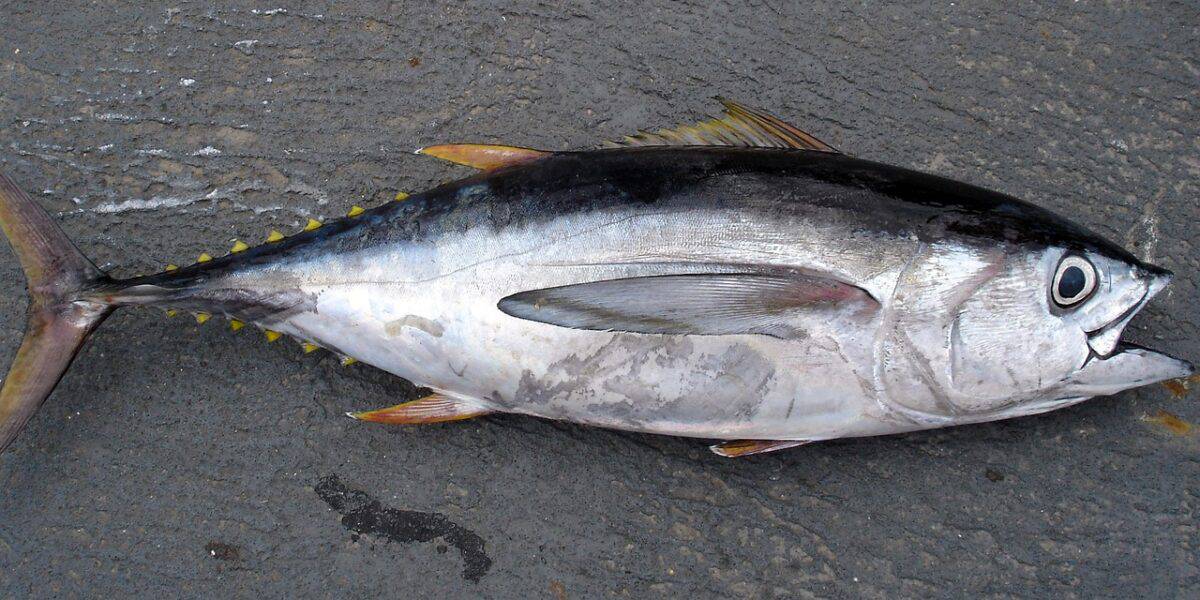
The most obvious function of fish fins is propulsion. The caudal (tail) fin provides the primary thrust that moves most fish forward through water. By contracting muscles on alternating sides of their body, fish create a wave-like motion that travels from head to tail, culminating in the powerful sweep of the caudal fin. This undulating movement pushes against the water, generating the force needed for forward motion. Different tail shapes correlate with different swimming styles and speeds – from the crescent-shaped tails of fast, open-water swimmers like tuna and sharks to the squared-off tails of ambush predators that need quick bursts of acceleration.
Fish can modulate their speed by adjusting the frequency and amplitude of their tail movements. Some species, like the sailfish, can reach astonishing speeds of up to 68 mph (110 km/h), making them among the fastest animals in the ocean. Their streamlined bodies and specialized fins minimize drag while maximizing thrust. Even slow-moving species rely on their caudal fins for essential movements, demonstrating the universal importance of this fin for aquatic locomotion.
9. Balance and Stability
Fish rely heavily on their dorsal (back) and anal (bottom) fins to maintain stability in the water. These vertically oriented fins work like the keel of a boat, preventing the fish from rolling from side to side. Without these stabilizing fins, fish would struggle to maintain an upright position and would waste considerable energy trying to stay balanced. The dorsal fin, in particular, acts as a stabilizer that prevents unwanted rolling motions, especially when the fish is swimming at high speeds or navigating through turbulent waters.
Some fish have evolved specialized adaptations to enhance stability. For example, tuna and mackerel have small finlets between their dorsal and caudal fins that reduce turbulence and improve hydrodynamic efficiency. Similarly, many deep-sea fish have elongated dorsal fins that run almost the entire length of their bodies, providing exceptional stability in the deep ocean environment. These adaptations highlight how fins have evolved primarily as solutions to the physical challenges of living in a fluid, three-dimensional environment.
8. Steering and Maneuvering
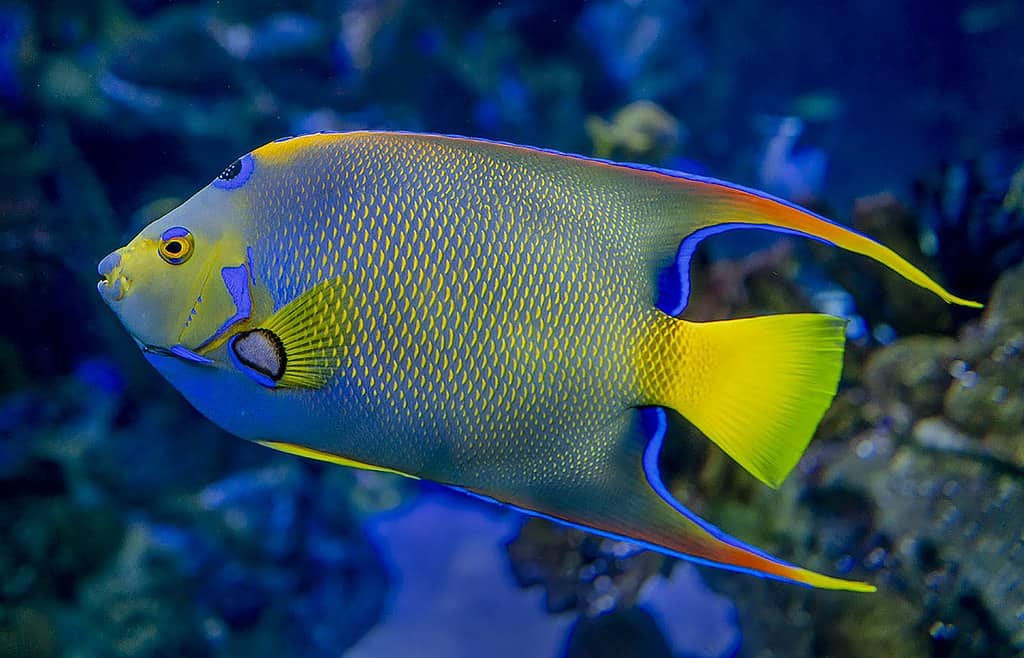
Fish use their paired pectoral and pelvic fins for precise steering and maneuvering, similar to how airplanes use their control surfaces. The pectoral fins, located on the sides of the body behind the gill covers, are particularly important for directional control. By extending, retracting, or angling these fins, fish can execute turns, adjust their depth, hover in place, or even swim backward in some species. These movements can be remarkably precise, allowing fish to navigate complex environments like coral reefs or dense vegetation with impressive agility.
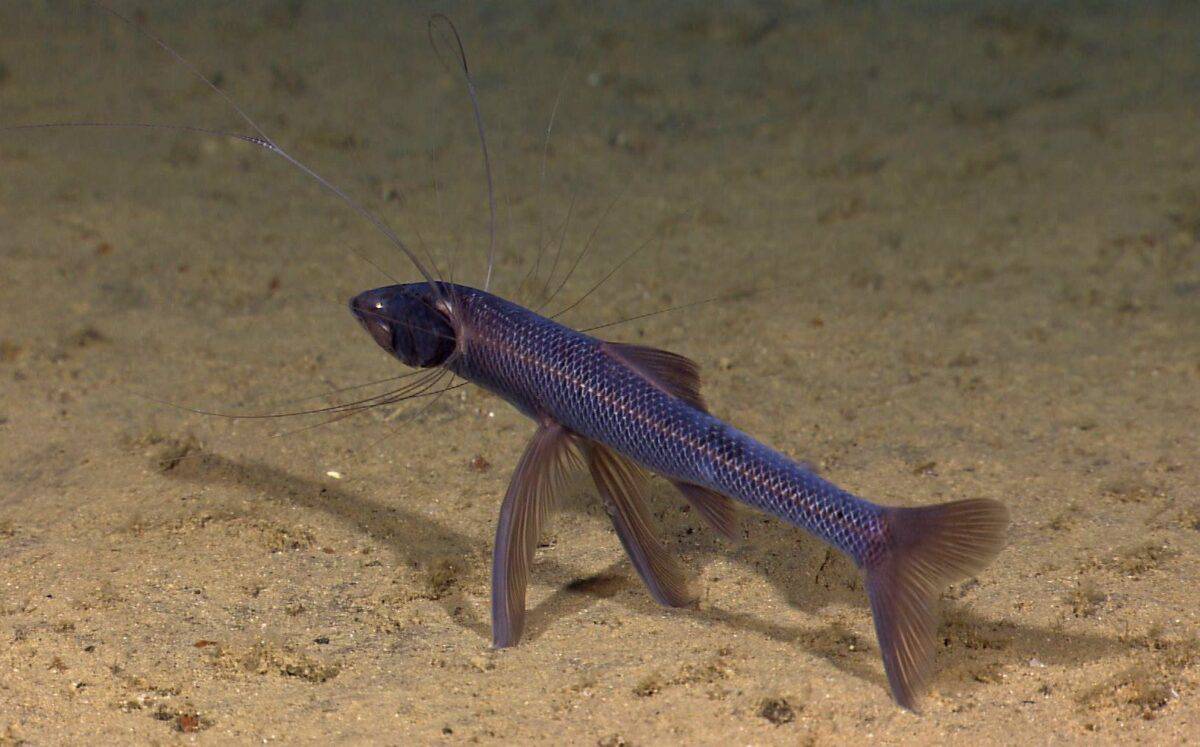
Different fish species have evolved specialized pectoral fins suited to their particular lifestyle needs. Reef-dwelling fish often have large, fan-shaped pectoral fins that provide excellent maneuverability in tight spaces. In contrast, open-water predators typically have more streamlined, pointed pectoral fins that reduce drag during high-speed pursuit. Some bottom-dwelling species even use their pectoral fins to “walk” across the seafloor, demonstrating the remarkable adaptability of these appendages across different ecological niches.
7. Braking and Stopping

Just as cars need brakes, fish need mechanisms to slow down or stop. Fish accomplish this by extending their pectoral fins perpendicular to the direction of travel, creating drag that rapidly reduces their forward momentum. This action works much like the air brakes on an airplane or the parachute on a race car. By varying the angle and extension of their pectoral fins, fish can precisely control their deceleration rate, allowing for everything from gentle slowing to emergency stops.
This braking function is especially important for predatory fish that need to halt quickly after a high-speed chase, or for reef-dwelling species that navigate tight spaces where collision avoidance is crucial. Some species take this ability to remarkable extremes – certain wrasses and parrotfish can come to a complete stop from swimming speed almost instantly by fully extending their pectoral fins. Without this braking ability, fish would have much less control over their movements and would expend significantly more energy in their daily activities.
6. Breathing Assistance
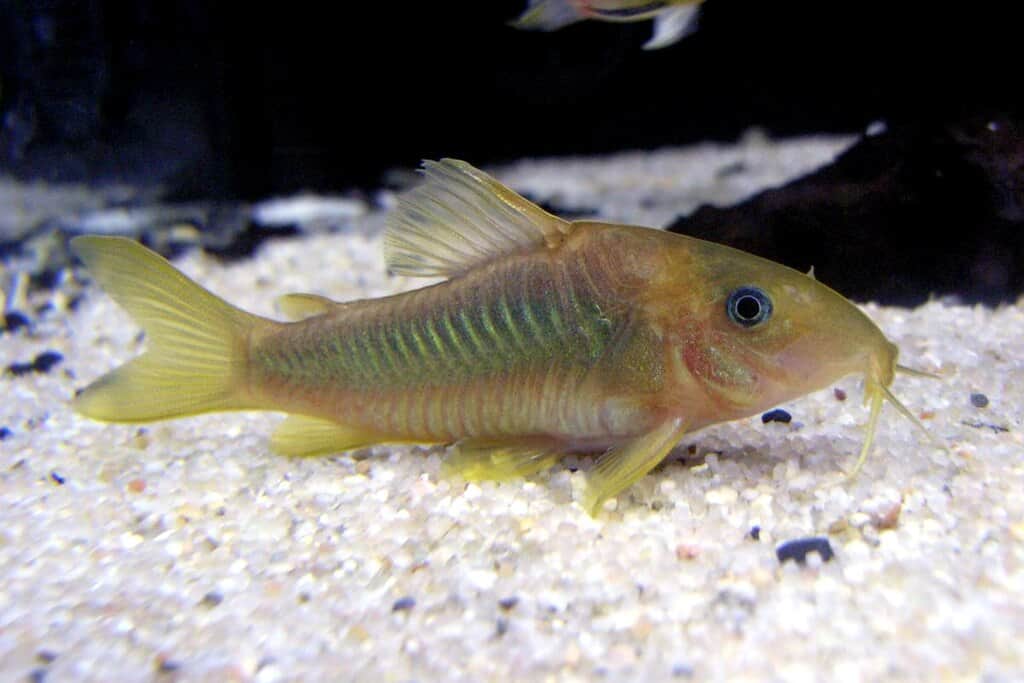
While fish primarily breathe through their gills, fins play a supporting role in respiration for many species. By creating water movement across the gills, fins help ensure a steady flow of oxygenated water. This is particularly important for species that don’t constantly swim. Bottom-dwelling fish like flounders and rays often use gentle movements of their pectoral fins to create water currents that bring fresh, oxygen-rich water across their gills even when they remain stationary on the seafloor.
Some species have developed even more specialized respiratory behaviors involving their fins. Certain catfish species can gulp air at the water’s surface and use their highly vascularized pectoral fins as auxiliary breathing organs when oxygen levels in the water are low. Similarly, betta fish and other labyrinth fish have adapted to use their fins to splash water over specialized breathing organs that allow them to extract oxygen directly from the air. These adaptations showcase how fins have evolved beyond mere locomotion to support other vital life functions.
5. Temperature Regulation

For some fish species, fins serve an important thermoregulatory function. The thin membrane of the fin contains blood vessels that can help dissipate excess body heat into the surrounding water or, conversely, absorb heat when needed. This is particularly important for species like tuna and certain sharks that maintain body temperatures higher than the surrounding water. These endothermic (warm-bodied) fish can control blood flow to their fins, restricting it to retain heat when in cold waters or increasing it to cool down when they’re overheated.
Freshwater fish in temperate climates also use their fins for temperature regulation, especially during seasonal changes. During colder months, they may hold their fins closer to their bodies to reduce heat loss, while in warmer seasons, they might extend their fins more frequently to increase heat dissipation. This thermoregulatory role highlights how fins function as more than just mechanical structures – they’re integrated into the fish’s physiological systems and play a role in maintaining homeostasis.
4. Communication and Display
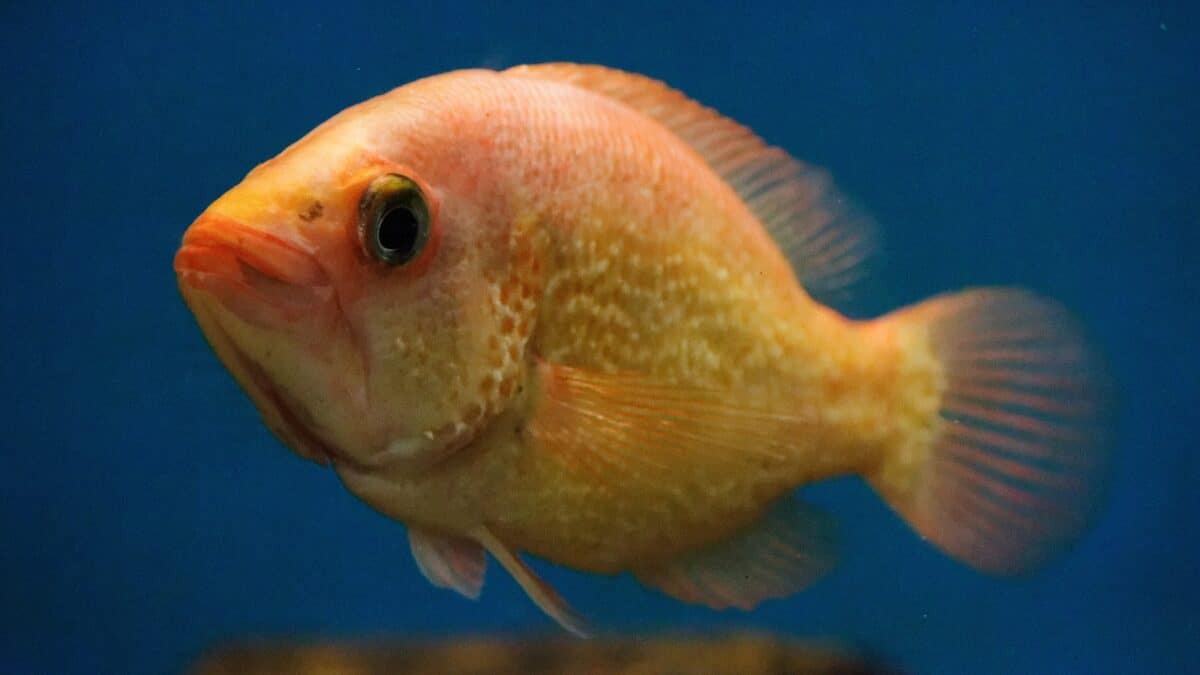
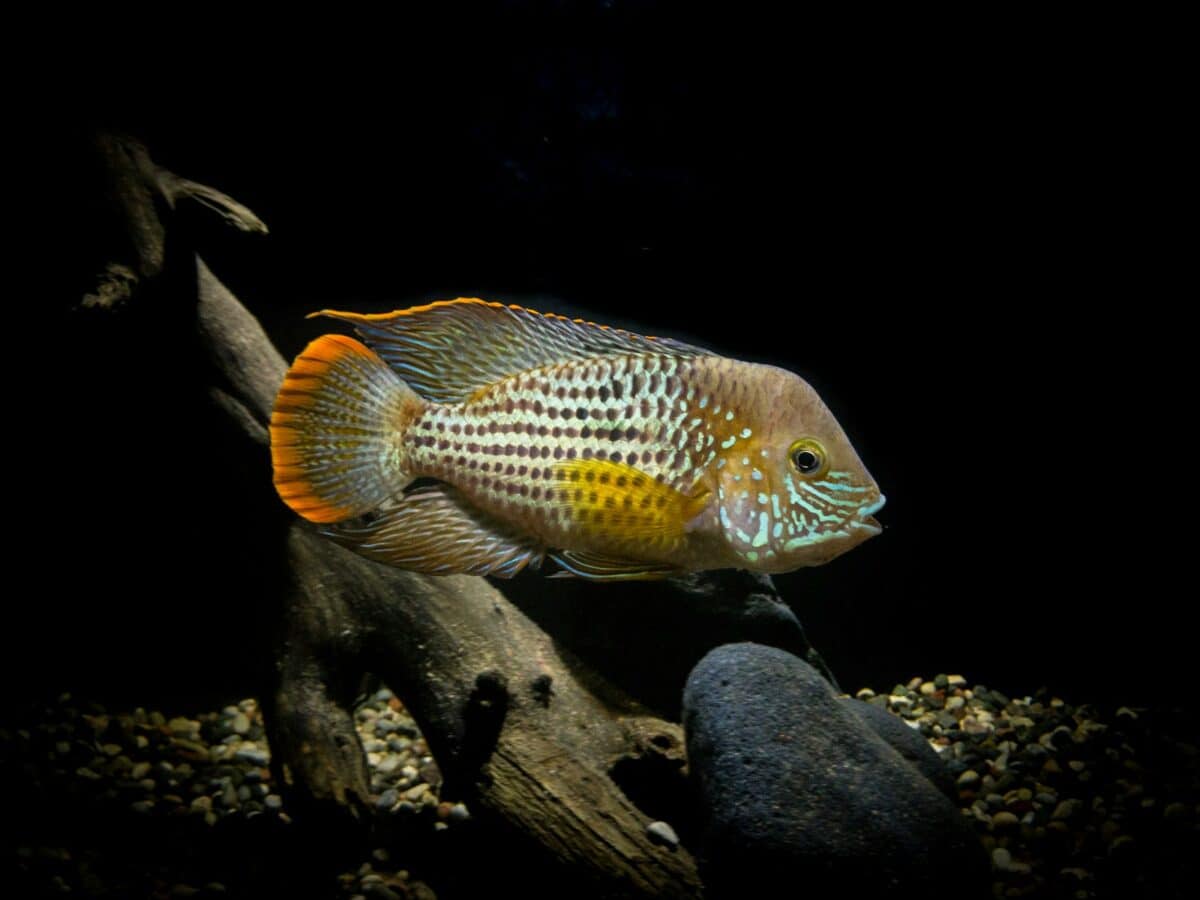
Many fish species use their fins as visual signals for communication with conspecifics. Brightly colored or distinctively patterned fins can serve as species recognition markers, territorial displays, or mating signals. Male bettas, for example, are famous for their spectacular fin displays during courtship, spreading their elaborate fins to impress females and intimidate rival males. Similarly, cichlids use specific fin positions and movements to communicate everything from submission to aggression during social interactions.
Beyond visual displays, some fish can produce sounds by vibrating their fins against their bodies or other structures. Male gourami fish use their pectoral fins to produce drumming sounds during courtship rituals. These acoustic signals complement visual displays, creating multi-modal communication systems. The importance of fins in fish communication underscores their role not just as tools for physical interaction with the environment, but also as instruments for social interaction within fish communities.
3. Defense Against Predators

Fins serve as critical defensive structures for many fish species. Some fish, like lionfish and scorpionfish, have evolved venomous spines in their dorsal, anal, and pelvic fins that can deliver painful or even lethal stings to potential predators. Other species, such as pufferfish, can extend their fins to make themselves appear larger and more intimidating when threatened. This size illusion can be enough to discourage predators from attacking, providing a non-violent defense mechanism.
Even non-specialized fins can play defensive roles through their movement capabilities. Many small schooling fish use their highly coordinated fin movements to execute rapid escape maneuvers when predators approach. The precise control afforded by their fins allows for lightning-fast directional changes that can mean the difference between life and death. Additionally, some species like certain catfish have evolved sharp, serrated spines in their pectoral and dorsal fins that can lock into place when extended, making the fish difficult and painful for predators to swallow.
2. Sensory Perception
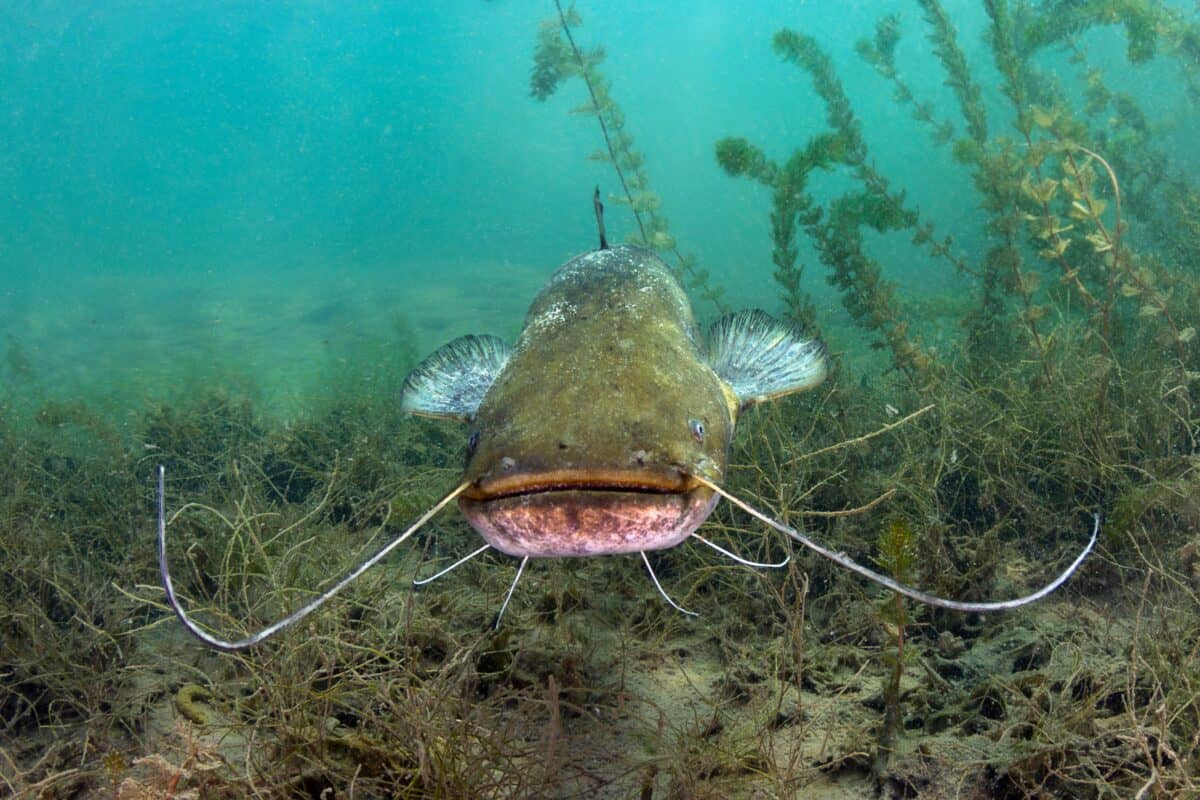
Fish fins are more than mechanical structures – they’re also sensory organs. The fins contain numerous nerve endings that provide fish with tactile feedback about their environment. This tactile sense allows fish to detect changes in water pressure, current direction, and even to “feel” nearby objects without direct contact. Bottom-dwelling species often use their pectoral fins to probe the substrate for food or to detect the presence of buried prey through subtle vibrations.
Some fish have evolved extraordinarily sensitive fins for specialized sensory purposes. Certain catfish species have elongated fin rays that function almost like fingers, helping them search for food in murky environments where vision is limited. The remarkable sensitivity of these modified fins allows the fish to distinguish between edible items and debris with great precision. This sensory function of fins represents yet another example of how these versatile structures have been adapted to serve multiple purposes beyond their primary role in locomotion.
1. Specialized Functions in Unique Species

Some fish have evolved highly specialized fin functions that defy conventional categories. Flying fish have enlarged pectoral fins that function as wings, allowing them to glide above the water’s surface for distances of up to 650 feet (200 meters) to escape predators. Climbing perch use their pectoral fins with specialized spines to move across land and even climb trees in search of new water sources. Mudskippers use their muscular pectoral fins to “walk” on land and even climb mangrove roots during low tide.
Perhaps the most extreme fin specialization occurs in species like the handfish, which has evolved pectoral fins that resemble hands, complete with an elbow-like joint. These modified fins allow the fish to “walk” across the seafloor with remarkable dexterity. Similarly, the batfish has pectoral fins modified to function like legs, enabling it to “walk” along the ocean bottom rather than swim. These extraordinary adaptations showcase the remarkable evolutionary plasticity of fish fins and their potential to be modified for functions far beyond their ancestral role in aquatic locomotion.
Limitation 3 True Flight

Despite the impressive gliding abilities of flying fish, no fish species can achieve true powered flight with their fins. While flying fish can launch themselves out of the water and glide for impressive distances using their enlarged pectoral fins as wings, they cannot generate lift or propulsion while airborne. Their “flight” is actually an extended glide that relies on the initial momentum gained underwater. Once airborne, they can only adjust their trajectory slightly by changing the angle of their fins, much like a glider rather than an airplane.
This limitation stems from fundamental differences between fins and wings. Fish fins lack the sophisticated muscular control and aerodynamic properties needed for powered flight. Additionally, the fish body plan isn’t adapted for the metabolic demands of true flight, which requires extremely efficient respiratory and circulatory systems to support the high energy expenditure involved. While the gliding adaptation of flying fish represents an impressive evolutionary innovation, it falls short of the true flight achieved by birds, bats, and insects, highlighting one clear limitation of what fins can accomplish.
Limitation 2 Fine Manipulation
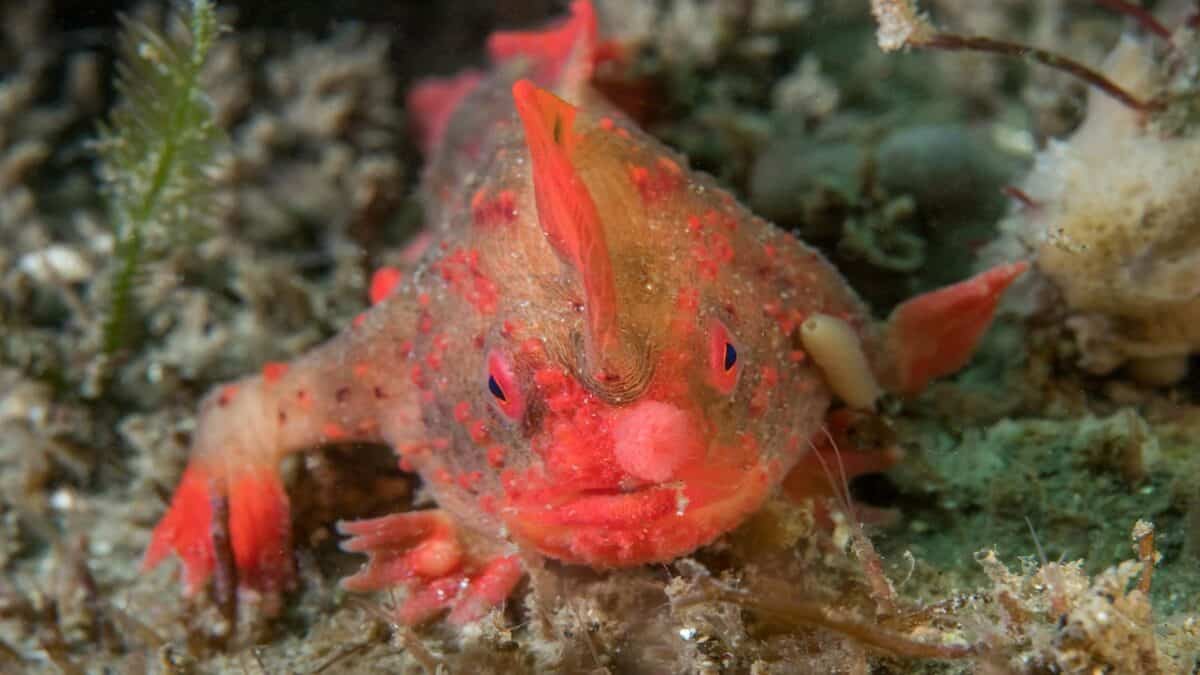
Unlike the dexterous limbs of mammals, fish fins generally lack the ability to manipulate objects with precision. While some species like certain catfish and handfish have evolved specialized fins that can perform basic probing or pushing movements, no fish can grasp, hold, or manipulate objects with the dexterity of a hand or paw. This limitation is structural – fish fins typically lack the jointed digits and opposable structures that enable fine manipulation in other animals.
The evolutionary path of fish prioritized hydrodynamic efficiency over manipulative ability, resulting in fins optimized for movement through water rather than object interaction. Even in species with the most specialized “walking” fins, the range of motion and control is limited compared to terrestrial limbs. This inability to manipulate their environment with precision has significant implications for fish cognition and behavior, limiting the types of tool use and environmental modification that might otherwise be possible. It represents one of the clearest functional limitations of fins compared to the limbs of terrestrial vertebrates.
Limitation 1 Independent Terrestrial Movement
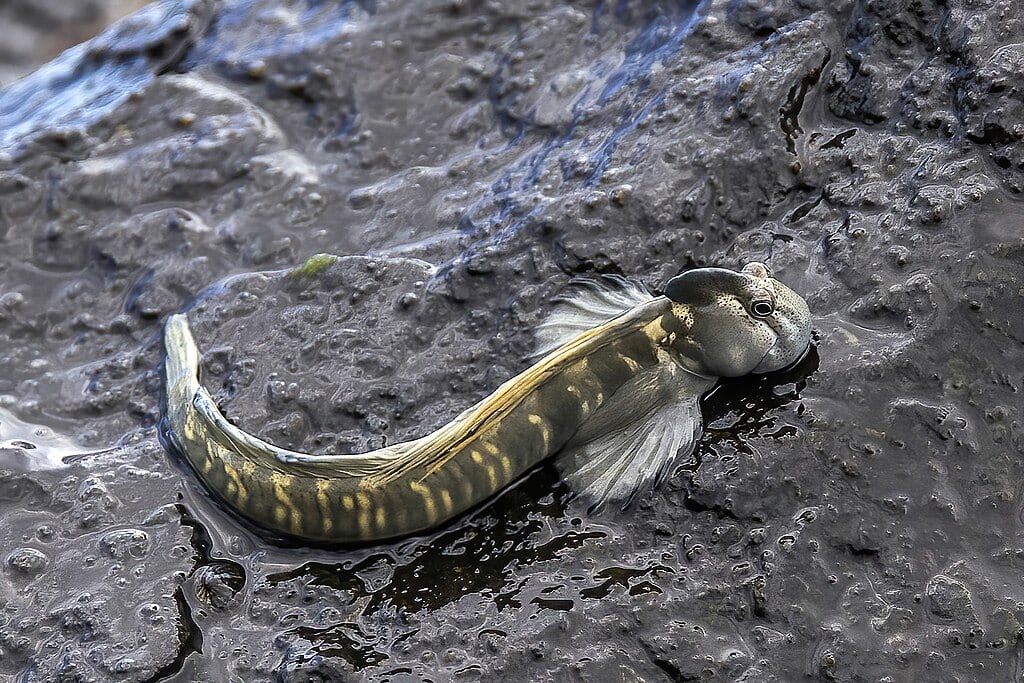
While some fish species can survive briefly on land and even move short distances using their fins, no fish can independently navigate terrestrial environments with the efficiency of truly amphibious or terrestrial animals. Even specialized species like mudskippers and walking catfish, which can move on land, are severely limited in their range, speed, and duration of terrestrial excursions. Their fin-based locomotion on land is energetically costly and mechanically inefficient compared to the limb-based movement of tetrapods (four-limbed vertebrates).
This limitation stems from the fundamental design of fins, which evolved primarily for generating force against water – a much denser medium than air. On land, fins provide insufficient leverage and support against gravity. Additionally, fish respiratory systems are designed for extracting oxygen from water, not air, further limiting their terrestrial capabilities. Some amphibious fish species have evolved partial solutions to these challenges, but these adaptations represent compromises that allow limited terrestrial excursions rather than true terrestrial locomotion capability. This limitation highlights how fins, despite their versatility in aquatic environments, remain specialized structures optimized for life in water.
Conclusion: The Remarkable Versatility of Fish Fins

Fish fins stand as a testament to the incredible adaptability of life through evolution, transforming from simple stabilizers into multifunctional tools that enable fish to thrive in virtually every aquatic environment on Earth. From the frigid depths of the ocean to tropical coral reefs and freshwater streams, fins have been modified and specialized to serve the diverse needs of thousands of species. Their roles in propulsion, stability, defense, communication, and even sensory perception showcase nature’s remarkable ability to repurpose structures for multiple functions. Despite their limitations with respect to true flight, fine manipulation, and terrestrial movement, fins remain one of the most successful evolutionary adaptations in the animal kingdom. As we continue to study these remarkable structures, we gain not only a deeper appreciation for the complexity of aquatic life but also inspiration for human technologies like improved swimming techniques, underwater robotics, and even hydrodynamic design principles.

As a little kid, I fell in love with nature, wildlife, and animals. Living in the USA, South Africa, Italy, China and Germany gave me the opportunity to discover the world's Wildlife. My favorite animals are Mountain Gorillas, Siberian Tigers, and Great White Sharks.
I'm a certified PADI Open Water Diver, went to Everest Base Camp and Trekked Gorillas in Uganda. I hold a Master of Science in Economics and Finance.
Please send any feedback to feedback@animalsaroundtheglobe.com
- 13 Aquatic Mammals That Don not Look It - July 10, 2026
- 15 Unlikely Hunters With Killer Instincts - July 10, 2026
- 10 Low-Maintenance Pets for Busy Owners - July 10, 2026