
Baseball is a game of specific skills—hitting, throwing, catching, running, and tactical intelligence. While humans have dominated the diamond for over a century, it’s fascinating to consider how certain animals might perform if they could understand the rules and physically manipulate the equipment. Their natural abilities might translate into exceptional baseball talents that could put even the greatest human players to shame. From incredible reaction times to explosive speed and remarkable strength, the animal kingdom possesses physical attributes that would make any baseball scout take notice. Let’s explore which creatures from the animal kingdom might excel if they stepped up to the plate, took the mound, or patrolled the outfield in America’s pastime.
Chimpanzees: The Five-Tool Players

Chimpanzees would likely be among baseball’s most complete players, possessing all five traditional tools: hitting for average, hitting for power, running speed, arm strength, and fielding abilities. With approximately 1.5 times the strength of humans pound-for-pound, chimps could generate tremendous bat speed, potentially sending baseballs sailing far beyond even the deepest outfield walls. Their hand-eye coordination is exceptional, allowing them to manipulate objects with precision that would translate well to making contact with pitched balls.
Beyond raw strength, chimps possess the dexterity needed for fielding, the intelligence to understand game situations, and speed that would make them threats on the basepaths. Their throwing ability, while not as refined as humans in terms of accuracy, would be formidable in terms of velocity. Perhaps most importantly, their cognitive abilities would allow them to comprehend the complex rules and strategies of baseball, making them true students of the game rather than merely physically gifted athletes.
Kangaroos: Outfield Specialists
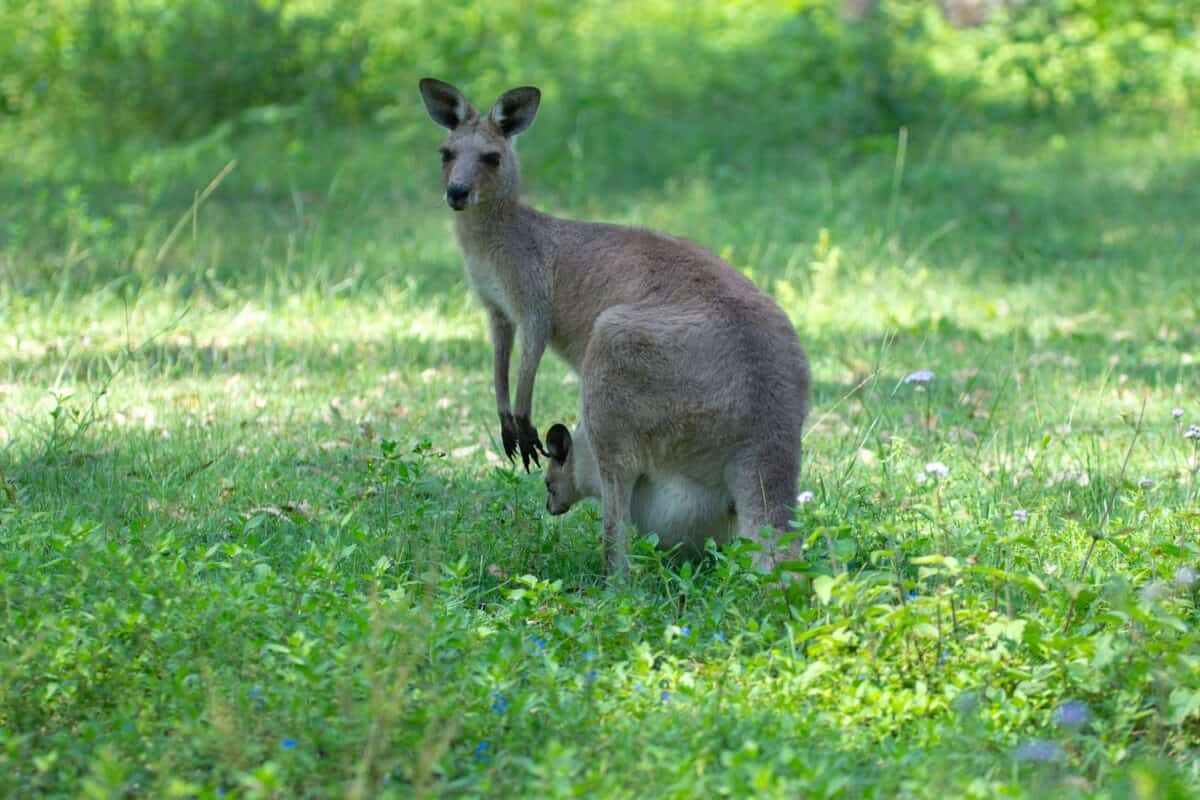
Imagine a kangaroo patrolling center field, using its incredible leaping ability to rob home runs that would otherwise clear the fence. Red kangaroos can jump up to 9 feet high and cover 25 feet in a single bound, making them perfect for tracking down deep fly balls. Their powerful hind legs would give them explosive first steps, allowing them to reach balls in the gap that would fall for extra bases against human outfielders.
On the basepaths, kangaroos would be terrifying, potentially covering the distance from home to first in just a couple of bounds. They could stretch singles into doubles with ease and would rarely be thrown out attempting to steal bases. While their front paws might limit their throwing ability, their speed and jumping prowess would more than compensate, making them elite defensive specialists who could change games with their range and baserunning.
Elephants: Power Hitters and Defensive Anchors

Weighing in at up to 13,000 pounds, African elephants would be the ultimate power hitters in baseball. With their trunk’s impressive dexterity (containing over 40,000 muscles) and immense strength, they could theoretically generate bat speeds that would make even the hardest-hitting human sluggers look feeble by comparison. The distance an elephant could hit a baseball—assuming they could make solid contact—would likely require new, larger stadiums to be constructed.
Defensively, elephants would dominate as first basemen, where their size would provide an enormous target for infielders and their trunk could stretch to scoop errant throws. Their intelligence would allow them to understand positioning and game situations, while their size would intimidate baserunners considering trying to score on close plays at the plate. Speed would be their obvious limitation, but in baseball, raw power can often compensate for a lack of mobility, as many successful designated hitters have proven.
Peregrine Falcons: The Ultimate Closers

When it comes to pitching, peregrine falcons would be virtually unhittable closers. These birds can dive at speeds exceeding 240 mph, making them the fastest animals on Earth. If they could translate even a fraction of that velocity to throwing a baseball, they’d make Aroldis Chapman’s 105 mph fastball look like a gentle lob. Their remarkable vision—able to spot prey from a mile away—would give them pinpoint control to complement their overwhelming velocity.
Beyond their “fastball,” peregrine falcons possess natural movement in flight that could translate to devastating breaking pitches. Their ability to change direction instantly while diving would suggest potential for developing sliders and cutters that break sharply at the last moment. Managers would likely use these birds exclusively as closers, bringing them in for the ninth inning when the game is on the line, as their endurance for multiple innings might be limited due to their small size and high-energy hunting style.
Octopuses: Defensive Wizards
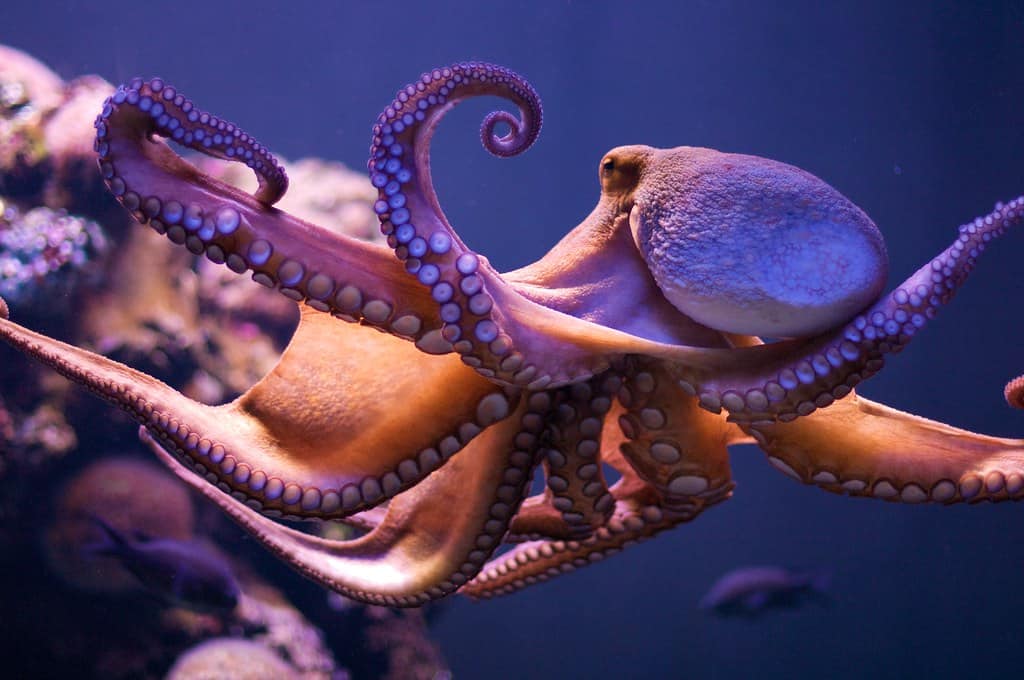
The octopus would revolutionize infield defense with its eight arms and remarkable dexterity. Capable of solving complex puzzles and manipulating objects with precision, an octopus stationed at shortstop could potentially field multiple balls simultaneously, turning spectacular double plays. Their distributed nervous system—with two-thirds of their neurons located in their arms—allows each limb to operate semi-independently, giving them unparalleled multitasking abilities on the diamond.
While not particularly fast runners, octopuses possess extraordinary flexibility, squeezing through spaces as small as a quarter (for some species), which would allow them to contort their bodies to reach balls that would elude human infielders. Their intelligence cannot be overstated—they can learn through observation and solve problems that challenge many vertebrates. This cognitive ability would make them excellent at positioning, anticipating batters’ tendencies, and executing complex defensive plays. The only significant drawback would be the need to keep them hydrated during games played on land.
Gibbons: Switch-Hitting Specialists

Gibbons, with their remarkably long arms and brachiation skills, would make exceptional switch-hitters in baseball. These apes swing through forest canopies with fluid, pendulum-like movements that could translate perfectly to a baseball swing. Their arms can be up to twice the length of their bodies, providing exceptional leverage and bat speed that would generate power from both sides of the plate.
Beyond hitting, gibbons’ incredible arm strength and control would make them formidable pitchers, potentially delivering the ball with unorthodox windmill-like motions that would confuse batters. Their natural agility would also serve them well defensively and on the basepaths. Unlike some larger apes, gibbons are relatively lightweight (15-30 pounds), giving them a combination of strength and nimbleness that would make them versatile players capable of excelling in multiple facets of the game.
Mantis Shrimp: Contact Hitters with Surprising Power

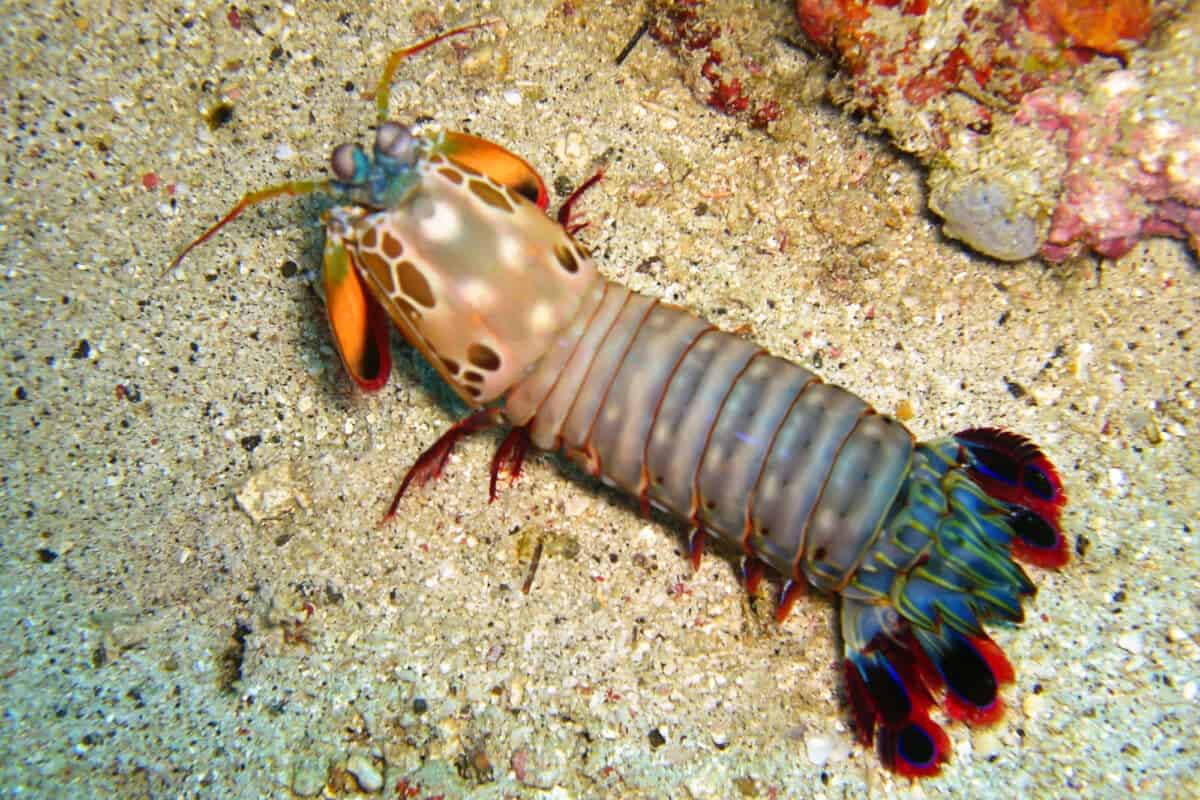
Don’t let their small size fool you—mantis shrimp possess one of the most powerful and fastest striking mechanisms in nature. The “smasher” variety can strike with their club-like appendages at speeds of 50 mph, accelerating faster than a .22 caliber bullet. This striking force, which can break aquarium glass, would translate to exceptional bat speed and power if these crustaceans could somehow wield a baseball bat. Their strikes are so powerful they create cavitation bubbles that produce light and heat when they collapse.
Perhaps even more impressive is the mantis shrimp’s visual system, which is among the most complex in the animal kingdom. They can see in 12 to 16 color channels (compared to humans’ three) and can perceive both polarized light and circular polarization. This extraordinary vision would give them an unparalleled ability to pick up spin and movement on pitches, potentially allowing them to make consistent contact even against elite pitching. While their small size would limit their defensive range, as pinch hitters, they would be formidable.
Mountain Goats: Utility Fielders

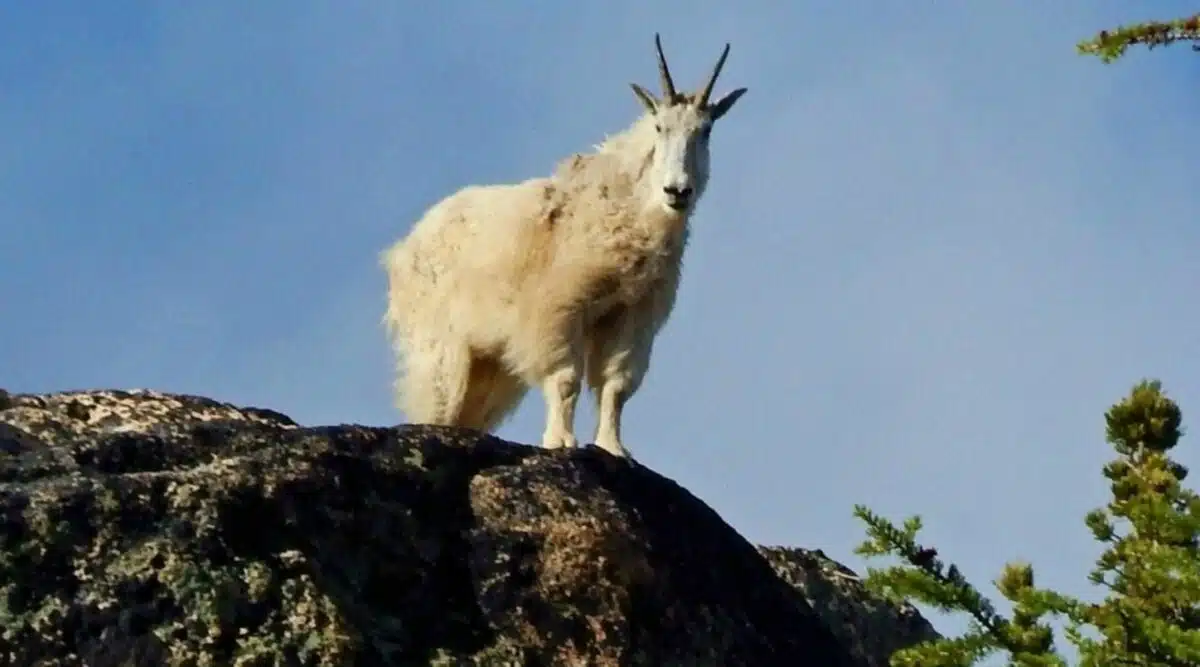
The mountain goat’s remarkable balance and climbing ability would make it an exceptional fielder, particularly in ballparks with unique features like Fenway Park’s Green Monster or Wrigley Field’s ivy-covered walls. These sure-footed animals can navigate near-vertical cliff faces with ease, using specialized hooves with soft inner pads that provide traction and rigid outer edges for grip. This adaptability would allow them to scale outfield walls to rob home runs or navigate difficult territory that would challenge human fielders.
With their powerful legs, mountain goats can jump nearly 12 feet in a single bound, giving them excellent range in the outfield. They also possess surprising speed, capable of running up to 30 mph in short bursts. Their calm demeanor in precarious situations would translate well to high-pressure moments in baseball, such as catching the final out of a no-hitter with runners in scoring position. While their lack of hands would present obvious challenges for throwing and batting, their defensive capabilities alone would make them valuable specialized players.
Dolphins: Baseball’s Aquatic Intellectuals

If baseball were played in water, dolphins would likely dominate the sport with their combination of intelligence and physical prowess. These marine mammals possess problem-solving abilities comparable to great apes, can understand complex instructions, and even demonstrate self-awareness. Their capacity to learn and execute sophisticated strategies would make them excellent at the mental aspects of baseball, from pitch sequencing to defensive positioning and baserunning decisions.
Physically, dolphins can swim at speeds up to 25 mph, giving them exceptional range defensively and speed on the basepaths. Their echolocation abilities would allow them to track the ball with precision even in poor visibility conditions. While conventional baseball equipment would need significant adaptation for aquatic play, dolphins’ natural agility and coordination would make them well-suited to manipulate objects with their rostrum (beak) or flippers. Their playful nature suggests they would also bring an element of joy and showmanship to the game, potentially becoming fan favorites.
Horses: Baseball’s Iron Men

Horses would bring unprecedented endurance to baseball, potentially revolutionizing pitching with their ability to maintain performance over long periods. While human pitchers typically max out around 100-120 pitches before fatigue affects their effectiveness, horses are evolved for sustained activity, capable of traveling 20-30 miles a day at moderate speeds without excessive strain. This stamina would make them ideal starting pitchers who could potentially throw complete games routinely, a rarity in modern baseball.
With top speeds exceeding 40 mph, horses would also excel on the basepaths and covering ground in the outfield. Their size would make them intimidating at the plate, though their visual system—with eyes on the sides of their head—might present challenges for batting. Their intelligence shouldn’t be underestimated; horses can learn complex tasks through conditioning and have excellent memory, suggesting they could master baseball’s intricate rules and situational play. The combination of speed, power, and endurance would make horses valuable five-tool players who could change the game’s fundamental dynamics.
Bears: The Ultimate Clean-Up Hitters

With their massive strength and surprising agility, bears would make fearsome power hitters in baseball’s clean-up spot. Grizzly bears can weigh up to 800 pounds yet can run at speeds approaching 35 mph, combining power and unexpected quickness. Their forelimb strength is legendary—capable of killing an elk with a single swipe, they could generate bat speeds that would send baseballs into orbit. Managers would likely position bears in the heart of the lineup, where their intimidating presence and raw power would drive in runs consistently.
Beyond hitting, bears possess natural defensive skills that would translate well to first base or catcher. Their excellent paw dexterity allows them to manipulate small objects with surprising precision, suggesting they could field grounders effectively or frame pitches behind the plate. Bears also have remarkable stamina during active periods, potentially allowing them to play day games after night games without significant performance drop-off. Their intelligence—demonstrated by their ability to use tools and solve complex food-acquisition problems in the wild—indicates they could master baseball’s strategic elements with proper training.
The MVPs of the Animal Kingdom
After examining the potential baseball prowess of various animals, it becomes clear that the animal kingdom contains remarkable specialists for every baseball role. Chimpanzees emerge as the most complete players with their combination of strength, dexterity, speed, and intelligence. Peregrine falcons would revolutionize pitching with their unmatched velocity, while kangaroos would transform outfield defense and baserunning with their extraordinary leaping ability and speed.
The most successful animal baseball team would likely feature a diverse roster that leverages each species’ unique advantages—elephants for power hitting, octopuses for infield defense, mantis shrimp for contact hitting, and horses for endurance pitching. While this thought experiment remains firmly in the realm of fantasy, it highlights the extraordinary physical capabilities that have evolved in the animal kingdom, capabilities that far exceed human potential in specific domains. Perhaps the next time you watch a baseball game, you’ll find yourself wondering how these human athletes would fare against the specialized talents of their animal counterparts.

- The Record for the Biggest Animal Migration in History - July 28, 2026
- The Largest Wildlife Bridge in the US - July 28, 2026
- Why Coyotes Are Adapting Faster Than Any Other Predator - July 28, 2026