


If you’ve ever watched your cat gently touch their nose to yours, you’ve witnessed one of nature’s most endearing displays of feline affection. This seemingly simple gesture, affectionately called “booping,” carries profound meaning in the world of cat communication. While dogs wag their tails and bark with excitement, cats have developed their own subtle yet powerful ways of expressing love and trust. The nose-to-nose touch represents just one piece of the complex puzzle that is feline behavior, but it’s arguably one of the most intimate gestures a cat can offer. Understanding this behavior opens a window into your cat’s emotional world and strengthens the bond between human and feline companions.
The Science Behind the Feline Nose Touch
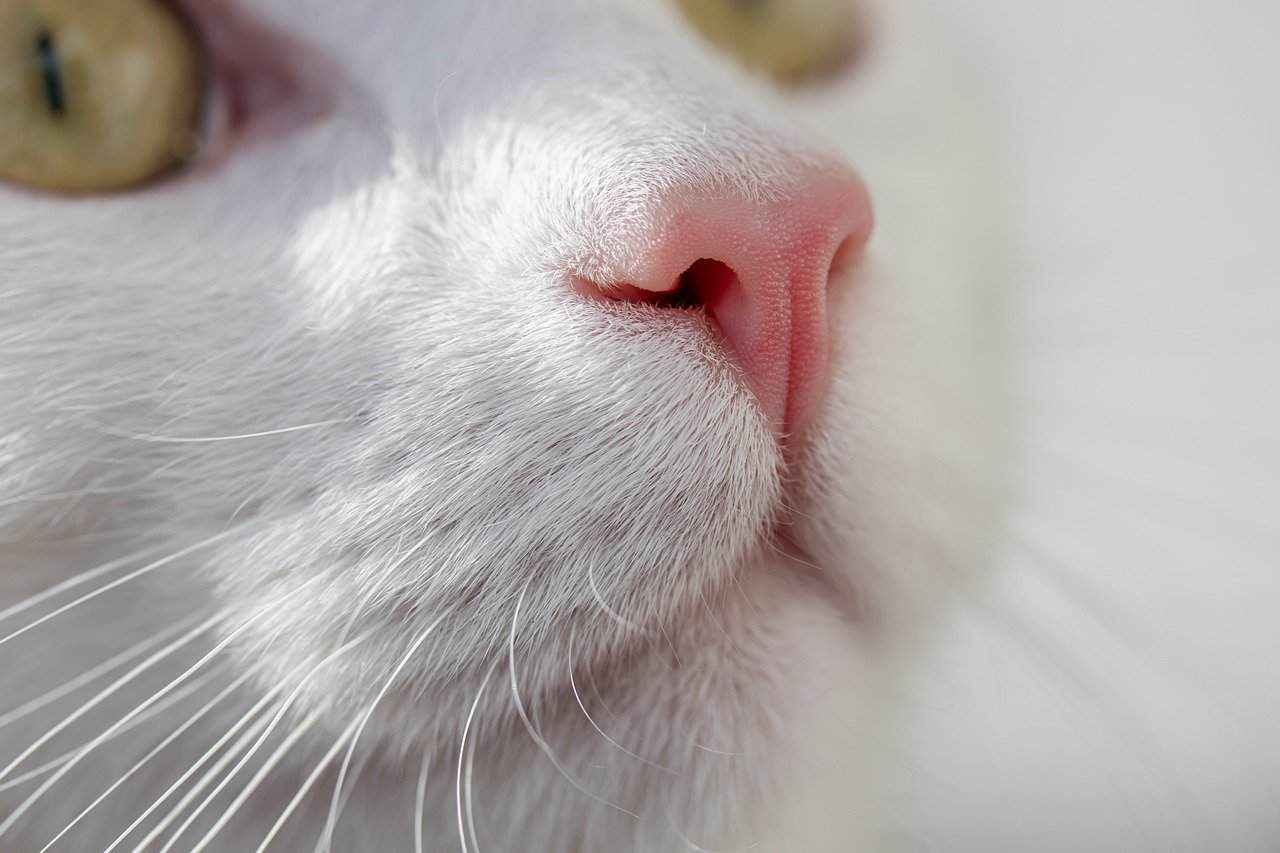
The cat’s nose contains an incredible 200 million scent receptors, making it one of the most sensitive organs in their body. When cats initiate nose-to-nose contact, they’re not just showing affection – they’re also gathering crucial information about their companion. This behavior triggers the release of pheromones through specialized scent glands located around the nose area.
Research conducted by animal behaviorists has shown that cats possess a unique organ called the vomeronasal organ, also known as Jacobson’s organ. This specialized structure allows cats to analyze chemical signals in ways humans cannot comprehend. When your cat “boops” your nose, they’re essentially reading your chemical signature and sharing their own.
Evolutionary Origins of Nose Booping

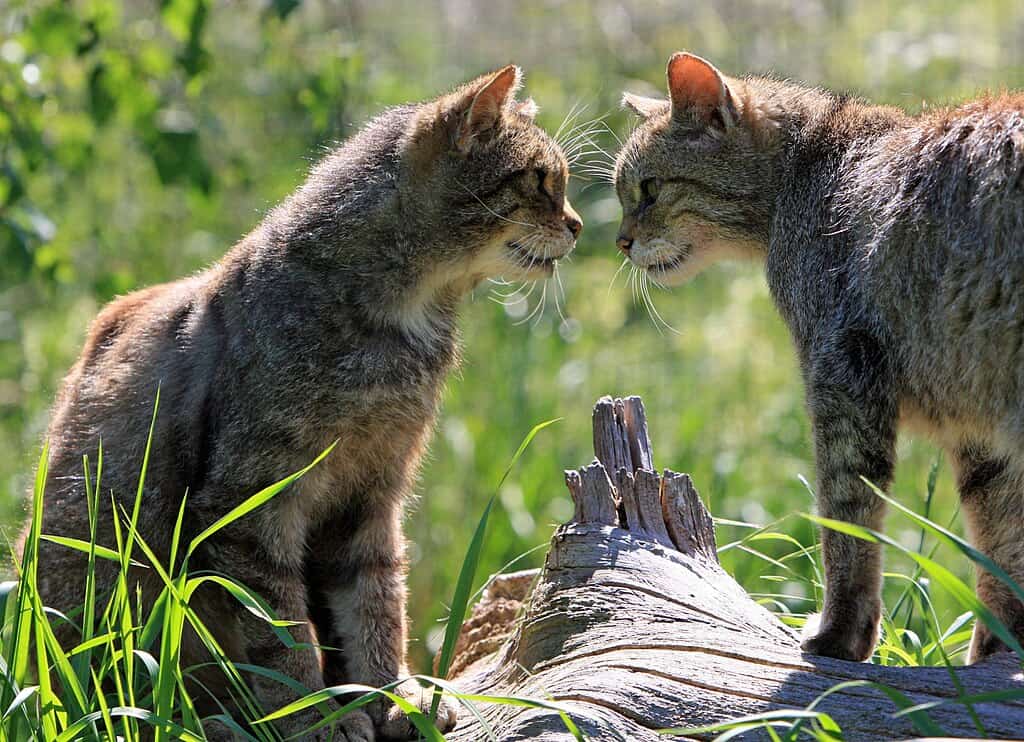
The nose-touching behavior in cats can be traced back to their wild ancestors and early domestication patterns. Wild cats and feral colonies often engage in mutual nose touching as a form of greeting and relationship maintenance. This behavior serves multiple purposes: identification, bonding, and establishing social hierarchies within groups.
Archaeological evidence suggests that cats began exhibiting increased social behaviors around 9,000 years ago as they adapted to living alongside humans. The nose boop likely evolved as a way for cats to extend their natural social behaviors to include their human companions. Unlike their solitary wild counterparts, domestic cats developed more nuanced communication methods to thrive in multi-species households.
Mother-Kitten Bonding Through Nose Contact
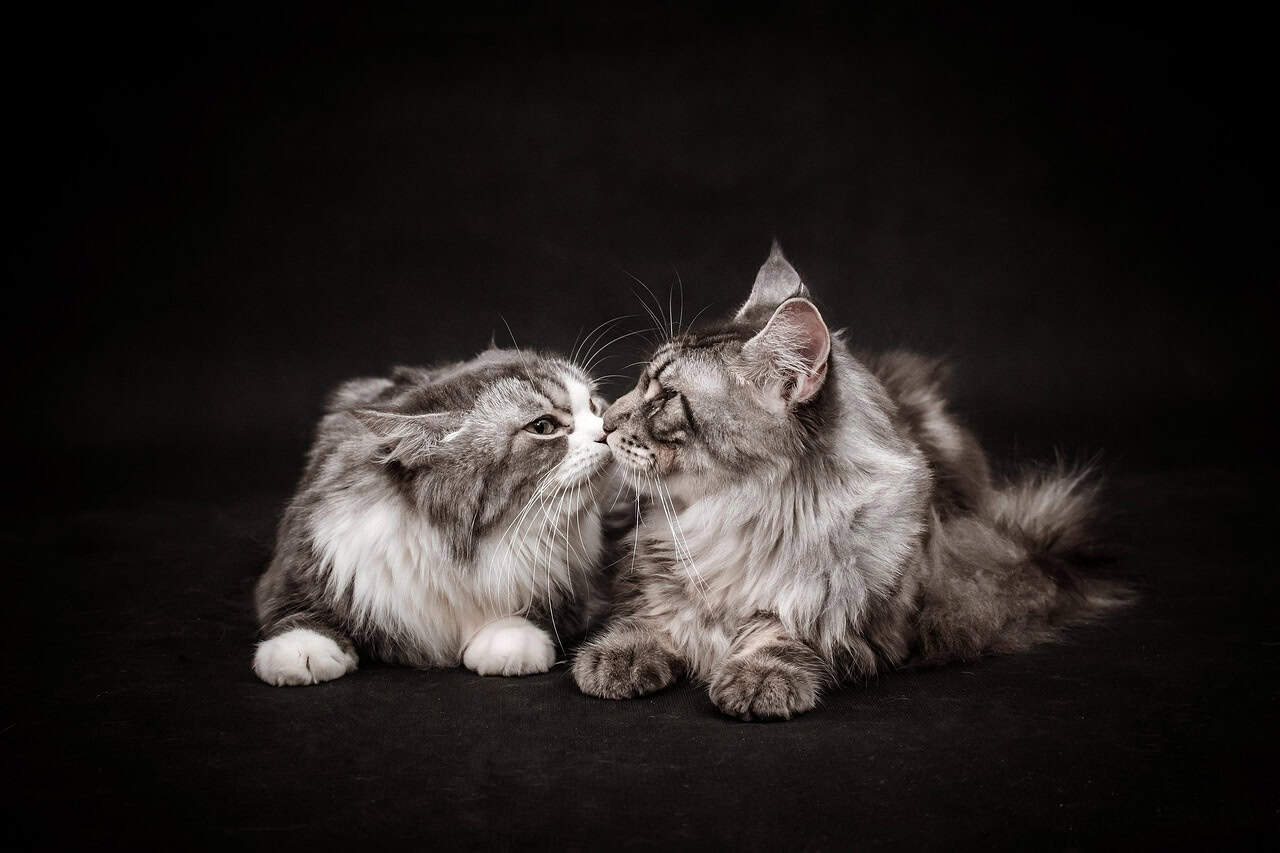
Mother cats frequently touch noses with their kittens as part of the bonding and nurturing process. This behavior begins within the first few days of life and serves multiple functions including recognition, comfort, and teaching social cues. Kittens learn to associate nose touching with safety, warmth, and maternal care.
Veterinary studies have documented that kittens who receive regular nose contact from their mothers tend to be more socially confident as adults. The behavior creates positive associations that last throughout the cat’s lifetime. When adult cats boop human noses, they’re often reverting to this early learned behavior associated with love and security.
The Role of Pheromones in Cat Communication

Cats produce various pheromones through glands located on their face, including areas around the nose, cheeks, and chin. These chemical messengers convey information about identity, emotional state, and social intentions. When cats engage in nose booping, they’re exchanging these chemical signals in the most direct way possible.
The facial pheromones cats release during nose contact include compounds that promote bonding and reduce stress. Scientific analysis has identified specific chemical structures that trigger positive responses in both cats and humans. This explains why many people report feeling calm and happy when their cat initiates nose contact.
Distinguishing Affection from Territory Marking

While nose booping is generally a sign of affection, it’s important to understand the difference between loving gestures and territorial behaviors. Cats also use their noses to mark territory and establish ownership over objects and areas. The context and accompanying body language provide crucial clues about the cat’s intentions.
Affectionate nose booping typically occurs when cats are relaxed, with soft eyes, gentle purring, and a calm demeanor. Territorial nose rubbing, on the other hand, is often more vigorous and may be accompanied by other marking behaviors like scratching or urine spraying. Understanding these distinctions helps cat owners better interpret their pet’s communications.
Cultural Variations in Cat Nose Touching Behavior

Interesting research has revealed that cats from different geographic regions may exhibit variations in their nose touching behaviors. Cats in Mediterranean climates tend to engage in more frequent nose contact, possibly due to the influence of outdoor living and larger social groups. Northern European cats, traditionally more indoor-oriented, may show more reserved nose touching patterns.
These cultural differences in feline behavior parallel human cultural variations in physical affection displays. Just as humans from different cultures have varying comfort levels with physical touch, cats from different environments may express affection through nose contact with different frequencies and intensities.
The Neuroscience of Feline Affection

Brain imaging studies on cats have revealed fascinating insights into the neurological basis of affectionate behaviors like nose booping. The feline brain releases oxytocin, often called the “love hormone,” during positive physical interactions with trusted companions. This same hormone is responsible for bonding in many mammalian species, including humans.
The limbic system in cats, particularly the hypothalamus and amygdala, shows increased activity during nose-to-nose contact. This neurological response indicates that cats experience genuine emotional satisfaction from this behavior. The brain chemistry involved in nose booping creates a positive feedback loop that reinforces the bonding behavior.
How Cats Choose Their Booping Partners

Cats are highly selective about who receives the honor of nose booping. This behavior is typically reserved for individuals the cat considers part of their inner social circle. The selection process involves multiple factors including trust level, familiarity, and positive association history.
Cats often begin with tentative approaches, gradually increasing the frequency of nose contact as trust develops. Some cats may only boop the noses of one or two special humans, while others may extend this behavior to multiple family members. The exclusivity of this behavior makes it particularly meaningful when cats choose to share it with their human companions.
Age-Related Changes in Nose Booping Behavior

Kitten nose booping behavior differs significantly from adult cat patterns. Young kittens may engage in frequent, enthusiastic nose touching as they learn social boundaries and communication methods. As cats mature, their nose booping becomes more refined and purposeful, often occurring at specific times or in particular contexts.
Senior cats may show changes in their nose booping frequency due to sensory changes, health issues, or shifting social preferences. Some elderly cats become more affectionate and increase their nose touching behavior, while others may become more reserved. These age-related variations reflect the dynamic nature of feline social behavior throughout their lives.
Health Indicators Through Nose Contact

A cat’s nose booping behavior can provide valuable insights into their physical and emotional health. Sudden changes in nose touching frequency or intensity may indicate underlying health issues, stress, or environmental concerns. Veterinarians often ask about changes in affectionate behaviors as part of comprehensive health assessments.
Cats experiencing pain or illness may reduce their nose booping behavior, while those feeling secure and healthy typically maintain consistent patterns. The temperature, moisture, and texture of a cat’s nose during booping can also provide health clues. A healthy cat’s nose should feel cool and slightly moist during affectionate contact.
The Psychology of Human-Cat Nose Interactions
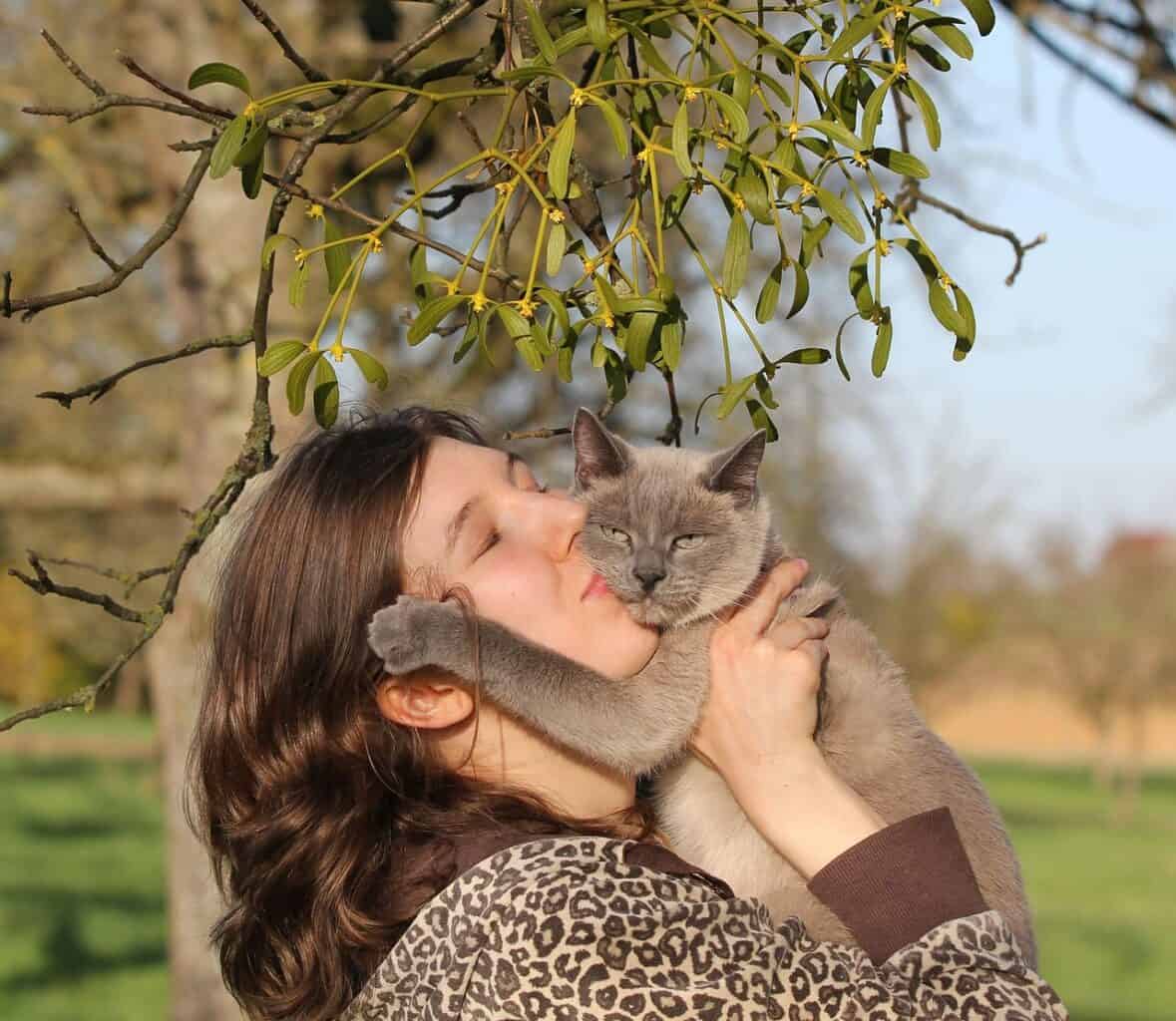
Human psychology plays a significant role in how we interpret and respond to cat nose booping. Studies have shown that people who receive regular nose boops from their cats report higher levels of emotional satisfaction and stronger bonds with their pets. This mutual positive reinforcement creates a beneficial cycle for both species.
The human brain also releases oxytocin during nose-to-nose contact with cats, creating a neurochemical bonding experience. This explains why many cat owners describe feeling specially chosen when their cat initiates nose contact. The psychological impact of this behavior extends beyond simple affection to include feelings of acceptance and trust.
Training and Encouraging Nose Booping

While nose booping is a natural behavior, cat owners can encourage this affectionate gesture through positive reinforcement techniques. Creating calm, comfortable environments where cats feel safe to express affection increases the likelihood of nose booping behaviors. Patience and consistency are key factors in developing this special bond.
It’s important to note that not all cats will naturally engage in nose booping, and forcing this behavior is counterproductive. Cats who don’t naturally boop noses may express affection through other means such as head butting, purring, or slow blinking. Respecting each cat’s individual communication style is crucial for maintaining a healthy relationship.
Common Misconceptions About Cat Nose Touching

Several myths surround cat nose booping behavior that can lead to misunderstandings between cats and their owners. One common misconception is that cats only boop noses when they want food or attention. While cats may use this behavior strategically, genuine affectionate nose touching occurs independently of immediate needs.
Another myth suggests that cats who don’t engage in nose booping are less affectionate or bonded to their owners. In reality, cats express affection through many different behaviors, and nose booping is just one option in their communication repertoire. Understanding these misconceptions helps owners appreciate their cat’s unique personality and communication style.
Multi-Cat Households and Nose Booping Dynamics

In homes with multiple cats, nose booping behavior becomes part of complex social dynamics. Cats may engage in nose touching with some feline housemates while avoiding others, reflecting their individual relationships and social hierarchies. These interactions provide fascinating insights into feline social structures.
Cats in harmonious multi-cat households often develop ritualized nose booping patterns, with certain cats serving as social connectors who boop noses with multiple housemates. Observing these interactions can help owners understand the social dynamics within their cat family and identify potential relationship issues before they become problematic.
Seasonal and Environmental Influences

Environmental factors can significantly influence cat nose booping behavior throughout the year. Cats may increase affectionate behaviors during colder months when they seek warmth and comfort from their human companions. Seasonal changes in daylight and temperature can affect cat mood and social behaviors.
Indoor environmental factors such as humidity, temperature, and household activity levels also impact nose booping frequency. Cats in stable, comfortable environments with consistent routines tend to exhibit more predictable affectionate behaviors. Understanding these environmental influences helps owners optimize their homes for positive cat interactions.
The Role of Genetics in Affectionate Behaviors

Genetic factors play a significant role in determining a cat’s propensity for nose booping and other affectionate behaviors. Certain cat breeds, such as Ragdolls and Maine Coons, are genetically predisposed to higher levels of social interaction and physical affection. These breed characteristics influence the likelihood and frequency of nose booping behaviors.
Research into feline genetics has identified specific gene variations associated with social behavior and human bonding. Cats with certain genetic markers are more likely to engage in nose booping and other intimate behaviors with their human companions. This genetic component helps explain why some cats are naturally more affectionate than others.
Photography and Documentation of Nose Booping

Capturing the perfect nose boop moment has become a popular trend among cat photographers and social media enthusiasts. The intimate nature of this behavior makes it challenging to photograph without disturbing the natural interaction. Professional animal photographers recommend using natural lighting and maintaining a respectful distance to preserve the authenticity of the moment.
Documenting nose booping behavior over time can provide valuable insights into a cat’s emotional development and relationship patterns. Many cat owners create photo journals that chronicle their pet’s affectionate behaviors, creating lasting memories of these special bonding moments. These visual records can also be helpful for veterinarians assessing changes in behavior patterns.
Therapeutic Applications of Cat Nose Booping

The therapeutic potential of cat nose booping has gained attention in animal-assisted therapy programs. Therapy cats trained to engage in gentle nose contact can provide emotional support and stress relief for individuals in hospitals, nursing homes, and counseling centers. The calming effect of this behavior has measurable psychological benefits.
Research has documented physiological changes in humans during nose-to-nose contact with cats, including decreased blood pressure, reduced cortisol levels, and increased serotonin production. These findings support the inclusion of nose booping interactions in formal therapy protocols. The bidirectional nature of this behavior means both cats and humans derive therapeutic benefits from the interaction.
Future Research Directions
Ongoing research into feline communication continues to reveal new aspects of nose booping behavior. Scientists are investigating the specific chemical compounds involved in nose-to-nose pheromone exchange and their effects on both feline and human brain chemistry. Advanced imaging techniques are providing unprecedented insights into the neurological basis of cat affection.
Future studies may explore the evolutionary advantages of nose booping behavior and its role in successful human-cat coevolution. Researchers are also investigating potential applications for understanding and treating behavioral issues in cats through targeted affection-based interventions. The growing body of research on feline social behavior promises to deepen our understanding of these remarkable animals.
Conclusion
The gentle touch of a cat’s nose against yours represents one of nature’s most touching displays of interspecies affection. This simple yet profound gesture encompasses complex neurological, chemical, and emotional processes that strengthen the bond between cats and their human companions. Understanding the science behind nose booping enhances our appreciation for the sophisticated communication methods cats have developed over thousands of years of domestication.
From the release of bonding hormones to the exchange of identifying pheromones, every nose boop carries layers of meaning that extend far beyond simple physical contact. Whether your cat is a frequent nose booper or expresses affection through other means, recognizing these behaviors as genuine expressions of love and trust enriches the human-feline relationship. The next time your cat gently touches their nose to yours, remember that you’re experiencing a moment of pure connection that transcends species boundaries.
What makes your cat’s nose boop moments most special to you?

- Why Orcas Teach Their Young to Beach Themselves While Hunting - July 31, 2026
- How Raccoons Use Their Tiny Hands to Explore - July 31, 2026
- Raju the Elephant Cried Tears of Freedom - July 30, 2026