

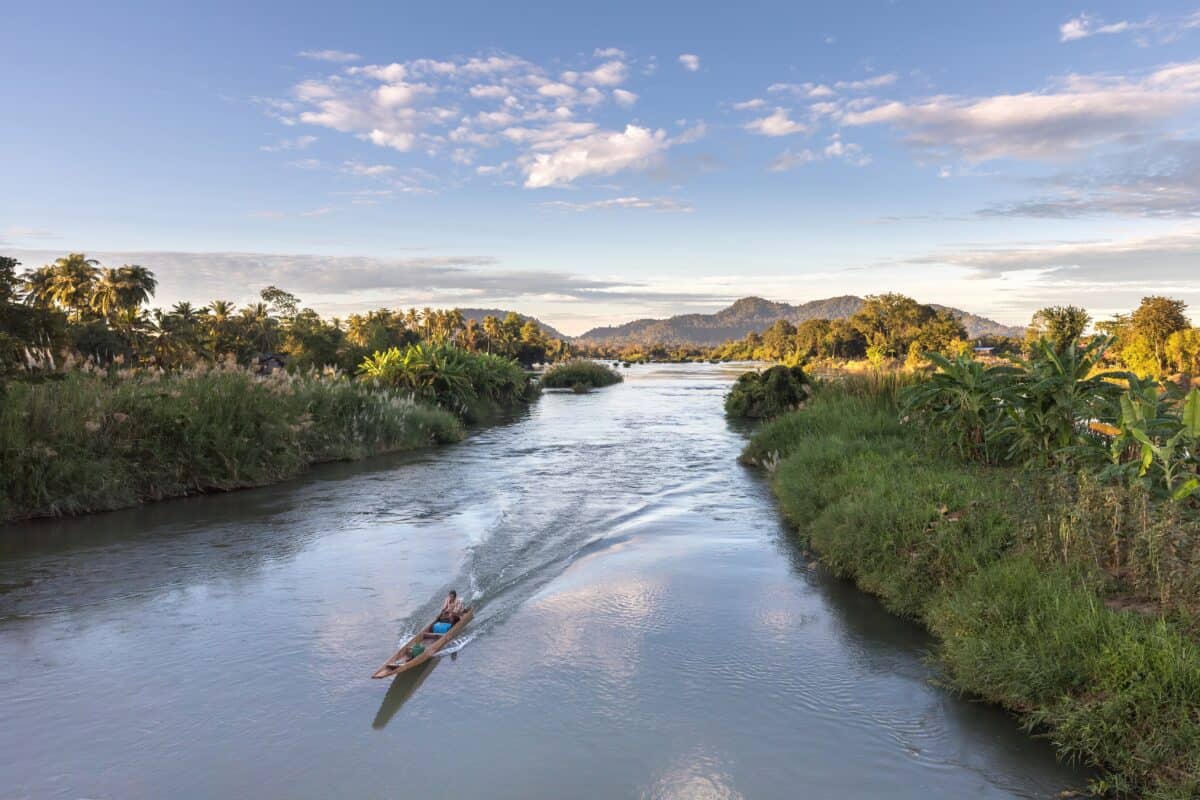
Deep within the murky waters of Southeast Asia’s mighty rivers lurks one of nature’s most extraordinary giants. The Mekong River, stretching over 2,700 miles through six countries, harbors a creature so massive it seems almost mythical. This ancient waterway has become the stage for one of the most remarkable wildlife discoveries of our time, where scientists have documented the largest freshwater stingray species on Earth.
The Mekong Giant: An Aquatic Colossus
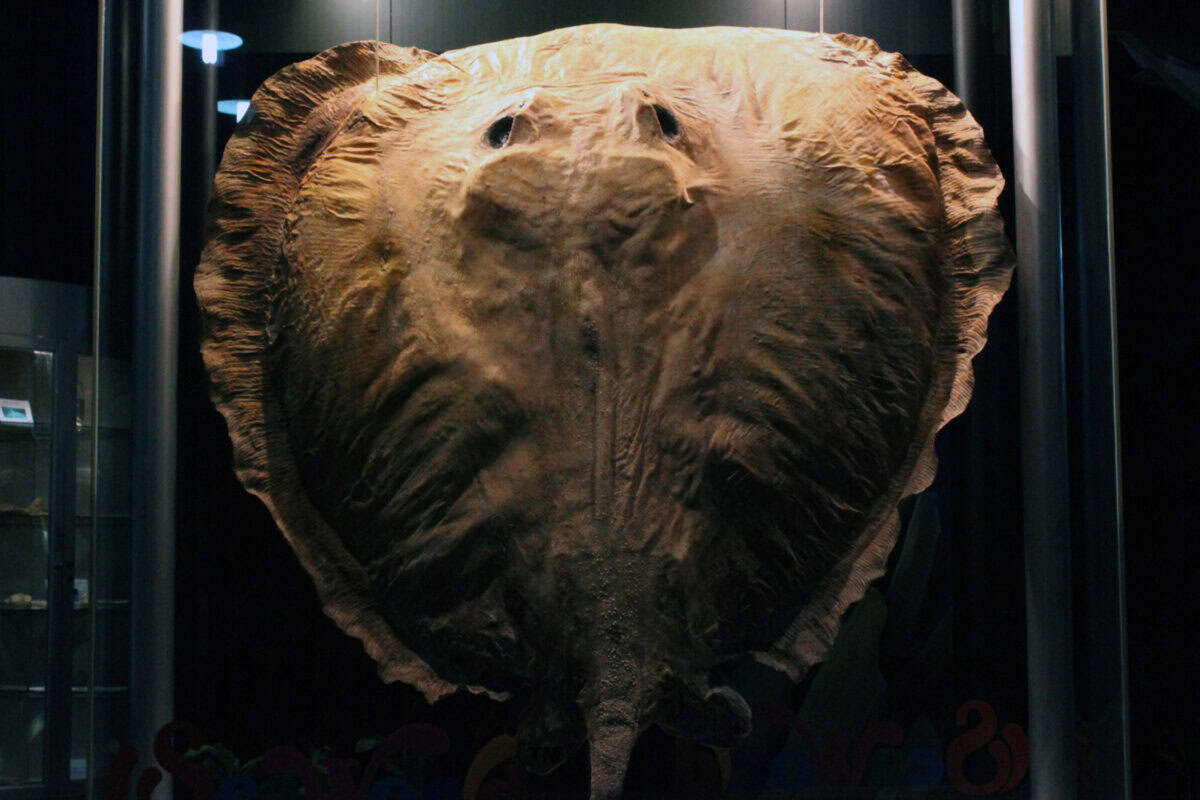
The Mekong giant freshwater stingray (Urogymnus polylepis) holds the undisputed title as the world’s largest freshwater stingray species. These colossal creatures can reach lengths of up to 16 feet and weigh over 1,300 pounds, making them true river monsters. Their massive disc-shaped bodies can span over 8 feet in width, creating an imposing presence in the murky depths of the Mekong River system.
What makes these stingrays particularly fascinating is their ability to thrive in freshwater environments, unlike their marine cousins. They possess specialized adaptations that allow them to regulate salt levels in their bodies, making them perfectly suited for river life. Their flattened bodies and powerful tails make them formidable predators in their aquatic domain.
Ancient Waters, Ancient Giants
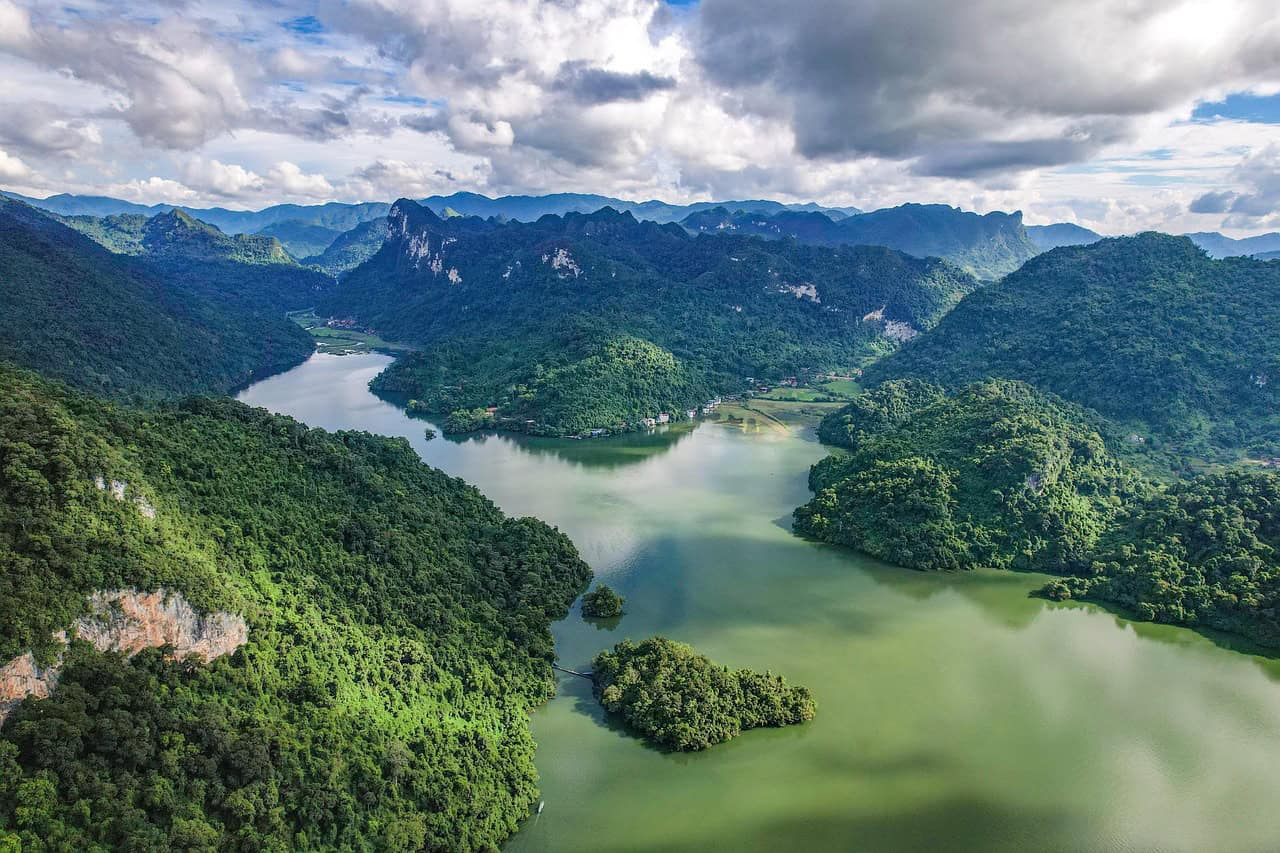
The Mekong River system has existed for millions of years, creating the perfect evolutionary playground for these magnificent creatures. Scientists believe these stingrays have inhabited these waters for thousands of years, developing unique characteristics that set them apart from other stingray species. The river’s diverse ecosystem provides abundant food sources and suitable breeding grounds for these gentle giants.
Archaeological evidence suggests that local communities have known about these massive stingrays for centuries, with ancient folklore often describing encounters with “river demons” or “water spirits.” These stories, passed down through generations, likely refer to sightings of these impressive creatures. The cultural significance of these animals extends far beyond their biological importance, representing a connection between humans and the natural world.
Record-Breaking Discoveries

In recent years, scientists have documented several record-breaking specimens that have captured global attention. The largest recorded individual measured over 13 feet in length and weighed approximately 1,323 pounds, making it one of the heaviest freshwater fish ever documented. These discoveries have revolutionized our understanding of freshwater biodiversity and the potential size limits of river-dwelling creatures.
Each new discovery brings excitement to the scientific community, as researchers continue to uncover the secrets of these magnificent animals. The documentation process involves careful measurement, genetic sampling, and behavioral observation before the animals are safely released back into their natural habitat. These research efforts have provided invaluable insights into the biology and ecology of freshwater stingrays.
Anatomy of a River Giant
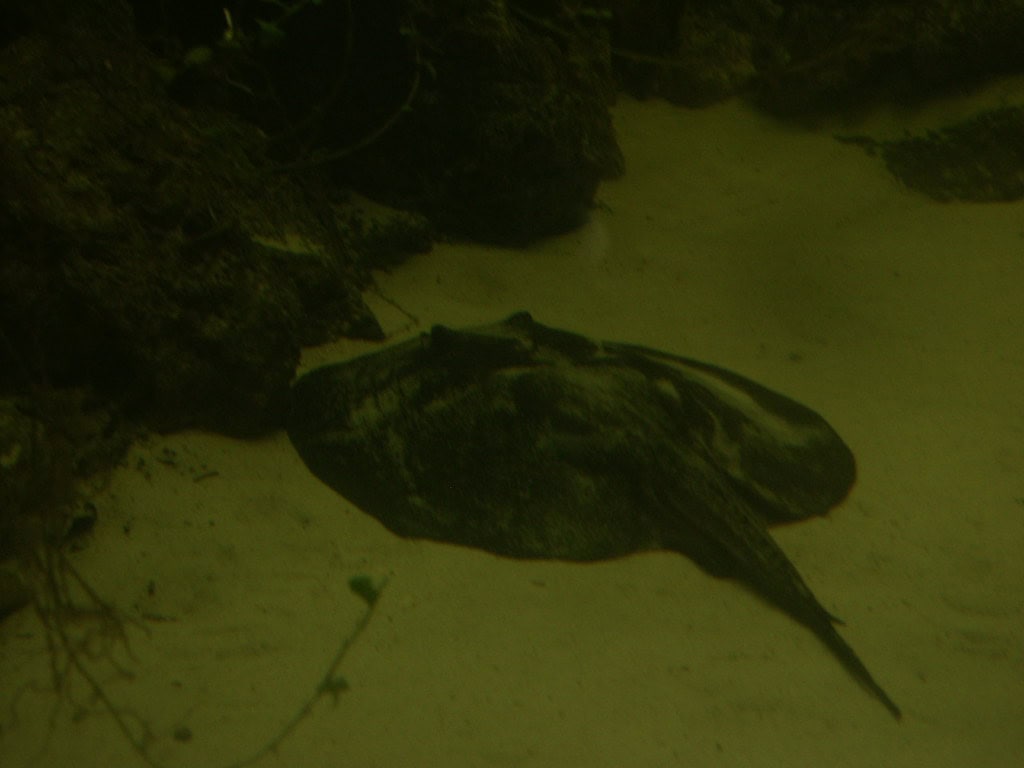
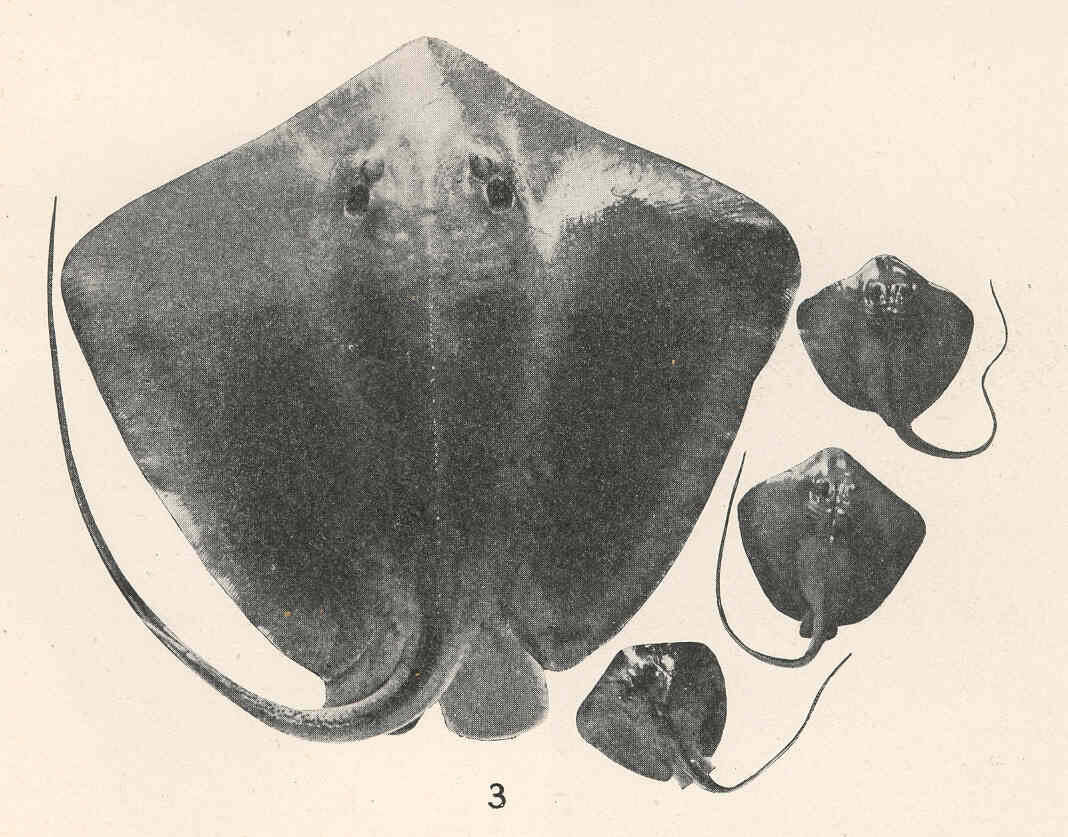
The physical characteristics of Mekong giant stingrays are truly remarkable, with their flattened, diamond-shaped bodies perfectly adapted for life on river bottoms. Their skin is covered in a protective layer of mucus and features a distinctive pattern of spots and markings that help them blend seamlessly with the sandy riverbed. Their eyes are positioned on the top of their heads, allowing them to spot prey and predators while remaining partially buried in sediment.
Perhaps most impressive is their venomous barb, which can measure up to 15 inches in length and is capable of delivering a potentially fatal sting. This defensive weapon is located on their whip-like tail and serves as their primary protection against threats. Despite their fearsome reputation, these creatures are generally docile and only use their stinger when threatened or accidentally stepped on by unsuspecting humans.
Feeding Habits and Diet
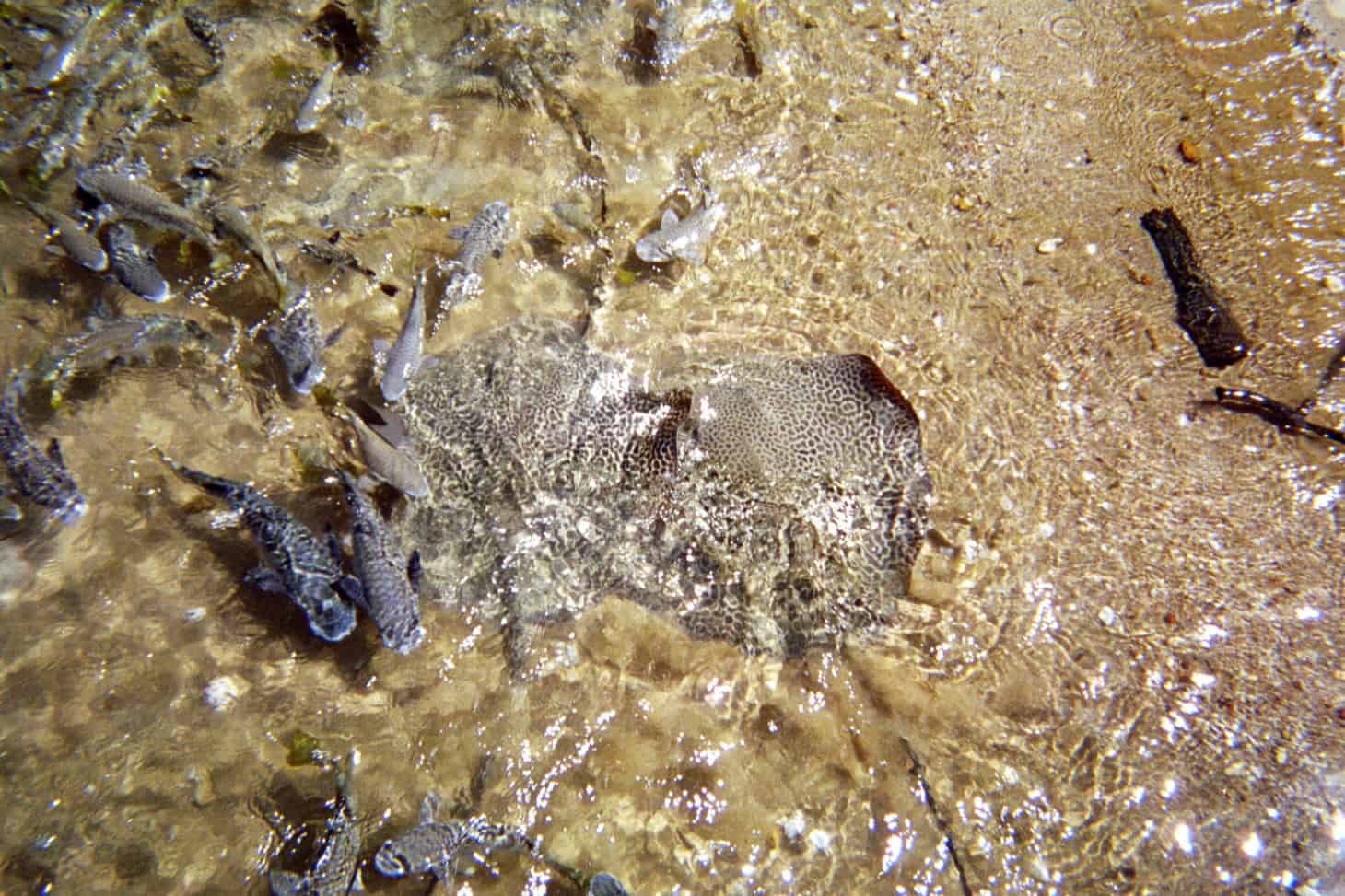
These massive stingrays are opportunistic feeders with a diet that reflects their status as apex predators of the river bottom. They primarily consume fish, crustaceans, mollusks, and various invertebrates that inhabit the river floor. Their feeding strategy involves using their powerful suction to draw prey into their mouths, much like a vacuum cleaner of the aquatic world.
During feeding, they create small craters in the riverbed as they search for buried prey, inadvertently aerating the sediment and contributing to the river’s ecosystem health. Their feeding activities can be observed through the distinctive circular depressions they leave behind in sandy areas. These feeding patterns play a crucial role in maintaining the ecological balance of the Mekong River system.
Reproduction and Life Cycle
The reproductive cycle of Mekong giant stingrays remains one of the most mysterious aspects of their biology. These creatures are ovoviviparous, meaning females carry eggs inside their bodies until they hatch, giving birth to live young. The gestation period is believed to last several months, with females typically producing only a few offspring at a time.
Young stingrays are born fully developed and capable of independent survival, though they remain vulnerable to predation during their early years. The slow reproductive rate of these animals makes them particularly susceptible to population decline, as it takes many years for them to reach sexual maturity. This biological characteristic has significant implications for conservation efforts and population management strategies.
Habitat and Distribution

The Mekong River basin, spanning Cambodia, Laos, Thailand, Vietnam, Myanmar, and China, provides the primary habitat for these remarkable creatures. They prefer deep pools and slow-moving sections of the river where the water temperature remains relatively stable throughout the year. The river’s complex network of tributaries and seasonal flooding patterns create diverse microhabitats that support different life stages of these animals.
These stingrays are highly adapted to the seasonal changes in water levels that characterize the Mekong system. During the dry season, they concentrate in deeper pools, while the wet season allows them to explore newly flooded areas in search of food. Their ability to navigate these changing conditions demonstrates their remarkable adaptability and evolutionary success in this dynamic environment.
Conservation Challenges

Despite their impressive size and ancient lineage, Mekong giant stingrays face numerous threats that have led to their classification as endangered species. Habitat destruction, dam construction, and pollution have significantly impacted their populations over the past several decades. The construction of hydroelectric dams along the Mekong River has altered water flow patterns and blocked traditional migration routes.
Overfishing and accidental capture in fishing nets pose additional threats to these gentle giants. Many stingrays are accidentally caught by fishermen targeting other species, often resulting in injury or death. The slow reproductive rate of these animals means that population recovery is a lengthy process, making conservation efforts critically important for their long-term survival.
Scientific Research and Monitoring
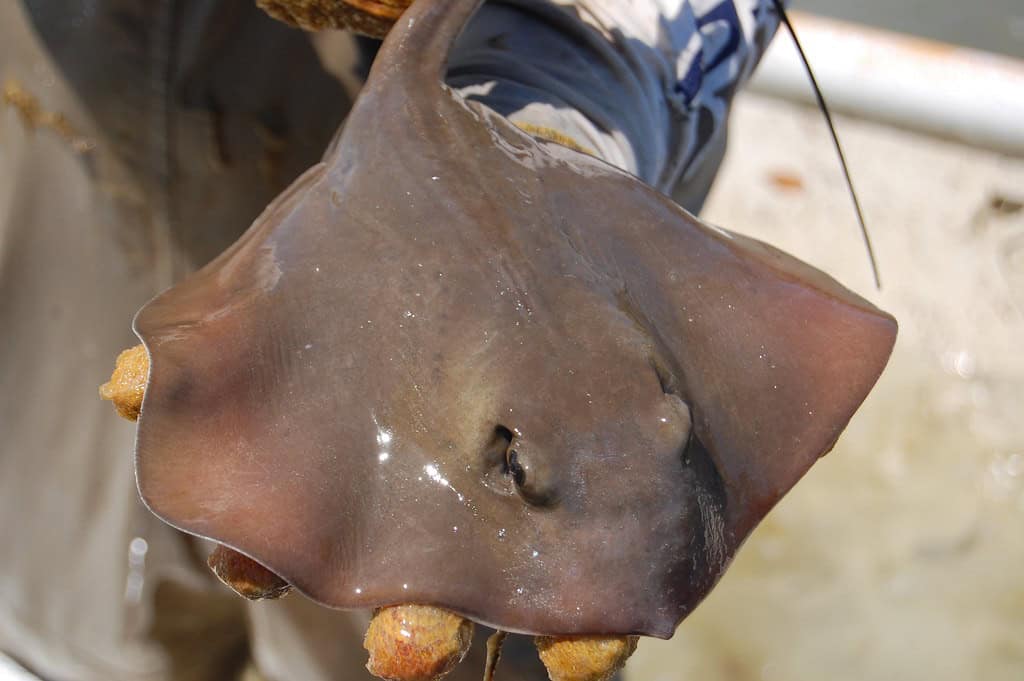
International research teams have established comprehensive monitoring programs to study and protect Mekong giant stingrays. These programs involve collaboration between scientists, local communities, and government agencies to track population trends and habitat changes. Advanced tagging technologies allow researchers to monitor individual animals and gather data on their movement patterns and behavior.
Genetic studies have revealed important information about the evolutionary history and population structure of these remarkable creatures. DNA analysis has helped scientists understand the relationships between different populations and identify genetically distinct groups that may require specific conservation strategies. This research is essential for developing effective management plans and ensuring the long-term survival of the species.
Cultural Significance and Local Communities
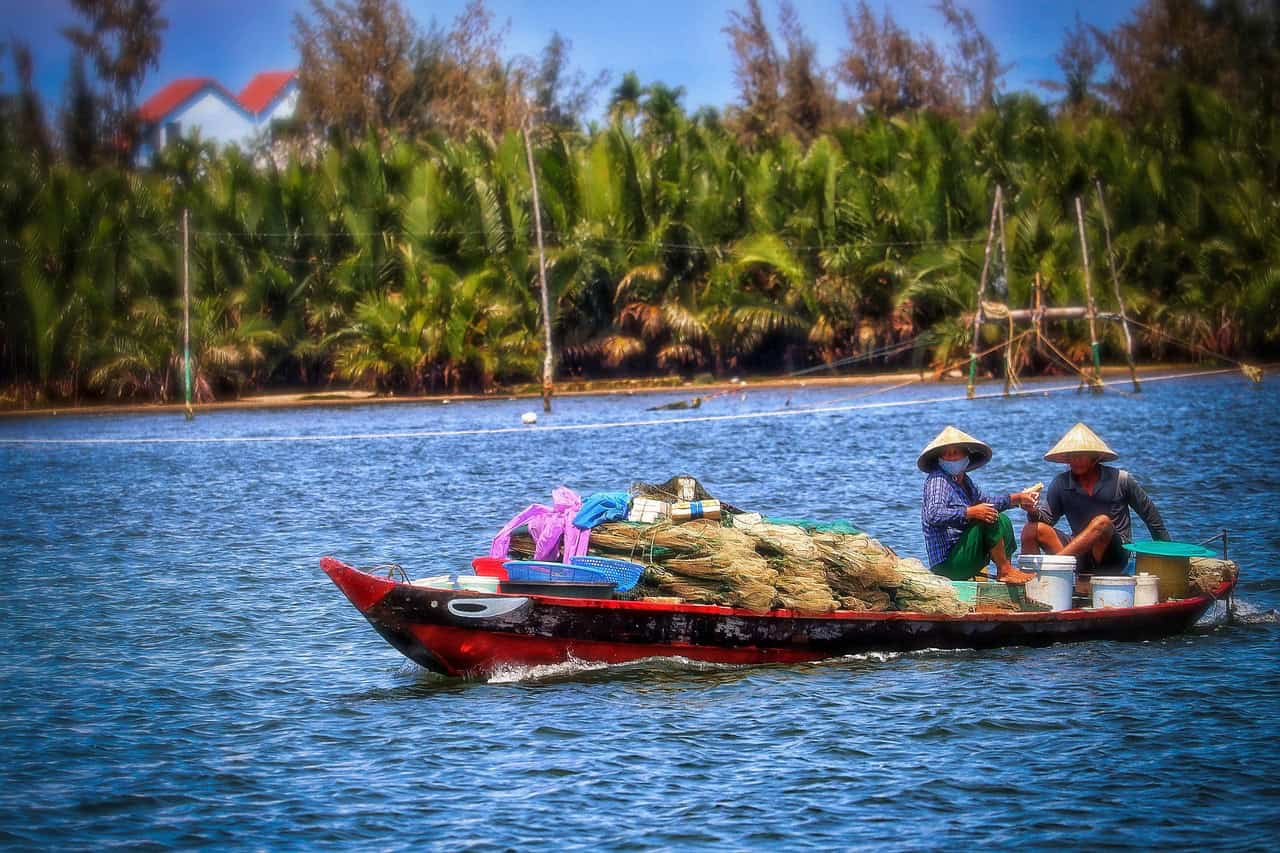
For centuries, the people living along the Mekong River have coexisted with these magnificent creatures, developing rich cultural traditions and beliefs surrounding their presence. Local fishermen often regard encounters with giant stingrays as significant events, sometimes interpreting them as omens or spiritual messages. These cultural connections have helped protect the animals through traditional conservation practices and respect for river ecosystems.
Community-based conservation programs have proven highly effective in protecting stingray populations by involving local people in monitoring and protection efforts. Fishermen who once viewed these animals as obstacles or threats have become valuable allies in conservation work, reporting sightings and helping scientists gather important data. Education programs have helped build understanding and appreciation for these remarkable creatures among local communities.
Tourism and Economic Impact
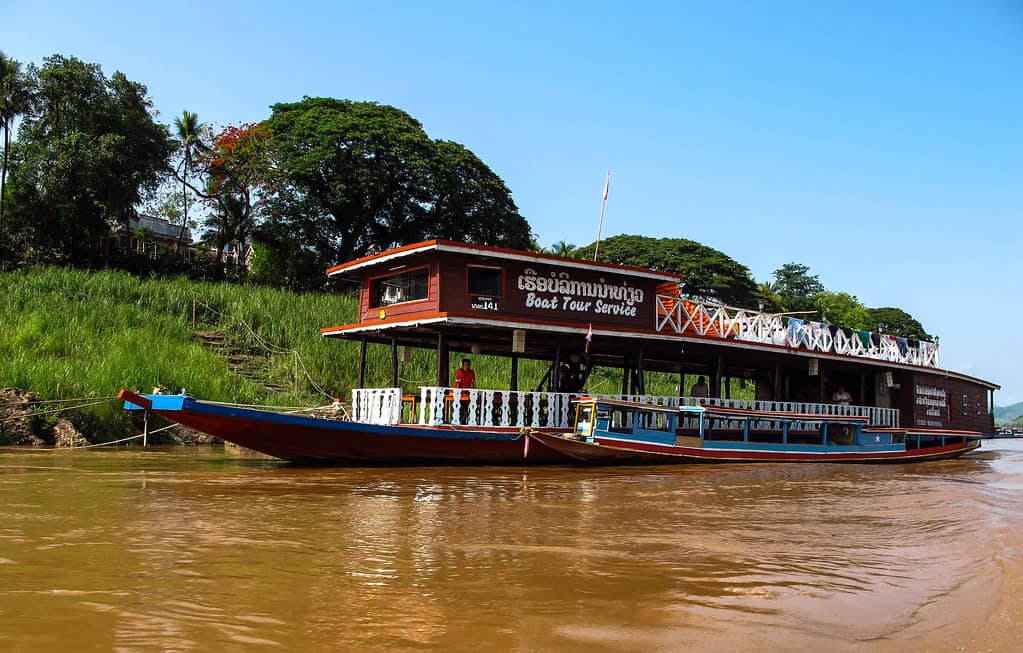
The presence of these giant stingrays has created unique ecotourism opportunities that benefit local communities while promoting conservation awareness. Specialized tour operators offer guided expeditions to observe these magnificent creatures in their natural habitat, providing sustainable income for local guides and boat operators. These tourism activities must be carefully managed to minimize disturbance to the animals and their environment.
The economic value of stingray tourism has become an important argument for conservation, demonstrating that these animals are worth more alive than dead. Revenue from ecotourism helps fund local conservation programs and provides alternative livelihoods for communities that might otherwise rely on harmful fishing practices. This economic incentive has proven crucial in building support for protection measures among local stakeholders.
Threats from Development and Pollution

Rapid development along the Mekong River has introduced numerous pollutants that threaten the health of giant stingrays and their ecosystem. Industrial waste, agricultural runoff, and urban sewage have degraded water quality in many areas, affecting the availability of prey species and causing direct harm to stingray populations. Heavy metal contamination and plastic pollution pose particular risks to these filter-feeding creatures.
Climate change adds another layer of complexity to conservation challenges, as changing precipitation patterns and rising temperatures affect river flow and water quality. These environmental changes can alter the distribution of prey species and disrupt the delicate balance of the river ecosystem. Scientists are working to understand how these global changes will impact stingray populations and develop adaptive management strategies.
Conservation Success Stories
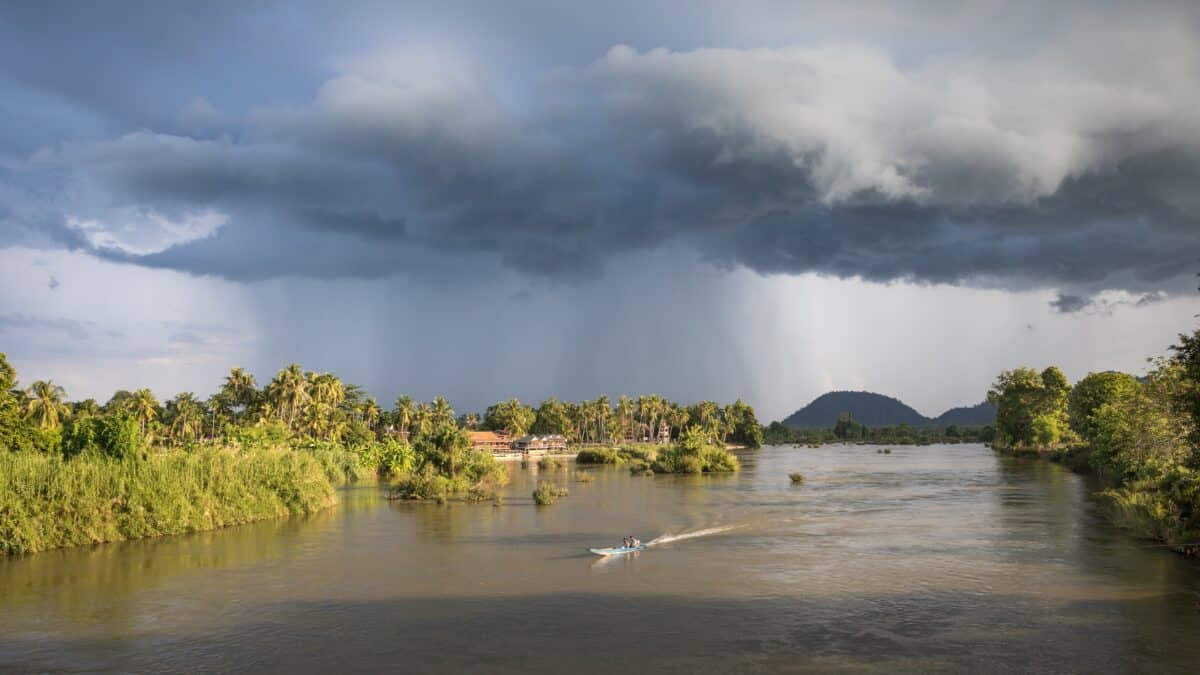
Despite the challenges, there have been notable success stories in stingray conservation that provide hope for the future. Protected areas established along the Mekong River have created safe havens where these animals can feed and reproduce without disturbance. International cooperation between the six Mekong countries has led to coordinated conservation efforts and shared research programs.
Captive breeding programs, while still in their early stages, show promise for maintaining genetic diversity and potentially supplementing wild populations. These programs also provide opportunities for scientific research and public education, helping to raise awareness about the importance of freshwater stingray conservation. The success of these initiatives depends on continued international support and local community involvement.
Unique Adaptations for River Life
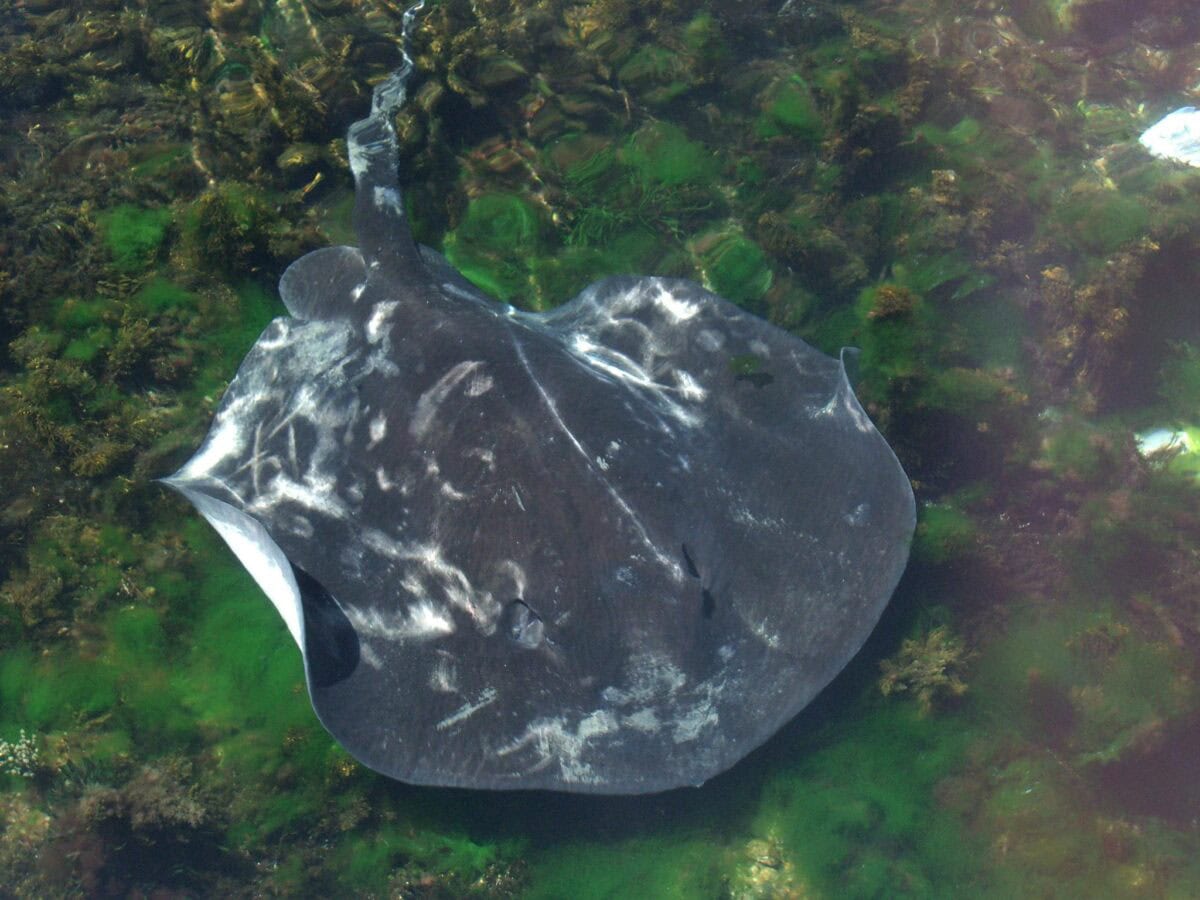
The evolutionary adaptations that allow these stingrays to thrive in freshwater environments are truly remarkable and set them apart from their marine relatives. Their kidneys have developed specialized functions to maintain proper salt balance in freshwater, while their gills have adapted to extract oxygen efficiently from river water. These physiological adaptations represent millions of years of evolutionary fine-tuning.
Their sensory systems are particularly well-developed, with electroreceptors that can detect the electrical fields generated by prey animals hiding in the sediment. This remarkable ability allows them to locate food even in murky water where visibility is limited. Their lateral line system also helps them detect water movement and vibrations, providing early warning of potential threats or opportunities.
The Role of Technology in Conservation

Modern technology has revolutionized the study and protection of Mekong giant stingrays, providing researchers with powerful tools for monitoring and conservation. Satellite tracking devices allow scientists to follow individual animals over long distances and understand their movement patterns and habitat preferences. Underwater cameras and sonar systems help researchers locate and study these elusive creatures without disturbing them.
Genetic barcoding techniques have improved species identification and helped scientists understand the relationships between different stingray populations. Environmental DNA sampling allows researchers to detect the presence of stingrays in an area without actually capturing them, providing a non-invasive method for population monitoring. These technological advances have significantly enhanced our ability to protect these remarkable animals.
International Cooperation and Policy

The conservation of Mekong giant stingrays requires unprecedented international cooperation, as these animals move freely across national boundaries throughout their range. The Mekong River Commission has played a crucial role in coordinating conservation efforts between the six countries that share the river basin. International agreements and treaties have established frameworks for protecting migratory species and their habitats.
Policy changes at the national level have also contributed to conservation success, with several countries implementing stronger protections for endangered freshwater species. Trade restrictions and fishing regulations have helped reduce the pressure on stingray populations, while habitat protection measures have preserved critical breeding and feeding areas. These policy initiatives require ongoing monitoring and enforcement to ensure their effectiveness.
The Future of Freshwater Giants

The future of Mekong giant stingrays depends on our collective ability to address the multiple threats facing these remarkable creatures. Scientists predict that without immediate and sustained conservation action, populations could decline by more than 80% within the next few decades. However, there are reasons for optimism, as awareness of their plight continues to grow and conservation efforts intensify.
Emerging technologies and innovative conservation approaches offer new hope for protecting these ancient giants. Artificial intelligence and machine learning are being used to analyze vast amounts of data and identify patterns that could inform conservation strategies. Community-based conservation programs continue to expand, building local capacity and support for protection efforts.
Comparing Giants: Freshwater vs. Marine
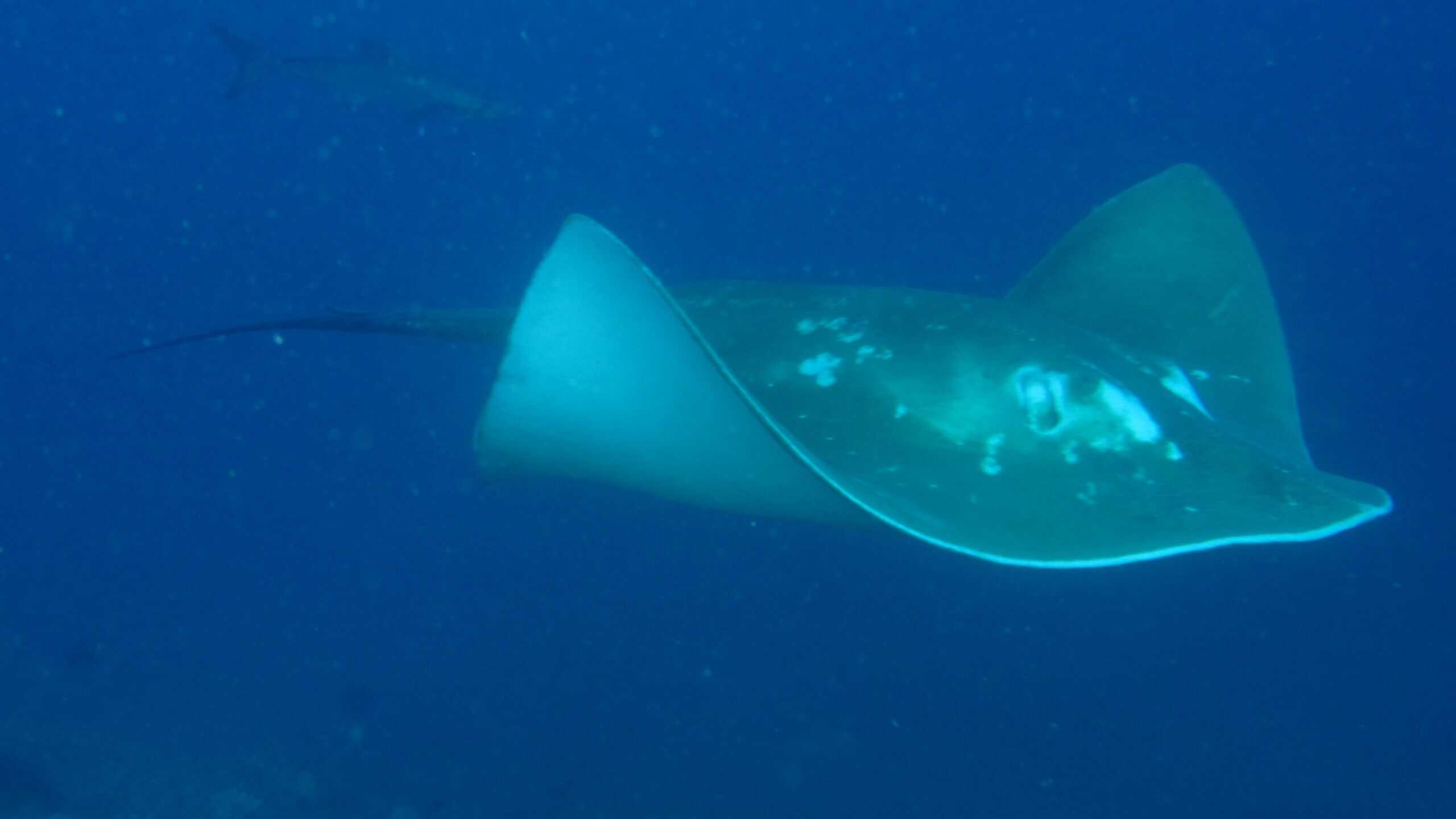
While marine stingrays can also reach impressive sizes, the Mekong giant freshwater stingray holds the distinction of being the largest freshwater species. Marine species like the giant oceanic manta ray may have larger wingspans, but they cannot match the sheer bulk and weight of their freshwater cousins. This comparison highlights the unique evolutionary path that led to the development of these massive river dwellers.
The physiological differences between freshwater and marine stingrays are significant, with freshwater species requiring specialized adaptations for osmotic regulation and ion balance. These adaptations come at an energetic cost, which may explain why freshwater stingrays tend to be more sedentary than their marine counterparts. Understanding these differences is crucial for developing appropriate conservation strategies for each group.
The Importance of Citizen Science
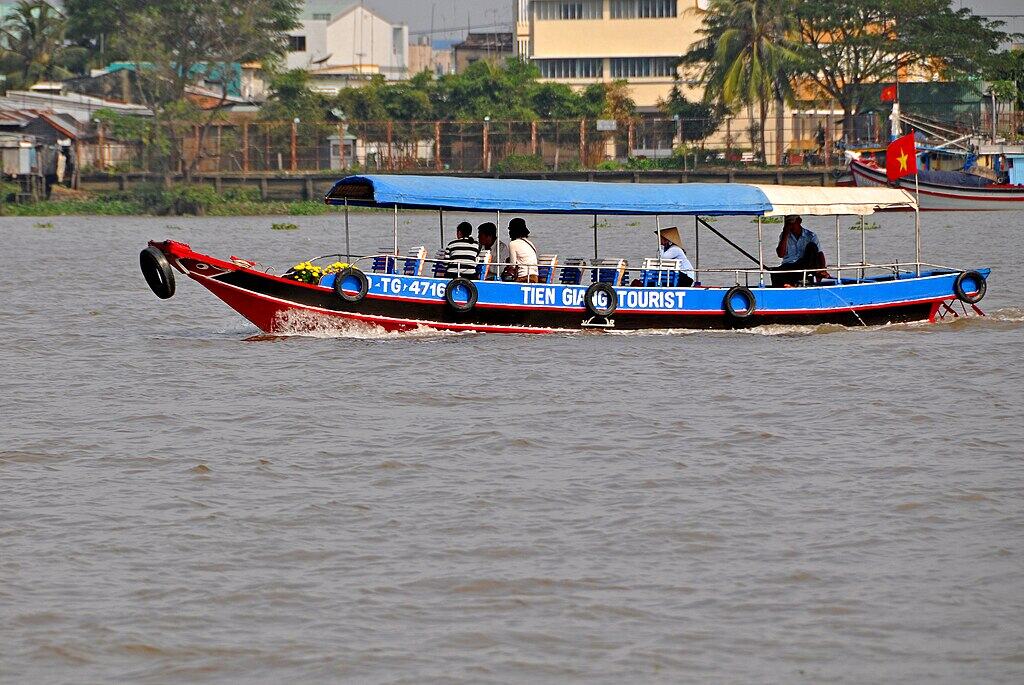
Citizen science programs have become increasingly important in monitoring and protecting Mekong giant stingrays, as local communities and tourists contribute valuable data to research efforts. Mobile apps and social media platforms allow people to report sightings and share photographs, creating a vast network of volunteer observers. These contributions have significantly expanded the geographic scope of monitoring efforts and provided insights into previously unknown aspects of stingray behavior.
Educational programs that engage local schools and communities have proven particularly effective in building long-term support for conservation. Young people who participate in these programs often become passionate advocates for wildlife protection, carrying these values into adulthood. The involvement of local communities in research and monitoring has also helped build trust and cooperation between scientists and stakeholders.
Conclusion
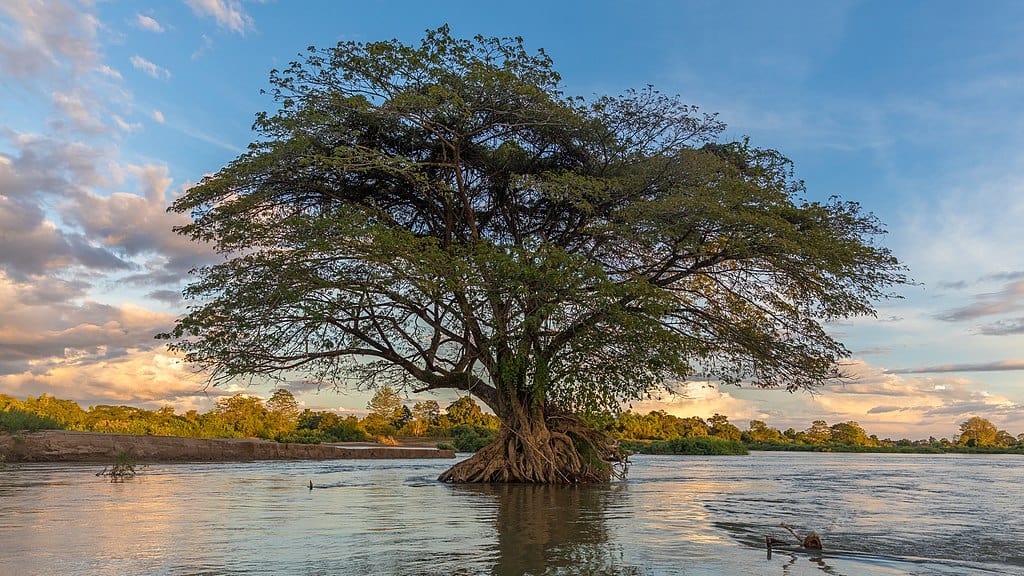
The Mekong giant freshwater stingray stands as a testament to the incredible diversity and wonder of our planet’s freshwater ecosystems. These magnificent creatures have survived for millions of years, adapting to the ever-changing conditions of one of Asia’s most important rivers. Their story is one of resilience, adaptation, and the delicate balance between human development and wildlife conservation.
As we face the challenges of the 21st century, the fate of these gentle giants serves as a powerful reminder of our responsibility to protect the natural world. The success of conservation efforts depends not only on scientific research and policy changes but also on the collective action of individuals, communities, and nations working together toward a common goal.
The murky waters of the Mekong River continue to hold secrets that science has yet to fully uncover, and each new discovery brings us closer to understanding these remarkable creatures. What other mysteries might be lurking in the depths of our planet’s rivers, waiting to be discovered?

- The Animals That Inspired Mythical Creatures in Movies - August 2, 2026
- Why Orcas Teach Their Young to Beach Themselves While Hunting - July 31, 2026
- How Raccoons Use Their Tiny Hands to Explore - July 31, 2026