


Among the many extraordinary adaptations in the animal kingdom, the giant panda’s unusual “sixth finger” stands out as one of nature’s most fascinating evolutionary innovations. Unlike other bears and most mammals that have five digits on their paws, pandas possess an additional thumb-like structure that helps them grip and manipulate bamboo stalks with remarkable dexterity. This unique adaptation has evolved specifically to help these iconic black and white bears efficiently process their highly specialized bamboo diet. The story behind this extra digit reveals nature’s incredible ability to solve survival challenges through unexpected anatomical modifications, providing pandas with the perfect tool for their bamboo-centric lifestyle.
The Anatomical Mystery of the Panda’s Sixth Digit

The panda’s “sixth finger” isn’t technically a finger at all, which makes its existence even more intriguing to scientists. This specialized structure is actually an enlarged and elongated sesamoid bone—a type of small bone typically found embedded within tendons. In most mammals, sesamoid bones are small and primarily function to reduce friction and protect tendons as they cross joints. The kneecap (patella) is perhaps the most familiar example of a sesamoid bone in humans.
In pandas, however, one particular sesamoid bone in the wrist has evolved to become significantly enlarged and elongated, creating what effectively functions as an opposable thumb. This modified bone protrudes from the wrist and works in opposition to the five true digits of the panda’s paw, allowing for a precise pincer-like grip. This anatomical adaptation demonstrates evolution’s capacity to repurpose existing structures rather than creating entirely new digits, showcasing a principle known as exaptation—where a structure evolved for one purpose is co-opted for a completely different function.
The Evolutionary Timeline of the Pseudo-Thumb

Fossil evidence suggests that the panda’s pseudo-thumb began developing between 6-8 million years ago, coinciding with the period when pandas were transitioning from an omnivorous diet to one specialized almost exclusively on bamboo. This dietary shift created strong evolutionary pressure for adaptations that would help pandas efficiently harvest and process bamboo—a nutritionally poor food source that requires consuming massive quantities to sustain the bear’s energy needs.
The earliest fossil evidence of this adaptation shows a much smaller projection than what modern pandas possess, indicating that this feature has been continuously selected for and enhanced throughout the panda’s evolutionary history. Paleontologists believe the development of this specialized structure occurred gradually, with successive generations of pandas benefiting from even minor improvements in their ability to manipulate bamboo. This represents a textbook case of natural selection, where individuals with more efficient feeding adaptations were more likely to survive and reproduce, gradually leading to the refined pseudo-thumb we observe today.
The Biomechanics of Bamboo Handling

The biomechanical function of the panda’s pseudo-thumb is precisely adapted to the challenges of bamboo processing. When feeding, pandas typically sit upright and hold bamboo stalks with their pseudo-thumb pressed against their five true digits, creating a secure grip that allows them to strip off leaves or peel away the tough outer layers of bamboo shoots. This grip is essential because pandas must process enormous quantities of bamboo to meet their nutritional needs—consuming 20-40 pounds daily and spending 10-16 hours eating.
The pseudo-thumb also enables pandas to manipulate bamboo with surprising precision. Studies using high-speed cameras have documented pandas rotating bamboo stalks in their paws to find the most tender sections, breaking stalks into manageable pieces, and even holding multiple pieces simultaneously. This dexterity would be impossible without the opposable pseudo-thumb. The additional gripping surface created by this adaptation significantly increases the panda’s feeding efficiency, compensating for the poor nutritional quality of their bamboo diet through improved processing ability.
Comparison to Other Bears’ Anatomy
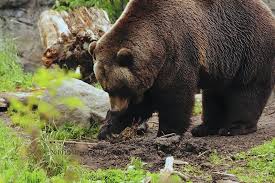
The giant panda’s pseudo-thumb stands in stark contrast to the paw anatomy of other bear species. While all bears possess the same basic pentadactyl (five-fingered) limb structure that is common to most mammals, other bear species lack the enlarged sesamoid bone that creates the panda’s functional sixth digit. This anatomical difference directly reflects their dietary differences. Most bear species are omnivorous, consuming varied diets of meat, fish, insects, fruits, and plants, which don’t require the specialized manipulation capabilities needed for bamboo processing.
For example, brown bears and black bears have powerful, non-specialized paws excellent for digging, climbing, and catching prey, but lacking the fine manipulation capabilities of the panda’s pseudo-thumb. Polar bears have evolved large, partially webbed paws that excel at swimming and walking on snow, while sloth bears possess extended claws for tearing into insect nests. The panda’s unique adaptation highlights how evolutionary pressures linked to dietary specialization can drive significant anatomical divergence even among closely related species.
The Pseudo-Thumb and Bamboo Diet Connection
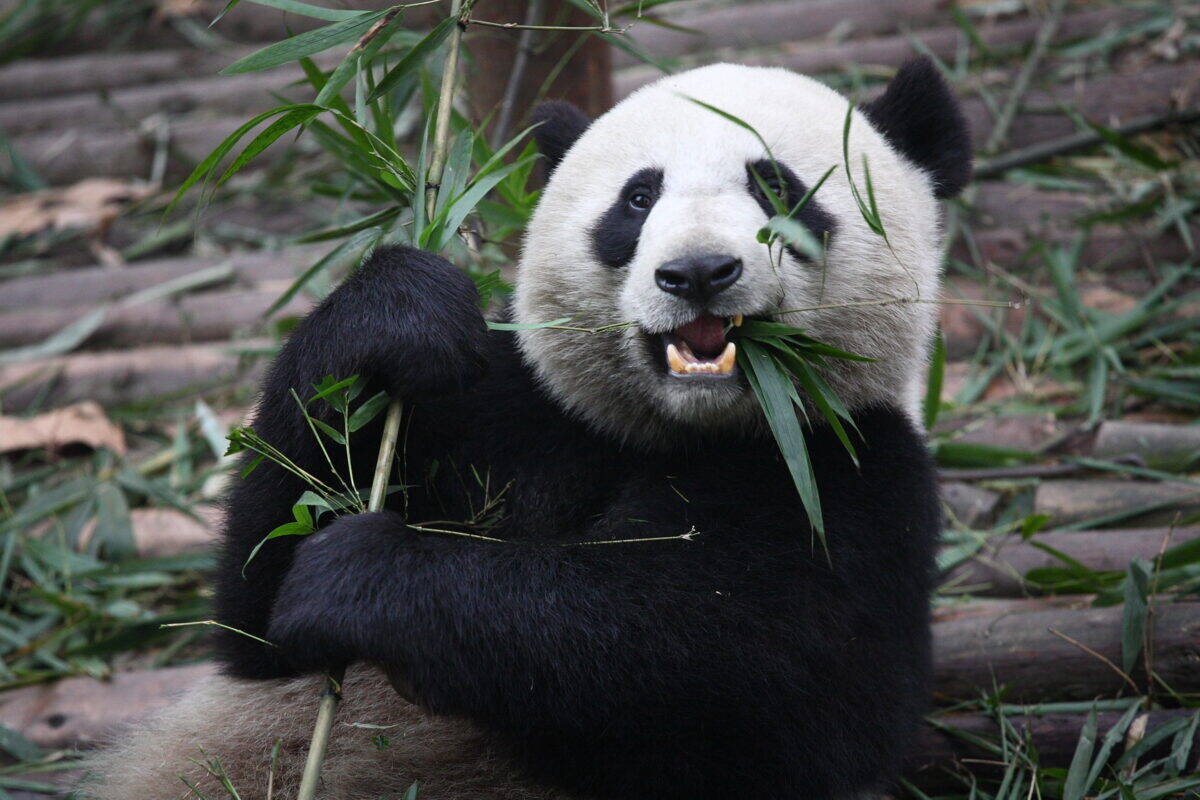
The direct relationship between the panda’s pseudo-thumb and its bamboo diet represents one of nature’s most elegant examples of form following function. Bamboo is an exceptionally challenging food source: it’s tough, fibrous, and nutritionally poor, containing minimal protein and mostly indigestible cellulose. Despite having the digestive system of a carnivore, pandas have committed to this difficult diet, with bamboo comprising 99% of their food intake in the wild.
This dietary specialization created the evolutionary pressure that shaped the pseudo-thumb. The ability to efficiently strip leaves, peel shoots, and process large quantities of bamboo became essential for survival. Studies show that pandas with more developed pseudo-thumbs can process bamboo up to 20% faster than those with less developed ones. This efficiency difference translates directly to survival advantage, particularly during seasonal bamboo shortages or flowering events (when certain bamboo species die off after flowering). The pseudo-thumb thus represents an elegant solution to the challenge of extracting sufficient nutrition from a suboptimal food source.
Recent Scientific Discoveries About the Pseudo-Thumb
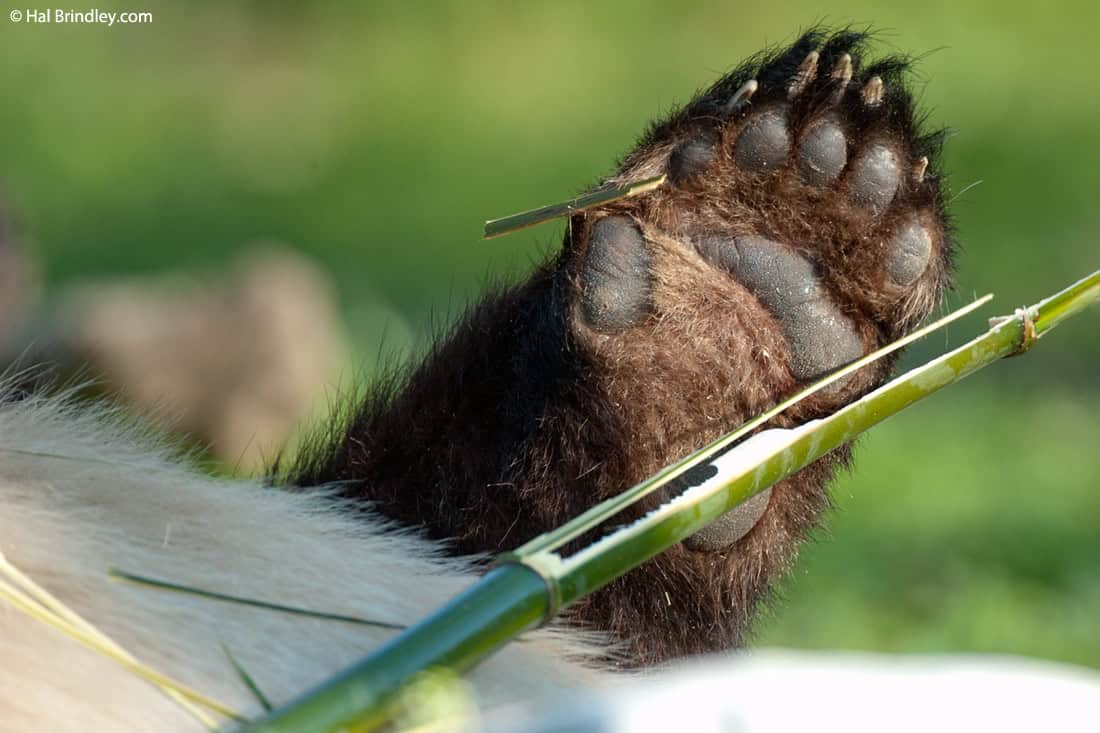
Recent research has revealed new complexities in the panda’s pseudo-thumb that weren’t previously understood. Advanced imaging techniques and comparative genomics have shown that the enlarged sesamoid bone is just one component of a sophisticated biomechanical system. The pseudo-thumb also includes specialized muscles, tendons, and a saddle-shaped articulation that allows for greater mobility than previously thought. These discoveries suggest the adaptation is even more refined than scientists initially believed.
A 2021 study published in Scientific Reports used CT scanning and 3D reconstruction to document the complete range of motion in the panda’s pseudo-thumb, finding it capable of complex movements that surpass what would be expected from a simple enlarged bone. The research also identified specific genetic changes in pandas that support the development and function of this structure. These genes, when compared to other bear species, show signs of positive selection—direct evidence of evolutionary forces shaping this unique adaptation at the molecular level.
Limitations of the Pseudo-Thumb
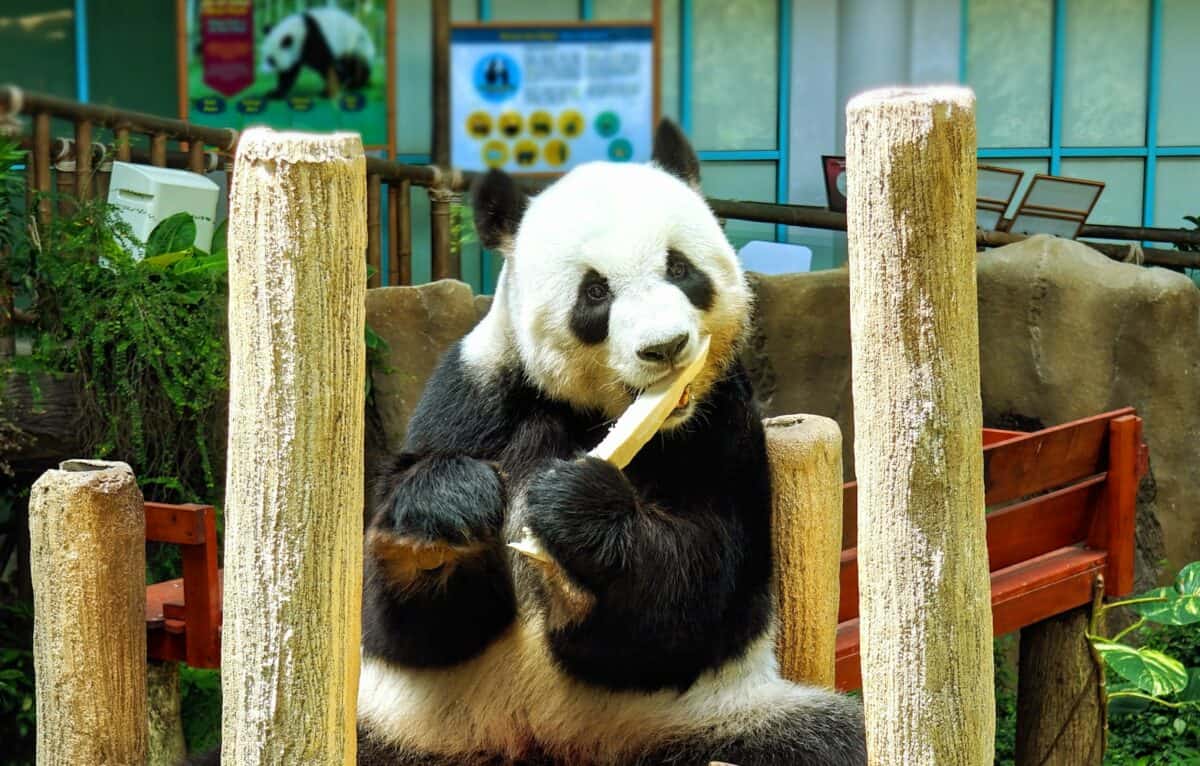
Despite its impressive functionality, the panda’s pseudo-thumb represents an evolutionary compromise rather than a perfect solution. The adapted sesamoid bone provides crucial gripping ability but is still less versatile than a true opposable thumb like humans possess. The pseudo-thumb lacks the full range of motion and fine motor control that characterizes primate thumbs, limiting the panda’s dexterity to tasks specifically related to bamboo processing.
Additionally, the development of this adaptation appears to have come with some trade-offs. The modified bone and muscle arrangements in the panda’s wrist may contribute to their relatively awkward gait compared to other bears. Pandas also face limitations in the strength of this grip—they can manipulate bamboo effectively but cannot exert the same powerful grasping force that would be possible with a true sixth digit anchored directly to the wrist bones. These limitations highlight an important principle in evolution: adaptations often represent the best available solution given existing anatomy rather than an idealized perfect design.
The Red Panda Connection

In a remarkable case of convergent evolution, the unrelated red panda (Ailurus fulgens) has independently evolved a similar pseudo-thumb adaptation. Despite not being closely related to giant pandas—red pandas are in their own family Ailuridae, while giant pandas are true bears in the family Ursidae—both species developed this adaptation in response to the same ecological challenge: specializing in a bamboo diet. This parallel evolution provides strong evidence that the pseudo-thumb represents an optimal solution to the mechanical problem of manipulating bamboo stems.
The red panda’s pseudo-thumb is also formed from an enlarged radial sesamoid bone, though its shape and proportions differ slightly from the giant panda’s version. Comparative studies of these independently evolved structures offer valuable insights into evolutionary processes and biomechanical constraints. The fact that two distantly related species independently arrived at such similar anatomical solutions underscores how powerful dietary specialization can be in driving convergent adaptations, even in otherwise dissimilar animals.
The Pseudo-Thumb in Captive Breeding Programs
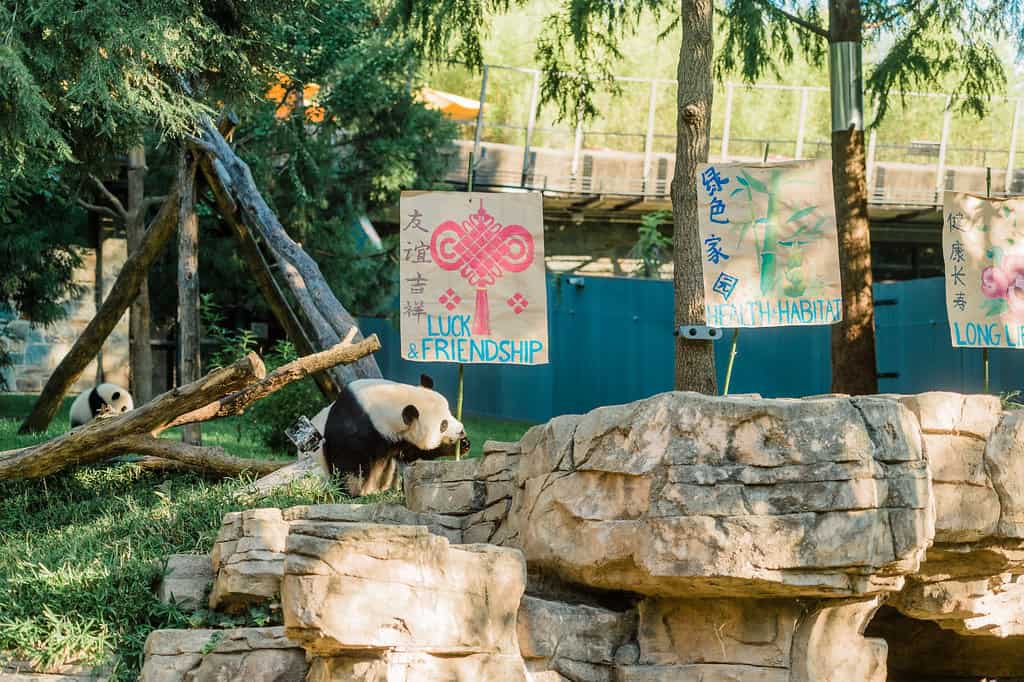
The panda’s pseudo-thumb plays an unexpected role in captive breeding and conservation efforts. Zookeepers and conservation specialists use the unique structure as one element in monitoring pandas’ health and development. The proper formation and function of the pseudo-thumb is considered an important developmental milestone in young pandas, as it directly affects their ability to feed efficiently. Any abnormalities in this structure could potentially compromise a panda’s feeding capabilities and overall health.
Additionally, enrichment activities in captive settings often target the specialized manipulation abilities provided by the pseudo-thumb. Caretakers design feeding puzzles and enrichment devices that require pandas to use their pseudo-thumbs in ways that mimic natural bamboo processing. These activities help maintain the pandas’ natural behaviors and provide mental stimulation. Some breeding facilities even perform regular measurements of pseudo-thumb development as part of their health assessment protocols, recognizing the critical importance of this structure to the species’ survival.
Cultural Significance and Public Fascination
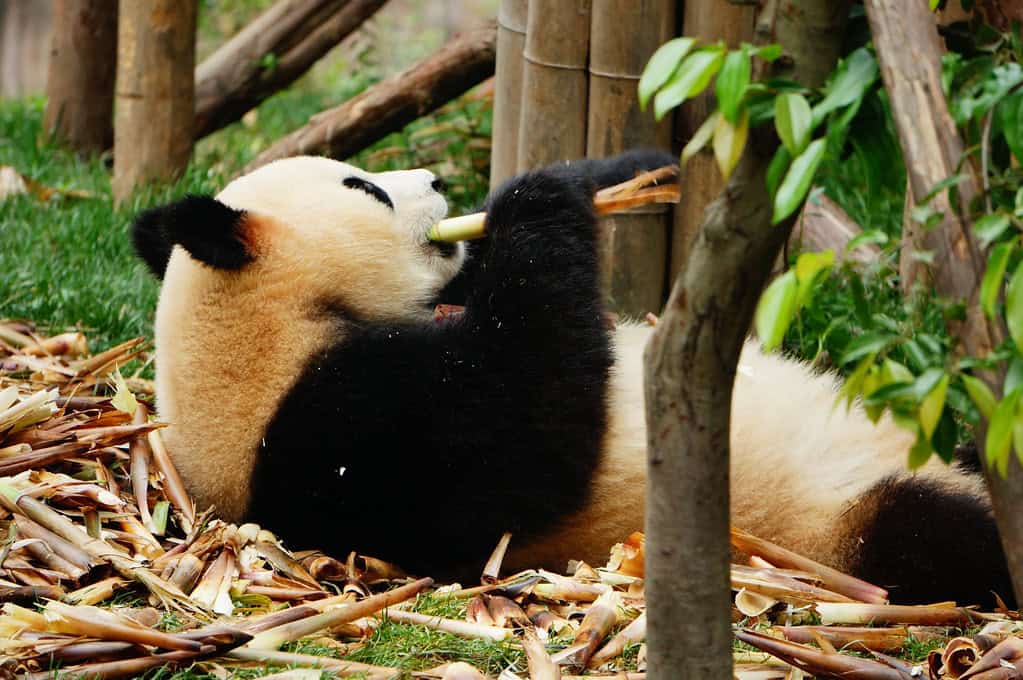
The panda’s pseudo-thumb has captured public imagination as one of nature’s most charming adaptations. Images and videos of pandas deftly manipulating bamboo with their distinctive grip regularly go viral on social media, contributing to the species’ beloved status as a conservation icon. This fascination has educational value, providing an accessible example of evolutionary adaptation that helps communicate broader concepts about natural selection to the general public.
Beyond its educational value, the pseudo-thumb has become part of the cultural mythology surrounding pandas. It features in children’s books, nature documentaries, and educational materials about adaptation and evolution. Conservation organizations often highlight this unique feature in their communications, using it to illustrate the specialized nature of pandas and their vulnerability to habitat loss. The pseudo-thumb thus serves as both a biological adaptation and a powerful symbol of the species’ unique evolutionary journey and specialized ecological niche.
Conservation Implications of Specialized Anatomy

The highly specialized nature of the panda’s pseudo-thumb underscores the species’ vulnerability to environmental changes. Having evolved such specific adaptations to process bamboo, pandas have limited dietary flexibility, making them particularly sensitive to changes in bamboo availability. Climate change threatens to alter the distribution and flowering patterns of bamboo forests, potentially creating serious challenges for pandas despite their efficient bamboo-processing adaptations.
Conservation strategies must therefore focus on preserving not just pandas themselves but the specific ecological conditions that support their specialized anatomical adaptations. This includes protecting diverse bamboo forests with multiple species at different growth stages to ensure year-round food availability. The pseudo-thumb represents an evolutionary investment in dietary specialization that has proven successful for millions of years but now increases the species’ vulnerability in a rapidly changing environment. Understanding this specialized adaptation helps conservationists develop more effective protection strategies that account for the panda’s unique evolutionary commitments.
The panda’s pseudo-thumb stands as one of nature’s most elegant examples of evolutionary problem-solving, demonstrating how natural selection can repurpose existing structures to meet new challenges. By transforming a small wrist bone into a functional opposing digit, evolution provided pandas with the precise tool they needed to exploit a difficult but abundant food source. This adaptation allowed pandas to occupy a specialized ecological niche that would otherwise be inaccessible, highlighting the remarkable plasticity of mammalian anatomy over evolutionary time.
Beyond its biological significance, the panda’s sixth “finger” offers profound insights into evolutionary processes, showing how dietary specialization can drive anatomical innovation even within the constraints of existing body plans. It reminds us that evolution works not by designing optimal structures from scratch but by modifying and repurposing what already exists. As we continue to unravel the complexities of this unique adaptation, the panda’s pseudo-thumb remains both a marvel of natural engineering and a powerful symbol of the specialized nature of this beloved species.

- What’s Hiding in the Forests of the Pacific Northwest - July 21, 2026
- Tarsiers: The Tiny Primates with Giant Eyes - July 21, 2026
- Are Zoos Still Ethical in 2025? - July 21, 2026