

In the diverse animal kingdom, speed manifests in numerous ways. While cheetahs dash across savannas and peregrine falcons dive through skies, another form of impressive velocity happens beneath our feet. Underground, a remarkable set of creatures have evolved to move through soil with astonishing speed—so fast that some can disappear below ground in the blink of an eye. Among these subterranean speedsters, one stands out as the undisputed champion of rapid digging: the Australian marsupial mole (Notoryctes typhlops).
These extraordinary burrowers have developed specialized anatomical features and techniques that allow them to “swim” through loose soil with an efficiency that would make Olympic swimmers envious. Their incredible digging abilities serve crucial survival functions, from escaping predators to finding food and creating protective shelters. This article explores the fascinating world of the fastest burrowers on Earth, examining how and why these animals have evolved to move through solid ground with such remarkable speed.
Meet the Champion: The Australian Marsupial Mole

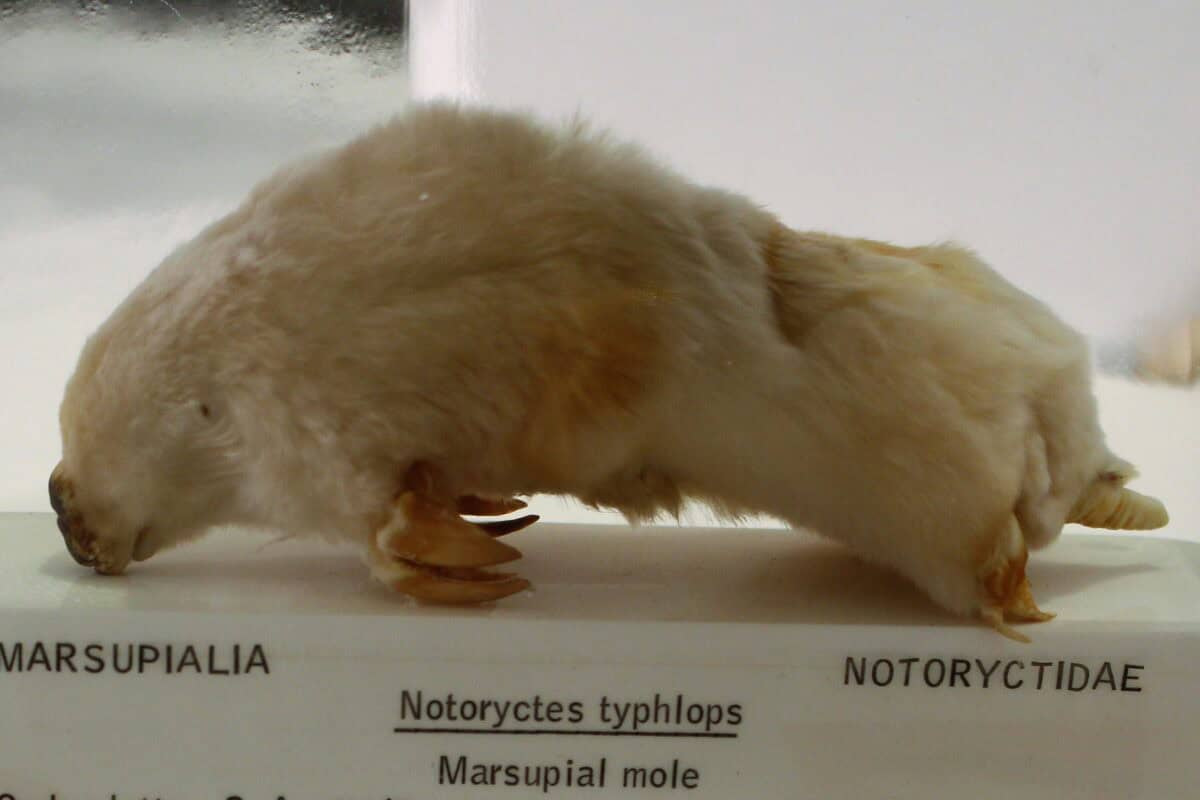
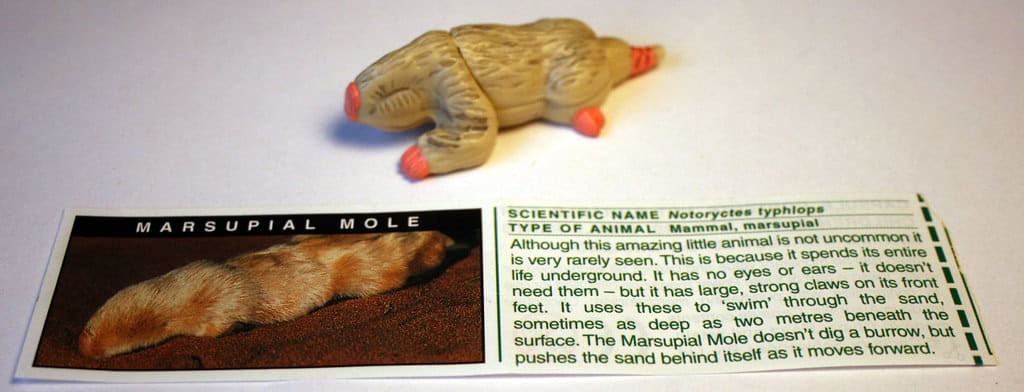
The Australian marsupial mole, also known as the kakarratul or itjaritjari by Aboriginal Australians, holds the impressive title of the world’s fastest burrower. Despite its name and appearance, this animal is not actually a true mole but a marsupial that has evolved similar traits through convergent evolution. Native to the sandy deserts of central and western Australia, these cream-colored, 10-15 cm long creatures can vanish beneath the sand in as little as two seconds—literally faster than a human can blink.
Unlike many burrowing animals that create permanent tunnel systems, marsupial moles practice “sand-swimming,” moving through loose desert sand as a fish moves through water. They don’t leave behind permanent tunnels; instead, the sand collapses behind them as they move. This unique adaptation allows them to travel at speeds of up to 3.5 meters per minute when burrowing—an extraordinary pace considering they’re moving through a solid medium. Their incredible speed serves a vital purpose in the harsh desert environment, allowing them to quickly escape extreme temperatures and predators.
Anatomical Adaptations for High-Speed Digging
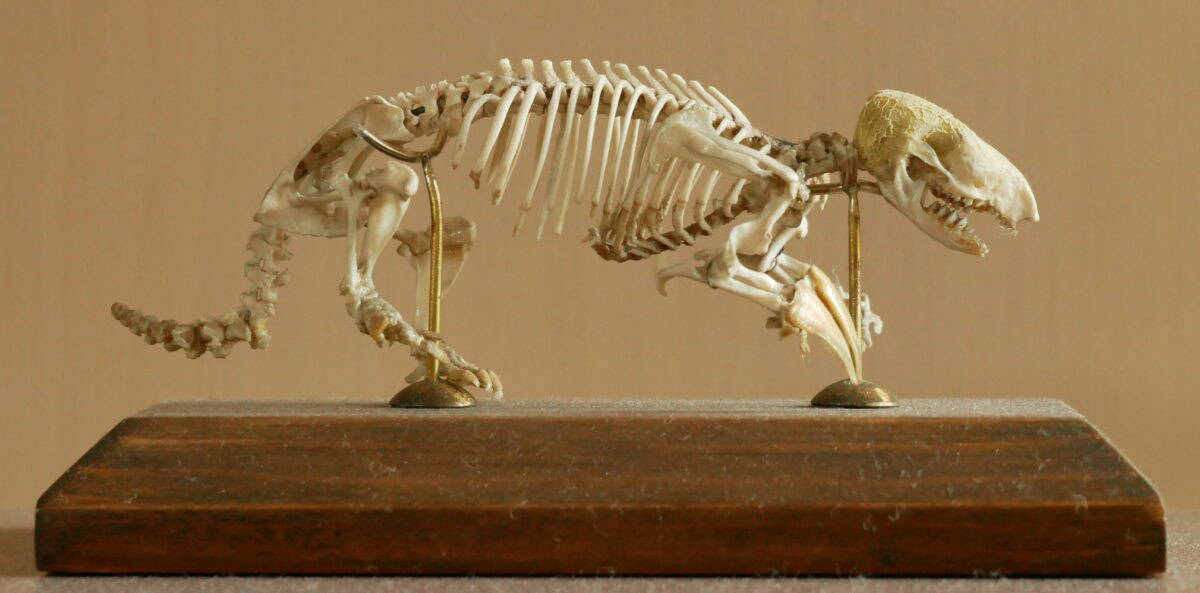
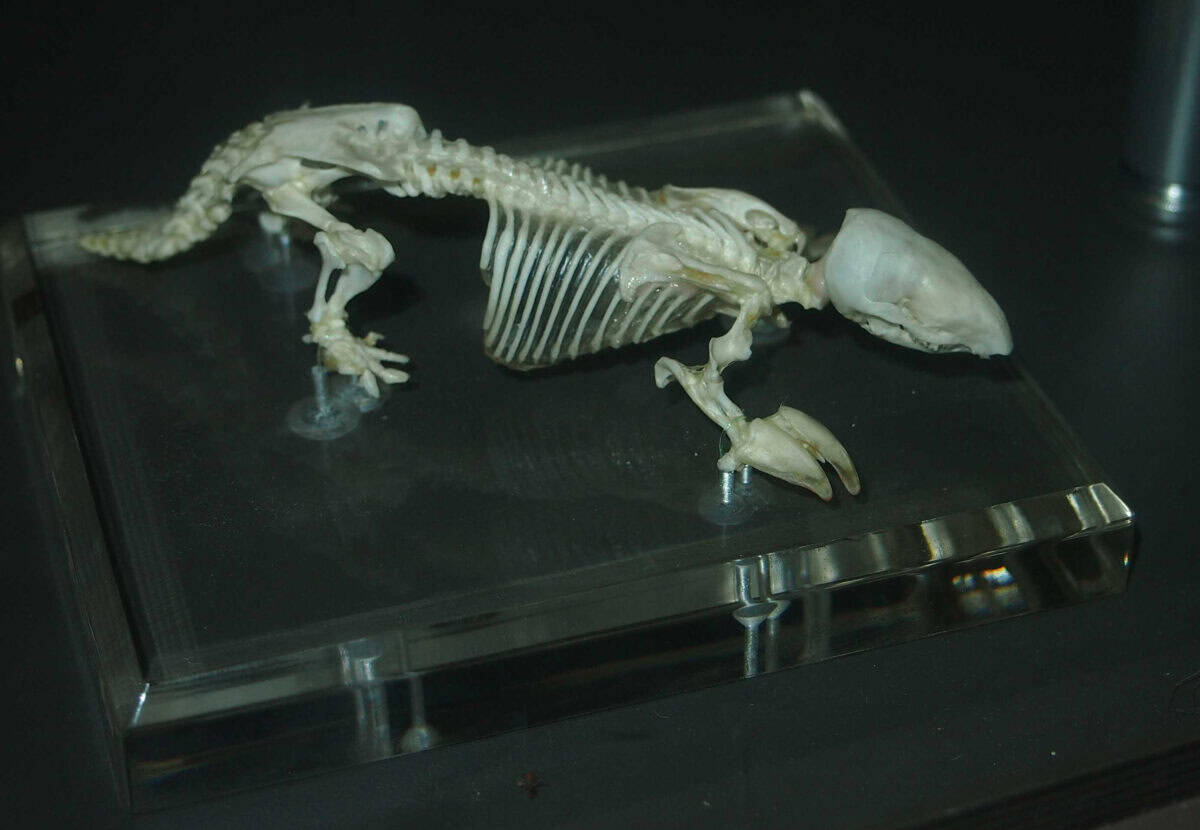
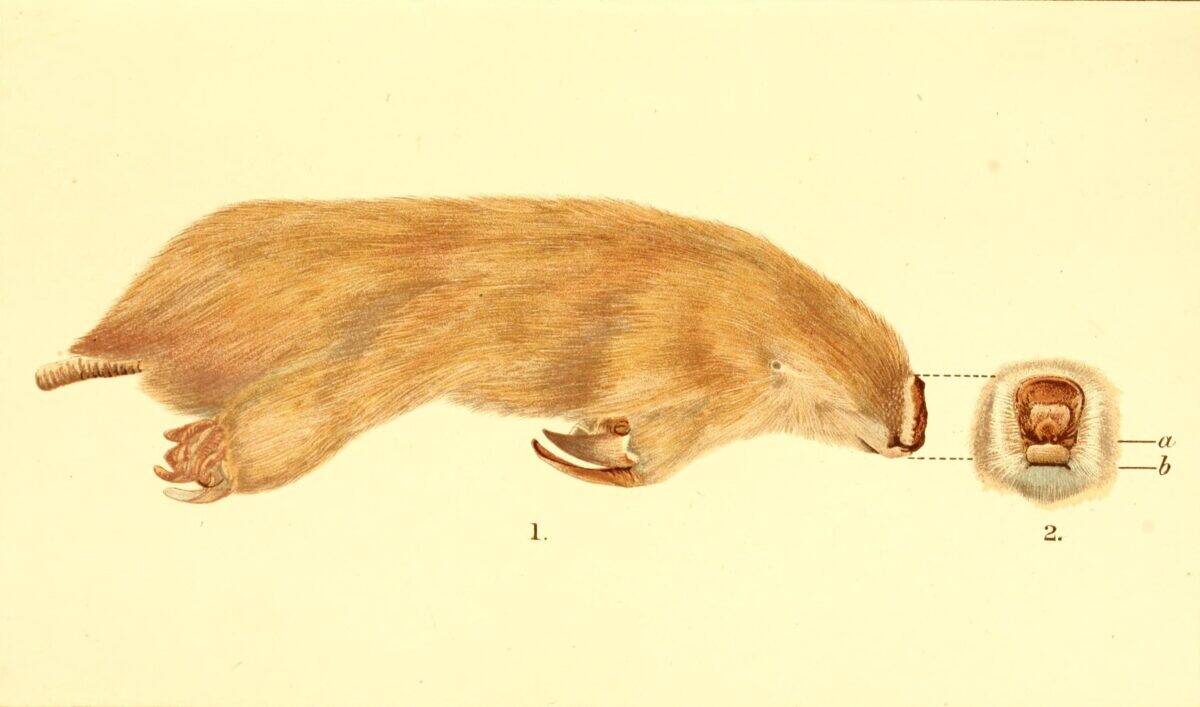
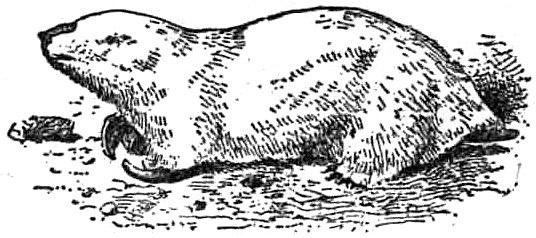
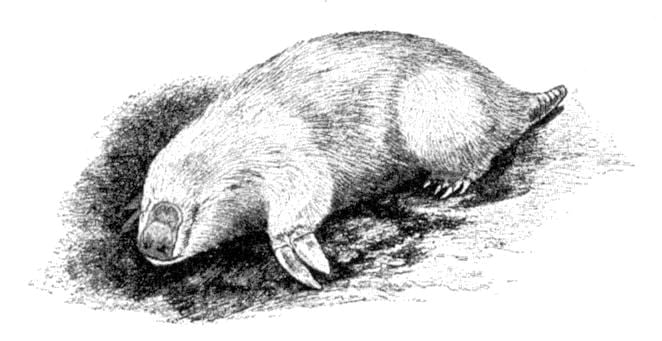
The marsupial mole’s body is a masterpiece of evolutionary engineering for fast burrowing. Their cone-shaped head features a hard, keratinous shield that acts as a shovel, allowing them to push through sand with minimal resistance. Their eyes have been reduced to vestigial structures hidden under skin—a testament to their completely subterranean lifestyle where vision offers little advantage. In place of sight, they rely on highly sensitive touch receptors in their leathery nose to navigate underground.
Their front limbs are remarkably powerful digging tools, featuring shortened forearms and enlarged claws that act as efficient excavation equipment. The third and fourth digits on their forelimbs are especially developed, with the claws measuring up to 11 mm long—disproportionately large for their small body size. Their back is covered with a thick, silky fur that prevents sand from reaching their skin while simultaneously reducing friction as they move through the substrate. Even their pouch (being marsupials) opens backward to prevent sand from entering while they burrow—a perfect example of how thoroughly adapted these animals are to their high-speed underground lifestyle.
The Physics of Underground Speed
The marsupial mole’s incredible burrowing speed defies our intuitive understanding of movement through solid matter. Their success stems from a perfect integration of physics and biology. When burrowing, they employ a combination of four physical techniques: compacting the substrate ahead of them, pushing material to the sides, moving loose material behind them, and what scientists call “strain reduction”—essentially reducing the density of the medium they’re moving through.
Their speed is also enhanced by their preference for specific soil conditions. They favor loose, dry sand where particles easily move past each other. This medium allows them to achieve what researchers call “frictional flow,” where the animal creates localized fluidization of the sand particles around its body. Water content plays a crucial role too—too little and the sand doesn’t hold together at all, too much and it becomes too dense to move through quickly. The marsupial mole has evolved to thrive in conditions with precisely the right characteristics for maximum burrowing velocity.
The Energy Economics of Fast Burrowing
Burrowing is an energetically expensive activity—far more costly than walking or running on the surface. Studies have shown that animals typically expend 300-3,000 times more energy moving through soil than moving the same distance above ground. This makes the marsupial mole’s speed even more remarkable. To achieve their extraordinary pace, they’ve evolved highly efficient metabolic systems that maximize energy use during burrowing activities.
Their unique “sand-swimming” technique is part of this efficiency. Rather than digging and removing soil as many burrowers do, they move the particles around their body with minimal displacement, requiring less energy. Additionally, they’ve developed specialized low-oxygen tolerance, allowing them to function in the reduced-oxygen environment beneath the sand. Their diet of energy-rich insects, larvae, and occasionally small reptiles provides the fuel needed for their high-energy lifestyle. These adaptations create an efficient energy economy that makes their remarkable speed sustainable despite the inherent costs of subterranean movement.
Competitors: Other Noteworthy Speed Diggers
While the Australian marsupial mole holds the title for fastest burrower, several other animals deserve honorable mentions for their impressive digging speeds. The European mole (Talpa europaea) can tunnel at speeds up to 4 meters per hour, creating elaborate permanent tunnel systems. The naked mole-rat (Heterocephalus glaber) of East Africa can dig tunnel systems extending several kilometers, with the ability to move backward through tunnels almost as quickly as forward—a rare skill among burrowers.
The pocket gopher (Geomyidae family) of North America deserves special recognition for its digging efficiency, capable of moving over 300 pounds of soil in a single day despite its small size. Even certain insects demonstrate remarkable burrowing speeds: dung beetles can bury themselves completely in about 20 seconds, while certain tiger beetle larvae can retreat into their burrows faster than many predators can react. While none match the marsupial mole’s blink-of-an-eye disappearing act, these animals showcase the diverse evolutionary paths to underground speed.
Ecological Significance of Rapid Burrowing
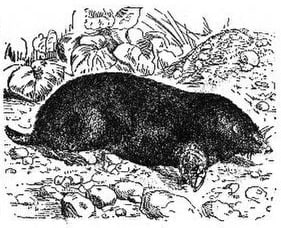
The extraordinary burrowing speed of the marsupial mole and other rapid diggers plays a crucial role in their respective ecosystems. Their constant movement through substrate aerates the soil, promotes water infiltration, and helps cycle nutrients between soil layers. In arid environments like the Australian desert, this activity can be particularly important for soil health and the support of plant communities that rely on properly structured soil.
Fast burrowers also create habitat opportunities for other species. Even though marsupial moles don’t leave permanent tunnels, their movement through the environment affects soil composition and structure in ways that benefit other organisms. Their feeding activities help control insect populations, contributing to the balance of desert ecosystems. Additionally, their rapid burrowing capability serves as an evolutionary pressure on their prey species, who must develop their own adaptations to avoid these speedy predators—a classic example of evolutionary arms races in action.
The Evolutionary Journey to Speed
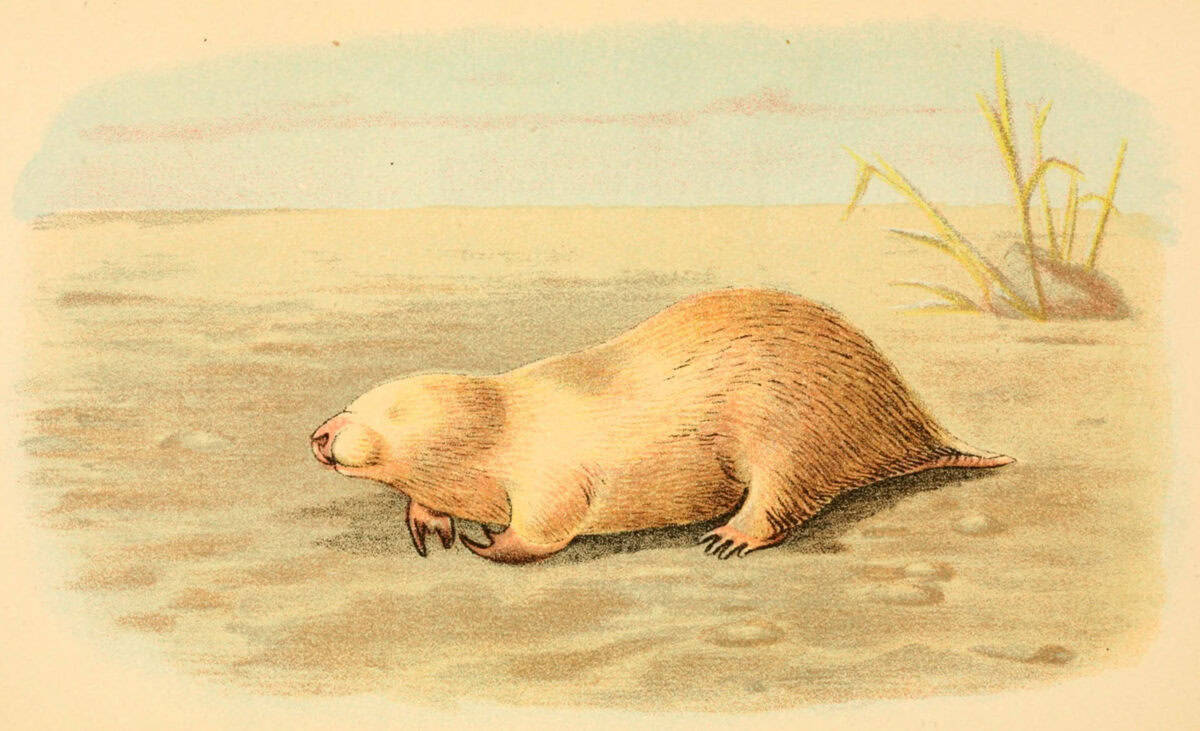
The evolution of the marsupial mole’s extraordinary burrowing speed represents a fascinating case study in convergent evolution. Despite being marsupials (and thus more closely related to kangaroos than to true moles), they have independently evolved remarkably similar adaptations to placental moles on other continents. This parallel development of specialized digging limbs, reduced eyes, and streamlined bodies demonstrates how similar environmental pressures can lead to similar solutions across distantly related animal groups.
Fossil evidence suggests that the ancestors of today’s marsupial moles began adapting to underground life at least 20 million years ago. The harsh, arid conditions of the Australian interior likely drove this evolutionary path, as animals that could quickly take refuge underground gained significant survival advantages. Over millions of years, natural selection refined their digging abilities, gradually increasing their speed until they achieved their current remarkable capability. This evolutionary history highlights the power of environmental adaptation and the incredible specialization that can result from consistent selective pressure over time.
Observational Challenges and Scientific Study
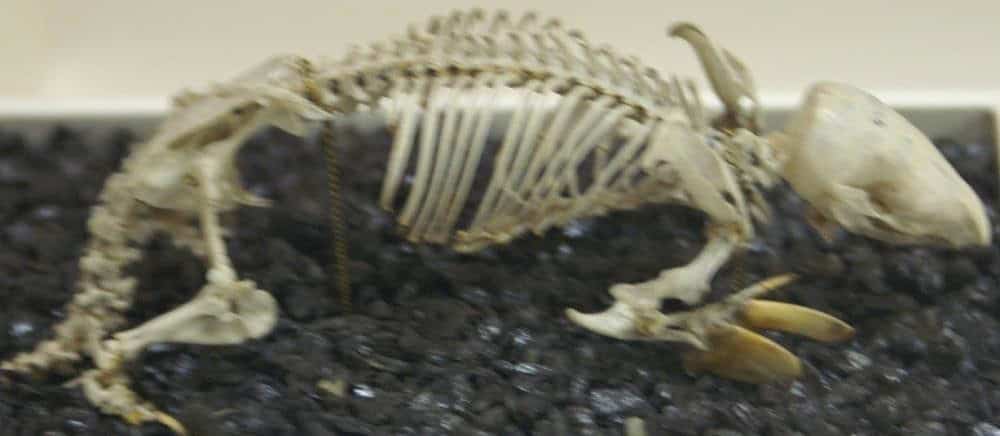
Studying the world’s fastest burrower presents unique challenges for scientists. The marsupial mole’s subterranean lifestyle and rapid movement make direct observation extremely difficult. Additionally, their native habitat in remote Australian deserts creates logistical challenges for research. As a result, much of what we know about their burrowing speed comes from brief surface sightings and track observations, along with studies of captive specimens in artificial environments that attempt to mimic their natural substrate.
Modern technology has begun to provide new insights into these elusive creatures. Ground-penetrating radar, soil vibration sensors, and high-speed X-ray video systems have allowed researchers to capture data on burrowing mechanics and speeds without disturbing the animals. Genetic studies have also contributed to our understanding, revealing the evolutionary adaptations that make their speed possible. Despite these advances, the marsupial mole remains one of the least-studied mammals, with many aspects of its biology—including the precise mechanics of its record-setting burrowing speed—still not fully understood.
Conservation Status and Threats
Despite their impressive adaptations, Australian marsupial moles face significant conservation challenges. Currently classified as “Least Concern” on the IUCN Red List due to their wide distribution, local populations are believed to be declining. Their specialized lifestyle makes them particularly vulnerable to habitat disturbances. Changes in soil composition due to introduced grazing animals, soil compaction from vehicles, and altered fire regimes can all negatively impact their ability to burrow effectively, potentially slowing their movement and making them more vulnerable to predators.
Climate change poses another serious threat. As Australian deserts experience shifting rainfall patterns and increasing temperatures, the specific soil conditions that enable the marsupial mole’s rapid burrowing may be altered. Invasive predators like feral cats and foxes can also impact populations when the moles briefly surface. Conservation efforts focus on protecting large areas of undisturbed desert habitat and managing introduced species, though the secretive nature of these animals makes population monitoring and conservation assessment particularly challenging.
Cultural Significance and Human Fascination
The marsupial mole holds special significance in Aboriginal Australian cultures, particularly among the desert communities where these animals are found. Many traditional stories feature the kakarratul, often highlighting its incredible digging ability and mysterious nature. For thousands of years, Aboriginal knowledge provided the only information about these elusive creatures, with traditional ecological knowledge recognizing their burrowing speed long before scientific documentation.
In broader human culture, fast-burrowing animals have captured our imagination for centuries. From children’s stories featuring industrious moles to modern wildlife documentaries showcasing their remarkable abilities, there’s something inherently fascinating about creatures that can move through solid ground with such speed and efficiency. This cultural fascination has helped raise awareness about these unusual animals and the specialized underground ecosystems they inhabit, contributing to conservation interest and scientific research funding that might otherwise be directed solely toward more visible, charismatic species.
The Future of Rapid Burrowing Research
The study of high-speed burrowers like the marsupial mole has applications beyond pure biological interest. Engineers and roboticists are increasingly looking to these animals for bio-inspiration in designing subterranean robots. The efficient movement mechanics, energy-saving techniques, and specialized anatomical features of fast burrowers offer valuable models for creating machines that can move through soil for applications ranging from agricultural monitoring to disaster rescue operations. Several research laboratories are currently developing “biomimetic burrowers” that replicate the marsupial mole’s techniques for moving through loose substrates.
Future research directions include more detailed analysis of the fluid dynamics of sand movement around burrowing animals, comparative studies between different burrowing species to identify convergent mechanical solutions, and investigation of the sensory systems that allow navigation without visual cues. As technology advances, we may gain even deeper insights into the remarkable mechanics that allow the world’s fastest burrower to disappear beneath the sand in the blink of an eye. These studies promise to expand our understanding not only of these fascinating animals but also of the physical principles that govern movement through complex media.
Conclusion: Nature’s Underground Speedsters
The Australian marsupial mole represents one of nature’s most specialized evolutionary achievements—an animal so perfectly adapted to its niche that it can move through solid ground faster than humans can blink. Its remarkable speed is the product of millions of years of adaptation, resulting in a creature that exemplifies the incredible diversity of locomotion strategies in the animal kingdom. From its specialized limbs and keratinous nose shield to its efficient metabolic systems, every aspect of the marsupial mole is engineered for underground velocity.
The study of these rapid burrowers offers valuable insights into evolutionary biology, biomechanics, and the complex relationship between form and function in living organisms. Their unique adaptations demonstrate how environmental pressures can drive the development of extraordinary specialized abilities, even in seemingly challenging mediums like soil and sand. As we continue to explore and understand these remarkable creatures, they remind us that some of nature’s most impressive feats of speed and efficiency occur not in plain sight, but in the hidden world beneath our feet.
For the marsupial mole, the ability to vanish into the sand in seconds isn’t just an impressive party trick—it’s a sophisticated survival strategy that has allowed these animals to thrive in one of Earth’s harshest environments for millions of years. In their remarkable speed, we find a testament to the power of natural selection and the endless ingenuity of evolutionary adaptation. The next time you walk across a sandy desert, remember that beneath your feet might be one of nature’s most impressive speed demons, moving through solid ground with an efficiency that continues to astonish scientists and inspire engineers.

- The Forgotten Lake Where Flamingos Nest in the U.S. - July 10, 2026
- This U.S. Forest Is Home to the Largest Herd of Wild Elk - July 10, 2026
- The Most Dangerous Lake in the World—And Why It Can Kill Instantly - July 10, 2026