
When we think of creatures that plunge into the ocean’s depths, birds rarely come to mind. Yet, one extraordinary avian defies our expectations, venturing deeper beneath the waves than many fish dare to swim. The Emperor Penguin (Aptenodytes forsteri), Antarctica’s largest penguin species, has evolved into one of nature’s most accomplished divers, routinely descending to depths that would crush unprepared human divers. These remarkable birds have developed exceptional physiological adaptations that allow them to withstand crushing pressures, near-freezing temperatures, and extended periods without oxygen. Their extraordinary diving abilities not only challenge our understanding of avian capabilities but also reveal the incredible diversity of evolutionary adaptations in the natural world.
The Remarkable Emperor Penguin: An Introduction
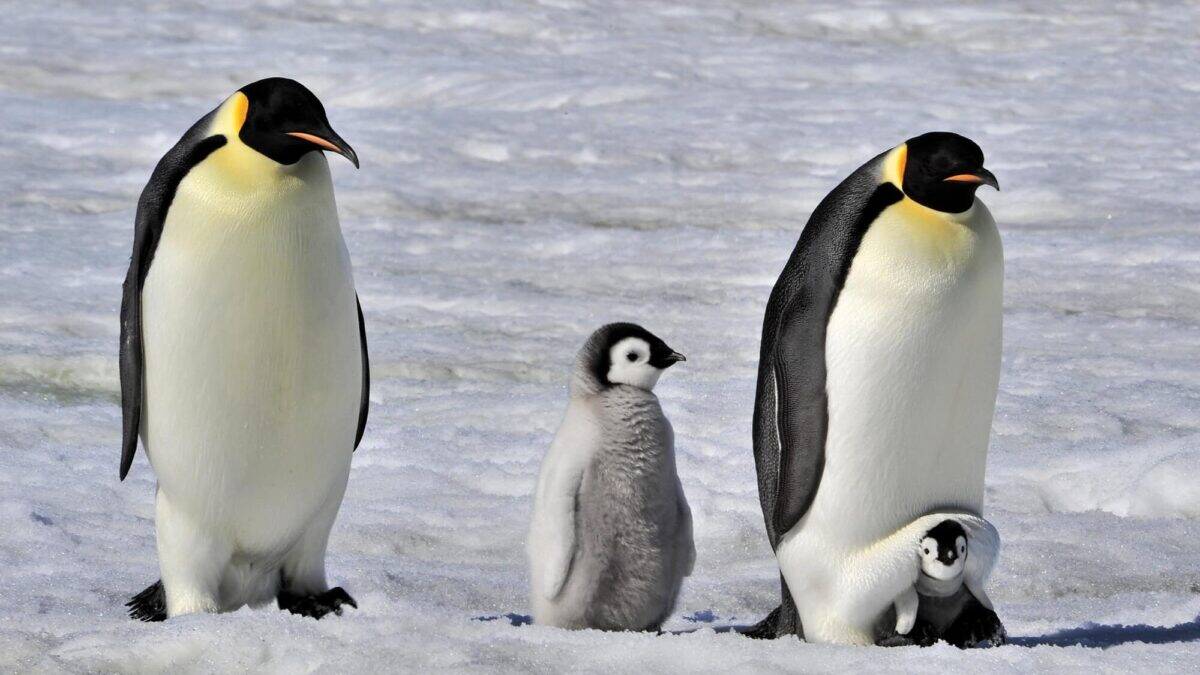
Standing nearly four feet tall and weighing up to 99 pounds, the Emperor Penguin cuts an impressive figure on the Antarctic ice. These birds are perfectly designed for life in one of Earth’s harshest environments, with dense, overlapping feathers that provide insulation against temperatures that can plummet to -40°F. Unlike other birds that migrate to warmer climates during winter, Emperors remain in Antarctica year-round, enduring the polar winter while breeding and raising their young on the frozen landscape.
What truly sets these birds apart, however, is their astonishing diving capability. Emperor Penguins routinely dive to depths of 1,700 feet (520 meters) in search of food—deeper than many fish species venture. The deepest recorded Emperor Penguin dive reached an astounding 1,850 feet (564 meters), a depth where water pressure exceeds 850 pounds per square inch. For comparison, most recreational scuba divers stay within 130 feet of the surface, and even specialized technical divers rarely venture beyond 330 feet without extensive equipment and training.
Anatomical Adaptations for Deep Diving
Emperor Penguins possess a suite of remarkable anatomical adaptations that enable their extraordinary diving feats. Their bodies are streamlined and hydrodynamic, with modified wing structures that function as powerful flippers, propelling them through water with remarkable efficiency. These wings contain solid bones rather than the hollow ones found in flying birds, reducing buoyancy and helping them descend more easily. Their feet serve as effective rudders, providing precise directional control during their underwater journeys.
Perhaps most remarkable is their specialized respiratory system. Emperor Penguins have unusually solid bones that lack the air spaces typical in other birds, allowing them to withstand tremendous pressure at depth. They possess enhanced oxygen-storing capabilities in their blood and muscles, with myoglobin concentrations (an oxygen-binding protein) that far exceed those found in land mammals. Their bodies also contain more blood per kilogram than most other birds, effectively functioning as an internal oxygen reservoir during their extended dives.
Physiological Marvels: How They Survive the Deep

When Emperor Penguins dive, their bodies undergo extraordinary physiological changes that would be fatal to humans without specialized equipment. As they descend, their heart rate slows dramatically—from about 60-70 beats per minute to as few as 15-20 beats per minute—a phenomenon known as bradycardia. This cardiac adjustment conserves oxygen by reducing circulation to non-essential organs and tissues while maintaining blood flow to vital organs like the brain and heart.
Simultaneously, these birds undergo peripheral vasoconstriction, where blood vessels in extremities and non-essential areas contract, further directing blood flow to critical organs. Even more remarkably, Emperor Penguins can allow certain tissues to function anaerobically (without oxygen) during dives, accumulating lactic acid that will be processed once they return to the surface. Their bodies can also withstand partial lung collapse under pressure without damage—a condition that would be life-threatening for humans.
Breaking Records: Dive Duration and Depth

Emperor Penguins don’t just dive deep—they stay submerged for impressively long periods. The average foraging dive lasts between 3-6 minutes, though dives of 10-12 minutes are not uncommon. The longest recorded Emperor Penguin dive lasted an astonishing 27.6 minutes, demonstrating their exceptional breath-holding ability. This surpasses even specialized human free divers, whose world records hover around 24 minutes after hyperventilation with pure oxygen (a technique penguins don’t employ).
What makes these statistics even more impressive is that Emperor Penguins are actively swimming and hunting during these dives, expending considerable energy, rather than remaining stationary to conserve oxygen. They maintain these remarkable diving patterns throughout the year, with adult birds averaging about 700 dives per day during peak foraging periods. Scientists estimate that Emperor Penguins spend approximately 60% of their lifetime underwater, making them truly semi-aquatic creatures despite their avian classification.
Hunting in the Abyss: Feeding Behaviors

The primary motivation behind these remarkable dives is food acquisition. Emperor Penguins feed primarily on Antarctic silverfish, krill, and various squid species—prey that tend to inhabit deeper waters, especially during winter months. Their hunting strategy involves vertical pursuit diving, where they plunge directly downward to reach prey concentrations. Once at hunting depth, they employ excellent underwater vision and possibly bioluminescence detection to locate prey in the dim mesopelagic zone.
Emperor Penguins possess specialized structures in their mouths and throats that aid in hunting success. Their tongues feature backward-facing barbs that help secure slippery prey, while their bill has specialized serrated edges for gripping fish and squid. Remarkably, they can swallow their prey whole while still underwater, maximizing feeding efficiency during their limited dive time. Studies using animal-mounted cameras have revealed that successful Emperor Penguins might capture 4-5 fish per minute during active hunting phases of their dives.
Comparative Diving: Birds vs. Fish

The Emperor Penguin’s diving prowess puts it in a league that surpasses many fish species. While certain deep-sea specialists like lanternfish and hatchetfish typically inhabit depths between 650-3,300 feet, many commercially important fish species—including cod, haddock, and pollock—rarely venture below 1,300 feet. The Emperor Penguin routinely dives deeper than these economically significant fish species, despite being an air-breathing vertebrate with fundamentally different physiological constraints.
This comparison becomes even more striking when considering other diving birds. The second-deepest diving bird, the King Penguin, reaches maximum depths of about 1,000 feet—impressive, but significantly less than the Emperor’s capabilities. Common diving birds like cormorants and gannets typically dive to depths of less than 100 feet, while marine mammals like sea lions and fur seals generally stay within 900 feet of the surface. Only specialized deep-diving mammals like sperm whales and elephant seals consistently dive deeper than Emperor Penguins.
Navigating the Dark: Sensory Adaptations

At the extreme depths Emperor Penguins reach, light penetration is minimal or nonexistent, creating challenges for visual hunters. To overcome this limitation, these birds have developed specialized visual adaptations. Their eyes contain a higher density of rod cells—photoreceptors that function in low light—than most birds, and their pupils can dilate extensively to capture available light. Research suggests they may also have enhanced sensitivity to the blue-green wavelengths that penetrate deepest in ocean water.
Beyond visual adaptations, scientists believe Emperor Penguins may utilize other sensory systems during deep dives. They possess well-developed pressure receptors that likely help them sense depth and monitor their ascent rates to avoid decompression issues. Some research indicates they might detect subtle changes in the Earth’s magnetic field for navigation, particularly useful in the darkness of deep water. Additionally, these birds have exceptional hearing underwater, potentially allowing them to locate prey through sound or to communicate with fellow foraging penguins.
Surviving Pressure and Cold: Physical Challenges
The physical challenges Emperor Penguins face during deep dives are extreme. At their maximum recorded depth of 1,850 feet, water pressure exceeds 55 atmospheres—equivalent to having 55 times the weight of Earth’s atmosphere pressing against every square inch of their bodies. This pressure would crush most hollow structures and force gases into solution in the bloodstream, yet Emperor Penguins have evolved mechanisms to prevent pressure-related injuries that would be fatal to most vertebrates.
Simultaneously, these birds contend with near-freezing temperatures throughout their dives. The Southern Ocean hovers around 28.8°F (-1.8°C), just above the freezing point of salt water. Emperor Penguins maintain their core body temperature at about 100°F (38°C) through a combination of exceptional insulation and circulatory adaptations. Their feathers create an almost waterproof outer layer, while a thick subcutaneous fat layer provides insulation. Additionally, they possess specialized heat-exchange systems in their extremities that minimize heat loss while maintaining sufficient blood flow to prevent frostbite damage.
The Ascent: Managing Decompression
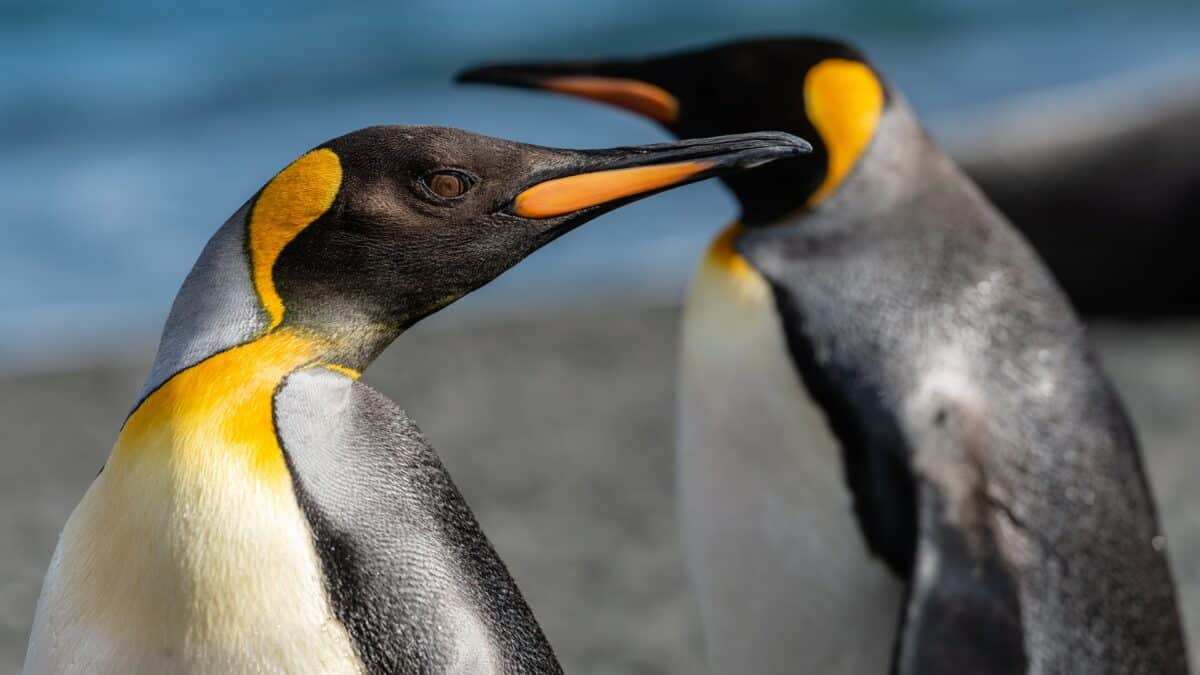
Perhaps one of the most remarkable aspects of the Emperor Penguin’s diving ability is their management of decompression stress. Human divers who descend to significant depths must ascend slowly to allow dissolved gases (primarily nitrogen) to gradually exit tissues, preventing the formation of dangerous bubbles in the bloodstream—a condition known as decompression sickness or “the bends.” Emperor Penguins, however, can ascend from depths exceeding 1,500 feet at speeds of 5-6 feet per second without apparent ill effects.
Scientists believe several mechanisms contribute to this ability. Emperor Penguin lungs are relatively rigid and collapse at depth, minimizing gas exchange between the air spaces and bloodstream during the deepest portions of dives. This reduces nitrogen loading in tissues. Additionally, their diving response includes reduced peripheral circulation, limiting nitrogen uptake in extremities. Their blood chemistry and specialized hemoglobin may also play roles in preventing bubble formation during rapid ascents. Understanding these natural decompression mechanisms continues to interest researchers in diving physiology and medicine.
Scientific Studies: Tracking the Impossible
Documenting the Emperor Penguin’s extraordinary diving feats has required innovative research approaches. Early studies relied primarily on direct observation and inference, but modern research employs sophisticated technology. Time-depth recorders (TDRs)—small electronic devices attached to the birds’ feathers—have revolutionized our understanding by providing precise measurements of dive profiles, durations, and frequencies. More advanced multi-sensor packages now simultaneously record heart rate, body temperature, swimming velocity, and even capture video footage of hunting behavior.
Satellite tracking has revealed that Emperor Penguins may travel over 30 miles from their colonies during foraging trips, targeting specific underwater features like continental shelf edges where prey concentrations are highest. Research continues to explore unanswered questions about their diving physiology, including how they manage blood nitrogen levels, regulate brain oxygen supply, and protect tissues from pressure damage. These studies not only enhance our understanding of penguin biology but also offer potential insights for human diving medicine and technology development.
Conservation Implications: Protecting Deep Divers

The Emperor Penguin’s deep-diving lifestyle makes it particularly vulnerable to certain environmental threats. Climate change is altering Antarctic marine ecosystems, potentially shifting the distribution and abundance of their deep-water prey species. Ocean acidification—caused by increasing atmospheric carbon dioxide dissolving in seawater—threatens the marine food web, including the fish and squid these penguins depend on. Additionally, proposed deep-sea fishing operations could directly compete with penguins for food resources at depths where they hunt.
Conservation efforts must account for the three-dimensional nature of penguin habitat use, protecting not just their breeding colonies but also their foraging grounds—including the deep-water zones where they spend much of their lives. Marine protected areas in Antarctica have begun to incorporate vertical protection components, acknowledging that conservation cannot focus solely on surface features. Understanding the full extent of Emperor Penguin diving behavior provides crucial information for designing effective conservation strategies that protect the entire ecosystem these remarkable birds depend upon.
Conclusion: Avian Masters of the Deep
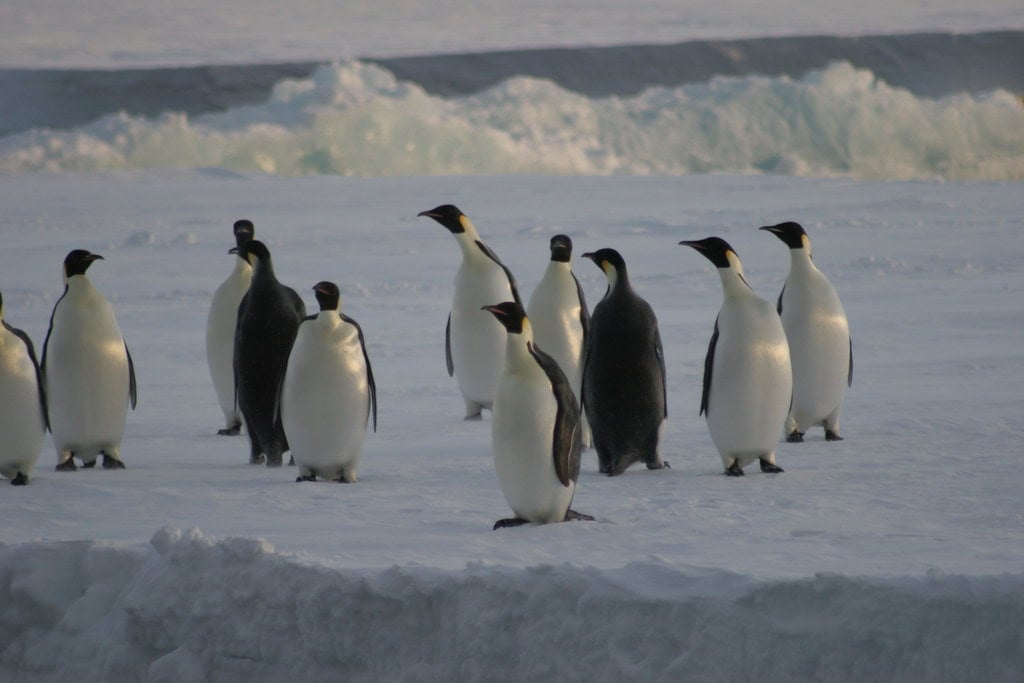
The Emperor Penguin stands as nature’s most profound contradiction to our expectations about birds—a feathered creature that routinely ventures deeper than many fish, navigating a realm of darkness, cold, and crushing pressure with remarkable adaptation and grace. Their diving abilities represent one of evolution’s most extraordinary specializations, transforming a terrestrial vertebrate lineage into masters of the ocean depths. The physiological and anatomical adaptations that enable these feats continue to fascinate scientists and inspire biomimetic approaches to human diving technology.
As we continue to explore and understand the Emperor Penguin’s remarkable capabilities, we gain not only scientific knowledge but also a deeper appreciation for life’s adaptability. These birds remind us that nature’s solutions to environmental challenges often exceed our imagination and expectations. In an era of rapid environmental change, protecting these avian deep-diving specialists becomes not just a conservation imperative but an acknowledgment of evolutionary achievement worth preserving. The Emperor Penguin—a bird that dives deeper than most fish—represents one of nature’s most remarkable stories of adaptation and specialization.

- The Forgotten Lake Where Flamingos Nest in the U.S. - July 10, 2026
- This U.S. Forest Is Home to the Largest Herd of Wild Elk - July 10, 2026
- The Most Dangerous Lake in the World—And Why It Can Kill Instantly - July 10, 2026