

Arizona’s diverse landscapes, from scorching deserts to pine-covered mountains, harbor an incredible array of wildlife. While most of these creatures mind their own business, some carry potent venom or possess physical attributes that make them genuinely dangerous to humans. Yet, fear often extends beyond these truly threatening species to innocent lookalikes. This comprehensive guide explores the 10 most dangerous animals that call Arizona home and 5 harmless creatures commonly misidentified as threats. Understanding the difference could save your life—or prevent unnecessary panic when encountering wildlife in the Grand Canyon State.
1. Arizona Bark Scorpion: The State’s Most Venomous Arachnid

The Arizona bark scorpion (Centruroides sculpturatus) stands as the most dangerous scorpion in North America. These light brown to yellowish arachnids measure only 2-3 inches long but pack a potentially lethal punch with their venom. Unlike other scorpion species that retreat from human habitation, bark scorpions frequently enter homes, hiding in shoes, bedding, and dark corners.
Their venom causes intense pain, numbness, tingling, and in severe cases, difficulty breathing, muscle spasms, and convulsions. While deaths are rare today thanks to antivenom, children and elderly individuals remain at higher risk. These nocturnal hunters glow under ultraviolet light, making blacklight inspections an effective way to locate them around homes. Each year, Arizona poison centers handle approximately 12,000 scorpion sting reports, with the bark scorpion responsible for the majority of serious cases.
2. Western Diamondback Rattlesnake: A Desert Predator
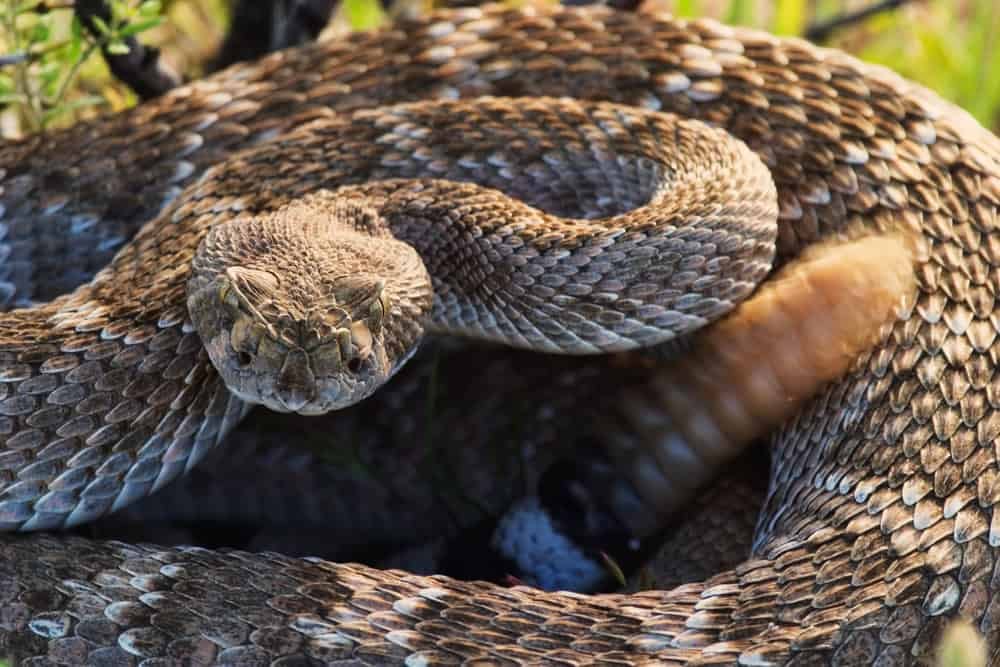
The western diamondback rattlesnake (Crotalus atrox) is Arizona’s most notorious and dangerous snake species. Growing up to 7 feet long, these heavy-bodied pit vipers are identified by the distinctive diamond pattern along their backs, black and white banded tails, and the characteristic rattle that serves as a warning. They inhabit a variety of environments across Arizona, from desert flats to rocky hillsides and riparian areas.
Their hemotoxic venom destroys tissue and prevents blood from clotting, leading to severe internal bleeding, tissue damage, and potentially death if left untreated. Western diamondbacks are responsible for more snakebite fatalities in the United States than any other species. Despite their dangerous reputation, these snakes typically only strike when threatened or cornered. Hikers should stay on designated trails, wear appropriate footwear, and remain vigilant, especially during warmer months when rattlesnakes are most active.
3. Gila Monster: The Venomous Lizard

The Gila monster (Heloderma suspectum) holds the distinction of being one of only two venomous lizard species in the world. Native to Arizona’s Sonoran Desert, these distinctive reptiles feature black bodies adorned with pink, orange, or yellow beaded patterns. Growing up to 2 feet long, Gila monsters are protected by state law due to their declining populations in the wild.
Unlike snakes that deliver venom through hollow fangs, Gila monsters have grooved teeth in their lower jaw and venom glands beneath the teeth. They deliver venom through a chewing motion rather than a quick strike. While rarely fatal to humans, their bite causes excruciating pain, swelling, weakness, and dropping blood pressure that can last for hours. Despite their dangerous capability, Gila monster bites are extremely rare, as these reclusive creatures spend up to 95% of their time underground and generally avoid human contact unless provoked or handled.
4. Arizona Black Rattlesnake: The Mountain Viper
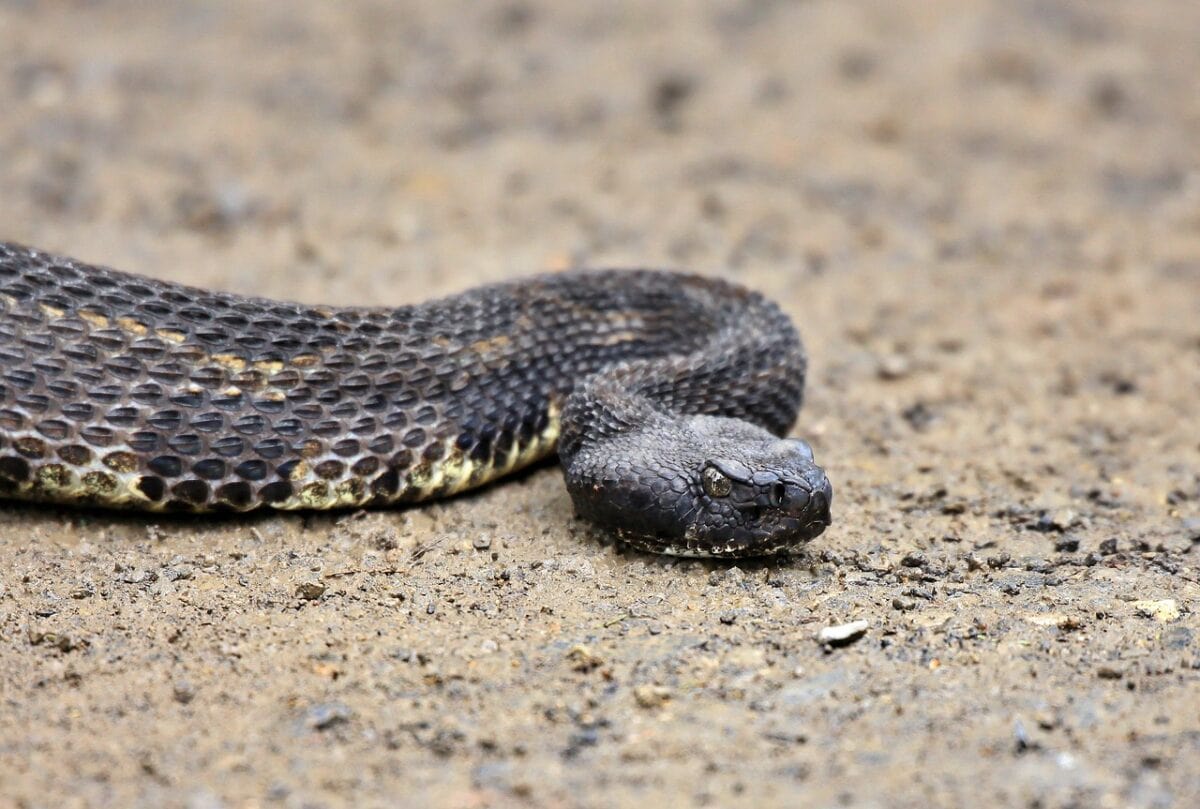
The Arizona black rattlesnake (Crotalus cerberus) is a formidable pit viper found primarily in the higher elevations of central and eastern Arizona. Unlike the western diamondback that prefers desert habitats, this species thrives in pine forests, chaparral, and mountainous regions between 4,000 and 9,000 feet. Adults typically reach 3-4 feet in length and display a dark gray to black coloration with subtle lighter blotches, making them difficult to spot against forest floors.
Their potent venom causes severe tissue damage, internal bleeding, and neurological symptoms. The remote locations where bites typically occur can complicate medical response, increasing the danger. These snakes are generally less aggressive than their desert-dwelling cousins but will defend themselves when threatened. Hikers in Arizona’s mountains should remain vigilant on trails, especially near logs, rocks, and shady areas where these rattlesnakes may rest during daylight hours. The species’ specialized adaptation to higher elevations makes them unique among Arizona’s venomous snakes.
5. Arizona Coral Snake: Small But Deadly
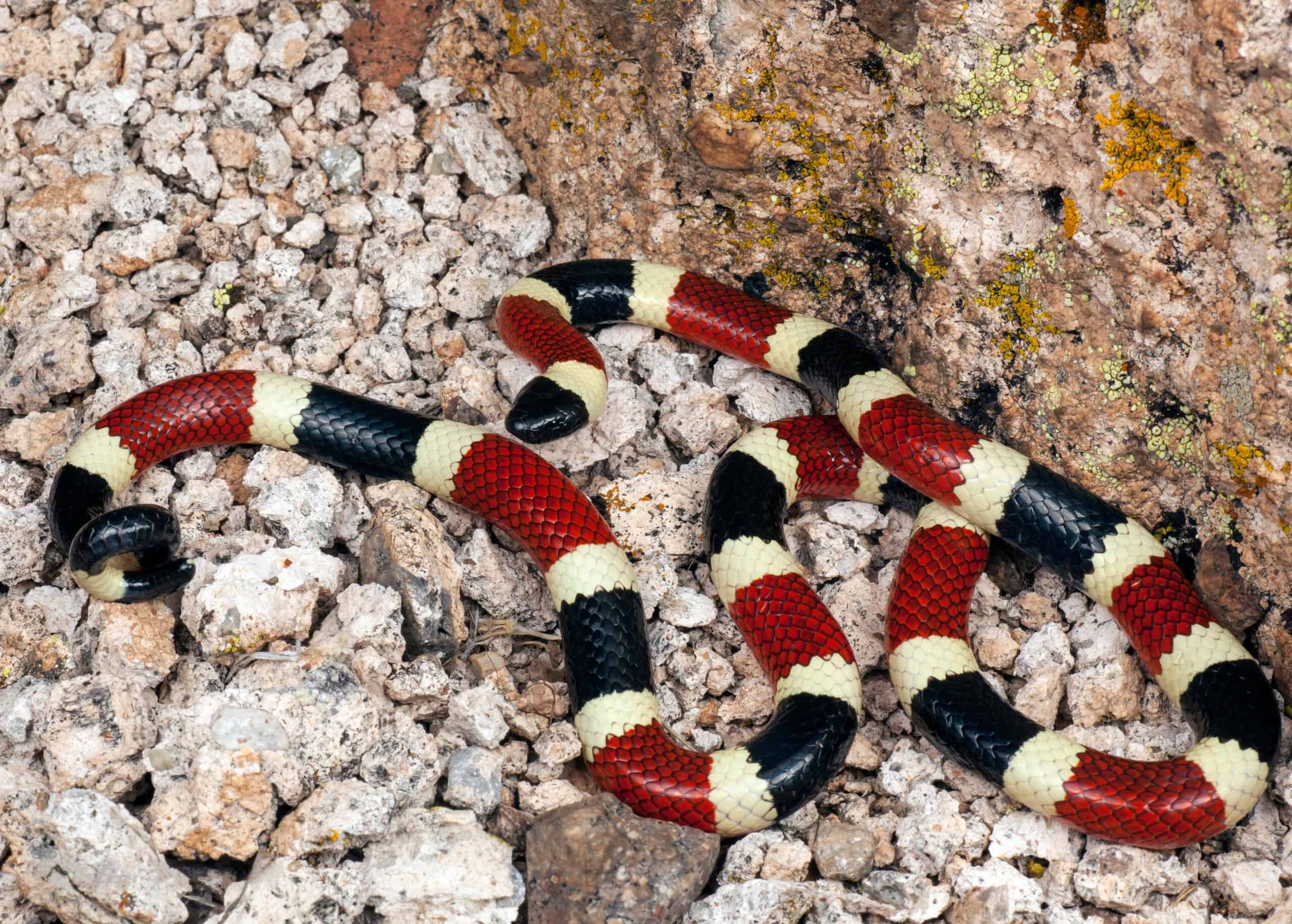
The Arizona coral snake (Micruroides euryxanthus) might be small—rarely exceeding 2 feet in length—but it possesses one of the most potent venoms of any North American snake. These slender reptiles are identified by their distinctive pattern of red and black bands separated by narrow yellow rings that encircle the entire body. Unlike rattlesnakes, coral snakes lack heat-sensing pits and have round pupils rather than vertical ones.
What makes coral snakes particularly dangerous is their neurotoxic venom, which attacks the nervous system and can cause respiratory failure. Their small, fixed fangs require them to chew to deliver venom effectively, unlike the strike-and-release method of rattlesnakes. Fortunately, their reclusive nature and tendency to flee rather than confront means human encounters are rare. When spotted, they should never be handled, as even juvenile coral snakes possess fully potent venom. The old rhyme “Red touch yellow, kill a fellow” helps distinguish this venomous species from harmless mimics like the mountain kingsnake.
6. Desert Tarantula: Painful But Rarely Lethal

Arizona’s desert tarantulas (primarily Aphonopelma chalcodes) are among the state’s most misunderstood creatures. These large, hairy spiders can span up to 5 inches and are commonly encountered during late summer when males leave their burrows to find mates. Despite their intimidating appearance, desert tarantulas are relatively docile toward humans and prefer retreat over confrontation. However, they do make the list of dangerous animals due to their defensive capabilities.
When threatened, tarantulas can flick irritating urticating hairs from their abdomen that cause skin irritation and respiratory distress if inhaled. They also possess large fangs that deliver a painful bite comparable to a bee sting, though their venom isn’t medically significant for humans without allergies. While rarely life-threatening, encounters can trigger severe allergic reactions in sensitive individuals. These arachnids play important ecological roles as predators of insects and other small invertebrates. Respect rather than fear is the appropriate response when encountering these ancient desert dwellers that can live up to 30 years in the wild.
7. Black Widow Spider: The Silent Threat

The black widow spider (Latrodectus hesperus in the western United States) represents one of Arizona’s most dangerous arachnids. Female black widows are easily identified by their glossy black bodies and distinctive red hourglass marking on the underside of their abdomen. They typically construct irregular webs in dark, secluded areas like woodpiles, under rocks, in outdoor furniture, and around homes—particularly in garages, sheds, and crawl spaces.
What makes black widows particularly dangerous is their potent neurotoxic venom, estimated to be 15 times stronger than a rattlesnake’s venom (though delivered in much smaller quantities). Bites cause severe pain that increases over the first few hours, along with muscle cramping, abdominal rigidity, nausea, and sweating. While rarely fatal to healthy adults, black widow bites can be particularly dangerous to children, elderly people, and those with compromised immune systems. The spiders are not aggressive but will bite defensively when disturbed or threatened. An estimated 2,500 black widow bites are reported annually in the United States, with Arizona accounting for a significant portion of these incidents.
8. Arizona Mountain Lion: The Desert’s Apex Predator

The mountain lion (Puma concolor), also known as the cougar or puma, represents Arizona’s largest predatory cat and one of the few animals in the state capable of viewing humans as potential prey. These powerful felines can weigh up to 150 pounds and measure over 8 feet from nose to tail tip. They inhabit diverse environments across Arizona, from mountain forests to desert canyons, with territories spanning up to 100 square miles for a single male.
While attacks on humans remain extremely rare—with fewer than 20 fatalities recorded in North America over the past century—mountain lions possess the strength and predatory instincts to be lethal. They typically hunt deer, but will also take smaller mammals, and occasionally livestock. Most human encounters end with the lion retreating, but individuals displaying unusual behavior such as following humans, appearing during daylight in populated areas, or showing no fear should be considered dangerous. Wildlife officials advise making yourself appear larger, maintaining eye contact, speaking loudly, and fighting back aggressively if attacked—never running, which can trigger the cat’s chase instinct.
9. Africanized Honey Bees: The “Killer Bees”
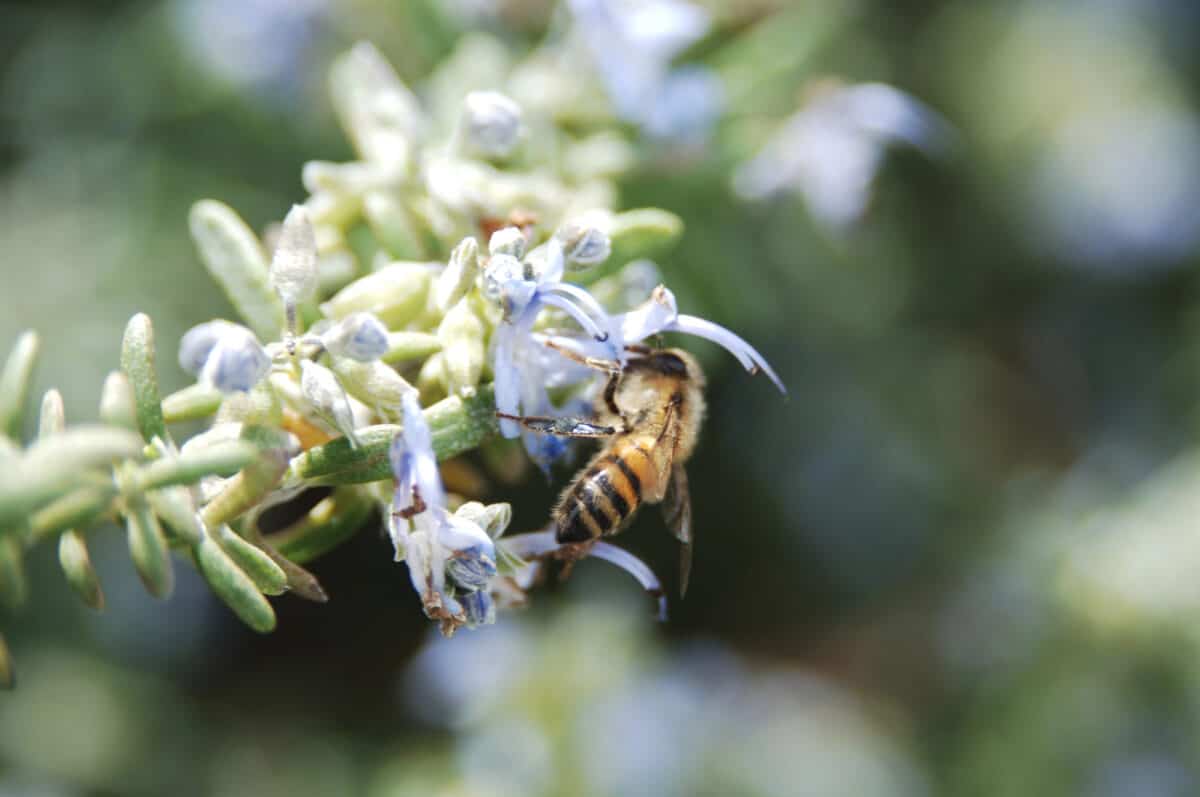
Africanized honey bees, often sensationally called “killer bees,” have established a strong presence throughout Arizona since first arriving in the state in 1993. These bees are a hybrid of European honey bees and African honey bees, created through breeding programs in Brazil in the 1950s before accidentally being released. Visually indistinguishable from regular honey bees to the untrained eye, their danger lies in their defensive behavior rather than more potent venom.
What makes Africanized bees deadly is their hyper-defensive response to perceived threats. While European honey bees might send out a few dozen defenders when their hive is disturbed, Africanized colonies can deploy thousands of aggressive guards that pursue threats for up to a quarter-mile. They respond faster to disturbances, sting in greater numbers, and remain agitated longer. Multiple fatalities occur annually in Arizona from these mass stinging events, particularly among those unable to flee quickly or those with allergies to bee venom. Loud noises, vibrations, and even dark colors or strong scents can trigger attacks, making awareness of nearby hives critical when enjoying Arizona’s outdoors.
10. Mexican Beaded Lizard: The Gila Monster’s Cousin
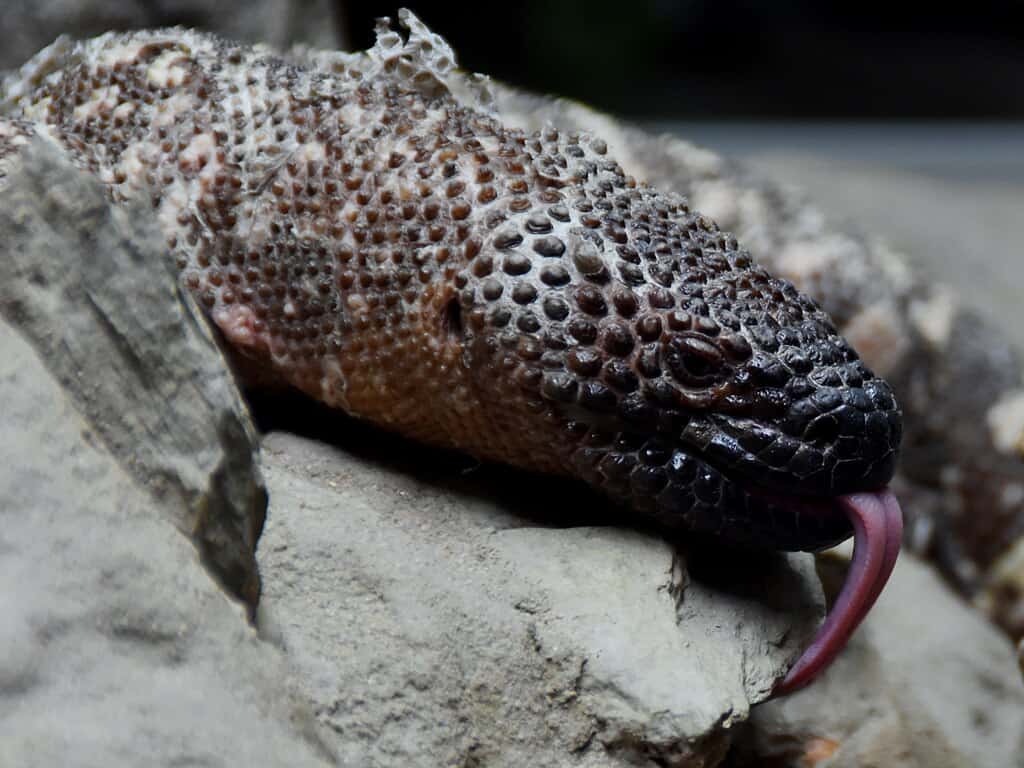
The Mexican beaded lizard (Heloderma horridum) is the larger cousin of the Gila monster and the only other venomous lizard species in the world. While less common in Arizona than the Gila monster, these formidable reptiles can be found in the southernmost regions of the state near the Mexican border. Growing up to 3 feet long—significantly larger than Gila monsters—they feature black bodies with distinctive yellow or cream-colored banding and bead-like scales.
Like the Gila monster, Mexican beaded lizards deliver venom through grooved teeth in their lower jaw using a chewing motion rather than a quick strike. Their venom contains potent neurotoxins and enzymes that cause extreme pain, swelling, weakness, and in severe cases, respiratory difficulties. They’re protected by state and federal law due to their limited range and decreasing populations. Despite their dangerous capabilities, these lizards are sluggish, shy, and rarely encountered by humans. Most bites occur when the animals are deliberately handled or harassed, making them dangerous primarily when provoked rather than as active threats.
Five Harmless Arizona Creatures Often Mistaken for Killers
Not every intimidating-looking creature in Arizona poses an actual threat. The desert kingsnake, frequently confused with the venomous coral snake, displays similar red, black, and yellow banding but in a different pattern (“red touches black, friend of Jack”). These beneficial reptiles actually prey on rattlesnakes and are immune to their venom. Similarly, the giant desert hairy scorpion, despite its imposing size of up to 6 inches, delivers a sting comparable to a bee sting—painful but rarely medically significant, unlike its smaller cousin, the bark scorpion.
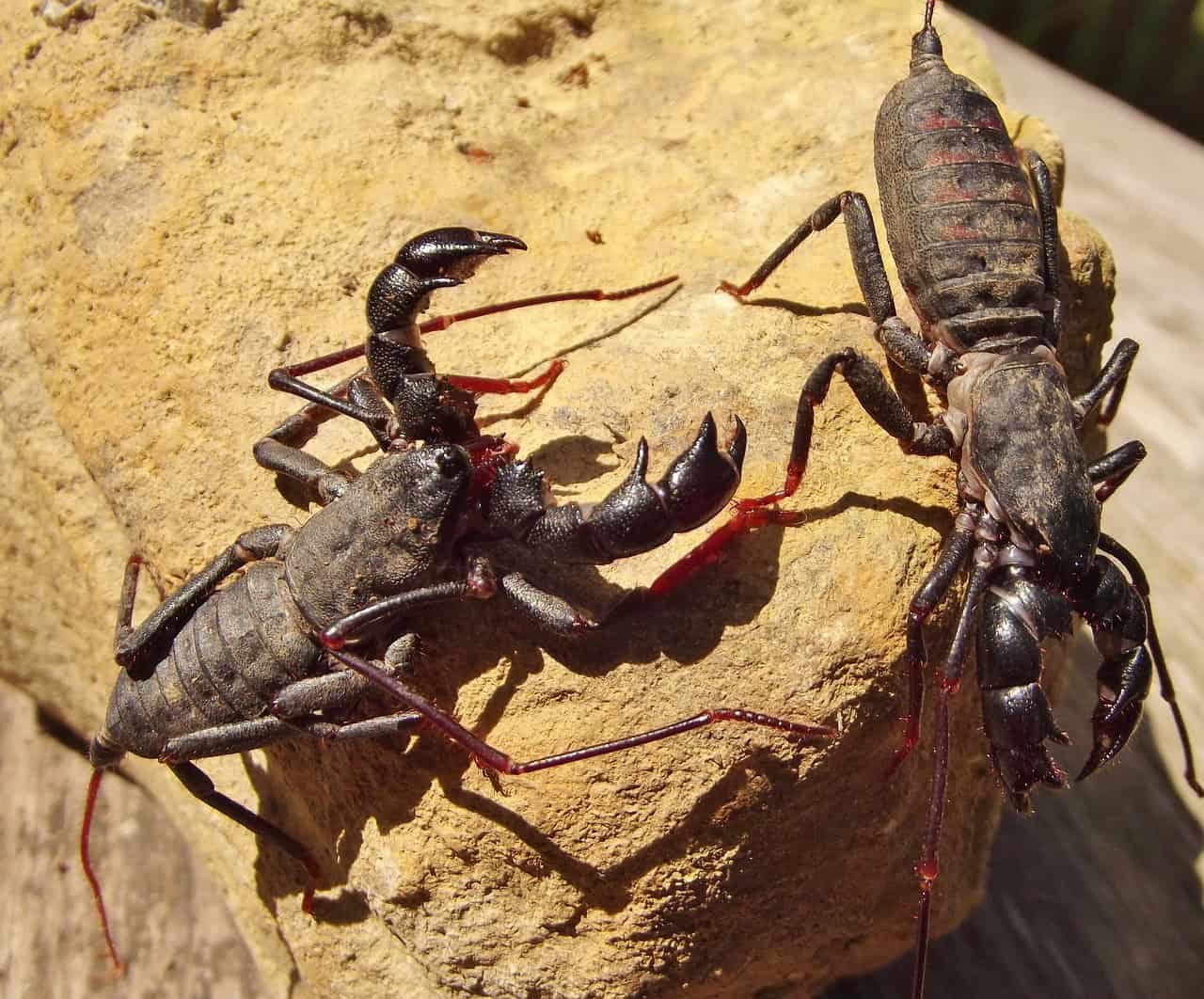
The vinegaroon (whip scorpion) appears nightmarishly prehistoric with its claws and whip-like tail, but is completely harmless to humans, lacking both stinger and venom—it can only spray a vinegar-smelling acidic substance as defense. The large desert centipede, while capable of delivering a painful bite, causes symptoms typically limited to localized pain and swelling rather than systemic effects. Finally, the desert blonde tarantula, common in suburban areas, has venom too weak to cause serious effects in humans despite its intimidating size and appearance. These misunderstood creatures all play important ecological roles and deserve respect rather than fear when encountered.
Conclusion: Respecting Arizona’s Wildlife

Arizona’s diverse ecosystems support an extraordinary array of wildlife, from the scorching Sonoran Desert to the pine-covered mountains of the Mogollon Rim. While some species possess legitimate dangers to humans, many of the state’s most feared creatures pose little actual threat when given space and respect. Understanding which animals are truly dangerous and which are harmless lookalikes not only enhances safety but also promotes conservation of these important species. Most wildlife encounters in Arizona end without incident when humans maintain appropriate distance and avoid handling or provoking animals they encounter. Education remains the best protection against the state’s potentially dangerous wildlife. When exploring Arizona’s breathtaking landscapes, remember that you’re a visitor in these creatures’ homes—a perspective that fosters both safety and appreciation for the remarkable biodiversity that makes Arizona so unique.

- This Tiny Insect Can Survive in Outer Space—Here’s How - July 21, 2026
- Could the Tasmanian Tiger Be Brought Back to Life? - July 21, 2026
- Why You Should Never Approach a Sleeping Hippo - July 21, 2026