
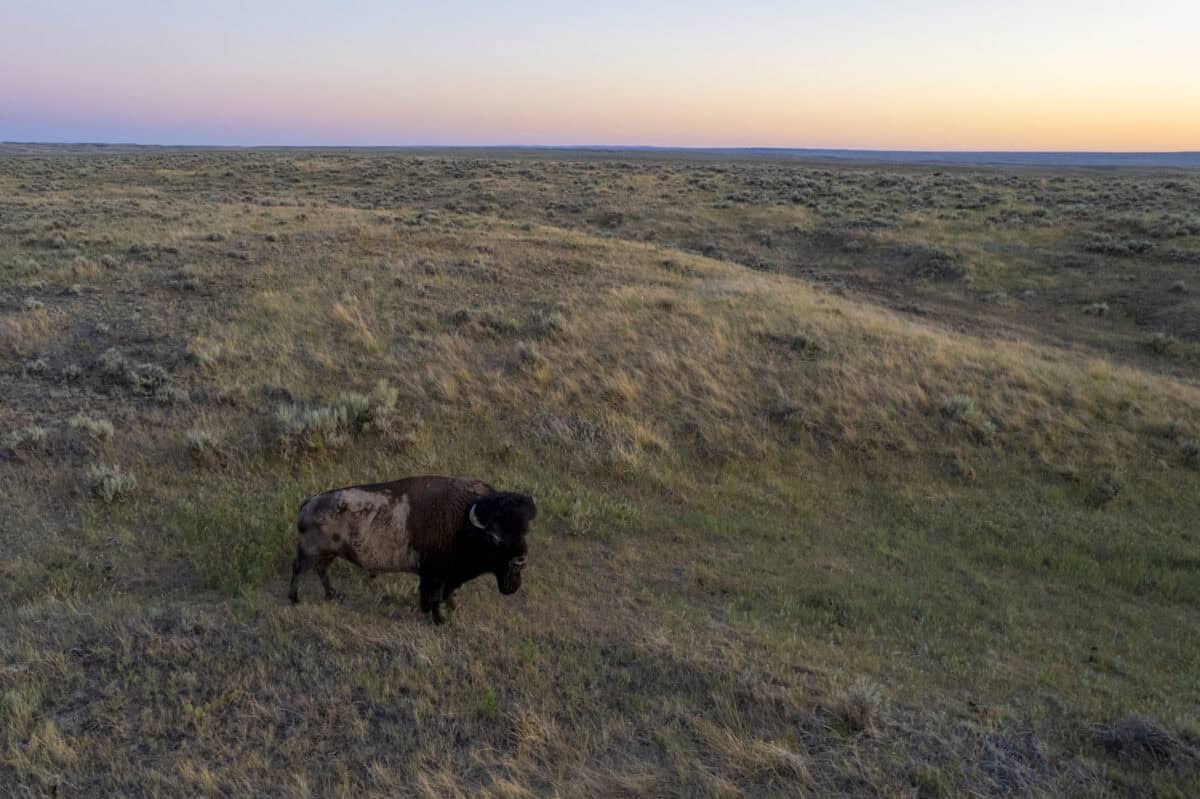
The vast American prairie once stretched across 170 million acres of North America, a seemingly endless sea of grasses that supported countless species and Indigenous cultures. Today, nearly 70% of this iconic landscape has disappeared, converted to cropland, urban development, and other uses. The remaining prairie faces continued threats from agricultural expansion, invasive species, and climate change. Yet amid these challenges, a promising approach has emerged: conservation ranching. This innovative model combines sustainable livestock production with ecological restoration, potentially offering a path to preserve what remains of America’s prairie while supporting rural livelihoods. But can conservation ranching truly save the American prairie? This article explores the potential, challenges, and future of this approach in one of North America’s most endangered ecosystems.
The Prairie Crisis: Understanding What’s at Stake
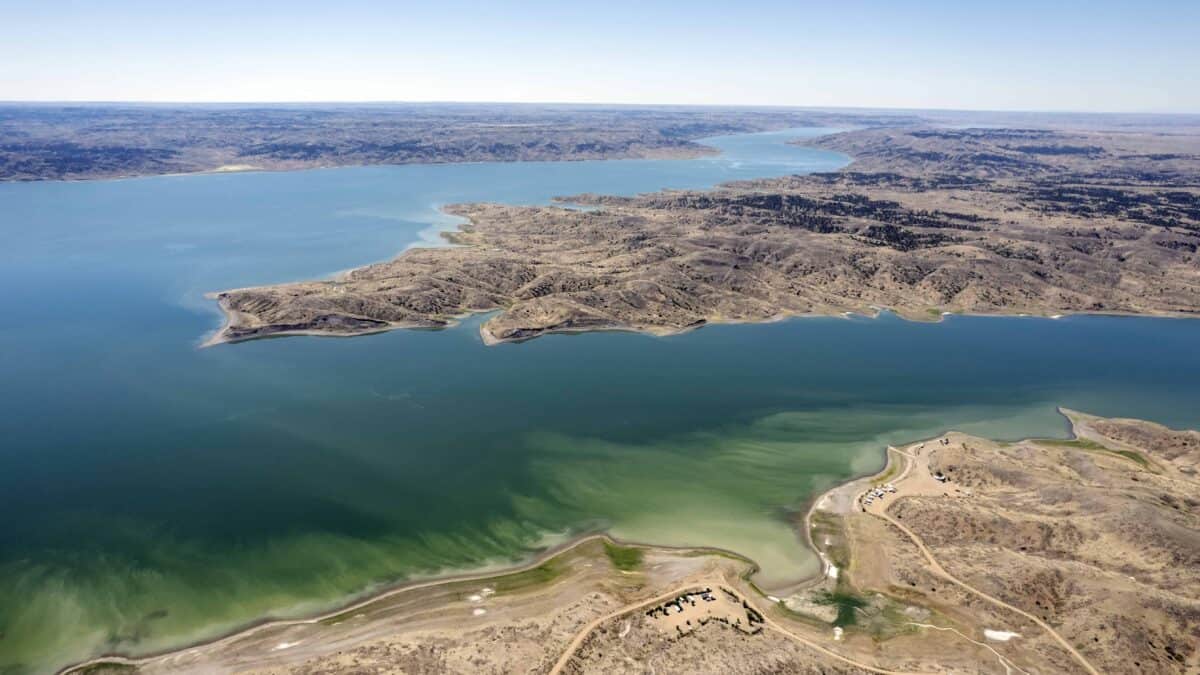
The North American prairie evolved over thousands of years alongside grazing animals like bison, creating a unique ecosystem that’s remarkably resilient when intact. Tallgrass, mixed-grass, and shortgrass prairies once formed a complex mosaic supporting over 300 bird species, 80 mammal species, 1,000 plant species, and countless insects. These grasslands also stored massive amounts of carbon in their deep root systems, purified water, and prevented erosion.
Today, tallgrass prairie has been reduced to less than 4% of its original range, making it among North America’s most endangered ecosystems. The consequences are evident in declining populations of grassland birds, which have decreased by more than 50% since 1970, and the endangered status of iconic species like the black-footed ferret. Beyond wildlife, prairie loss threatens the water security, carbon sequestration capacity, and cultural heritage tied to these landscapes. The scale of this crisis demands innovative solutions that work across the predominantly private lands where remaining prairies exist.
Traditional Ranching: Problem or Solution?

Cattle ranching has long been viewed with ambivalence by conservationists. On one hand, conversion of prairie to rangeland has maintained some semblance of the native ecosystem compared to cropland or development. Many ranching families have served as stewards of the land for generations, preserving prairie that might otherwise have been plowed. On the other hand, conventional ranching practices can degrade native grasslands through overgrazing, water pollution, and disruption of natural fire regimes.
The complexity lies in understanding that not all ranching operations are equal. While some employ methods that deplete biodiversity and soil health, others maintain practices that mimic the natural dynamics that shaped the prairie for millennia. The difference often comes down to specific management approaches: stocking rates, grazing intensity and timing, and whether operations focus solely on maximizing short-term production or balance production with ecological health. This nuanced reality has led conservationists to recognize that working with, rather than against, ranchers may be the key to large-scale prairie conservation.
Conservation Ranching: A New Paradigm

Conservation ranching represents a fundamental shift in how we view the relationship between agriculture and conservation. Rather than treating cattle production and ecosystem preservation as opposing goals, this approach seeks to align them. At its core, conservation ranching employs specific livestock management techniques that improve or maintain native prairie health while producing cattle. These methods typically include rotational grazing systems, reduced chemical inputs, invasive species management, and habitat enhancements for wildlife.
Organizations like the Audubon Society have developed formal Conservation Ranching Programs that certify ranchers who follow specific protocols designed to benefit birds and overall ecosystem health. These programs typically provide technical assistance, monitoring support, and market-based incentives through certification labels that allow consumers to choose beef raised on bird-friendly land. Similarly, the Nature Conservancy has launched initiatives where cattle grazing is carefully managed on conservation lands to maintain habitat quality. These approaches recognize that well-managed grazing can be an ecological tool rather than merely an economic activity.
The Science Behind Managed Grazing

The ecological rationale for conservation ranching stems from the prairie’s evolutionary history with large herbivores. For millions of years, bison herds moved across the landscape in response to fire, predators, and seasonal changes. Their grazing patterns were typically intense but brief in any given area, followed by long recovery periods. This grazing, trampling, and nutrient cycling through manure helped maintain plant diversity and soil health. Research shows that in the absence of such disturbance, prairies can actually lose biodiversity as certain plants dominate.
Modern conservation ranching attempts to mimic these historical patterns through carefully designed grazing systems. Adaptive multi-paddock grazing, for instance, moves cattle frequently between pastures, preventing overgrazing and allowing plants sufficient recovery time. Studies by the Savory Institute and academic researchers have documented how such management can increase soil carbon, improve water infiltration, and enhance plant diversity compared to both continuously grazed and ungrazed prairie. A 2018 study in the journal Ecological Applications found that moderate cattle grazing maintained native plant diversity better than complete grazing exclusion in several prairie types, demonstrating that some grazing disturbance remains essential to prairie health.
Economic Viability: Making Conservation Pay
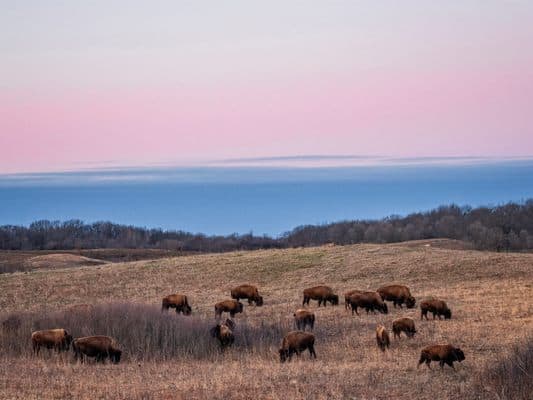
For conservation ranching to succeed at scale, it must be economically viable for the producers who implement it. This represents one of the approach’s greatest challenges, as sustainable practices often require more labor, infrastructure (like additional fencing for rotational grazing), and management expertise than conventional methods. Additionally, many ecological benefits take years to materialize, creating a significant gap between investment and return that many ranchers cannot afford to bridge without assistance.
Several promising models have emerged to address these economic hurdles. Premium pricing through certification programs allows ranchers to receive higher prices for beef produced using conservation methods. The Audubon’s Certified Bird-Friendly Beef program and the Grassland Bird Trust’s certification initiative have helped ranchers access markets where consumers will pay more for environmentally responsible products. Payment for ecosystem services (PES) programs represent another approach, where ranchers receive direct compensation for quantifiable environmental benefits like carbon sequestration or water quality improvements. In 2020, the USDA expanded its Conservation Reserve Program to include provisions specifically supporting conservation grazing, signaling growing institutional recognition of this approach’s value.
Success Stories: Conservation Ranching in Action

Across the American prairie, pioneering ranchers and conservation organizations are demonstrating the potential of this approach. In South Dakota, the 777 Bison Ranch has restored over 28,000 acres of native prairie while maintaining a profitable bison operation. Their management approach includes rotational grazing and prescribed fire, resulting in documented increases in grassland bird populations and plant diversity. The operation has become a model for how commercial production can coexist with ecosystem restoration.
In Colorado, the Chico Basin Ranch operates under a unique arrangement with the State Land Board, managing 87,000 acres with conservation objectives alongside cattle production. Their approach includes detailed monitoring of bird populations, plant communities, and soil health to continuously improve management. The ranch has documented increasing populations of declining species like the lark bunting and mountain plover. Similarly, the Malpai Borderlands Group in Arizona and New Mexico has united ranchers managing over 1 million acres to implement conservation practices at a landscape scale, demonstrating how collective action can amplify impact. These examples show that conservation ranching can work not just as theory but as practical reality.
Challenges and Limitations

Despite its promise, conservation ranching faces significant obstacles to widespread adoption. Financial barriers remain substantial, particularly for small and mid-sized operations with limited capital to invest in transitions. Additionally, climate change introduces uncertainty, as shifting precipitation patterns may force adjustments to grazing systems designed for historical conditions. Drought, increasingly common across much of the prairie region, poses particular challenges for grazing-based conservation approaches.
Institutional and cultural barriers also exist. Agricultural policy and subsidies still largely favor conventional production models and row crops over conservation-oriented approaches. Within the ranching community, transitioning to new management systems requires overcoming traditional practices often passed down through generations. Meanwhile, some environmental organizations remain skeptical of any livestock-based approach to conservation, creating potential resistance from both conventional agricultural and conservation communities. These challenges highlight that conservation ranching is not a simple panacea but rather a complex approach requiring sustained commitment and adaptation.
The Role of Indigenous Knowledge and Management
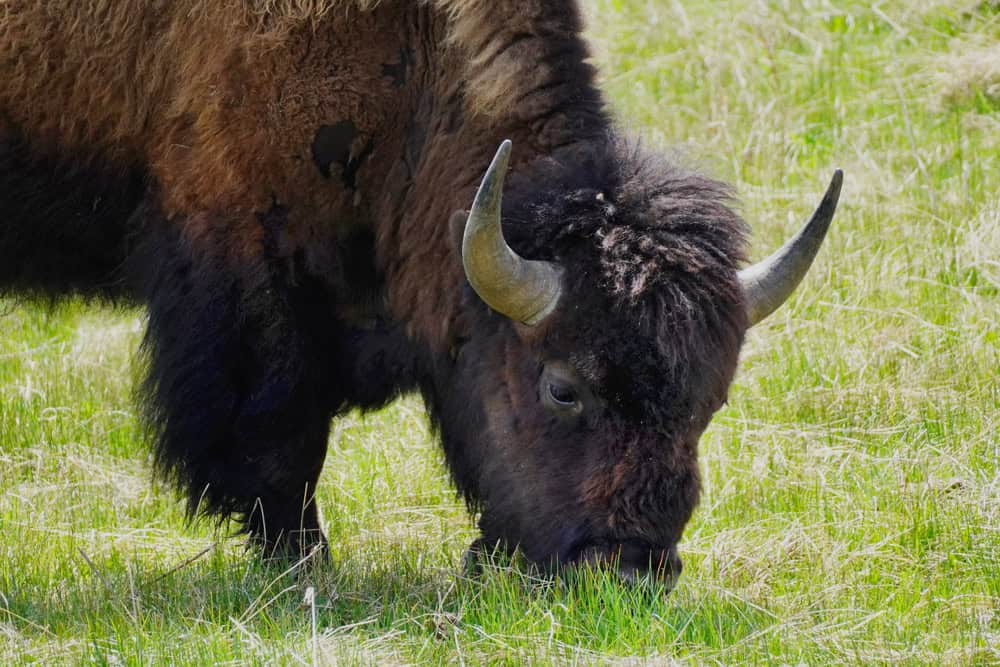
Any discussion of prairie conservation must acknowledge the Indigenous peoples who managed these landscapes for thousands of years before European settlement. Tribes like the Blackfeet, Lakota, and Comanche developed sophisticated systems of controlled burning and sustainable bison hunting that maintained prairie health while supporting their communities. Today, Indigenous-led conservation ranching initiatives are reclaiming these traditions while adapting them to contemporary contexts.
The InterTribal Buffalo Council, representing over 70 tribes, has been working to restore bison to tribal lands, often using conservation ranching approaches that blend traditional ecological knowledge with modern science. On the Blackfeet Reservation in Montana, the Iinnii Initiative has reintroduced bison while implementing grazing practices that enhance the cultural and ecological values of their prairie holdings. These efforts highlight how conservation ranching can support not just ecological restoration but cultural revitalization. They also demonstrate the importance of diverse knowledge systems in developing truly sustainable approaches to prairie management.
Policy Support: Creating Enabling Conditions
The future of conservation ranching depends significantly on policy frameworks that support rather than hinder its adoption. The Farm Bill, America’s primary agricultural policy vehicle, has gradually incorporated more conservation provisions over recent decades. Programs like the Conservation Stewardship Program (CSP) and Environmental Quality Incentives Program (EQIP) provide financial and technical assistance to ranchers implementing conservation practices. However, these programs remain oversubscribed, with demand from ranchers consistently exceeding available funding.
Emerging policy innovations show promise for expanding support. Carbon markets and other payment for ecosystem services programs are beginning to provide new revenue streams for conservation-minded ranchers. State-level initiatives like South Dakota’s habitat leasing program offer additional models. Meanwhile, reforms to public lands grazing policies could incentivize conservation practices on the millions of acres of federal rangeland. Organizations like the National Sustainable Agriculture Coalition and Western Landowners Alliance continue to advocate for policy changes that would make conservation ranching more economically viable across diverse contexts.
The Consumer Connection: Market-Driven Conservation
Ultimately, the widespread adoption of conservation ranching may depend on consumer choices as much as producer practices or policy support. A growing segment of consumers shows willingness to pay premium prices for products with verified environmental benefits. This market demand creates incentives for ranchers to adopt conservation practices and for retailers to source from such operations. The challenge lies in connecting conscious consumers with verifiable conservation outcomes through transparent certification and marketing.
Several initiatives are working to strengthen this consumer connection. The Audubon’s Conservation Ranching program has partnered with retailers to bring certified bird-friendly beef to consumers in multiple states. Meanwhile, the Savory Institute’s Land to Market program verifies ecological outcomes like soil health and biodiversity on participating ranches. Direct-to-consumer models are also expanding, allowing conservation-minded ranchers to build direct relationships with their customers. These market-based approaches complement policy efforts by creating immediate economic rewards for conservation practices, potentially accelerating adoption even before policy catches up.
Scaling Up: From Demonstration to Transformation
While successful examples of conservation ranching exist across the prairie region, they currently represent a small fraction of total rangeland. Scaling these approaches to the tens of millions of acres needed to meaningfully protect prairie ecosystems requires strategic thinking about barriers, incentives, and implementation pathways. Organizations like the World Wildlife Fund have developed landscape-scale initiatives like the Northern Great Plains Program, which works across multiple ranches and jurisdictions to create contiguous areas under conservation management.
Research suggests that achieving landscape-level impact requires reaching a critical mass of adoption within regional ranching communities. When 15-20% of producers in an area adopt conservation practices, these approaches often begin to spread through peer networks and demonstration effects. Supporting early adopters who can serve as community leaders and establishing learning networks among ranchers have proven effective strategies for catalyzing this diffusion. Meanwhile, coordinating conservation ranching with complementary approaches like permanent easements on the most ecologically valuable lands ensures that the full spectrum of protection is deployed where most appropriate.
The Future of Prairie Conservation
Conservation ranching represents a pragmatic approach to prairie preservation that acknowledges the economic and social realities of the regions where these ecosystems exist. It offers a middle path between absolute preservation and conventional development that may ultimately protect more acres than either extreme could achieve alone. The approach recognizes that in landscapes dominated by private ownership, conservation must work with, rather than against, human livelihoods to succeed at meaningful scale.
Looking forward, the most effective prairie conservation strategies will likely involve a mosaic of approaches tailored to specific contexts. Some areas may be best protected through traditional conservation as parks or preserves, while others thrive under well-managed grazing systems. The key lies in moving beyond ideological positions to evidence-based, outcome-focused approaches that measure success in terms of ecosystem function, biodiversity, and resilience. Conservation ranching offers one promising tool in this diverse toolkit—not a silver bullet, but a practical approach with demonstrated potential to reconcile human needs with prairie preservation.
Conclusion: A Balanced Path Forward

Conservation ranching represents neither a perfect solution nor an empty promise in the effort to save America’s prairies. Rather, it offers a pragmatic approach that acknowledges the complex reality of these working landscapes. The evidence suggests that well-implemented conservation ranching can indeed help protect and restore prairie ecosystems while supporting rural economies. The question is not whether this approach can save the prairie in isolation, but whether it can form a crucial component of a comprehensive conservation strategy.
The future of the American prairie ultimately depends on our ability to see beyond false dichotomies between production and preservation. Conservation ranching embodies this integrated vision, recognizing that human activities, when properly managed, can support rather than undermine ecological health. For the millions of acres of prairie that remain in private hands, working with ranchers through approaches like conservation ranching may represent the most realistic path to protection.
Success will require continued refinement of techniques, expansion of economic incentives, and strengthening of supportive policies. It will also demand ongoing collaboration between ranchers, conservationists, researchers, Indigenous communities, and consumers. Through such collective effort, conservation ranching can help ensure that future generations will know the American prairie not just as a historical ecosystem, but as a living, breathing landscape that continues to support diverse life while connecting us to our natural heritage.

- The Truth About Giraffes’ Silent Communication Skills - July 22, 2026
- 10 Fierce Animals That Match Elon Musk’s Fearless Ambition - July 22, 2026
- The Tortoise: A Symbol of Patience and Slow Movement - July 22, 2026