
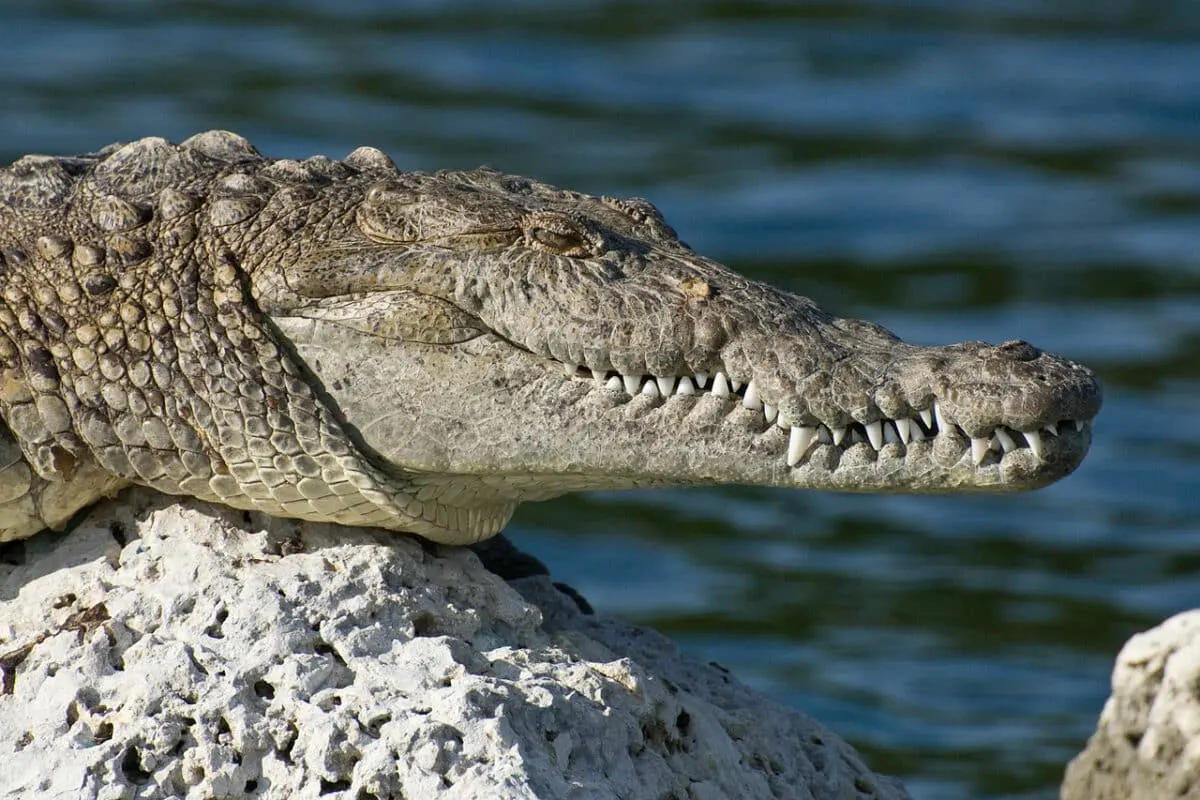
In the vast and varied landscape of the United States, certain animal species have come to symbolize the nation’s enduring spirit of resilience. These creatures have faced habitat loss, hunting, pollution, and climate change, yet have managed to persist or even recover through challenging circumstances. Their stories of survival and adaptation mirror America’s own historical journey of overcoming adversity. From the iconic bald eagle that rebounded from the brink of extinction to the adaptable coyote that thrives despite urban expansion, these animals embody the tenacious American spirit. This exploration of resilient American wildlife highlights not just their biological triumphs, but also their cultural significance as symbols of national perseverance, conservation success, and ecological importance.
The Bald Eagle: America’s Comeback Symbol
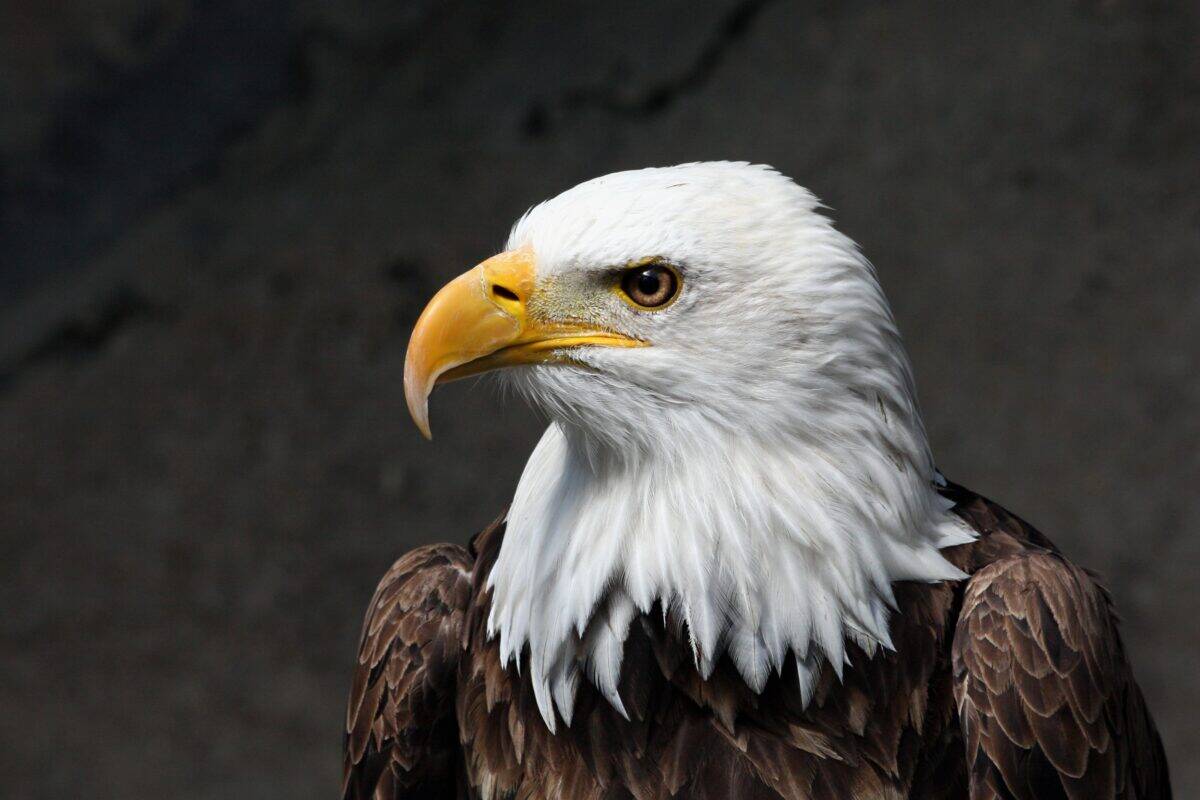
The bald eagle stands as perhaps the most powerful representation of American resilience in the animal kingdom. Once endangered with fewer than 500 nesting pairs in the continental United States by the 1960s, this majestic bird faced extinction due to habitat destruction, illegal shooting, and the devastating effects of DDT pesticide. The chemical caused eagles to lay eggs with shells too thin to support developing embryos, decimating their population. In response, Americans rallied behind conservation efforts that included banning DDT in 1972 and implementing protective measures through the Endangered Species Act and the Bald Eagle Protection Act.
Today, the bald eagle represents one of America’s greatest conservation success stories. The population has rebounded to more than 9,700 breeding pairs across the lower 48 states, allowing for its removal from the endangered species list in 2007. This remarkable recovery mirrors America’s own capacity for recognizing mistakes, implementing corrective measures, and restoring what was nearly lost. As the national bird and emblem, the bald eagle’s journey from near-extinction to thriving population perfectly encapsulates the resilient American spirit and demonstrates how collective action can reverse even the most dire environmental situations.
The American Bison: Surviving Cultural Decimation
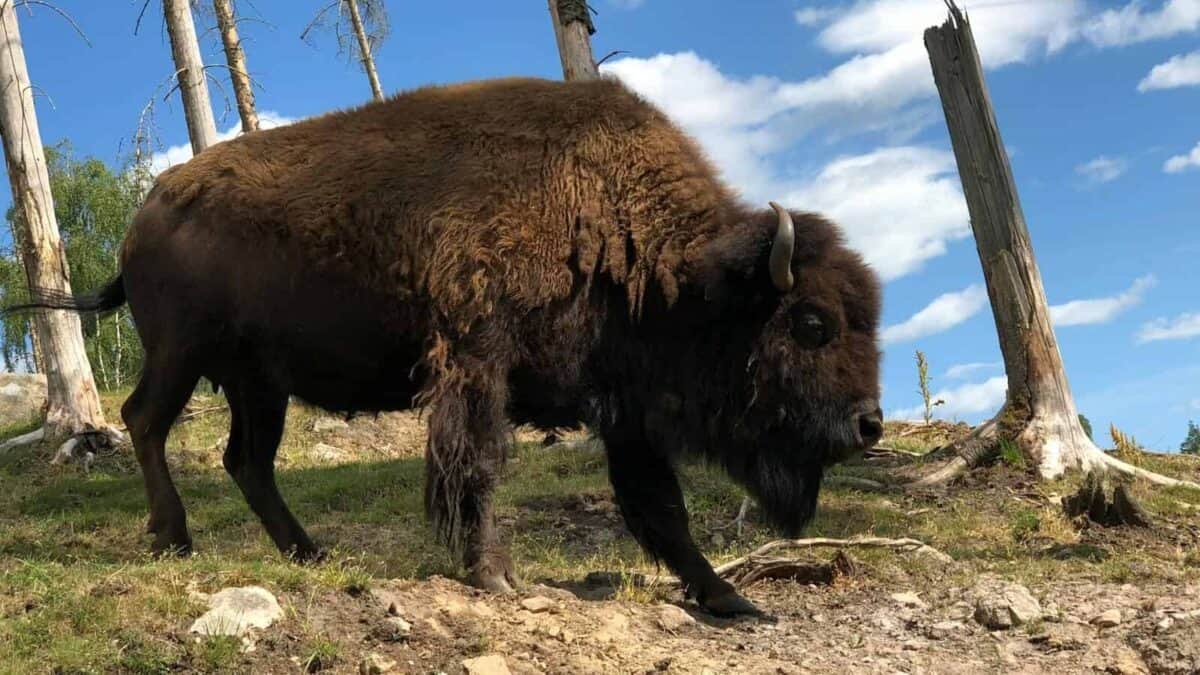
Once numbering in the tens of millions across North America’s plains, the American bison faced catastrophic decline in the 19th century. By 1889, fewer than 1,000 individuals remained, victims of a systematic slaughter campaign aimed at depriving Native American tribes of their primary resource and clearing the Great Plains for cattle ranching and settlement. This deliberate decimation of the species brought the iconic animal to the edge of extinction, representing one of the most dramatic wildlife collapses in recorded history. The bison’s near-disappearance was not just an ecological tragedy but a cultural one, deeply intertwined with the displacement of indigenous peoples.
Through dedicated conservation efforts beginning in the early 20th century, the American bison has made a remarkable comeback. Today, approximately 500,000 bison exist across North America, with around 30,000 managed for conservation in public and private herds. In 2016, the bison was named the national mammal of the United States, recognizing its ecological and cultural significance. The bison’s resilience story reflects America’s growing understanding of the importance of preserving natural heritage and acknowledging historical wrongs. Though still occupying only a fraction of their historical range, bison herds in places like Yellowstone National Park and the American Prairie Reserve demonstrate the species’ tenacity and symbolize hope for ecological restoration across the continent.
The Grizzly Bear: Adapting Against All Odds
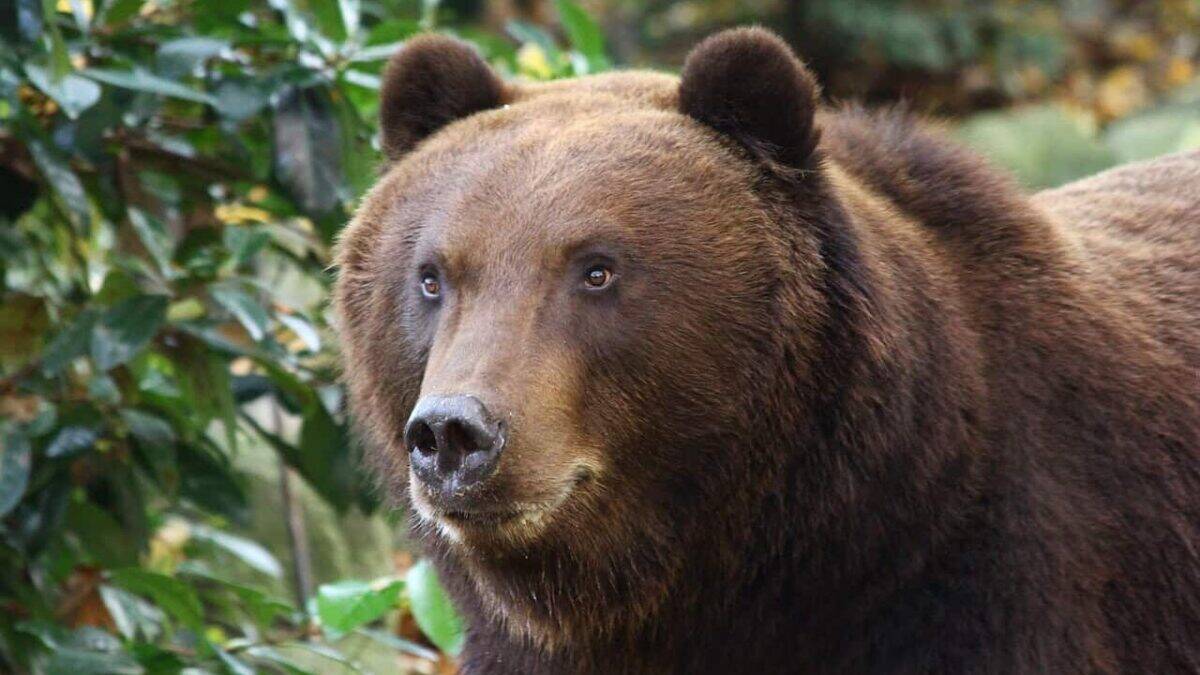
The grizzly bear’s story in the United States illustrates both human-caused devastation and remarkable resilience. Once roaming across approximately half of North America, including much of the western United States, grizzlies were systematically eliminated from 98% of their historical range in the lower 48 states by the 1970s. From an estimated population of over 50,000 before European settlement, they were reduced to fewer than 1,000 bears, primarily due to hunting, habitat destruction, and conflict with livestock operations. When listed as threatened under the Endangered Species Act in 1975, only a few isolated populations remained in the northern Rocky Mountains.
Today, the grizzly has made significant recoveries in certain ecosystems, particularly in the Greater Yellowstone Ecosystem, where populations have grown from around 136 bears in 1975 to approximately 700 today. The Northern Continental Divide Ecosystem now hosts over 1,000 grizzlies. These recoveries demonstrate the bear’s adaptability when given adequate protection and habitat. Despite continued challenges—including climate change affecting food sources like whitebark pine nuts and conflicts at the expanding urban-wildland interface—grizzlies have shown remarkable persistence. Their journey represents America’s complex relationship with wilderness: from conquest and exploitation to growing conservation ethics and the recognition that resilient wildlife populations are essential components of healthy ecosystems.
The Gray Wolf: Reclaiming Lost Territory
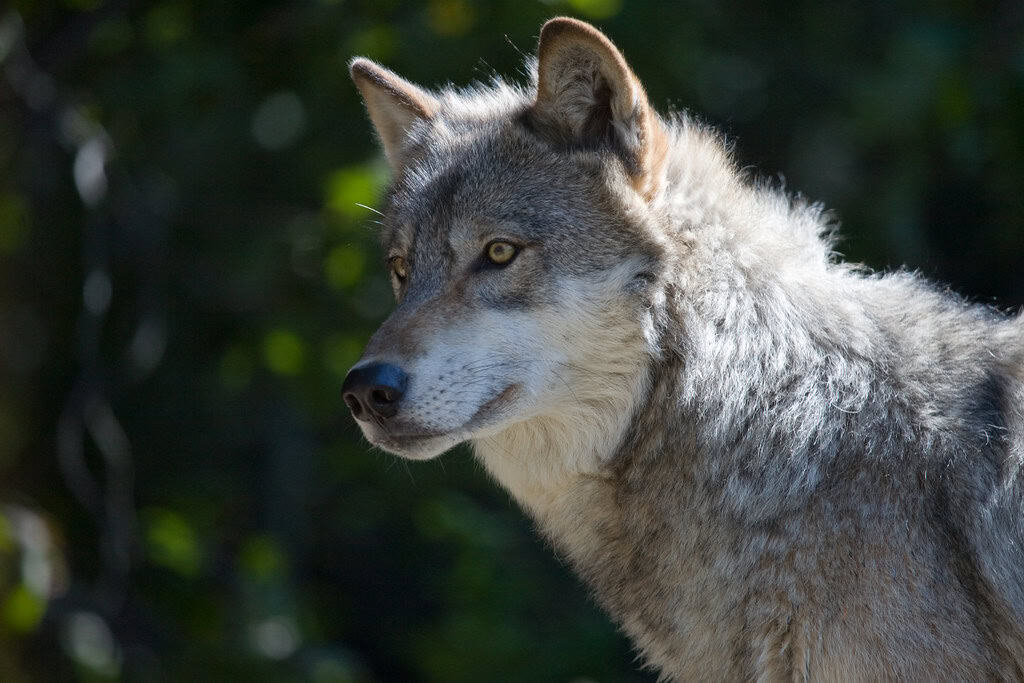
The gray wolf epitomizes resilience through its gradual return to landscapes where it was once systematically exterminated. By the mid-20th century, wolves had been eliminated from nearly all of the contiguous United States through government-sponsored predator control programs, bounty hunting, and habitat loss. Only a small population of a few hundred wolves in northern Minnesota and Michigan remained by the time the species received protection under the Endangered Species Act in 1974. The wolf’s elimination disrupted ecosystems, allowing deer and elk populations to expand unchecked and altering vegetation patterns in ways that affected numerous other species.
The reintroduction of wolves to Yellowstone National Park in 1995 and central Idaho marked one of America’s most significant wildlife restoration efforts. From the 66 wolves initially reintroduced, populations have grown to over 6,000 across the lower 48 states today, with established packs in the Northern Rockies, Pacific Northwest, Great Lakes region, and expanding into California, Colorado, and other western states. Their return has triggered trophic cascades, helping restore ecological balance. Despite ongoing conflicts with ranchers and continued political battles over their protected status, wolves have demonstrated remarkable ability to reclaim territory and adapt to the modern American landscape. Their resilience represents nature’s capacity for renewal when given opportunity, and America’s evolving relationship with predators once deemed incompatible with human development.
The Alligator American: From Hunted to Huntsman

The American alligator’s journey from the brink of extinction to sustainable population levels stands as one of the most successful wildlife recovery stories in United States history. By the 1960s, unregulated hunting for their valuable hides had decimated alligator populations across their southeastern range. The species was among the first protected under the Endangered Species Preservation Act of 1966, the predecessor to today’s Endangered Species Act. At their lowest point, scientists feared alligators might disappear entirely from parts of their historical range, which would have dramatically altered wetland ecosystems throughout the Southeast where they serve as keystone species.
Today, with an estimated population exceeding 5 million across their range, American alligators have not only recovered but thrived. Their comeback was so successful that the species was removed from the endangered species list in 1987, allowing for regulated hunting in many states. This management approach has created economic incentives for wetland conservation, as landowners recognize the value of maintaining alligator habitat. The restoration of this ancient reptile—a species that has existed for roughly 80 million years—demonstrates how effective legal protection, public education, and habitat conservation can reverse even severe population declines. The alligator’s resilience story now serves as a template for other endangered species recovery efforts and highlights America’s capacity to correct environmental mistakes when science-based conservation measures are implemented.
The California Condor: Technology-Assisted Resurrection

The California condor represents perhaps the most intensive rescue of an American species from the very edge of extinction. By 1982, only 22 condors remained in the world, victims of lead poisoning, habitat destruction, and direct persecution. Wildlife officials made the controversial decision to capture all remaining wild condors for a captive breeding program—a last-resort effort to save North America’s largest land bird. The species was officially declared extinct in the wild in 1987, but intensive captive breeding efforts at facilities like the San Diego Zoo and Los Angeles Zoo began producing offspring. Utilizing innovative techniques including artificial incubation, puppet-rearing of chicks, and extensive genetic management, conservationists slowly increased the population.
Today, more than 300 California condors exist, with over half flying free in California, Arizona, Utah, and Baja California, Mexico. The species remains critically endangered, facing ongoing threats from lead ammunition ingested from scavenged carcasses, microtrash that parents feed to chicks, and powerline collisions. Each bird is closely monitored, often with GPS tracking devices, and regular health checks help identify threats. The California condor’s story demonstrates the extraordinary lengths Americans will go to preserve their natural heritage, combining cutting-edge science with traditional conservation approaches. Their continued recovery, while still fragile, represents American technological innovation and persistence in the face of seemingly insurmountable ecological challenges, offering hope for other critically endangered species worldwide.
The Coyote: Thriving Through Adaptability
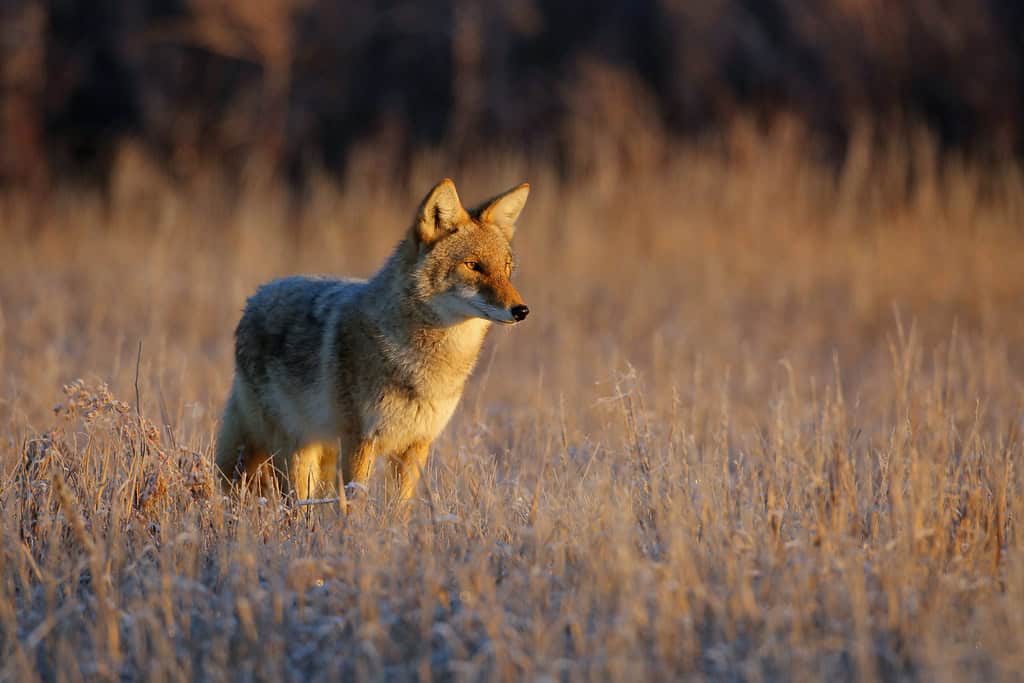
Unlike many species on this list, the coyote’s resilience story isn’t about recovering from near-extinction but rather about remarkable adaptation and expansion despite intensive human efforts to eliminate them. When European settlers began systematically eliminating wolves across North America, they simultaneously waged war on coyotes, killing millions through poisoning, trapping, and shooting campaigns that continue in some areas today. However, unlike wolves, coyote populations responded to this persecution by increasing their reproductive rates—females produce larger litters when population pressure decreases—and expanding their range. Over the last century, coyotes have expanded from their historical range in the western plains to occupy nearly the entire North American continent, including major urban areas.
Today’s coyotes demonstrate incredible behavioral plasticity, adapting to environments ranging from deserts to forests to city parks. Urban coyotes have learned to navigate traffic, subsist on human food waste, and avoid direct contact with people while living among millions of them. Studies in Chicago have found coyotes shifting to nocturnal patterns to minimize human interaction. They’ve even evolved physically, with eastern coyotes incorporating wolf DNA through hybridization, resulting in slightly larger animals better adapted to hunting deer in forested environments. The coyote’s extraordinary resilience in the face of human persecution represents a different kind of American spirit—the scrappy, adaptable survivor that not only persists but thrives by changing with the times, finding opportunity in adversity, and refusing to be eliminated despite all odds stacked against it.
The Peregrine Falcon: Technological Comeback Kid
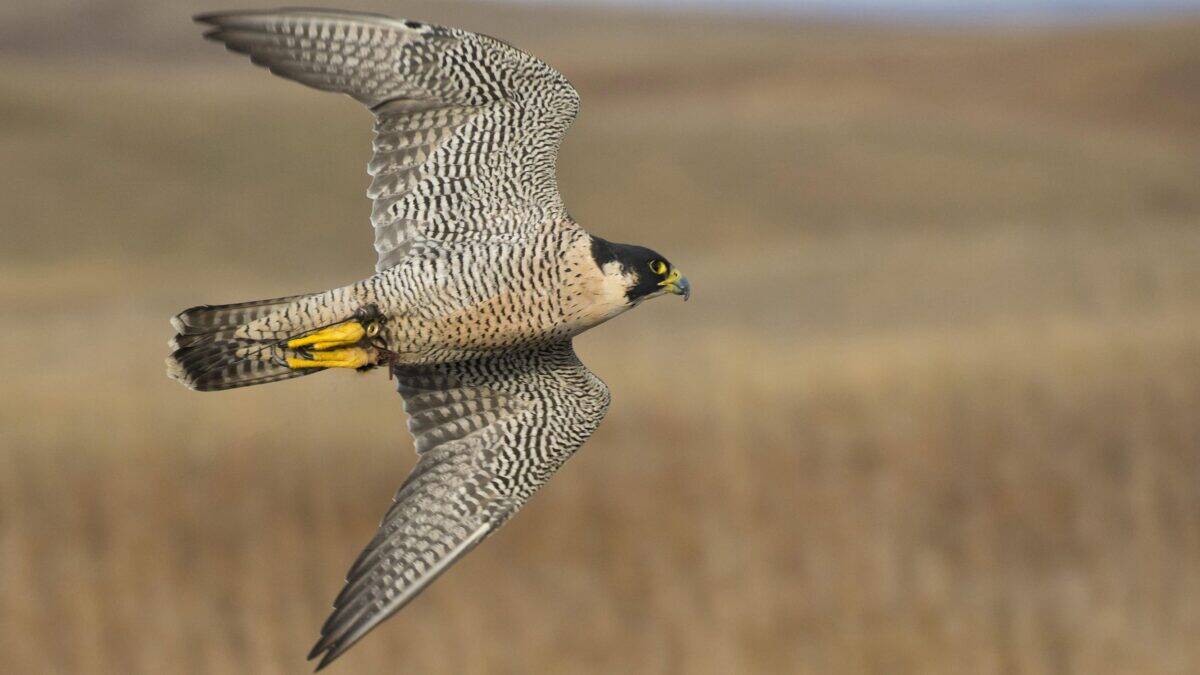
The peregrine falcon’s recovery represents one of America’s most sophisticated and successful wildlife restoration efforts. These aerial hunters, capable of diving at speeds over 200 mph, were decimated by DDT pesticide contamination in the mid-20th century. The chemical caused their eggshells to thin dramatically, resulting in reproductive failure across North America. By 1970, not a single nesting pair remained in the eastern United States, and western populations had declined by up to 90%. The peregrine’s plight helped catalyze the environmental movement, contributing to the creation of the Environmental Protection Agency and the banning of DDT in 1972.
Recovery efforts pioneered innovative techniques in conservation biology, including captive breeding and hacking—a method where young captive-bred falcons are placed in artificial nests on towers or buildings and monitored remotely until they fledge. Between 1974 and 1999, over 6,000 peregrines were released across North America. The falcons demonstrated unexpected adaptability by establishing nests on urban skyscrapers, bridges, and power plant smokestacks, which mimic their natural cliff habitats while providing abundant prey in the form of pigeons and other city birds. By 1999, populations had recovered sufficiently for the species to be removed from the endangered species list. Today, with an estimated 3,000+ breeding pairs in North America, the peregrine has not only recovered but has become a symbol of how technology and human ingenuity can reverse even severe wildlife declines, representing American innovation and the capacity to solve complex environmental problems.
The Wild Turkey: From Colonial Icon to Modern Success
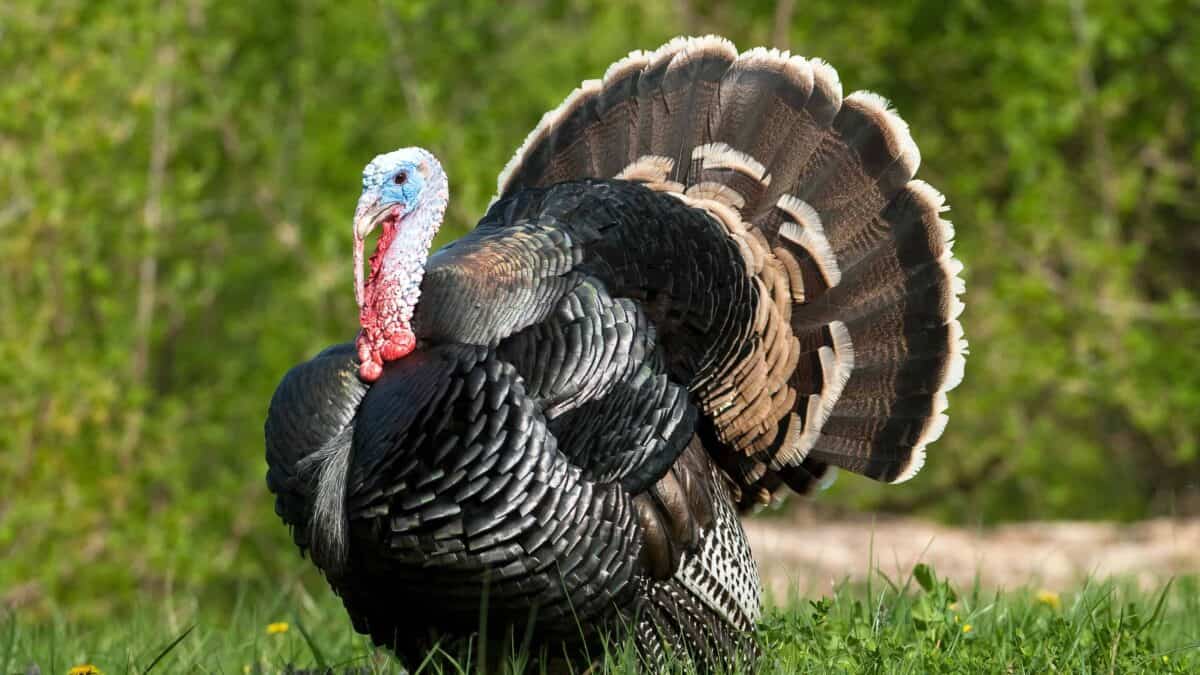
The wild turkey holds special significance in American culture as the bird Benjamin Franklin famously admired more than the bald eagle. Yet by the early 20th century, this native species had disappeared from much of its range due to unregulated hunting and widespread deforestation. Population estimates suggest fewer than 30,000 wild turkeys remained in America by the 1930s, confined to the most remote areas of their former range. Their decline represented the broader pattern of wildlife exploitation that characterized America’s westward expansion and industrialization, when natural resources seemed limitless and conservation ethics were in their infancy.
The wild turkey’s remarkable recovery stands as one of America’s earliest and most successful wildlife restoration efforts. Beginning in the 1950s, state wildlife agencies began trapping birds from remaining populations and relocating them to suitable habitat within their historical range. This simple but effective approach, combined with improved forest management practices and regulated hunting seasons, allowed turkeys to reclaim their former territories. Today, approximately 7 million wild turkeys roam North America, with populations in every state except Alaska. Their comeback demonstrates how relatively straightforward conservation approaches can yield dramatic results when implemented with persistence over time. The wild turkey’s restoration also helped establish the model of hunters as conservationists, as hunting license fees and excise taxes on sporting equipment funded much of the research and reintroduction efforts that saved the species—a uniquely American approach to wildlife management that has been applied to numerous game species with similar success.
The Sea Otter: Ecological Engineers Resurging
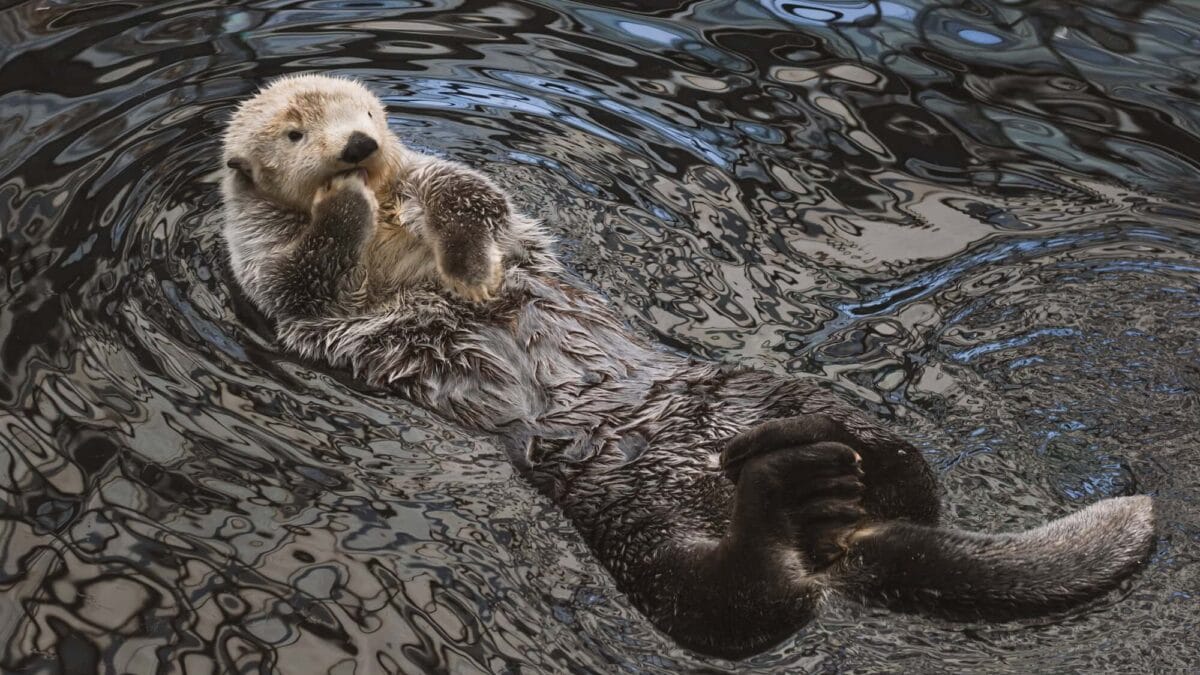
Sea otters along the Pacific coast exemplify resilience through their gradual recovery from the fur trade that nearly eliminated them. By the early 20th century, these charismatic marine mammals had been hunted to near extinction for their luxurious fur—the densest of any mammal with up to one million hairs per square inch. From an original population estimated at 150,000-300,000 along the Pacific Rim, fewer than 2,000 animals remained scattered in isolated pockets by 1911 when international protection was finally established. In California, just 50 sea otters survived in a remote stretch of coastline near Big Sur, discovered in 1938 after being presumed extinct in the state.
Today, approximately 3,000 sea otters inhabit California waters, while Alaska supports around 90,000. Their recovery, though still incomplete, has had profound ecological implications as these animals function as keystone species. By consuming sea urchins that would otherwise devour kelp forests, sea otters help maintain these underwater ecosystems that provide habitat for countless marine species and sequester carbon. Research has demonstrated that kelp forests protected by sea otters capture as much as 12 times more carbon than those where urchins have created “barrens.” The sea otter’s comeback illustrates how the resilience of a single species can trigger broader ecosystem recovery and climate benefits. Their story also highlights the long timescales often required for wildlife recovery—more than a century after protection, they still occupy only a fraction of their historical range, a reminder that America’s conservation challenges require both immediate action and long-term commitment across generations.
The American Crocodile: Surviving in a Developed Paradise

The American crocodile represents resilience through adaptation to human-modified environments. Once abundant throughout coastal mangrove ecosystems from Florida through the Caribbean to northern South America, these reptiles were heavily hunted for their hides and suffered massive habitat loss as coastal development transformed Florida’s shorelines. By the 1970s, when the species was listed as endangered, fewer than 300 American crocodiles remained in the United States, confined to the southernmost tip of Florida. Their situation seemed particularly dire as they faced not only direct threats from humans but also competition from the more numerous and aggressive American alligator in the limited remaining habitat.
In an unexpected twist of conservation fortune, American crocodiles found refuge in an artificial habitat—the cooling canals of Turkey Point Nuclear Generating Station near Miami. The 168 miles of warm-water canals created ideal nesting habitat, protected from human disturbance. This adaptation to human infrastructure, combined with legal protection and conservation efforts, has allowed the population to recover to approximately 2,000 individuals in Florida today. The species was downlisted to threatened status in 2007, though it remains endangered throughout much of its international range. The American crocodile’s story demonstrates how resilient species can sometimes find opportunity in human-altered landscapes when given adequate protection. Their recovery in Florida, where they now nest in canals adjacent to one of America’s most developed coastlines, offers hope that with proper management, certain wildlife can coexist with humans even in highly modified environments—an important lesson as urbanization continues to transform natural habitats across America.

- This Tiny Insect Can Survive in Outer Space—Here’s How - July 21, 2026
- Could the Tasmanian Tiger Be Brought Back to Life? - July 21, 2026
- Why You Should Never Approach a Sleeping Hippo - July 21, 2026