
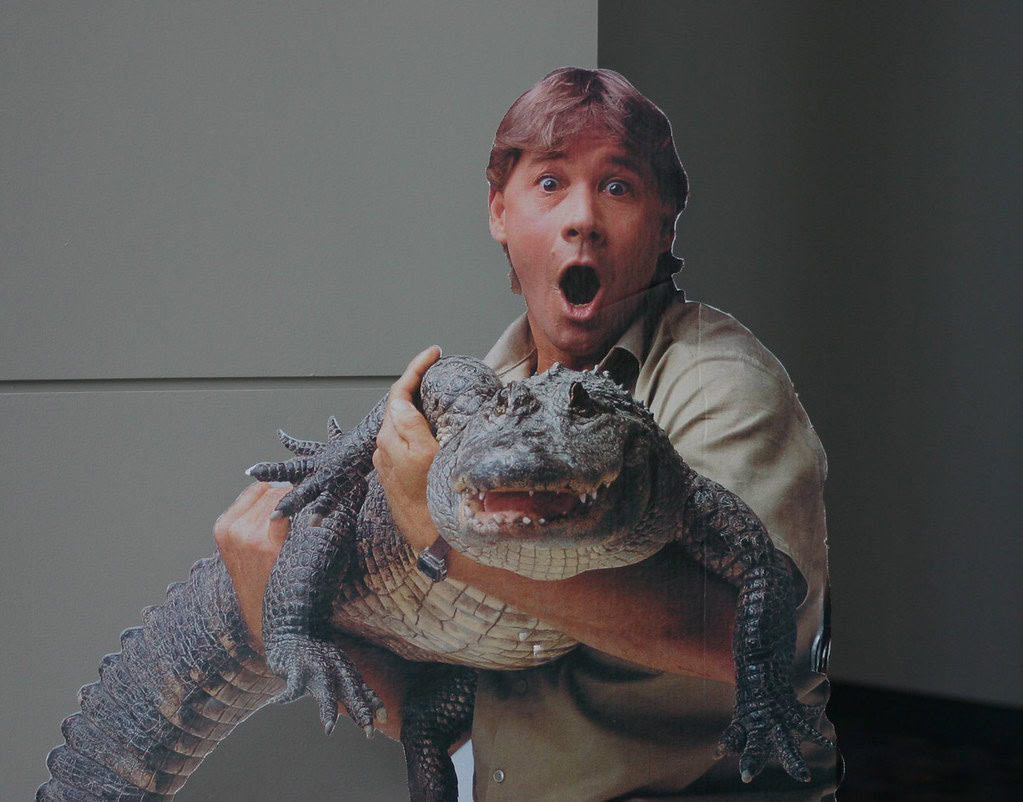
Steve Irwin, known worldwide as the “Crocodile Hunter,” left an indelible mark on wildlife conservation and education before his untimely death in 2006. His boundless enthusiasm, trademark “Crikey!” exclamation, and fearless approach to wildlife encounters captivated audiences globally. Beyond his entertaining persona, Irwin revolutionized how we understand crocodilians—particularly crocodiles—transforming public perception from fear to fascination and respect. Through his television shows, conservation work at Australia Zoo, and tireless advocacy, Irwin shared invaluable knowledge about these ancient reptiles, their behavior, ecological importance, and the threats they face. His legacy continues to inspire a generation of conservationists and wildlife enthusiasts, while his educational contributions have significantly advanced our collective understanding of crocodiles and their crucial role in our world’s ecosystems.
The Respect-Based Approach to Crocodile Handling
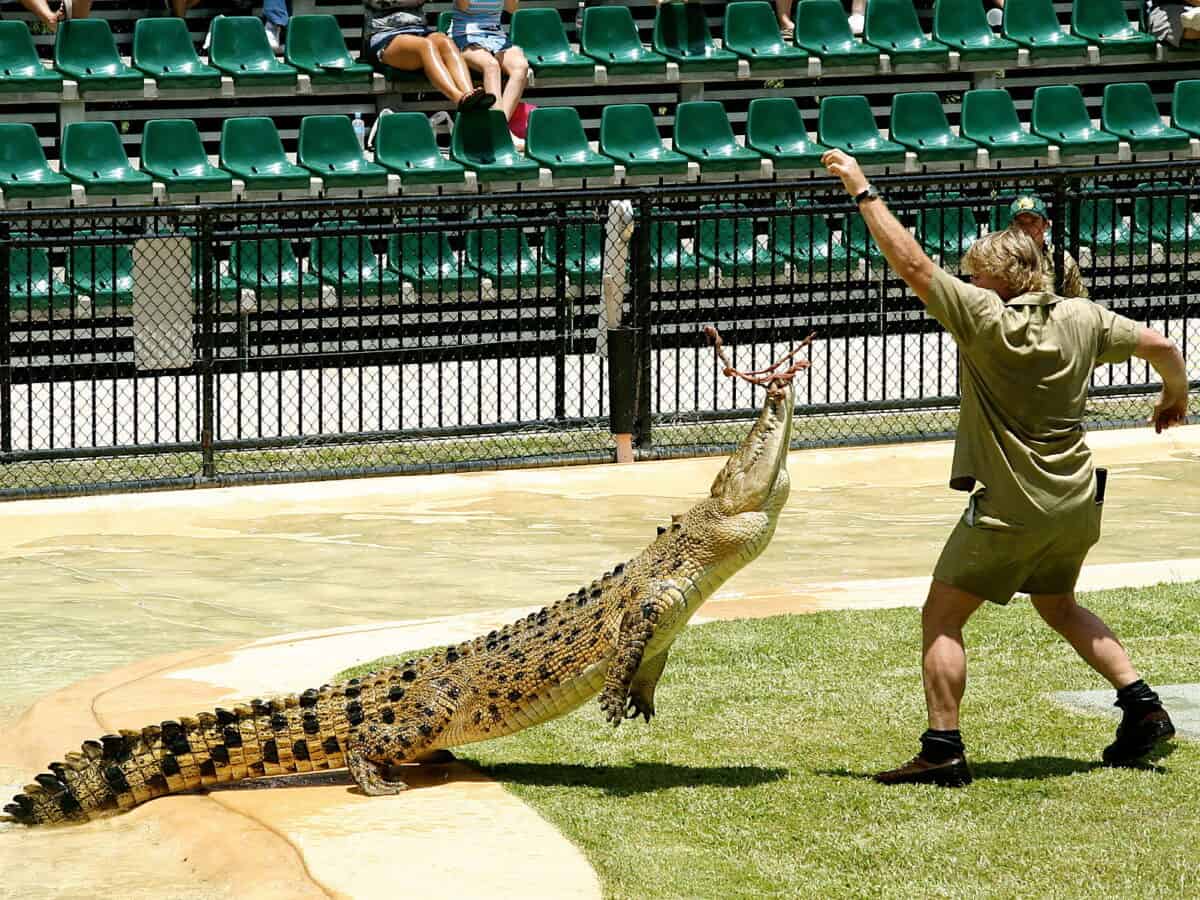
Perhaps the most fundamental lesson Steve Irwin taught was his respect-based approach to crocodile handling. Unlike previous wildlife presenters who emphasized dominance or control, Irwin consistently demonstrated profound respect for these powerful predators. “I don’t want to be remembered as the guy who just restrained animals and jumped on their backs,” he once said. “I want to be remembered as the guy who gave them respect and understanding.” This philosophy transformed his interactions from mere spectacle into educational opportunities, showing that even the most formidable creatures deserve our respect rather than fear.
Irwin’s handling techniques always prioritized the animal’s welfare alongside human safety. He developed and refined methods that minimized stress to the crocodiles during necessary relocations or research activities. By narrating his movements and explaining crocodile behavior in real-time, he transformed potentially dangerous situations into masterclasses on crocodilian psychology. This approach not only protected both handler and animal but also taught viewers that coexistence is possible when founded on knowledge and respect rather than dominance.
Crocodile Intelligence and Problem-Solving Abilities

Steve Irwin challenged the prevailing notion that reptiles, particularly crocodiles, were simply primitive creatures operating on instinct alone. Through his close observations and interactions, he demonstrated to the world that crocodiles possess remarkable intelligence and problem-solving abilities. “These animals are so smart, they’ll learn your patterns,” Irwin would often explain during his shows, detailing how crocodiles could memorize feeding schedules, recognize individual humans, and adapt their hunting strategies based on past experiences.
Irwin documented numerous examples of crocodiles using sophisticated hunting techniques, including cooperative hunting, tool use (such as balancing sticks on their snouts to lure nesting birds), and complex ambush strategies. He showed audiences how crocodiles would learn from failed attempts and modify their approach, demonstrating learning capacity that many scientists had previously underestimated. By highlighting these cognitive abilities, Irwin elevated crocodiles from feared predators to sophisticated beings worthy of scientific interest and conservation efforts, forever changing public perception of reptilian intelligence.
The Critical Ecological Role of Crocodiles

One of Irwin’s most significant contributions was educating the public about the vital ecological role crocodiles play in their habitats. “Crocodiles are ecosystem engineers,” he would enthusiastically explain, detailing how these apex predators maintain the health and balance of wetland ecosystems. Through his shows and conservation work, Irwin illustrated how crocodiles control populations of fish and mammals, preventing any single species from dominating the ecosystem. He demonstrated how their feeding habits prevent waterways from becoming clogged with excessive fish populations, maintaining water quality and flow.
Irwin also taught us about the surprising ways crocodiles contribute to biodiversity. He showed how their nesting activities create clearings that benefit other species, how their abandoned nests provide habitat for other animals, and how their presence indicates a healthy ecosystem. “When you protect crocodiles, you’re protecting everything else in that environment,” he would emphasize, making a compelling case for conservation beyond the species itself. This ecological understanding transformed public perception from seeing crocodiles as dangerous nuisances to recognizing them as keystone species essential to environmental health.
Crocodile Body Language and Communication
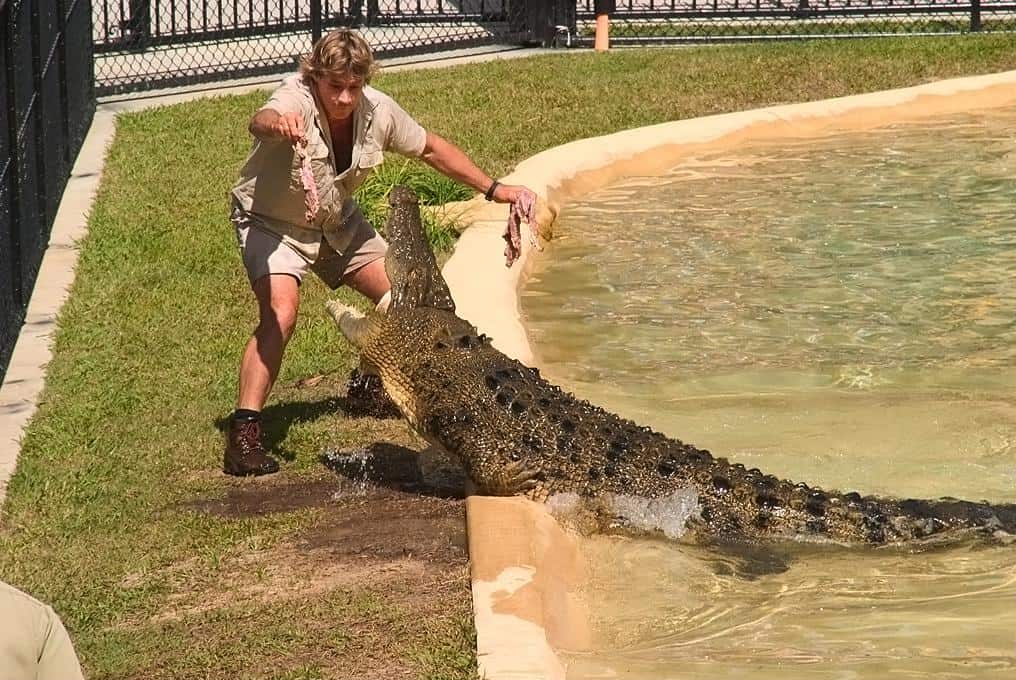
Steve Irwin possessed an unparalleled ability to read crocodile body language, a skill he generously shared with his audience. “It’s all in the eyes and the jaw muscles,” he would explain, pointing out the subtle signs that indicated a crocodile’s mood and intentions. Irwin taught viewers to recognize the difference between defensive posturing and genuine aggression, the significance of head and tail positioning, and how to interpret various vocalizations. This insight helped demystify crocodile behavior and gave viewers tools to understand these often misunderstood creatures.
Beyond individual body language, Irwin documented and explained the complex social interactions and communication methods crocodiles use with each other. He filmed and narrated courtship behaviors, territorial displays, and hierarchical interactions within crocodile populations. Particularly groundbreaking was his work highlighting maternal behavior, showing how female crocodiles communicate with their young through vocalizations and respond to distress calls from hatchlings. By translating these behaviors for a general audience, Irwin transformed crocodiles from mysterious threats into complex social animals with sophisticated communication systems worth studying and preserving.
The Difference Between Crocodiles and Alligators

Irwin was passionate about helping people distinguish between different crocodilian species, particularly the often-confused crocodiles and alligators. With characteristic enthusiasm, he would point out the key anatomical differences: “See that V-shaped snout? That’s a croc. Alligators have a U-shaped snout!” He taught viewers to notice how crocodiles display their fourth lower tooth when their mouth is closed, while alligators’ upper jaw completely covers all lower teeth. These simple but memorable lessons helped millions properly identify these distinct species.
Beyond physical differences, Irwin educated audiences about behavioral and habitat distinctions between crocodilian species. He explained how saltwater crocodiles could tolerate both freshwater and marine environments, unlike most alligators. He highlighted differences in aggression levels, noting that while all large crocodilians deserve respect, certain species like the Nile and saltwater crocodiles typically display more territorial aggression than American alligators. By making these distinctions clear and memorable, Irwin helped foster a more nuanced understanding of crocodilians globally, moving beyond the generic “crocodile” label to appreciate the diversity within this ancient order of reptiles.
Crocodile Conservation Challenges
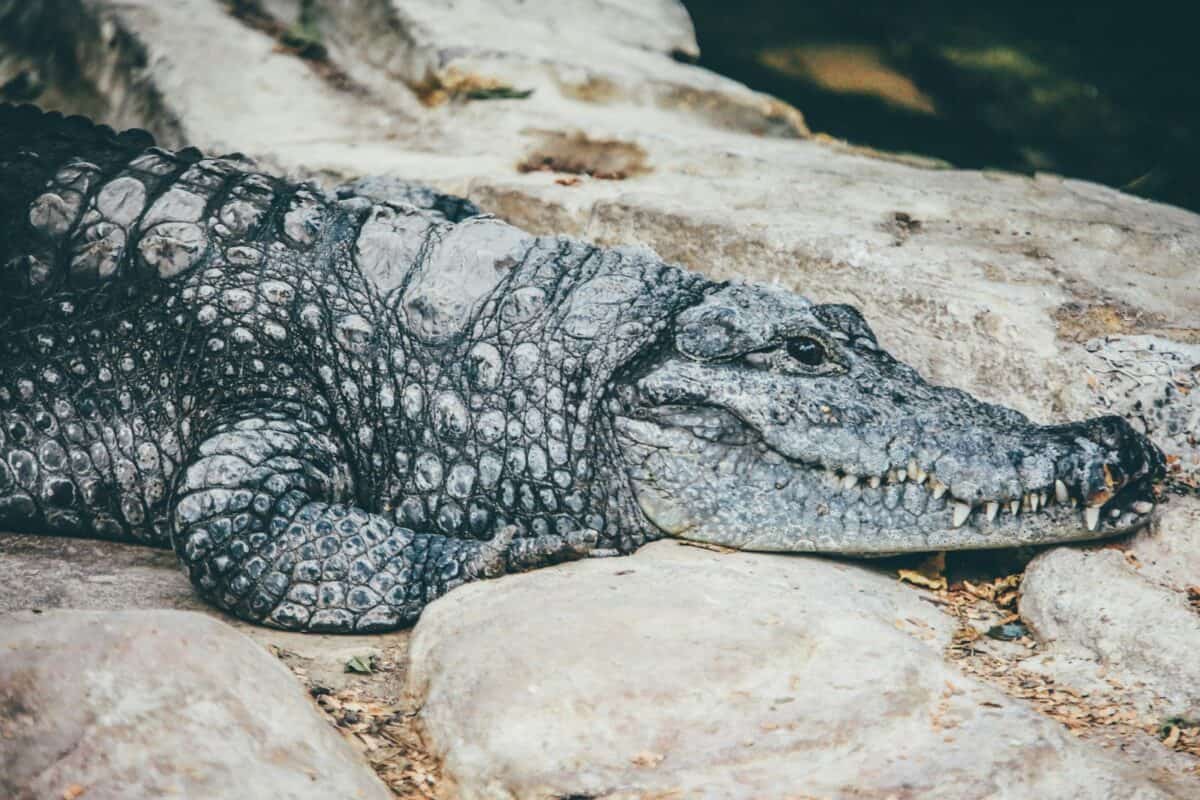
Steve Irwin was unflinching in his exposure of the conservation challenges facing crocodiles worldwide. “These magnificent animals have survived for 200 million years, but they might not survive us,” he would warn with genuine concern. Irwin documented habitat destruction firsthand, showing viewers how wetland drainage, pollution, and development were eliminating crucial crocodile habitats across Australia and beyond. He particularly highlighted the vulnerability of crocodile nesting sites to human disturbance and climate change, explaining how even small alterations in temperature could affect sex ratios in developing eggs.
Irwin also tackled the controversial issues of human-crocodile conflict and commercial exploitation. Rather than taking a simplistic stance, he acknowledged the complexity of living alongside dangerous predators while advocating for solutions that protected both human communities and crocodiles. He exposed illegal poaching operations but also investigated sustainable harvesting programs, asking tough questions about whether regulated use could support conservation. This nuanced approach to conservation challenges helped viewers understand that protecting crocodiles required addressing ecological, economic, and social factors simultaneously—a holistic perspective that was ahead of its time in wildlife conservation.
The Surprising Parental Care of Crocodiles

One of the most eye-opening aspects of crocodile behavior that Irwin showcased was their remarkable parental care, challenging the perception of reptiles as cold, unfeeling creatures. “People don’t realize that crocodiles are some of the best parents in the animal kingdom,” Irwin would enthuse while filming female crocodiles carefully tending to their nests. He documented how mother crocodiles regulate nest temperature by adding or removing vegetation, protect eggs from predators for months without eating, and respond immediately to the chirping sounds made by hatchlings ready to emerge from their eggs.
Irwin’s footage of mother crocodiles gently carrying newly hatched babies in their fearsome jaws—the same jaws capable of crushing prey with thousands of pounds of pressure—created a powerful contrast that captivated viewers. He showed how parent crocodiles would defend their young against threats, teach hunting behaviors, and in some species, provide protection for up to two years after hatching. By highlighting these nurturing behaviors, Irwin transformed the public image of crocodiles, revealing a surprising gentleness and sophisticated parental investment that few had associated with these ancient reptiles. This understanding of crocodile parenting not only increased appreciation for these animals but also raised important questions about reptilian cognition and emotional capacity.
Crocodile Adaptations and Evolutionary Success
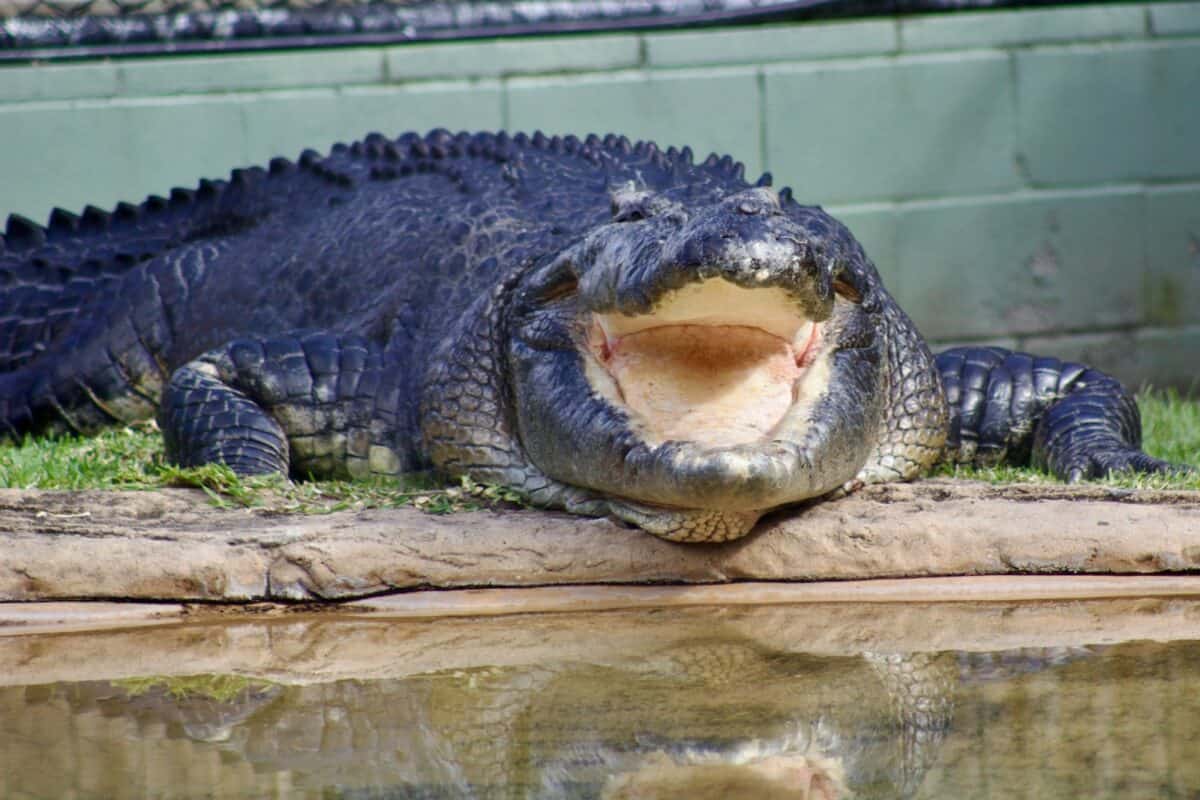
Steve Irwin had an infectious enthusiasm for explaining the remarkable adaptations that have made crocodiles one of evolution’s greatest success stories. “These fellas have been perfecting their design for over 200 million years!” he would exclaim, pointing out the features that allowed crocodiles to survive when dinosaurs could not. Irwin detailed their specialized heart structure that allows them to stay underwater for hours, their ability to go months without food, and their remarkable healing abilities that help them recover from serious injuries. He demonstrated how pressure sensors along their jaws—more sensitive than human fingertips—allow them to detect minute vibrations in water.
Particularly fascinating were Irwin’s explanations of crocodile adaptations for different hunting strategies. He showed how their asymmetrical lung design helps them control buoyancy, allowing for the famous “death roll” maneuver. He explained how their transparent third eyelid enables underwater vision while protecting the eye, and how their brain structure prioritizes areas dedicated to hunting efficiency. By framing these adaptations as evolutionary achievements rather than fearsome weapons, Irwin fostered appreciation for crocodiles as evolutionary marvels rather than monsters. His presentations on crocodile physiology made complex biological concepts accessible and memorable, inspiring many viewers to pursue further education in biology and conservation.
Techniques for Safely Encountering Crocodiles in the Wild

While Irwin was famous for his close encounters with crocodiles, he was equally passionate about teaching ordinary people how to safely coexist with these predators. “Most crocodile attacks are preventable with the right knowledge,” he would emphasize, before sharing practical safety advice for those living or recreating in crocodile country. He taught viewers to recognize potential crocodile habitat, to stay at least 15 feet back from water’s edge in crocodile territory, and to be especially cautious during breeding seasons when territorial aggression increases. His simple rhyme—”Stay away from the water’s edge at night”—highlighted the increased danger during crocodiles’ preferred hunting hours.
Irwin also debunked common myths about crocodile behavior that could lead to dangerous situations. He corrected the misconception that running in a zigzag pattern is effective (crocodiles rarely chase on land for extended distances), explained why swimming in the same spot regularly increases risk (crocodiles learn patterns), and demonstrated why approaching a seemingly “sleeping” crocodile is never safe (they can explode into action with startling speed). Perhaps most importantly, he taught viewers not to develop a false sense of security in areas where crocodiles are commonly seen without incident, explaining how a crocodile’s opportunistic hunting strategy means they may ignore humans for years before conditions lead to an attack. These practical safety lessons have undoubtedly saved lives while promoting respectful coexistence rather than eradication efforts.
How Crocodiles Survive Extreme Conditions
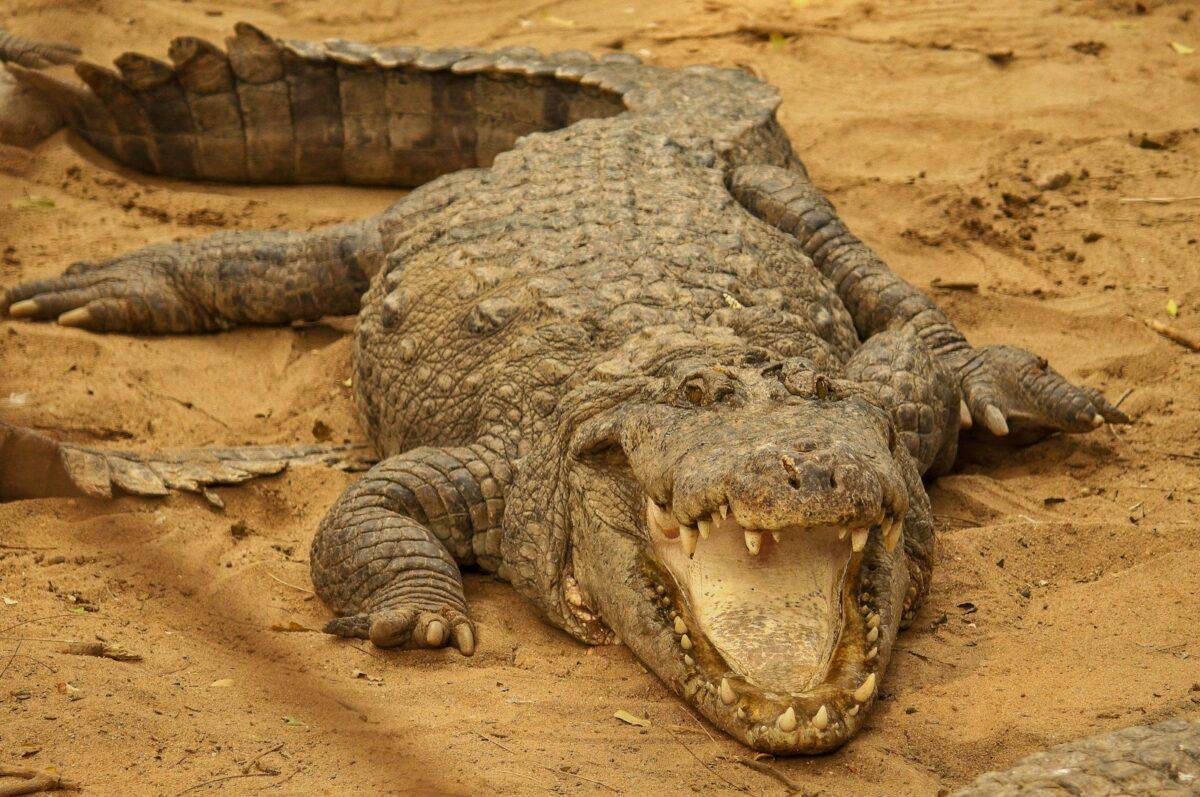
Steve Irwin was fascinated by crocodiles’ extraordinary ability to survive in extreme conditions, capabilities he documented throughout his career. “These animals are the ultimate survivors,” he would marvel, showing viewers how crocodiles could withstand prolonged droughts by burying themselves in mud and entering a state of aestivation where their metabolism slows dramatically. He filmed crocodiles surviving in environments ranging from brackish swamps to hypersaline lakes, explaining the specialized salt glands that allow them to regulate their internal salinity levels regardless of their environment.
Particularly impressive were Irwin’s demonstrations of crocodile endurance and resilience. He documented how they can survive extreme temperature fluctuations, from near-freezing waters to baking heat, by behaviorally thermoregulating—moving between sun and shade or between water and land. He showed how their immune systems allow them to recover from grievous wounds that would kill most animals, and how they can go without food for over a year by living off stored fat reserves and reducing their metabolic rate. These survival adaptations, Irwin explained, were why crocodiles had persisted through multiple mass extinction events that eliminated countless other species. By highlighting these remarkable capabilities, Irwin not only increased appreciation for crocodilian biology but also raised important questions about what these ancient survivors might teach us about adaptability in a changing world.
The Diversity of Crocodile Species Worldwide

While the saltwater crocodile of Australia featured prominently in his work, Steve Irwin was dedicated to showcasing the remarkable diversity of crocodilian species worldwide. “There are 24 species of crocodilians across the globe, and they’re all unique and special,” he would explain with characteristic enthusiasm. Irwin traveled extensively to document different species, from the massive Nile crocodile in Africa to the critically endangered Chinese alligator. He highlighted specialized adaptations like the gharial’s thin snout designed for catching fish, the smooth-fronted caiman’s ability to thrive in fast-flowing streams, and the unique bird-catching techniques of the slender-snouted crocodile.
Irwin was particularly passionate about raising awareness for lesser-known endangered crocodilians. He dedicated episodes to species like the Philippine crocodile, Cuban crocodile, and Siamese crocodile, explaining how habitat loss and hunting had driven these species to the brink of extinction. Through his global explorations, Irwin helped viewers understand that crocodilians had evolved to fill specific ecological niches across different environments worldwide. This biodiversity message was powerful—he transformed crocodilians from a monolithic threat to a diverse family of specialized species, each playing unique ecological roles and facing distinct conservation challenges. His global perspective emphasized that crocodile conservation required different approaches in different regions, tailored to both the specific species and local cultural contexts.
The Lasting Legacy of Steve Irwin’s Crocodile Education

Steve Irwin’s impact on crocodile education and conservation extends far beyond his lifetime, creating a profound and lasting legacy that continues to influence how we understand and protect these ancient reptiles. Through his Australia Zoo’s continuing conservation programs, the wildlife hospitals he established, and the generation of conservationists he inspired—including his own children Bindi and Robert—Irwin’s passion for crocodiles lives on in tangible conservation outcomes. Research techniques he pioneered, particularly in crocodile tracking and humane capture methods, are now standard practice in scientific studies worldwide, allowing for better population monitoring and management.
Perhaps most significantly, Irwin fundamentally transformed the public perception of crocodiles from feared monsters to respected, complex creatures worthy of protection. Before Irwin, crocodile conservation was a hard sell to the general public; after his educational work, support for crocodile protection increased dramatically across demographics. His ability to make people care about traditionally feared animals created a model for conservation education that continues to influence wildlife communication today. Through his unique combination of entertainment, education, and genuine passion, Steve Irwin didn’t just teach us facts about crocodiles—he taught us to see them through his eyes: as magnificent, intelligent creatures that deserve our protection and respect. This perspective shift may be his most enduring contribution to crocodile conservation, ensuring these ancient survivors have advocates for generations to come.

- This Tiny Insect Can Survive in Outer Space—Here’s How - July 21, 2026
- Could the Tasmanian Tiger Be Brought Back to Life? - July 21, 2026
- Why You Should Never Approach a Sleeping Hippo - July 21, 2026