

Sharks have inhabited Earth’s oceans for over 450 million years, evolving remarkable adaptations to thrive in diverse marine environments. Among these adaptations, temperature preference plays a crucial role in determining where different shark species live and hunt. Unlike mammals, most sharks cannot regulate their internal body temperature, making them ectothermic or “cold-blooded” creatures whose body temperature closely matches their surroundings.
This temperature dependency creates distinct ecological niches, with some species exclusively inhabiting tropical or warm-temperate waters, while others have evolved specialized physiological mechanisms to survive in frigid polar seas. Understanding these temperature preferences not only helps scientists track migration patterns and predict how climate change might affect shark populations but also provides valuable insights for conservation efforts aimed at protecting these magnificent predators in their preferred habitats.
Great Hammerhead Shark: Tropical Specialist
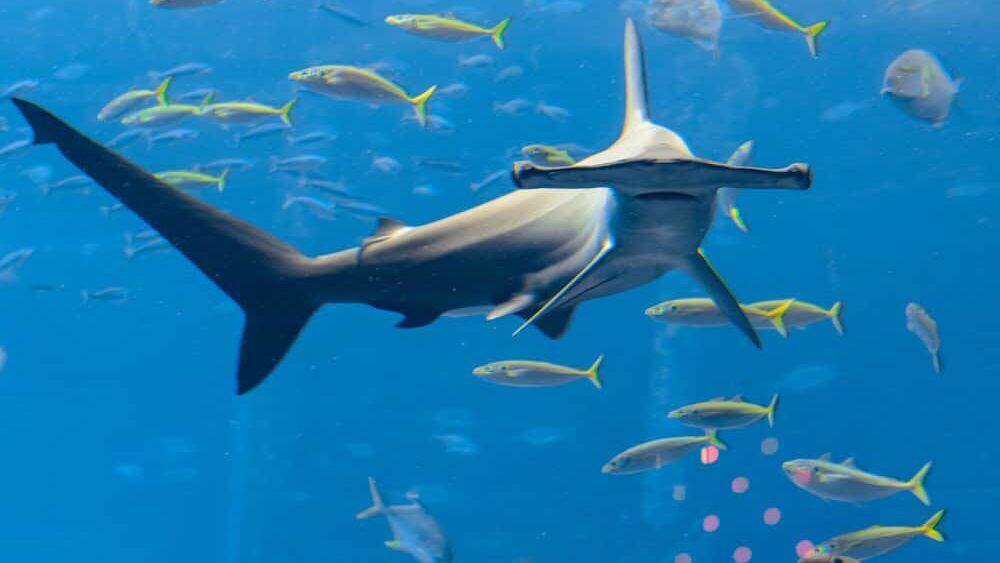
The Great Hammerhead (Sphyrna mokarran) stands out as one of the ocean’s most distinctive and warm-water-loving sharks. With its uniquely T-shaped head that can span up to 6 feet across, this impressive predator strongly prefers tropical and warm temperate waters between 68°F and 86°F (20-30°C). Great Hammerheads typically inhabit continental shelves and the deep waters surrounding oceanic islands, particularly concentrated in regions like the Caribbean, Gulf of Mexico, and coastal areas around northern Australia.
These sharks are highly migratory but remain within warm water boundaries, rarely venturing into areas where temperatures drop below 68°F (20°C). Their preference for warm waters influences not only their geographic distribution but also their behavior, as they tend to move toward shallower coastal areas during warmer seasons. Scientists have noted that Great Hammerheads are particularly sensitive to temperature changes, which makes them potentially vulnerable to climate shifts that might disrupt their preferred thermal ranges.
Tiger Shark: Warm Water Hunter

The Tiger Shark (Galeocerdo cuvier) ranks among the most formidable predators in warm seas worldwide. These powerful sharks prefer water temperatures between 70°F and 85°F (21-29°C), making tropical and subtropical regions their ideal habitat. Named for the distinctive dark stripes adorning juveniles (which often fade as they mature), Tiger Sharks are commonly found throughout the Caribbean, along the Gulf of Mexico, around Pacific islands, and in the waters of northern Australia and Southeast Asia.
Unlike some warm-water specialists, Tiger Sharks display remarkable adaptability and can occasionally venture into cooler waters during seasonal migrations, though they consistently return to warmer regions. Their temperature preference influences their feeding behavior, with peak hunting activity occurring in warm water conditions. Research has shown that Tiger Sharks are most active when water temperatures reach the upper end of their preferred range, which may explain their notorious reputation as opportunistic feeders in tropical beach areas during warmer months.
Blacktip Reef Shark: Coral Reef Dweller

The Blacktip Reef Shark (Carcharhinus melanopterus) is a quintessential warm-water species intimately associated with tropical coral reef ecosystems. Easily identified by the prominent black tips on its fins (especially the dorsal and pectoral fins), this medium-sized shark thrives in waters ranging from 70°F to 86°F (21-30°C). Blacktip Reef Sharks are abundant throughout the Indo-Pacific region, Red Sea, and parts of the eastern Mediterranean, where they typically inhabit shallow, warm waters around coral reefs, often in depths less than 100 feet (30 meters).
These sharks display strong site fidelity, meaning they tend to remain within relatively small home ranges in their preferred warm habitats rather than undertaking extensive migrations. Their temperature sensitivity is so pronounced that even minor cooling events can trigger behavioral changes. During seasonal temperature fluctuations, Blacktip Reef Sharks may adjust their depth preferences, moving to slightly deeper waters when surface temperatures exceed their comfort range, but always remaining within the warm water envelope that supports their physiological needs and the diverse reef ecosystems they depend upon.
Lemon Shark: Subtropical Cruiser

The Lemon Shark (Negaprion brevirostris), named for its yellowish-brown coloration, shows a strong preference for warm waters ranging from 70°F to 80°F (21-27°C). These substantial predators, growing up to 10 feet long, primarily inhabit subtropical and tropical coastal waters of the Atlantic and Eastern Pacific Oceans, with notable populations around Florida, the Bahamas, and the Caribbean. Lemon Sharks particularly favor mangrove-fringed shorelines, sandy flats, and coral reef environments where warmer temperatures prevail year-round.
Temperature plays a crucial role in the Lemon Shark’s life cycle, especially during reproduction. Research conducted in Bimini, Bahamas, has shown that female Lemon Sharks specifically seek out warm, shallow nursery areas with temperatures between 77°F and 81°F (25-27°C) to give birth. These thermal preferences directly influence their distribution patterns, with documented seasonal movements corresponding to water temperature changes. When coastal waters cool below their comfort threshold, Lemon Sharks typically migrate to maintain their position within their preferred thermal range rather than adapting to cooler conditions.
Bull Shark: Warm Water Versatility
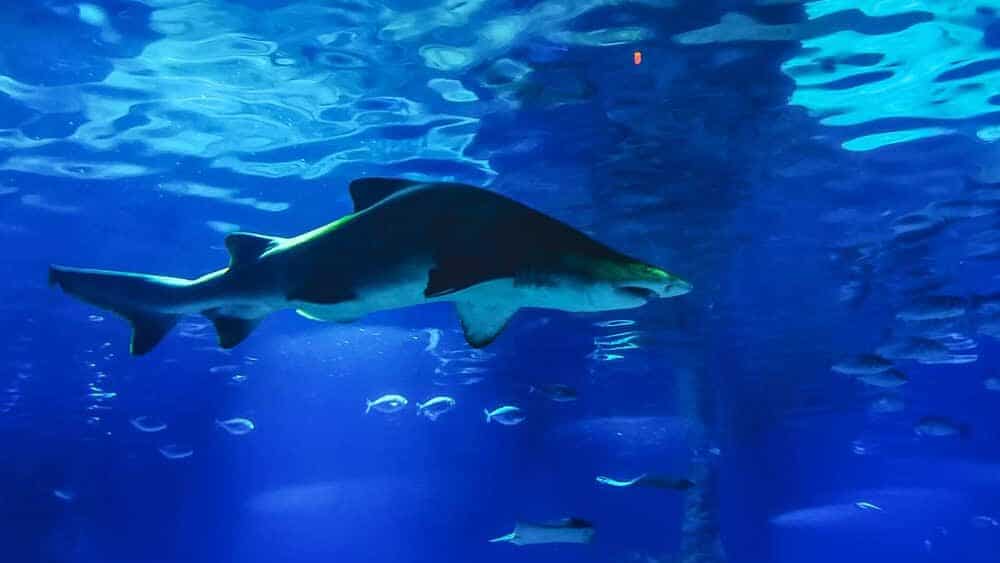
The Bull Shark (Carcharhinus leucas) demonstrates a remarkable preference for warm waters while displaying extraordinary environmental adaptability. These powerful predators typically favor temperatures between 68°F and 82°F (20-28°C) and are commonly found in tropical and subtropical coastal regions worldwide. What sets Bull Sharks apart from many other warm-water species is their unique physiological ability to regulate salt and water balance in their bodies, allowing them to venture from saltwater into brackish estuaries and even freshwater river systems, provided these waters remain relatively warm.
Their temperature preference influences their global distribution, with significant populations in the Gulf of Mexico, along the eastern coast of North America (particularly Florida), throughout the Caribbean, and in similar warm-water regions around Australia, Africa, and Central America. Research has documented that Bull Sharks are highly responsive to seasonal temperature changes, often undertaking migrations to maintain their position within their thermal comfort zone. This warm-water preference combined with their tolerance for various salinity levels makes them one of the few shark species regularly encountered in warm coastal, estuarine, and riverine environments, sometimes hundreds of miles inland from the ocean.
Oceanic Whitetip: Open Ocean Warmth-Seeker
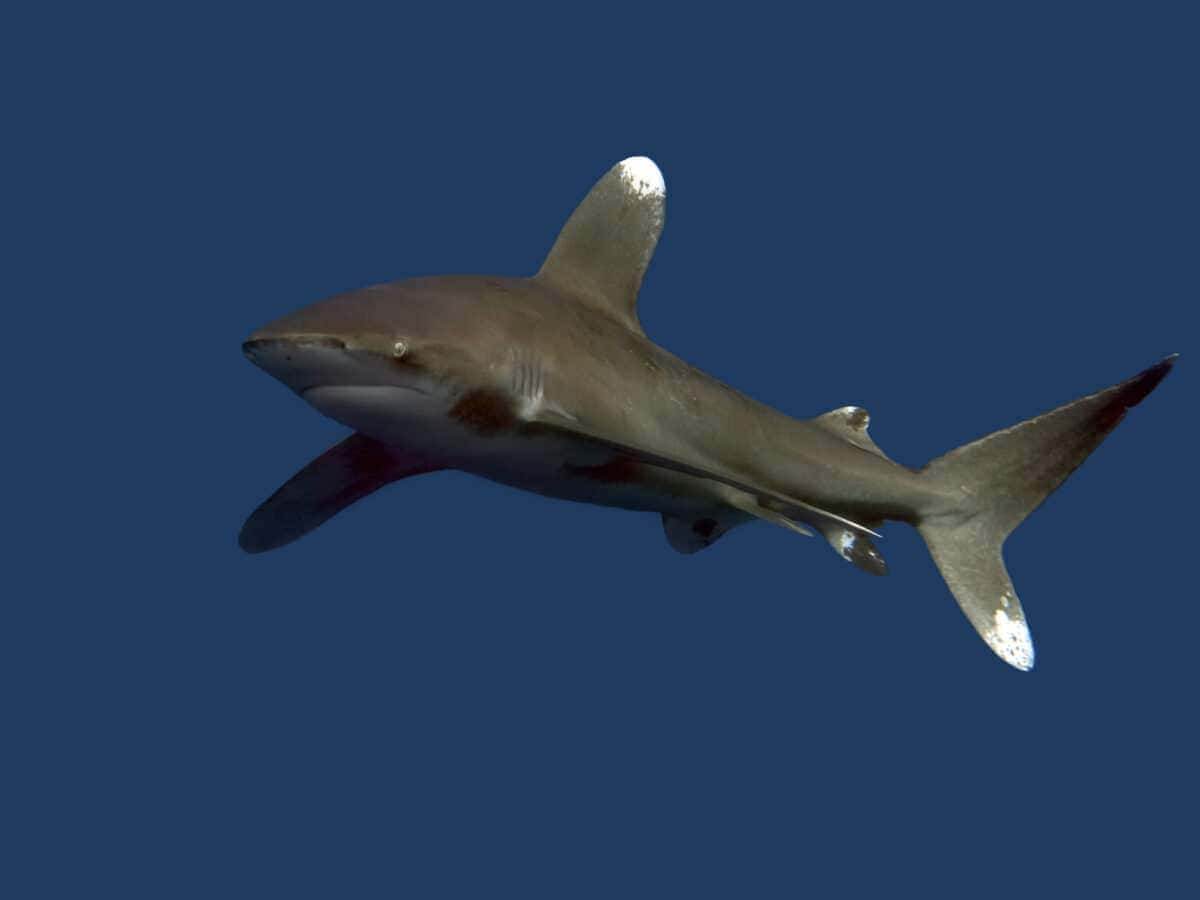
The Oceanic Whitetip Shark (Carcharhinus longimanus) is a distinctive pelagic species with a strong preference for warm, tropical, and subtropical waters. These sharks favor surface waters with temperatures between 68°F and 82°F (20-28°C), rarely venturing below the thermocline into cooler depths. Once described by Jacques Cousteau as “the most dangerous of all sharks,” Oceanic Whitetips are characterized by their rounded white-tipped fins and bronzy-brown coloration, adaptations perfectly suited for life in the open, warm waters of all major oceans.
Unlike coastal warm-water sharks, Oceanic Whitetips spend most of their lives in the epipelagic zone (the upper layer of the open ocean) where warm currents prevail. Satellite tracking studies have revealed that these sharks carefully navigate ocean currents to remain within their preferred temperature range, often following warm oceanic fronts and eddies. Their distribution has been significantly affected by warming ocean temperatures, with some populations showing distribution shifts as they track their preferred thermal habitat. Unfortunately, this same preference for warm surface waters has made them particularly vulnerable to industrial fishing practices, contributing to an estimated 98% population decline in some regions.
Nurse Shark: Tropical Bottom-Dweller
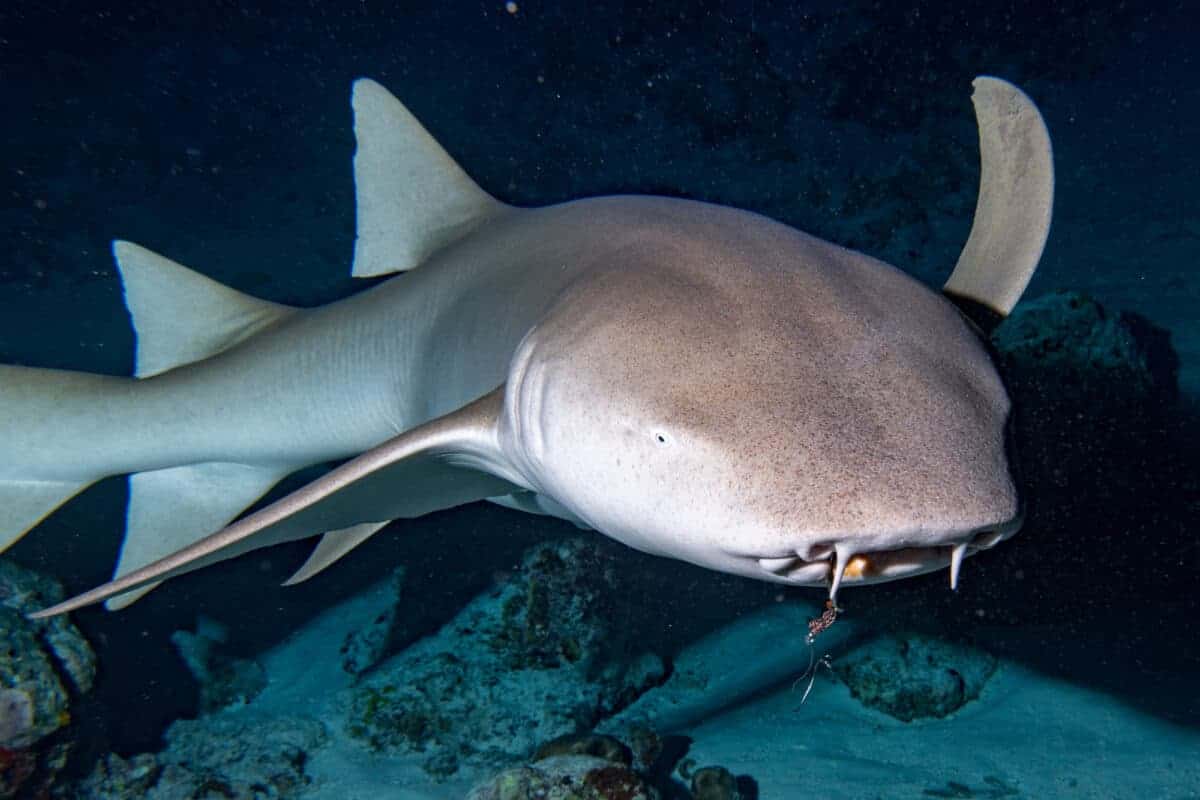
The Nurse Shark (Ginglymostoma cirratum) exemplifies a warm-water specialist perfectly adapted to tropical and subtropical environments. These distinctive sharks, known for their docile nature and nocturnal habits, strongly prefer waters ranging from 70°F to 85°F (21-29°C). Nurse Sharks inhabit the continental and insular shelves of the western Atlantic Ocean (from Rhode Island to southern Brazil), the eastern Atlantic along the African coast, and the eastern Pacific from Baja California to Peru, always remaining within their warm-water comfort zone.
Their temperature preference influences not just their geographic distribution but also their behavior. During daylight hours, Nurse Sharks often congregate in large groups, resting motionless in warm, shallow caves, under coral ledges, or on sandy bottoms. This behavior is directly linked to their warm-water physiology, as these environments maintain stable temperatures that support their metabolic needs. Unlike some shark species that undertake extensive temperature-driven migrations, Nurse Sharks typically maintain relatively small home ranges within warm-water ecosystems, moving only short distances between daytime resting sites and nighttime feeding grounds as long as water temperatures remain within their preferred range.
Whale Shark: Tropical Giant
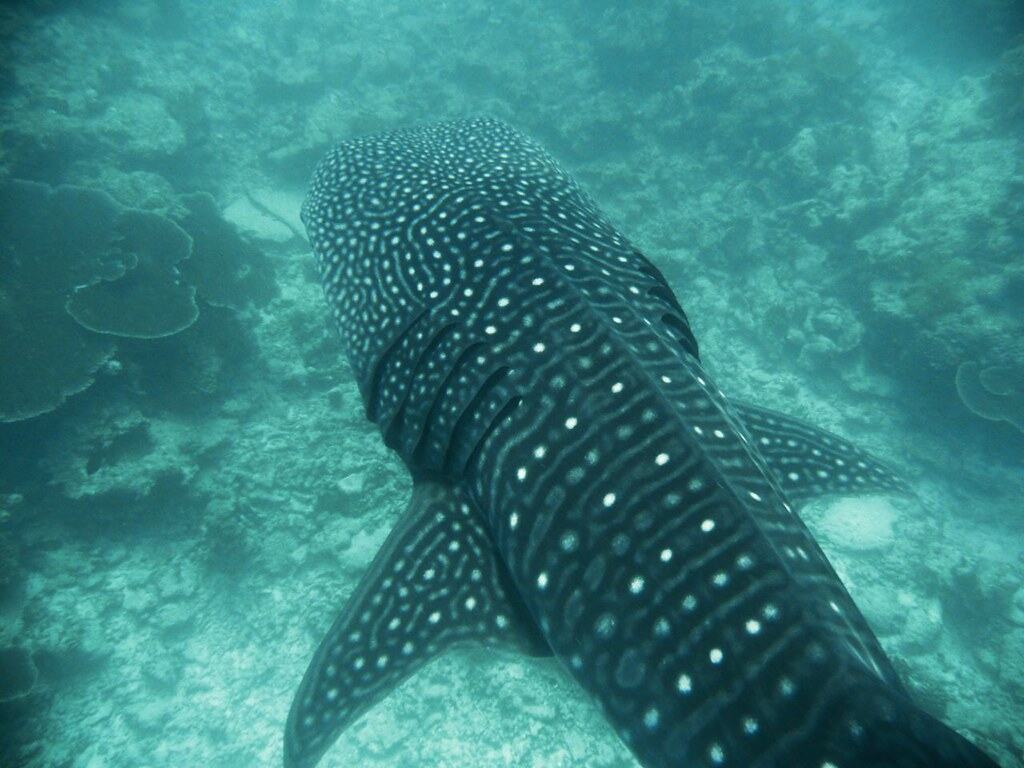
The Whale Shark (Rhincodon typus), Earth’s largest fish, demonstrates a clear preference for warm tropical and subtropical waters between 70°F and 86°F (21-30°C). Despite their massive size—reaching lengths of up to 40 feet (12 meters)—these gentle filter-feeders are strictly warm-water specialists, found throughout the world’s tropical oceans. Their distribution closely follows the 70°F (21°C) isotherm, creating a circumglobal band approximately 30° north and south of the equator, with notable aggregation sites in areas like the Ningaloo Reef in Australia, Isla Mujeres in Mexico, and the Gulf of Tadjoura in Djibouti.
Satellite tracking studies have revealed that Whale Sharks undertake some of the most extensive migrations of any shark species, yet consistently remain within their preferred warm-water envelope. Their movements often correlate with seasonal plankton blooms and water temperature fluctuations, demonstrating how their feeding ecology is intrinsically linked to warm-water productivity. Interestingly, these sharks exhibit a unique behavior called “thermal diving,” where they briefly descend into cooler, deeper waters before returning to warm surface layers—a pattern researchers believe may help regulate their body temperature while allowing them to feed in plankton-rich deeper zones without remaining in the cooler waters for extended periods.
Mako Shark: Warm-Water Speed Champion

The Shortfin Mako Shark (Isurus oxyrinchus) represents a fascinating transition case between warm-water specialists and cold-tolerant species. While typically preferring waters between 65°F and 75°F (18-24°C), these sharks possess a unique physiological adaptation called regional endothermy that allows them to maintain core body temperatures significantly warmer than the surrounding water. This makes them “warm-bodied” rather than strictly cold-blooded, enabling brief excursions into cooler waters while maintaining a general preference for warm temperate and tropical seas.
Known as the fastest sharks in the ocean, capable of bursts exceeding 45 mph (72 km/h), Makos inhabit offshore waters worldwide, with particular concentrations in warm temperate regions like the Mediterranean Sea, Gulf of Mexico, and waters around New Zealand and southern Australia. Their warm-water preference is reflected in their seasonal migration patterns, as they typically move toward the equator during winter months and toward the poles in summer, always maintaining position within their optimal temperature range. This warm-water affinity combined with their partial endothermy creates a perfect balance that supports their high-energy hunting style while still keeping them primarily within warmer oceanic regions.
Greenland Shark: Arctic Specialist
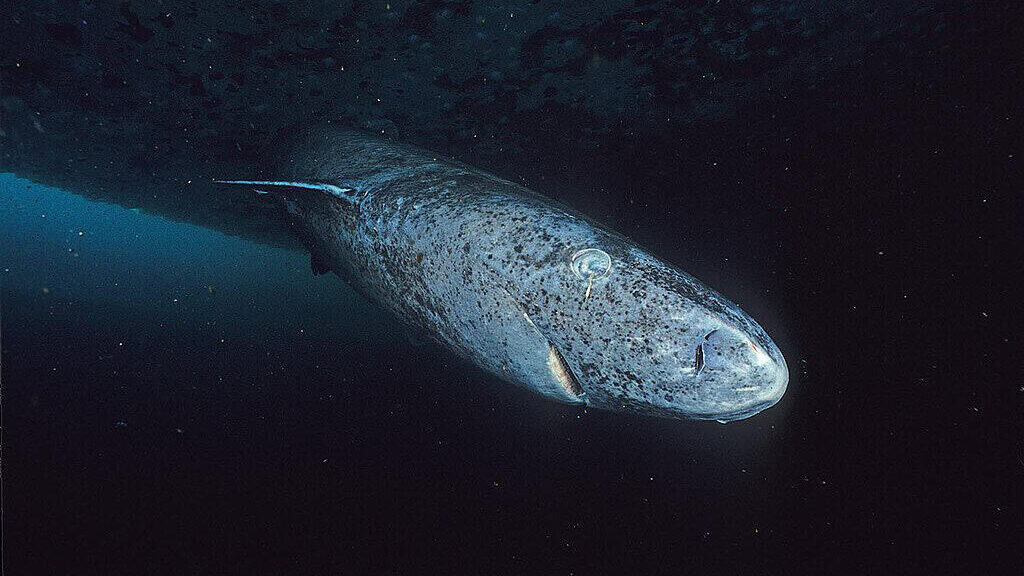
The Greenland Shark (Somniosus microcephalus) stands as the quintessential cold-water specialist, thriving in the frigid Arctic and subarctic waters of the North Atlantic. These remarkable creatures prefer temperatures between 28°F and 44°F (-2°C to 7°C) and are frequently found in waters hovering just above freezing. Their bodies contain natural antifreeze compounds (trimethylamine N-oxide) that prevent their tissues from crystallizing in sub-zero environments, allowing them to inhabit depths greater than 7,200 feet (2,200 meters) where temperatures remain consistently cold.
What makes Greenland Sharks particularly fascinating is their extreme longevity, with some individuals estimated to live beyond 400 years, making them the longest-lived vertebrates on Earth. This exceptional lifespan appears directly connected to their cold-water lifestyle, as the frigid temperatures dramatically slow their metabolism and growth rate—they grow less than one centimeter per year. Unlike warm-water sharks that must constantly swim to breathe, Greenland Sharks move slowly through their icy realm at speeds rarely exceeding 1.7 mph (2.7 km/h), a pace perfectly suited to conserving energy in their cold, food-scarce environment where they opportunistically feed on fish, seals, and even reindeer that fall through ice.
Pacific Sleeper Shark: Cold-Water Giant

The Pacific Sleeper Shark (Somniosus pacificus) exemplifies cold-water adaptation, preferring temperatures between 34°F and 48°F (1-9°C). These massive predators, which can reach lengths of 20 feet (6 meters), inhabit the cold, deep waters of the North Pacific Ocean, ranging from Japan and the Bering Sea to California and Mexico at depths often exceeding 6,500 feet (2,000 meters). Their physiology is specifically adapted to these frigid conditions, with specialized enzymes that function optimally at low temperatures and high pressures that would incapacitate warm-water species.
Like their Arctic relatives, Pacific Sleeper Sharks move slowly through their cold domain, conserving energy in an environment where food can be scarce and metabolic processes are naturally slowed by the cold. Their diet reflects their deep, cold-water habitat, consisting primarily of fish, squid, and marine mammals, with evidence suggesting they may be active scavengers on whale falls in the lightless depths. Research using submersibles has shown these sharks display remarkable cold tolerance, remaining active even when water temperatures approach freezing, a capability that gives them exclusive access to food resources in thermal ranges inaccessible to most other large marine predators.
Great White Shark: Cold-Water Adaptability

The Great White Shark (Carcharodon carcharias) demonstrates remarkable cold-water adaptability despite not being exclusively a cold-water specialist. While capable of inhabiting waters between 54°F and 75°F (12-24°C), they frequently venture into significantly colder regions, particularly around seal colonies in places like South Africa, Australia, California, and notably the frigid waters surrounding Seal Island in False Bay. What enables Great Whites to thrive in colder waters is a specialized physiological adaptation called the rete mirabile—a complex network of blood vessels that functions as a countercurrent heat exchanger, allowing them to maintain core body temperatures up to 25°F (14°C) warmer than the surrounding water.
This partial endothermy gives Great Whites a significant advantage in cold-water hunting grounds, enabling them to remain active predators where purely ectothermic sharks would become sluggish. Satellite tracking studies have revealed that Great Whites undertake extensive migrations between warmer and colder waters, with some individuals documented traveling from Australia to the cold waters of the Great Australian Bight, or from California to an area in the mid-Pacific known as the “White Shark Café” where temperatures drop significantly. This thermal versatility makes them one of the most widely distributed shark species, found in coastal waters of all major oceans, though they remain most abundant in cooler, temperate seas where their prey species concentrate.
Porbeagle: North Atlantic Cold-Water Hunter

The Porbeagle Shark (Lamna nasus) stands as one of the Northern Hemisphere’s most cold-adapted shark species, thriving in water temperatures between 37°F and 61°F (3-16°C). These streamlined predators inhabit cold temperate and boreal waters of the North Atlantic, with substantial populations around Nova Scotia, New England, Iceland, and the British Isles. Similar to other members of the mackerel shark family (Lamnidae), the Porbeagle exhibits regional endothermy, allowing it to maintain a body temperature higher than the surrounding water. This adaptation enhances its muscle efficiency and hunting ability in cold environments. The species is known for its powerful, torpedo-shaped body and large, keeled tail, enabling bursts of speed when chasing prey such as mackerel, herring, and squid. Although primarily found in offshore waters, Porbeagles occasionally venture closer to coastal areas, especially during the summer months when prey is abundant.

- This Tiny Insect Can Survive in Outer Space—Here’s How - July 21, 2026
- Could the Tasmanian Tiger Be Brought Back to Life? - July 21, 2026
- Why You Should Never Approach a Sleeping Hippo - July 21, 2026