
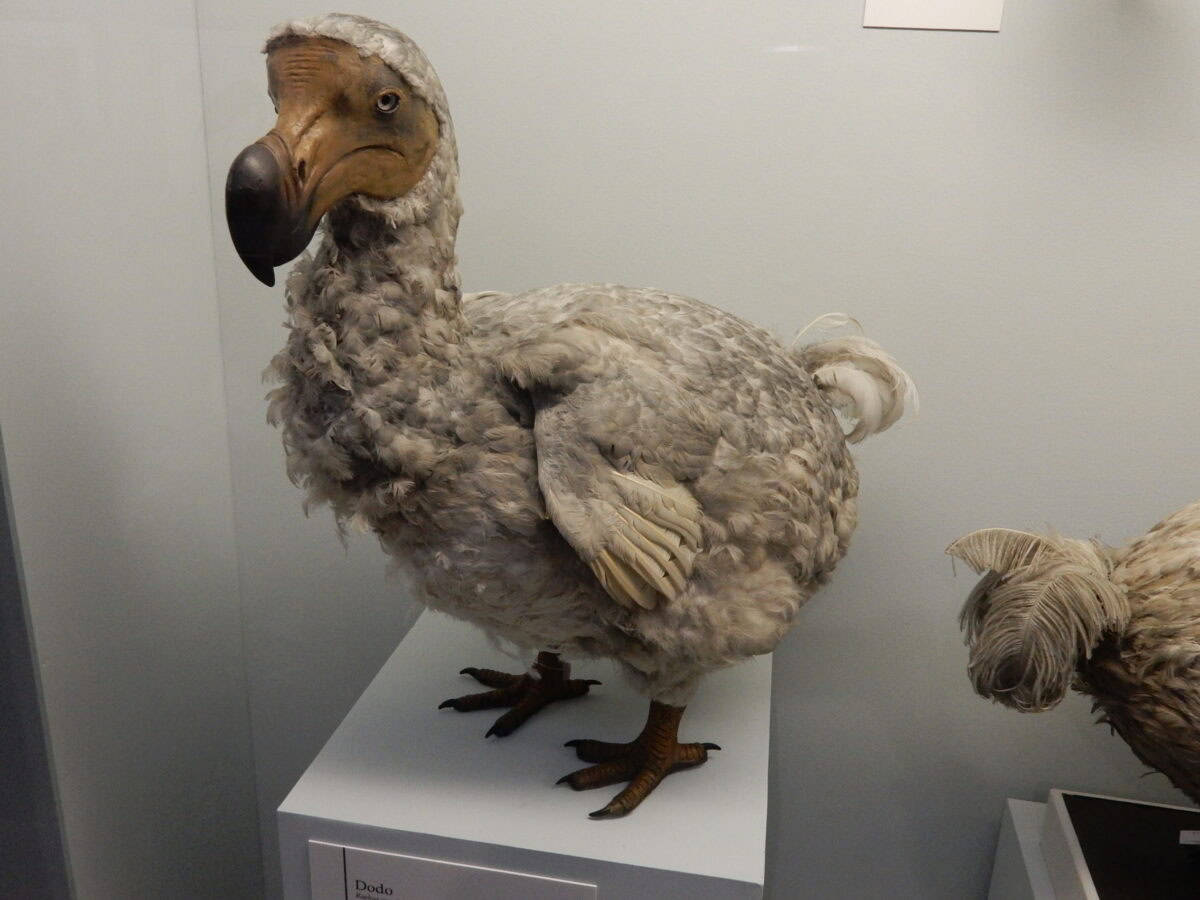
In the misty forests of Mauritius, a flightless bird once waddled, unaware that its name would become synonymous with extinction. The dodo—Raphus cucullatus—vanished from Earth around 1662, less than a century after Dutch sailors first encountered it. Today, this awkward-looking creature has become the poster child for human-caused extinction and a powerful symbol of our capacity to eradicate entire species. But what if we could turn back time? Recent advances in genetic technology have made the once-impossible notion of de-extinction increasingly plausible. As scientists inch closer to potentially reviving the dodo, we face profound scientific, ethical, and philosophical questions. Can we actually bring back the dodo? And perhaps more importantly—should we?
The Dodo’s Tragic History
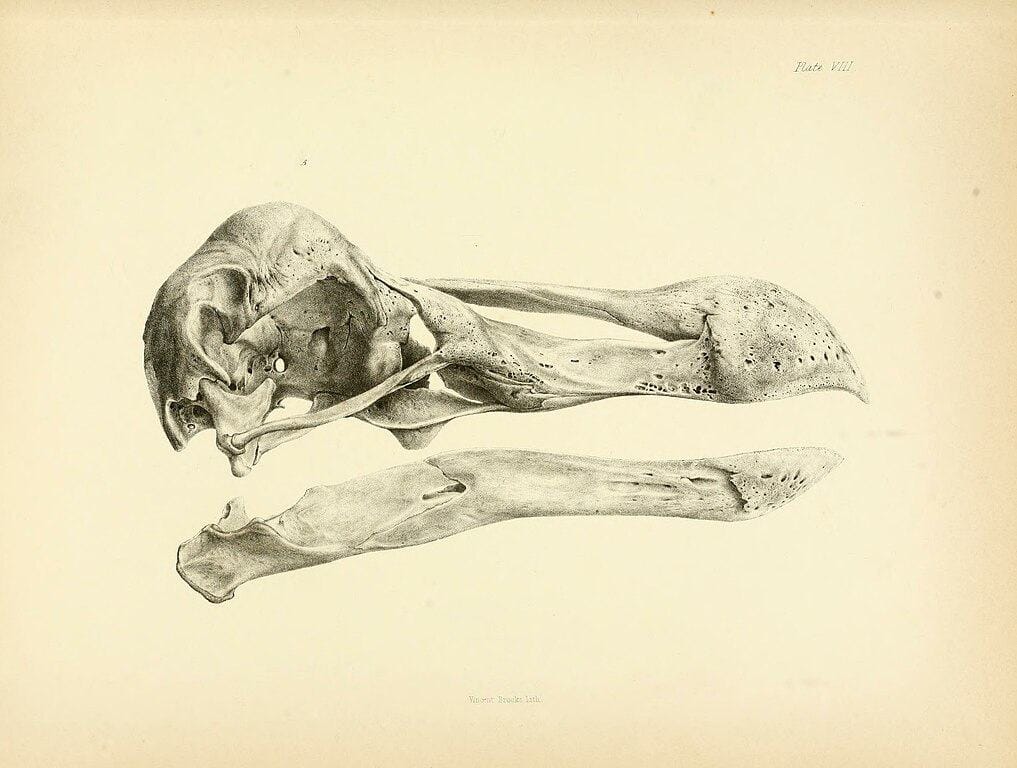
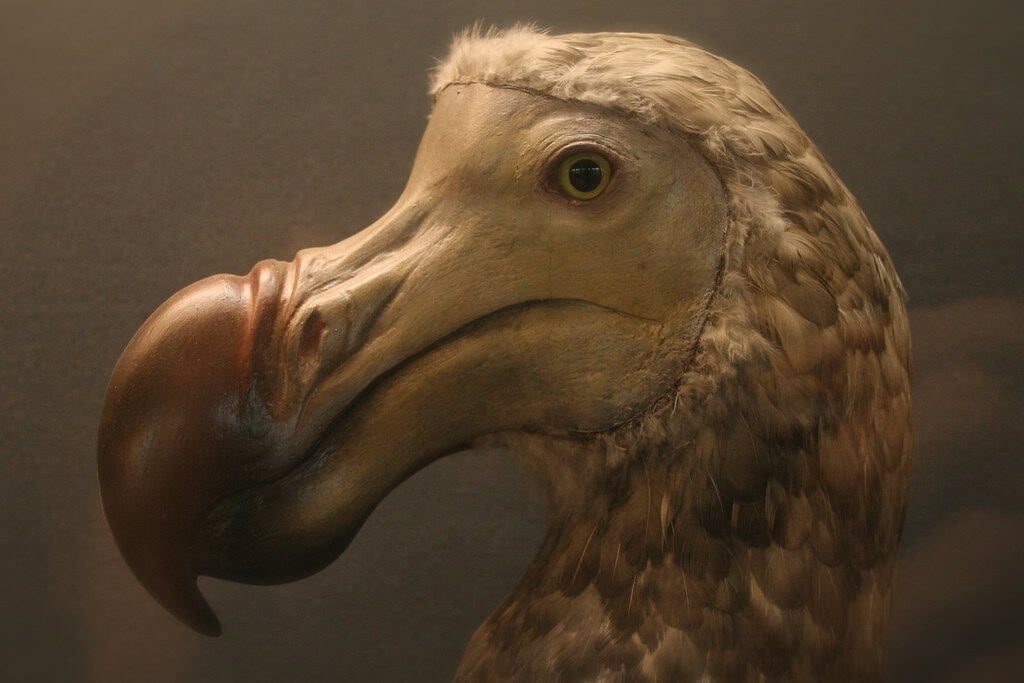
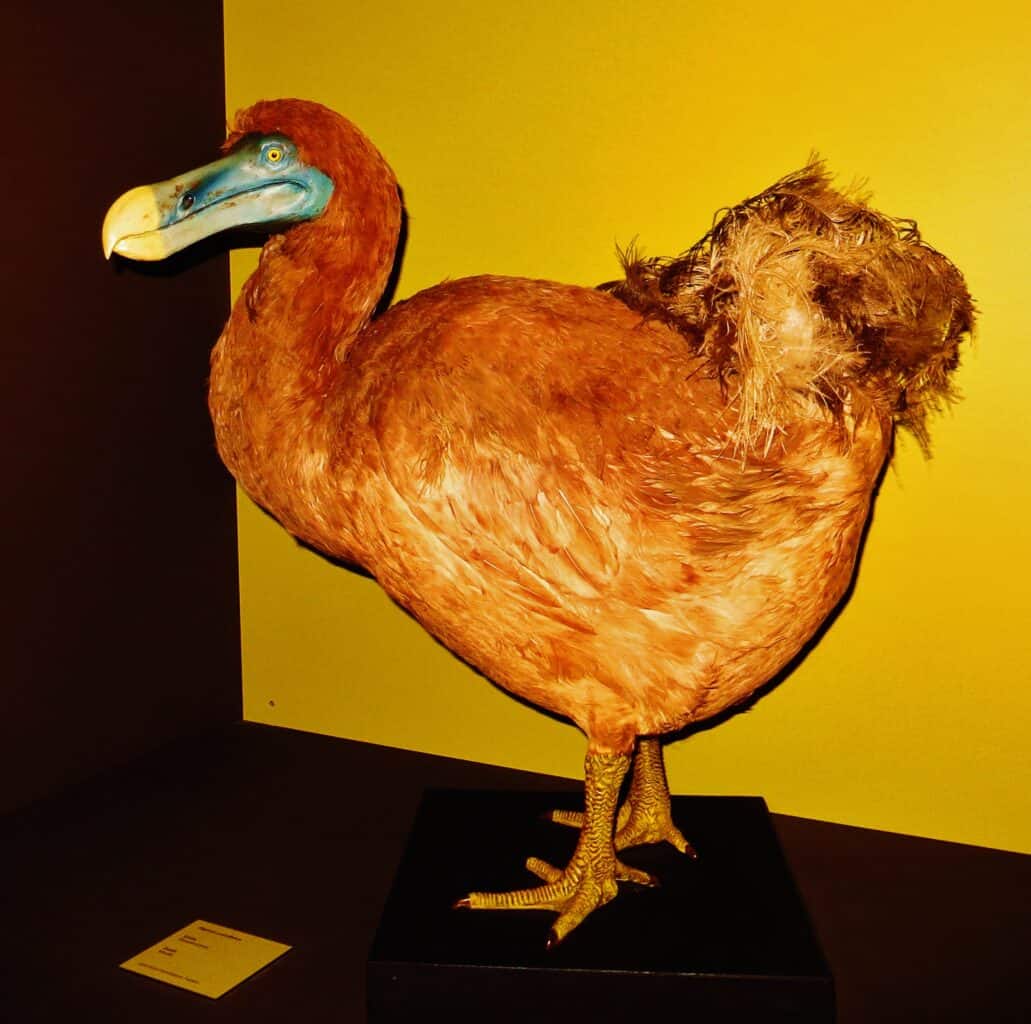
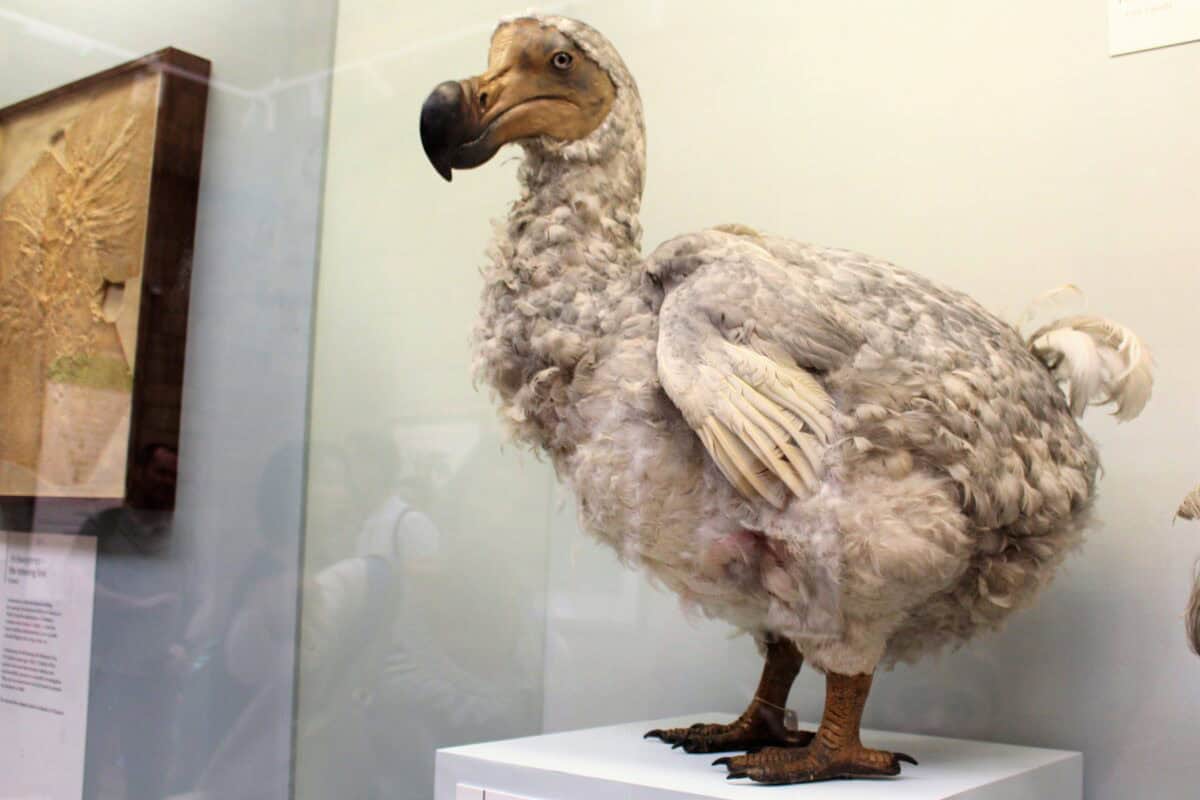
The dodo evolved in isolation on Mauritius, an island east of Madagascar in the Indian Ocean. Without natural predators, it lost its ability to fly and developed a fearless demeanor that would ultimately contribute to its downfall. Standing about three feet tall and weighing 20-40 pounds, the dodo had a large hooked beak, small wings, stout legs, and brownish-gray plumage. For thousands of years, it thrived in the island’s ecosystem, playing a vital role in forest regeneration by consuming and dispersing fruit seeds.
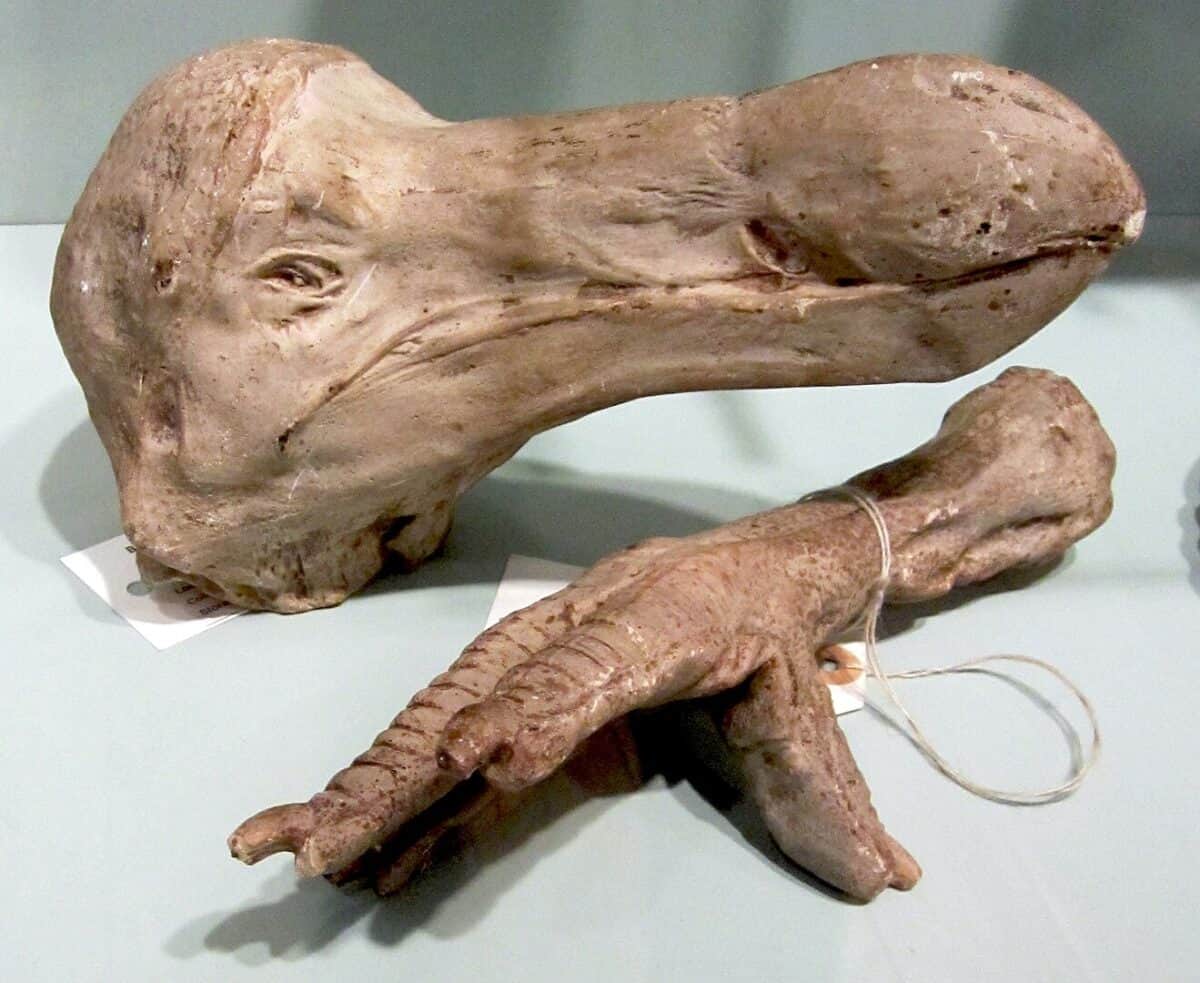
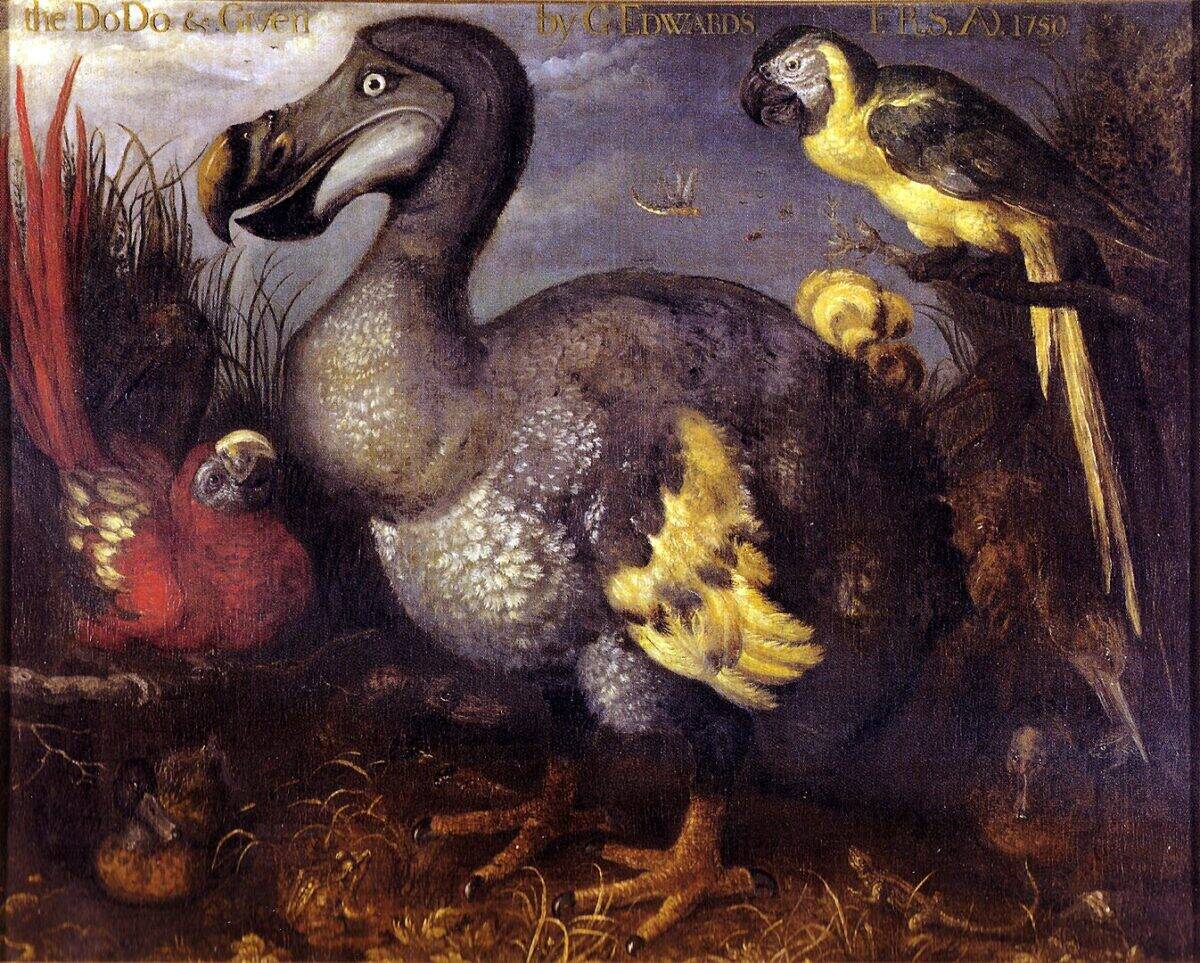
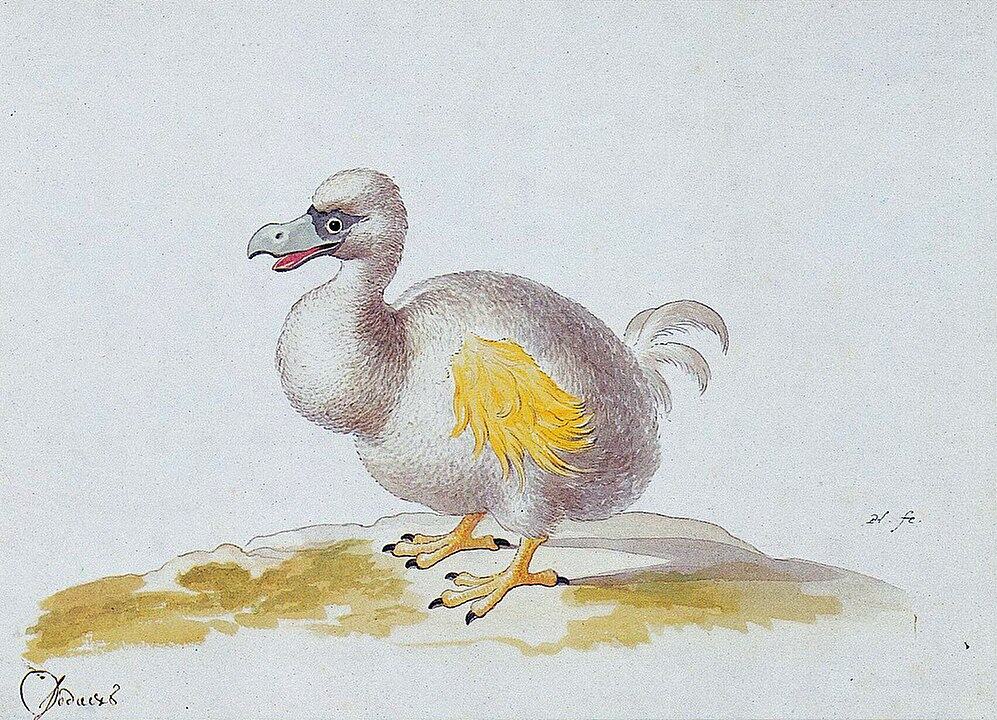
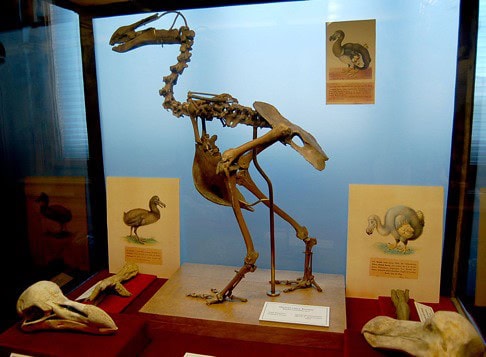
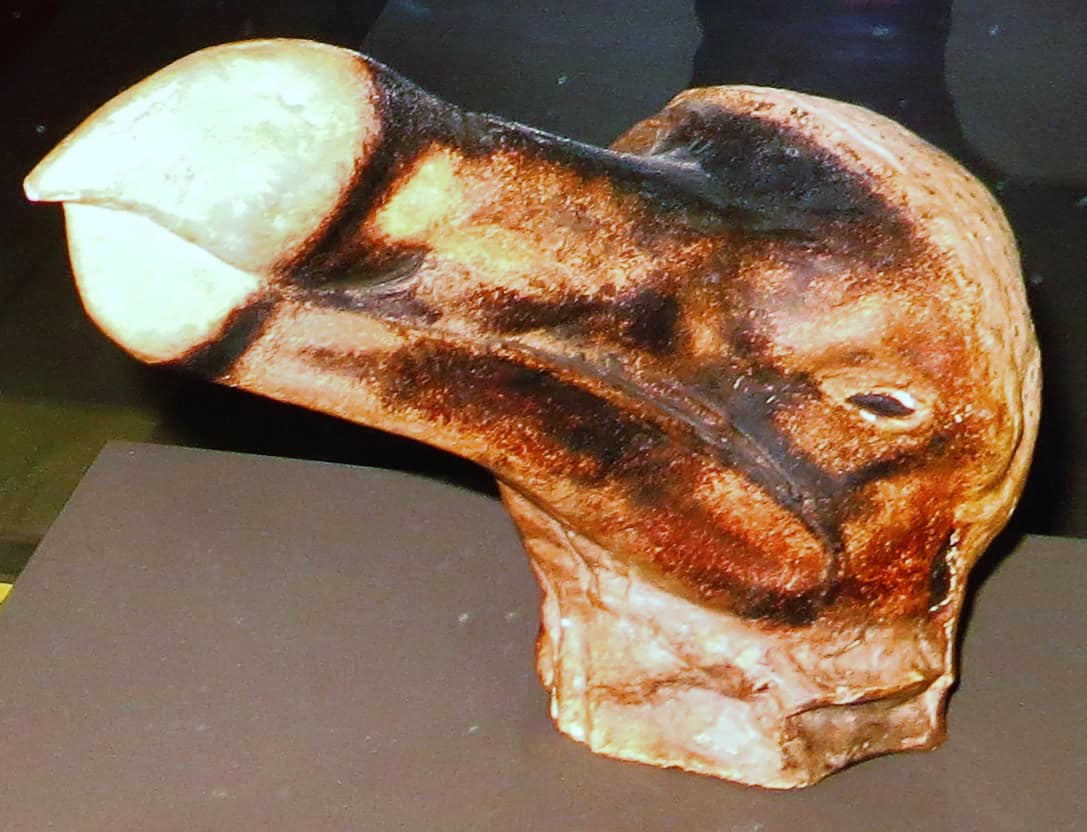
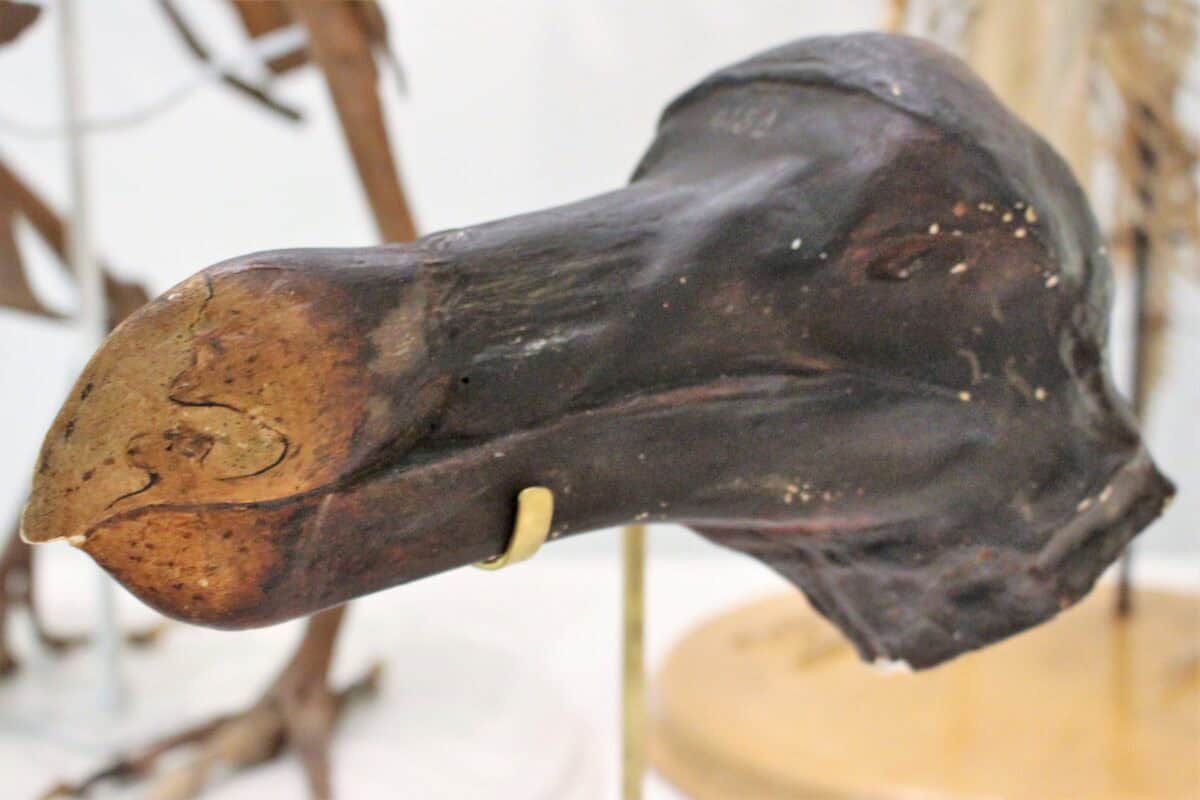
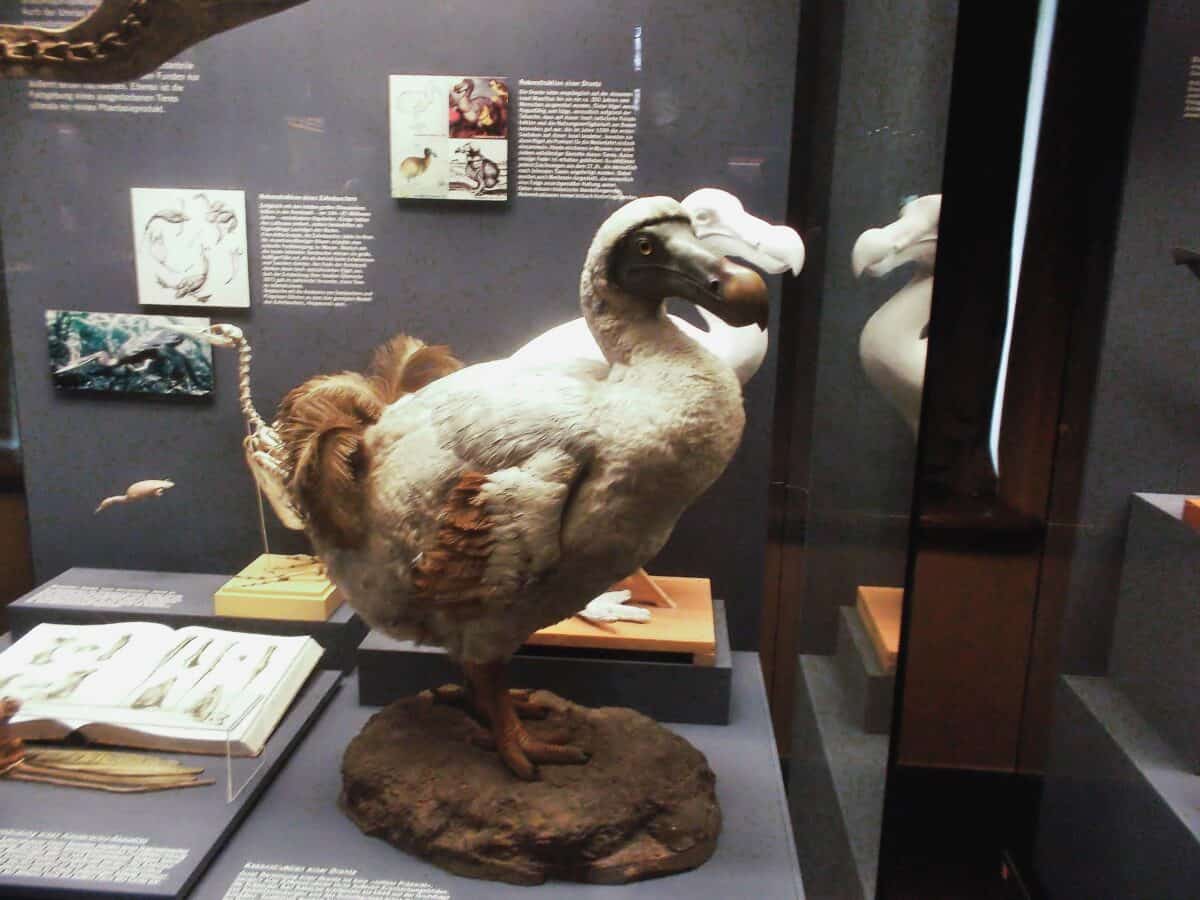
When Dutch sailors arrived on Mauritius in 1598, they found the dodo easy prey—it couldn’t fly away and showed no fear of humans. Within decades, the combined threats of hunting, introduced predators like rats and pigs, and habitat destruction drove the species to extinction. The last confirmed dodo sighting occurred in 1662, though the exact date of the final bird’s death remains unknown. No complete dodo specimens exist today; our understanding comes from a handful of bones, preserved parts, contemporary accounts, and paintings of varying accuracy.
The Science of De-extinction

De-extinction refers to the process of reviving extinct species using genetic material and reproductive technologies. Several approaches exist, with the most promising for the dodo being genetic engineering. This would involve extracting DNA fragments from preserved dodo remains, sequencing this genetic material, and comparing it with the genome of the dodo’s closest living relative—the Nicobar pigeon. Scientists would then edit the pigeon’s genome to match the dodo’s as closely as possible, effectively trying to “reverse-engineer” a dodo.
The edited cells would then be transformed into reproductive cells and implanted into a surrogate parent—likely a large pigeon species—which would give birth to a dodo-like bird. Each successive generation could be further edited to become more “dodo-like” until scientists create a creature that genetically and physically resembles the extinct bird. While this wouldn’t create a perfect genetic match to the original dodo, it would produce an animal functionally similar to the extinct species—what scientists call a “proxy” or “ecological replacement.”
Colossal Biosciences’ Dodo Project
In January 2023, Colossal Biosciences—a biotechnology company already working on reviving the woolly mammoth and the thylacine (Tasmanian tiger)—announced its intention to resurrect the dodo. With $150 million in funding, the company assembled a team of geneticists, paleontologists, and conservation biologists to tackle the challenge. Beth Shapiro, an evolutionary molecular biologist who successfully sequenced the dodo genome in 2022, leads the scientific team. This breakthrough provided the genetic blueprint necessary to pursue de-extinction.
Colossal’s approach involves using CRISPR gene-editing technology to modify the Nicobar pigeon’s genome, gradually transforming it into something resembling a dodo. The company estimates that a dodo proxy could be created within the next decade, though many scientists consider this timeline optimistic given the technological challenges involved. While some dismiss the project as a publicity stunt or misguided venture, others see it as pushing the boundaries of conservation science in necessary ways. Regardless of one’s position, Colossal’s dodo project represents the most concerted effort yet to revive an extinct bird species.
Technical Challenges of Reviving the Dodo
Despite recent advances, numerous technical hurdles stand between current capabilities and a living, breathing dodo-like bird. First, the DNA extracted from preserved dodo specimens is highly fragmented and degraded after centuries, making genome reconstruction difficult. Though scientists have sequenced the dodo genome, gaps and uncertainties remain. Second, transforming the edited genome into a living organism requires mastering complex reproductive technologies that haven’t yet been perfected for birds, which have fundamentally different reproductive systems than mammals.
Additionally, even if scientists create a bird with dodo DNA, it would lack the gut microbiome, learned behaviors, and cultural knowledge of the original species. These non-genetic aspects of an animal’s identity can’t be recreated from DNA alone. The dodo evolved over millions of years in Mauritius’ specific environment—its behavior, diet preferences, and survival strategies were shaped by both genetics and environment. A lab-created dodo would be genetically similar but behaviorally naïve, raising questions about whether the result would truly be a “dodo” in any meaningful sense beyond its genetic makeup.
Ecological Considerations

Proponents of dodo de-extinction often cite ecological restoration as a primary motivation. The dodo played a crucial role in Mauritius’ ecosystem, particularly in seed dispersal. Some plant species, like the tambalacoque tree (Sideroxylon grandiflorum), allegedly declined after the dodo’s extinction because their seeds required passage through the bird’s digestive tract to germinate—though this specific claim remains debated. Regardless, the dodo’s disappearance undoubtedly disrupted ecological relationships that had evolved over millennia.
However, contemporary Mauritius bears little resemblance to the island the dodo knew. Extensive deforestation, urban development, and the introduction of numerous non-native species have transformed the ecosystem. Any reintroduced dodo would enter an environment substantially different from its original habitat, raising questions about its ecological role and survival prospects. Would a revived dodo help restore ecological balance, or would it become an anomaly in a fundamentally altered ecosystem? Some scientists suggest that conservation resources might be better directed toward protecting remaining habitat and preventing further extinctions rather than trying to reverse past losses.
Ethical Dimensions of De-extinction
The ethics of de-extinction spark passionate debate among scientists, conservationists, and ethicists. Some argue that humanity has a moral obligation to restore species we’ve driven to extinction—a form of ecological atonement. Since humans directly caused the dodo’s demise, we might bear responsibility for reversing that loss if technology allows. Others contend that creating an animal destined for a life in captivity or an altered habitat raises welfare concerns, particularly for a species that never evolved to live under such conditions.
There are also broader philosophical questions about the meaning of extinction itself. If extinction becomes potentially reversible, does that change how we value existing species? Might the possibility of de-extinction reduce urgency around preventing extinctions happening now? Critics worry that de-extinction projects could divert attention and resources from pressing conservation needs, creating a false sense that extinction isn’t permanent and therefore less concerning. The ethics extend beyond the animal itself to questions about ecosystem manipulation, resource allocation, and humanity’s relationship with the natural world.
Alternatives to Full De-extinction
Full genetic de-extinction isn’t the only way to address the dodo’s legacy. Some scientists propose more modest interventions that could fulfill similar ecological or cultural objectives. Ecological replacement—introducing a living species that can fill the dodo’s former ecological niche—offers one alternative. Various large pigeon species could potentially serve this function in Mauritius’ forests, helping restore seed dispersal patterns without requiring genetic engineering.
Others suggest focusing on “genetic rescue” of endangered species rather than reviving extinct ones. Techniques developed in pursuit of de-extinction could help preserve genetic diversity in declining populations, potentially preventing extinctions before they occur. Another alternative involves creating detailed digital or physical reconstructions of the dodo for educational purposes, preserving its cultural significance without the ethical complications of creating actual living birds. These approaches acknowledge the dodo’s importance while recognizing that complete de-extinction may not be the most effective or ethical path forward.
Public Perception and Cultural Impact
The dodo occupies a unique place in the public imagination. Its name has become shorthand for extinction and obsolescence—”dead as a dodo” entered common parlance for good reason. From Lewis Carroll’s Alice’s Adventures in Wonderland to countless cartoons and cultural references, the dodo has transcended its biological reality to become a powerful symbol. This cultural significance undoubtedly contributes to the appeal of bringing it back. The public reaction to de-extinction efforts reveals how deeply extinction affects us emotionally and culturally.
Surveys show public opinion on de-extinction is mixed, with concerns about “playing God” balanced against enthusiasm for rectifying past ecological wrongs. The dodo’s revival would likely generate tremendous public interest and could potentially increase awareness about extinction and conservation generally. However, some conservationists worry that the spectacle of de-extinction might overshadow less flashy but more effective conservation efforts. The way de-extinction is communicated to and understood by the public will significantly influence its ultimate impact on conservation culture and priorities.
Regulatory and Governance Challenges
If scientists succeed in creating a dodo proxy, complex regulatory questions will arise. Under what legal framework would such an organism be governed? Would it be classified as an endangered species, a new species, or something else entirely? Questions of ownership, patenting, and commercialization become particularly relevant when private companies lead de-extinction efforts. If Colossal Biosciences creates a dodo, who “owns” that bird and its descendants? Does a company have the right to patent a recreated version of what was once a naturally occurring species?
International coordination would be essential, particularly regarding potential reintroduction to Mauritius. The Mauritian government would need to develop policies regarding the status, protection, and management of any revived dodos. The Convention on Biological Diversity and other international agreements might require amendments to address de-extinction scenarios. These regulatory challenges highlight how de-extinction pushes the boundaries of existing legal frameworks designed for either conservation of existing species or regulation of genetically modified organisms, but not for organisms that blur the line between extinct natural species and modern biotechnology.
The Cost Factor
De-extinction doesn’t come cheap. Colossal Biosciences has raised over $150 million for its de-extinction projects, with the dodo being just one of several target species. Beyond the initial research and development costs, maintaining a viable population of genetically engineered dodos would require substantial ongoing investment in habitat, care, monitoring, and possibly continued genetic management. Some critics question whether these resources could achieve greater conservation impact if directed toward protecting currently endangered species and habitats.
For perspective, the estimated 40,000 critically endangered species on Earth today could benefit tremendously from even a fraction of the funding devoted to de-extinction. The World Wildlife Fund estimates that effectively protecting existing endangered species would cost approximately $80 billion annually—a substantial sum, but one that highlights the resource allocation questions raised by expensive de-extinction projects. Proponents counter that de-extinction research drives innovation in biotechnology that could eventually benefit conservation broadly, and that public interest in iconic extinct species like the dodo might generate funding that wouldn’t otherwise go to conservation causes.
Learning from Other De-extinction Efforts
The dodo isn’t the first candidate for de-extinction, and examining other attempts provides valuable context. The Pyrenean ibex became extinct in 2000 and was briefly “resurrected” in 2003 when scientists created a clone using preserved cells, though the clone survived only seven minutes due to lung defects. The passenger pigeon, once numbering in the billions across North America before being hunted to extinction by 1914, has been a focus of de-extinction efforts through the “Revive & Restore” project, though progress has been slower than initially hoped.
Projects targeting the woolly mammoth and thylacine face many of the same challenges that dodo de-extinction does—degraded DNA, the need for suitable surrogate species, and questions about ecological context. Each project has advanced scientific understanding while encountering both anticipated and unexpected obstacles. The dodo project benefits from these predecessors’ experiences, particularly regarding realistic timelines and technical approaches. However, the dodo presents unique challenges due to avian reproductive biology being less well-understood than mammalian reproduction, potentially making it more difficult than mammalian de-extinction despite the dodo’s more recent extinction.
The Future of Conservation in a De-extinction Era
Whether or not the dodo successfully returns, de-extinction technology is altering the conservation landscape. Traditional conservation has focused on habitat protection, breeding programs, and threat reduction for existing species. De-extinction introduces a new paradigm—the possibility of reversing extinction rather than merely preventing it. This shift raises profound questions about conservation priorities, methodologies, and goals. Should we focus on maintaining ecological functions even if that means using technology to create proxy species? Or should we concentrate on preserving evolutionary authenticity by protecting naturally evolved species?
Many conservationists advocate for integrating de-extinction technologies into a broader conservation toolkit rather than seeing them as opposing approaches. Genetic technologies developed for de-extinction could help preserve genetic diversity in endangered populations, create disease resistance, or help species adapt to changing conditions. The future of conservation likely lies not in choosing between traditional approaches and biotechnology, but in thoughtfully combining them based on specific conservation goals, ethical considerations, and available resources. The dodo’s potential revival represents not just a single species’ story, but a turning point in humanity’s relationship with extinction itself.
Conclusion: Navigating the Dodo’s Possible Return
The question “Can we bring back the dodo—and should we?” encapsulates the tension between technological capability and ethical responsibility that defines our era. Scientifically, we are approaching the threshold where de-extinction of the dodo becomes plausible, though significant challenges remain. Ethically, the answer is far more nuanced, involving considerations of animal welfare, ecological impact, resource allocation, and our fundamental relationship with nature. The dodo’s potential revival forces us to confront what extinction means in an age where the boundary between the irreversible and the reversible grows increasingly blurred.
Perhaps the most valuable outcome of the dodo de-extinction effort isn’t the potential creation of a living dodo-like bird, but the conversations it provokes about our responsibilities toward the natural world. As we contemplate resurrecting species from the past, we must simultaneously strengthen our commitment to protecting biodiversity in the present and future. The dodo’s legacy—whether it remains a powerful symbol of extinction or becomes a pioneering example of de-extinction—will continue to shape humanity’s evolving understanding of our impact on Earth’s life forms and our capacity to both destroy and potentially restore the wonders of nature.

- Why You Shouldn’t Chase Butterflies With Nets - July 22, 2026
- The Animal Kingdom’s Best Dads Ranked - July 22, 2026
- The Most Vulnerable Fish Species in U.S. Rivers Today - July 22, 2026