

Cats, those enigmatic creatures of grace and mystery, have lived alongside humans for thousands of years. Yet despite this long partnership, many cat owners find themselves wondering exactly what goes on in their feline friend’s mind. Do they truly appreciate us, or merely tolerate our presence? Understanding your cat’s perspective can strengthen your bond and improve your relationship. This comprehensive guide delves into the aspects of your behavior and care that genuinely delight your cat, as well as those that might secretly frustrate them—even if they’re too polite (or strategic) to let you know.
The Affectionate Provider: Food Routines Your Cat Adores

Perhaps the most obvious way to your cat’s heart is through their stomach. Cats are creatures of habit who thrive on predictability, especially when it comes to mealtimes. Research from the University of Lincoln shows that cats form strong positive associations with the people who feed them regularly. Your consistent feeding schedule doesn’t just satisfy their hunger—it creates a foundational trust that you’ll meet their basic needs.
What truly endears you to your feline companion is your attentiveness to their preferences. When you notice they prefer wet food over dry kibble, or chicken flavors over fish, your cat appreciates this attention to detail. This customized care makes them feel valued and understood. Many cats will display affection right before mealtimes, reinforcing the bond between food provision and your relationship. The anticipatory purring and leg-rubbing aren’t just hunger signals—they’re expressions of appreciation for your reliable care.
The Respectful Companion: Honoring Their Independence

Unlike dogs, who often crave constant companionship, cats maintain their ancestral independence even in domestic settings. Your cat deeply appreciates when you respect their autonomy and need for personal space. Feline behavior specialists at the American Association of Feline Practitioners note that allowing cats to initiate interaction on their terms significantly reduces stress and builds trust. When you resist the urge to pick up your cat when they’re clearly seeking solitude, you’re communicating respect for their boundaries.
This respect extends to recognizing your cat’s individual personality. Some cats are naturally more sociable while others prefer limited interaction. By adapting to your specific cat’s temperament rather than forcing a preconceived notion of how cats “should” behave, you’re fostering a relationship based on mutual understanding. Your cat loves that you don’t treat them like a dog or expect constant affection, allowing them the freedom to express their natural behaviors without pressure.
The Gentle Groomer: Touch That Shows Understanding

Cats are fastidious self-groomers, spending up to 50% of their waking hours maintaining their coat. However, most cats appreciate supplemental grooming from their trusted humans, particularly in hard-to-reach areas. When you brush your cat with appropriate tools and gentle technique, you’re not just helping prevent hairballs and matting—you’re participating in a bonding ritual that mimics the allogrooming (mutual grooming) behaviors cats display with trusted feline companions. Studies from the Journal of Feline Medicine and Surgery indicate that regular, gentle grooming sessions can significantly decrease stress hormones in most cats.
Your cat especially loves when you learn their specific preferences for touch. Some cats enjoy firm strokes along their back, while others prefer gentle scratches under the chin or behind the ears. By observing and respecting these preferences, you demonstrate emotional intelligence that your cat recognizes and appreciates. When you stop before they become overstimulated, rather than pushing for “just one more pet,” you show a level of understanding that builds profound trust.
The Attentive Observer: Recognizing Their Communication

Cats communicate through a sophisticated system of vocalizations, body language, and facial expressions. One thing your cat genuinely loves about you is your ability to recognize and respond appropriately to their signals. When you acknowledge their slow blinks with your own “cat kiss” in return, you’re engaging in meaningful cross-species communication. Research from animal behaviorist Karen McComb at the University of Sussex confirms that this eye narrowing from humans creates positive emotional responses in cats, similar to human smiling.
Your attention to their more subtle cues demonstrates your commitment to understanding their world. When you notice the flick of their tail indicating irritation, the ear position signaling anxiety, or the head-butting that represents affection and scent-marking, you’re essentially speaking their language. This attentiveness extends to recognizing their vocalizations—distinguishing between a greeting meow, a request for food, or a call for attention. Your cat appreciates that you make the effort to understand their communication rather than dismissing it as random or meaningless behavior.
The Safe Haven Creator: Providing Security and Comfort

Despite their independent nature, cats need to feel secure in their environment. Your cat loves that you provide a safe, predictable home with various comfort zones. Vertical spaces like cat trees, hiding spots such as covered beds, and quiet areas away from household traffic are essential for their emotional wellbeing. A study in the Journal of Veterinary Behavior found that cats with access to elevated resting areas and hiding spots showed significantly lower stress levels than those without these options. Your thoughtfulness in creating these secure spaces demonstrates your understanding of their natural needs.
Even more important is the consistency you bring to their world. Cats thrive on routine and can become stressed by major changes to their environment. When you maintain regular schedules and introduce changes gradually, you’re respecting their need for predictability. Your cat appreciates your efforts to create a stable sanctuary—especially during potentially stressful times like moving, renovations, or when visitors arrive. This provision of security forms the foundation of their trust in you as their caretaker.
The Playful Partner: Engaging Their Natural Instincts
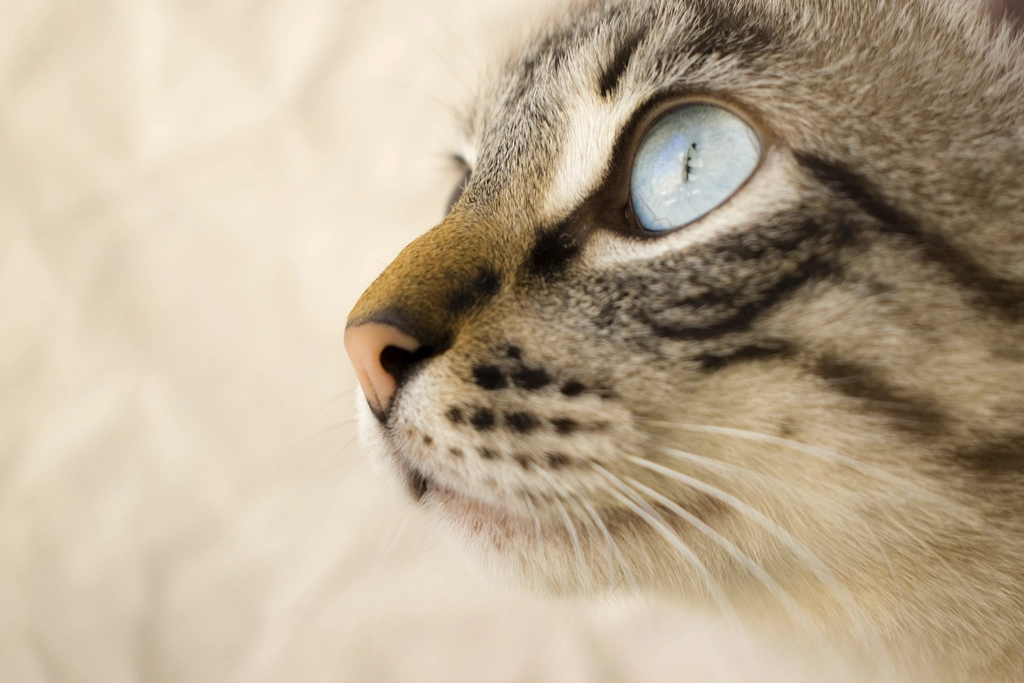
Play isn’t just entertainment for cats—it’s a vital expression of their natural hunting instincts. Your cat loves when you engage in interactive play that mimics the predatory sequence (stalk, chase, pounce, and “kill”). When you wave a wand toy that mimics bird or insect movements or roll a ball that scurries like a small rodent, you’re helping satisfy deep-seated instinctual needs. Certified animal behaviorists note that regular play sessions not only provide essential physical exercise but also reduce behavioral problems stemming from boredom and frustration.
What particularly delights your cat is when you tailor playtime to their specific preferences. Some cats prefer aerial prey toys that fly and flutter, while others are ground-hunters who prefer toys that scuttle along the floor. By observing which toys and movements trigger their strongest hunting responses, you’re demonstrating remarkable attentiveness. Your willingness to engage in regular play sessions—even when you’re tired—shows a commitment to their psychological wellbeing that builds a stronger bond between you.
The Comfortable Companion: Your Physical Presence

Though cats value their independence, many genuinely enjoy human companionship on their terms. Your warm body provides a comfortable resting place, and your familiar scent creates a sense of security. Research published in the journal “Current Biology” indicates that cats form genuine attachment bonds with their caregivers similar to those between infants and parents. When your cat chooses to sleep beside you, on your lap, or even on your chest, they’re expressing both trust and affection. They appreciate that you provide this reliable, comforting presence without demanding constant interaction.
Your physical consistency is particularly important. Cats often appreciate routine contact—the morning chin scratch, the evening couch cuddle, or the bedtime petting session. These predictable physical interactions create a sense of security and belonging. Many cats develop specific routines with their humans, such as greeting them at the door or sleeping in particular positions together. These habits aren’t merely coincidental but represent meaningful rituals that your cat genuinely values as expressions of your shared bond.
The Patient Teacher: Litter Box Maintenance and Hygiene
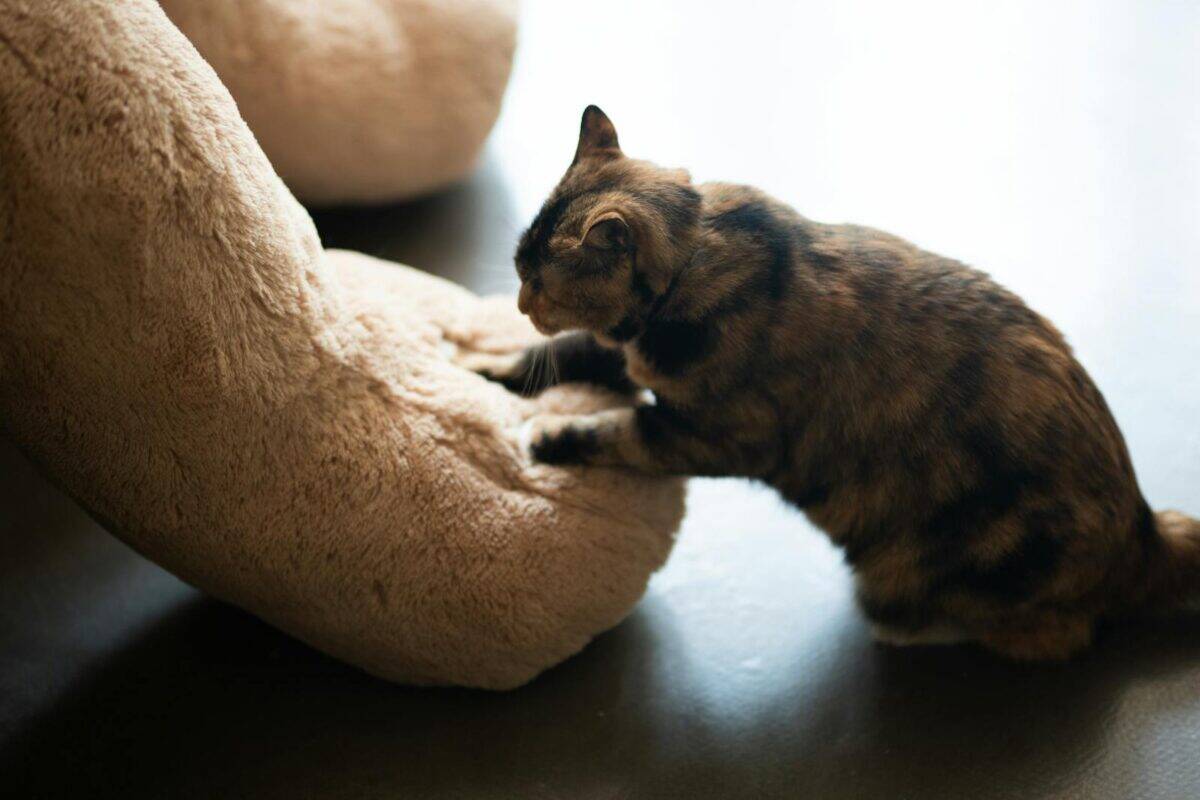
Cleanliness is fundamental to feline wellbeing, and your cat deeply appreciates your diligence in maintaining their bathroom facilities. Cats are naturally clean animals who prefer spotless litter boxes—studies show they can detect residual odors far better than humans can. By scooping the litter box daily and performing regular deep cleanings, you’re respecting their innate need for hygiene. Feline behavior experts at Cornell University’s College of Veterinary Medicine emphasize that proper litter box maintenance is one of the most important factors in preventing elimination problems.
Beyond basic cleaning, your cat values your thoughtfulness in litter box placement and selection. Providing appropriate privacy, ensuring easy access, using their preferred litter type, and maintaining sufficient box size all demonstrate your attention to their needs. When you respond promptly to any changes in their bathroom habits—potentially indicating health issues—you show vigilance about their wellbeing. This consistent care around something so fundamental to their comfort builds significant trust in your relationship.
The Enrichment Provider: Mental Stimulation and Variety
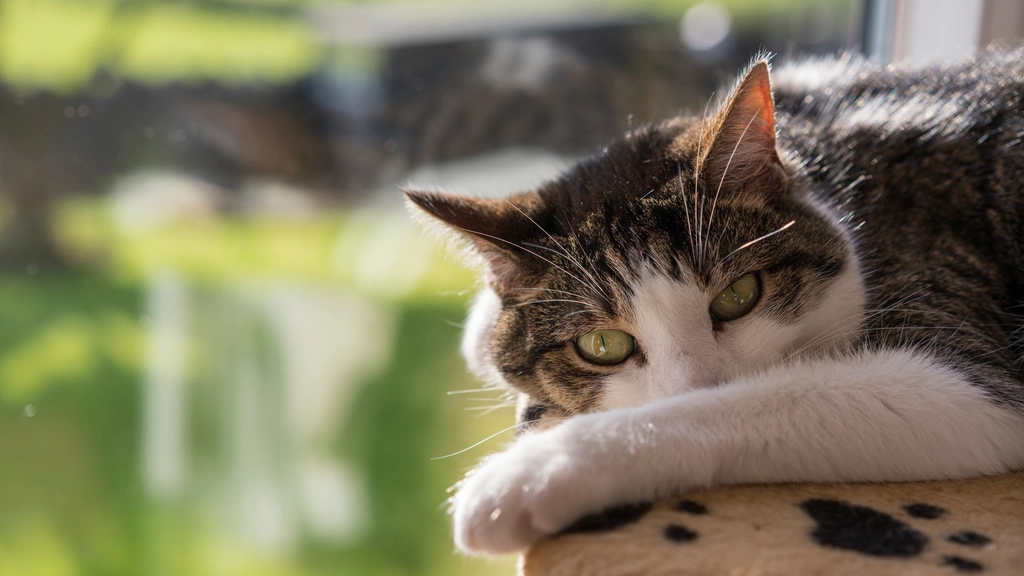
While cats appreciate routine, they also need mental stimulation to thrive. Your cat loves when you provide environmental enrichment through rotating toys, introducing new puzzles, or creating novel experiences. Research from The Ohio State University’s Indoor Cat Initiative shows that environmental enrichment significantly improves quality of life for indoor cats, reducing stress-related behaviors and increasing overall activity levels. Something as simple as occasionally rearranging furniture or adding a new cardboard box can provide stimulating novelty without threatening security.
Particularly appreciated are activities that engage your cat’s problem-solving abilities. Puzzle feeders that make them work for treats, hiding toys for them to discover, or creating climbing challenges all provide cognitive stimulation. Window perches with bird feeders outside offer entertainment through visual hunting opportunities. Your willingness to invest time and resources in keeping their environment interesting demonstrates a deeper understanding of their psychological needs beyond basic care, forming another layer of appreciation for your thoughtful guardianship.
The Health Guardian: Veterinary Care and Wellness

Though your cat may not enjoy veterinary visits, they benefit tremendously from your commitment to their health. Regular check-ups, prompt attention to emerging health concerns, and preventative care extend both the quality and length of their life. Research from Banfield Pet Hospital’s State of Pet Health Report shows that cats receiving regular preventive care live significantly longer than those who only receive medical attention during illness. Your cat might not consciously appreciate the uncomfortable moments at the vet, but they certainly benefit from the resulting health and comfort.
Your attentiveness to subtle signs of illness shows remarkable care. Cats instinctively hide symptoms of disease—an evolutionary strategy to avoid appearing vulnerable to predators. When you notice small changes in behavior, appetite, water consumption, or litter box habits and take appropriate action, you’re demonstrating exceptional observational skills. This vigilance, combined with your willingness to administer medications or provide special care during illness, creates a foundation of security that allows your cat to thrive. Even if they resist treatment in the moment, the resulting comfort and health are genuine gifts.
The Vocal Supporter: Talking to Your Cat

Cats are more attentive to human communication than many people realize. Studies from the University of Tokyo have shown that cats recognize their names and can distinguish their owner’s voice from strangers. Your cat appreciates when you speak to them in a gentle, high-pitched voice—sometimes called “cat-directed speech,” similar to how adults often speak to babies. This specialized tone helps maintain their attention and signals affection. Regular verbal interaction helps strengthen your bond, even if they don’t understand the specific words.
Beyond mere talking, your consistent verbal cues help create predictability. Using the same phrases before feeding, play, or bedtime helps your cat anticipate what’s coming next. Many cats respond positively to verbal praise, especially when paired with physical affection or treats. This combination of rewards helps reinforce positive behaviors while strengthening your emotional connection. Even if your cat seems aloof, neurological research indicates they’re processing and often appreciating your verbal attention more than their body language might suggest.
The 5 Things Your Cat Secretly Hates

Despite your best intentions, certain common human behaviors genuinely frustrate cats. First among these is forced physical interaction—picking them up when they don’t want to be held, petting them when they’re showing avoidance signals, or restraining them unnecessarily. Research from the University of Lincoln found that many cats experience significant stress when unable to control physical interactions. While you might interpret resistance as playfulness, your cat experiences it as a violation of their autonomy.
Second, unpredictable or loud noises create serious anxiety for most cats. Their sensitive hearing makes vacuum cleaners, loud music, shouting, or sudden sounds particularly distressing. Third, irregular feeding schedules disrupt their need for routine and can cause stress-related behaviors. Fourth, punishing behaviors you find undesirable (like scratching furniture) rather than providing appropriate alternatives misunderstands their natural needs. Finally, inconsistent rules—allowing them on counters sometimes but scolding them other times—creates confusion and anxiety. When you unintentionally engage in these behaviors, you undermine the trust you’ve worked hard to build.
Understanding Your Feline Friend: A Deeper Connection
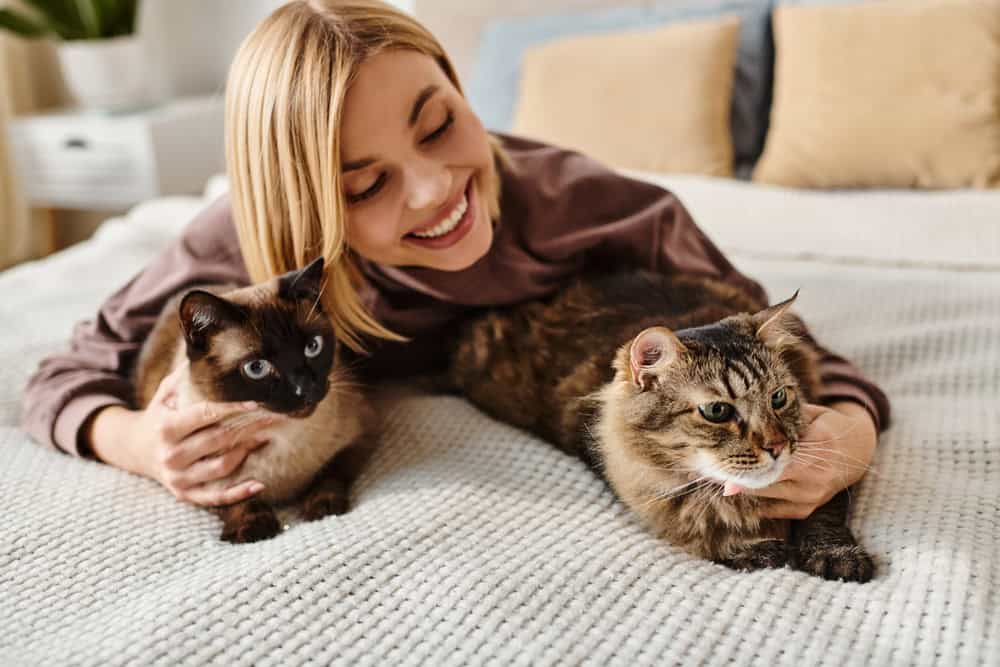
Understanding what your cat genuinely appreciates about you provides valuable insight into strengthening your bond. By recognizing both the behaviors they love and those they secretly dislike, you can create an environment that respects their nature while meeting their physical and emotional needs. The relationship between humans and cats represents one of the most enduring interspecies partnerships in history, evolving over thousands of years from practical rodent control to deep companionship. This connection thrives best when based on mutual respect and understanding.
Your cat’s love isn’t expressed through obedience or constant affection, but through subtle signals of trust—sleeping vulnerably near you, bringing “gifts,” or greeting you with an upright tail. By learning to recognize these expressions of feline attachment, you gain a deeper appreciation for the unique bond you share. Remember that cats live very much in the present moment, so consistent positive interactions build a foundation of trust over time. Through patience, observation, and respect for their natural behaviors, you can create a relationship that brings joy and comfort to both of you for many years to come.

- How Predators Choose Their Prey—It’s Not What You Think - July 23, 2026
- The Rarest Mammals Fighting for Survival in North America - July 23, 2026
- The World’s Only Venomous Primate - July 23, 2026