
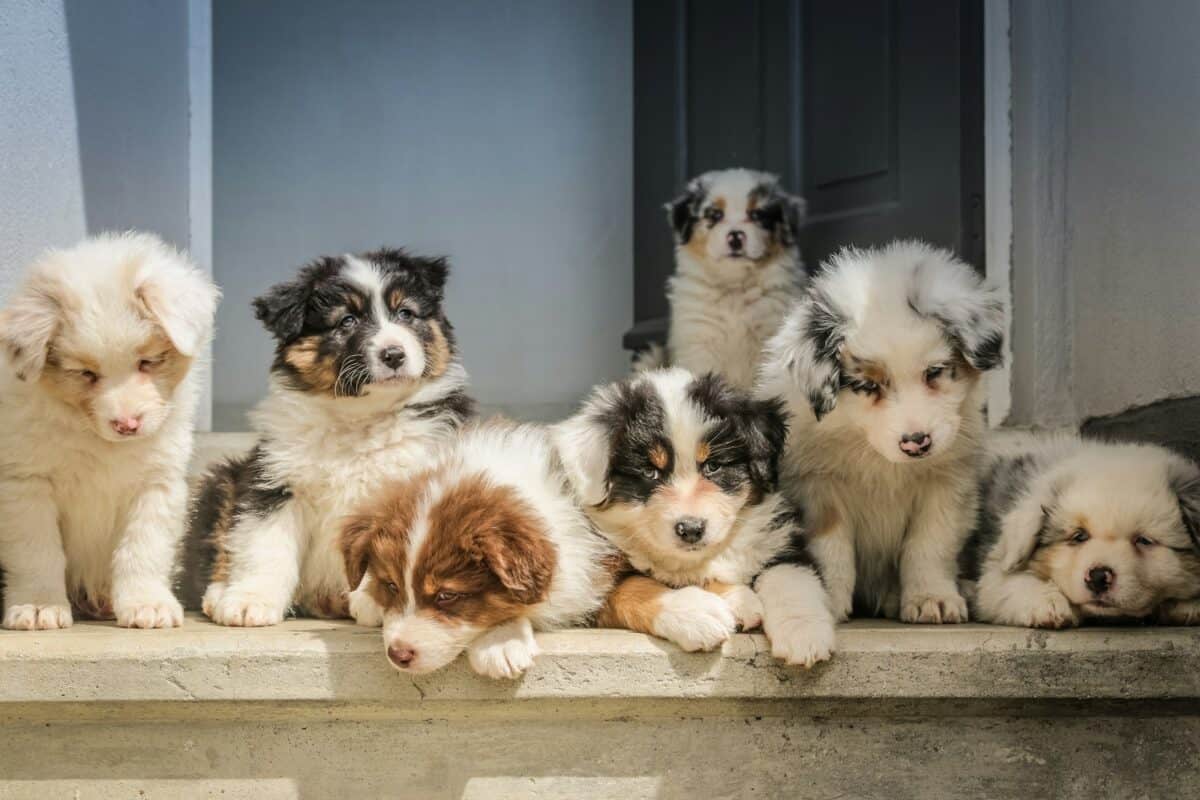
When bringing a new puppy into your home, understanding their natural predisposition toward training can set both you and your furry companion up for success. Trainability in dogs varies significantly across breeds, with certain puppies demonstrating an inherent eagerness to learn and please their owners, while others exhibit more independent or stubborn tendencies. This variation stems from the historical purposes for which different breeds were developed – working dogs bred to collaborate closely with humans typically show higher training receptiveness than those bred for independent tasks.
Factors influencing trainability include intelligence, attention span, motivation for rewards, exercise needs, and breed-specific traits. It’s important to remember that even within “difficult-to-train” breeds, individual personality differences exist, and consistent, positive training methods can yield excellent results with any puppy. What varies is the approach needed and the patience required. Understanding these natural tendencies allows prospective dog owners to align their expectations and training strategies with their puppy’s inherent characteristics.
Border Collie: The Overachiever
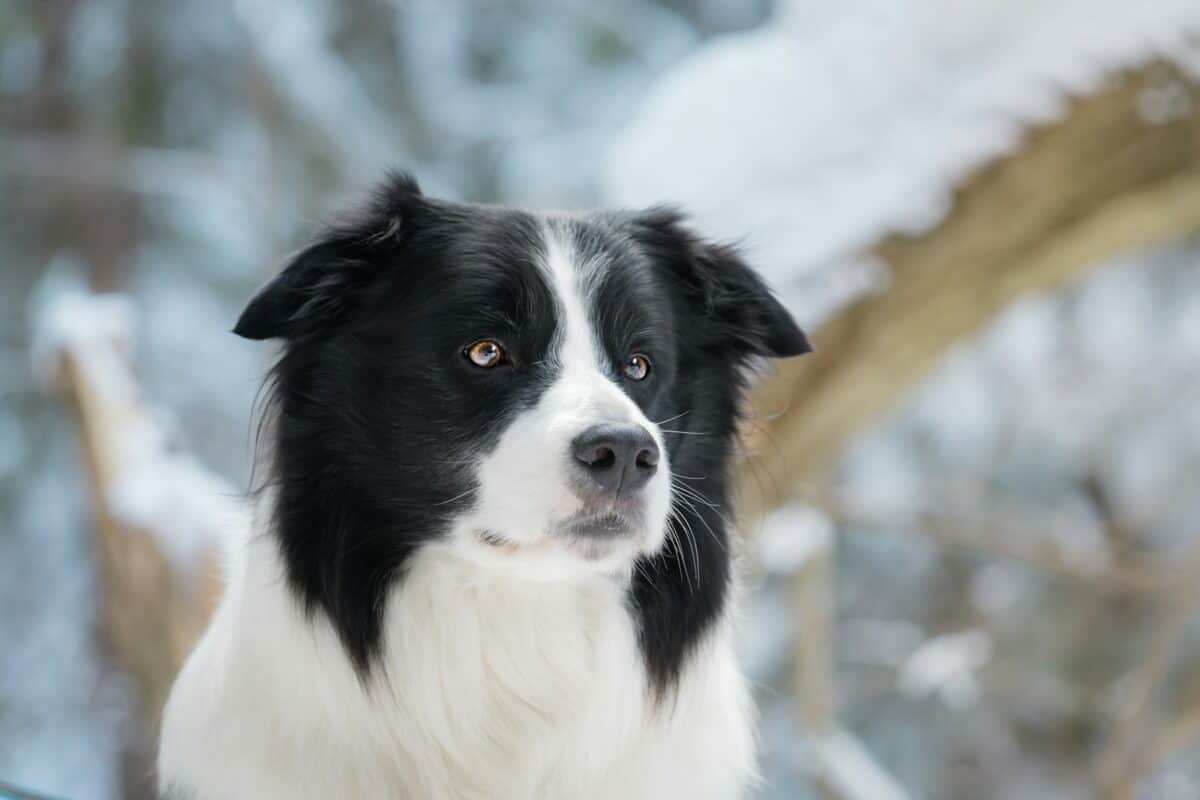
Border Collies consistently rank among the most trainable dog breeds in the world. Originally bred for herding livestock, these intelligent puppies possess an extraordinary work ethic and problem-solving abilities that make them exceptional training partners. Border Collies are renowned for their ability to learn complex commands and sequences, often anticipating their handler’s next instruction. Their natural focus and desire to work closely with humans make them ideal candidates for dog sports like agility, obedience, and advanced trick training.
The Border Collie’s high trainability comes with a responsibility for owners: these dogs require consistent mental stimulation to prevent boredom. Without adequate training and mental challenges, these brilliant puppies may develop problematic behaviors as they find their own ways to stay engaged. For active families committed to ongoing training, the Border Collie represents the gold standard in canine trainability, capable of learning hundreds of words and commands throughout their lifetime.
Labrador Retriever: The Eager Student
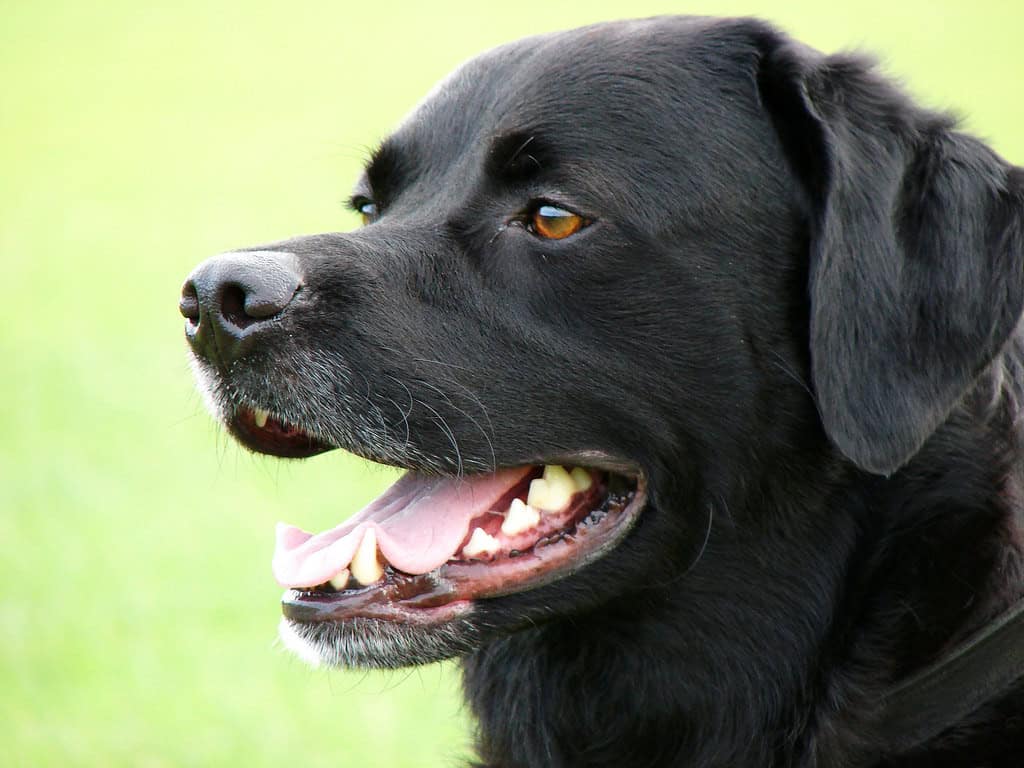
Labrador Retrievers have earned their place as America’s most popular dog breed in part due to their exceptional trainability. These friendly, food-motivated puppies approach training sessions with enthusiasm and a genuine desire to please their owners. Originally bred as working retrievers, Labs possess a natural inclination to work cooperatively with humans, making them highly responsive to positive reinforcement techniques. Their stable temperament and patient nature contribute to their ability to focus during training sessions, even in distracting environments.
Labrador puppies excel in basic obedience and can readily advance to more complex tasks, including service dog work, search and rescue, and therapy roles. Their adaptability across various training disciplines makes them versatile companions for families of all experience levels. While Labs may occasionally exhibit the exuberance and distractibility common to puppies, their underlying eagerness to learn ensures that consistent training produces well-mannered adult dogs who respond reliably to commands.
German Shepherd: The Dedicated Professional
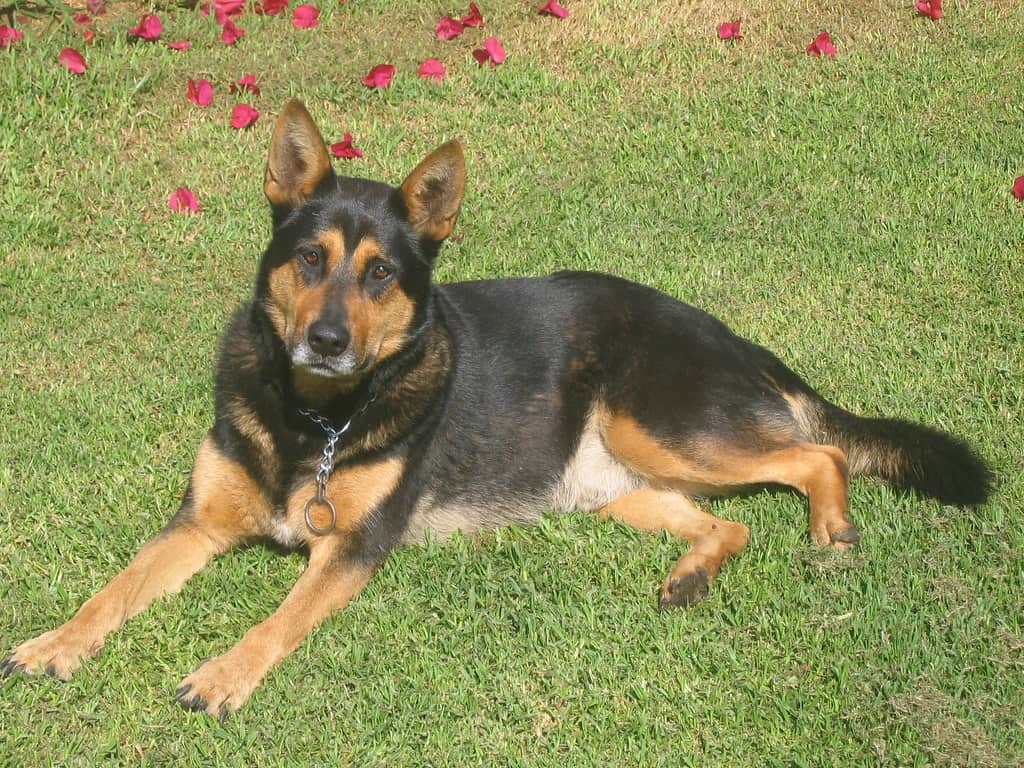
German Shepherd puppies demonstrate exceptional trainability combined with an intense work drive that has made them preferred choices for police, military, and service work worldwide. These intelligent dogs form strong bonds with their handlers and display remarkable focus and dedication during training sessions. Their ability to learn complex command chains and differentiate between various scenarios makes them highly versatile working dogs. German Shepherds thrive when given clear direction and consistent leadership, responding well to structured training approaches.
What distinguishes German Shepherd puppies is their ability to generalize learned behaviors across different environments and scenarios – a valuable trait that makes their training transferable to real-world applications. They excel with trainers who provide mental stimulation alongside physical exercise, as these dogs need both to remain balanced. For owners willing to invest time in consistent training, German Shepherd puppies develop into highly capable, reliable adult dogs who can master virtually any task they’re taught with appropriate methods.
Poodle: The Intellectual
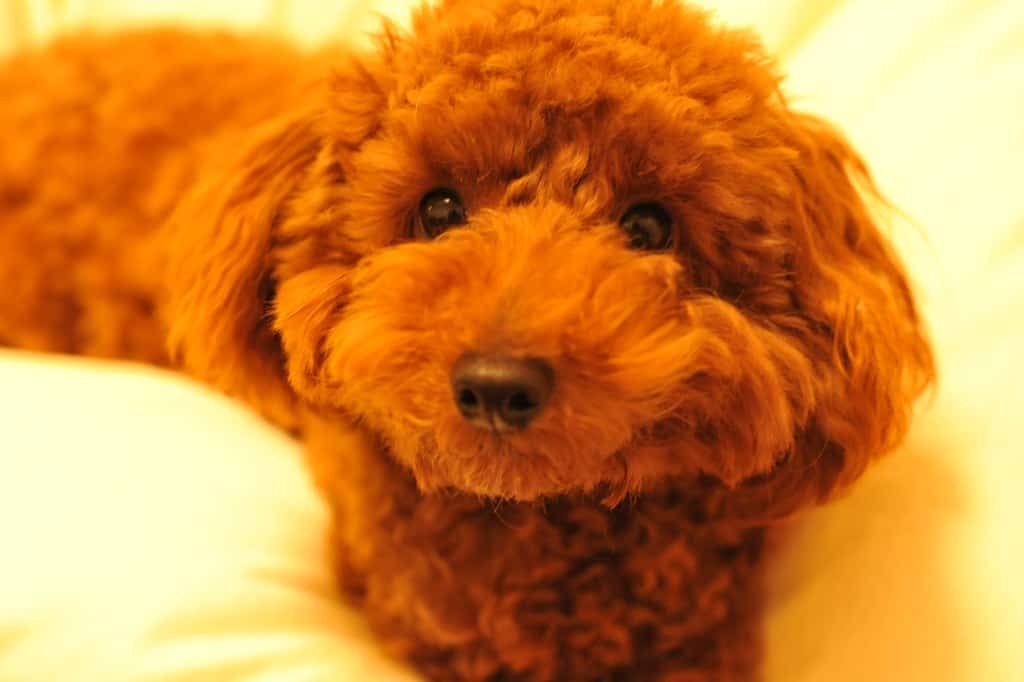
Poodles of all sizes—standard, miniature, and toy—consistently demonstrate remarkable trainability paired with an almost human-like intelligence. These elegant puppies combine quick learning with exceptional memory retention, allowing them to master commands with fewer repetitions than many other breeds. Historically used as retrievers, circus performers, and companion animals, Poodles possess versatile aptitudes across various training disciplines. Their problem-solving abilities often surprise even experienced dog trainers, as Poodles frequently find creative solutions to challenges presented to them.
Beyond their intelligence, Poodle puppies bring a unique attentiveness to training sessions, maintaining focus for extended periods. They respond particularly well to positive reinforcement techniques that engage their thinking abilities. This combination of intelligence, focus, and eagerness to please makes Poodles exceptional candidates for competitive obedience, agility, and trick training. For families seeking a highly trainable companion that combines intelligence with a low-shedding coat, Poodles represent an excellent choice across all their size varieties.
Golden Retriever: The Enthusiastic Partner
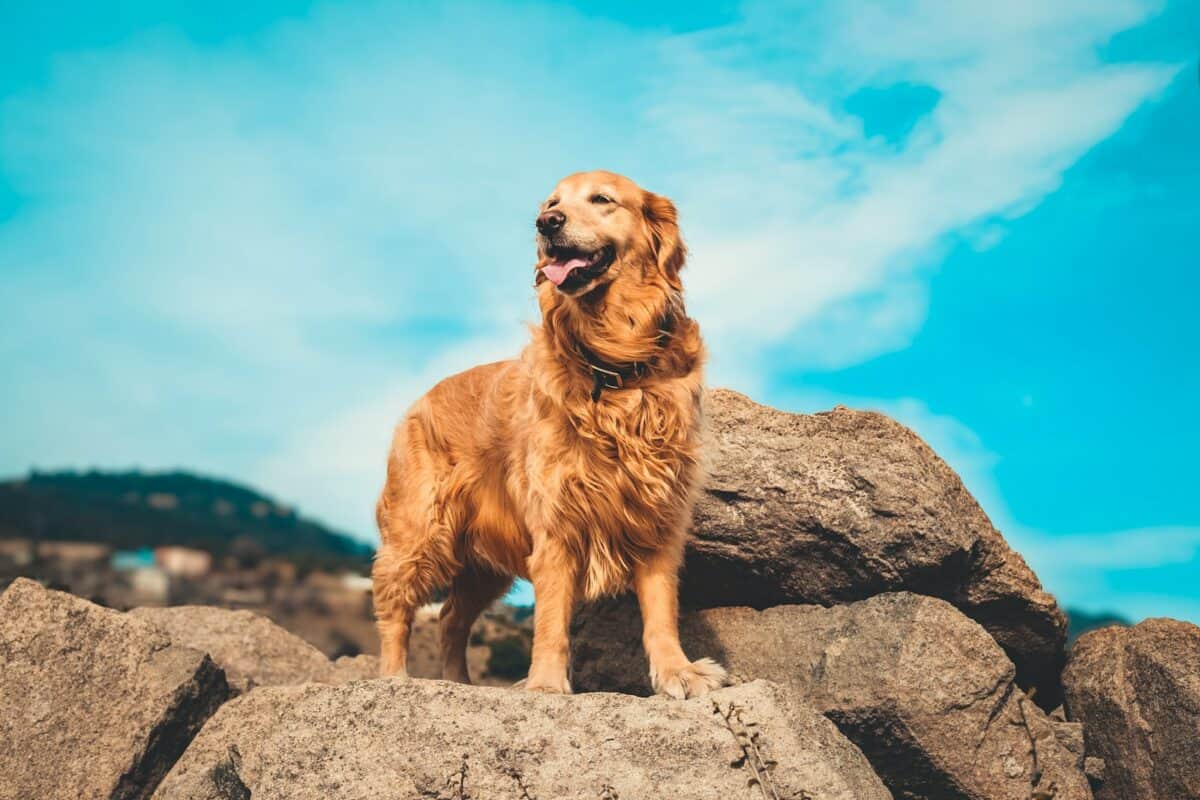
Golden Retriever puppies approach training with an infectious enthusiasm that makes the learning process enjoyable for both dog and handler. Their natural sociability and desire to please humans create an ideal foundation for training success. Originally bred as hunting companions, Golden Retrievers possess an innate desire to work cooperatively with their owners, making them highly responsive to direction. Their patience and forgiving nature allow them to handle training inconsistencies that might frustrate more sensitive breeds, making them excellent choices for first-time dog owners.
What particularly distinguishes Golden Retrievers in training scenarios is their balanced combination of intelligence and biddability. These puppies are smart enough to learn quickly but cooperative enough to follow direction without challenging the trainer’s authority. This adaptable temperament, combined with their remarkable memory for commands, allows Golden Retriever puppies to excel in service dog work, therapy roles, and family companionship. Their natural affinity for retrieving also provides built-in rewards during training, as the activity itself is inherently motivating for these dogs.
Papillon: The Pocket Genius
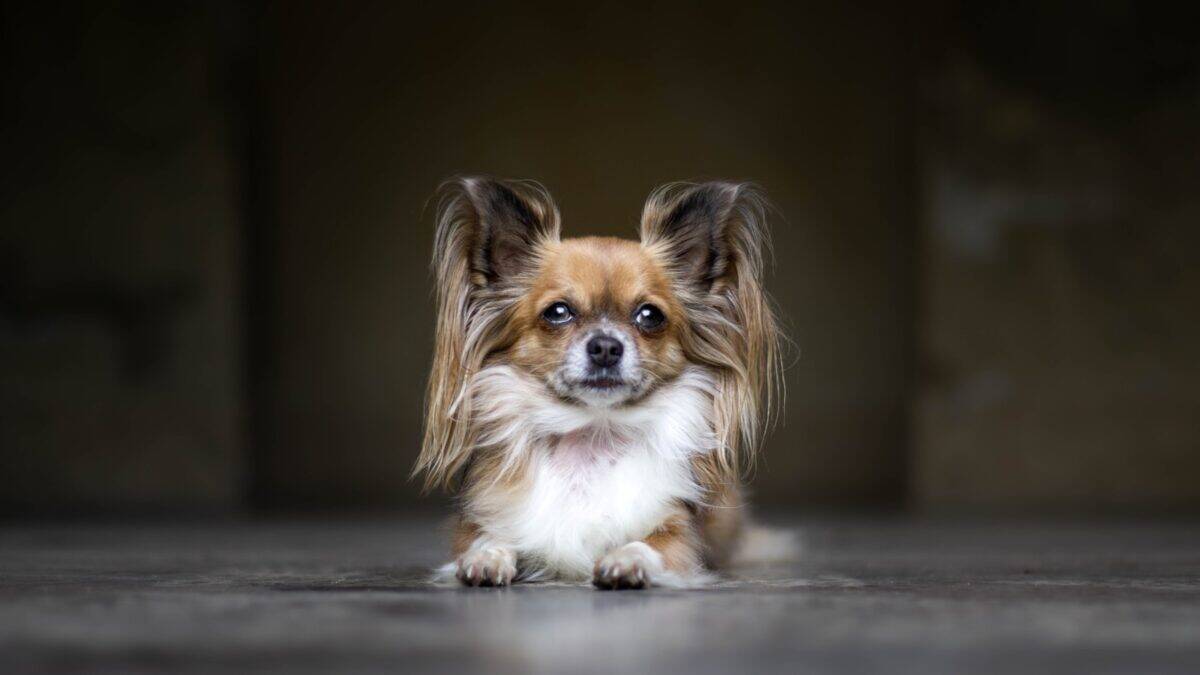
Don’t let their diminutive size and elegant appearance fool you—Papillon puppies possess an intelligence and trainability that rivals much larger working breeds. These alert, curious little dogs consistently rank among the most trainable toy breeds, combining keen intelligence with an eagerness to engage with their handlers. Papillons approach training with enthusiasm and can master complex commands despite their small stature. Their exceptional memory and problem-solving abilities make them standouts in canine sports like agility and rally, where they often outperform much larger competitors.
Papillon puppies benefit from their naturally attentive nature, maintaining focus during training sessions with remarkable consistency for a small breed. Their intelligence requires mental stimulation through varied training techniques to prevent boredom. Unlike some toy breeds bred primarily for companionship, Papillons retain working dog mentalities in small packages, thriving when given tasks and challenges. For families seeking a highly trainable small dog that can learn an impressive repertoire of behaviors and tricks, the Papillon offers the intelligence of larger working breeds in a convenient, apartment-friendly size.
Doberman Pinscher: The Focused Guardian
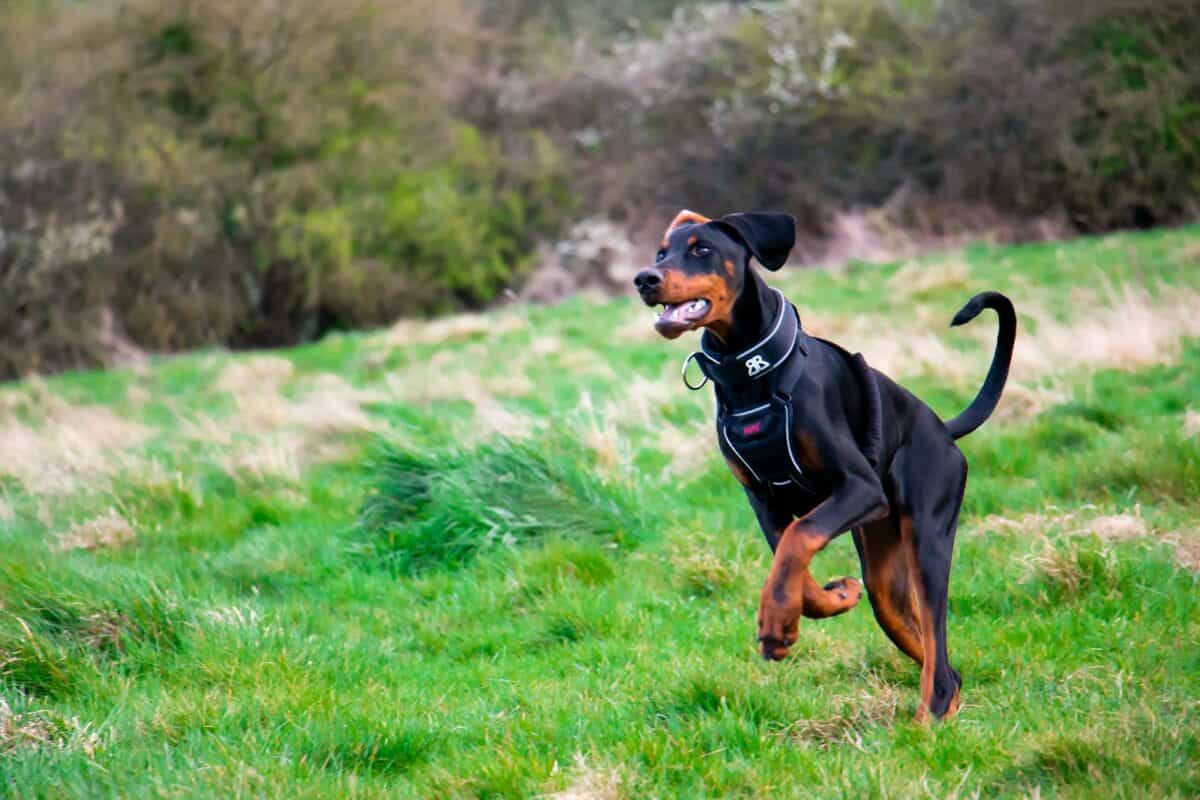
Doberman Pinscher puppies combine exceptional intelligence with a strong desire to work alongside their human handlers, creating a highly trainable companion with remarkable capabilities. Originally developed as protection dogs, Dobermans possess natural attentiveness and an ability to quickly discern their handler’s expectations. These qualities translate into training sessions characterized by intense focus and rapid learning. Doberman puppies demonstrate particular aptitude for protection work, obedience competition, and working roles that require both physical capability and decision-making skills.
What sets Dobermans apart in training scenarios is their ability to remain engaged through complex tasks while maintaining the confidence to execute commands under pressure. These puppies form strong bonds with their trainers, developing a desire to cooperate that facilitates advanced training. Dobermans respond best to confident, consistent handling with positive reinforcement techniques that acknowledge their intelligence. For committed owners who can provide clear leadership and ongoing mental challenges, Doberman puppies develop into exceptionally reliable, highly trained adult dogs capable of excelling in numerous working and competitive disciplines.
Australian Shepherd: The Versatile Performer
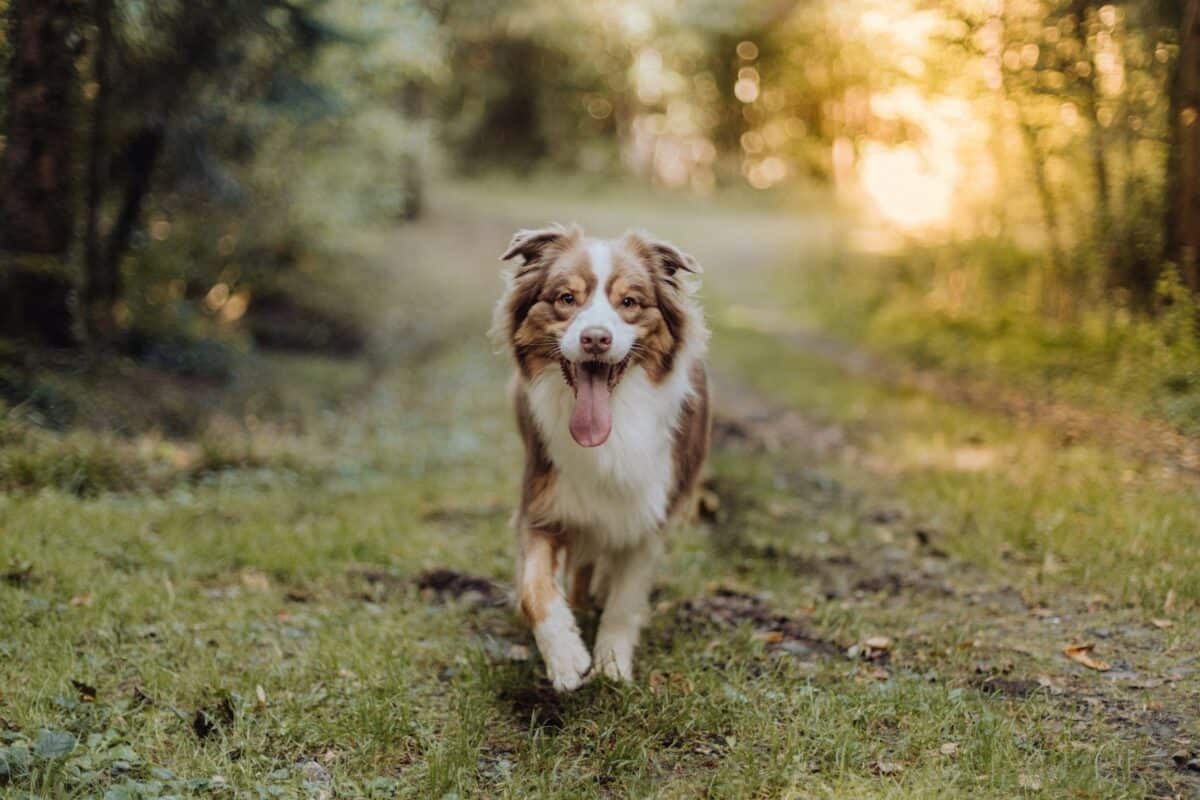
Australian Shepherd puppies bring extraordinary trainability alongside a versatile skill set that makes them outstanding partners across numerous canine activities. These energetic, intelligent herding dogs approach training with a work ethic that often leaves handlers scrambling to provide new challenges. Their natural problem-solving abilities and quick learning enable them to master complex behavior chains and respond to subtle cues. Australian Shepherds excel particularly in activities that combine physical agility with mental challenges, including competitive herding, agility, and advanced obedience.
The Australian Shepherd’s trainability stems from their breeding as versatile farm dogs who needed to learn various tasks while working closely with handlers. These puppies demonstrate remarkable body awareness that facilitates precision training, allowing them to learn exact positioning and movement patterns. Their handler focus creates strong working partnerships, though owners should note that these dogs require consistent mental stimulation to prevent boredom behaviors. For active families willing to engage in ongoing training activities, Australian Shepherd puppies offer almost limitless potential for developing impressive skills across multiple disciplines.
Shetland Sheepdog: The Eager Scholar
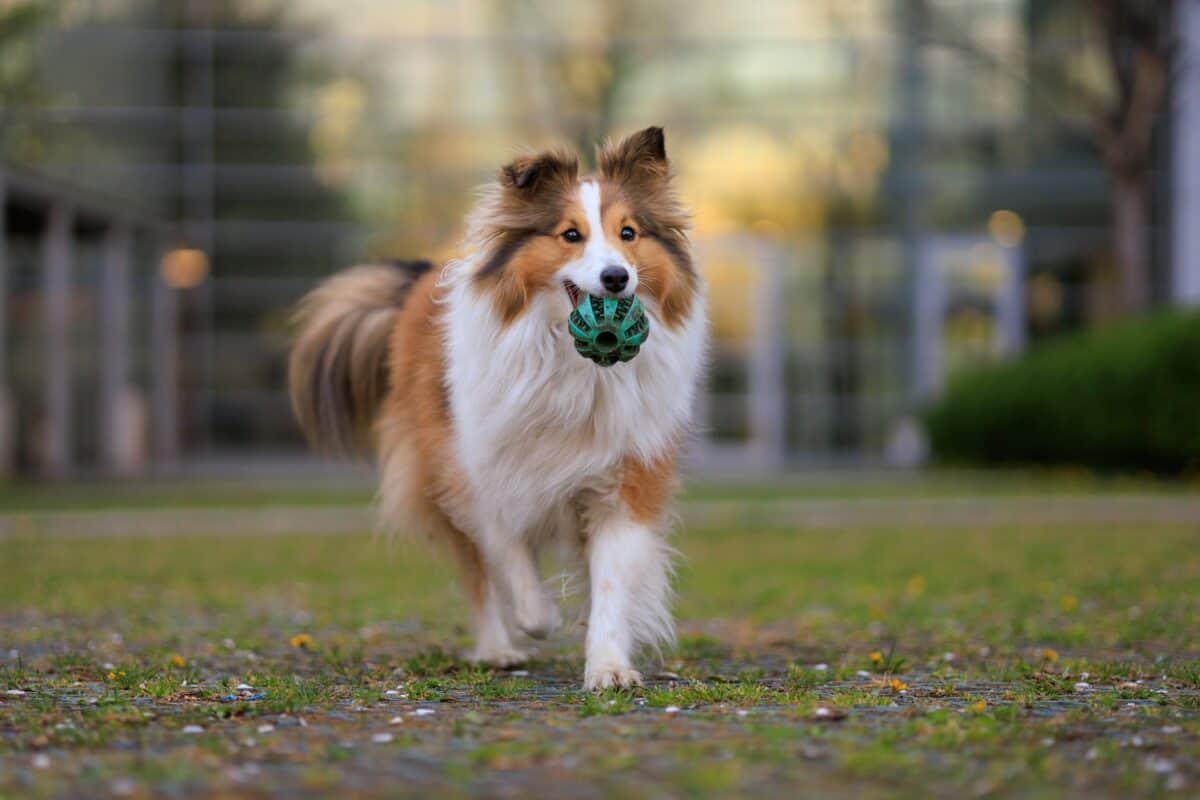
Shetland Sheepdog puppies combine high intelligence with an exceptional desire to please their handlers, creating a breed that truly enjoys the training process itself. These sensitive, attentive dogs pick up on subtle cues and often anticipate commands before they’re fully given. Their natural herding background has developed a breed that pays close attention to their handler’s body language and verbal communication, making them highly responsive during training sessions. Shelties excel in obedience, agility, and trick training, often mastering new behaviors with minimal repetition.
What distinguishes Shetland Sheepdogs in training scenarios is their remarkable sensitivity to praise and correction. These puppies form deep connections with their trainers and genuinely desire to perform correctly, making positive reinforcement particularly effective. Their intelligence requires thoughtful, varied training approaches to maintain engagement. While their sensitivity can sometimes make them challenging for heavy-handed trainers, those who use gentle, consistent methods find Shelties to be exceptionally willing students who retain training extremely well. For families seeking a medium-sized dog with outstanding trainability and a natural affinity for learning, the Shetland Sheepdog represents an excellent choice.
Rottweiler: The Confident Achiever

Rottweiler puppies bring a unique combination of intelligence, confidence, and handler focus to training scenarios, making them highly capable students for committed owners. These powerful dogs were historically used for both herding and protection work, developing a versatile skill set that translates well to modern training disciplines. Rottweilers approach training with a calm deliberateness that allows them to learn complex tasks thoroughly. Their natural confidence enables them to work through challenging scenarios without becoming stressed or discouraged.
What sets Rottweilers apart in training is their remarkable loyalty to their handlers, creating a desire to cooperate that facilitates reliable performance. These puppies respond best to consistent, firm (but never harsh) guidance combined with positive reinforcement. Rottweilers excel particularly in structured activities like obedience, tracking, and protection work where rules are clear. While they may appear less overtly eager than some breeds, their thoughtful approach to training creates dogs who thoroughly understand and reliably perform learned behaviors. For owners who appreciate a thinking dog that approaches training with steady dedication rather than frantic energy, Rottweilers offer impressive trainability wrapped in a confident, powerful package.
Afghan Hound: The Independent Thinker
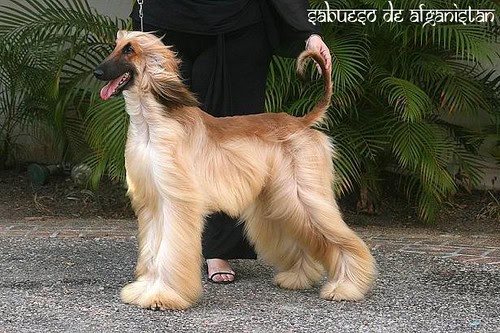
Afghan Hound puppies present a classic example of an intelligent breed that often resists conventional training approaches. These elegant sighthounds were developed to hunt independently across rugged terrain, making decisions without human direction – a history that translates into a dog with a strongly independent mindset. Afghan Hounds possess the intelligence to learn commands but frequently question whether following them aligns with their own priorities. Their training challenges stem not from inability but from a natural predisposition to self-directed action rather than handler compliance.
Training Afghan Hound puppies requires patience, creativity, and an understanding that traditional repetition-based methods often prove ineffective. These dogs respond best to training that incorporates their natural interests and provides clear benefits from their perspective. Short, engaging sessions that prevent boredom typically yield better results than lengthy drills. While Afghan Hounds may never demonstrate the eager compliance of breeds like Labrador Retrievers, skilled trainers who respect their independent nature can achieve good results through consistent, relationship-based approaches that build trust and mutual understanding rather than demanding blind obedience.
Basenji: The Cat-Like Canine
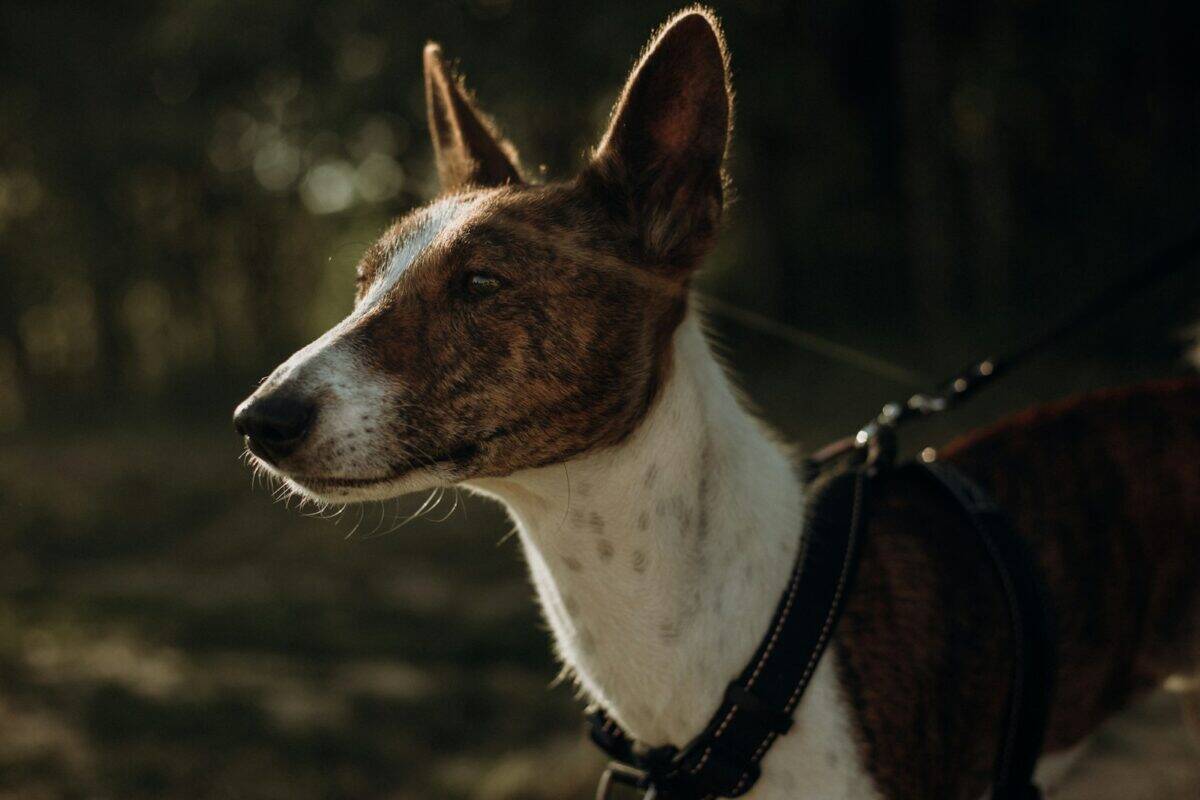
Basenji puppies challenge conventional training approaches with their highly independent, cat-like temperament that prioritizes self-interest over handler direction. Originally bred to hunt independently in the Congo, these ancient dogs developed decision-making skills that served them well without human instruction. Basenjis possess above-average intelligence but apply it selectively, quickly learning behaviors that benefit them while seemingly “forgetting” commands they find unnecessary. Their famous “barklessness” extends metaphorically to training feedback – Basenjis rarely provide the enthusiastic responses that reinforce trainers’ efforts with other breeds.
Training Basenji puppies requires a fundamental shift in approach, recognizing that relationship and motivation matter more than repetition or correction. These dogs respond to training that incorporates play, leverages their natural curiosity, and respects their dignity – forceful methods typically backfire dramatically. While Basenjis may never perform with the reliable precision of working breeds, they can learn household manners and basic commands when training acknowledges their unique perspective. Successful Basenji owners approach training as a negotiation rather than expecting the automatic compliance common in more biddable breeds, finding ways to align desired behaviors with their dog’s inherent motivations.
Chow Chow: The Dignified Challenger
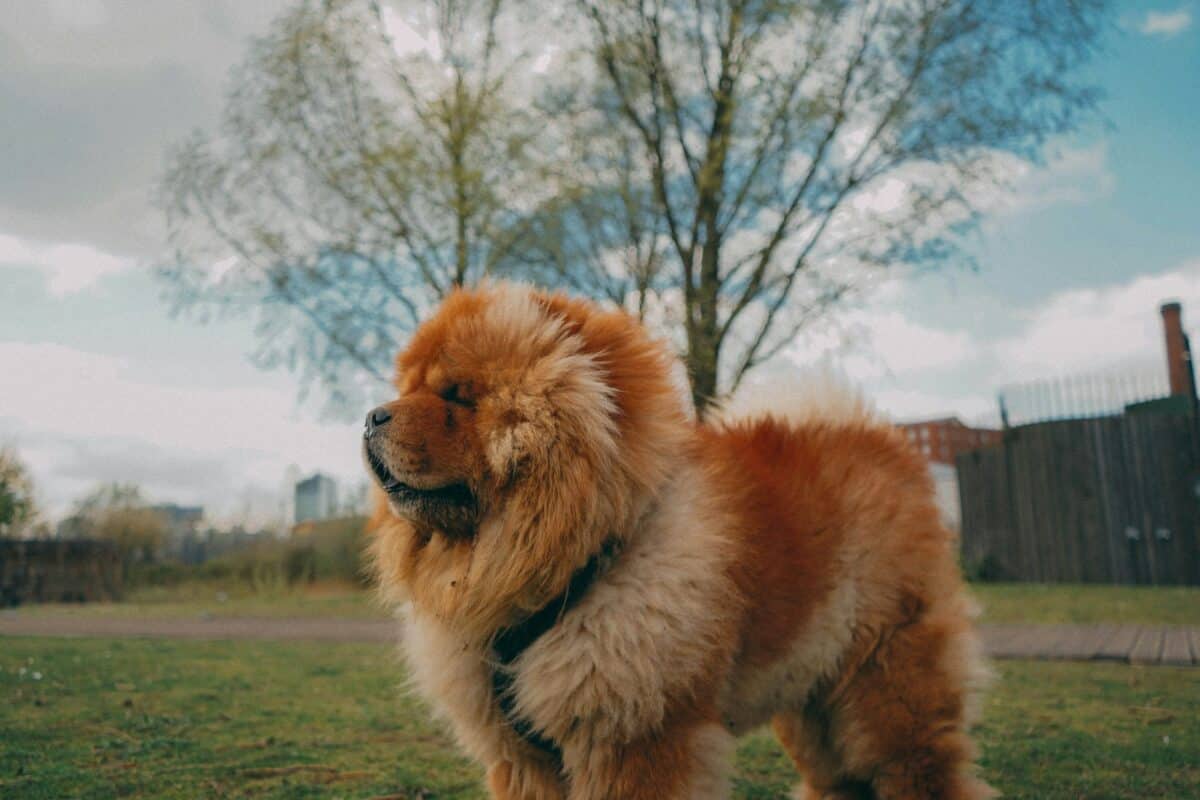
Chow Chow puppies bring a distinctive training challenge stemming from their naturally dignified, independent temperament that prioritizes personal judgment over handler direction. Originally developed in China for various working roles including hunting and guarding, Chows evolved with significant autonomy rather than handler dependence. These puppies approach training with a reserved, sometimes skeptical attitude that questions the value of performing requested behaviors. Their intelligence allows them to learn commands, but their strong sense of self-determination often leads them to make independent decisions about whether compliance serves their interests.
Training Chow Chow puppies successfully requires understanding their fundamental nature – these are not dogs that naturally live to please humans. Effective approaches emphasize respectful handling, consistency, and finding motivations that resonate with the individual dog. Early socialization proves particularly crucial with Chows, as their natural reserve can develop into suspicion without proper exposure to varied situations. While Chows may never demonstrate the eager trainability of breeds like Golden Retrievers, patient owners who build strong relationships and respect their dog’s dignity can achieve reasonable obedience. The key lies in recognizing that Chow Chows respond to being treated as respected partners rather than subordinates expected to obey without question.
Finding Training Success With Any Breed
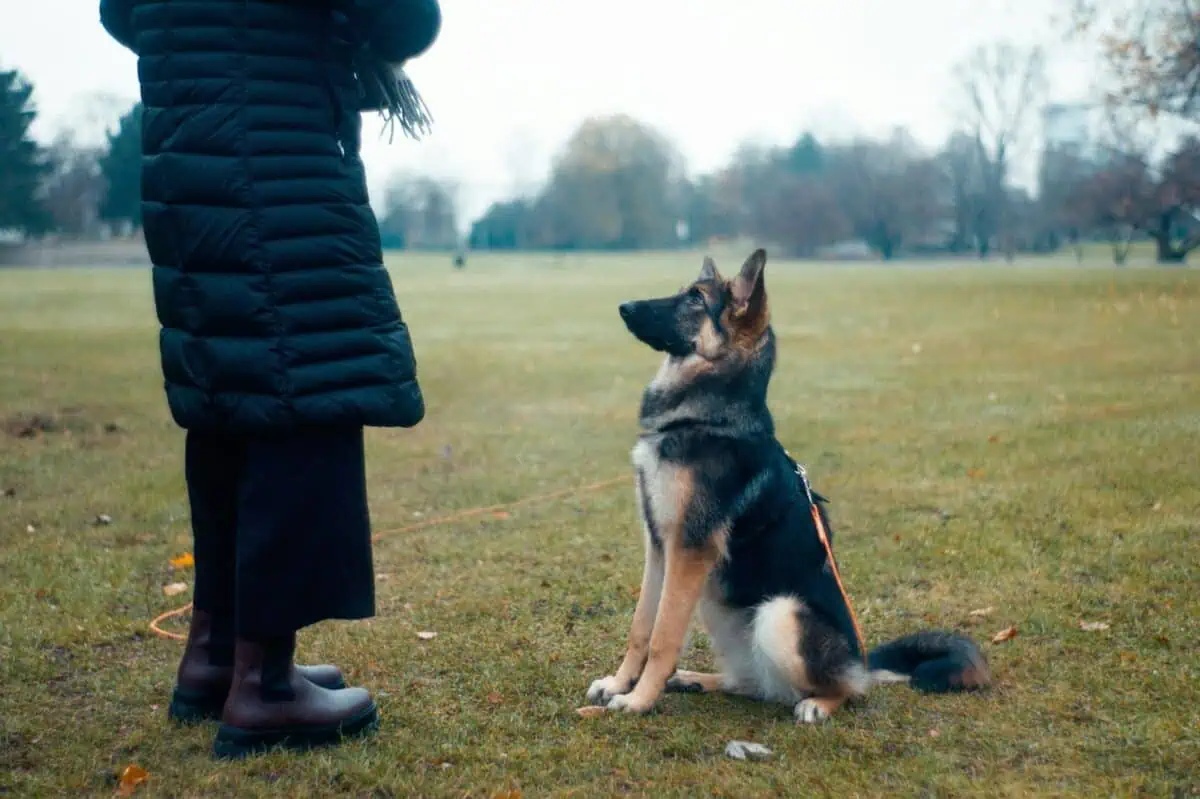
Understanding breed tendencies toward trainability provides valuable insight for prospective dog owners, allowing them to align expectations with natural canine predispositions. However, individual personality variations exist within every breed, and dedicated owners can achieve training success with any puppy through appropriate methods and consistent effort. The key lies in adapting training approaches to complement each dog’s natural tendencies rather than fighting against them. For naturally trainable breeds, this means providing sufficient challenges to engage their abilities, while for more independent breeds, it requires finding motivations that resonate with their unique perspectives.
Successful training ultimately depends more on the relationship between dog and handler than on breed characteristics alone. Patience, consistency, positive reinforcement, and respect for the individual dog’s needs create the foundation for effective learning regardless of breed. When selecting a puppy, prospective owners should honestly assess their own training experience, patience level, and lifestyle compatibility rather than simply choosing based on appearance. By matching owner dedication with appropriate breed tendencies and using suitable training methods, even the most independent puppies can become well-mannered companions, while the naturally trainable breeds can reach their full potential as canine partners.

- Why Sharks Are Critical for Coral Reef Survival - July 25, 2026
- Beginner’s Guide to Birdwatching in Your Backyard - July 25, 2026
- Humpbacks Defend Other Animals from Orcas—A Mystery Explained - July 25, 2026