

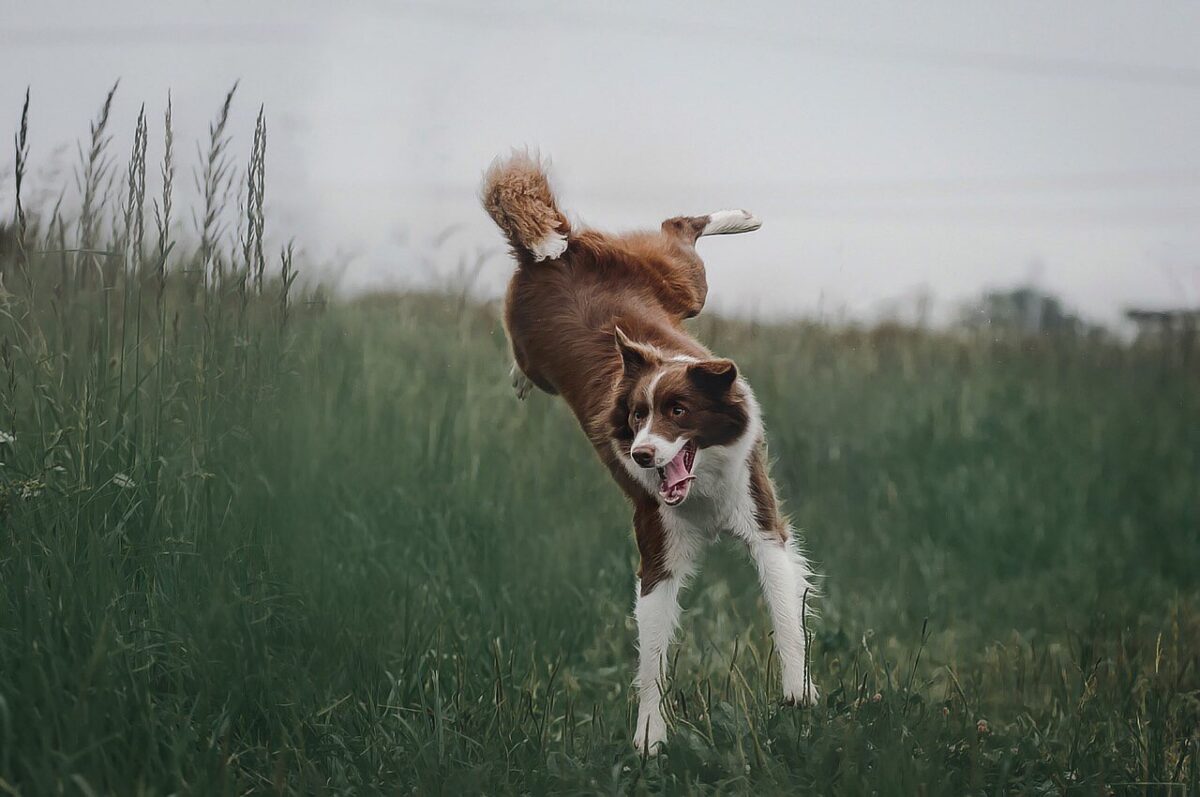
Every dog has its own way of communicating, but some seem to think their voice was made for center stage. From constant yappers that can test even the most patient neighbor to calm, quiet companions who hardly make a peep, barking habits vary wildly across breeds. If you’ve ever wondered which dogs might fill your home with nonstop noise—or which ones will keep things peaceful—this article has you covered. Here, we’ll explore 15 dog breeds that drive you mad with barking and balance it out with 10 that remain as silent as a mouse, helping you find the right match for your lifestyle.
Beagles: The Vocal Virtuosos That Never Take a Break
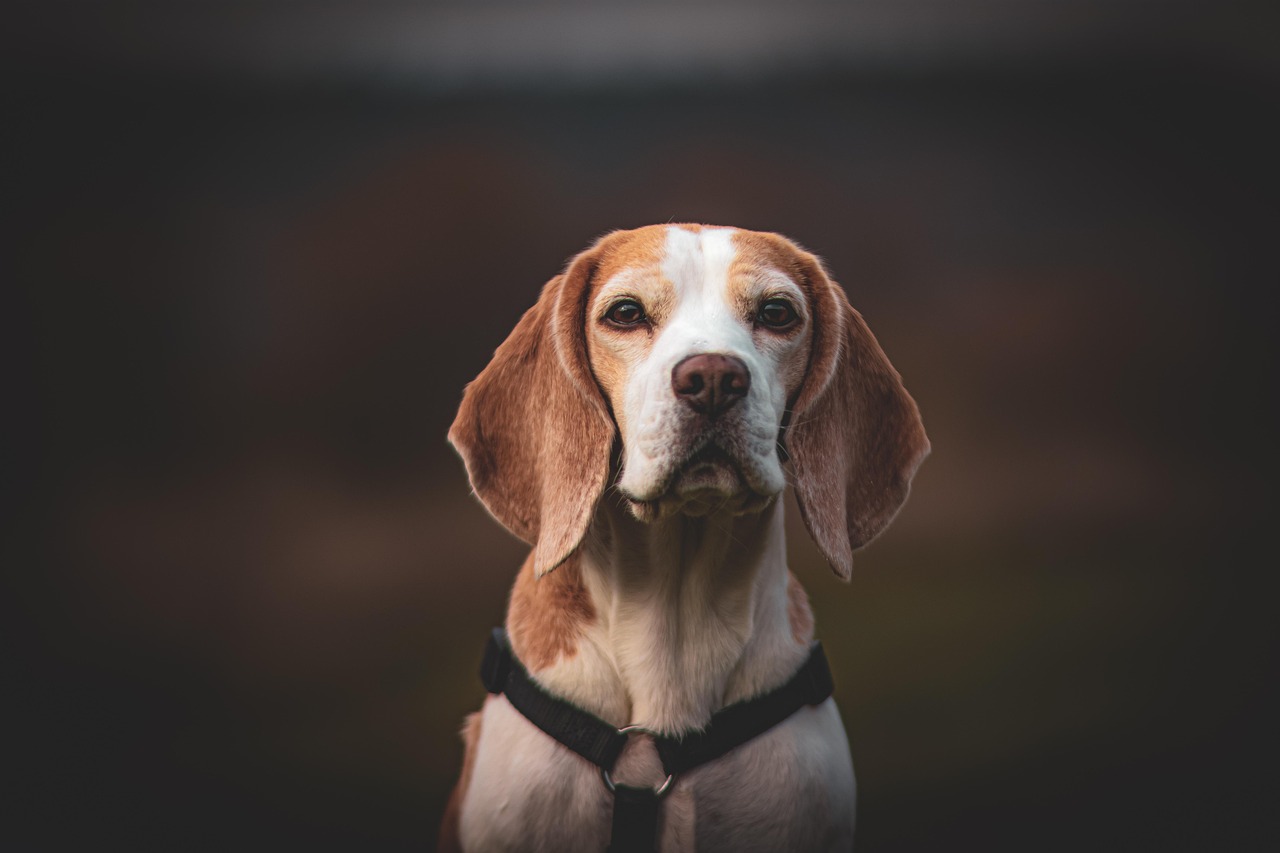
Beagles are known for being one of the most vocal dog breeds. These dogs were originally bred as hunting dogs, and their loud, distinct baying is a result of their strong hunting instincts. Beagles will often bark or howl when they catch a scent or are excited. While they are friendly, playful, and loving, their loud barks can sometimes be overwhelming, especially in homes with smaller living spaces or noise-sensitive neighbors.
Beagles are small to medium-sized hounds with a great sense of smell and a strong instinct to track. Ladd’s experience with Bailey, a Beagle, involved long howling sessions, a trait common in this breed. “Beagles were bred to hunt in packs and use their howl to communicate with their pack and their human hunters” Lorna · Everytime I left the house I would get notifications from my Furbo that this dog was not just barking but howling. It was a little disruptive in the neighborhood.
Siberian Huskies: The Drama Queens of the Dog World
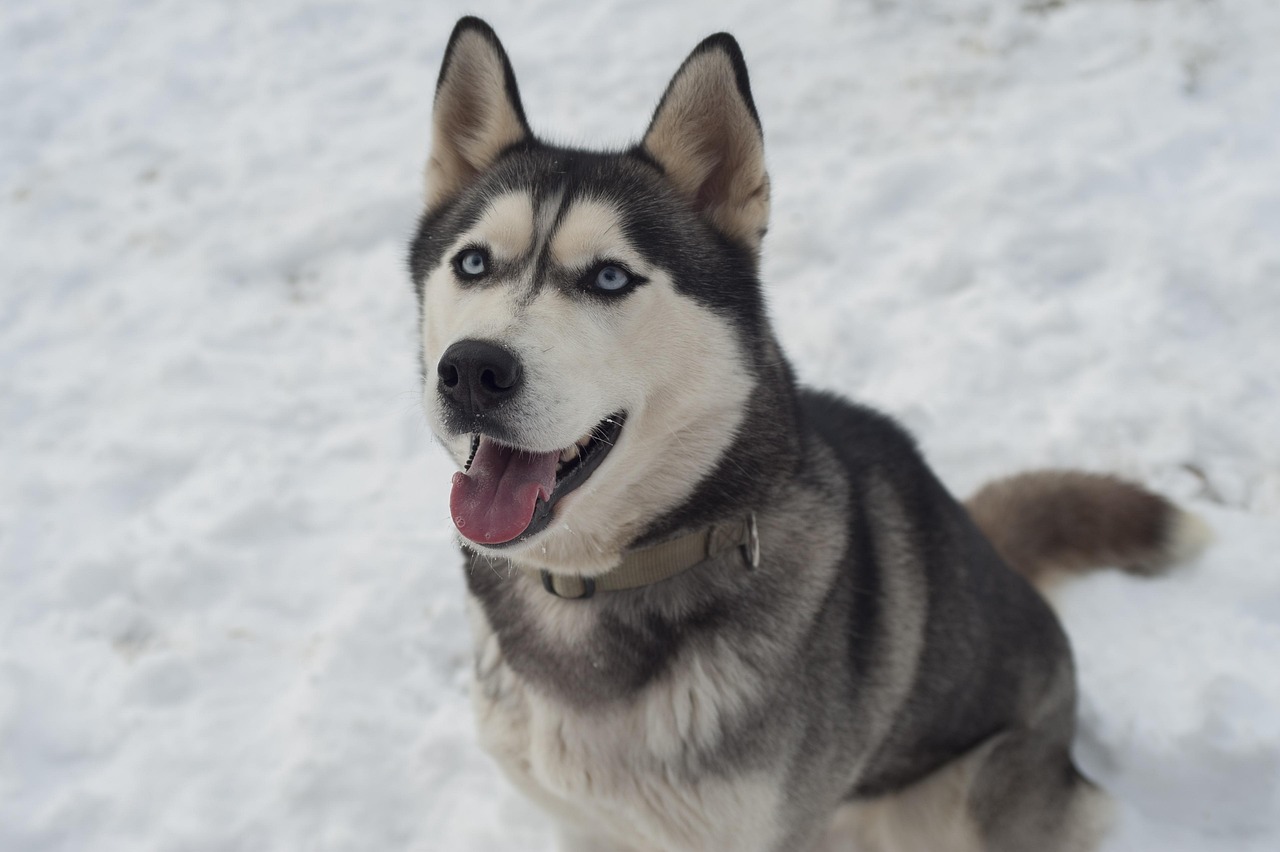
It’s no secret that the Siberian Husky is one of the most vocal dog breeds. You’ve likely seen videos of them online, often singing in unison over the most benign things, like being told it’s time to go to bed. This breed may surprise you with some of the vocalizations it makes, from barking and whining to howling and screeching. The Siberian Husky has a lot of things to say about everything, and you can expect this breed to become especially vocal when excited or stressed.
Read: 17 Things You Do That Make Your Dog Feel Truly Loved
Siberian Huskies don’t necessarily bark a lot, but they’re described as a talkative breed. They will whine, howl, groan and ‘talk’ for hours, explains Britt. He continues: “There are various reasons for this; firstly, studies show their DNA is closely linked to wolves, so their vocalisation is more similar to that of their ances Their theatrical nature makes them perfect for families who enjoy a bit of canine commentary throughout the day.
German Shepherds: The Professional Communicators
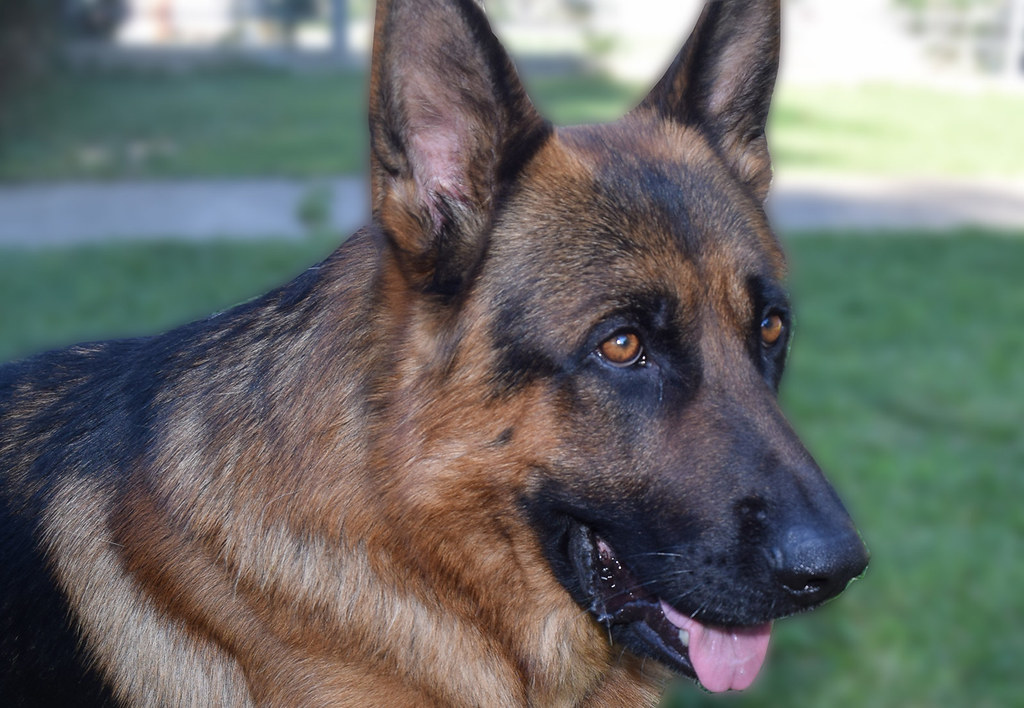
Coming in close second in our ranking of the most vocal dog breeds, the German Shepherd can give the Siberian Husky a run for its money when it comes to having something to say. This regal breed is often regarded for its diverse skills at everything from herding to drug detection to guarding. Although they take their job seriously, whatever it may be, the German Shepherd has a lot of things to say, especially in stressful and exciting situations. Howls, whines, and grumbles are all common vocalizations from this breed.
These majestic dogs don’t just bark randomly – they’re actually trying to tell you something important. Their working background means they’re naturally inclined to keep their owners informed about everything happening around them. Whether it’s alerting you to visitors or expressing their opinions about your Netflix choices, German Shepherds have mastered the art of canine conversation.
Chihuahuas: Tiny Dogs With Giant Opinions
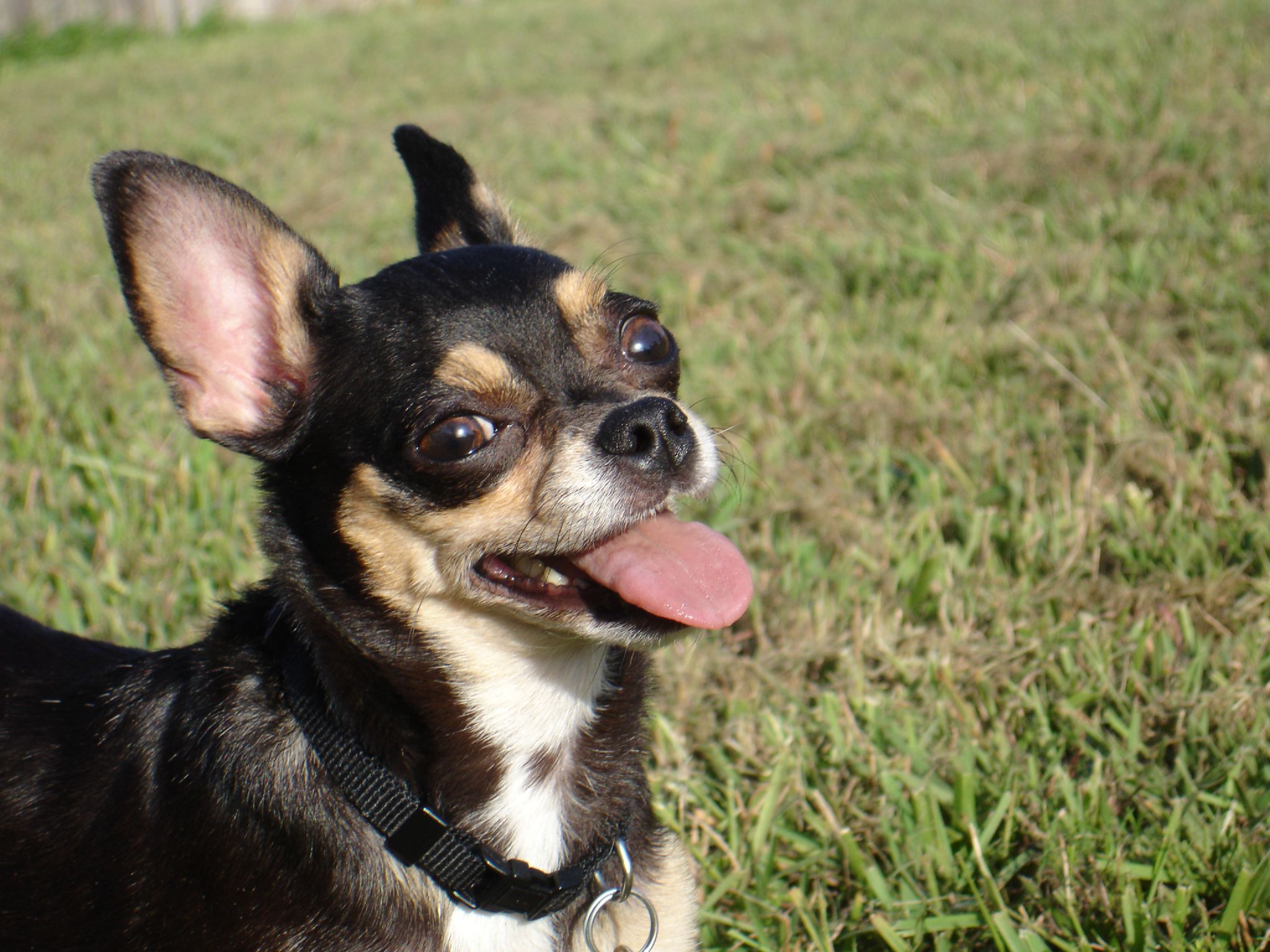
Chihuahuas may be small in size, but they have a large voice. These tiny dogs are often known for their yappy barks, which they use to alert their owners to anything out of the ordinary, whether it’s a stranger at the door or an animal passing by. Despite their size, their barks can be sharp and loud, which may be disruptive in certain environments.
A big dog in a small dog’s body, it’s not unusual for a Chihuahua to bark pretty much continuously – often for no other reason than they are bored. These pint-sized powerhouses seem to believe they’re responsible for protecting the entire world, one high-pitched bark at a time. Their confidence vastly exceeds their size, making them surprisingly effective watchdogs despite weighing less than your laptop.
Dachshunds: Small Bodies, Big Barks
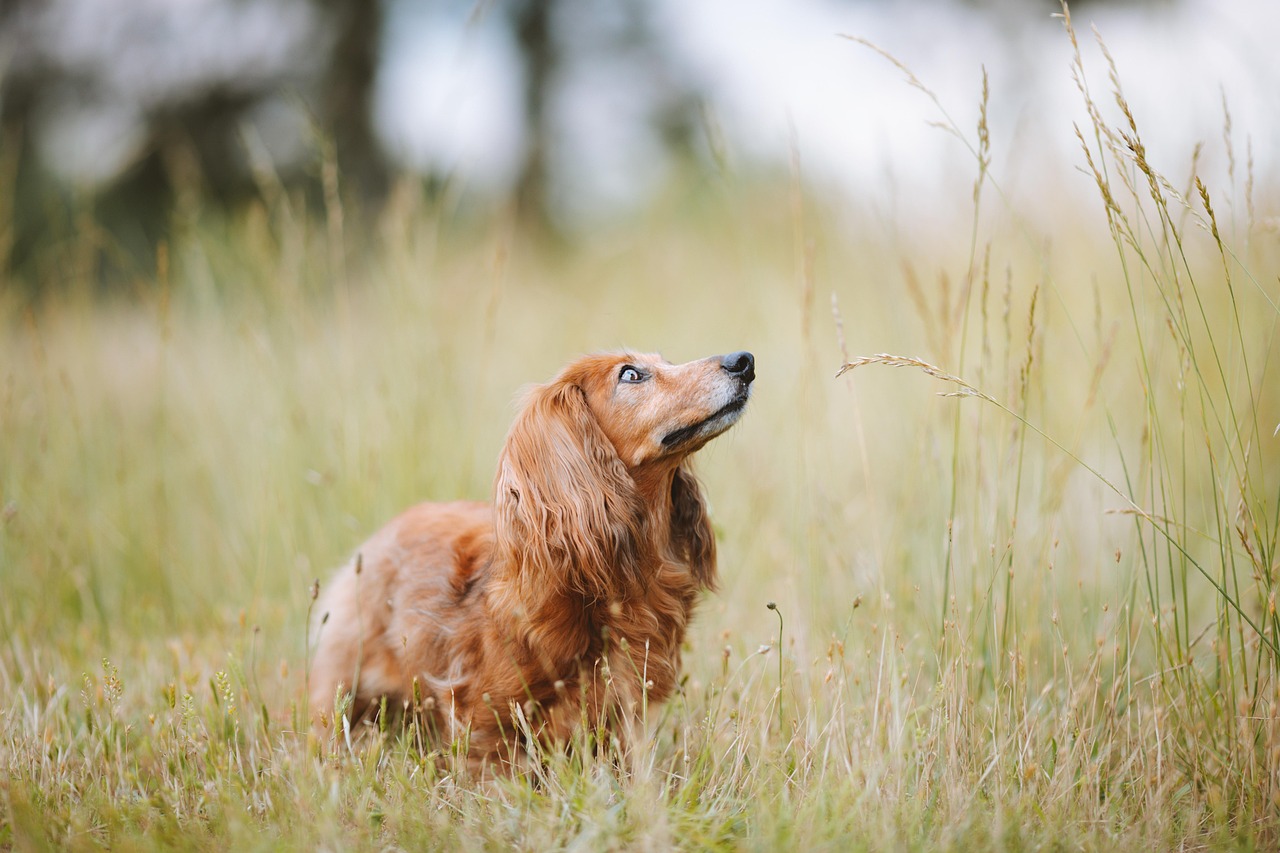
Dachshunds, with their bold and feisty personalities, are known for being quite vocal. They may have small bodies, but their barks are big and loud, especially when they are alerting their owners to a perceived threat or when they want attention. Their high-pitched, shrill barks can be surprisingly loud for such a small breed, making them a breed to consider if you don’t mind a bit of noise.
This little scent hound was originally bred in Germany for hunting tunneling animals, such as rabbits and foxes. Their hunting heritage means they’re naturally alert to movement and sounds, transforming your peaceful backyard into their personal security zone. Don’t let their adorable sausage-like appearance fool you – these dogs pack serious vocal power into their compact frames.
Jack Russell Terriers: Energy-Fueled Noise Machines
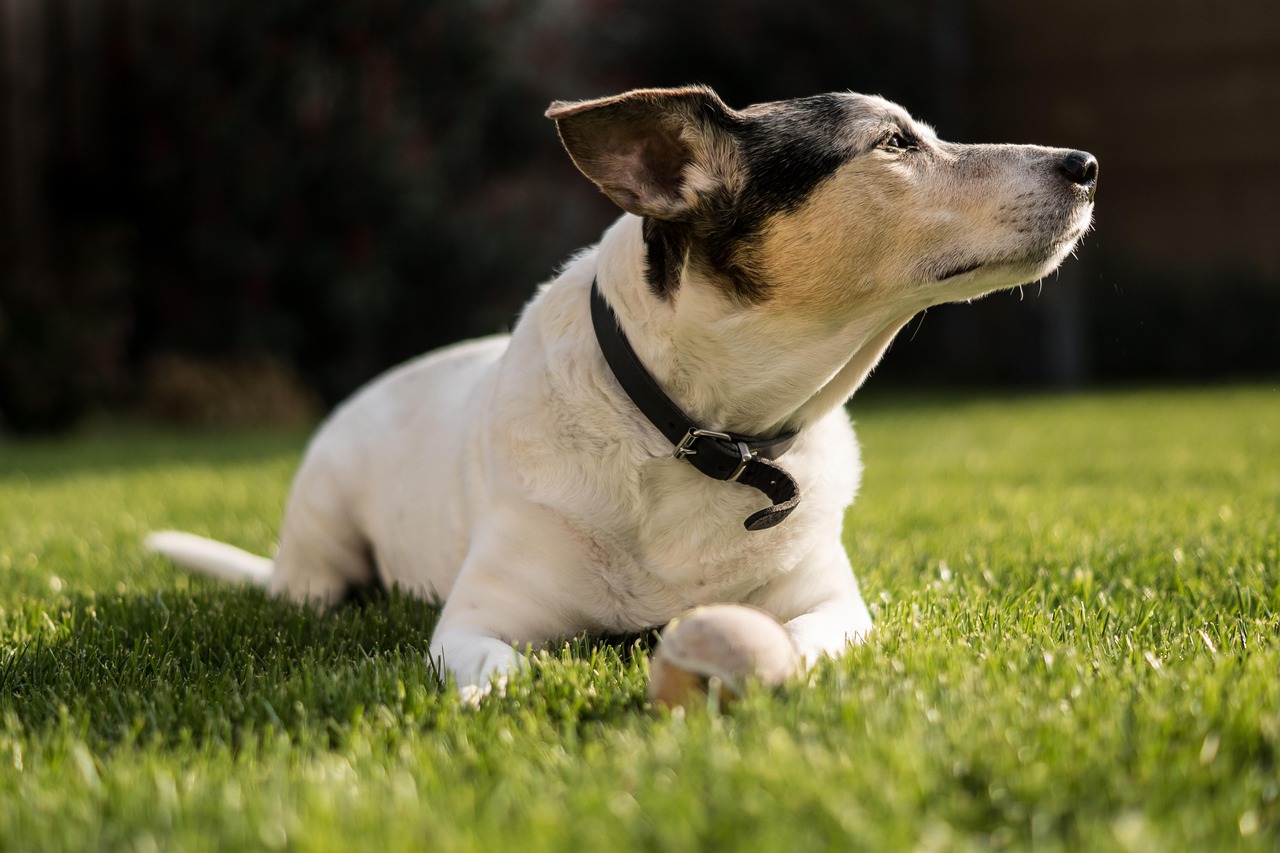
Jack Russell Terriers are energetic dogs with a big bark for their size. These dogs were originally bred for hunting, so they have a strong instinct to vocalize when they sense something interesting. Whether they’re chasing after a squirrel or excited to greet a visitor, Jack Russells are often loud, with their sharp, high-pitched barks. Their energetic nature and love for attention can lead to frequent barking, making them one of the louder small dog breeds.
These compact terriers combine the worst traits for noise-sensitive households: incredible energy levels, natural hunting instincts, and an unshakeable belief that everything deserves their immediate commentary. They’re like that friend who talks through movies, except they never learned indoor voices and their movies are your daily life.
Basset Hounds: The Howling Specialists
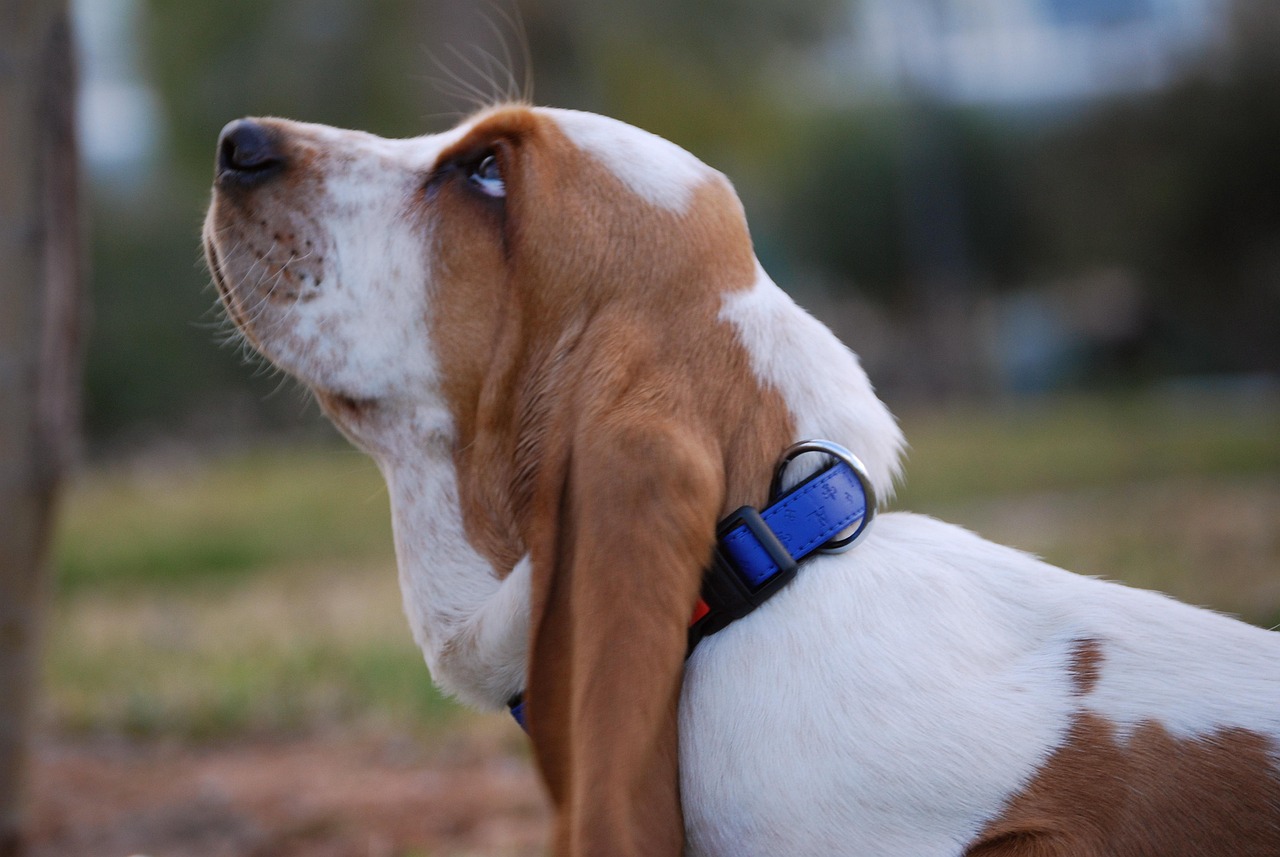
Don’t be fooled by the relatively short height of the Basset Hound. This breed is actually quite large, often exceeding 40–50 pounds in weight. Like the Beagle, the Basset is often considered to be a good-natured breed that loves to be surrounded by its human family. As a hound, though, Basset often has lots of things to say, from baying and howling to whining and yelping. Because of their large size, exercise needs, and tendency to vocalize, this breed is also not suitable for apartment living.
These low-slung hounds might look lazy, but their vocal cords are anything but. Their deep, resonant bays can carry for miles – a trait that served them well when tracking game but might not endear you to your neighbors. Think of them as the opera singers of the dog world, complete with dramatic flair and impressive lung capacity.
Bloodhounds: The Vocal Detectives
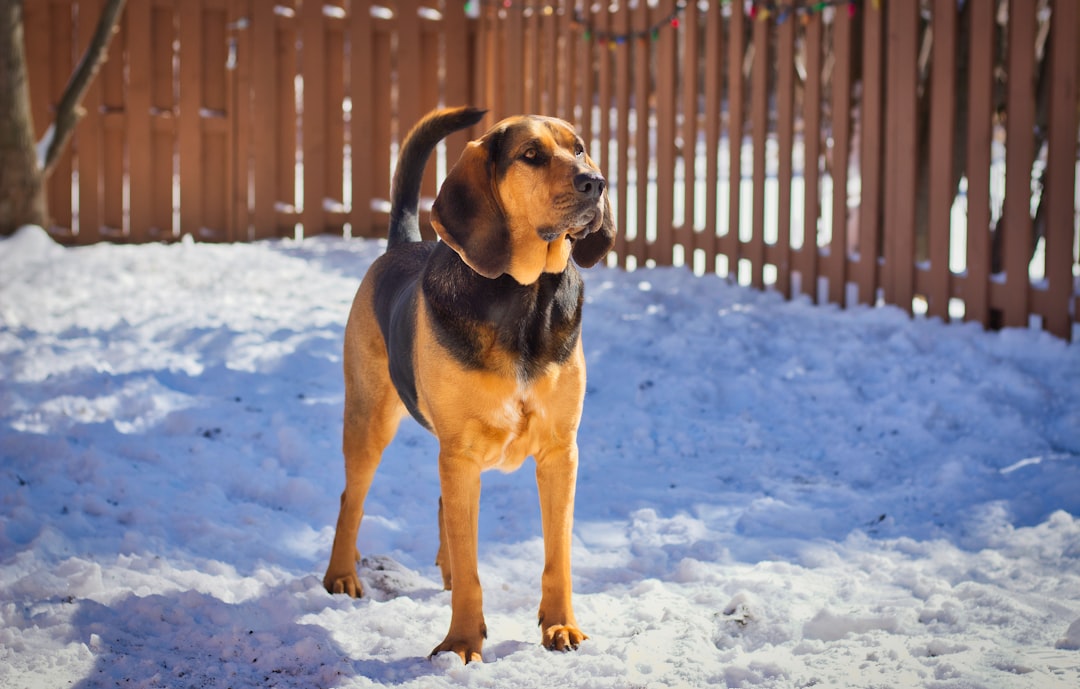
Often lauded for its strong sense of smell, the Bloodhound is an excellent dog that is often employed as a search and rescue dog, as well as serving as a hunting scent hound. Bloodhounds are often thought of as lazy dogs, but they can actually be quite active and athletic. When excited, happy, or stressed, this breed loves to howl and bay. You can also expect frequent barking from Bloodhounds.
Their incredible tracking abilities come with a side effect: they feel compelled to announce every scent discovery to the world. It’s like living with a canine narrator who provides live commentary on every smell within a five-mile radius. Their deep, mournful howls have an almost haunting quality that can be heard from impressive distances.
Pomeranians: Fluffy Fireballs of Sound
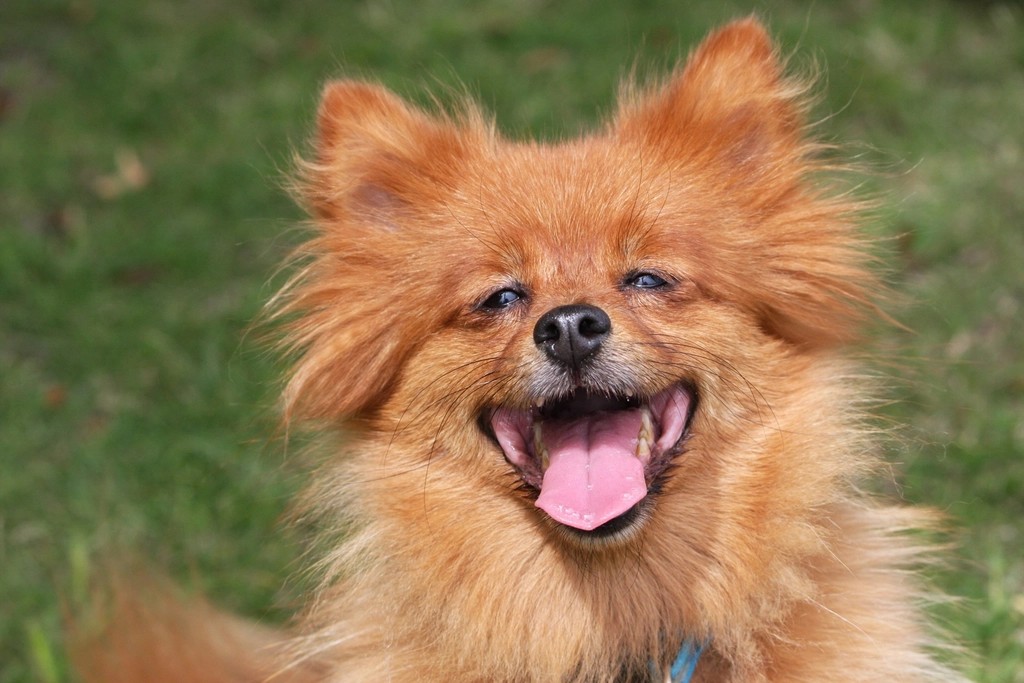
A lot of small companion dogs, such as Pomeranians, are prone to being more vocal. Britt explains: “These small breeds often make excellent watchdogs by alerting you to any perceived dangers. Being vocal can also become a strategy that they’ve learned gets them attention. Sometimes, small breeds will bark because they feel more anxious or vulnerable due to their small size.”
Pomeranians are small dogs with a fluffy coat and a vivacious personality. Ladd describes them as small dogs with big voices, as evidenced by her time with Pixie, a particularly vocal Pomeranian. “Their howling is not just for attention; it’s part of their way to express themselves, stemming from their larger Spitz-type ancestors,” Lorna points out.
Yorkshire Terriers: Tiny Watchdogs With No Volume Control
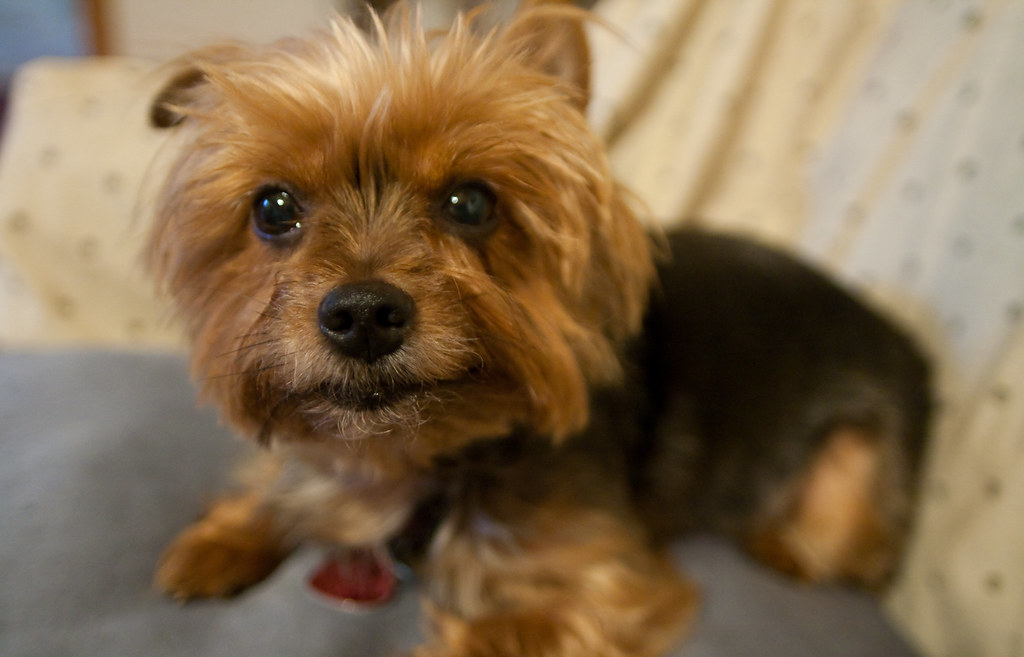
The Yorkshire Terrier, or Yorkie, is another small dog that can make a big noise. There are very few occasions that do not warrant a spirited barking notification. These pint-sized terriers seem to believe that every leaf falling, every door closing, and every shadow moving requires immediate vocal documentation.
Their silky coats and adorable size might make you think they’re delicate lap dogs, but their terrier heritage shines through in their bold, vocal personalities. They’ve appointed themselves as your personal security system, complete with 24/7 monitoring and instant alerts for everything from delivery trucks to suspicious squirrels.
Miniature Schnauzers: The Neighborhood Alert System
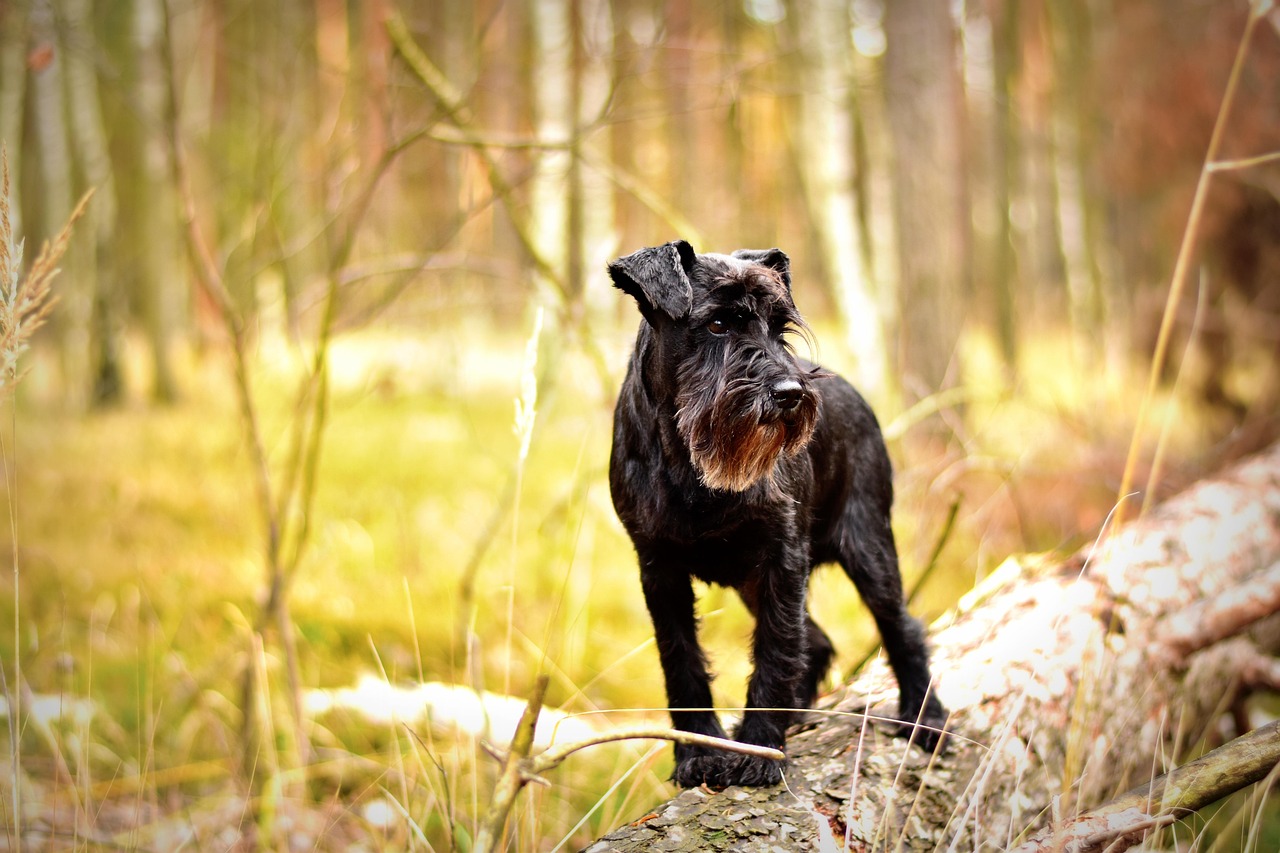
Terriers in general tend to be quite vocal, and the adorable Miniature Schnauzer is no exception. It’s possible to train them to be quiet but they naturally bark at the slightest noise. These distinguished-looking dogs with their iconic beards and eyebrows might appear serious and scholarly, but they’re actually chatty little comedians.
Their keen intelligence makes them excellent at detecting even the subtlest changes in their environment, which unfortunately means they feel obligated to inform you about every single one. That creak in the floorboards at 2 AM? Your Miniature Schnauzer will make sure you know about it – repeatedly.
Welsh Corgis: Royal Barkers With Attitude
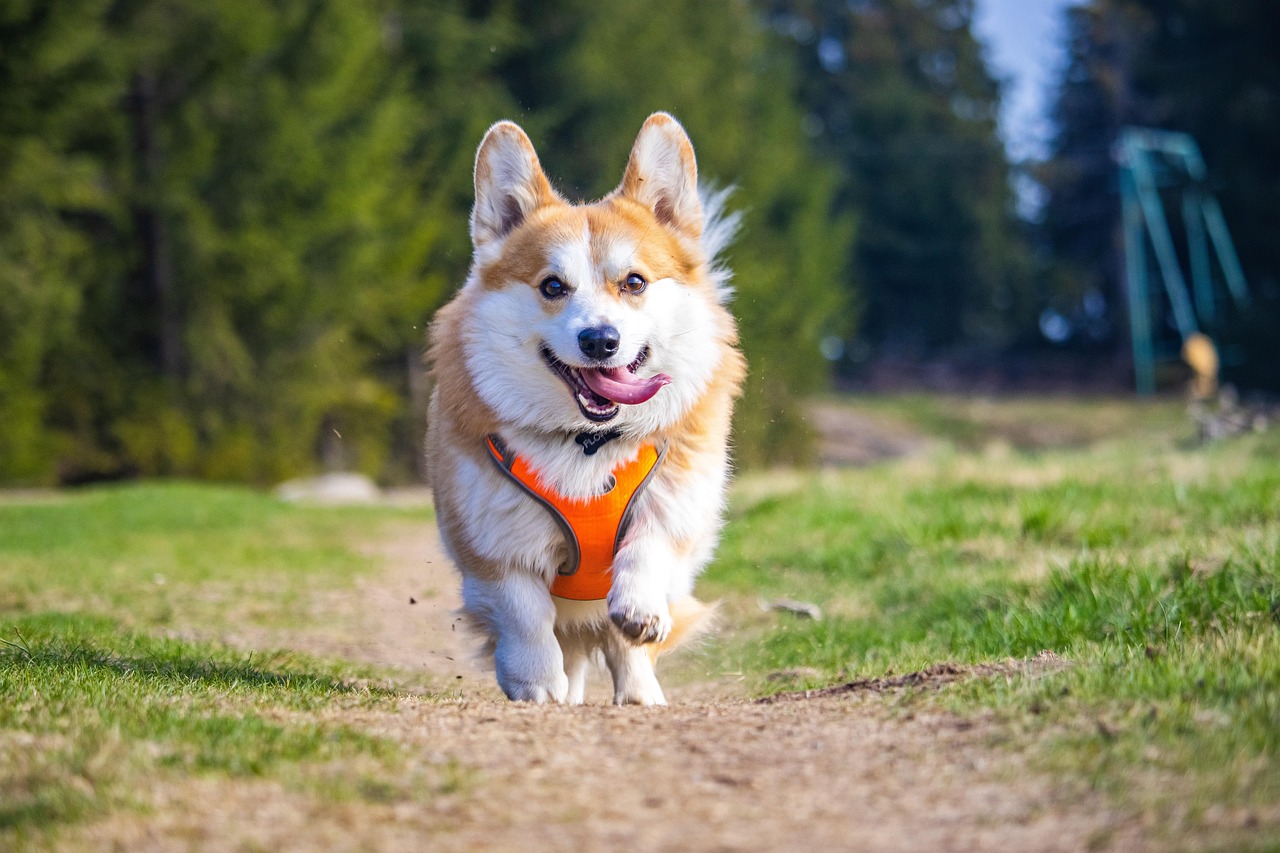
While it’s true that some Corgis don’t bark, it’s a fairly common trait with both breeds – the Pembroke Welsh Corgi and the Cardigan Welsh Corgi. Their vocal nature comes from their history of being bred to herd cattle and sheep. These short-legged charmers were literally bred to boss around animals much larger than themselves, and they haven’t forgotten their management roots.
Their herding instincts mean they naturally want to keep everyone in line – including you, your family, and probably your guests. They use their surprisingly powerful voices to maintain order in their domain, which happens to be your entire house and yard.
Maltese Dogs: Aristocratic Alarm Systems
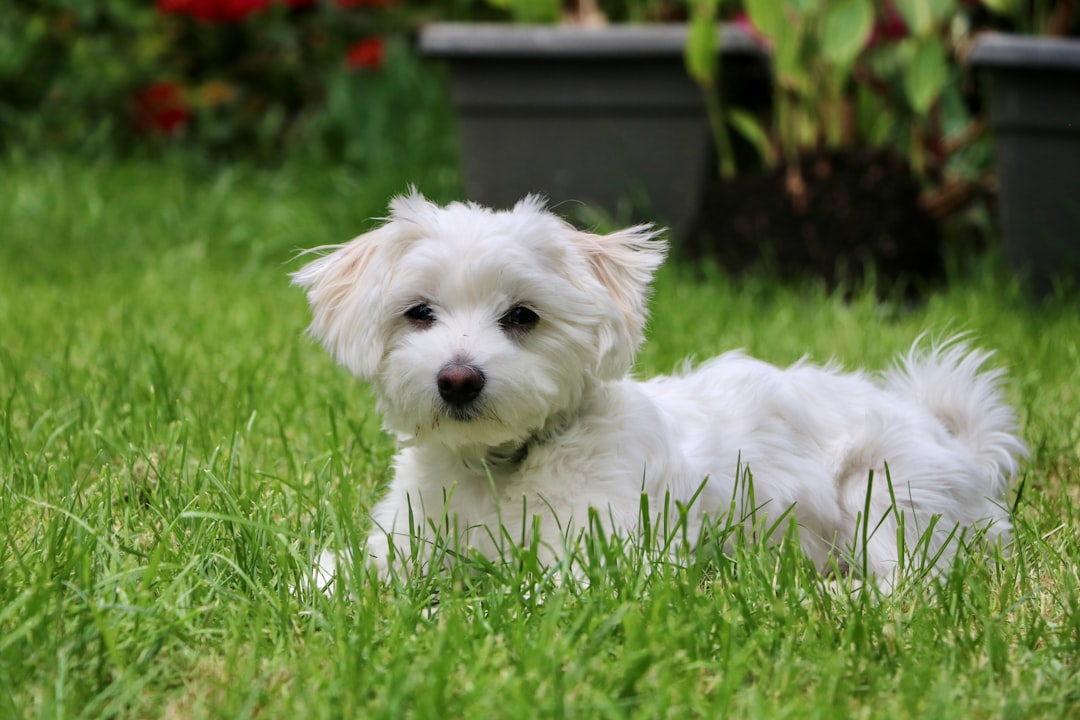
The Maltese is a small, elegant breed, often prized for its luxurious white coat and gentle, affectionate nature. Lorna Ladd, a top-rated pet sitter in Southern CA recalls Benny, a Maltese whose spirited barking belied his delicate appearance. “Despite their aristocratic bearing, Maltese are quite spirited and can be very vocal, especially when alerting their owners to strangers or unusual noises,” Lorna explains.
Don’t be fooled by their angelic appearance and silky white coats – these dogs have strong opinions about everything. Their refined looks hide the heart of a natural-born security guard who takes their protective duties very seriously, no matter how small their stature.
Border Collies: The Intellectual Barkers
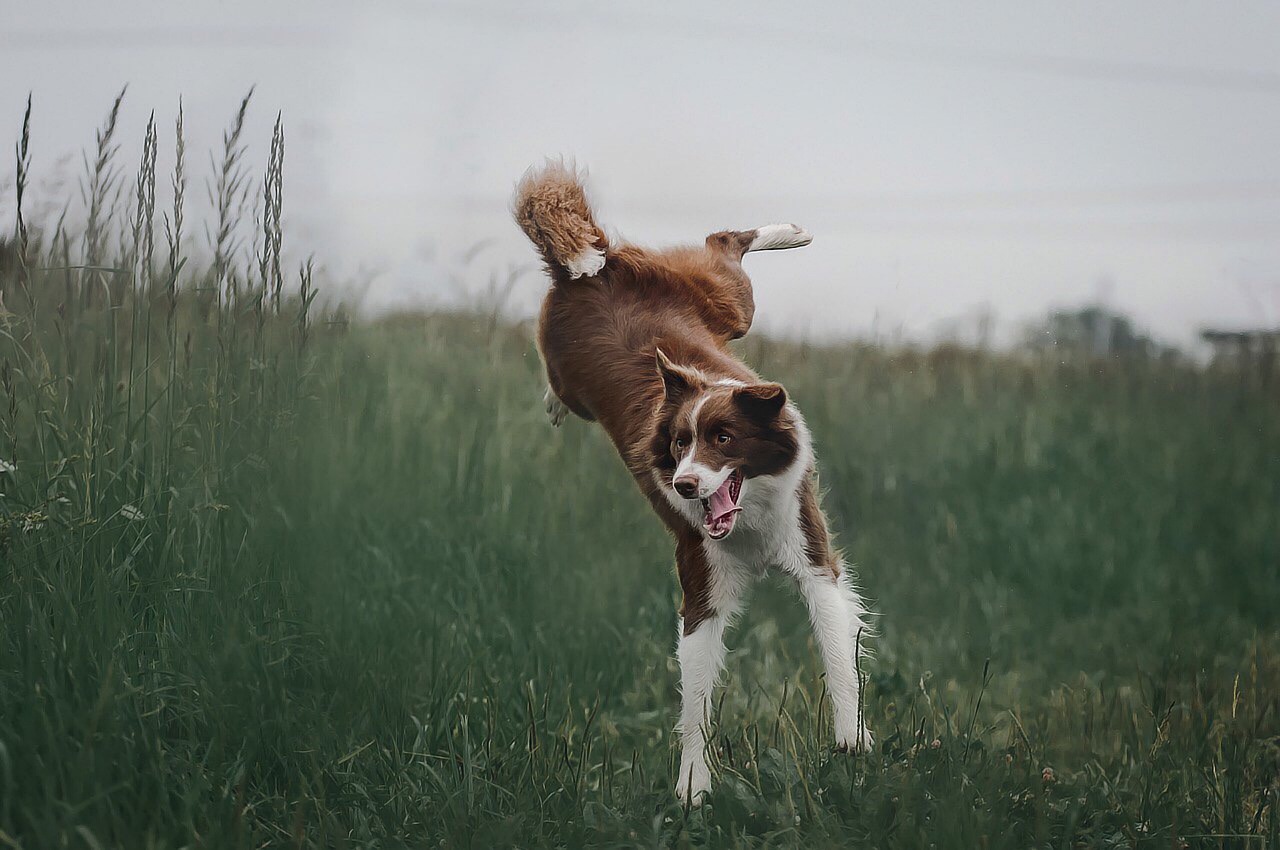
Border Collies are one of the most intelligent dog breeds, bred to herd livestock using vocal commands and barks. Their high intelligence and need for mental stimulation can result in frequent vocalization, especially if they’re not getting enough exercise. Their barking can become annoying if not properly controlled, especially since they are so vocal around strangers or other animals.
These canine Einsteins have so many thoughts running through their brilliant minds that they simply must share them all with you. Their working heritage means they’re used to giving commands and coordinating complex operations – unfortunately, they view your household as their personal sheep farm that needs constant management.
Bichon Frises: Fluffy Chatterboxes
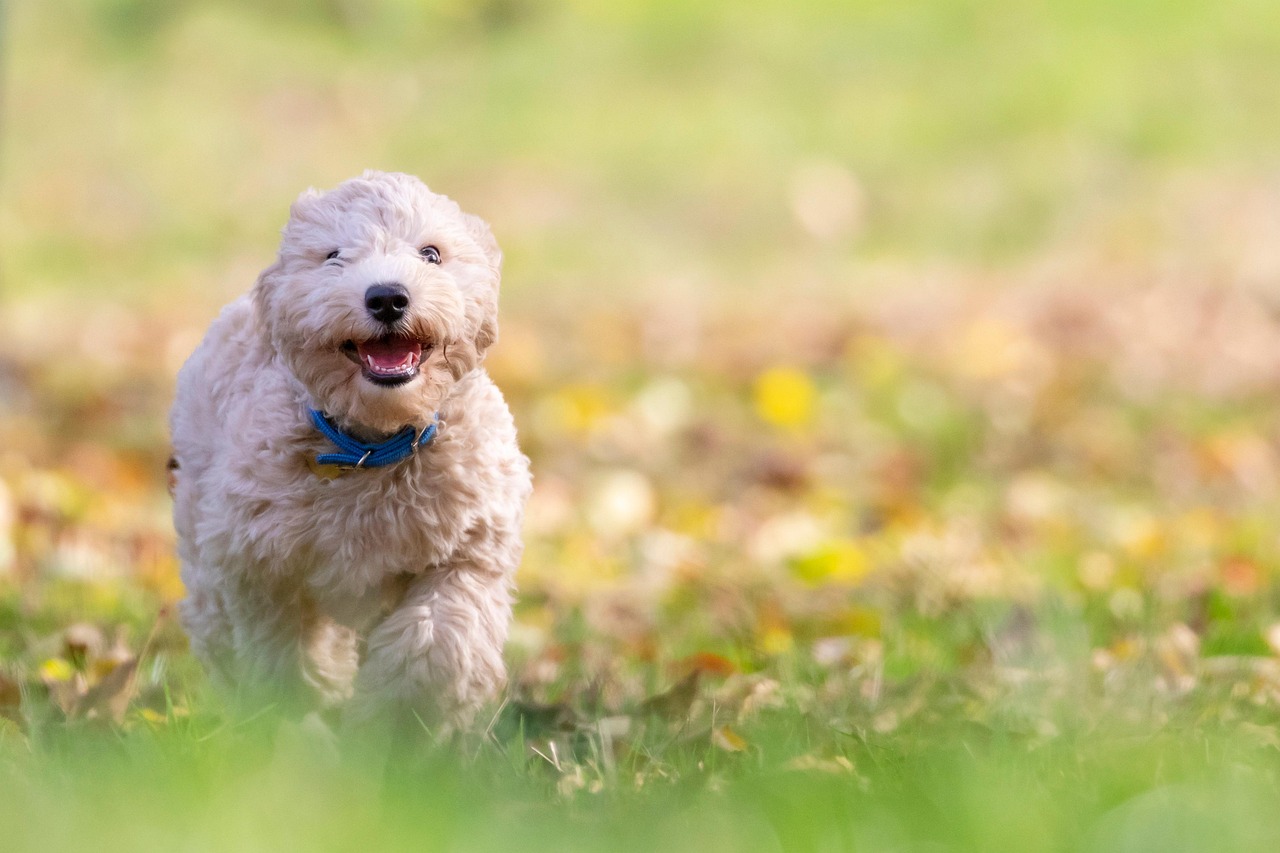
Britt says: “The Bichon Frise, in particular, can be quite vocal and has a distinct high-pitched bark. “This breed has an extensive history, which spans over decades and several continents, and generally speaking, has a playful and curious demeanour.” These cotton ball dogs might look like living stuffed animals, but they have plenty to say about the world around them.
Their playful nature and curiosity mean they’re constantly discovering new things that warrant vocal celebration. Every visitor, every interesting smell, and every exciting moment gets the full Bichon Frise commentary treatment, complete with their signature high-pitched enthusiasm.
Now, let’s flip the script and meet the blessed silent angels of the dog world.
Basenjis: The Legendary Barkless Wonder
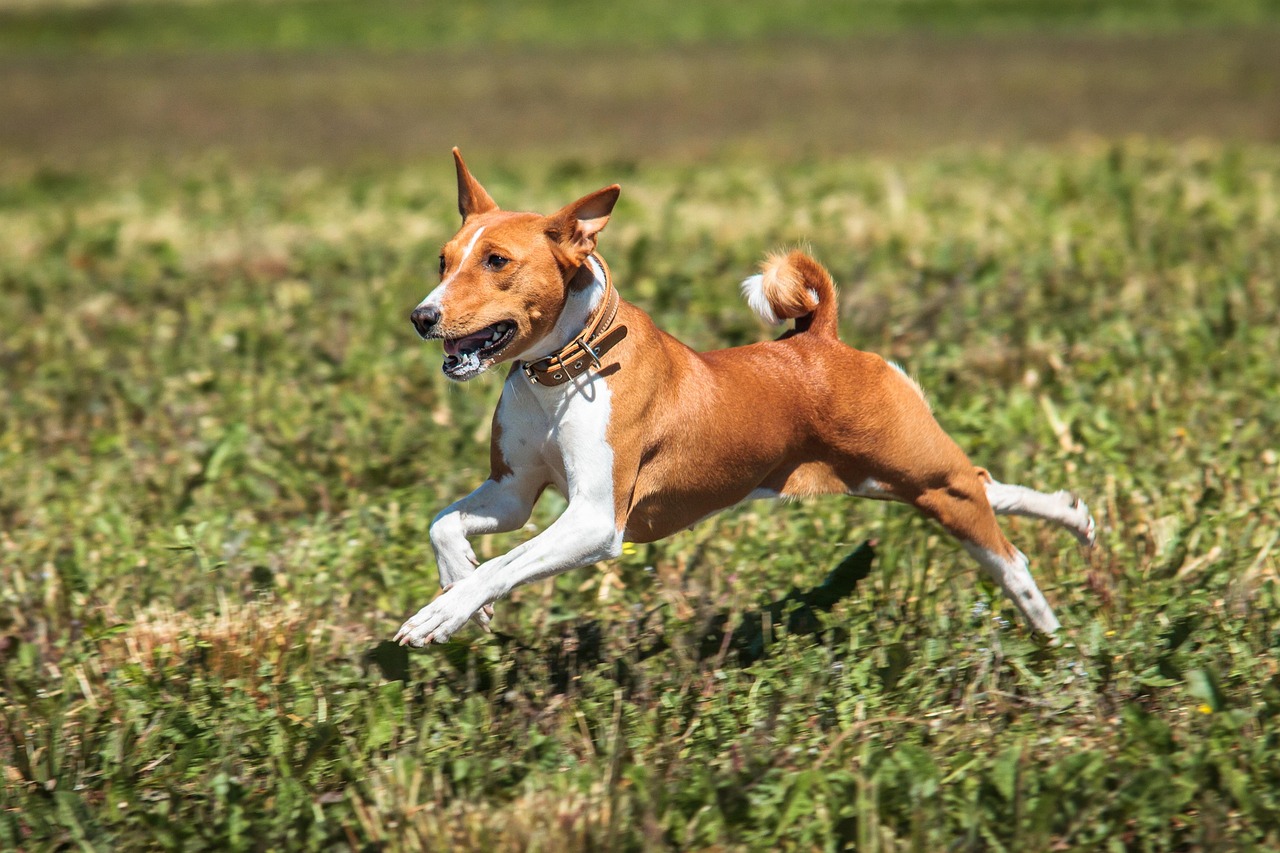
The basenji is actually known as the “barkless dog,” according to the American Kennel Club. The sound they make is often described as a cross between a chortle and a yodel. They make this unique sound because their larynx is actually differently shaped than other dogs’!
The Basenji, Africa’s “Barkless Dog,” is a compact, sweet-faced hunter of intelligence and poise. They are unique and beguiling pets, best for owners who can meet their exercise needs and the challenge of training this catlike canine. It’s like having a canine mime as a pet – they communicate through graceful movements, expressive eyes, and the occasional melodic yodel.
French Bulldogs: The Zen Masters of Dogdom
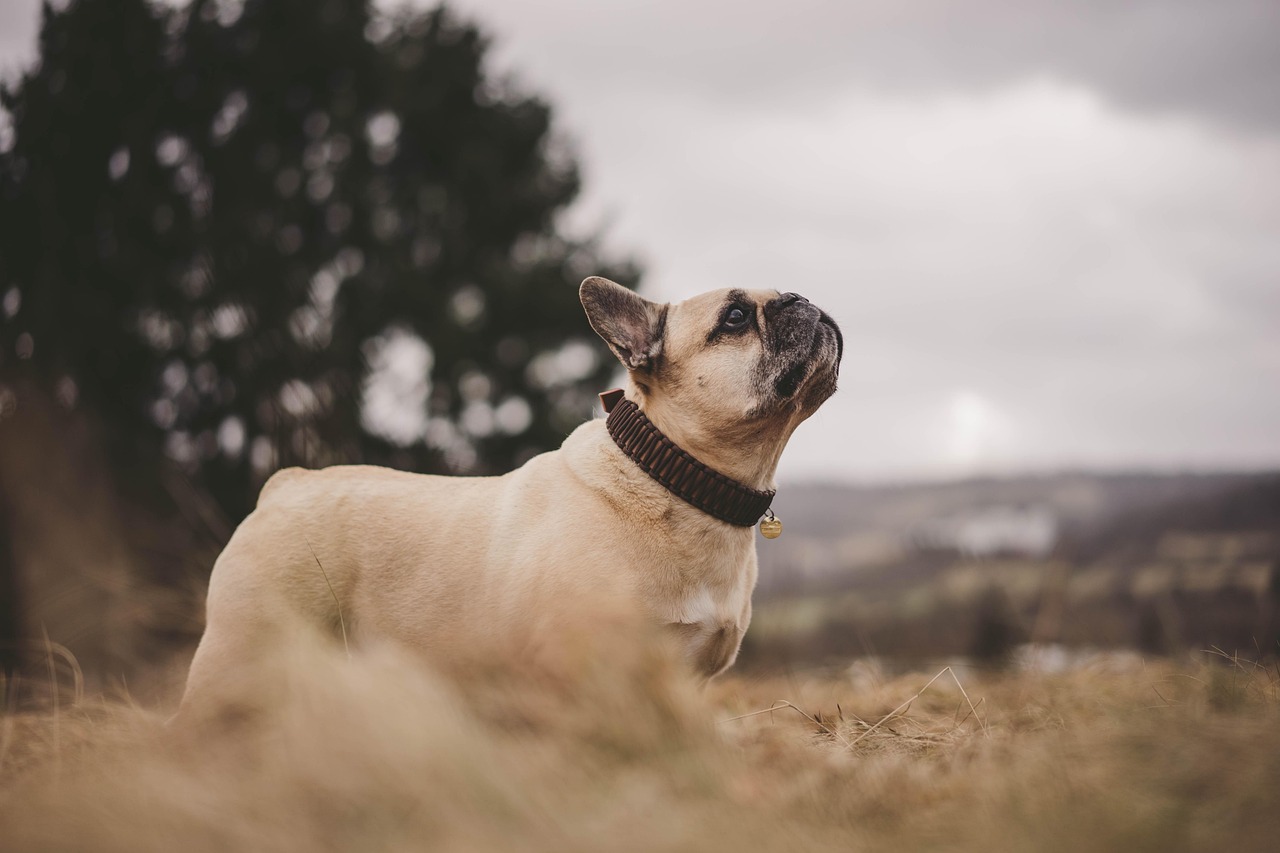
Frenchies love to lounge around the house and need less exercise than other breeds. In fact, because of their shortened face, they are sensitive to overexertion and overheating. A popular choice for an apartment dog, they are playful and alert but not prone to a lot of barking.
The French Bulldog is the most popular dog in the UK (ahead of the Labrador Retriever). It is a particularly good choice for those living in flats, since they rarely bark and don’t need a huge amount of room. These compact comedians prefer expressing themselves through hilarious facial expressions and dramatic snoring rather than excessive barking.
Great Danes: Gentle Giants With Indoor Voices
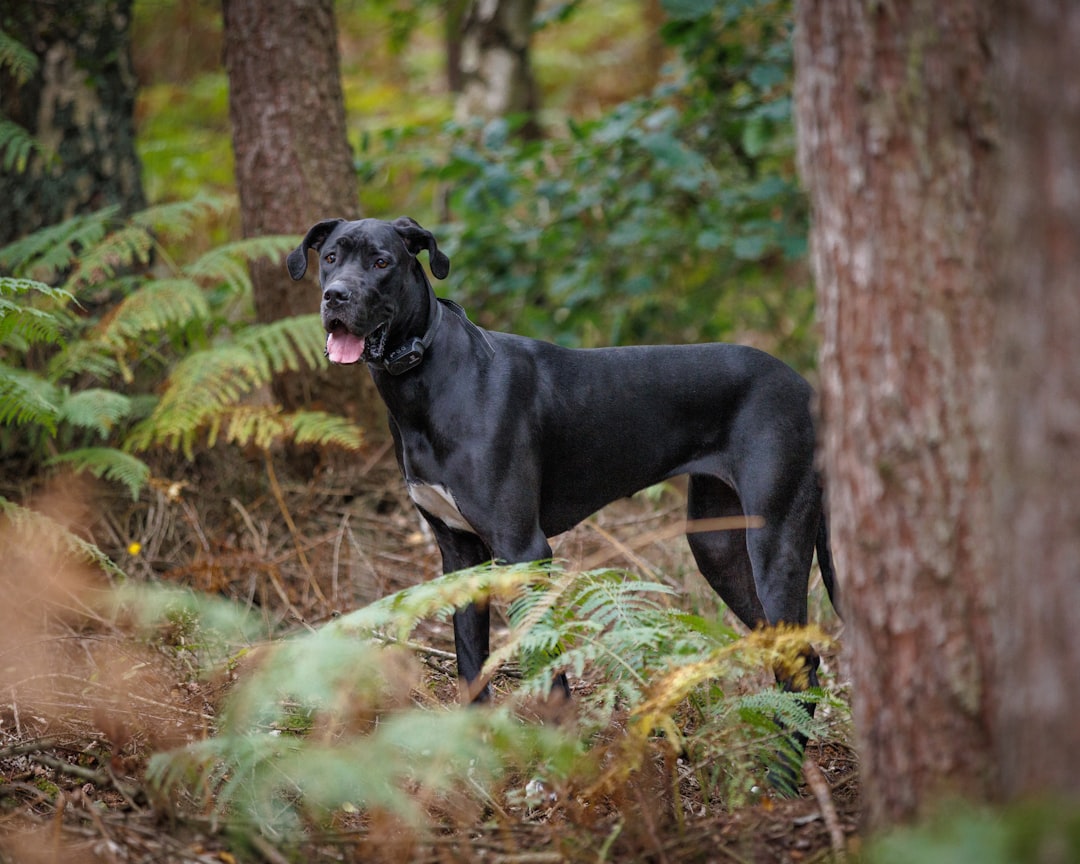
The biggest dog breed is also one of the quietest. Great Danes don’t have many larger enemies or need to prove their strength through barking. However, when they do occasionally vocalize, it’s loud. So there’s definitely a tradeoff there.
In a race for quietest dog breed, the Great Dane runs neck and neck with the Newfie. This gentle giant must know that its formidable size and appearance make it unnecessary to be talkative to be noticed! Barking and lunging tend not to be part of their repertoire, which is good news for humans! When you’re the size of a small pony, you don’t need to raise your voice to command respect.
Cavalier King Charles Spaniels: Royally Quiet Companions
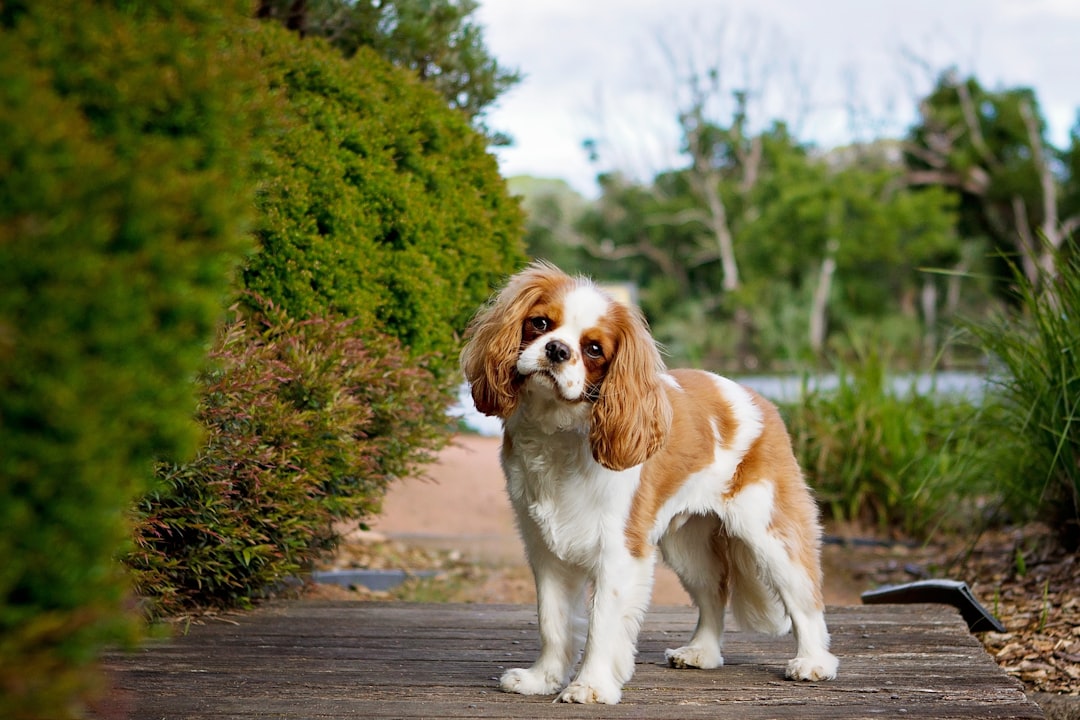
As quiet as they are cute, the Cavalier King Charles Spaniel. They may bark to let you know there’s somebody at the door, but other than that they are very different from the more yappy-type small dog breeds.
These small, adorable dogs are not the first ones off the couch when the doorbell rings. Placid and quiet, Cavalier King Charles Spaniels love to play with humans and other dogs, but are not especially aggressive with strangers, so the mailman is probably safe from these guys. Stubborn but intelligent, any random barking is easily curbed with training. They embody the perfect balance of alertness and tranquility.
Shiba Inus: The Stoic Japanese Silent Type
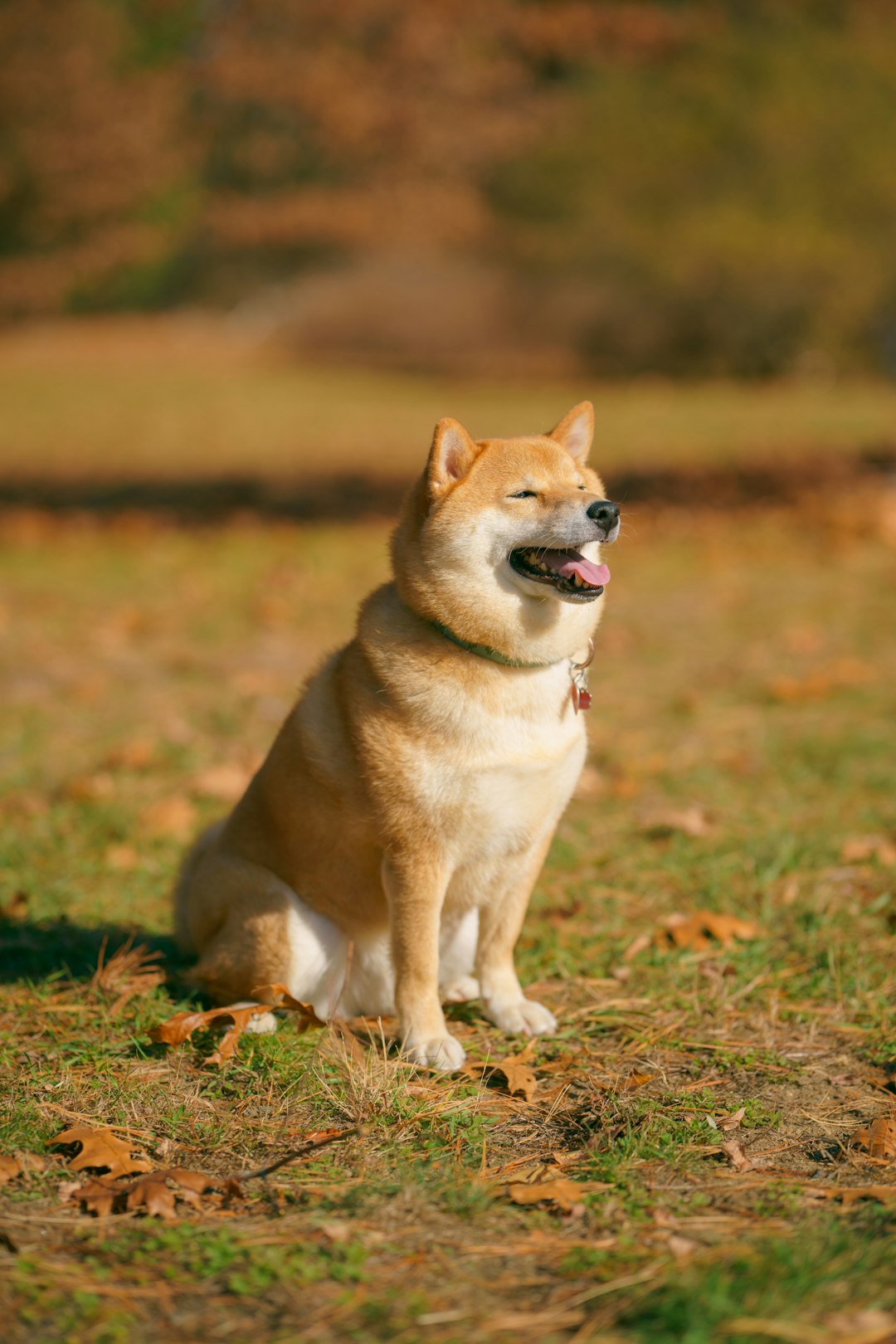
The highly intelligent Shiba Inu, originally from Japan, is another dog that usually only barks when there is a very good reason for it to do so. “The Shiba Inu is a Japanese dog breed renowned for being tidy and quiet, apart from the occasional ‘Shiba scream’ – a unique sound that resembles a wolf howl.”
These dignified dogs follow a “speak only when spoken to” philosophy. They’re like the strong, silent protagonists of canine cinema – they observe everything, judge quietly, and only voice their opinions when absolutely necessary. The famous “Shiba scream” is reserved for truly dramatic moments.
Bernese Mountain Dogs: Switzerland’s Quiet Giants
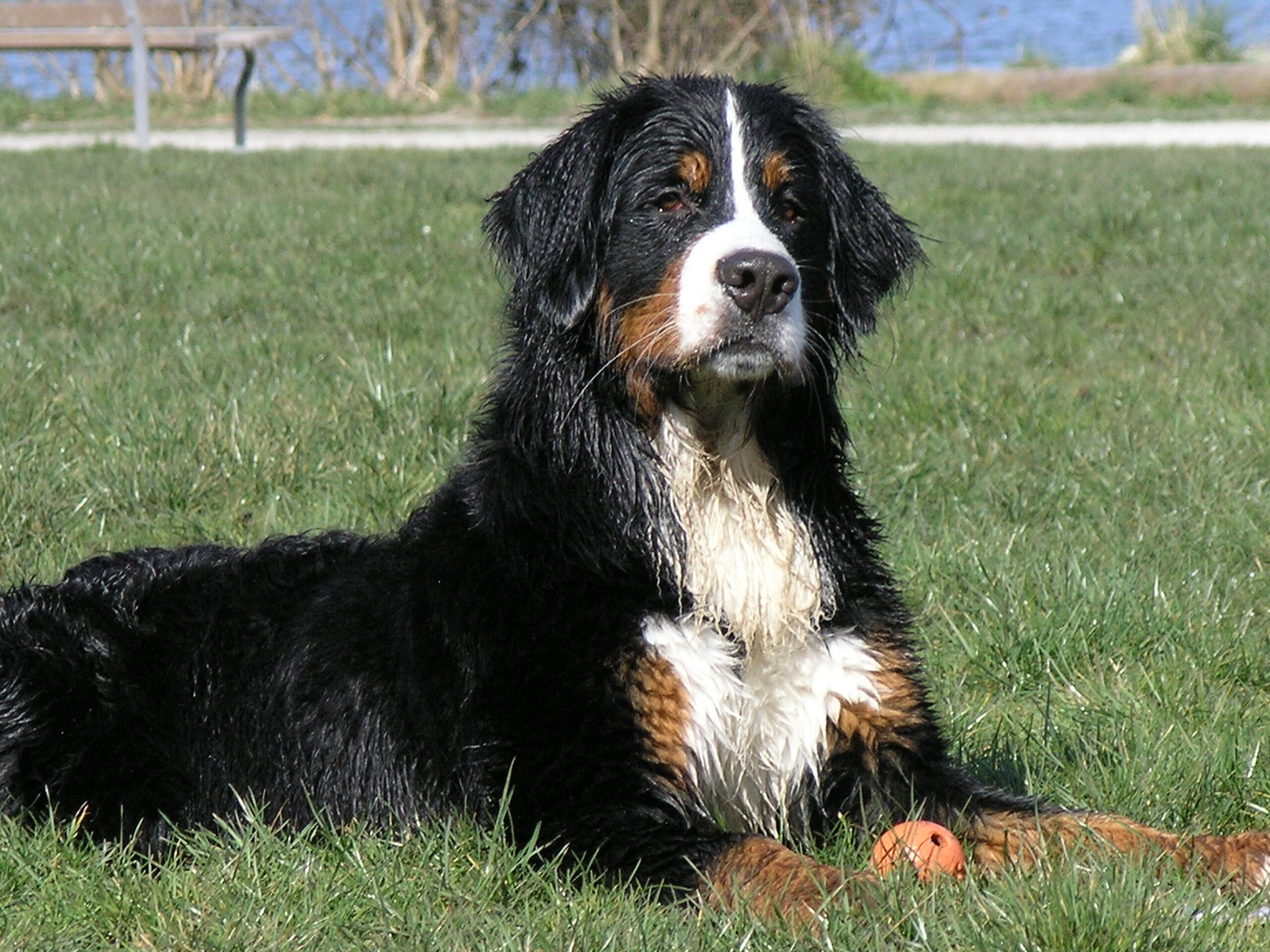
You may be able to see this gentle giant coming, but you probably won’t hear them! The Bernese Mountain Dog or “Berner” is a family favorite for many reasons, including their quiet nature. This large dog breed can weigh over 100 pounds, so even if they don’t bark, they’ll grab your attention one way or another.
“A working breed from the Swiss Alps, these gentle giants are calm and loving. They are great family dogs, and can be a fantastic and quiet companion for younger children,” the Kennel Club tell us. These fluffy giants are like having a living teddy bear that happens to weigh as much as a motorcycle – imposing but incredibly peaceful.
Greyhounds: The Silent Sprinters
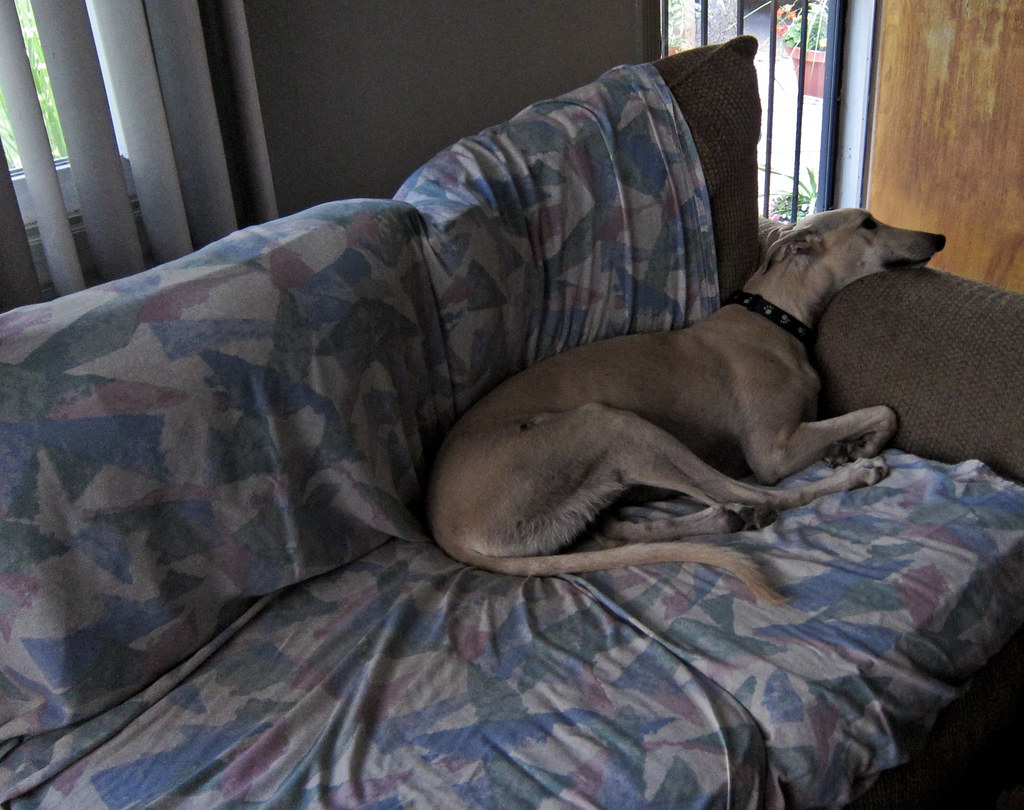
Greyhounds are known to be calm family dogs due to their affectionate, mellow and docile nature. They are generally quiet and calm dogs that enjoy sleeping throughout the day after a long walk. Greyhound: Calm and quiet, rarely barking without cause.
These elegant speedsters save their energy for what really matters – like achieving maximum comfort on your couch. They’re basically professional nappers who occasionally run at highway speeds. Their racing background taught them to conserve energy for when it counts, which apparently doesn’t include unnecessary barking.
Irish Setters: The Selective Speakers
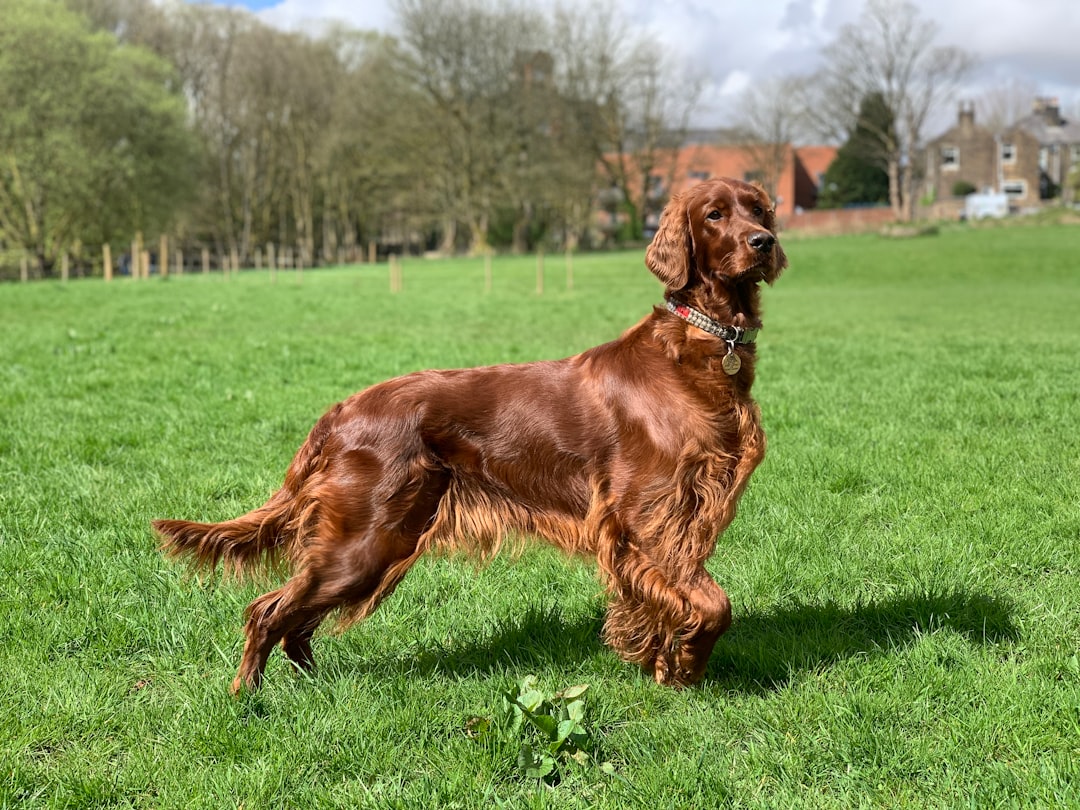
PetCoach says that Irish Setters usually only bark when greatly alarmed, but for the most part are pretty quiet and friendly. This makes them bad guard dogs, since they’ll bond quickly even with strangers, but it helps on the no barking front.
“The original breeding purpose of Irish Setters was hunting, which means they don’t tend to bark without a reason! These dogs enjoy a lot of active exercise and a well-deserved quiet nap afterwards.” They’re too busy being gorgeous and graceful to waste time with unnecessary chatter.
Saint Bernards: The Peaceful Mountain Rescue Heroes
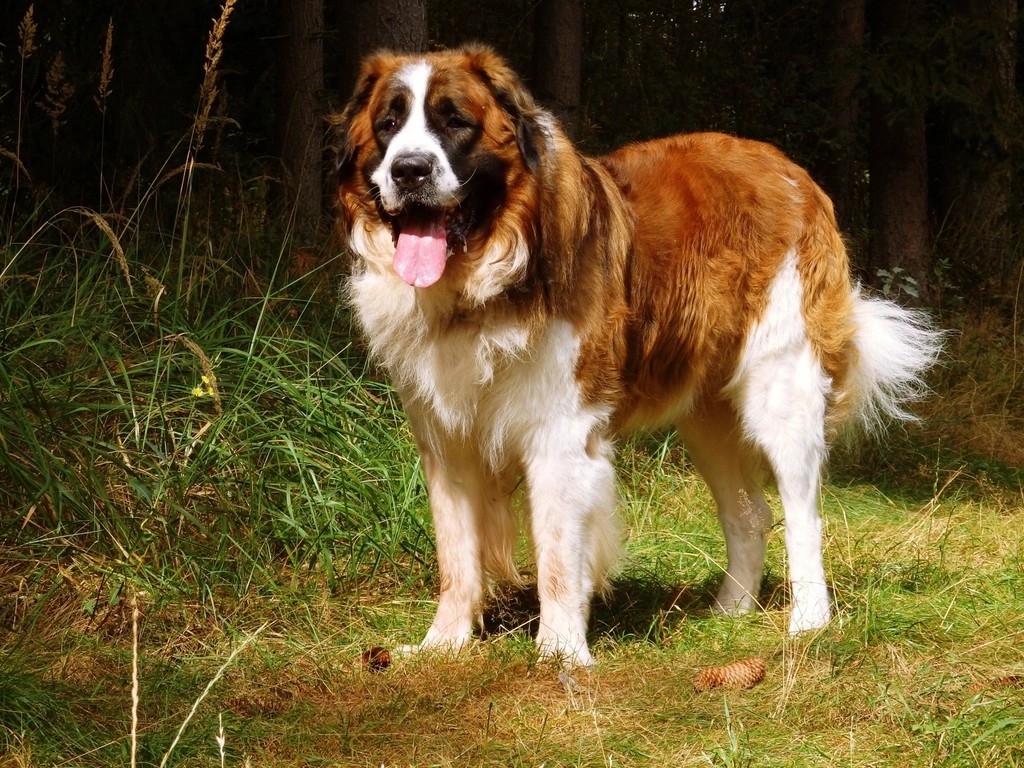
Patient and loving, these traditional rescue animals are great with children. Some people even call them nanny dogs! Saint Bernards are true human companions, molding themselves to human life. They rarely bark or howl, which may surprise you due to their large size. These quiet dogs have virtually no prey drive, either. While they are large, they are great for apartment living as long as they get out to stretch a couple of times a day. They are quiet and mild-mannered, which makes them great neighbors. They also won’t bark at every little noise.
These gentle giants understand that true strength doesn’t need to announce itself. When you’re bred to rescue people from Alpine disasters, you learn that actions speak louder than words – or barks, for that matter.
Whippets: The Graceful Quiet Ones
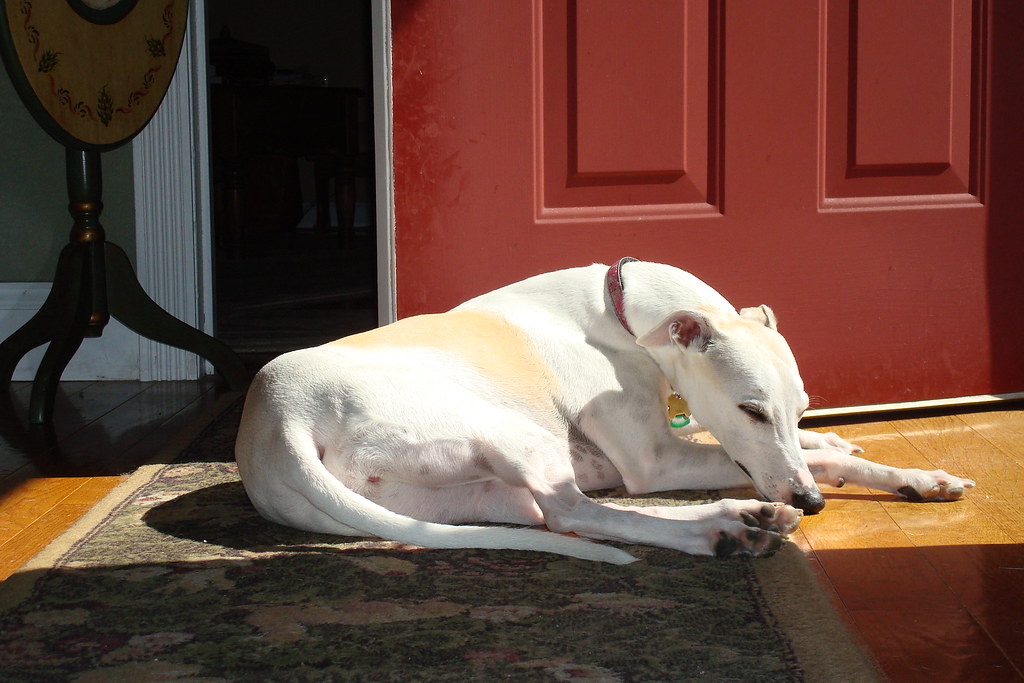
Like their relative the Greyhound, Whippets aren’t a very noisy breed. The Whipper Rescue and Placement website says they hardly ever make noise, but may bark when playing or left home alone too much. Whippet: Gentle and usually quiet indoors.
These miniature greyhounds are like having a living sculpture that occasionally runs at ridiculous speeds. They embody the “less is more” philosophy, preferring to communicate through gentle nuzzles and graceful positioning rather than vocal demands. They’re the introverts of the sighthound world.
The truth about dog breeds and their vocal tendencies might surprise many potential pet owners. Remember: how much a dog is likely to bark is actually affected less by their breed than other factors such as their personality, energy levels, training, socialization, and their environment. While genetics play a role, individual dogs can vary significantly within breeds.
Whether you end up with a chatty Chihuahua or a silent Saint Bernard, understanding your dog’s natural tendencies helps you prepare for life together. The loudest breeds often make excellent watchdogs and loyal companions, while the quietest breeds offer peaceful coexistence and gentle friendship. The choice ultimately depends on your lifestyle, living situation, and personal preference for canine conversation levels.
What surprised you most – that tiny dogs could out-bark giant breeds, or that some dogs are practically mute by nature?

As a little kid, I fell in love with nature, wildlife, and animals. Living in the USA, South Africa, Italy, China and Germany gave me the opportunity to discover the world's Wildlife. My favorite animals are Mountain Gorillas, Siberian Tigers, and Great White Sharks.
I'm a certified PADI Open Water Diver, went to Everest Base Camp and Trekked Gorillas in Uganda. I hold a Master of Science in Economics and Finance.
Please send any feedback to feedback@animalsaroundtheglobe.com
- 10 Most Unique Reptiles You will See in the US - July 21, 2026
- 3 Dangerous Invasive Species the USA Must Eradicate - July 21, 2026
- 10 Things That Calm Cats And 4 That Make Them Nervous - July 21, 2026