

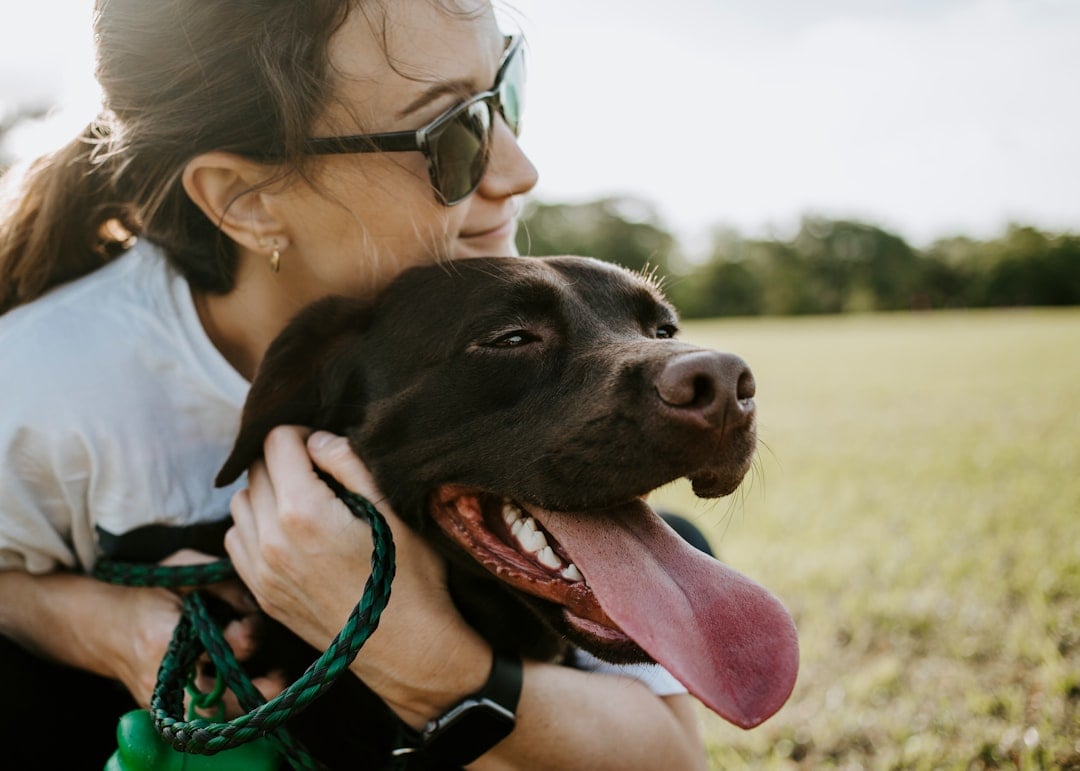
Your furry best friend has been by your side through thick and thin, wagging their tail through your darkest days and brightening every moment with their unconditional love. But have you ever wondered if you’re showing them just how much they mean to you? Dogs experience love differently than humans, and understanding their unique language of affection can transform your relationship in ways you never imagined.
The bond between humans and dogs goes deeper than mere companionship – it’s a connection built on thousands of years of evolution, trust, and mutual understanding. While we might think grand gestures show our love best, dogs often find the deepest meaning in our smallest, most consistent actions. From the way you look at them to how you spend your quiet moments together, every interaction either strengthens or weakens the invisible thread that connects your hearts.
Following You From Room to Room Without Making It Weird
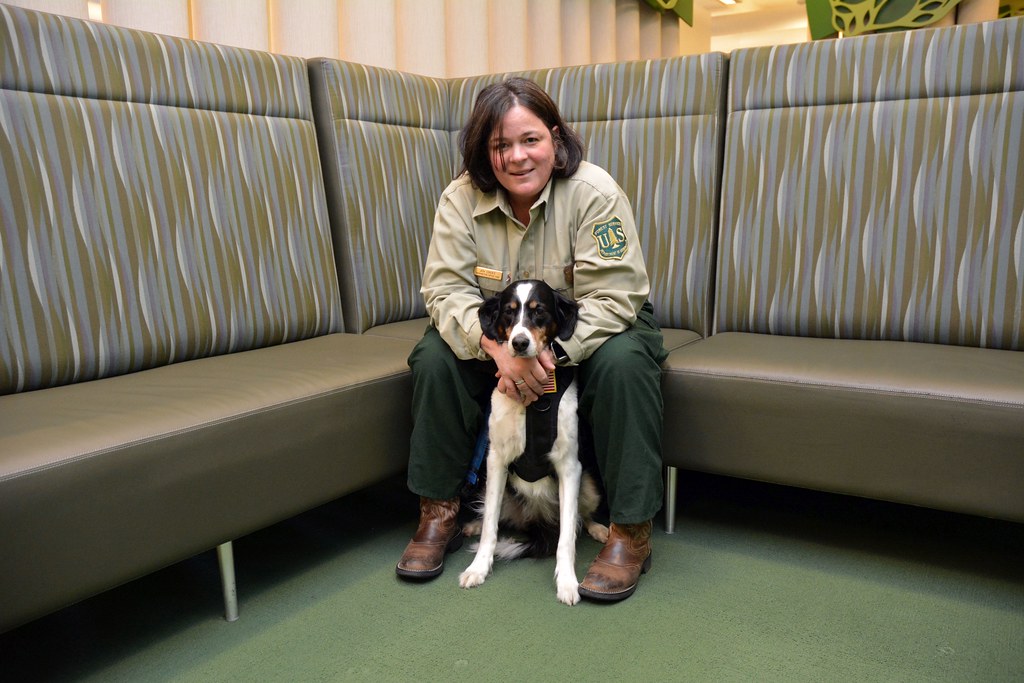
When your dog shadows you throughout the house, you might think it’s clingy behavior, but it’s actually one of the strongest signs they feel secure and loved in your presence. Rather than shooing them away or getting annoyed, embrace this behavior as the compliment it truly is. Dogs who enjoy being near you feel safe and secure in your presence, and when you welcome their company without making them feel like a burden, you’re reinforcing their sense of belonging.
The magic happens when you acknowledge their presence without making a big fuss about it. A gentle pat as they settle beside you, a soft word when they follow you to the kitchen, or simply making space for them creates an atmosphere of acceptance. This casual inclusion in your daily routine makes them feel like a valued family member rather than just a pet who happens to live in your house.
Maintaining Eye Contact During Your Conversations
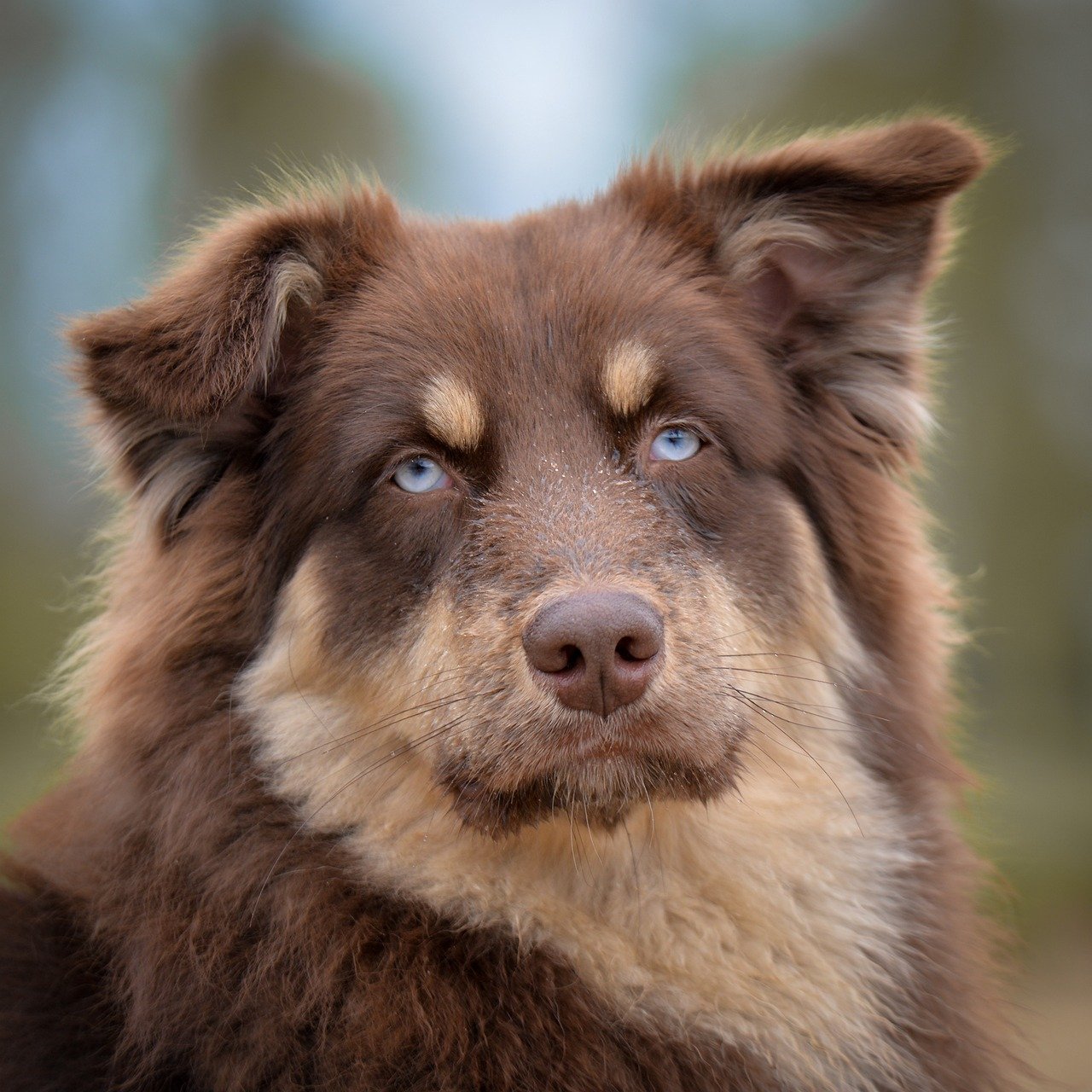
When you and your dog share a long, loving gaze, both of you get a boost of oxytocin, a calming hormone associated with love and bonding. This isn’t just feel-good science – it’s a practical way to deepen your connection every single day. When your dog looks at you and you return their gaze with warmth and attention, you’re participating in an ancient bonding ritual that strengthens your relationship at a chemical level.
Canine brains have even been known to release oxytocin while making eye contact with their favorite people. The next time your dog stares at you, resist the urge to look away or assume they want something. Instead, take a moment to really see them, appreciate their presence, and let that connection flow naturally between you.
Speaking to Them in Your Special “Dog Voice”
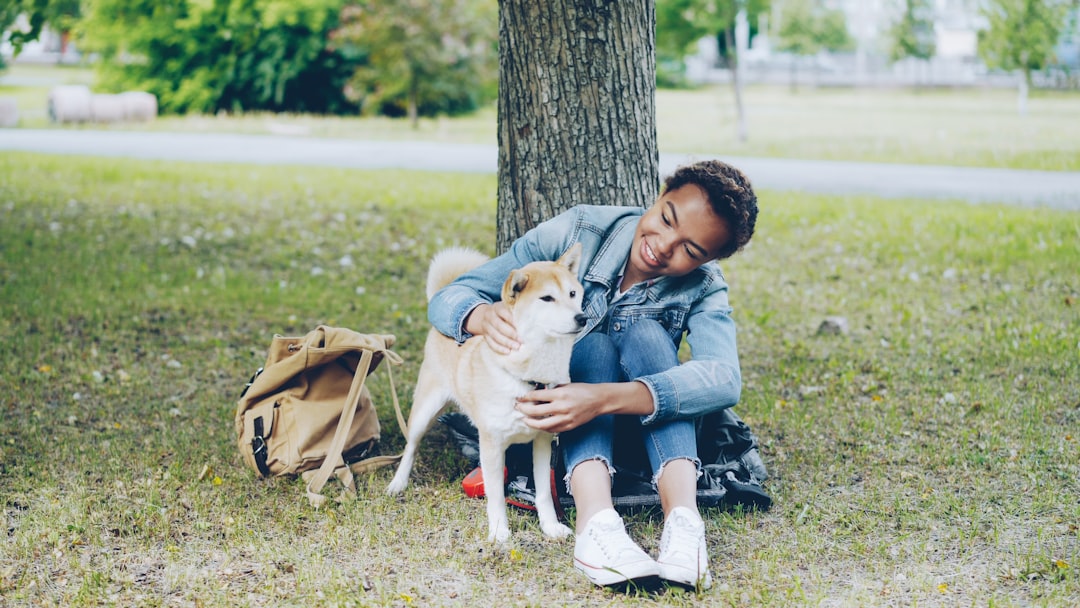
People often talk to dogs in a slightly higher pitched voice than they do to other adults, and it turns out that dogs appreciate it. That sing-song voice you use when talking to your pup isn’t silly – it’s actually a scientifically-backed way to strengthen your bond. Dogs pay attention to our tone more than our words, and that special voice signals to them that they’re receiving focused, positive attention.
When you use your dog voice, you’re not just communicating – you’re creating a unique language that belongs only to you and your furry friend. This vocal shift tells them they’re special, valued, and worthy of your gentlest, most loving communication style. Don’t feel embarrassed about it; lean into this natural instinct because it’s one of the most effective ways to make your dog feel cherished.
Letting Them Sleep Close to You
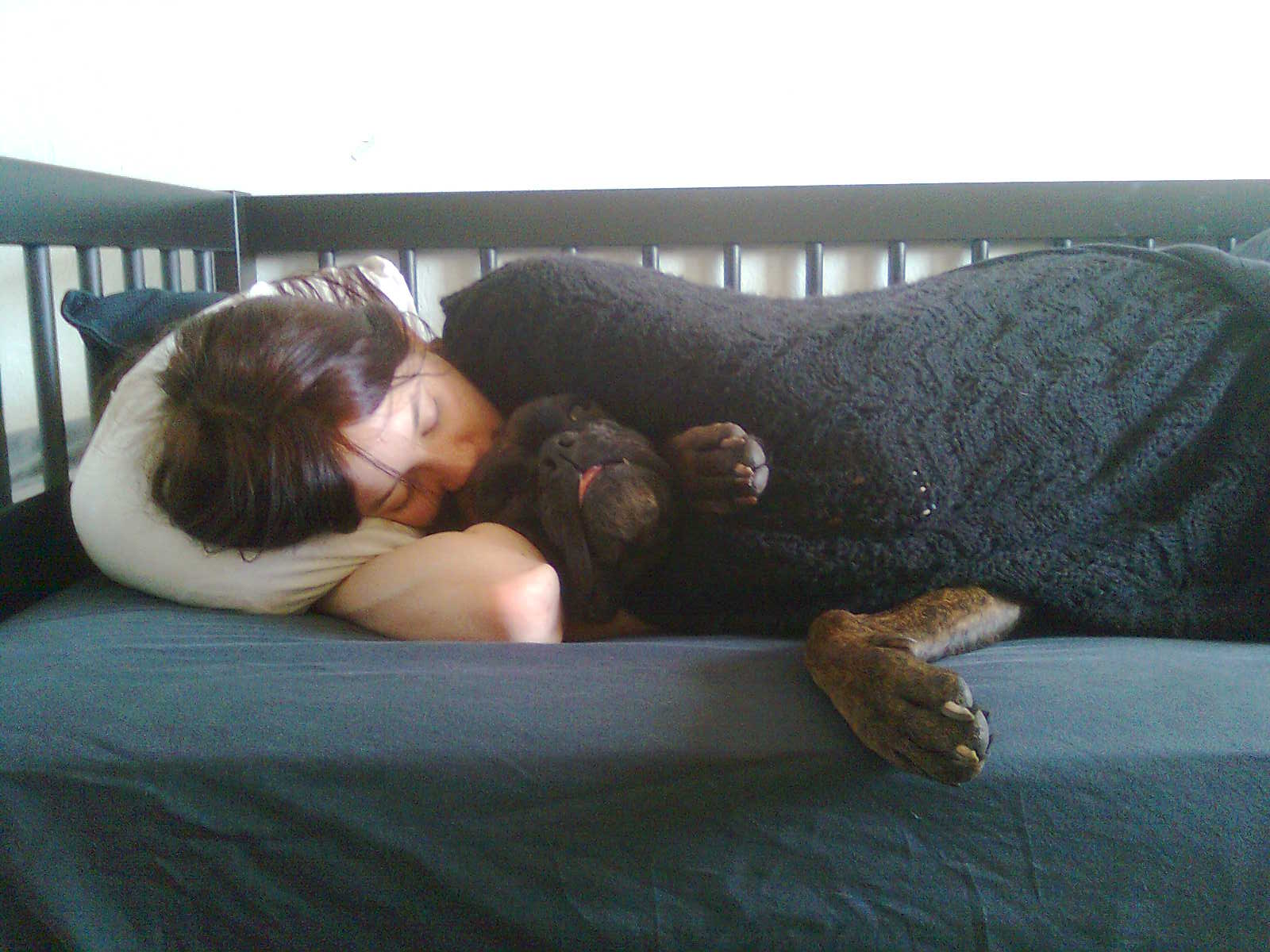
If your dog sleeps with you, they see you as family, and sharing a bed demonstrates the canine’s desire to be close to their owner, reinforcing their sense of belonging and security. Whether it’s in your bed, on a dog bed in your room, or even just settling down near where you sleep, allowing this proximity during their most vulnerable time shows incredible trust and love.
Sleep is when all creatures are at their most defenseless, so when you welcome your dog into your sleeping space, you’re telling them they’re safe with you. Even if you prefer they sleep in their own bed, having that bed in your room maintains the pack connection that means so much to them. This nighttime closeness often translates to better behavior and stronger bonding during waking hours.
Playing Hide and Seek Together
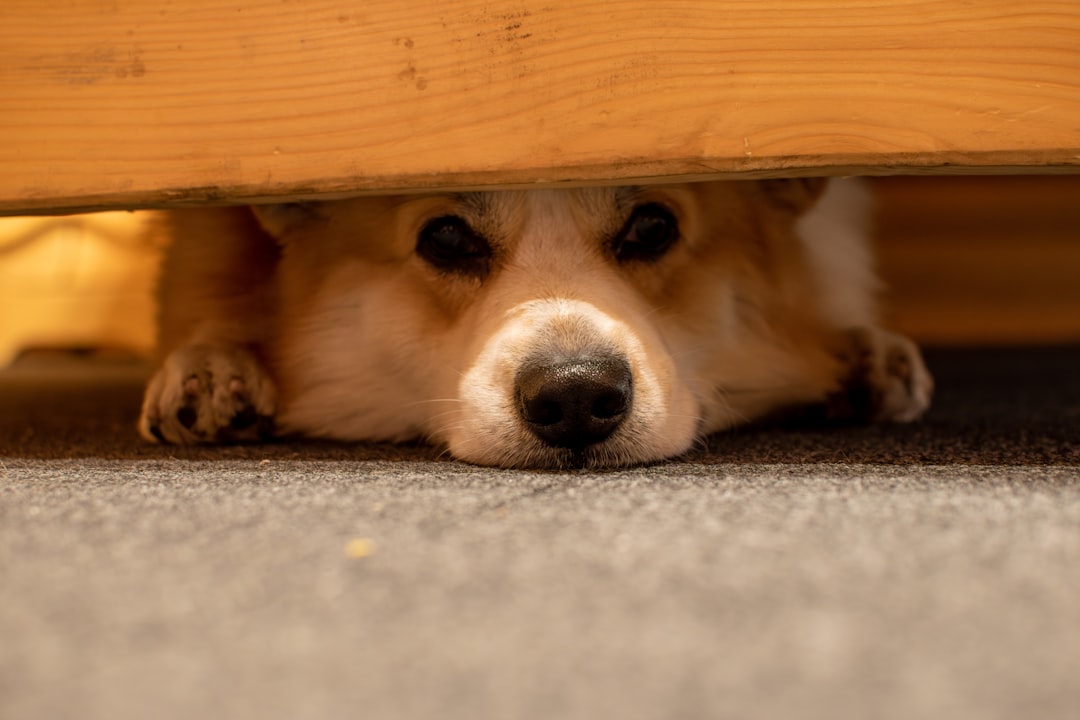
Hide and seek is a fun game that doesn’t even require dog toys, it’s mentally stimulating and gets your dog’s brain working, and they’ll use their natural problem-solving skills and sense of smell to track you down. This simple game taps into their natural hunting instincts while creating positive associations with finding you. Start by hiding in easy places and gradually make it more challenging as they get better at the game.
The joy on their face when they discover your hiding spot is pure magic. This game reinforces that finding you is always rewarding and fun, which can actually help with recall training and separation anxiety. Plus, the mental stimulation from using their nose and problem-solving abilities leaves them feeling accomplished and satisfied.
Taking Your Time During Walks
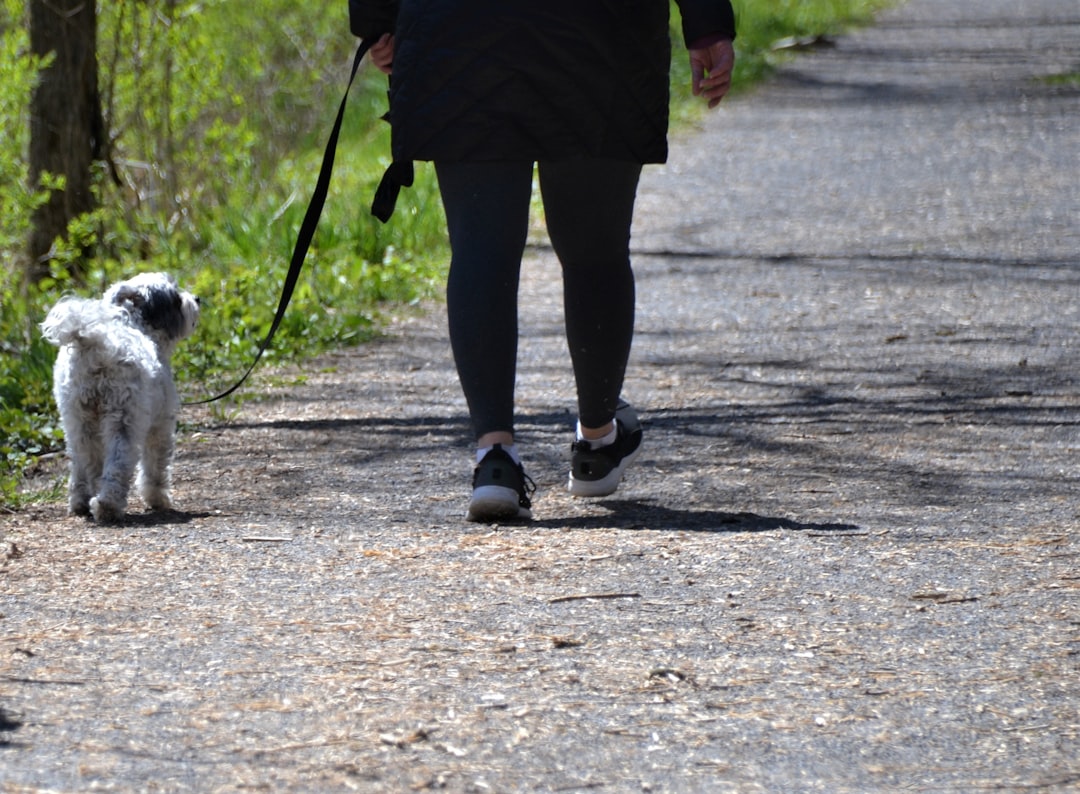
Whether you’re playing indoor scent games or you’re out on a walk, it’s incredibly important to allow your dog to use their nose, as sniffing can be stimulating and calming and allows your dog to gather information on their environment. Instead of rushing through walks focused only on exercise, slow down and let them explore the world through their most powerful sense. Those moments when they pause to investigate an interesting smell aren’t wasted time – they’re mental enrichment.
Let your pup sniff interesting things during walks, as this is how they learn about their world and is a great way to build trust as you allow them to explore their environment at their own pace. When you patiently wait while they decode the neighborhood news, you’re showing respect for their needs and natural behaviors.
Creating Consistent Daily Routines

Puppies thrive on routine, and establishing a consistent schedule for meals, walks, playtime, and sleep helps your pup feel secure and builds trust, while knowing what to expect throughout the day reduces stress and anxiety in your pup, allowing them to focus on bonding with you. Dogs find comfort in predictability, and when you maintain regular feeding times, walk schedules, and bedtime routines, you’re providing them with a sense of security that deepens their trust in you.
This doesn’t mean you need to be rigid to the minute, but having general patterns helps your dog feel grounded and confident. When they know breakfast comes at roughly the same time each morning and evening walks happen around the same hour, they can relax instead of worrying about when their needs will be met.
Engaging in Training Sessions That Feel Like Games
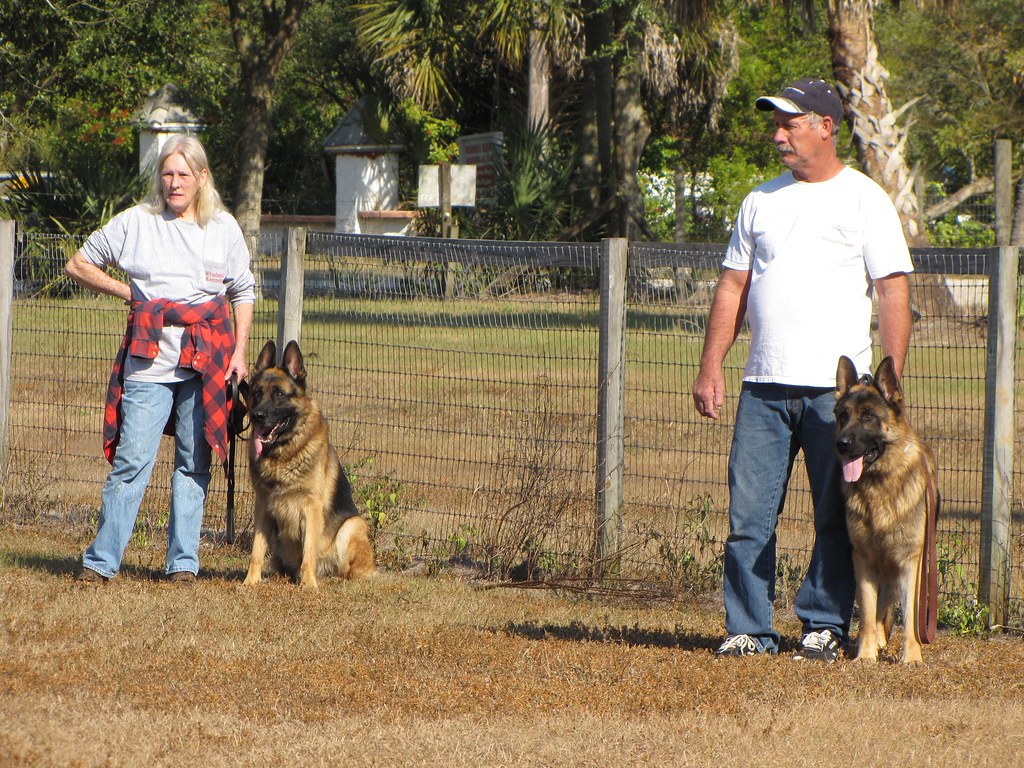
Training is one of the best ways to bond with your dog, as teaching basic commands or complex tricks is an opportunity to provide mental stimulation for your dog while also fostering trust, and training not only strengthens your dog’s brain but also deepens your relationship as your dog looks to you for guidance and praise. The key is making training feel like fun rather than work. Short, positive sessions where they earn treats and praise create powerful bonding moments.
Pet parents should use positive methods of training that promote trust and boost a dog’s confidence, as opposed to aversive methods of training which may do the opposite. When training becomes a game you both enjoy, it strengthens your communication and builds their confidence while reinforcing your role as a trusted leader and teacher.
Sitting Quietly Together Without Distractions
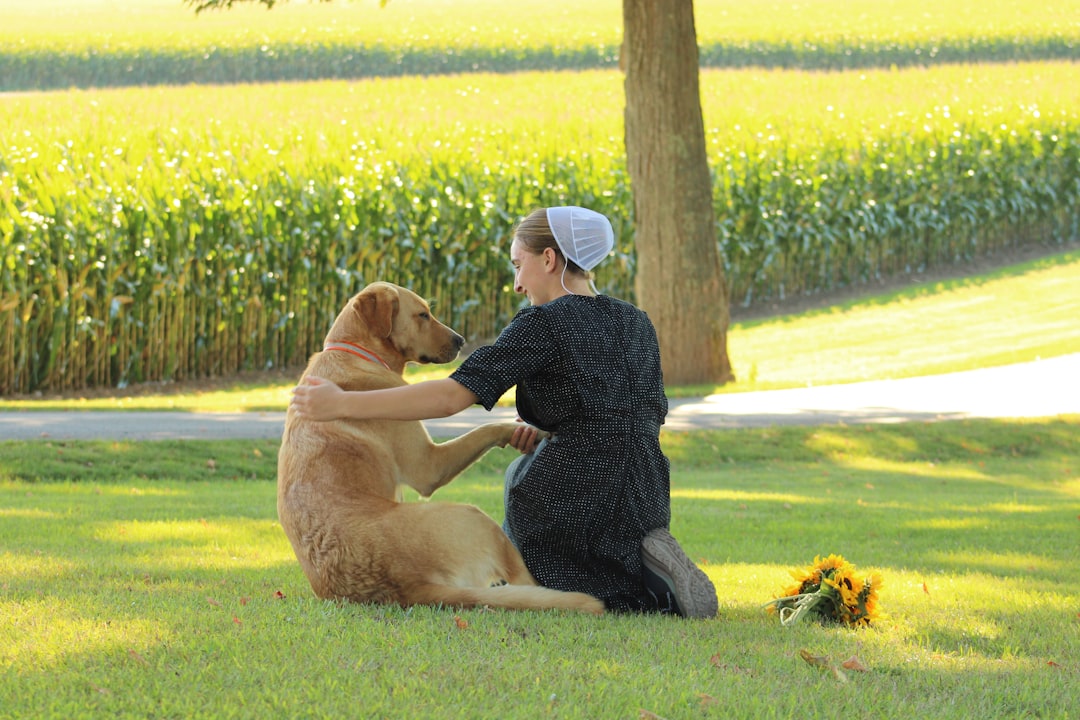
Quality time is something we identify in our human relationships as a measure of being someone’s priority, and this holds true in the canine/human relationship as well, with putting your phone away, moving with your dog, getting off leash and sharing toys and treats being familiar rituals we would do with our family and friends to express our connection. Sometimes the most powerful bonding happens when you’re simply present together without any agenda.
Those moments when you’re reading and they’re curled up next to you, or when you’re both watching the world go by from the porch, create deep connection. Your undivided presence tells them they’re worth your time and attention, which is one of the greatest gifts you can give any relationship.
Respecting Their Need for Personal Space

While dogs love spending time with their humans, they also need personal space from time to time, and creating a cozy retreat like a crate or dog bed allows your dog to have a safe space where they can relax and unwind, which helps them feel more secure and can actually strengthen your bond when they know they have a place to go when they feel overstimulated or tired. Love isn’t just about constant interaction – it’s also about understanding and respecting boundaries.
When you notice your dog retreating to their bed or crate and you leave them alone instead of disturbing them, you’re showing that you understand their needs. This respect builds trust and actually makes them more likely to seek out your company when they’re ready for interaction.
Playing Interactive Games and Puzzles
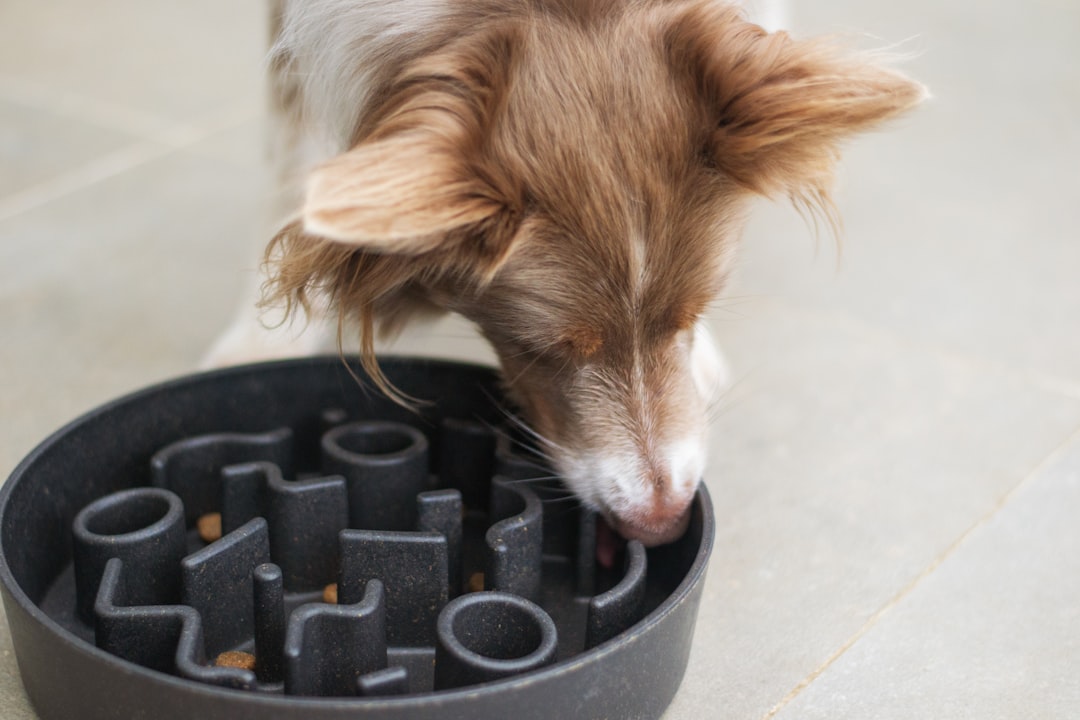
Dog puzzle toys are like Sudoku for your pup, providing a brain workout that’s both fun and rewarding, and these puzzles not only stimulate your dog’s mind but are also a fantastic way for you and your dog to bond. Interactive toys and food puzzles transform mealtime and playtime into engaging mental challenges. When you set up these activities and cheer them on as they work through problems, you become part of their success.
Food enrichment is not just about satisfying your dog’s taste buds – it can also be mentally stimulating, enriching for the senses, and physically beneficial too, adding a fun and exciting twist to your dog’s meals while keeping their mind active and engaged. These shared problem-solving moments create positive associations with your presence and guidance.
Grooming Them Gently and Regularly
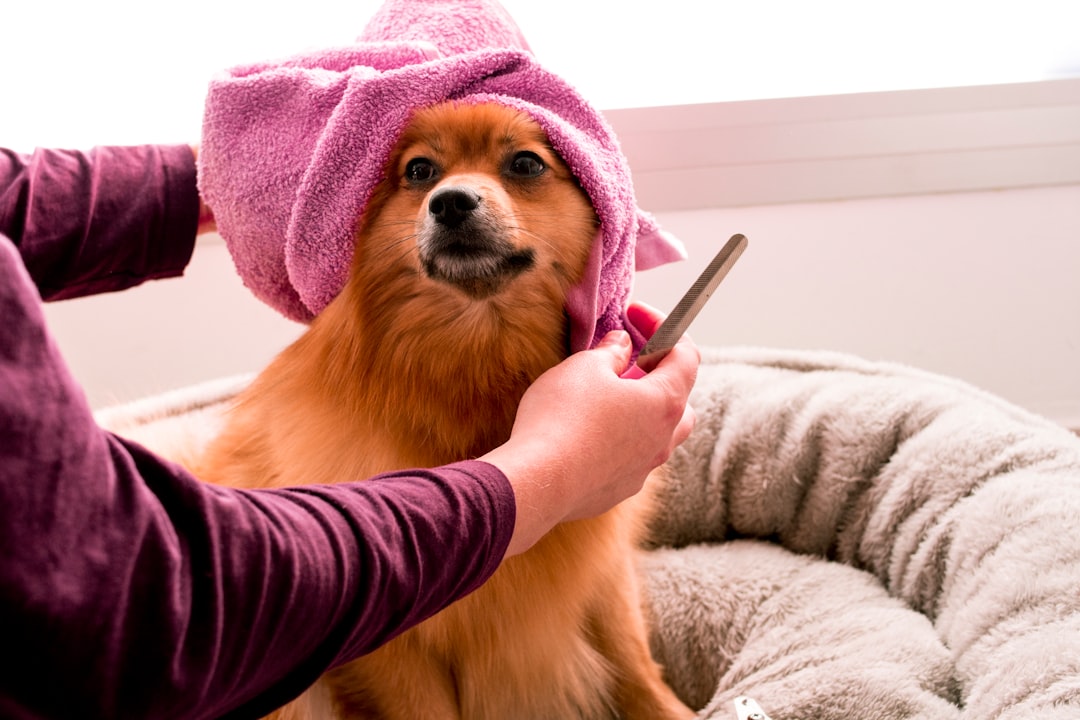
Grooming is perfect for giving your pup a relaxing massage to help you bond with your dog, and even if you have a short haired breed, grooming will help build and maintain your bond, with dogs enjoying it as a great sign they trust you and are bonding with you. Regular brushing, nail trimming, and gentle grooming sessions become intimate bonding time when approached with patience and care.
Brushing provides both a soothing physical experience and a mindful activity, keeping your dog’s body and mind engaged, while this kind of mindful relaxation helps calm your dog’s mind and body, reducing anxiety and promoting a sense of well-being as an excellent way to bond with your dog. The key is going slowly and making it pleasant rather than something to endure.
Celebrating Their Unique Personality
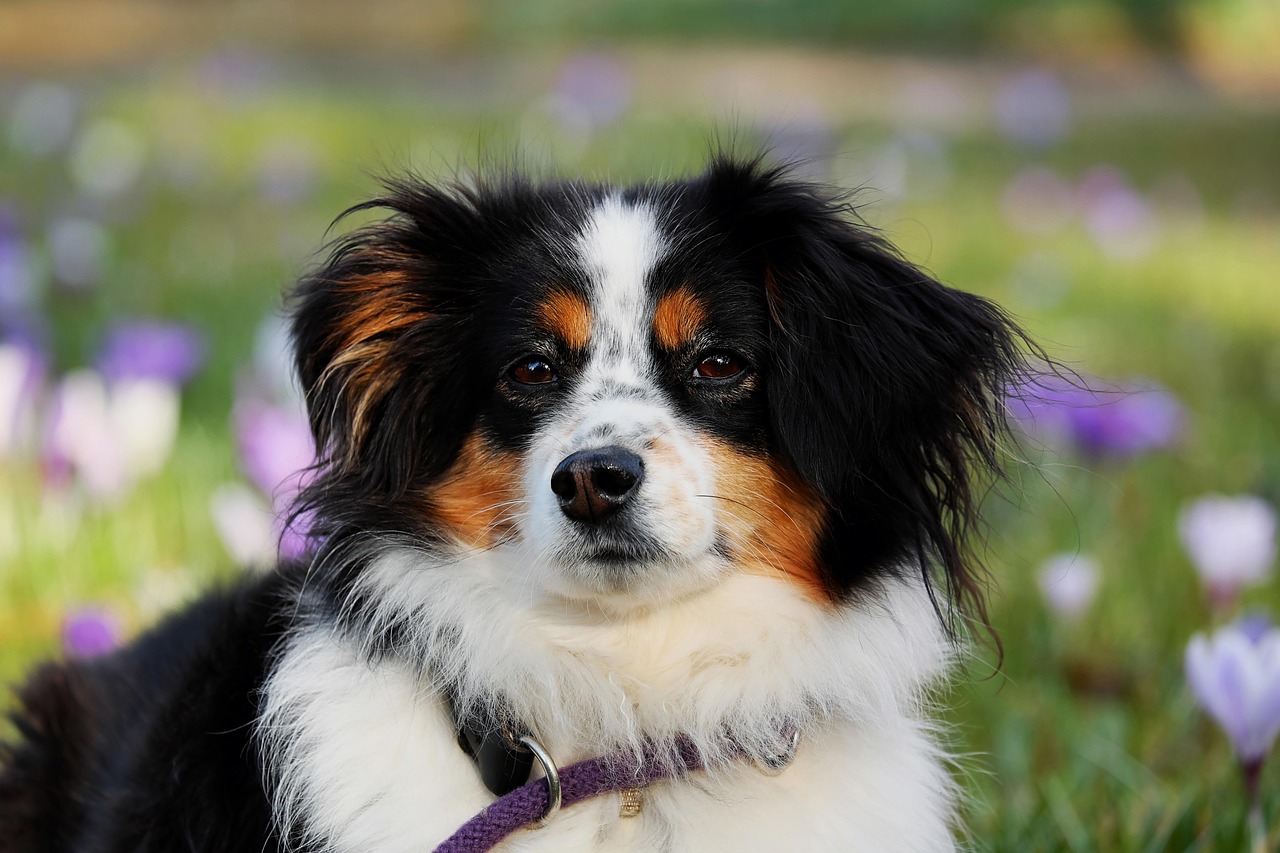
Every dog has quirks, preferences, and personality traits that make them special. When you notice and appreciate these individual characteristics rather than trying to change them, you’re showing unconditional love. Maybe your dog has a favorite stuffed animal they carry everywhere, or perhaps they have a ritual they perform before eating. Acknowledging and accommodating these behaviors shows you see them as an individual.
This might mean buying toys in their favorite color, adjusting your walking route to include their preferred sniffing spots, or simply laughing at their silly habits instead of being annoyed by them. When dogs feel accepted for who they are, their confidence grows and their bond with you deepens significantly.
Including Them in Your Car Adventures
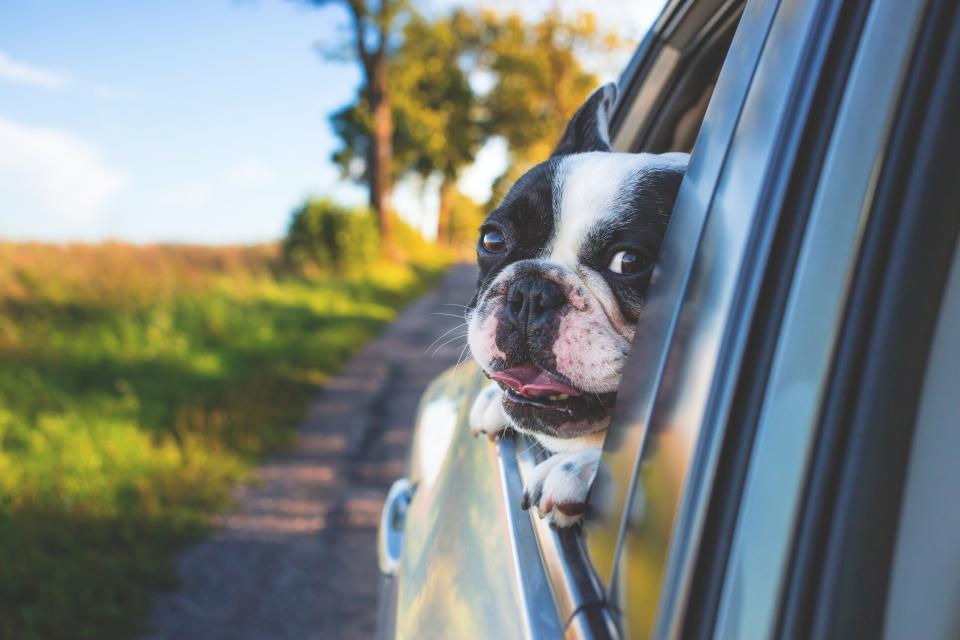
If your dog loves riding in the car, consider taking them on errands with you, and keeping the car window open so they’ll pick up a cocktail of scents. Car rides represent adventure and inclusion in your world beyond the house. Even simple trips to the bank or coffee shop become exciting expeditions when your dog gets to come along.
The sensory experience of car rides – new smells, sights, and sounds – provides mental stimulation while the simple act of being chosen to accompany you reinforces their importance in your life. Always ensure their safety with proper restraints, but when possible, these mini-adventures create lasting positive memories and associations.
Responding to Their Body Language
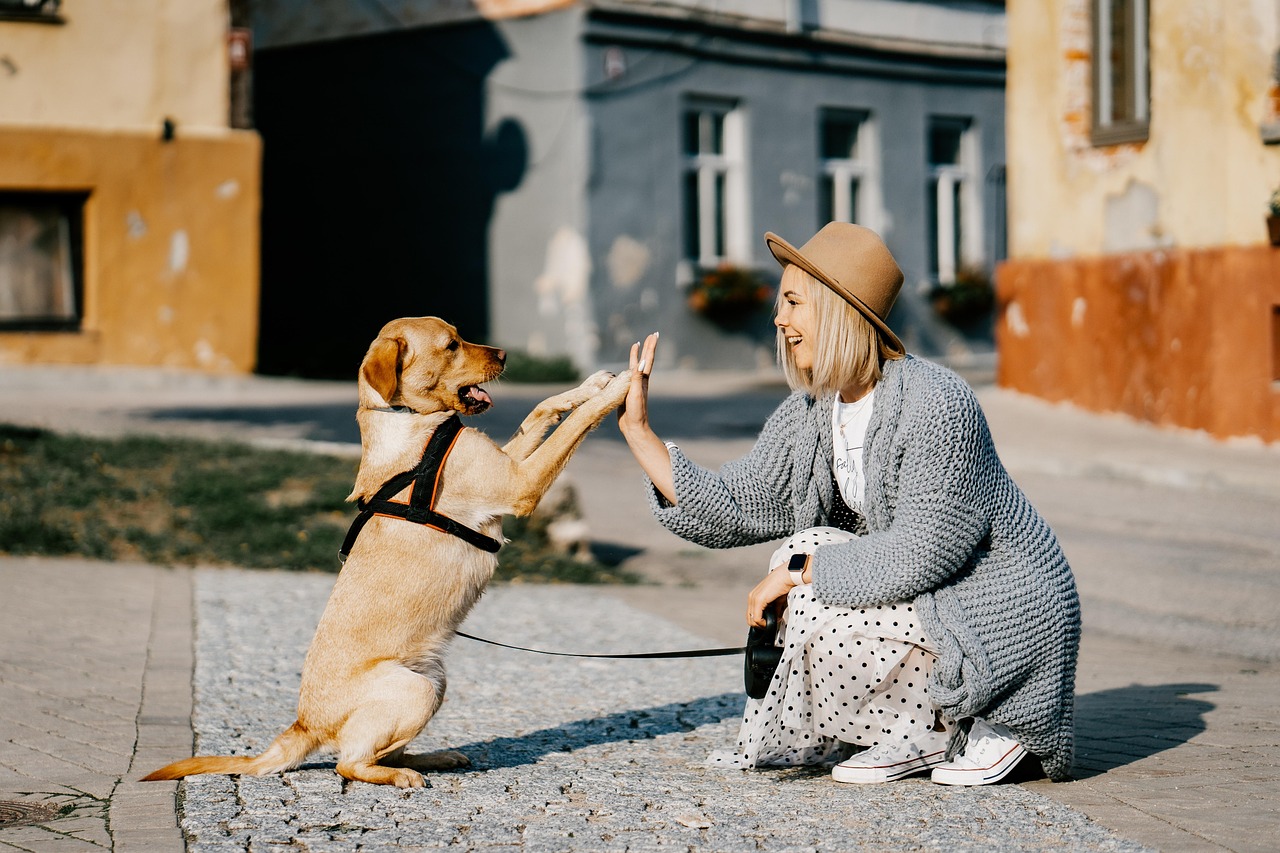
Learning your dog’s body language can be a slow process, but it gets easier as your bond gets stronger, and if you’re finding it easier to understand when your puppy is hungry, needs to use the bathroom, or is scared, those are good signs of a positive human-dog relationship. Dogs are constantly communicating through their posture, tail position, ear placement, and facial expressions. When you learn to read these signals and respond appropriately, you’re showing that their communication matters to you.
Dogs are masters of nonverbal communication, and learning to ‘read’ your pup’s body language will help you better understand their emotional state and further strengthen your bond. This might mean recognizing when they’re anxious and need comfort, excited and ready to play, or tired and need rest.
Sharing Quiet Snuggle Time
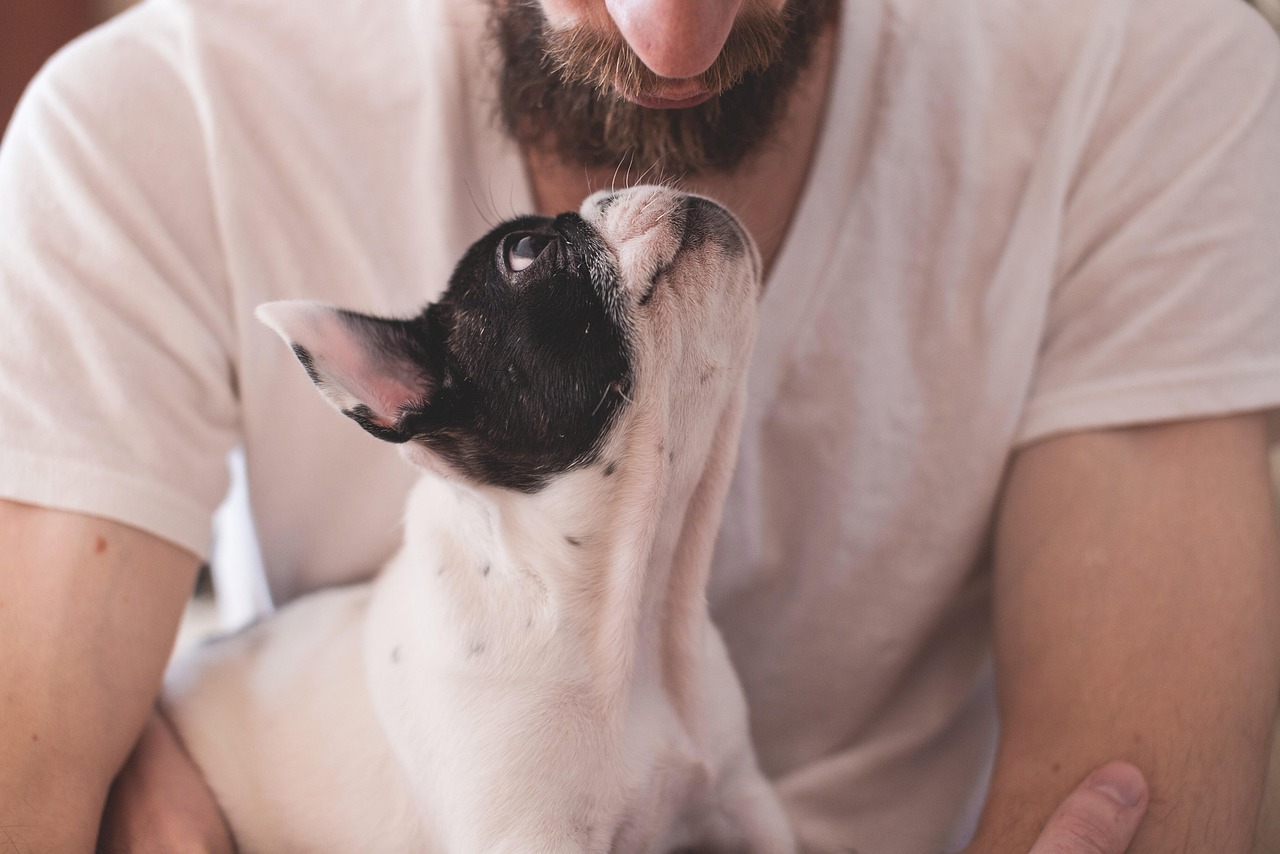
Snuggling is good for you, as human-dog tactile stimulation has been found to improve the dog owner’s well-being and self-esteem. Physical affection, when welcomed by your dog, creates powerful bonding experiences. These quiet moments of connection – whether it’s gentle petting while watching TV or having them rest their head on your lap – release bonding hormones in both of you.
The key is reading their signals and respecting their preferences. Some dogs love full-body cuddles, while others prefer gentle scratches behind the ears. When you tune into what kind of physical affection your individual dog enjoys and offer it freely, you’re speaking their love language fluently.
Being Patient During Their Learning Process
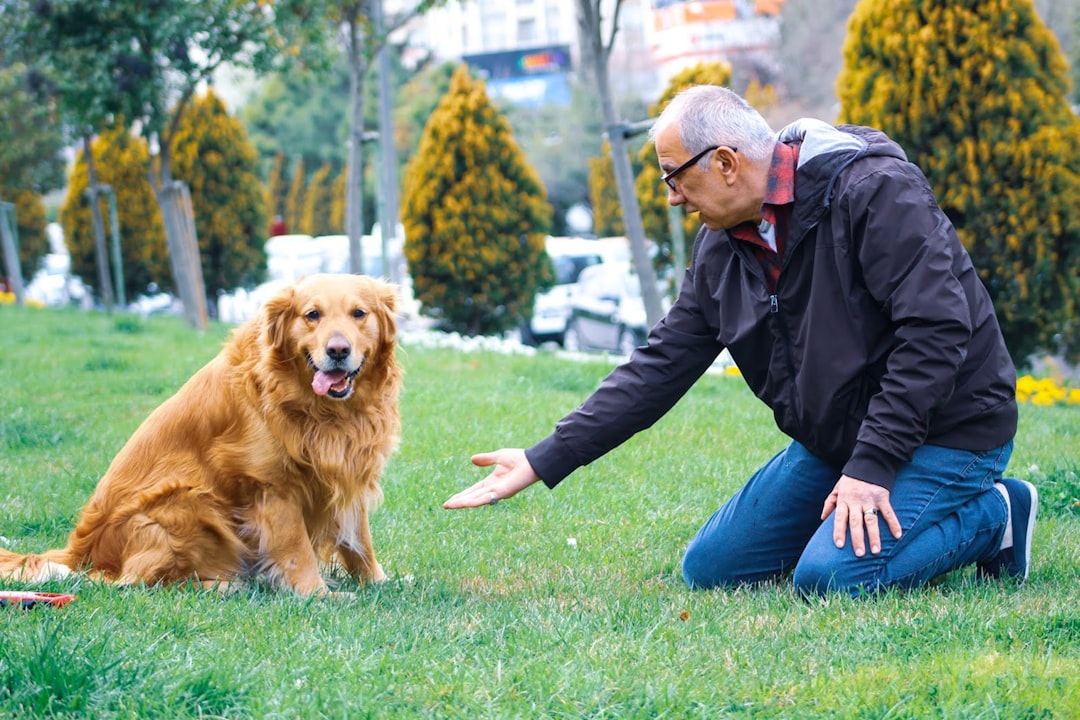
It’s important to keep a level voice and avoid punishments during training sessions or if your puppy has an accident indoors, as your negative reactions can wear down trust. Dogs learn at their own pace, and maintaining patience during house training, command learning, or behavior modification shows them they’re safe to make mistakes with you. This patience extends to understanding that they might not get things right the first time – or the tenth time.
When your puppy does something right, celebrate, as treats are good and pets are even better. Your emotional regulation during their learning process teaches them that you’re a safe, reliable presence they can trust even when they mess up.
Making Ordinary Moments Feel Special
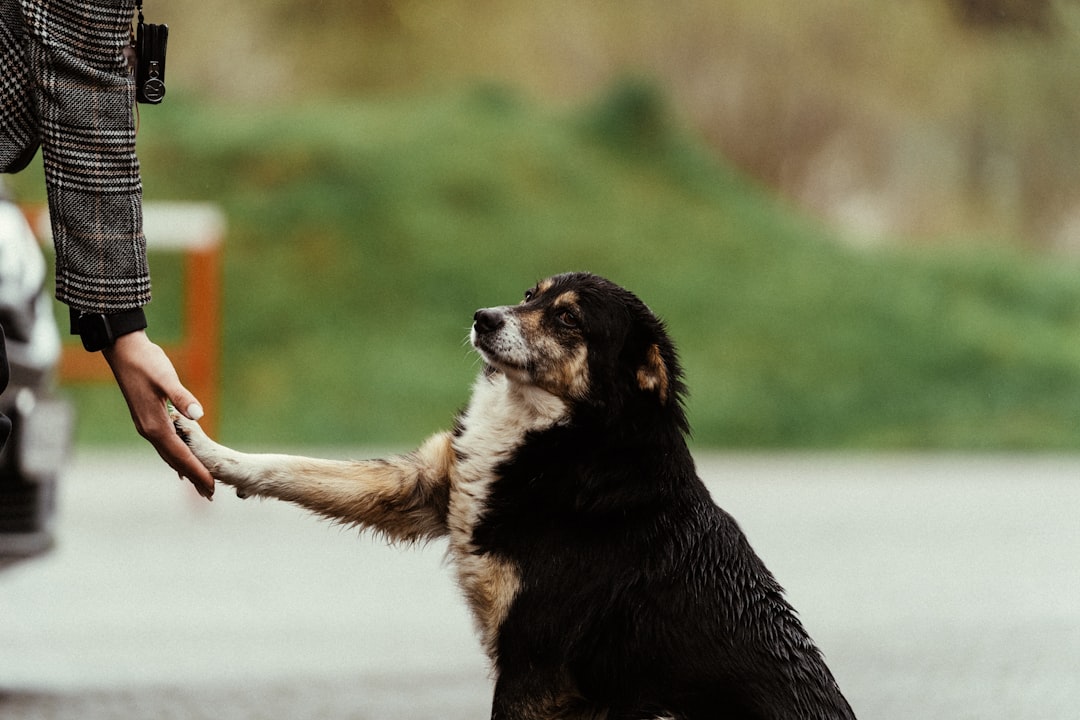
Love lives in the small moments – the way you greet them when you come home, your enthusiasm when they bring you their toy, or how you include them in conversation even though they can’t respond with words. Greeting you at the door is a strong sign your dog feels connected to you, and dogs tend to express their deep connections by wanting to be in close proximity, often seen in behaviors of leaning in and vocalizing excitement when meeting, so a dog greeting you at the door with a wag and a whine means they’re happy to see you.
When you match their enthusiasm and make coming home feel like a celebration, you’re reinforcing that your reunion is something worth celebrating. These daily rituals of joy and connection accumulate over time, creating a foundation of love that sustains your relationship through all of life’s ups and downs.
Conclusion
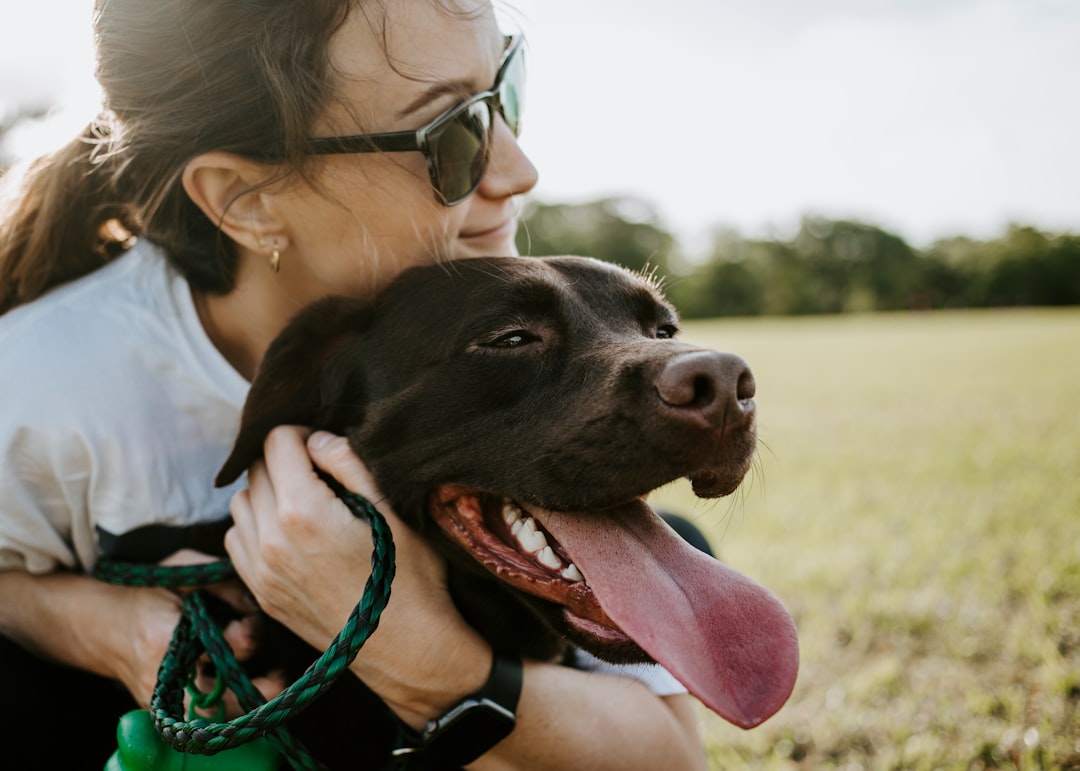
The beautiful truth about loving a dog is that it doesn’t require grand gestures or expensive gifts – it flourishes in the consistency of small, daily acts of care and attention. Every patient moment during training, each gentle word spoken in your special voice, and all those times you choose to include them in your world rather than exclude them adds another thread to the tapestry of trust and affection between you.
Your dog doesn’t need you to be perfect; they need you to be present, patient, and genuine in your care for them. They understand love through routine and reliability, through respect for their nature and needs, and through the countless small ways you show them they matter in your life. In return, they offer something increasingly rare in our busy world – unconditional love, unwavering loyalty, and the kind of joy that can transform an ordinary Tuesday into something magical.
What would you choose if you had to pick just one of these love languages to focus on this week?
