

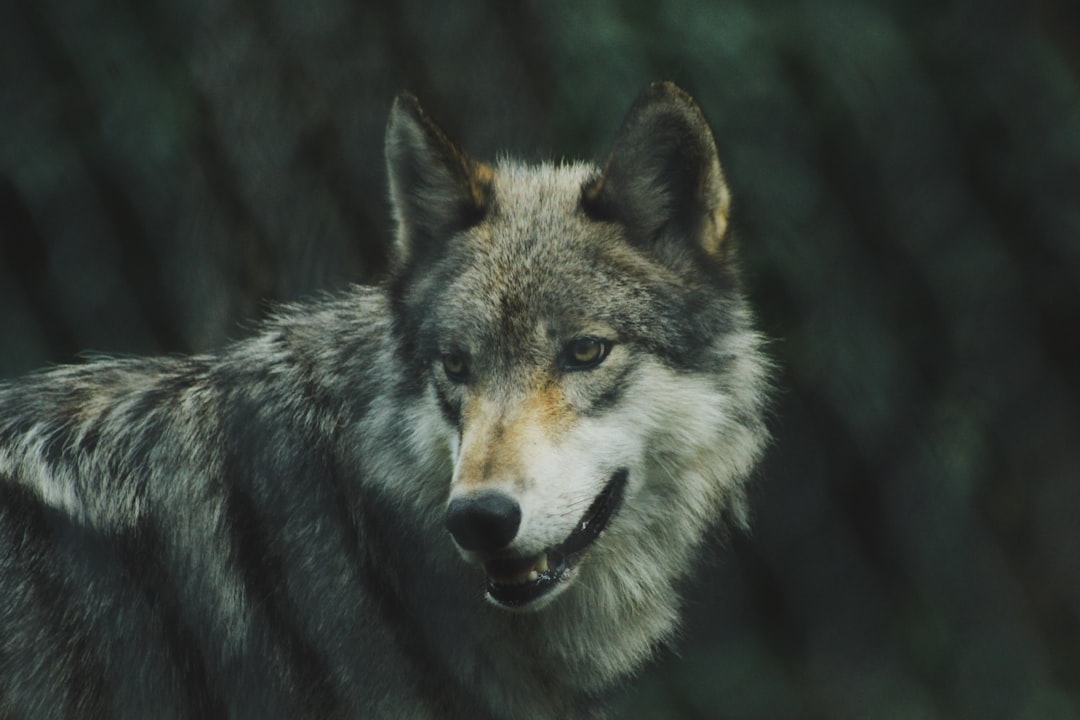
Picture this scenario: you’re enjoying your morning coffee on your Montana porch when suddenly, there it is. A wolf. Right there in your backyard, as casually as if it owns the place. Your heart starts pounding, your hands shake a bit, and a million thoughts race through your mind. What now? Don’t panic – we’ve got you covered with everything you need to know to handle this wild situation safely and responsibly.
Stay Calm and Don’t Run
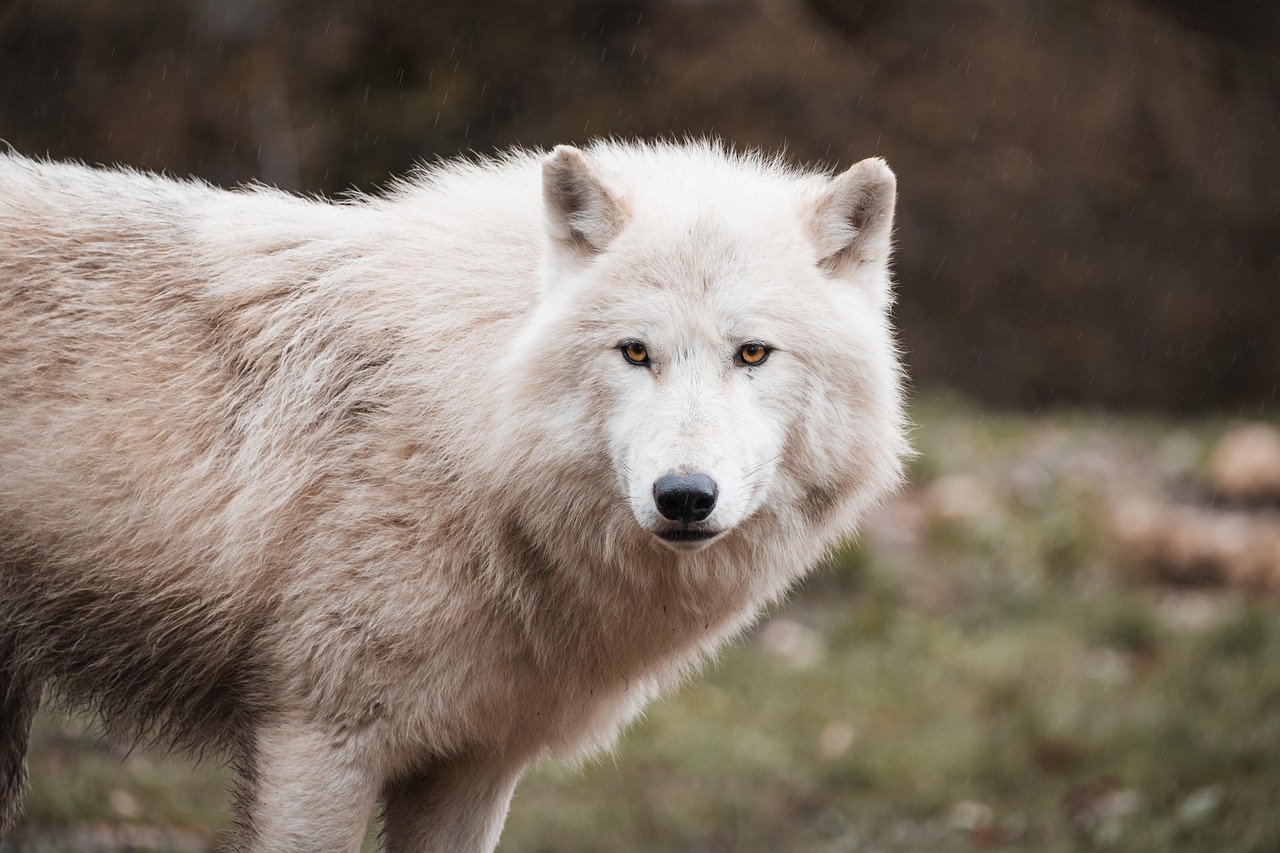
The first thing you need to remember is that running away is the absolute worst thing you can do. You cannot outrun a wolf, and more importantly, running triggers their prey instinct. When a wolf sees something fleeing, it immediately thinks “dinner time” – and trust me, you don’t want to be on that menu.
Instead, take a deep breath and stay where you are. Wolves usually avoid contact with people. Like any wild animal, however, wolves can be dangerous if cornered, injured or sick, or habituated to people through activities such as feeding. Most of the time, they’re just as surprised to see you as you are to see them.
Make Yourself Look Big and Intimidating
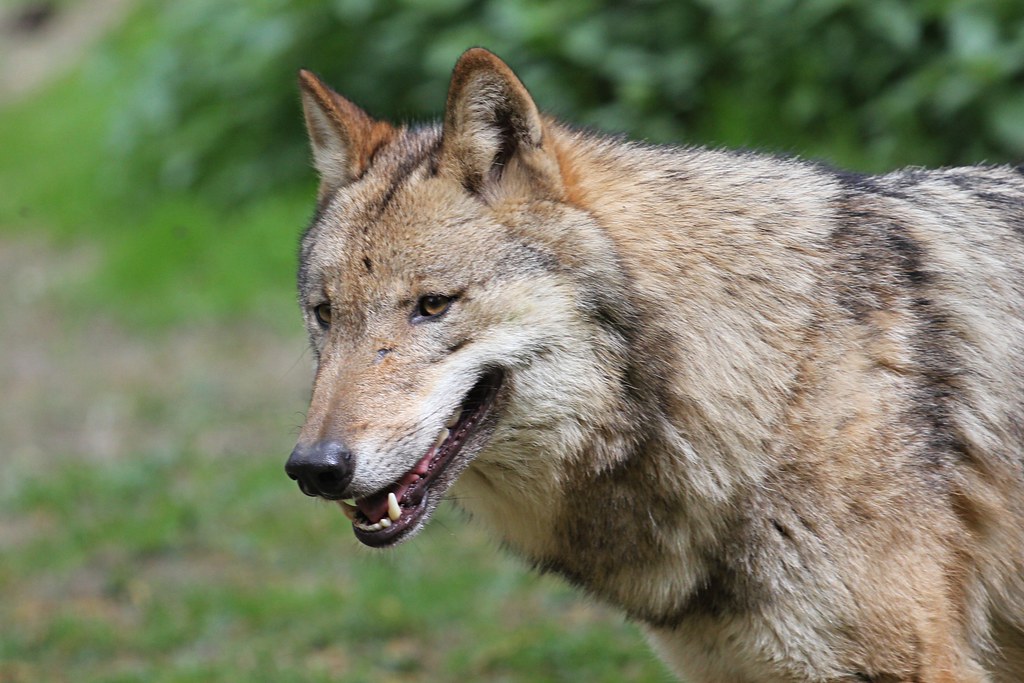
If the wolf doesn’t immediately leave on its own, it’s time to show it you’re not an easy target. Hold your arms up, draw yourself up to your full height, and shout loudly and aggressively. If you have stones or other objects to hand then throw them. Think of yourself as a grizzly bear – you want to appear as large and threatening as possible.
Wave your arms above your head, make loud noises, and don’t be afraid to yell. The goal isn’t necessarily to scare the wolf away completely, but to convince it that you’re not worth the trouble. Most wolves will decide you’re too much hassle and move along to find easier prey elsewhere.
Maintain Eye Contact While Backing Away Slowly
Here’s where things get a bit tricky – wolf encounters require a different approach than some other predators. Retreat slowly while facing a wolf and act aggressively, maintain eye contact if possible. Unlike with some animals where direct eye contact is seen as a threat, wolves respect assertiveness when it’s combined with backing away.
Move slowly toward your house or another safe location, but never turn your back on the animal. Keep yourself facing the wolf as you gradually increase the distance between you two. Think of it like a slow, careful dance where you’re the lead partner.
Secure Your Pets Immediately

If you have dogs or cats outside, this becomes a priority situation fast. Wolves may treat dogs as interlopers on their territories and attack and kill or injure them, especially if the wolves have pups nearby. Don’t try to rescue pets that are already outside – call them to you only if they’re close and can reach you safely.
If you have seen wolves near your home, confine pets in pens or indoors until wolves are no longer present. Secure other domestic animals such as rabbits and chickens when wolves are in the area. Your pets’ safety depends on keeping them away from wolves, who see them as either threats or potential meals.
Remove Attractants From Your Property
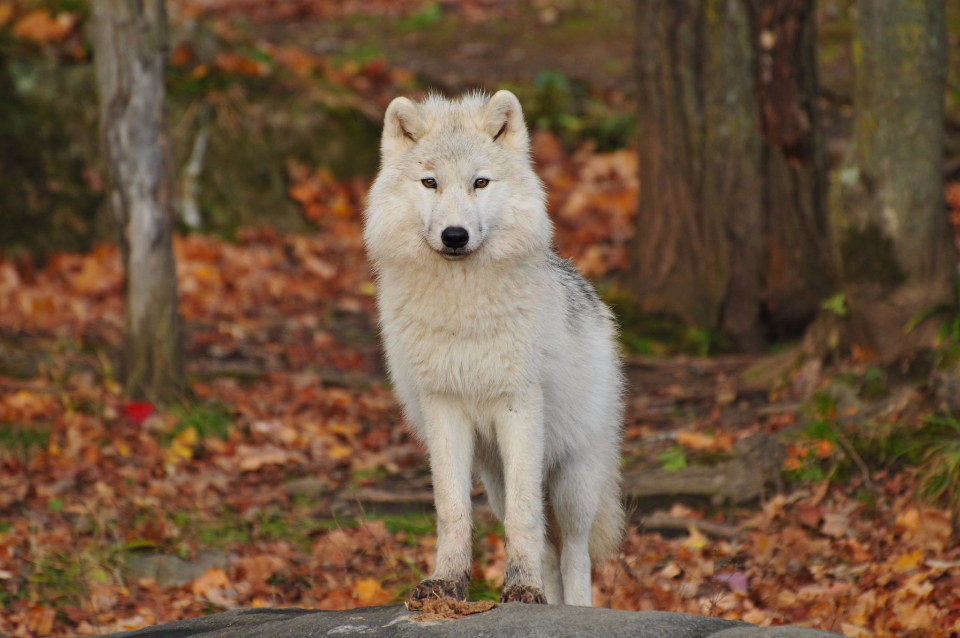
Wolves don’t usually hang around residential areas unless there’s something drawing them in. Do not leave pet food outdoors where it may be accessible to a wolf or other predators. Wolves quickly become acclimated to a consistent food source such as this and may eventually injure or kill pets. Even something as simple as a bowl of dog food left on the porch can turn your yard into a wolf magnet.
Check for garbage cans that aren’t secured, bird feeders, compost piles, or anything else that might smell interesting to a hungry wolf. The less appealing your property looks from a wolf’s perspective, the less likely they are to stick around or return for future visits.
Know When to Contact Authorities
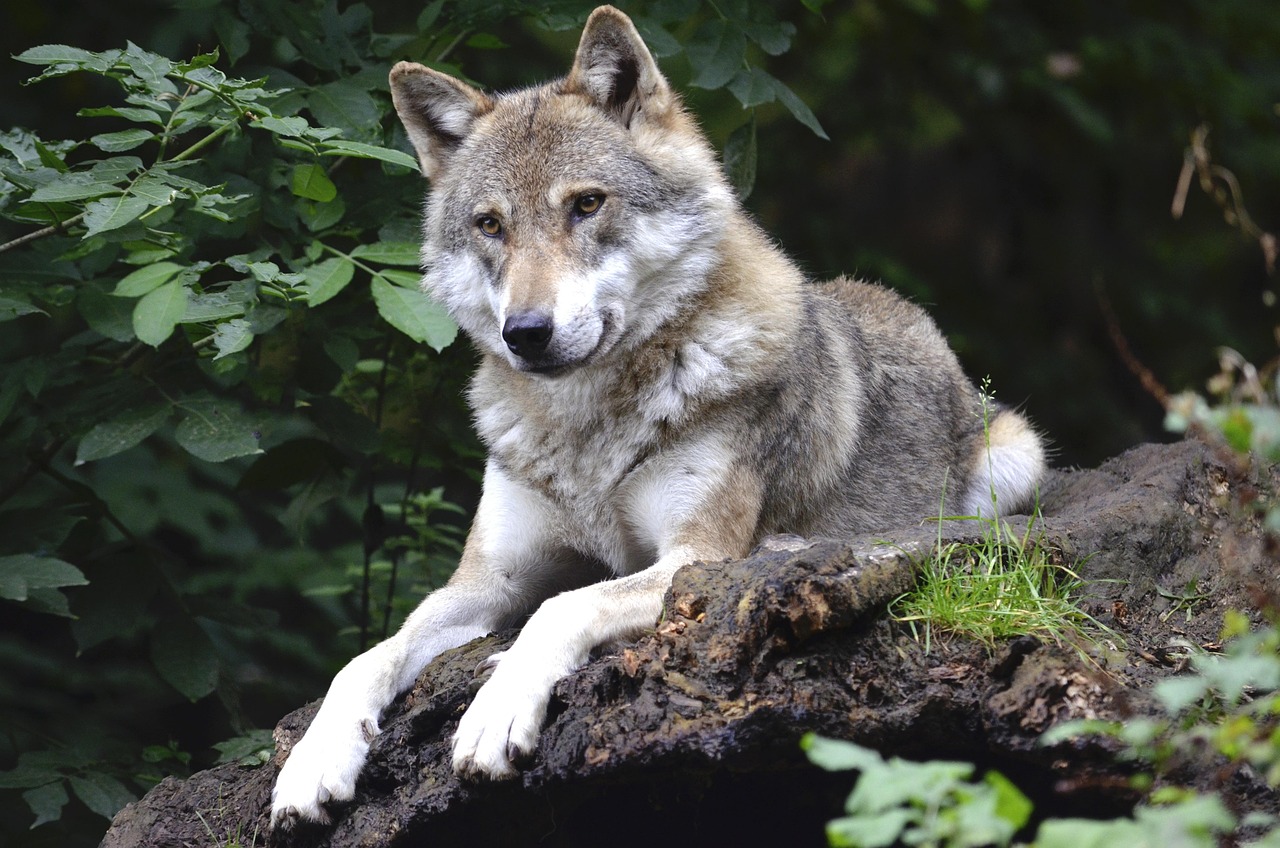
Not every wolf sighting requires official intervention, but some definitely do. To report a dead wolf or possible illegal activity, contact 1-800-TIP-MONT (1-800-847-6668) or a local game warden. If you suspect a livestock loss due to wolf predation, you can request an investigation by contacting the USDA Wildlife Services: West District (406) 459-5943 or State Office (406) 657-6464.
Montana Fish, Wildlife & Parks is interested in public reports of wolf sightings and activity. To report wolves or wolf sign use our online Wolf Observation Report. Even if the encounter ends peacefully, reporting it helps wildlife officials track wolf movements and behavior patterns in your area.
Understand Your Legal Rights as a Property Owner
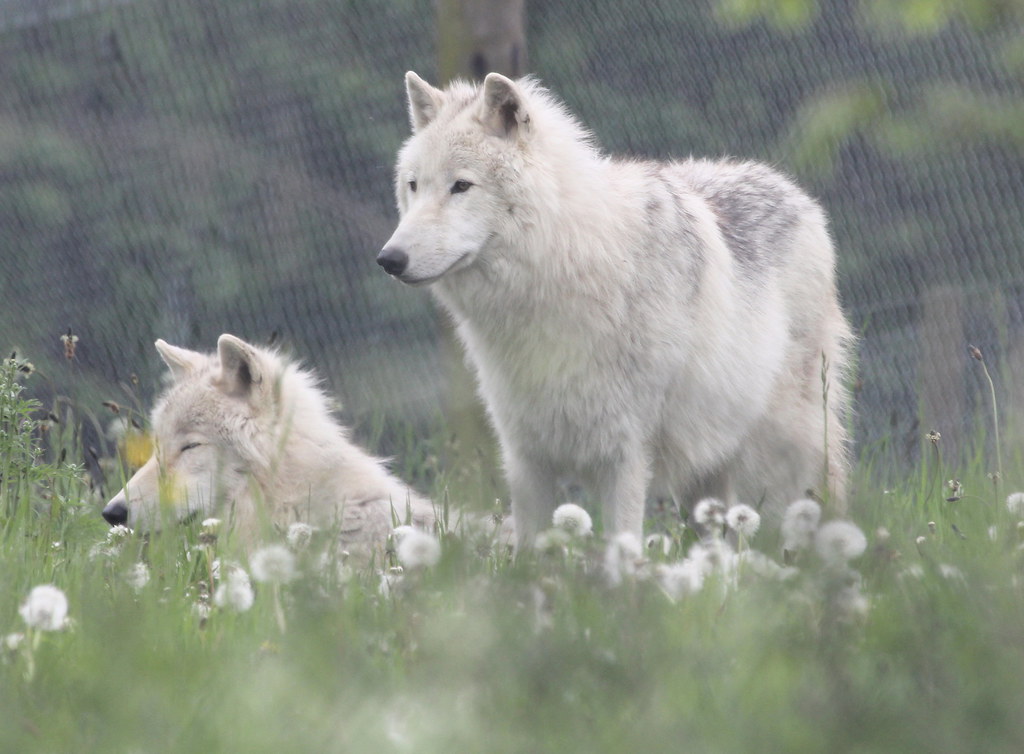
Montana law gives property owners certain rights when dealing with wolves that threaten safety. In 2013, the state Legislature passed a law that allows landowners or their agents to take up to 100 wolves a year that potentially threaten livestock, domestic dogs or human safety (MCA 87-1-901). However, there are strict reporting requirements and legal procedures that must be followed.
Before taking any action involving harm to a wolf, understand that you’ll need to provide evidence and report the incident immediately. The law requires specific circumstances to be met, so it’s not a blanket permission to harm wolves. When in doubt, contact authorities first rather than taking matters into your own hands.
Prepare for Future Encounters
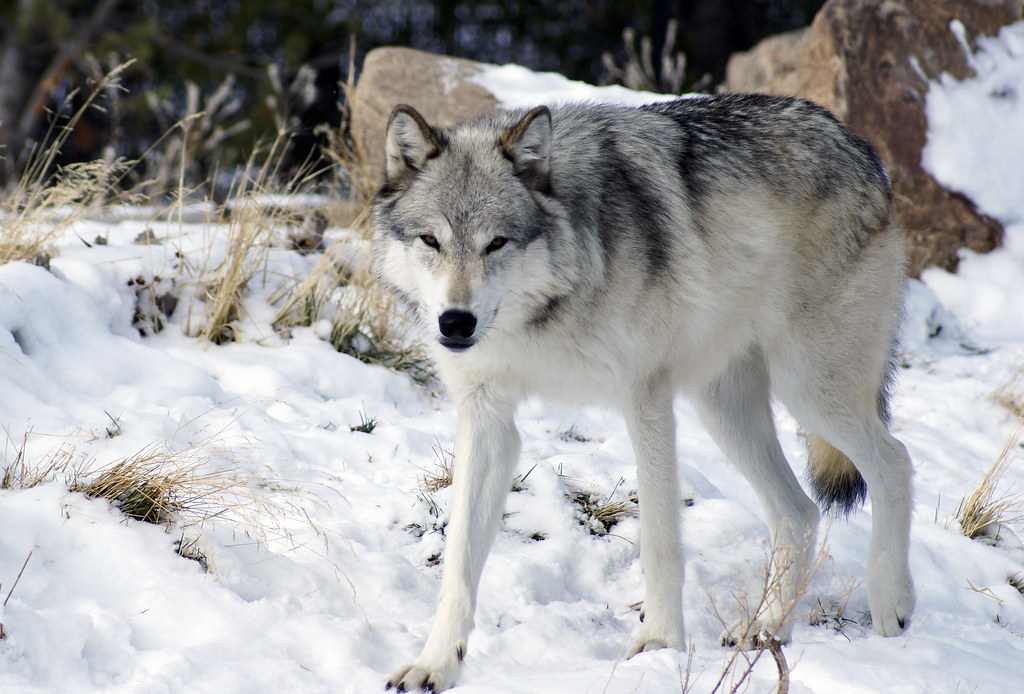
Montana is home to over a thousand wolves, with Montana Fish, Wildlife, and Parks estimates there to be 1,087 wolves statewide. Most of the wolves in Montana are found on the western portion of the state in regions 1-3. This means if you live in wolf country, you might encounter them again.
Consider investing in motion-activated lights, sturdy fencing for pet areas, and bear spray (which works on wolves too). My bear spray is always on my sternum strap. Ready to use if needed and offering peace of mind if not needed. Being prepared isn’t about living in fear – it’s about being a responsible neighbor to the wildlife that calls Montana home too.
Conclusion
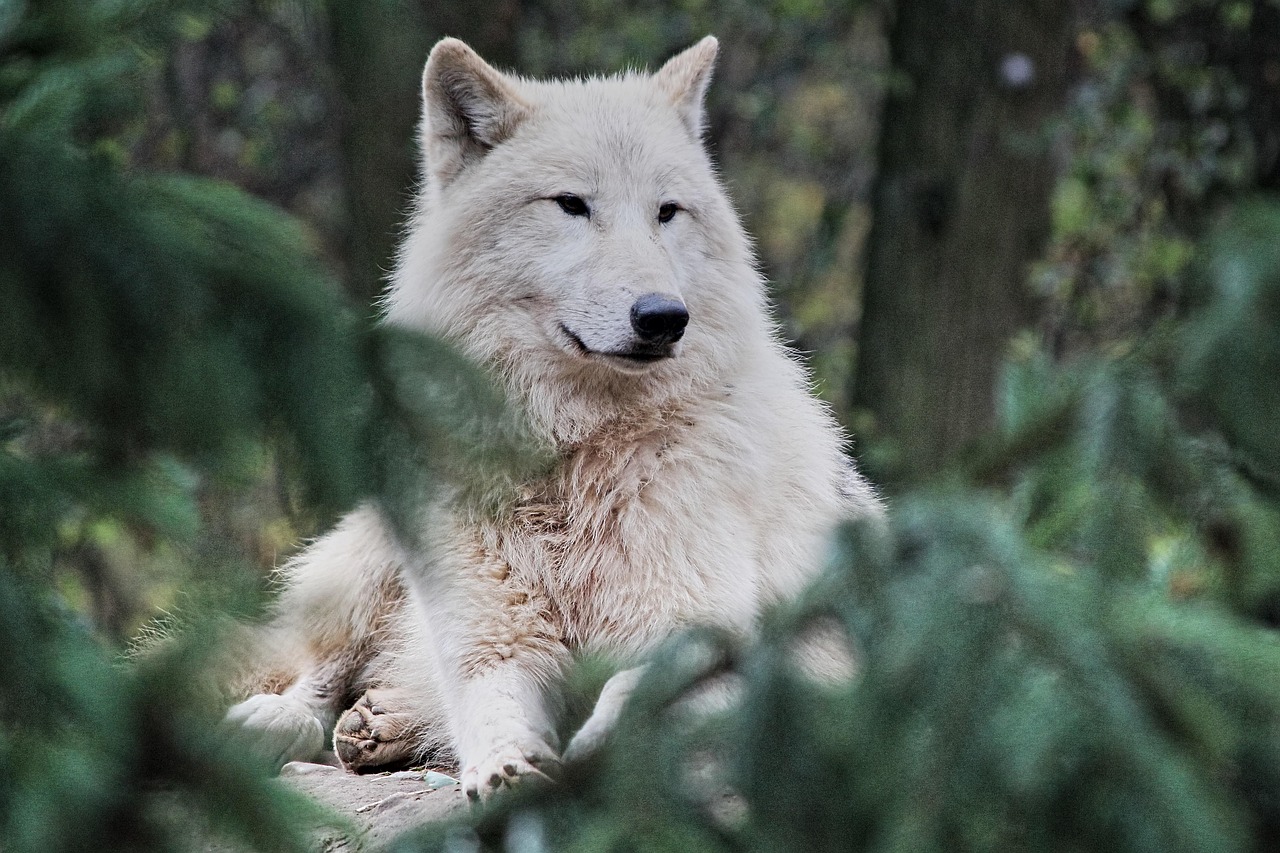
Finding a wolf in your Montana backyard might feel like the stuff of wilderness nightmares, but remember that Research shows that wolf attacks on humans in North America are extremely rare, though not impossible. These magnificent animals are generally more afraid of you than you are of them. By staying calm, making yourself appear large, backing away slowly, and securing your pets and property, you’ll handle the situation like a true Montanan.
The key is respect – for both your safety and the wolf’s natural behavior. Don’t try to feed, approach, or photograph the animal up close. Instead, give it the space it needs to move on naturally. Most wolf encounters end with the animal simply leaving the area once it realizes humans are present. Remember, you’re living in one of the last great wilderness areas in the Lower 48, and sharing that space occasionally means sharing it with some pretty impressive neighbors.
What would you do if you looked out your kitchen window right now and saw those golden eyes staring back at you?
