

Have you ever wondered what makes an animal truly fascinating? It’s not just about being cute or deadly – though some of these creatures definitely are both. From microscopic water bears that can survive in space to massive whales with hearts the size of small cars, our planet hosts some genuinely mind-blowing species that seem almost too bizarre to be real. But trust me, they’re all very real, and they’re doing things that would make even the most creative science fiction writer scratch their head in amazement.
The Tardigrade: The Indestructible Water Bear
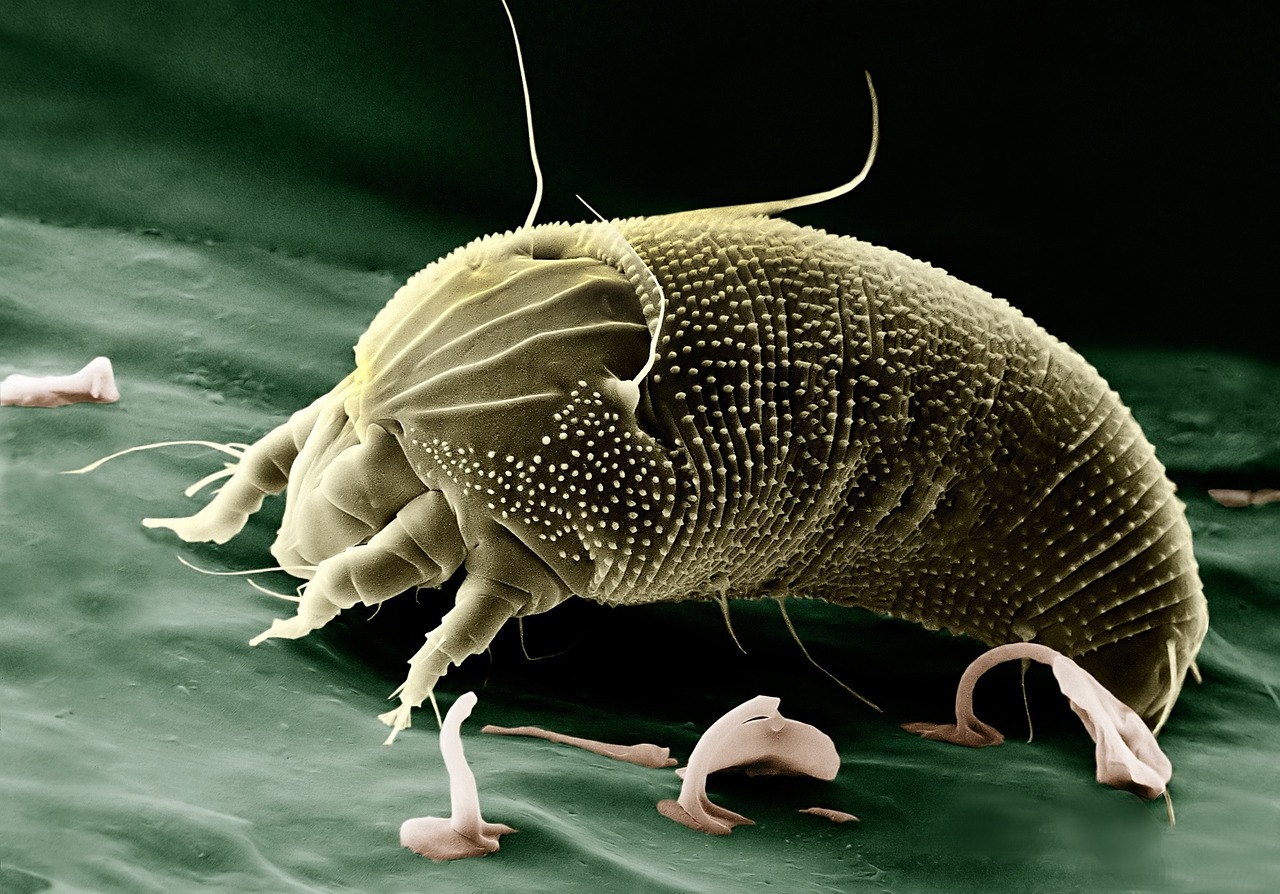
Picture this: a microscopic creature that looks like it belongs in a Star Wars movie, complete with eight stubby legs and a face only a mother could love. The tardigrade is one of the most interesting animals in the world, earning its nickname “water bear” from its adorable waddling gait when viewed under a microscope.
But here’s where things get wild – these tiny creatures are basically indestructible. They can survive temperatures from near absolute zero to over 300 degrees Fahrenheit (about 150°C), pressures six times greater than those found in the deepest ocean trenches, and even the vacuum of space. Imagine hibernating to get out of trouble – that’s exactly what tardigrades do when conditions get tough, entering a state called cryptobiosis where they essentially pause their life processes until better times come around.
The Axolotl: Mexico’s Smiling Regeneration Master
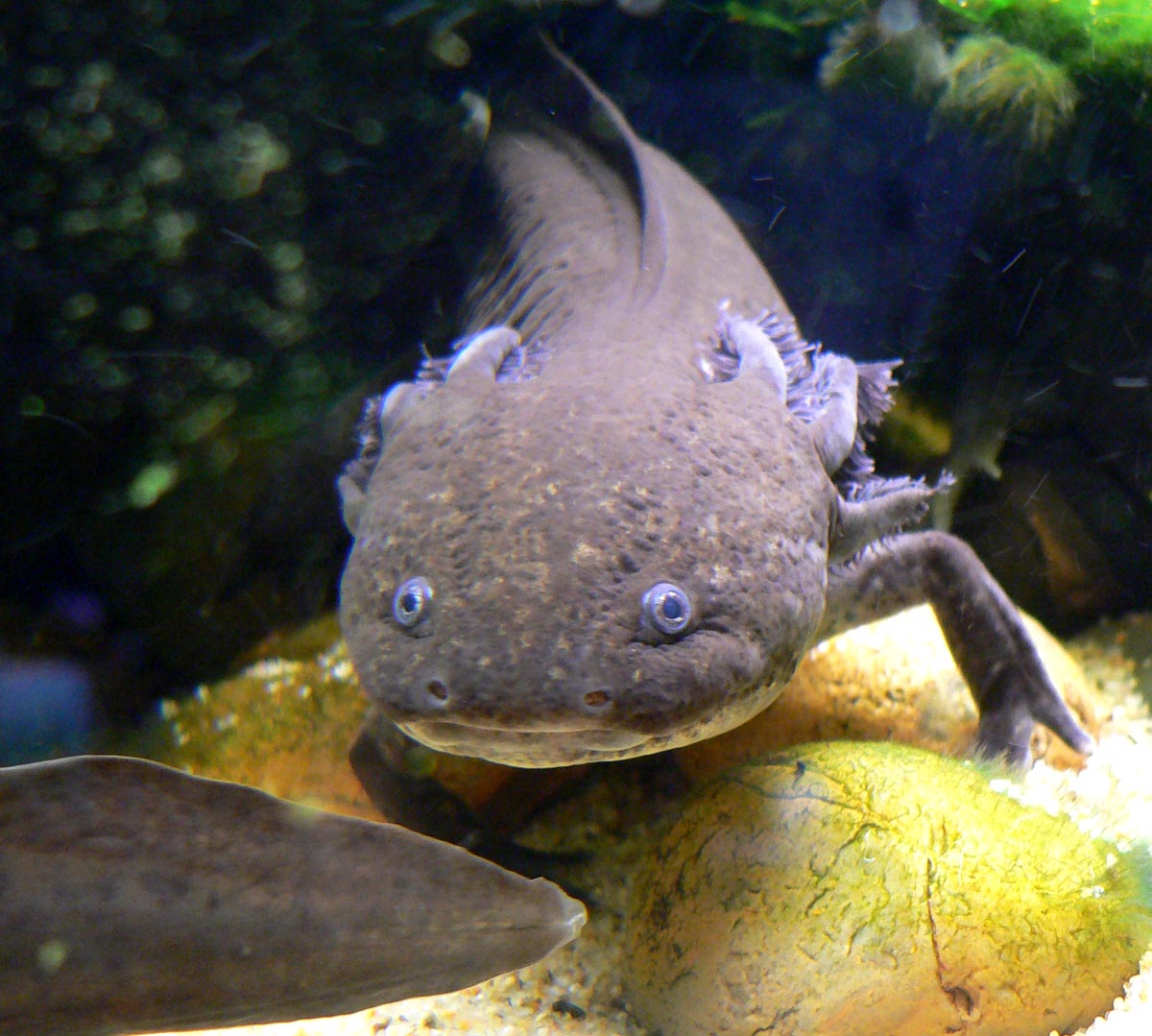
The Mexican axolotl, which is native to the freshwater swamps and lakes around Mexico City, is a type of salamander that retains its larval features throughout its life, a phenomenon known as neoteny. Think of it as nature’s Peter Pan – it never grows up, keeping its external gills and that perpetual smile that makes it look like it’s always having the time of its life.
One of the most striking adaptations of the axolotl is its ability to regenerate its limbs, spinal cord, heart, and other organs. The axolotl can regenerate these body parts throughout its life, making it a valuable model organism for research into tissue regeneration and repair. Scientists are studying these remarkable creatures hoping to unlock secrets that could revolutionize human medicine. Unfortunately, habitat loss and pollution have pushed the axolotl to the brink of extinction, highlighting the urgent need for conservation efforts.
The Platypus: Nature’s Most Confused Creation
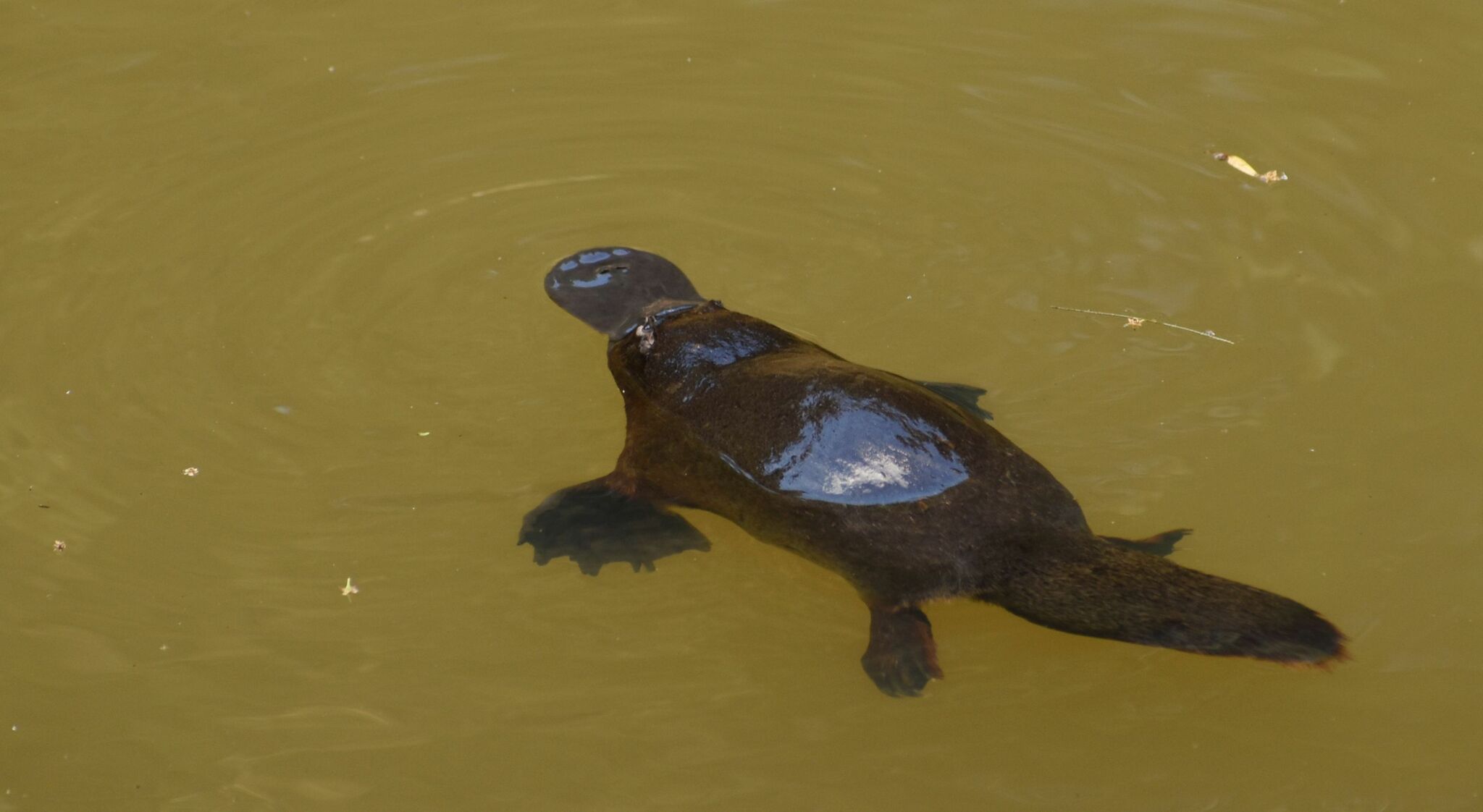
The platypus is one of nature’s most curious creations, often described as looking like it’s part duck, part beaver, and part otter. When European scientists first encountered this creature, they literally thought someone was playing an elaborate prank on them by sewing different animal parts together. It seemed impossible that such a creature could exist.
But the platypus has some tricks that put it in a league of its own. The Platypus is one of the few mammals that can detect electrical signals through electrolocation. This adaptation allows it to locate prey underwater, where visibility is limited. Despite its playful look, the male platypus carries venomous spurs on its hind legs, making it as formidable as it is fascinating. Talk about keeping your enemies on their toes!
The Mimic Octopus: The Ocean’s Master of Disguise
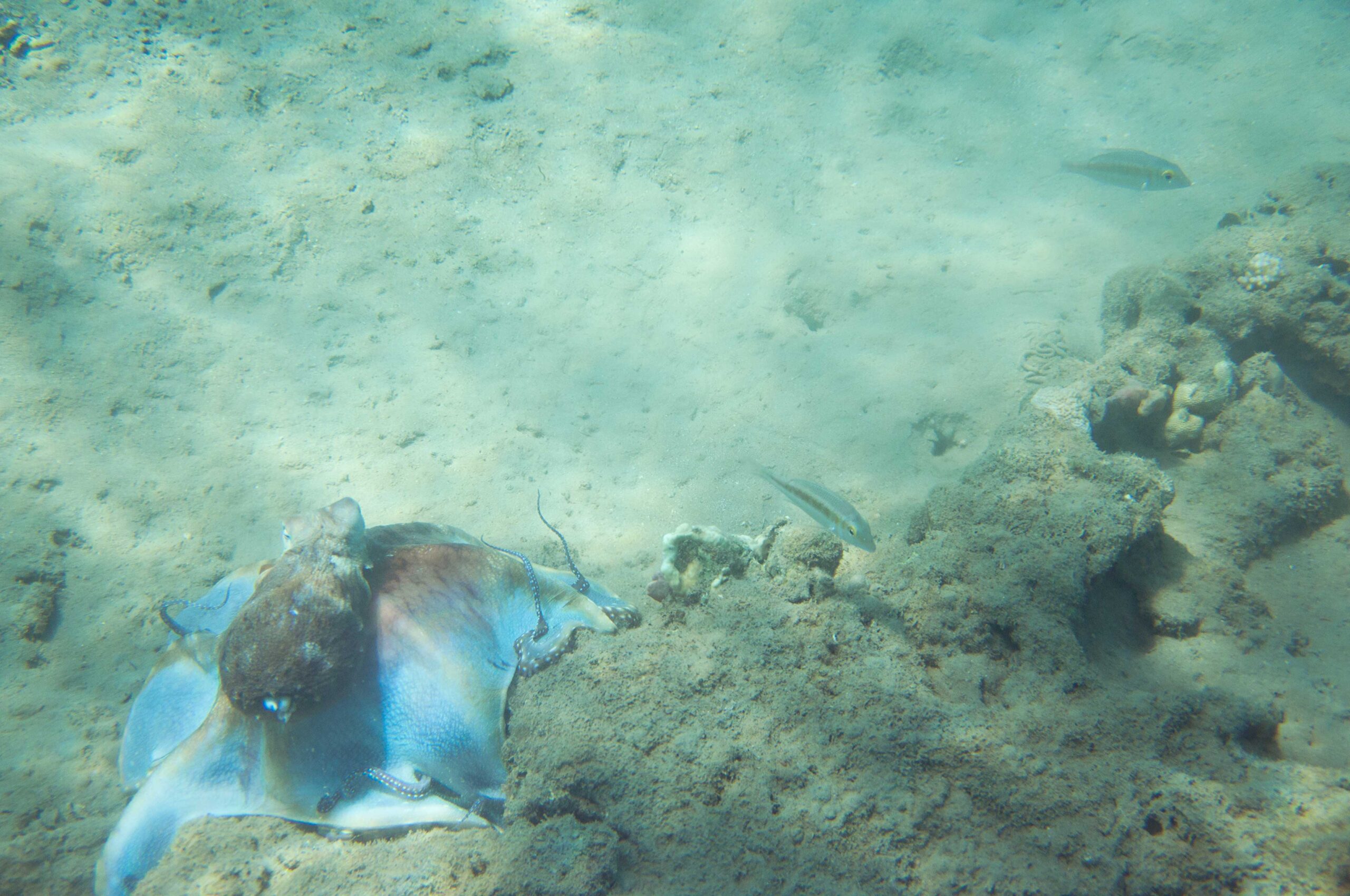
If the animal kingdom had an Oscar for Best Actor, the mimic octopus would win every single year. The Mimic Octopus possesses the astonishing ability to imitate the physical appearance and behavior of more than 15 different marine species, including sea snakes, lionfish, and flatfish. We’re not talking about simple color changes here – this creature can alter its entire body shape, texture, and movement patterns.
Imagine being able to transform yourself into completely different people depending on your mood or the situation at hand. One moment it’s a flatfish gliding along the ocean floor, the next it’s rearing up like a venomous lionfish to scare off predators. This form of mimicry is used both to deter predators and to approach prey. The mimic octopus’s ability to change its shape, color, and behavior is a remarkable example of adaptive evolution.
The Shoebill Stork: The Prehistoric Living Statue
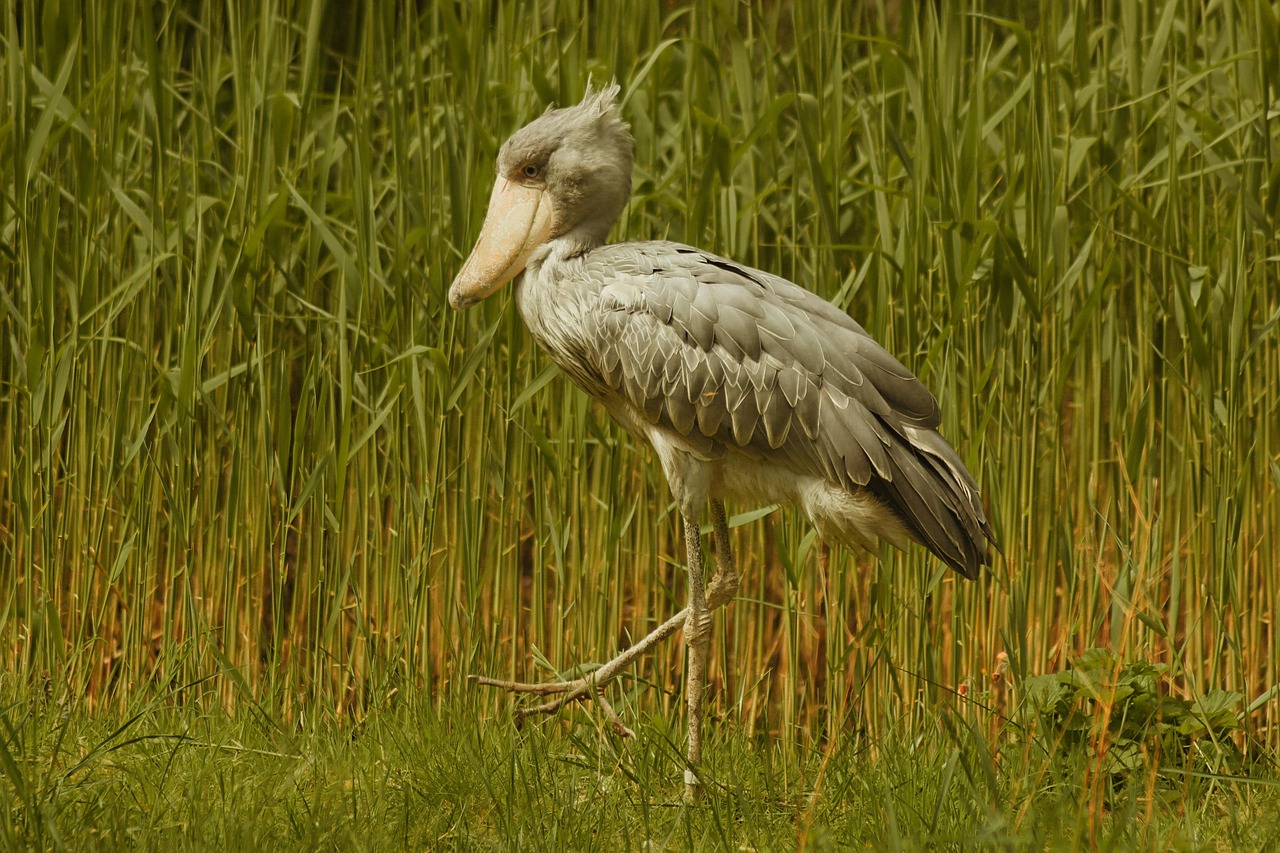
Also known as a whalehead, the prehistoric-looking shoebill is a large waterbird, often referred to as a stork, though it’s more closely related to pelicans and herons. This bird looks like it stepped straight out of a Jurassic Park movie, standing motionless for hours with an expression that suggests it’s seen some things and is not impressed.
As well as the distinctive bill, the birds can grow to be up to 1.5 metres tall, with a wingspan reaching up to 2.6 metres, but it’s their glaring eyes that make them look so fearsome. They hunt by remaining perfectly still until an unsuspecting fish swims too close, then striking with lightning speed. Their patience is legendary – they can wait for hours without moving a muscle, making them the meditation masters of the bird world.
The Pangolin: The Walking Pinecone
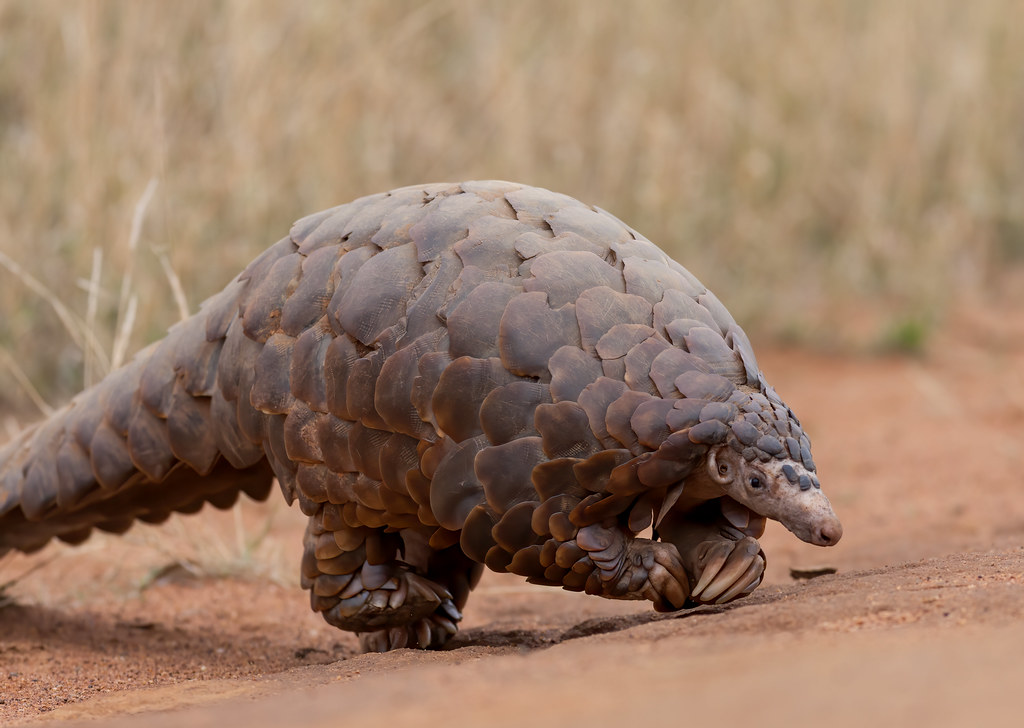
The pangolin is a type of anteater that is fully scaled. It looks like a medieval tank, and it’s a very shy creature that shuns human contact, and for a good reason. When threatened, pangolins roll into an almost perfect ball, with their razor-sharp scales facing outward – imagine a defensive porcupine crossed with an armadillo, but way cooler.
These remarkable creatures have tongues longer than their entire body, perfect for slurping up ants and termites from deep within their nests. Sadly, pangolins have the unfortunate tag as ‘the most trafficked animal in the world’ (more than one million over the last decade), their scales used for traditional ‘medicine’ in China and Vietnam (despite keratin having no medicinal properties) and sold as luxury meat across Asia, meaning all eight species are fighting for survival.
The Goblin Shark: The Ocean’s Living Fossil
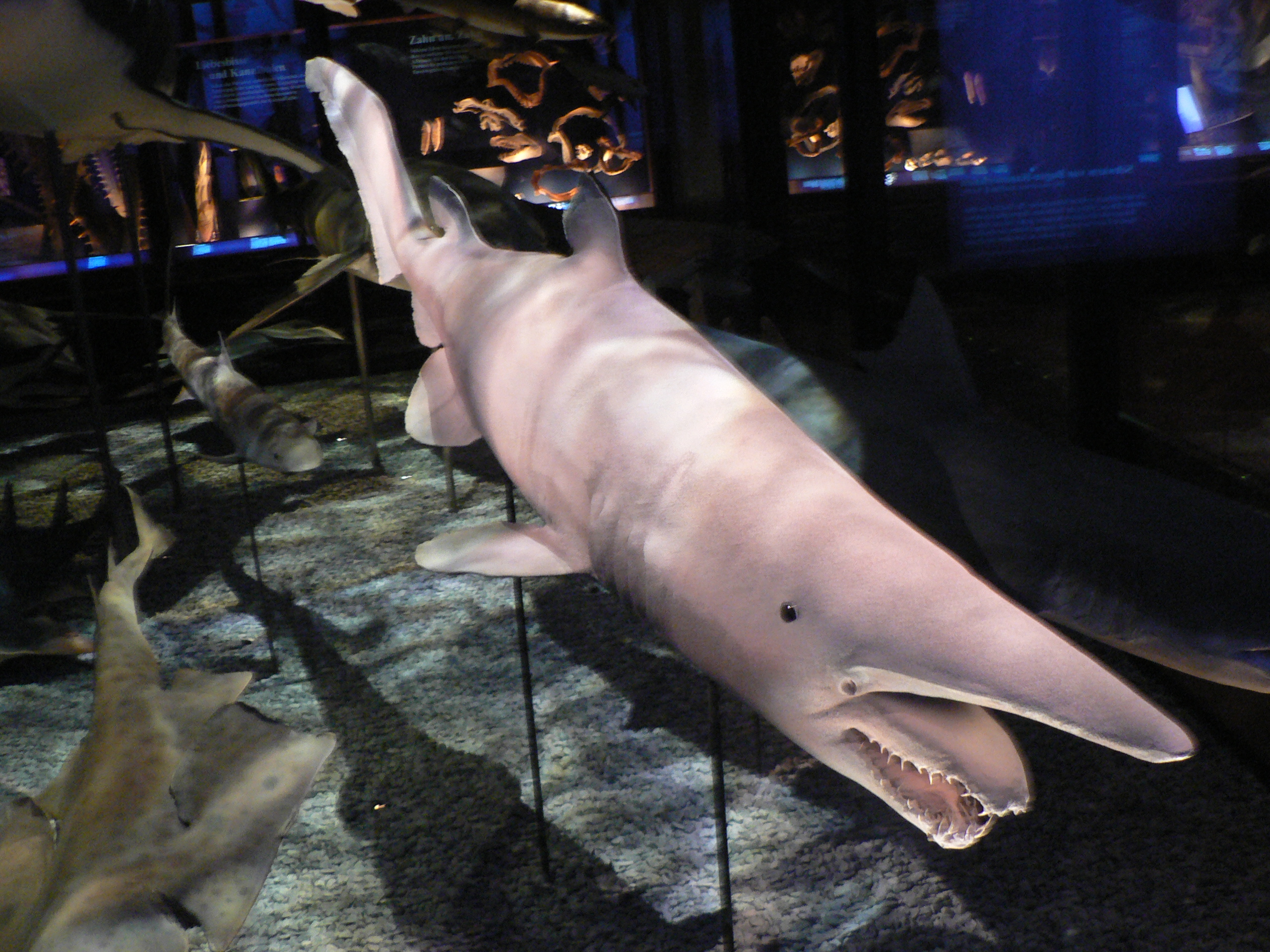
The goblin shark, often referred to as a living fossil, dwells in the deep waters of the world’s oceans. These weird animals have elongated snouts and protruding jaws that are perfect for attacking their primary prey – small fish and cephalopods. Despite being rarely seen by humans, the goblin shark fascinates scientists with its ancient lineage and bizarre appearance. They consider the goblin shark to be a living fossil due to the fact that it hasn’t changed much over the last 100 million years.
The goblin shark’s party trick is its extendable jaw, which can shoot out of its mouth like something from an alien movie. Another unique adaptation of the goblin shark is its protruding jaws, which can extend up to 8% of its total body length. This allows it to snatch prey from a surprising distance, making it the ocean’s equivalent of a spring-loaded trap.
The Aye-Aye: Madagascar’s Spooky Primate
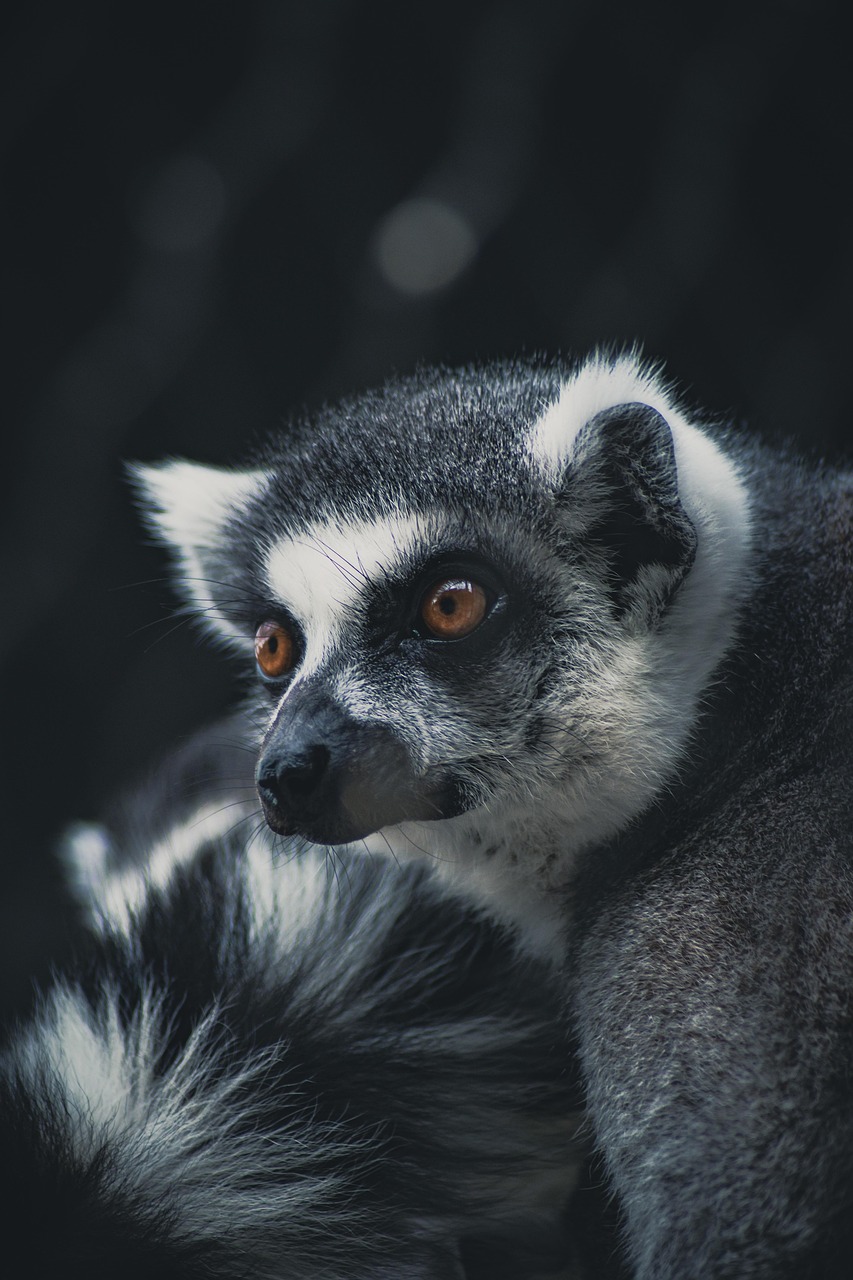
The aye-aye is an unusual lemur species that’s native to the biodiverse island of Madagascar. The world’s largest nocturnal primate has large bat-like ears, a possum-like face, rodent-like teeth, long fingers and staring eyes. If you’ve ever wondered what would happen if nature decided to mix and match random animal features, the aye-aye is your answer.
Its most distinctive feature is its skeletal middle finger, which it uses like a woodpecker’s beak to tap on trees and listen for insect larvae inside. Unfortunately, many local Malagasy people believe the aye-aye is a harbinger of misfortune, bad for crops, fertility or even causing the death of a villager; this means they’ve been persecuted and killed, and are now listed as Endangered. Sometimes being unique comes with a hefty price tag.
The Dung Beetle: The Insect World’s Strongman
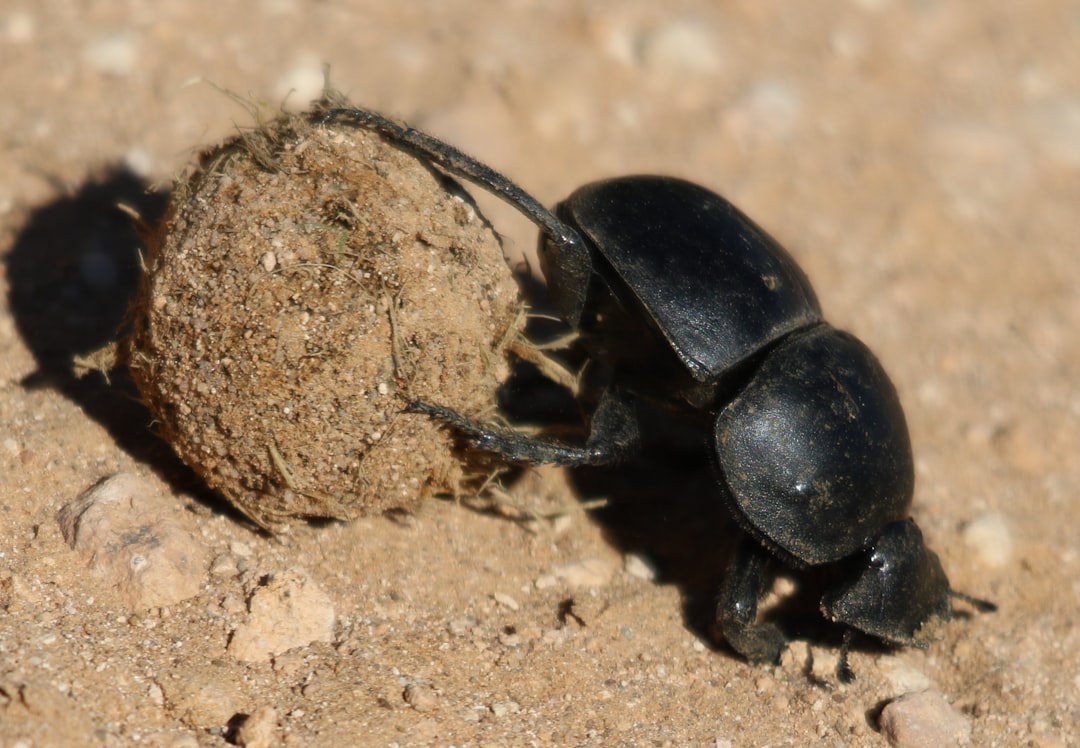
Don’t let their humble profession fool you – dung beetles are the ultimate strongmen of the insect world. They’re able to push balls of fresh animal poop (hence their namesake) that weigh more than 200 times their body weight. Researchers documented one individual dung beetle that was pushing a ball that was 1,141 times his body weight, the equivalent of a 150-pound person moving a whopping 80 tons.
Take a look at horned dung beetles. In strength studies these tiny tanks were able to pull more than 1,000 times their bodyweight. To put this in perspective, if humans had proportional strength, we’d be able to lift cars above our heads like they were paperweights. These beetles don’t just roll around waste for fun – they’re actually excellent parents, creating nutritious nurseries for their young.
The Immortal Jellyfish: Nature’s Fountain of Youth
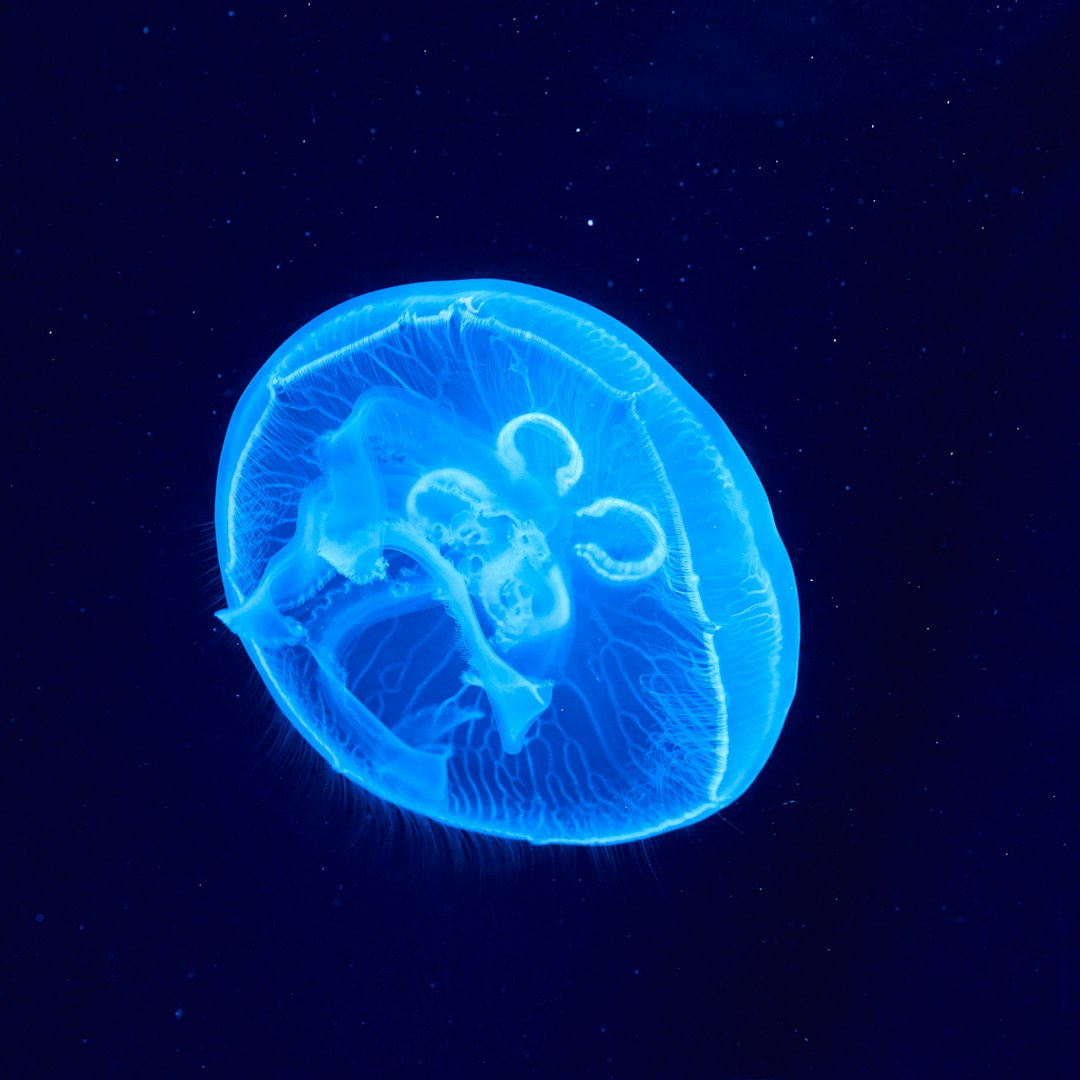
The Immortal Jellyfish has the unique ability to revert its cells back to their earliest form and start its life cycle anew, theoretically allowing it to live indefinitely under the right conditions, hence its common name. Imagine hitting a reset button on your entire life whenever things got tough – that’s essentially what these jellyfish can do.
The aptly named immortal jellyfish can actually reverse its life cycle. When injured, starving, or in physical distress, these tiny jellyfish – no bigger than a pencil eraser – essentially curl in on themselves, retracting their tentacles and losing the ability to swim. They then transform back into a juvenile polyp and start growing up all over again. It’s like having unlimited do-overs in the game of life.
The Leaf-Tailed Gecko: The Master of Camouflage
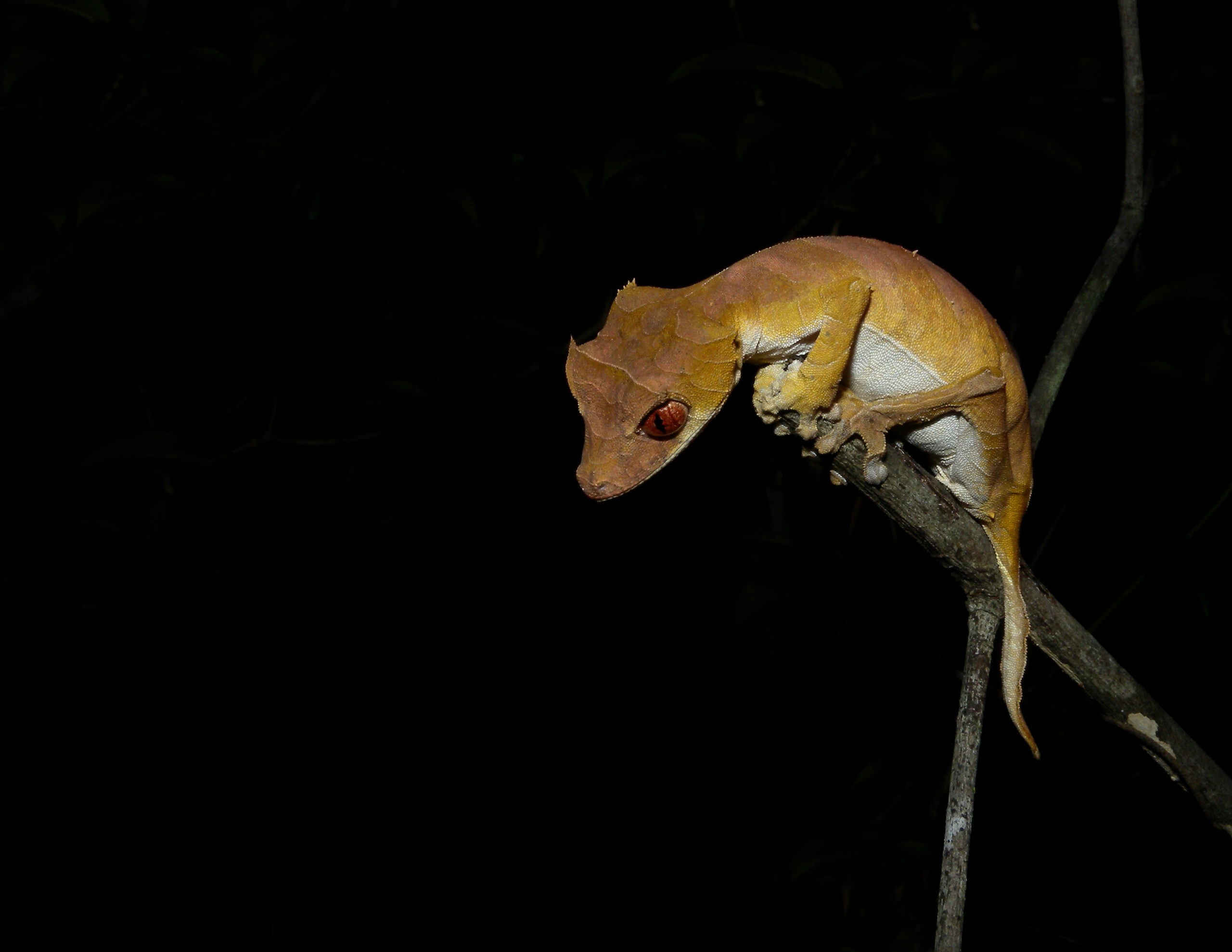
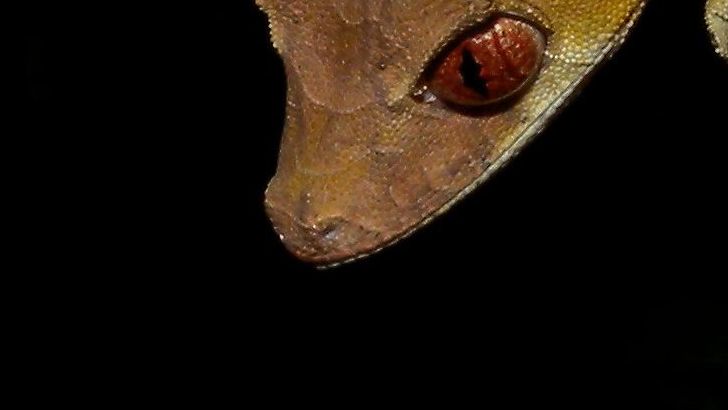
The leaf-tailed gecko (Uroplatus fimbriatus) has a unique adaptation that allows it to easily survive in its native Madagascar, the only location where it exists in the wild. This lizard’s tail resembles a leaf, allowing it to easily blend in with the vegetation in the trees where it lives. When this gecko wants to disappear, it doesn’t need a magic trick – it just hangs perfectly still and becomes one with the foliage.
To avoid detection, leaf-tailed geckos will hang from branches, much like leaves. Another advantage of the leaf-like appearance is being able to remain concealed when seeking prey. Their camouflage is so perfect that scientists sometimes have trouble spotting them even when they’re looking directly at them. It’s like playing hide-and-seek with a master who never loses.
The Narwhal: The Ocean’s Living Unicorn
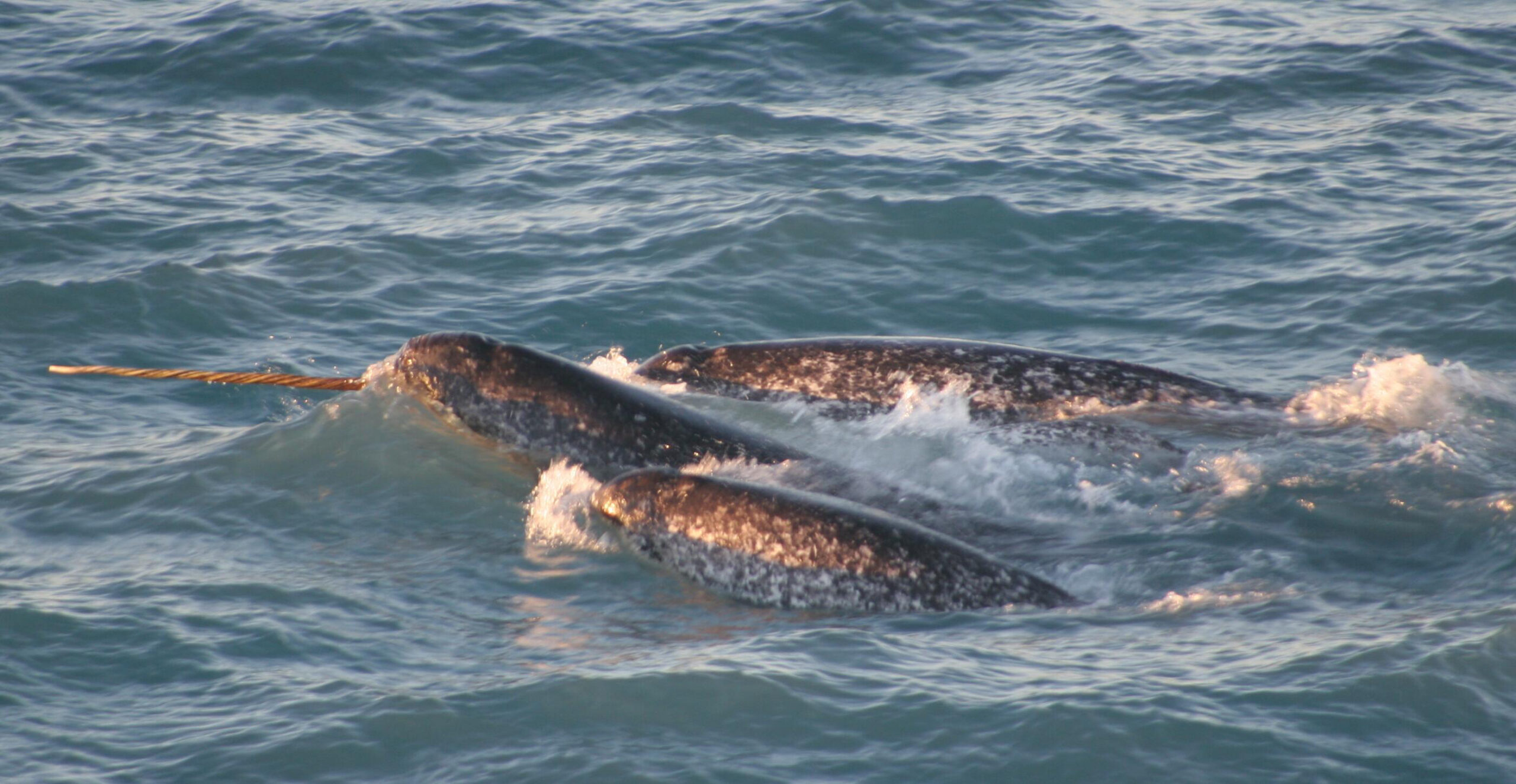
The narwhal is a medium-sized toothed whale that is found in the Arctic waters of Canada, Greenland, and Russia. One of its most unique adaptations is its long, spiral tusk, which is actually a modified front tooth that can grow up to 10 feet (3 meters) in length. For centuries, people believed narwhal tusks were actual unicorn horns, selling them for fortunes to medieval nobility who thought they had magical properties.
Male narwhals use their tusks for dominance displays, breaking through ice, and possibly for sensing changes in water pressure and temperature. The tusk is packed with nerve endings, making it incredibly sensitive. These Arctic whales are like the knights of the northern seas, carrying their lances as they navigate through icy waters that would make polar bears think twice.
Conclusion: Nature’s Endless Creativity
These twelve remarkable animals prove that truth really is stranger than fiction. From tiny tardigrades surviving in space to immortal jellyfish rewriting the rules of life and death, our planet hosts creatures that seem to come straight from the pages of a fantasy novel. Each species has evolved incredible adaptations that not only help them survive but thrive in environments that would challenge even our most advanced technology.
What makes these animals truly fascinating isn’t just their bizarre appearances or superhuman abilities – it’s how they remind us that life finds a way to flourish in the most unexpected circumstances. They’ve been perfecting their survival strategies for millions of years, creating solutions to problems we’re only beginning to understand. The next time someone tells you that reality is boring, just remember that somewhere out there, a dung beetle is bench-pressing a ball of poop that weighs more than a small car, and an octopus is probably pretending to be a completely different animal just for fun.
Isn’t it amazing what’s sharing this planet with us?
