


Ever looked at Chewbacca and thought he looked familiar? Well, your instincts weren’t wrong. The Star Wars universe, spanning decades and multiple galaxies far, far away, didn’t emerge from a creative vacuum. George Lucas and his talented team of designers drew inspiration from our own planet’s incredible wildlife to create some of the most memorable alien species in science fiction history.
From the towering Wookiees to the adorable Ewoks, many of these otherworldly creatures have surprisingly Earthly origins. The brilliant minds behind these designs understood that audiences connect more deeply with aliens that feel somehow familiar, even if they can’t quite place why. So let’s dive into the fascinating connections between our favorite Star Wars creatures and the real animals that inspired them.
Chewbacca’s Canine Connection
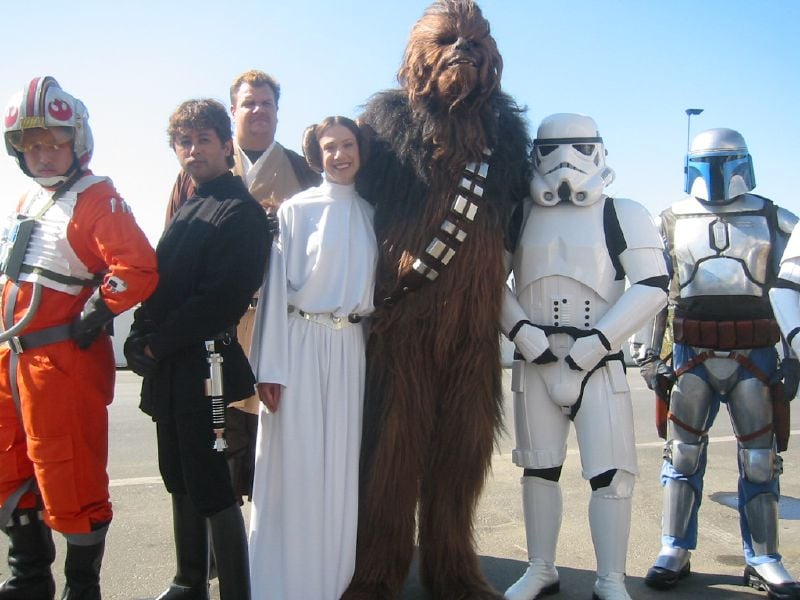
The inspiration for Chewbacca was George Lucas’ Alaskan Malamute. When the massive Alaskan malamute would ride in the passenger seat of Lucas’ car, people sometimes mistook it for a hairy person. The beloved Wookiee co-pilot of the Millennium Falcon owes his existence to a furry friend named Indiana. When the massive Alaskan malamute would ride in the passenger seat of Lucas’ car, people sometimes mistook it for a hairy person.
What’s fascinating is how Lucas took this everyday observation and transformed it into one of cinema’s most iconic characters. The loyal, communicative nature of dogs translated perfectly into Chewbacca’s unwavering devotion to Han Solo. Even the character’s expressive growls and grumbles echo the vocalizations we hear from our canine companions.
Yoda’s Primate Inspiration
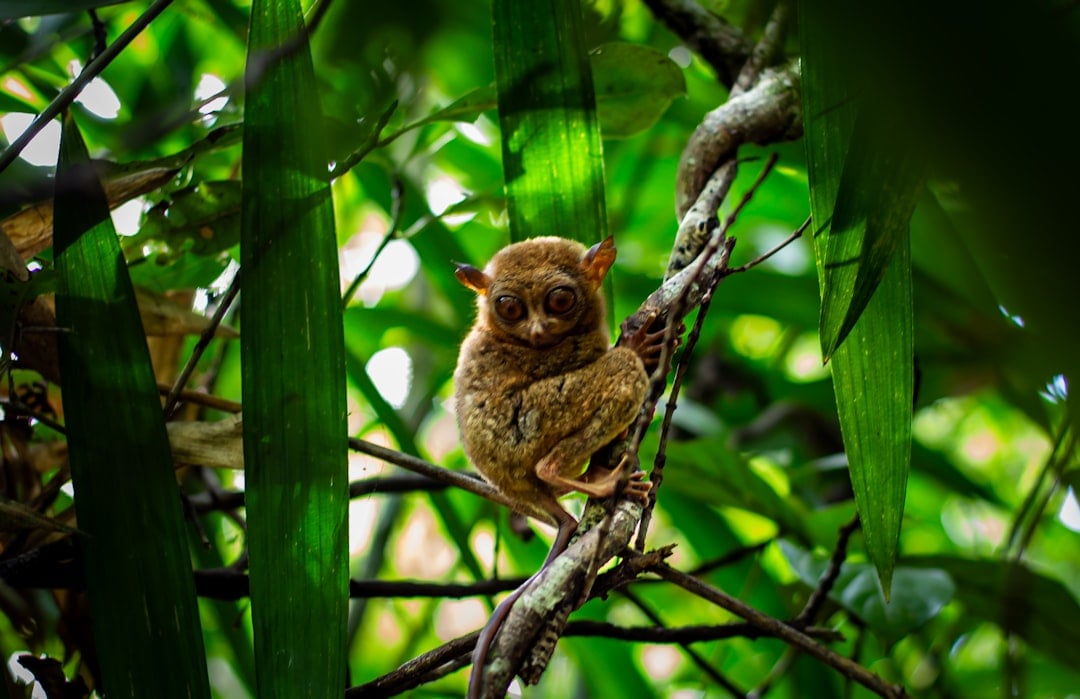
No creature on Earth looks more like Yoda and his mini-me than the tarsier. These miniature primates from Southeast Asia have heads and bodies about 10-15 cm long. Nocturnal animals, tarsiers have excellent hearing and night vision, with gigantic eyes of 1.6 cm in diameter each that give them a distinctly alien appearance.
The resemblance is uncanny when you consider the proportions. Tarsiers possess those enormous, soulful eyes that seem to hold ancient wisdom, much like the Jedi Master himself. Their nocturnal nature and heightened senses mirror Yoda’s connection to the Force and his ability to perceive things others cannot.
Ewoks and Man’s Best Friend
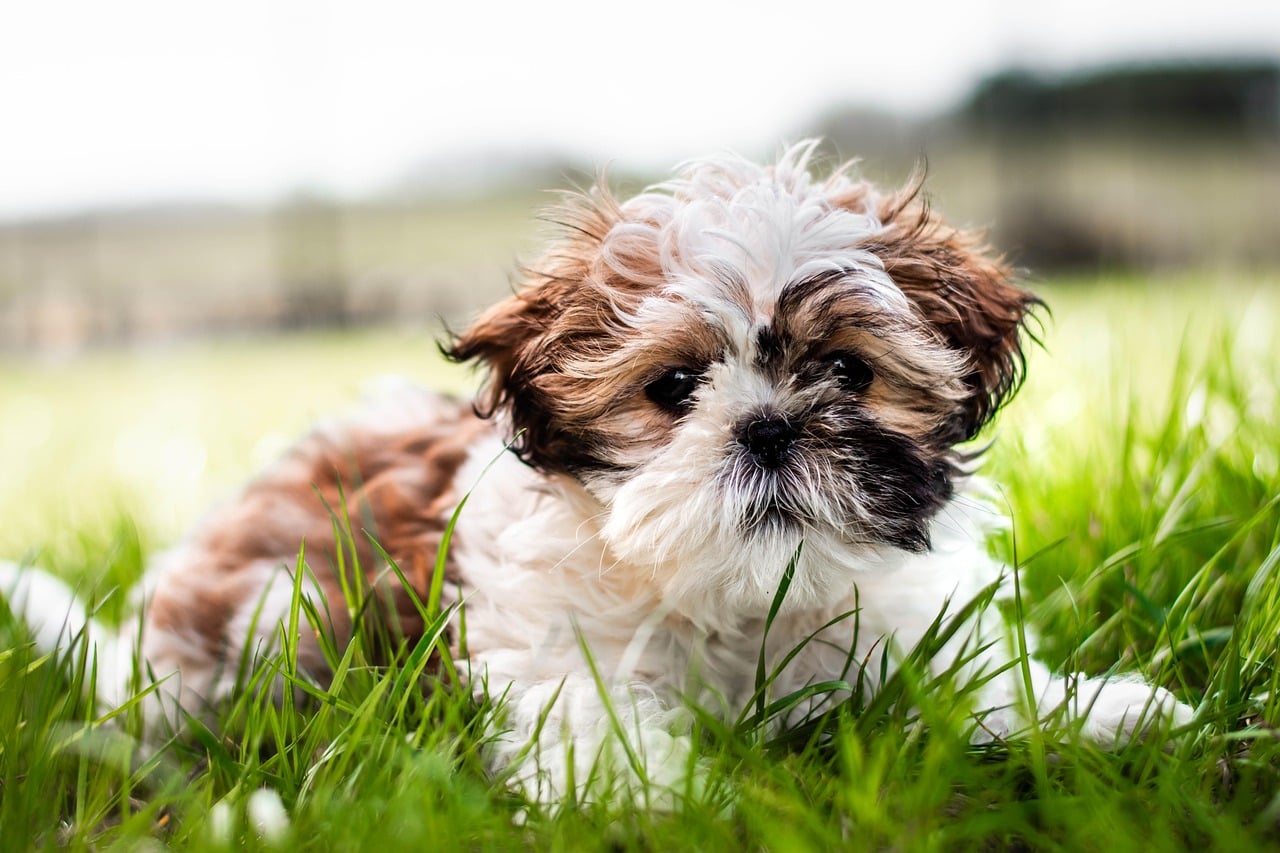
Lucas modeled this creature after another of his dogs, reportedly a Shih Tzu, and the resemblance is striking! The forest-dwelling Ewoks from Endor represent another example of Lucas drawing inspiration from his pets. These diminutive warriors captured hearts worldwide with their teddy bear appearance and fierce loyalty.
These furry creatures have clearly been designed to show what a teddy bear would look like if it was alive. As such their inspiration, much like the teddy, must be a bear. The combination of dog-like loyalty and bear-like appearance created the perfect recipe for characters that could be both cute and formidable in battle.
Tauntauns: Kangaroo-Lizard Hybrids
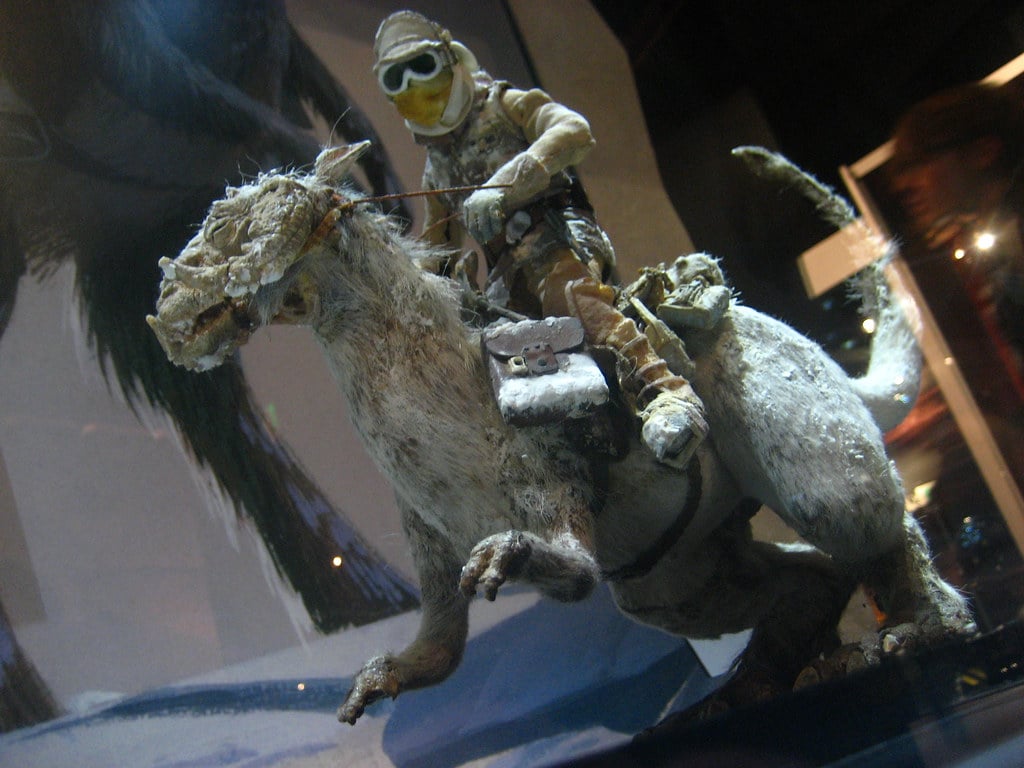
Supersize a kangaroo, give it some horns and a lizard tail, and you have yourself a tauntaun. These 9-foot-tall furry snow lizards look like kangaroos with rams’ horns and long lizard tails. The faithful mounts of the Rebel Alliance on Hoth represent a brilliant fusion of multiple Earth animals.
The sounds of the tauntauns were created from various animal recordings. Even their distinctive vocalizations came from nature, proving that every aspect of these creatures had roots in our own world. The upright posture and powerful legs of kangaroos provided the perfect foundation for a creature that could traverse icy terrain while carrying riders.
Banthas: Elephants in Disguise
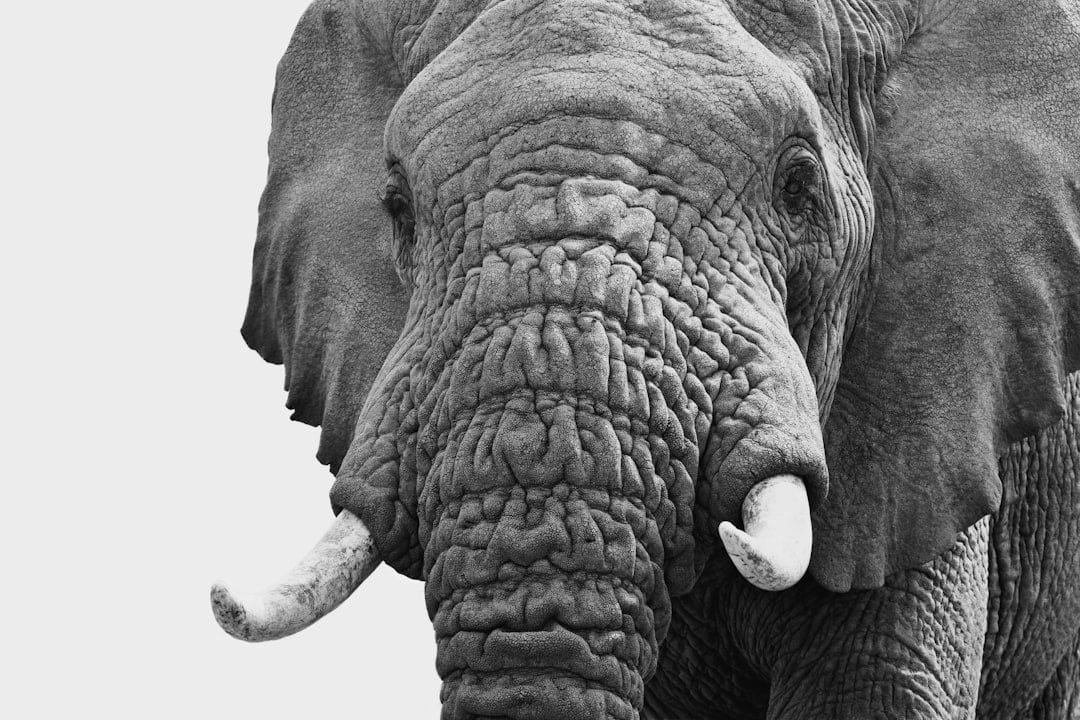
In “A New Hope,” the bantha was actually an elephant wearing a head mask, palm fronds and tubing. For the role, the elephant wore a head mask constructed from chicken wire and foam, horns fashioned from flexible ventilation tubing, and a shaggy overcoat of palm fronds.
Banthas are 10-foot-tall mammalians that look a lot like woolly mammoths but have curling horns like bighorn rams. They’ve also been compared to yaks, cow-like beasts of burden found primarily in the Himalayas. The practical approach to creating these desert beasts of burden showcased how real animals could be transformed with simple modifications.
Porgs: Puffin Perfection
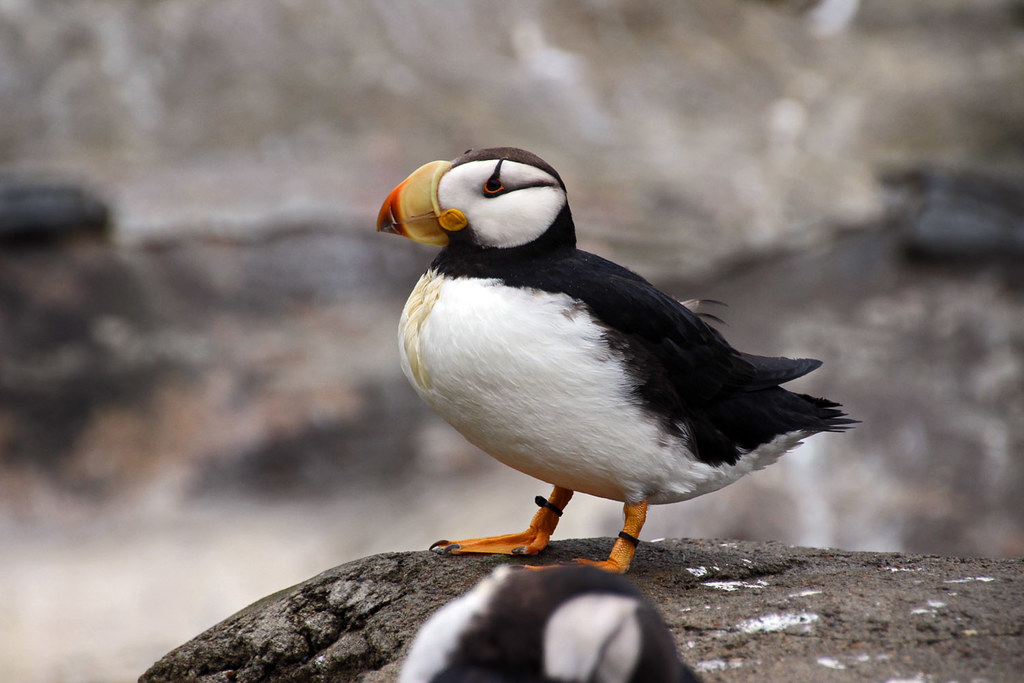
When director Rian Johnson visited Ireland’s Skellig Michael, where Luke Skywalker made his self-imposed exile in “The Last Jedi,” the craggy island was so overrun with puffins he had to take care not to step on them. Instantly he knew the island, called Ahch-To in the film, would also be home to the Star Wars version of puffins, called porgs.
The reason these creatures exist in the Star Wars universe is simply due to the fact that there were so many puffins on the real island of Skellig Michael, where the scenes were filmed, that it was easier to adapt the puffins into an alien instead of digitally removing them all. Whatever your opinions of porgs, most people find their real world counterpart – puffins – adorable. Sometimes necessity truly is the mother of invention, even in a galaxy far, far away.
AT-AT Walkers: Mechanical Elephants
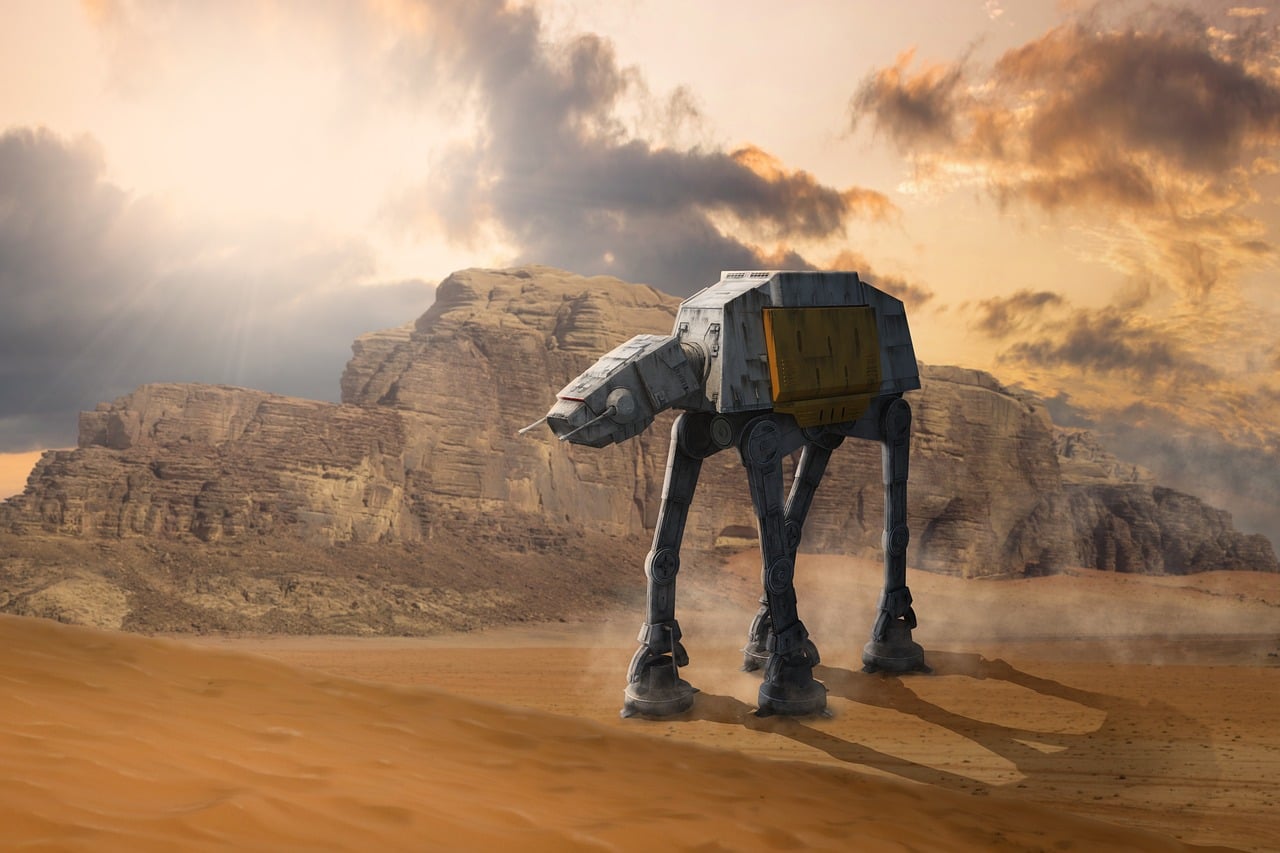
The animators modeled these bad boys after African elephants and even brought one into the studio to observe and record how it walked to make AT-ATs more believable. While not technically creatures, the Imperial Walkers demonstrate how animal movement patterns influenced even mechanical designs in Star Wars.
The deliberate, powerful gait of elephants provided the perfect template for these terrifying war machines. By studying how elephants distribute their weight and maintain balance, animators created mechanical beasts that felt organic and threatening rather than clunky and artificial.
Jar Jar Binks: Dinosaur Duck
Jar Jar Binks was based on a design that included blending an emu with a duck-billed dinosaur. His short thighs were responsible for his bird-like walk. Despite being one of the most controversial characters in Star Wars history, Jar Jar’s design represents an interesting fusion of extinct and modern creatures.
We can love the hadrosaurus as long as it doesn’t talk like Jar Jar Binks. Jar Jar Binks is, without a doubt, the most reviled sentient species in the Star Wars franchise. The combination of dinosaur anatomy with bird-like characteristics created a unique alien physiology that, love it or hate it, was certainly memorable.
The Sarlacc: Nature’s Perfect Trap
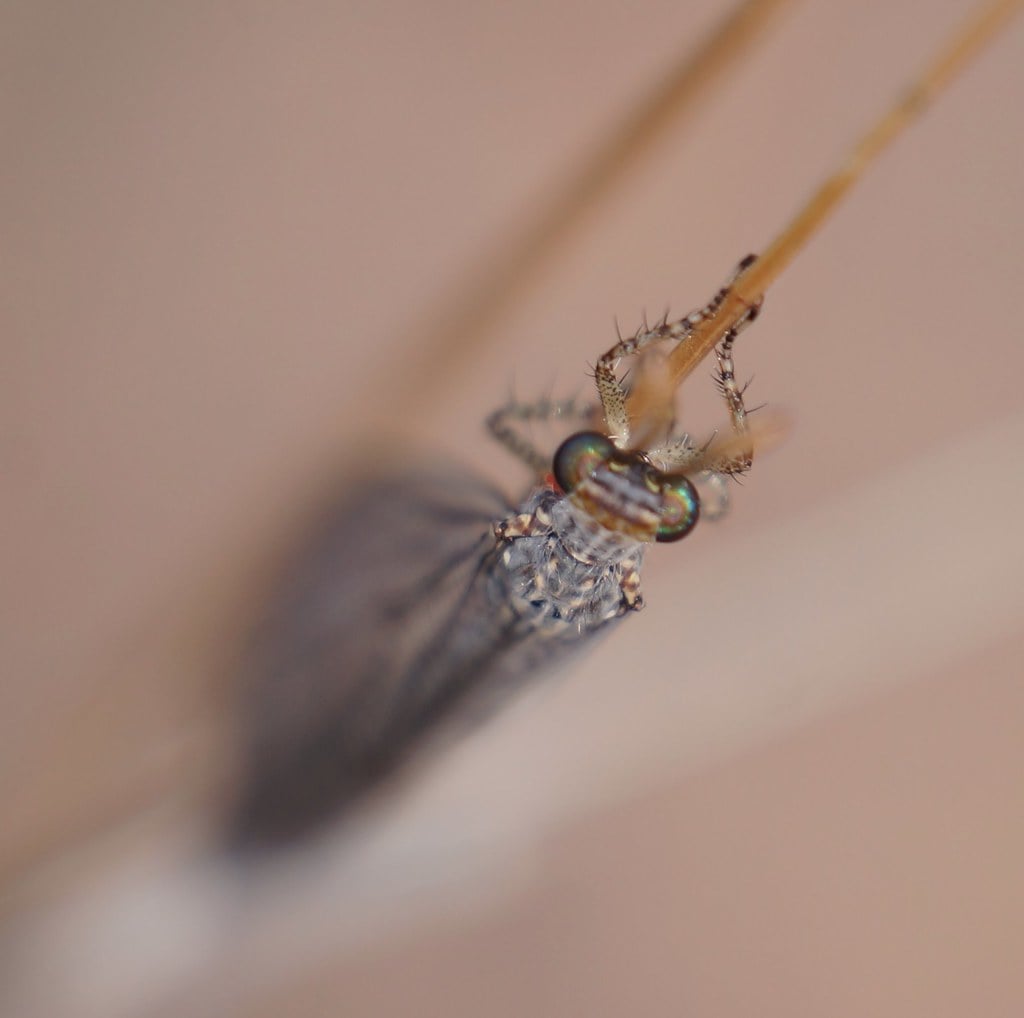
Astrophysicist and science fiction author Jeanne Cavelos compares the Sarlacc’s hunting method to that of the antlion. For anyone who learned about wildlife from PBS and the Kratt brothers way back in 1996, the most obvious answer is likely the antlion. It’s the only animal I was able to find that, just like the sarlacc on Tatooine , bides its time in a sand pit until prey wanders a bit too close.
Adult antlions aren’t too remarkable, but the larvae are basically sarlaccs-in-miniature – only much more frightening. Certain species of the insect will bury a few centimeters down into loose sand or soil and excavate themselves a fancy little pit of death along busy ant-highways and thoroughfares. Most scary of all, the antlion can fling sand up at struggling ants to force them to lose footing and plunge deeper into the shallow pit.
Nexu: Feline Predators
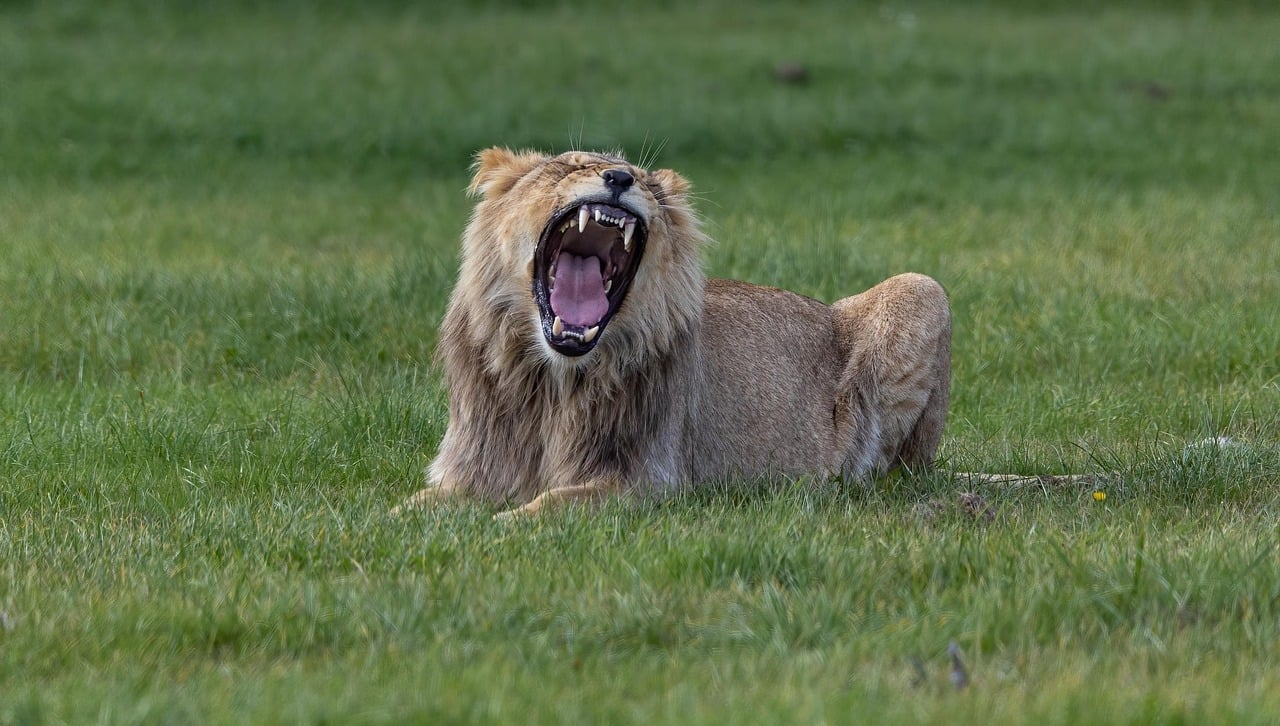
Nexu: Feline-like predators with four eyes and lots of teeth. Nexu were feline creatures native to the chilly forests of the Indona continent on the planet of Cholganna. These arena beasts from Attack of the Clones take the predatory nature of big cats and amplify it with alien features like multiple eyes and enhanced night vision.
The basic body structure and hunting instincts clearly derive from Earth’s apex feline predators. However, the addition of extra sensory capabilities and defensive quills transform familiar cat anatomy into something truly alien and terrifying.
Crystal Foxes: Arctic Inspiration
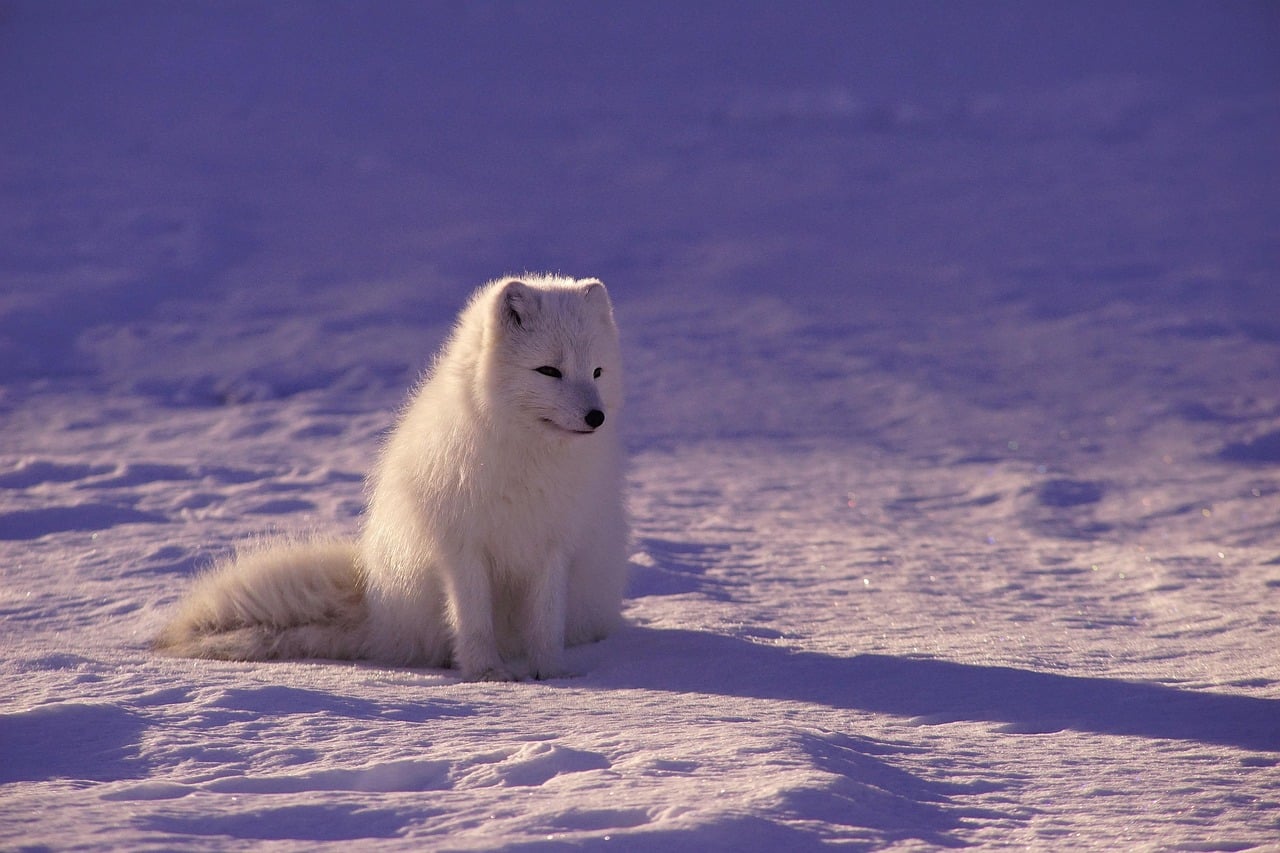
He saw the crystal foxes, inspired by Arctic foxes, as creatures who digested mineral salts to the point that individual crystals formed on their hairs. Scanlan and his team built a suit covered in thousands of drinking straws, which they placed on a greyhound. As it ran around, they studied the sounds of the straws and the way the light caught the straws.
The elegant crystal foxes from The Last Jedi showcase how real animal behavior can be enhanced with fantastical elements. By taking the natural grace and speed of Arctic foxes and adding a crystalline twist, designers created creatures that felt both magical and believable.
Wampas: Bears of the Ice Planet
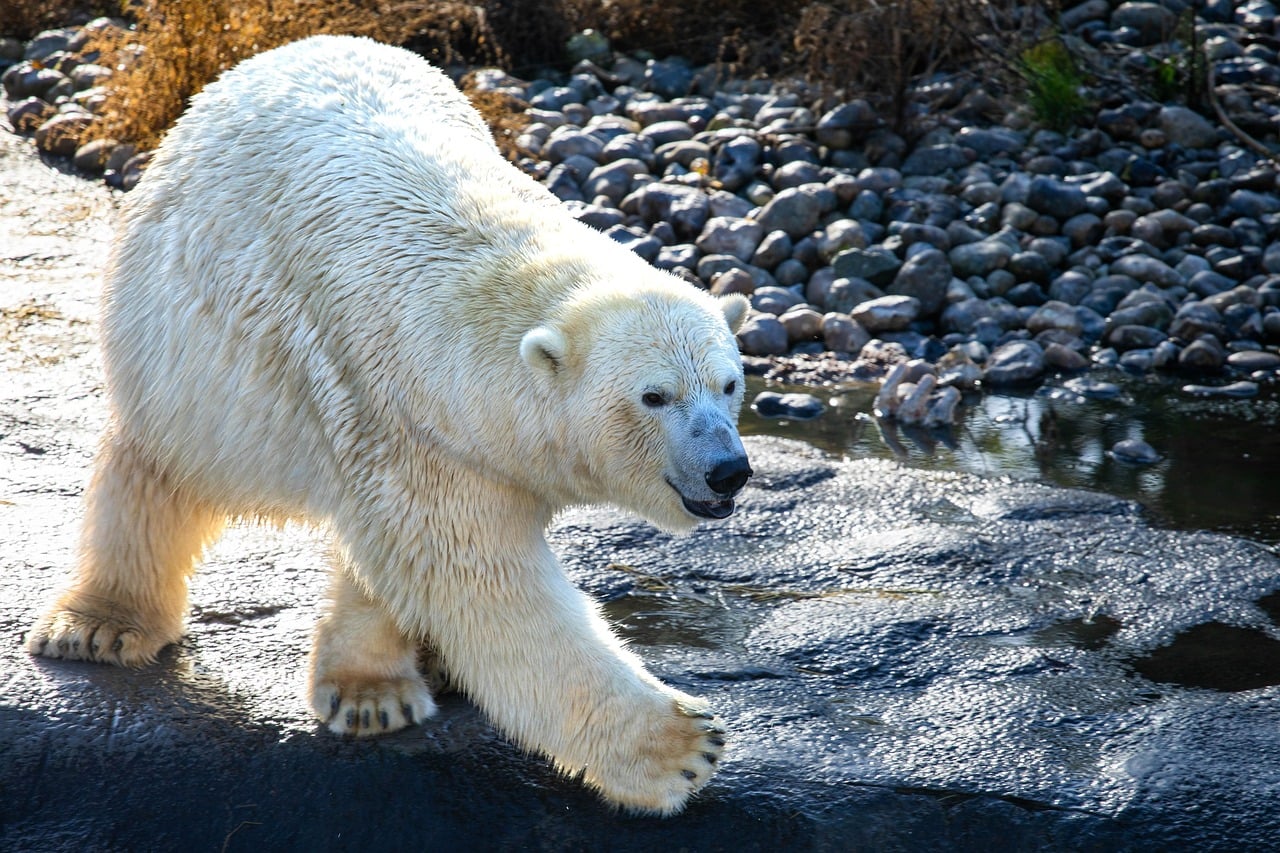
Wampas are a horned, clawed, white-furred, carnivorous species of snow monsters native to the frozen world of Hoth. They are a semi-sentient race of predators standing over 2 m (6.6 ft) in height, subsisting in the cold climate by hunting tauntauns – their primary prey.
These ice cave dwellers clearly draw inspiration from polar bears and other arctic predators. Their massive build, white fur, and solitary hunting behavior mirror the characteristics of Earth’s most formidable cold-weather predators, making them perfect antagonists for the frozen planet Hoth.
Mon Calamari: Ocean Intelligence
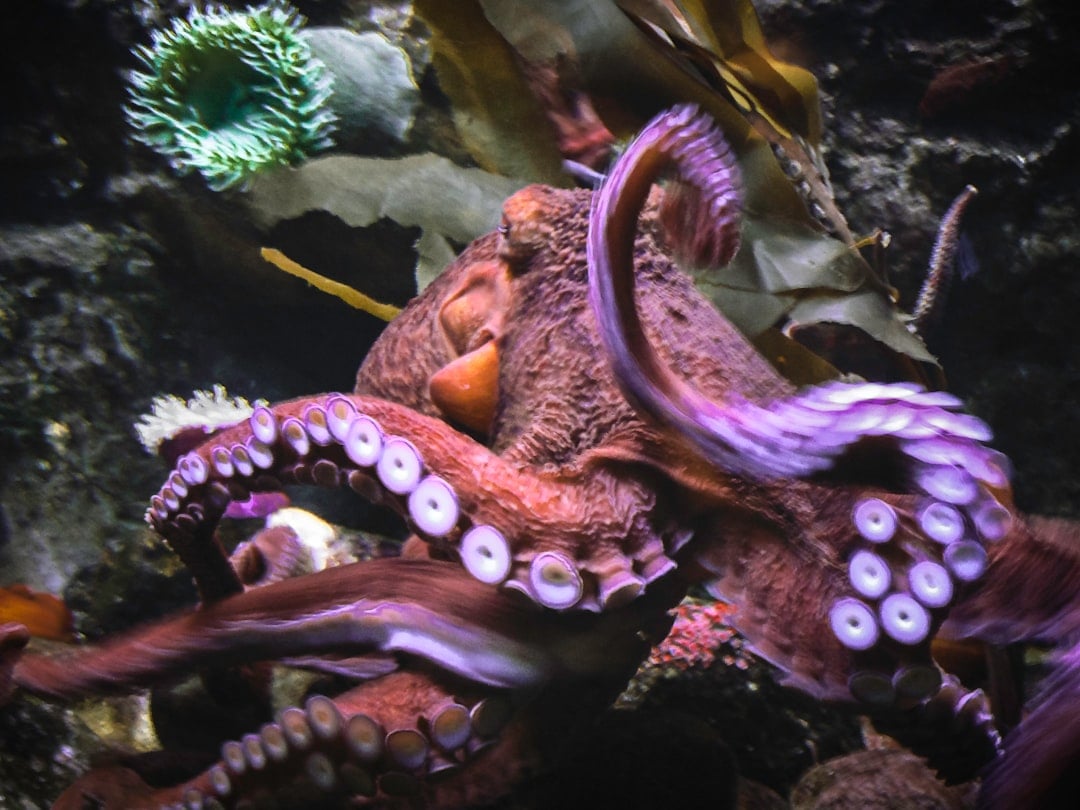
Represented by Admiral Ackbar in Return of the Jedi, the mon calamari are modelled after the head-body of octopus or squid. Octopus and squid are cephalopods belonging to the animal order mollusca. This means they’re related to animals like slugs and snails. Despite this they are some of the most intelligent animals on earth.
The choice to base these brilliant military strategists on cephalopods was inspired. Octopuses and squids are among Earth’s most intelligent invertebrates, making them perfect templates for an advanced aquatic civilization capable of building starships and leading rebellions.
Rancors: Bear-Like Giants
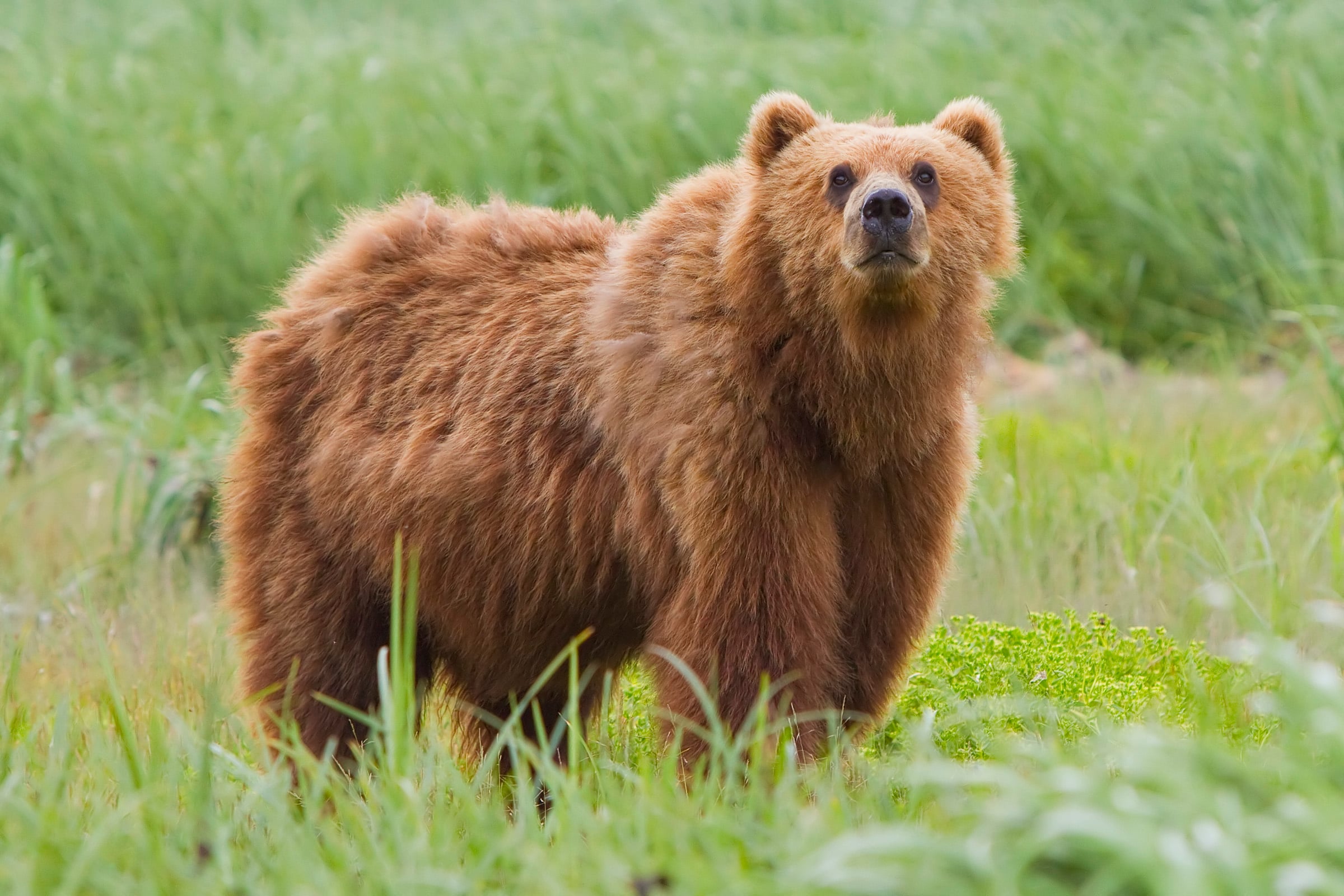
The rancor is an immense, warm-blooded predator native to Dathomir, Lehon, and Felucia. They vary wildly in color and appearance; basic shared features are stocky bodies, short legs, ground-brushing long arms, a lipless mouth exposing huge fangs, and tiny eyes. Rancor: A massive creature used in gladiator-like fights.
These terrifying beasts combine the bulk and power of bears with the predatory features of various carnivores. The stocky build and powerful arms echo the characteristics of the largest terrestrial predators, scaled up to monstrous proportions for maximum dramatic effect.
The Science Behind the Magic
It’s the great not-so secret sauce behind the appeal of creatures in Star Wars. The alien species on the screen intrigue but don’t overwhelm the human imagination because they’re rooted in familiar animals we know on Earth. And the diversity of creatures matches the variety of planets in the Star Wars galaxy – as much as it does the environments on our own planet.
The characteristics and behaviors of real animals are what made their way down into designing creatures for Star Wars. This approach wasn’t accidental – it was a deliberate strategy to create believable alien life that audiences could connect with emotionally while still feeling exotic and otherworldly.
The genius of Star Wars creature design lies not in completely abandoning reality, but in taking familiar elements from our natural world and reimagining them in extraordinary ways. From George Lucas’s beloved dogs to the smallest insects in our gardens, Earth’s incredible biodiversity provided the foundation for creating some of cinema’s most memorable alien species. These connections remind us that sometimes the most fantastic creations are born from the most ordinary inspirations – we just need the vision to see the magic that already surrounds us.

Please send any feedback to feedback@animalsaroundtheglobe.com
- Which Alien Creatures in Star Wars Were Inspired by Real Wildlife? - August 2, 2026
- How to Prevent Wasps from Nesting Around Your Home Naturally - July 28, 2026
- The Fastest Tortoise in the World – Meet Bertie - July 28, 2026