

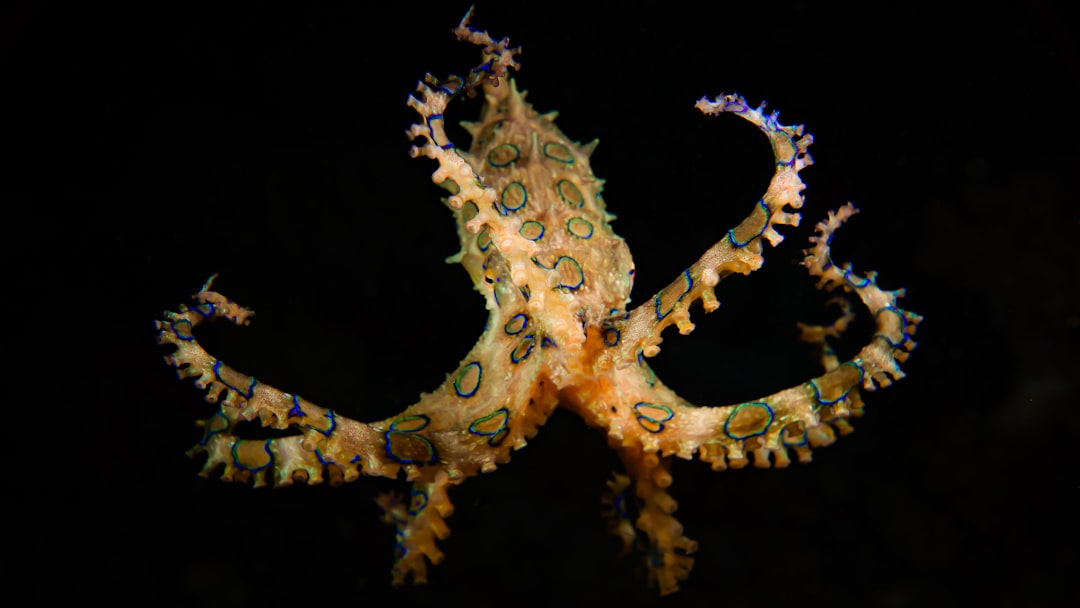
Picture this: you’re exploring tide pools during a sunny beach vacation, innocently reaching for what looks like a colorful, golf ball-sized sea creature hiding in the rocks. Within minutes, your world could turn into a terrifying nightmare where you’re fully aware of everything around you but completely unable to move or breathe. This isn’t the plot of a horror movie – it’s the shocking reality of encountering one of the ocean’s most deceptively dangerous predators. The blue-ringed octopus might look like an adorable marine pet, but beneath its stunning appearance lies a venom so potent it makes rattlesnake bites seem like paper cuts. From the warm tropical waters of Australia to the coral reefs of Japan, these tiny assassins lurk in shallow waters where countless beachgoers unknowingly put themselves at risk every day. Let’s dive into the fascinating and frightening world of why these miniature marvels have earned their reputation as one of the deadliest creatures on Earth.
The Master of Deception
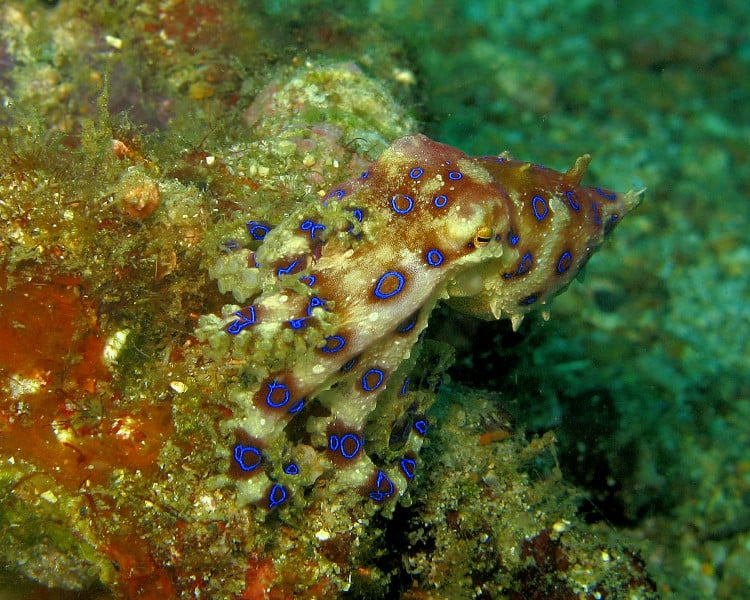
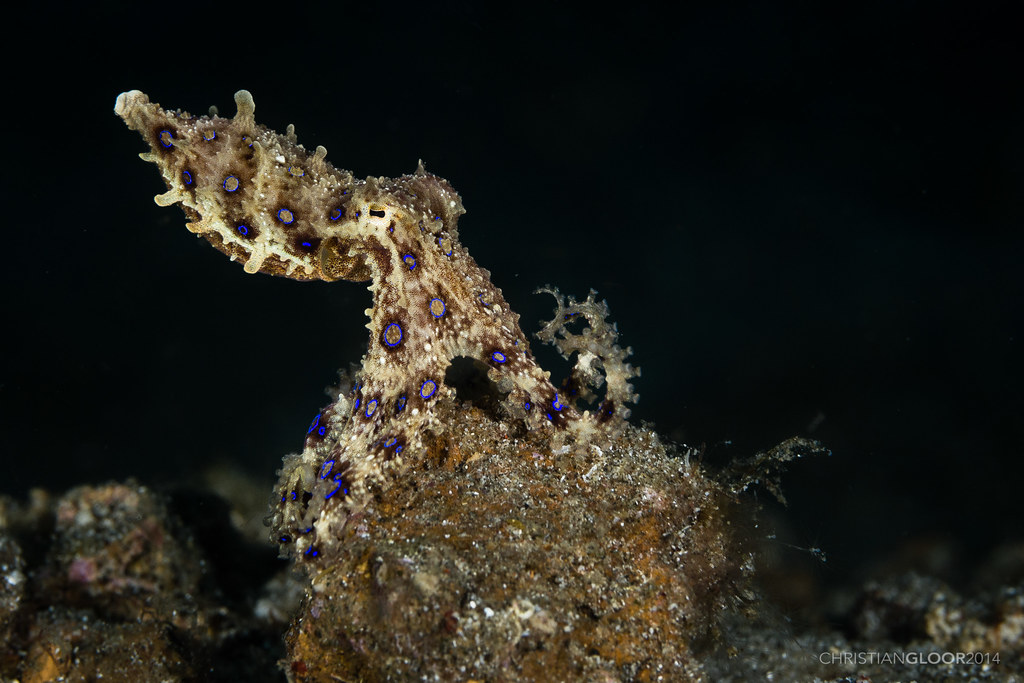
Blue-ringed octopuses are found in tide pools and coral reefs in the Pacific and Indian Oceans, from Japan to Australia, typically measuring just 12 to 20 cm (5 to 8 in) in size. The body of the tiny octopus doesn’t get much bigger than a golf ball and can be as small as a penny, with their arms being 3 to 4 inches long. What makes these creatures particularly dangerous is their incredible ability to remain completely hidden in plain sight. When they are at rest, they are gray or beige, and their rings aren’t visible. This camouflage makes them nearly impossible to spot as they blend seamlessly with rocky surfaces and coral formations. Unlike other aposematic animals such as poison dart frogs or velvet ants, which permanently display their bright colours, blue-ringed octopuses only show theirs off when they feel threatened. By the time you see those brilliant blue rings, it might already be too late.
The Warning Display That Saves Lives
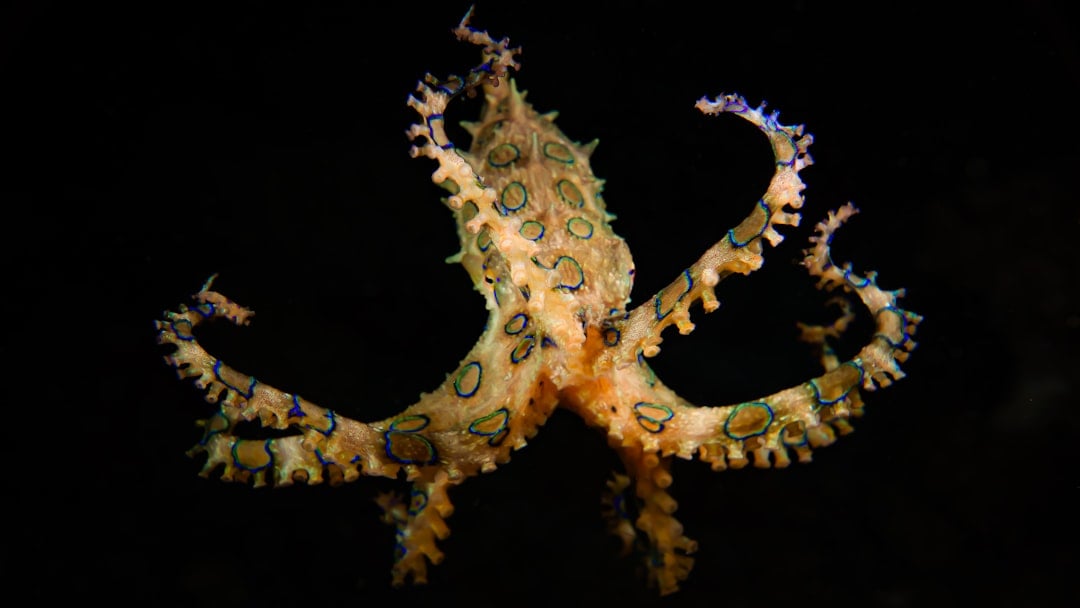
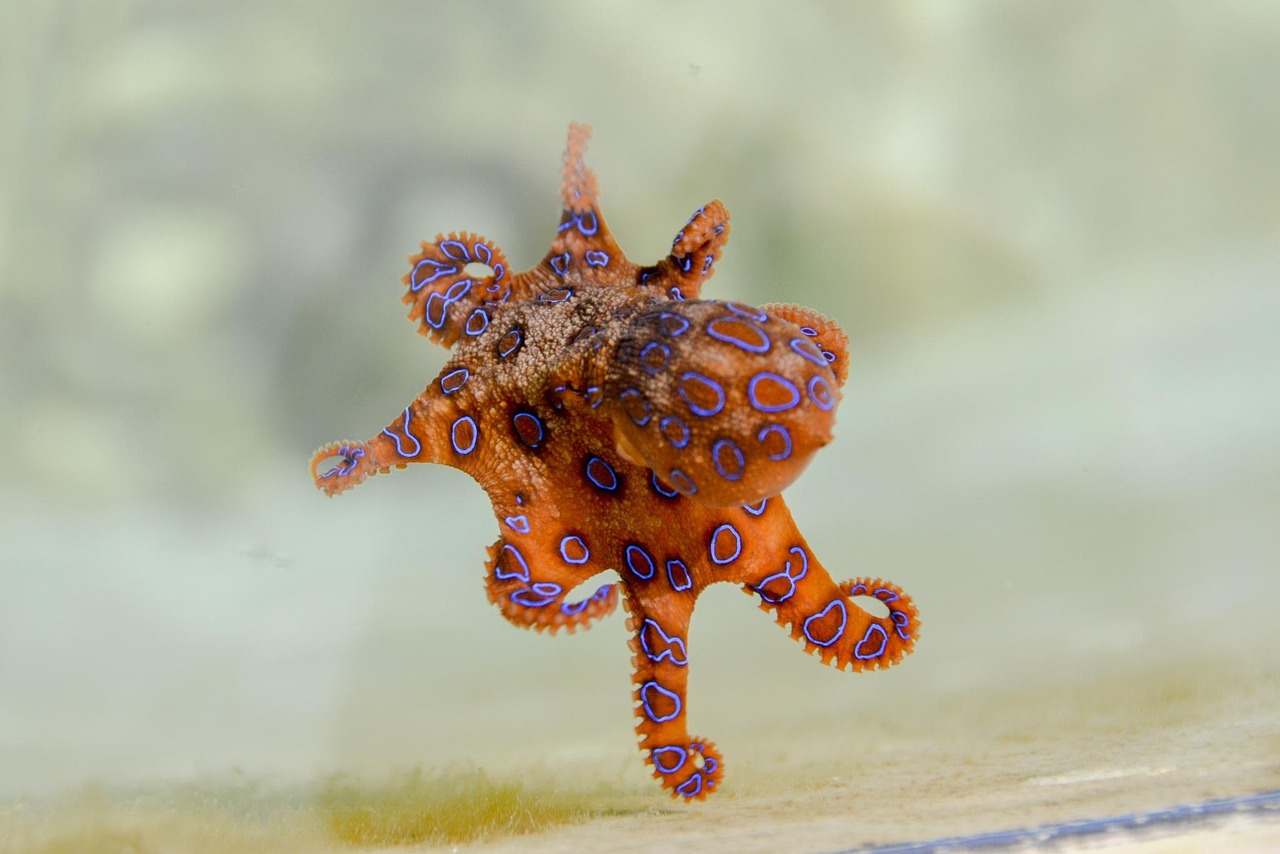
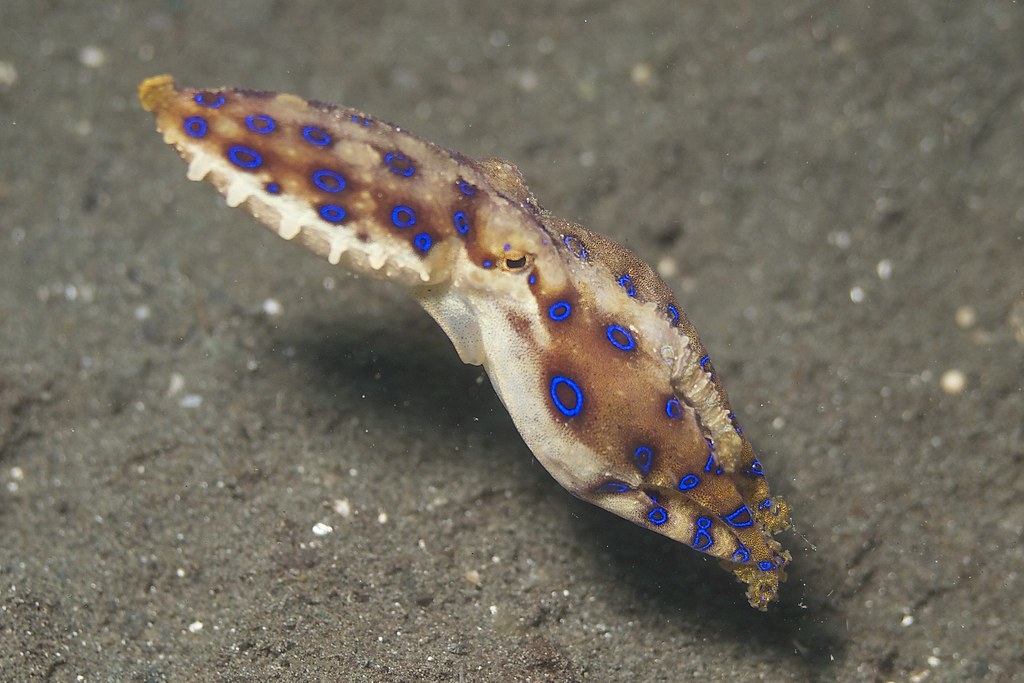
Nature has equipped the blue-ringed octopus with one of the most spectacular warning systems in the animal kingdom. If they are provoked, they quickly change color, becoming bright yellow with each of the 50–60 rings flashing bright iridescent blue within a third of a second, as an aposematic warning display. This transformation happens through specialized cells called chromatophores that work like living pixels under their skin. Blue-ringed octopuses put on a threat display using these cells and iridophores, displaying them on top of a yellow or cream-coloured base with dark pigmented cells underneath the rings, which helps to intensify their colour. Think of it as nature’s equivalent of flashing neon danger signs. If the threat persists, the octopus goes into a defensive stance, and displays its blue rings. If the octopus is cornered and touched, it may bite and envenomate its attacker. Unfortunately, many people mistake this dazzling display for something beautiful to photograph, completely unaware they’re looking at a final warning.
The Deadly Chemistry Behind The Bite
The blue-ringed octopus doesn’t manufacture its own weapon of mass destruction – it employs microscopic accomplices. The octopuses don’t produce the venom themselves; instead it’s produced by symbiotic bacteria in their salivary glands. Within its salivary glands live bacteria, which produce the chemical tetrodotoxin. This is a strong, fast-acting toxin that paralyses the target by blocking the nerves from transmitting messages. The major neurotoxin component of the blue-ringed octopus is a compound originally known as “maculotoxin”; in 1978, this maculotoxin was found to be tetrodotoxin, a neurotoxin also found in pufferfish. Tetrodotoxin is 1,200 times more toxic to humans than cyanide and it has no known antidote. To put this in perspective, less than one milligram of the venom tetrodotoxin (TTX) from the octopus’s salivary gland is enough to kill a human being. In fact, you can fit that tiny amount on the head of a pin.
How The Venom Attacks Your Body
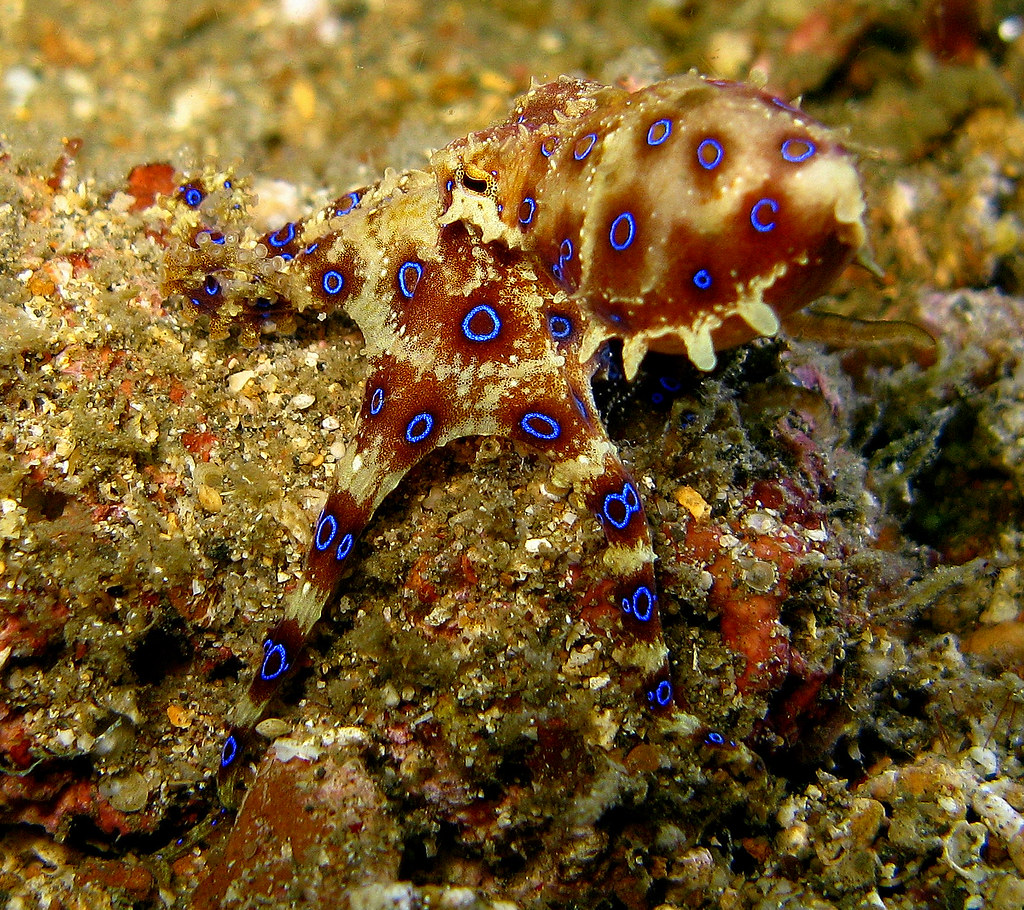
When tetrodotoxin enters your bloodstream, it launches a precisely coordinated assault on your nervous system that would make military strategists envious. It acts on nerve tissue as a neural inhibitor by blocking sodium channels – proteins in nerve cells that are essential to communication between these cells and muscles. When tetrodotoxin acts on these channels, it can stop a creature’s lung muscles from breathing and even their heart from beating. Tetrodotoxin causes severe and often total body paralysis. Tetrodotoxin envenomation can result in victims being fully aware of their surroundings, but unable to move. Because of the paralysis, they have no way of signaling for help or indicating distress. Imagine being trapped inside your own body, completely conscious but unable to scream for help as your respiratory muscles gradually shut down. While it doesn’t affect the heart, it does hit the diaphragm, so the person will stop breathing. This happens within minutes of being bitten.
The Deceptively Painless Attack
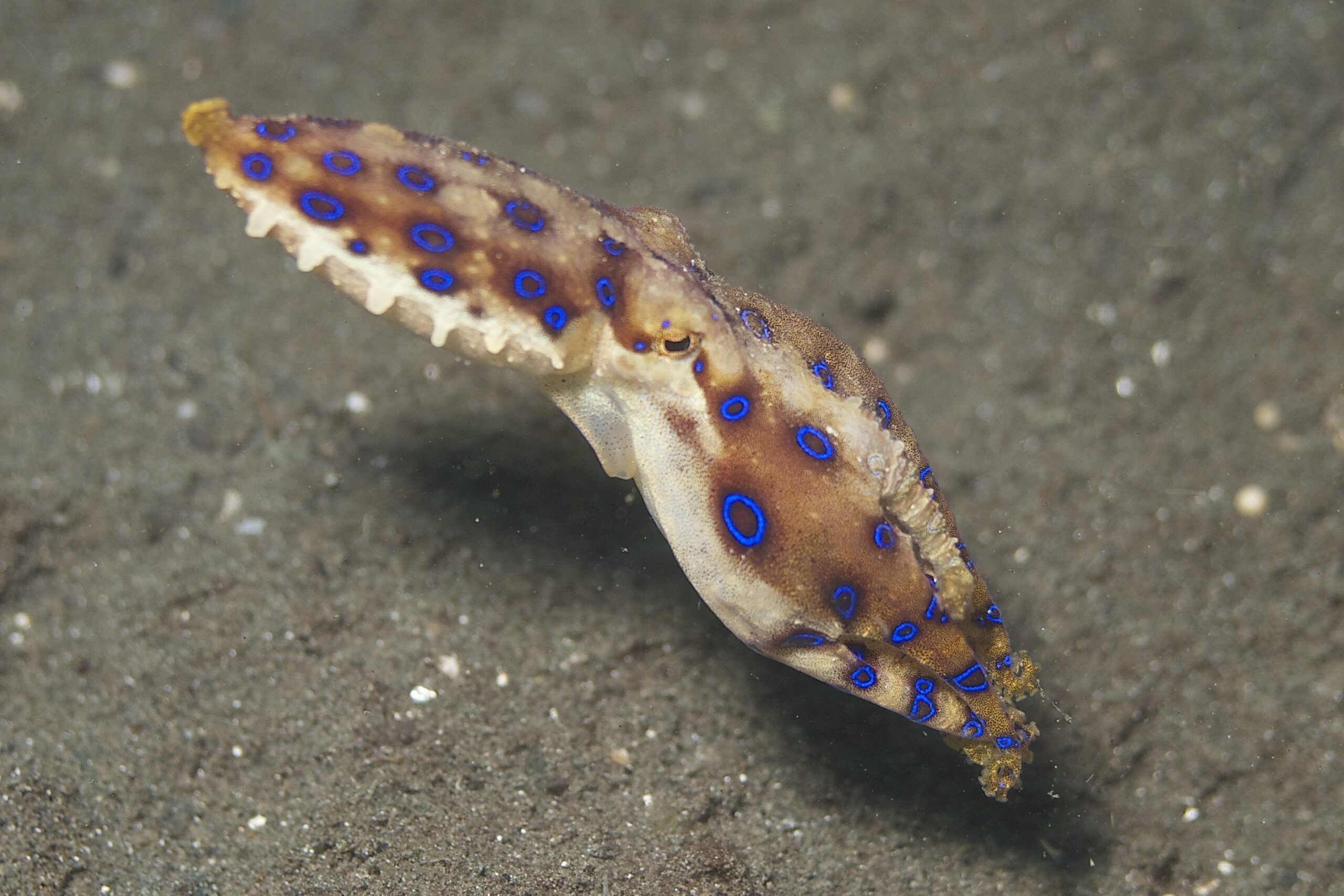
Perhaps the most terrifying aspect of a blue-ringed octopus bite is how utterly unremarkable it feels in the moment. The bite is often painless or no more painful than a bee sting. The bite itself is very small. It’s only a tiny cut that produces at most a drop of blood. You may not even realize you’ve been bitten until you start to experience symptoms. You were probably paying so much attention to the wiggle of her tentacles and the texture of her tiny suckers that you didn’t notice the painless nip from her parrotlike beak. Now, 10 minutes later, you notice something strange. Your lips are going numb. So is your face. You want to yell for help but can’t: It’s getting harder to speak. The bite site might be painless and still be lethally toxic. The toxin from these animals can kill a human in as little as 20 minutes.
The Race Against Time
When someone is bitten by a blue-ringed octopus, every second becomes precious in a desperate race against rapidly spreading paralysis. Most bites cause minimal pain for the first 5-10 minutes then begin to throb and may get numb. After approximately 10 minutes, the victim may have difficulty breathing, become paralyzed, and require artificial ventilation. If medical care is not provided immediately, respiratory failure may occur, which may lead to cardiac arrest and death. TTX poisoning may either have rapid onset (10 to 45 minutes) or delayed onset (generally within 3 to 6 hours but rarely longer). Death may occur as early as 20 minutes or as late as 24 hours after exposure; it usually occurs within the first 4 to 8 hours. Patients who live through the acute intoxication in the first 24 hours usually recover without residual deficits. The good news is that victims are frequently saved if artificial respiration is started and maintained before marked cyanosis and hypotension develop. Victims who survive the first 24 hours usually recover completely.
Survival Stories and Medical Miracles
Despite the terrifying nature of blue-ringed octopus envenomation, modern emergency medicine has saved numerous lives through quick intervention. In a 2008 study, for example, a 4-year-old boy survived a blue-ringed octopus bite. He received intubation and oxygen from a ventilator within 30 minutes of being bitten. The paralysis from the venom began to wear off after 15 hours, and doctors removed the ventilator after 17 hours. The study reported that the child had no long-term complications from the bite. Deaths due to a blue-ringed octopus bite are extremely rare, though the exact number varies by source. Many more people have been bitten but survived. Estimates of the number of recorded human fatalities caused by blue-ringed octopuses vary, ranging from seven to 16 deaths; most scholars agree that at least 11 have occurred. The key to survival lies in immediate respiratory support, as there is no antivenin available for blue-ringed octopus bites.
The Gentle Giants With A Deadly Secret
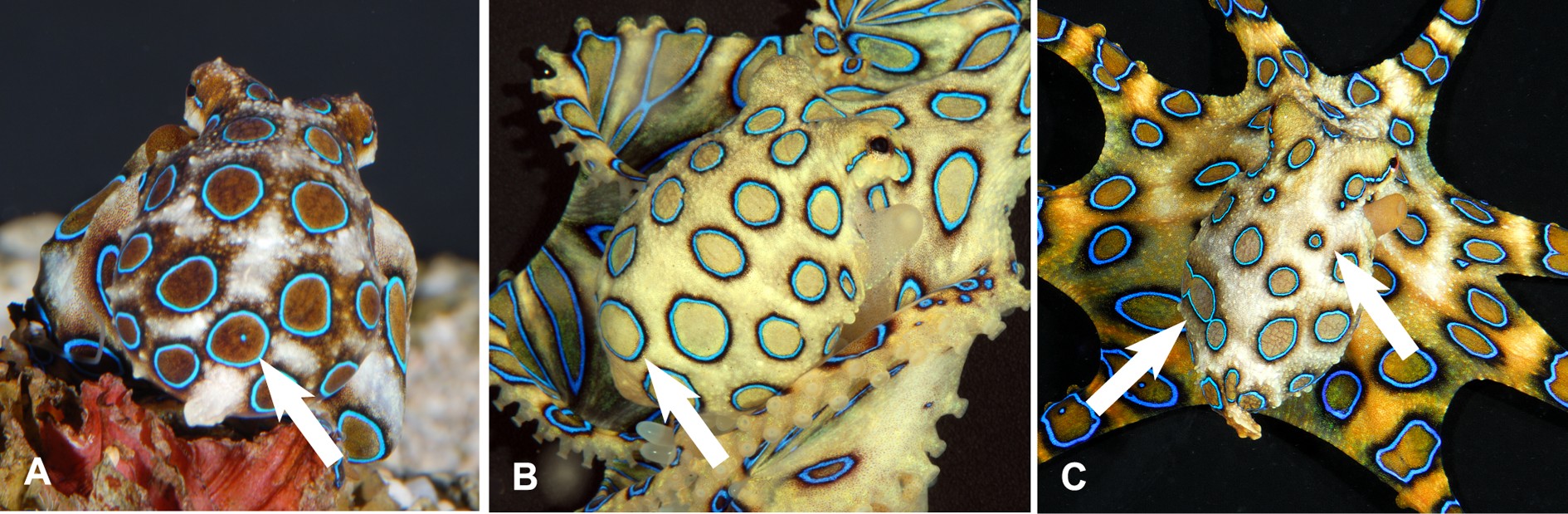
Contrary to popular belief, blue-ringed octopuses are not aggressive predators actively hunting humans. Blue-ringed octopuses are not aggressive. They try to avoid confrontation by flattening their bodies. You are only likely to get bitten if you step on them or provoke them. If you see one, back away and leave it alone. Faced with danger, the octopus’s first instinct is to flee. Because they’re nocturnal and they’re very shy and they give plenty of warning as well, you really would have to be very stubborn to get bitten. The good news is there are only a few bites to humans every year, and recorded deaths from blue-ringed octopus bites remain very rare. Most incidents occur when people accidentally step on them in tide pools or, more commonly, when curious beachgoers pick them up for photos, completely unaware of the danger they’re holding in their hands. The blue-ringed octopus stands as one of nature’s most perfect examples of deadly beauty wrapped in a deceptively small package. These remarkable creatures have evolved one of the most potent biological weapons on Earth, yet they use it primarily for hunting small crustaceans and defending themselves when absolutely necessary. Their tetrodotoxin venom, produced by symbiotic bacteria, can kill an adult human in minutes by shutting down the nervous system while leaving the victim fully conscious and aware. What makes them particularly dangerous isn’t their aggression – they’re actually shy, docile creatures that prefer to hide. Instead, it’s their incredible camouflage abilities and the painless nature of their bite that puts humans at risk
