

Life seems impossible in the extreme altitudes where the air is thin, oxygen is scarce, and temperatures plummet. Yet nature has crafted remarkable survivors that not only endure but thrive in these harsh mountain environments. From tiny spiders scuttling across Mount Everest to massive yaks grazing in the Himalayas, these creatures have evolved extraordinary adaptations that push the boundaries of what’s possible.
Scientists continue to discover animals living at altitudes once thought uninhabitable. The latest research reveals species existing above twenty thousand feet, challenging our understanding of life’s limits on this planet.
The Yellow-Rumped Leaf-Eared Mouse
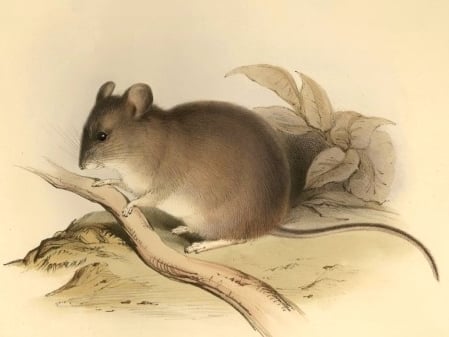
The undisputed champion of high-altitude living is the yellow-rumped leaf-eared mouse, trapped at the summit of Volcán Llullaillaco at 22,110 feet above sea level. This remarkable discovery in 2020 by a team led by biologist Jay Storz from the University of Nebraska-Lincoln pushed the known altitudinal limits for mammals to new heights. The tiny rodent was found scampering through volcanic rock and snow near areas with little visible food sources.
Scientists were puzzled by what these mice could eat, as green plants don’t grow above 16,000 to 17,000 feet and only lichens were visible at the summit. These animals may survive on hidden plant matter or have developed ways to extract nutrition from the most minimal resources available.
Bar-Headed Geese

Bar-headed geese have been heard flying across Mount Makalu at 27,825 feet and apparently seen over Mount Everest at 29,032 feet, making them among the highest-flying creatures on Earth. These remarkable birds cross the Himalayas on one of the most iconic high-altitude migrations in the world, with heart rates and metabolic costs increasing dramatically during steep climbs. Their twice-yearly journey between breeding grounds in Tibet and wintering areas in India represents one of nature’s most demanding migrations.
Researchers have studied these geese by training them to fly in wind tunnels while wearing backpacks and face masks equipped with sensors. When oxygen levels dropped to just seven percent at simulated Everest altitudes, the geese maintained their heart rate and wing beat frequency while managing to cool their blood for better oxygen uptake.
Himalayan Jumping Spiders

The Himalayan jumping spider can survive at elevations exceeding 22,000 feet, earning the title of the highest-dwelling spider on Earth. These tiny arachnids live among rocks, snow, and ice, preying on springtails and flies while hiding under rocks for protection and only emerging when the sun shines. Their ability to create silken sleeping bags beneath rocks helps them survive the extreme conditions.
What makes these spiders even more remarkable is their hunting strategy at such heights. The reason these spiders can survive so high remains somewhat mysterious, though they’re known to eat flies and springtails for nourishment.
Snow Leopards
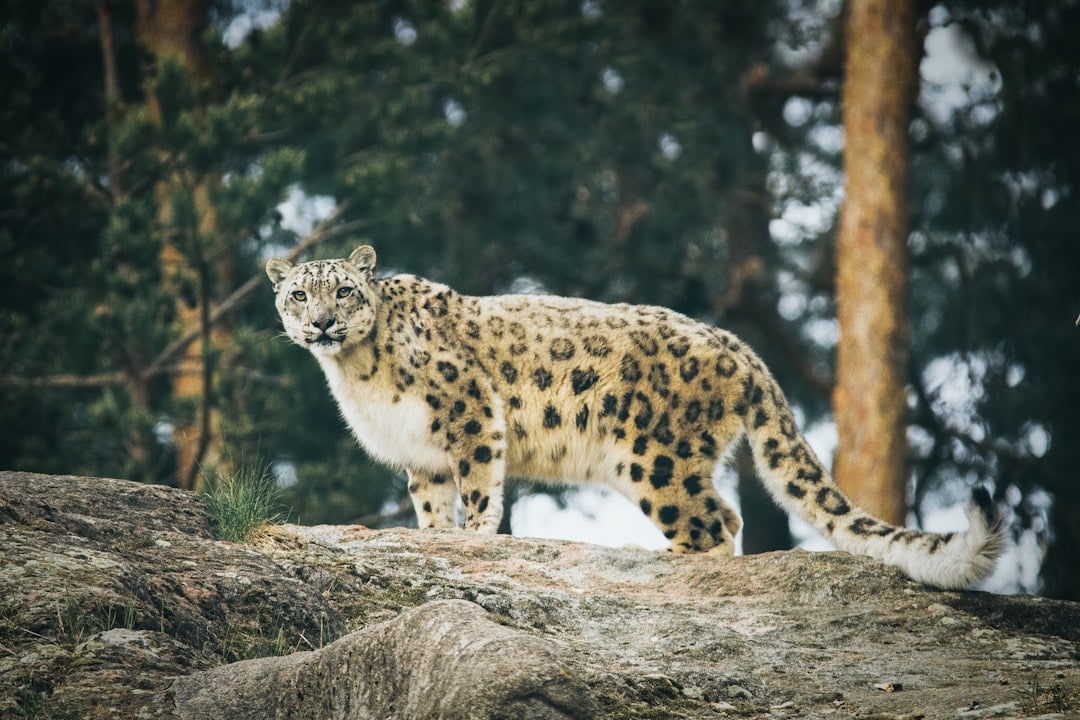
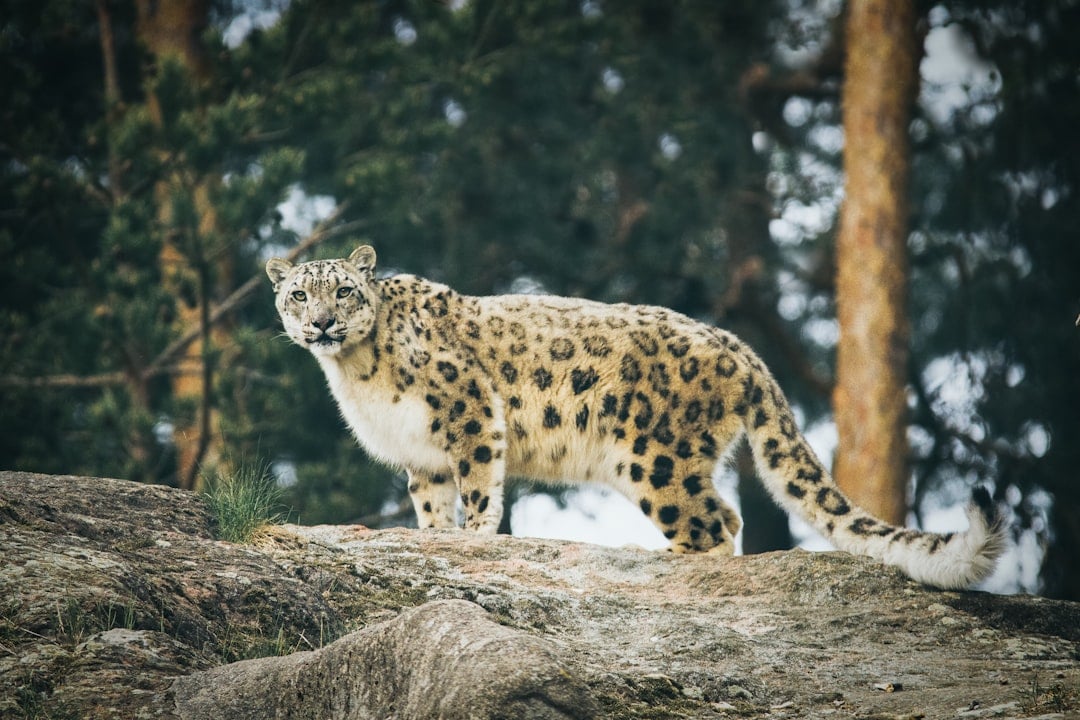
Snow leopards typically reside at elevations between 10,000 and 15,000 feet throughout their range in Central Asia. These solitary cats are perfectly equipped to traverse snow with their large paws that enable them to move through tough snow conditions with remarkable ease. Their powerful bodies and thick fur make them ideal high-altitude predators.
While snow leopards live on the lower elevations of mountains, they still face extremely freezing temperatures even at the base of peaks like Mount Everest. They commonly live between 3,000 and 17,000 feet, with heavy tails that help with balancing on rocks and provide extra warmth when wrapped around their bodies.
Himalayan Pit Vipers

The Himalayan pit viper holds the record as the highest-living snake ever recorded, capable of surviving at altitudes up to at least 16,100 feet. This venomous snake species lives at heights as extreme as 4,900 meters in the Himalayas. Their survival at such heights is particularly remarkable given that reptiles generally struggle with temperature regulation in cold environments.
Only a handful of reptile species can survive at elevations above 15,000 feet, making the Himalayan pit viper’s achievements even more impressive among cold-blooded creatures.
Yaks
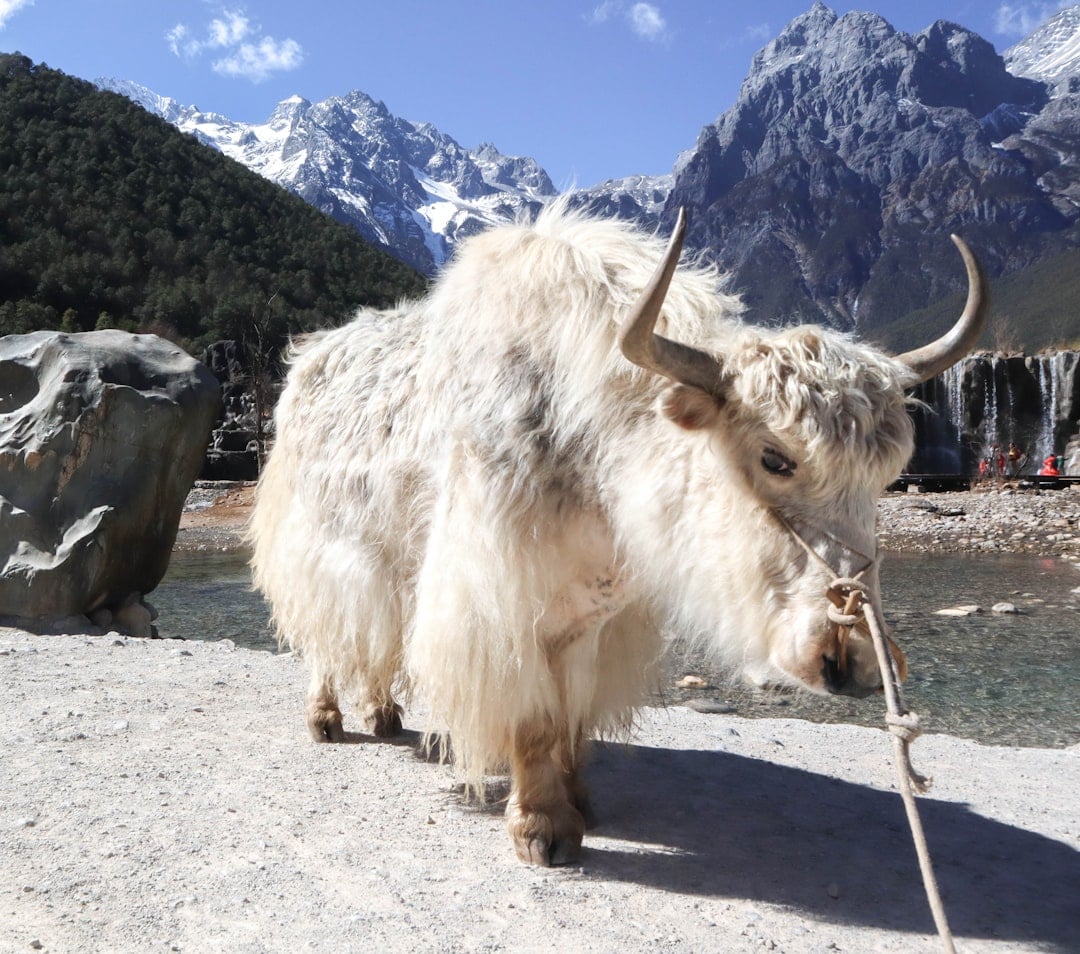
Among domesticated animals, yaks are the highest dwelling animals of the world, living at elevations between 9,800 and 16,400 feet. The complete genomic sequence of a female domestic yak revealed distinct gene expansions related to sensory perception and energy metabolism, plus protein domains related to hypoxic stress. These massive bovines have evolved specifically for life in the thin air of the Tibetan Plateau.
Their thick coats and robust build help them withstand brutal mountain conditions year-round. Yaks serve as essential livestock for high-altitude human communities, providing milk, meat, and transportation in regions where few other animals could survive.
Mountain Goats

Mountain goats are the largest mammals found in their high-altitude habitats, which can exceed elevations of 13,000 feet. These remarkable climbers generate and retain heat through rapid heart rates, high respiration rates, elevated body temperature, and a unique blood circulation process that sends blood directly from arteries to veins. Their white coats provide perfect camouflage against snowy peaks.
Mountain goats possess cloven hooves with two toes that spread wide for balance, rough pads on each toe that grip like natural climbing shoes, and the power to jump nearly twelve feet in a single bound. Their hooves have hard shells and spongy foot pads that prevent slipping on tiny cracks, while strong shoulders help them climb and dig through snow for food.
Pikas
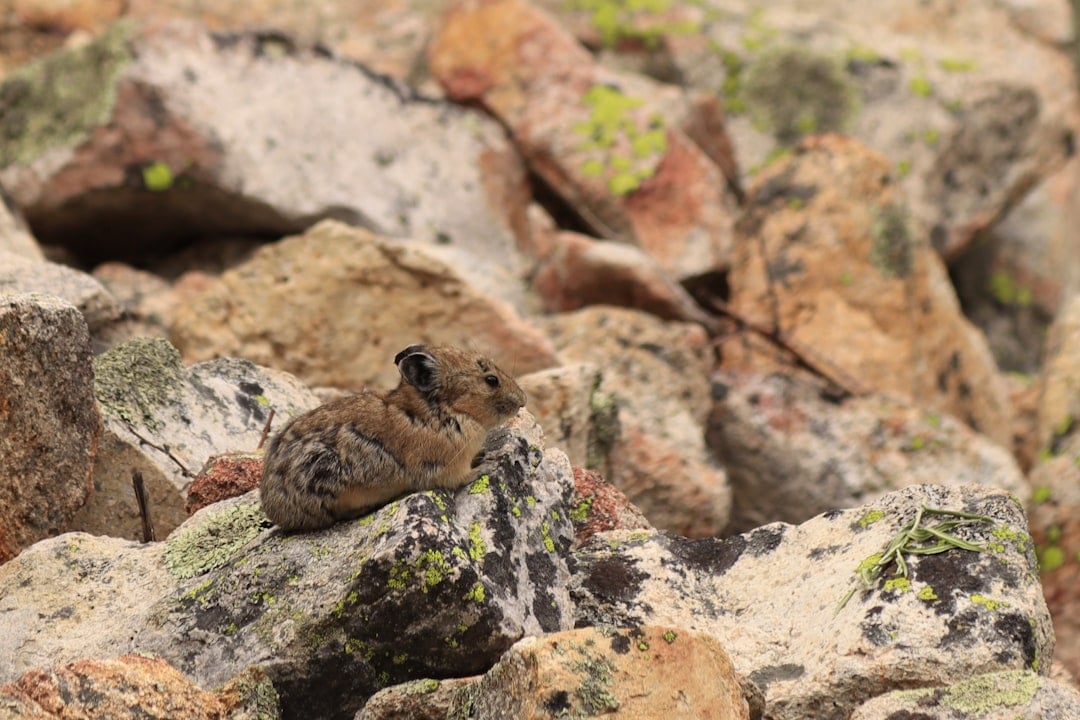
These adorable creatures live across mountainous regions of Central Asia including the Himalayas, and as rabbit cousins called lagomorphs, they survive by munching on whatever edible vegetation they can find in high-elevation environments. Pikas living at higher elevations have genetic variations that allow them to produce proteins for more efficient oxygen use. Their small size and furry bodies help them conserve heat in harsh mountain conditions.
Research suggests that lower-altitude pikas may even be able to alter their genes to increase protein production that helps them survive in oxygen-limited environments, showing remarkable evolutionary flexibility.
Bumblebees
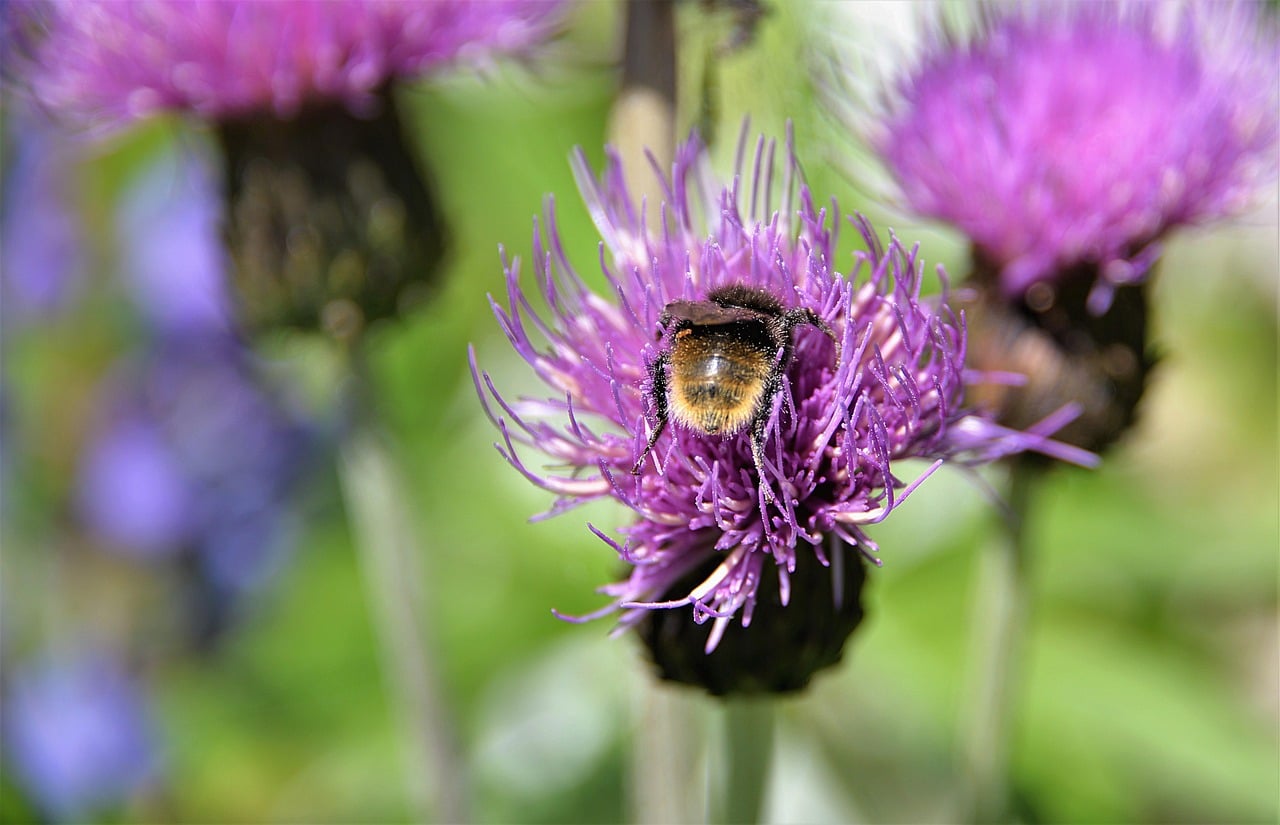
Bumblebees were discovered on Mount Everest at more than 18,400 feet above sea level, and in subsequent laboratory tests, they could still fly in chambers recreating the thin air found at 30,000 feet. These remarkable insects demonstrate that even small creatures can push the boundaries of high-altitude survival. Their ability to generate enough lift in thin air showcases incredible physiological adaptations.
The discovery of bumblebees at such heights challenges assumptions about insect flight capabilities. Their presence suggests that pollination and ecosystem functions continue even in the most extreme mountain environments.
The Himalayan Monal
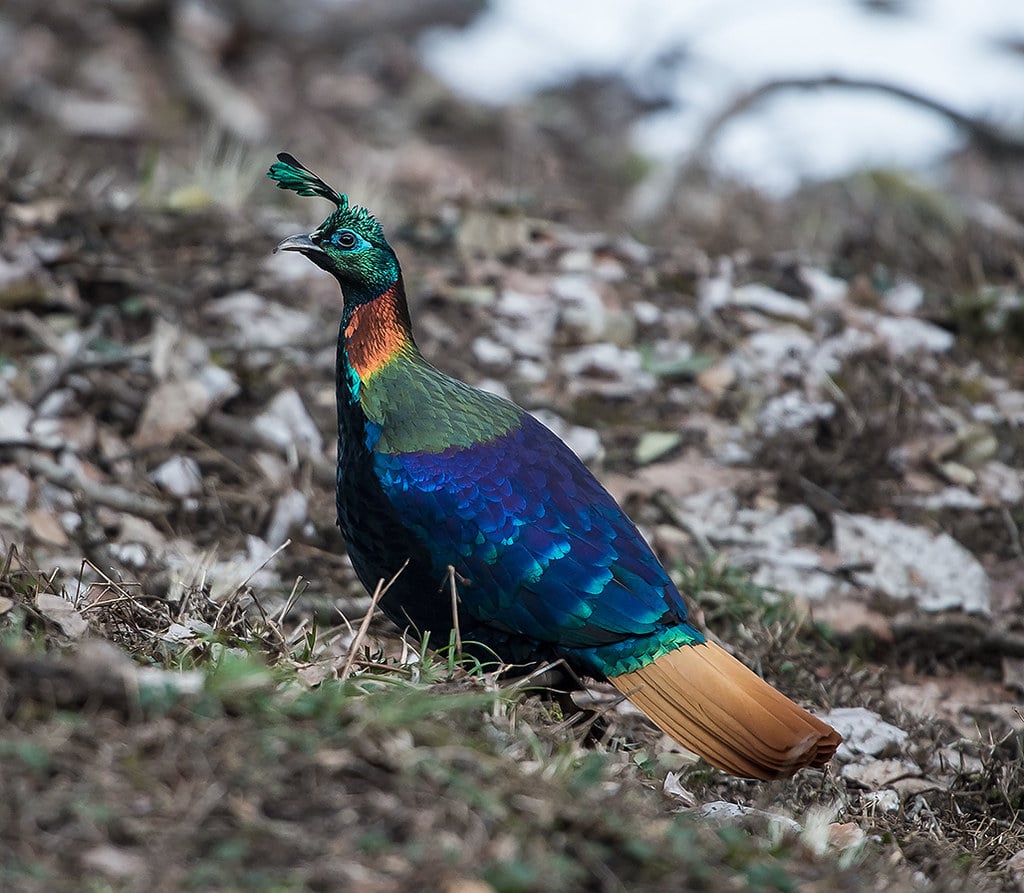
The Himalayan monal is Nepal’s national bird, boasting feathers of many colors including blue, purple, orange, yellow, and green, and can reach elevations up to 16,000 feet during summer. When temperatures drop, they move to lower elevations often under 7,000 feet, and despite their beautiful appearance, these birds are tough enough to dig through snow looking for food during winter. Their seasonal migration strategy helps them survive year-round in mountain environments.
These pheasants represent the perfect balance between beauty and resilience, adapting their elevation based on seasonal conditions while maintaining their striking appearance throughout the harsh mountain climate.
Red Pandas
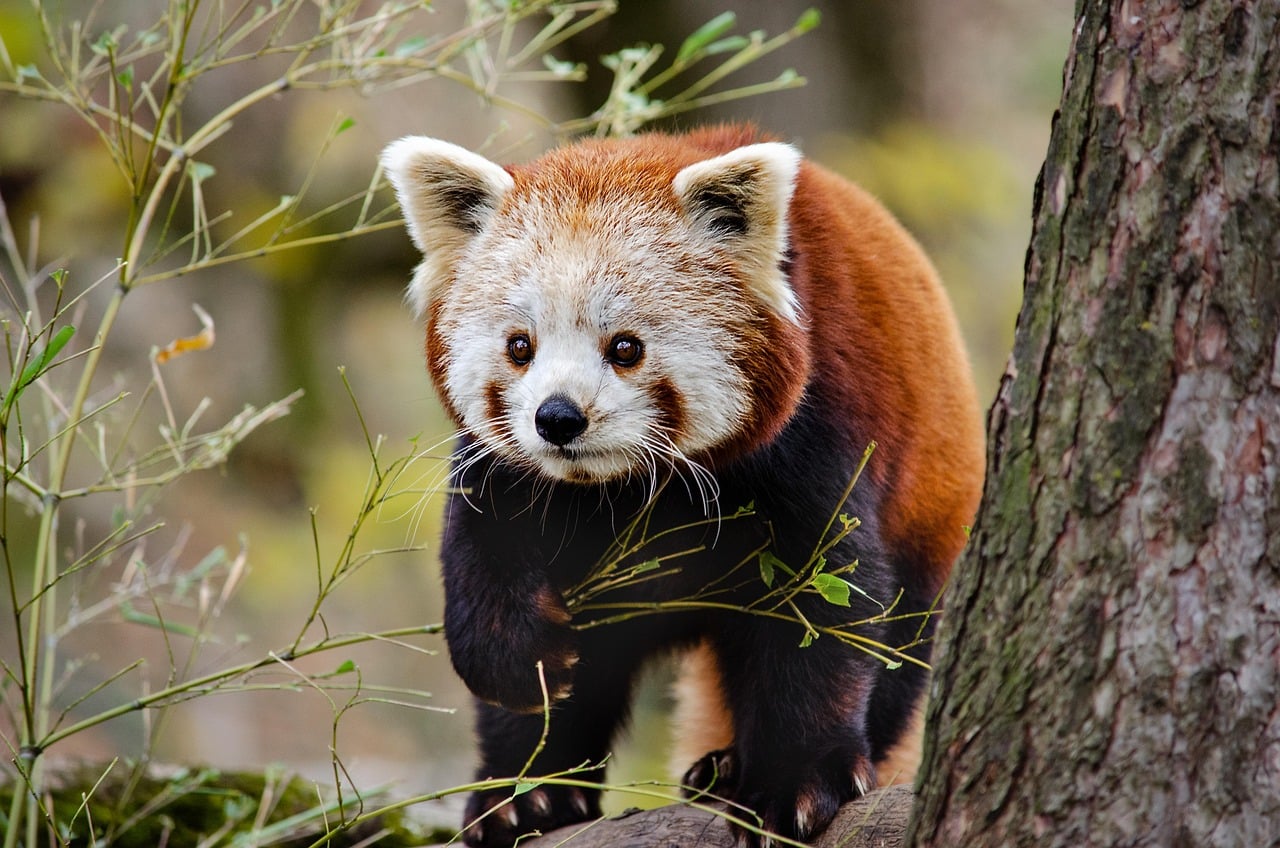
The adorable but tough red pandas live in the Himalayan Mountains and have been spotted on Mount Everest at elevations up to 11,000 feet, preferring forested areas of the lower Himalayan regions. While small in size, red pandas are surprisingly fierce with thick hair that creates an excellent winter coat for mountain survival. Their tree-dwelling lifestyle provides additional protection from ground predators and harsh weather.
These charming creatures showcase how even seemingly delicate animals have developed robust survival strategies for high-altitude living, combining behavioral adaptations with physical modifications.
Ethiopian Wolves
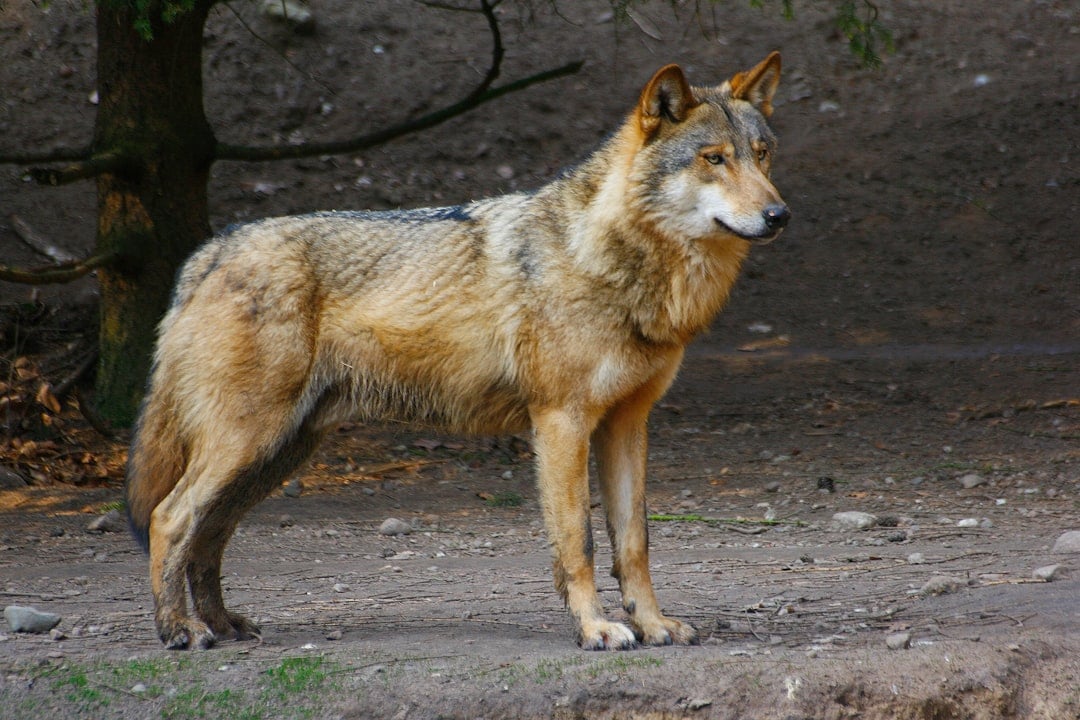
One of the rarest wild canines on Earth, the Ethiopian wolf lives only in seven isolated mountain ranges of the Ethiopian highlands, where they can thrive up to 14,800 feet in elevation. These endangered wolves face threats from human activities, habitat degradation from livestock and agriculture, and disease transmission from domestic dogs. Their specialized high-altitude existence makes them particularly vulnerable to environmental changes.
The Ethiopian wolf’s survival story highlights both the remarkable adaptability of certain species and the precarious nature of high-altitude ecosystems in our changing world.
Living at the top of the world requires extraordinary adaptations that push life to its absolute limits. These twelve creatures prove that evolution can overcome seemingly impossible obstacles, creating survivors that thrive where others cannot even exist. From microscopic spiders to massive yaks, each species has found its own unique solution to the challenges of thin air, brutal cold, and scarce resources.
Their survival strategies continue to inspire scientific research and remind us that life finds a way in the most unexpected places. What other high-altitude survivors do you think might be waiting to be discovered in Earth’s most remote peaks?
