
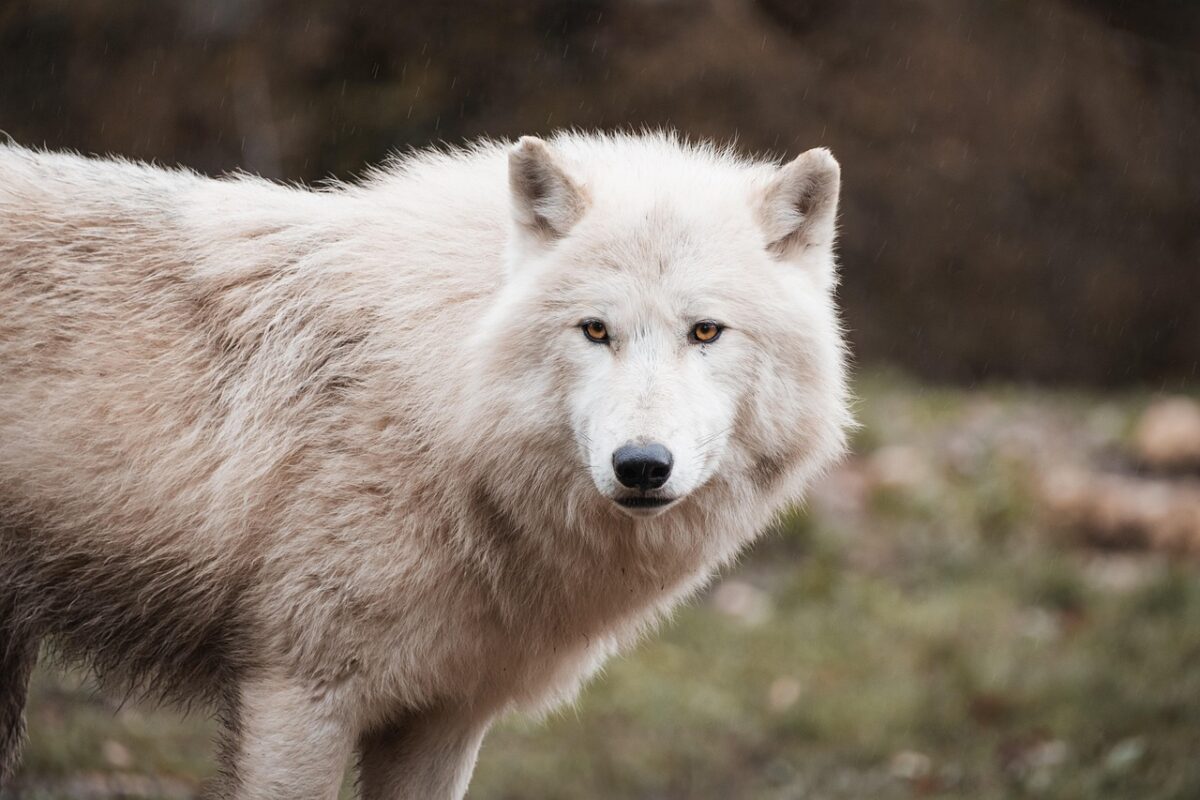
Picture yourself standing in a frozen wilderness, breath visible in the frigid air, watching a pack of wolves move with calculated precision through the snow. Now imagine a different scene: the warm evening air filled with the distant calls of coyotes as they begin their nightly adventures. These two powerful moments represent more than just wildlife encounters. They might actually mirror your own energy patterns and reveal which seasonal rhythm matches your natural flow.
Each of these remarkable predators has evolved to thrive in their respective seasons, developing unique behaviors and energy patterns that could surprisingly align with your own personality and lifestyle preferences. Let’s explore how these seasonal specialists might reflect your inner rhythm.
The Winter Wolf: Master of Calculated Energy
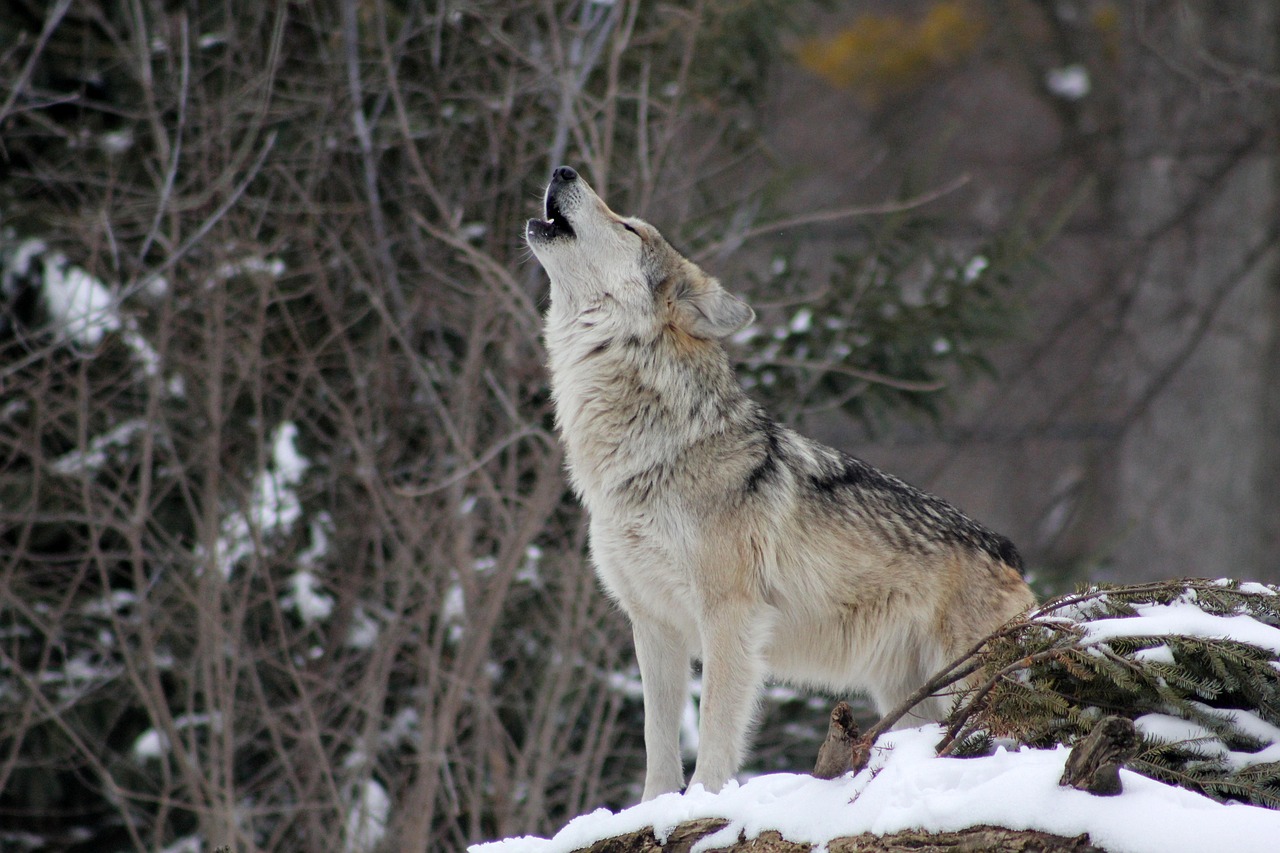
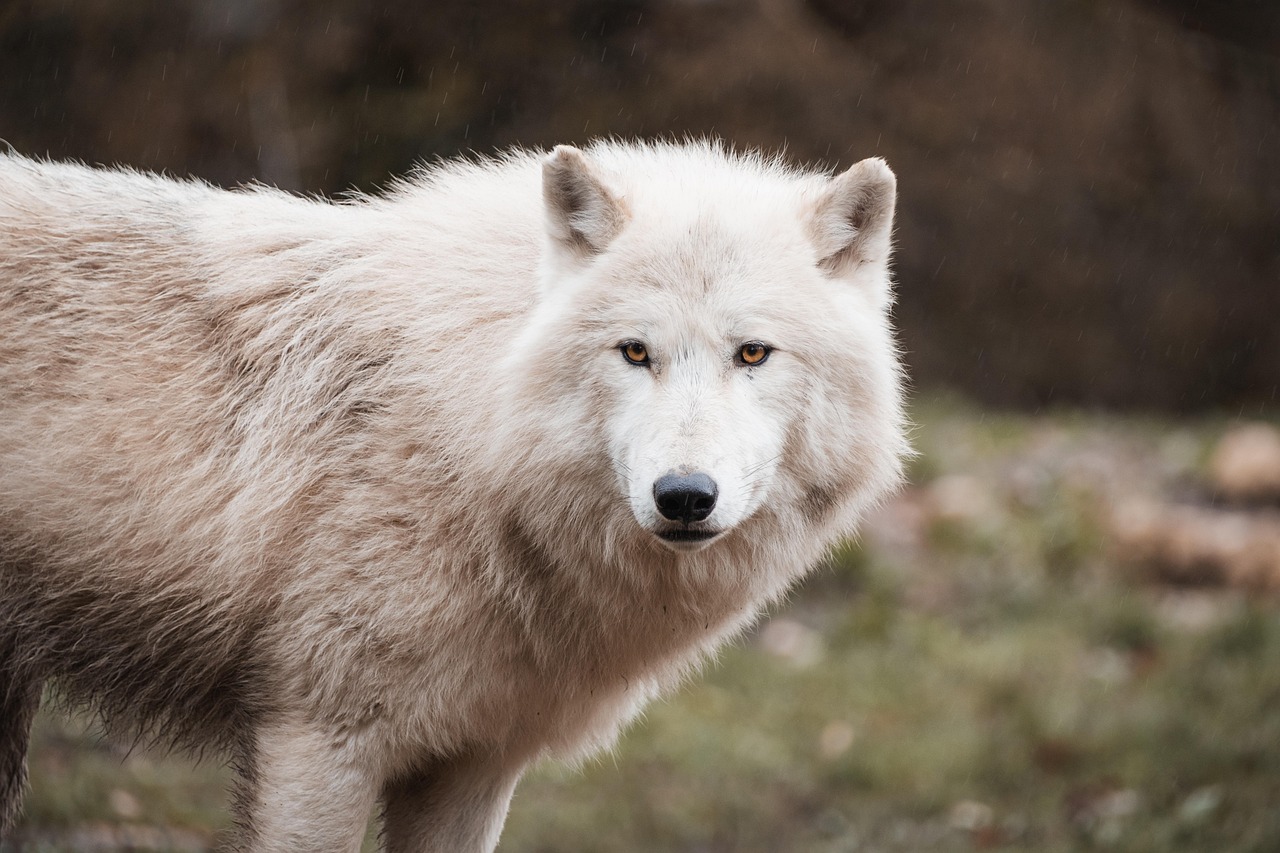
Winter is often when wolves are most active and successful in hunting, taking advantage of ungulates’ more vulnerable state due to less feed available and poorly designed hooves for running across the snow. These apex predators operate like efficiency experts during the coldest months.
When the pack goes on a hunt in the deep snow, it will follow the path of least resistance to conserve energy – the alpha male in the lead, with the rest of the adults and yearlings in tow. This strategic approach to energy conservation shows wolves understand the value of focused effort over scattered activity.
Winter Wolves and Your Strategic Mindset
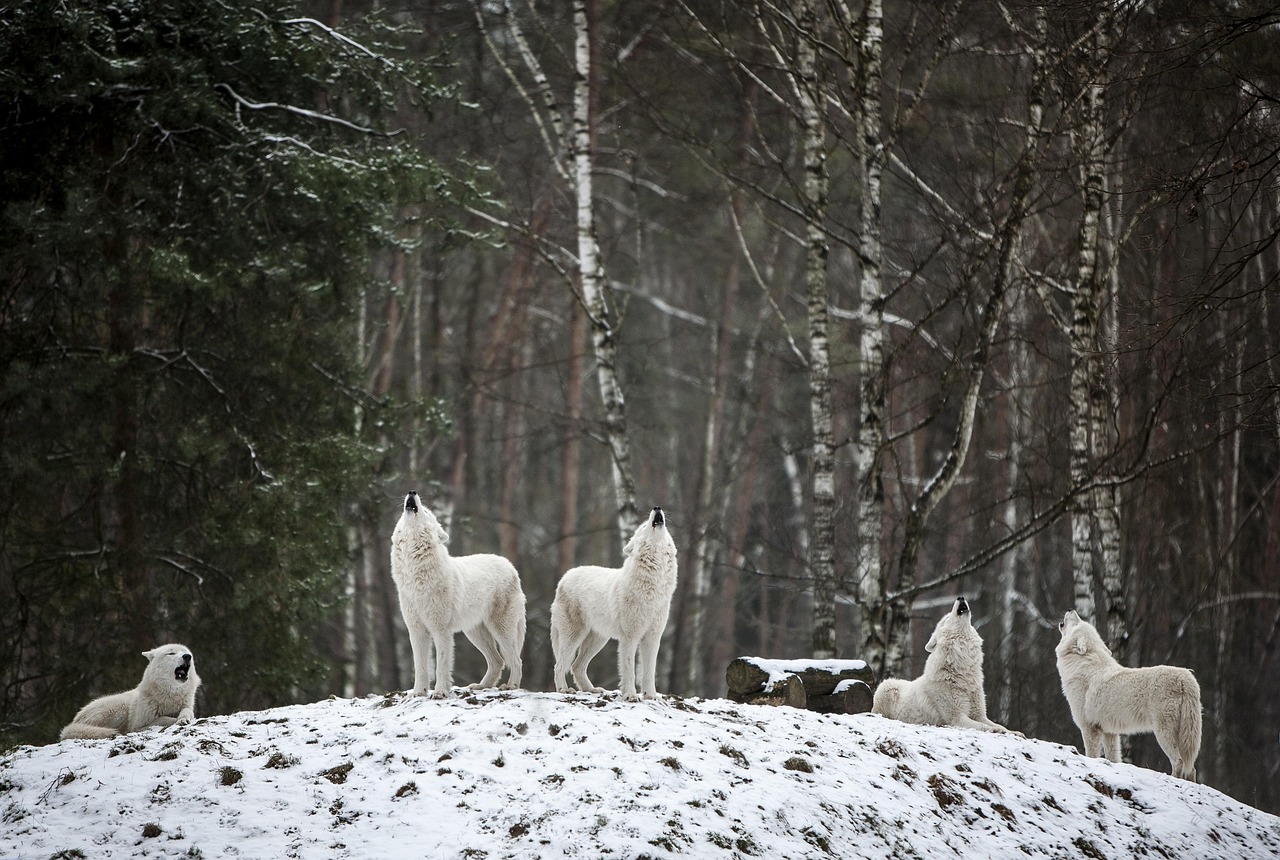
If you’re someone who prefers planning over spontaneity, wolves in winter might be your spirit animal. When hunting in winter the wolf will conserve energy whenever possible, by following the same trail as the prey animal, staying upwind, and staying out of sight of the prey as long as possible. This methodical approach mirrors people who excel at long-term planning.
Prey species become scarce, forcing wolves to rely on their cunning and endurance. Wolves can travel long distances to areas of more abundant prey; however, this can lead to territorial disputes if that area is already occupied by other wolves. This patience and strategic thinking resonates with those who understand that sustainable success requires careful resource management.
The Warmth Advantage of Wolf Preparation
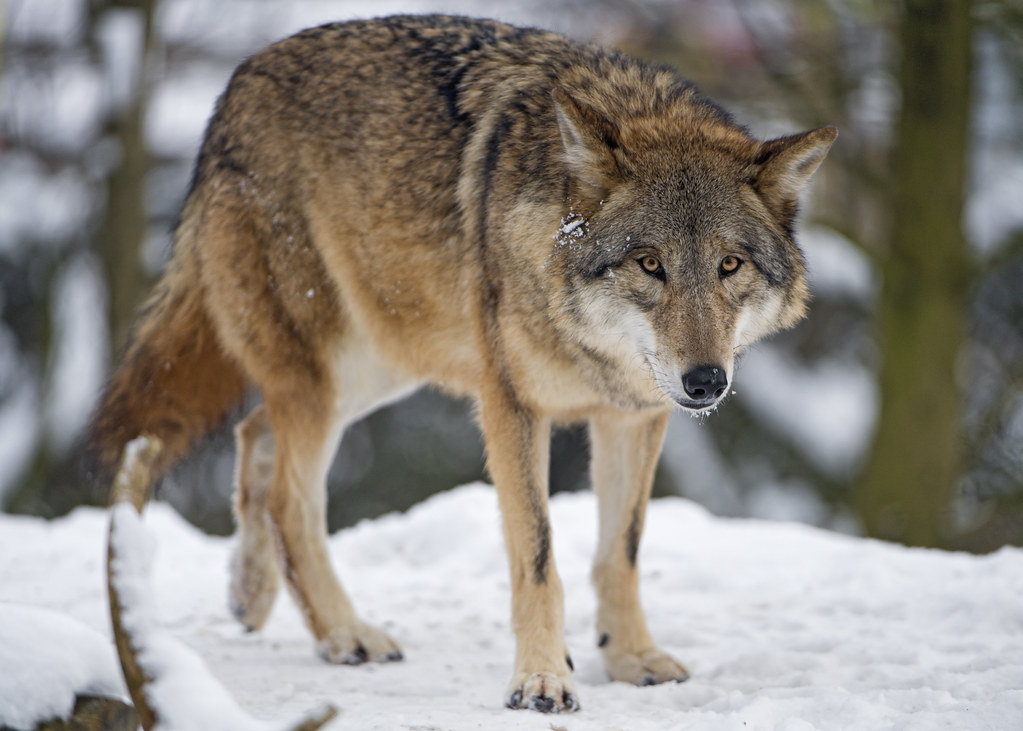
Thanks to their winter adaptations, wolves can live in temperatures as low as -40 degrees Fahrenheit. Their incredible preparation for harsh conditions reflects a mindset that’s always ready for challenges. Wolves are equipped with a double coat of fur, which allows them to endure temperatures as low as –40°F. Their undercoat is made of short hairs that provide exceptional insulation in extreme cold.
This level of natural preparation might appeal to you if you’re someone who believes in being ready for anything. The wolf’s winter energy is about sustainable power rather than quick bursts.
Summer Coyotes: Champions of Adaptable Energy
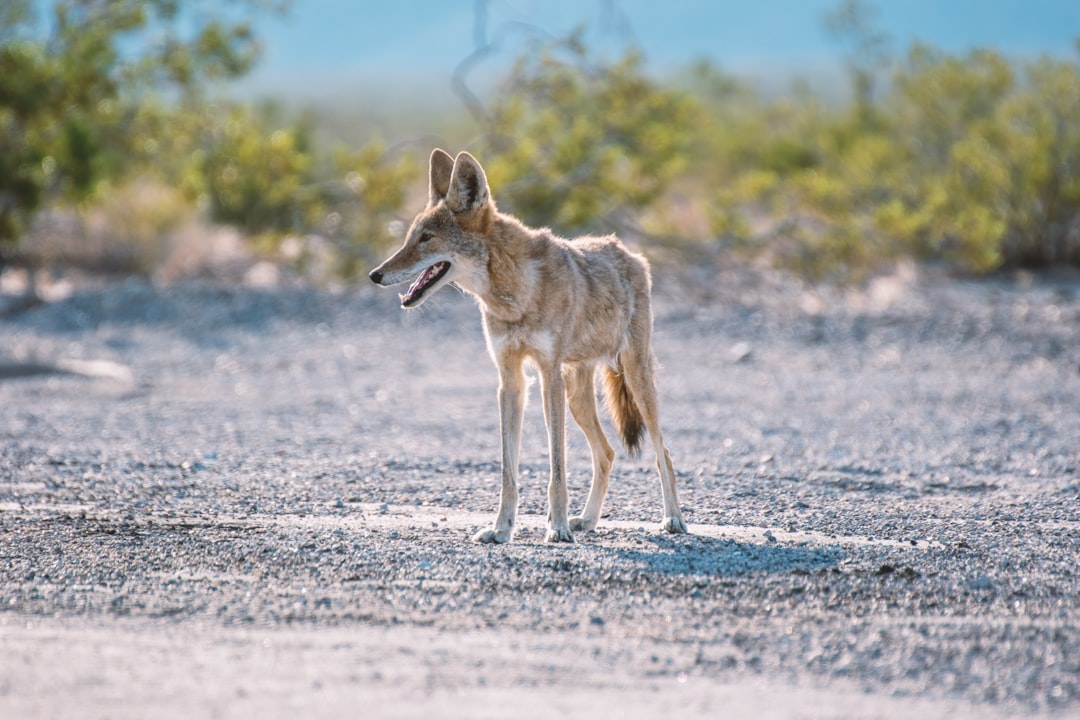
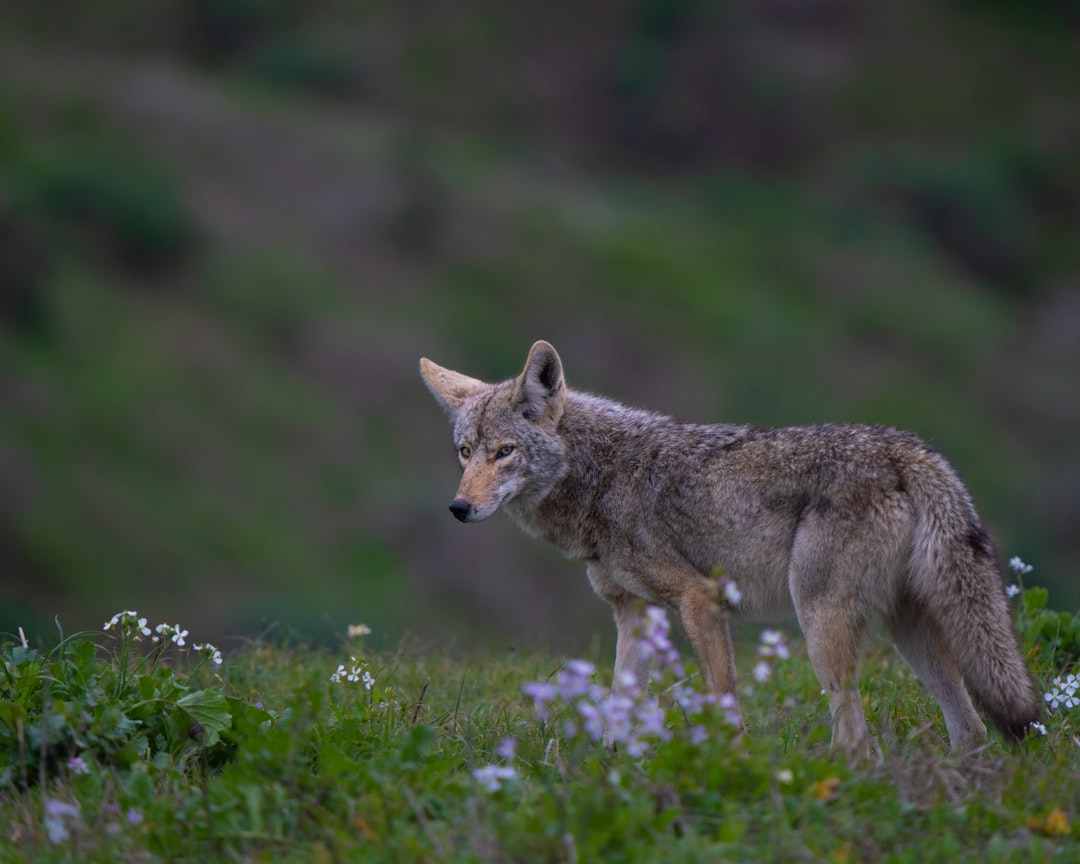
Coyotes are extremely territorial during the summer months when they are feeding and raising their pups. Their quick, hostile response to interlopers and their increased nutritional demands make them as responsive to calling as they will be all year. Summer represents peak activity season for these resourceful predators.
Coyote activity increases during these summer months and coincides with our highest outdoor activity. Therefore, the highest chances for human and coyote interactions generally occur during late spring and summer months when adults are more protective of their young. This surge of summertime energy reflects a very different approach to life than the wolf’s methodical winter strategy.
The Opportunistic Spirit of Summer Coyotes
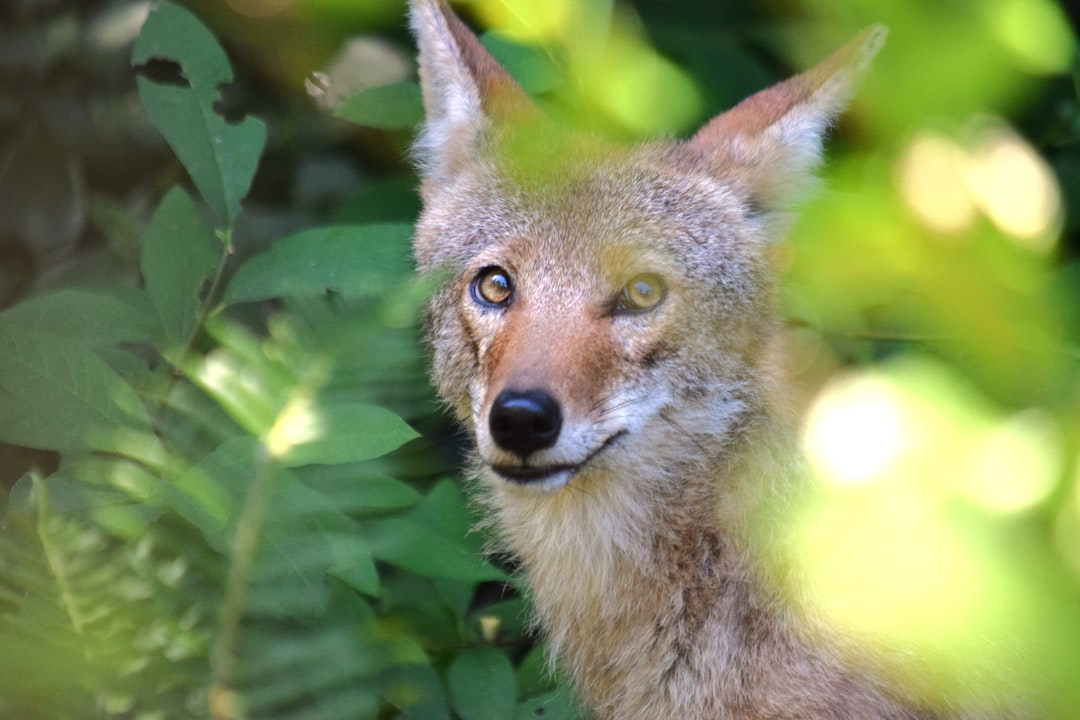
Although coyotes are predators, they are also opportunistic feeders and shift their diets to take advantage of the most available prey. Coyotes are generally scavengers and predators of small prey but can shift to large prey occasionally. This flexibility defines the coyote’s summer approach to survival.
Coyotes are most active at night and in early morning during hot summer weather. Daytime activity is more likely during the mating and breeding seasons, during periods of low human activity, and cool weather. If you’re someone who thrives on adapting your schedule to circumstances, you might identify with this seasonal flexibility.
High-Energy Summer Parenting Mode
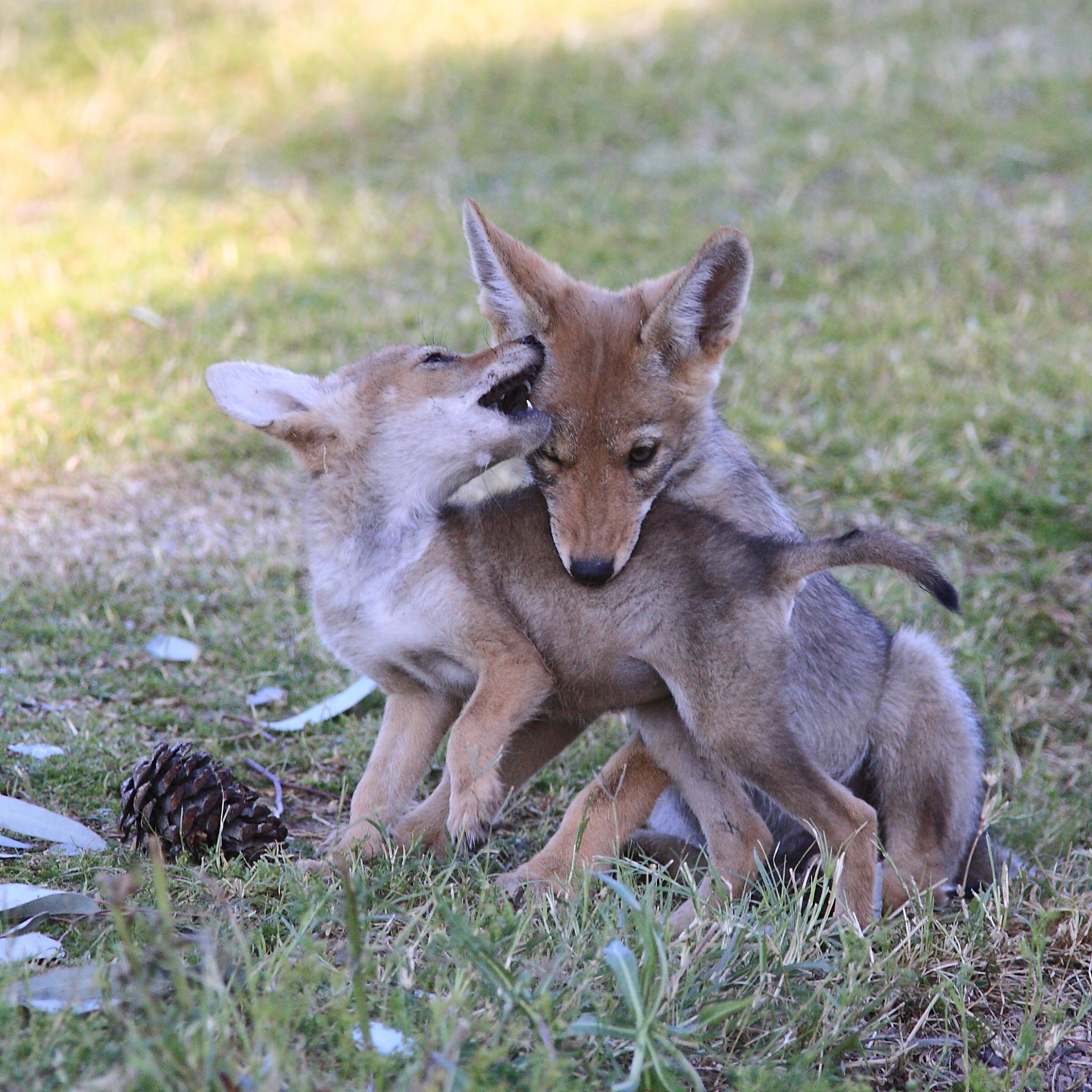
It just so happens that a coyote’s nutritional demands are greatest from April through September, due to the extra burden of bearing and raising pups. Prey species like deer and turkeys are more vulnerable in the summer months, especially during nesting and fawning time, and you can be sure your local coyotes are taking advantage of this situation. This intense period of responsibility might resonate with busy parents or caregivers.
Pups stay in the den for about six weeks and then begin traveling short distances with adults. By the end of summer, pups are spending some time away from parents and attempting to hunt on their own or with siblings. The gradual release of parental duties creates a natural energy cycle that many people experience.
Heat Management and Energy Conservation
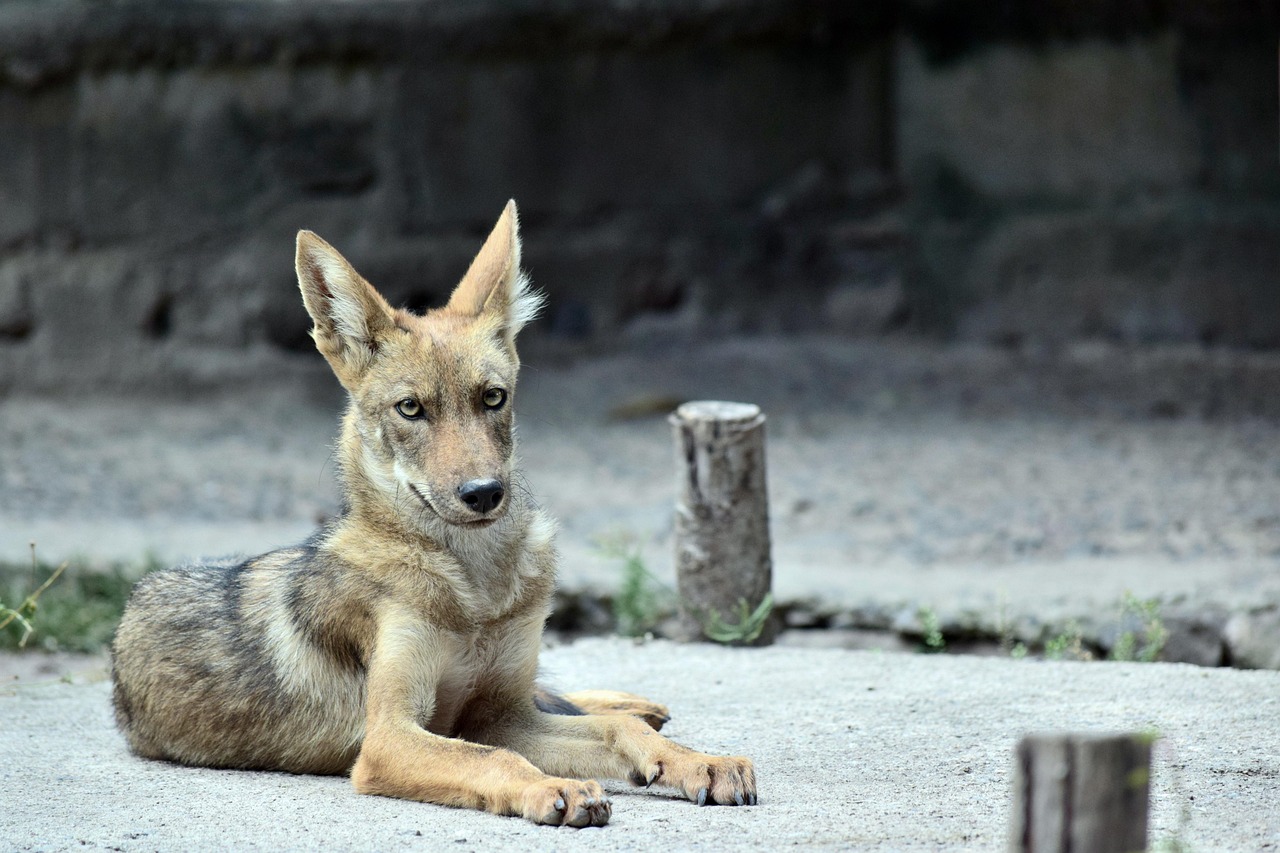
Coyotes are the same as humans when it comes to activity during the summer months of the year. When it is hot, we stay in the shade and keep movement to a minimum to control body heat and the same goes for coyotes. This practical approach to managing energy in challenging conditions shows remarkable similarity to human behavior patterns.
When daytime temperatures are from 80 to 100 degrees, coyotes wait until it cools off to hunt. Sure, I have had them come running at high noon in triple-digit temperatures, but they are far more likely to cooperate when it’s cooler. This wisdom about timing activities based on conditions could reflect your own preference for working when circumstances are optimal.
Social Energy Differences
The social dynamics of these animals in their peak seasons reveal fascinating parallels to human energy patterns. This is the season wolves go into heat and breed. Winter represents a time of deep bonding and focus on essential relationships for wolves.
Meanwhile, Coyote families are territorial during the summer months, staying closer to the dens than other seasons. After the pups near physical maturity, they might not return to the dens at all, but usually hunt the same general area because this is where they have been trained and the territory is familiar. This combination of territorial protection with gradual independence might mirror your own approach to managing personal boundaries.
Which Energy Pattern Matches Yours?
Consider how you approach challenges and opportunities. Research shows wolves have varying energy expenditure patterns across seasons, with higher costs during active periods like pup-rearing compared to more conservation-focused times. This data suggests wolves actually conserve energy during their winter peak, focusing on efficiency rather than intensity.
Coyotes take the opposite approach, ramping up activity during their favorable season. If you’re someone who goes all-out during your prime times and then recovers afterward, the coyote summer model might feel more natural to your rhythm.
Both animals have learned to work with their environments rather than against them. The question isn’t which approach is better, but which one aligns with your natural energy cycles and life circumstances.
So what do you think? Are you more of a strategic winter wolf, conserving energy for calculated moves, or a dynamic summer coyote, adapting and seizing opportunities as they arise?

- Why Veterinarians Say If Your Cat Sleeps With Their Back to You, It's the Highest Form of Trust in Feline Behavior - July 20, 2026
- The Zodiac Signs That Owls Avoid Completely (And What Folklore Says It Means About Your Energy) - July 20, 2026
- How Nepal’s Mountain Region Just Cannot Do Without The Indomitable Yak - July 20, 2026