

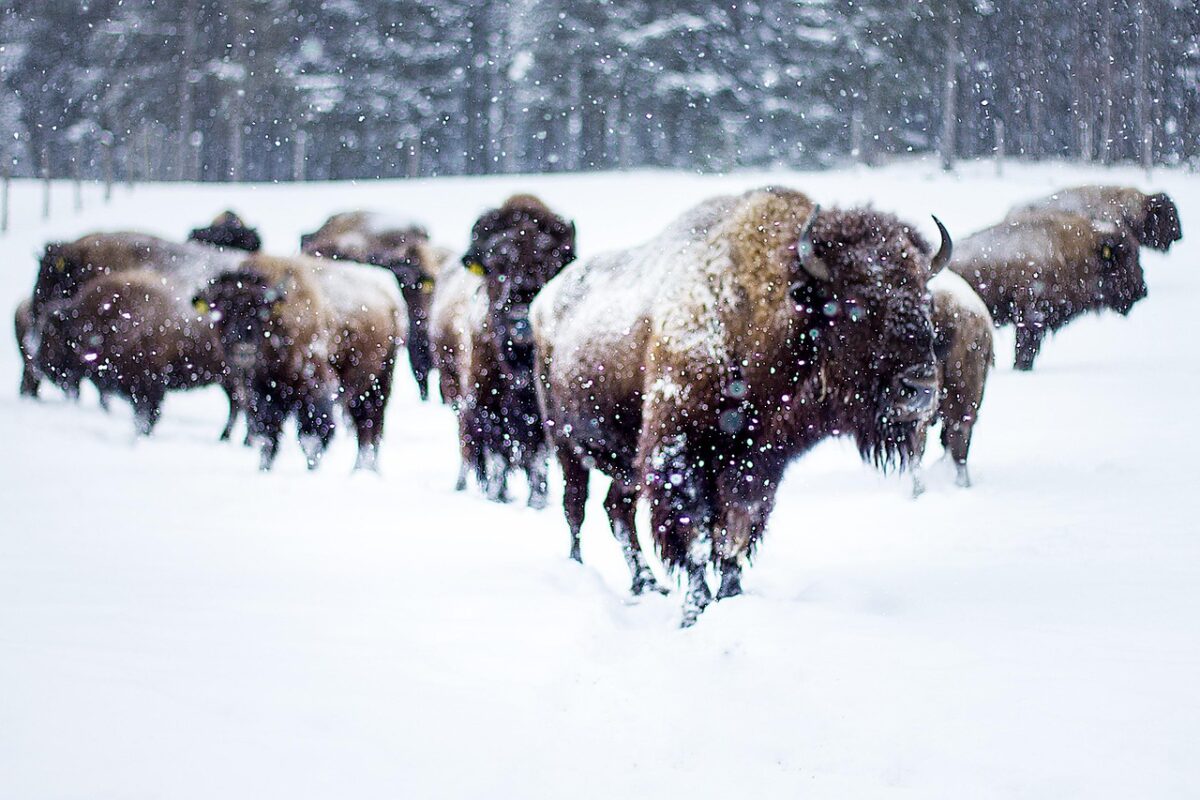
Picture this: You’re watching wolves hunt, beavers construct dams, and bison form protective herds. These aren’t random behaviors. They’re sophisticated construction projects and survival strategies that would make any Minecraft player proud. Just like in that blocky digital world, real animals are master builders who create, modify, and engineer their environments to stay alive.
These incredible creatures don’t just survive in the wild. They completely transform landscapes through calculated construction efforts. So let’s dive into the fascinating world of nature’s architects and see how they build their way to survival.
Wolves: The Silent Ambush Architects
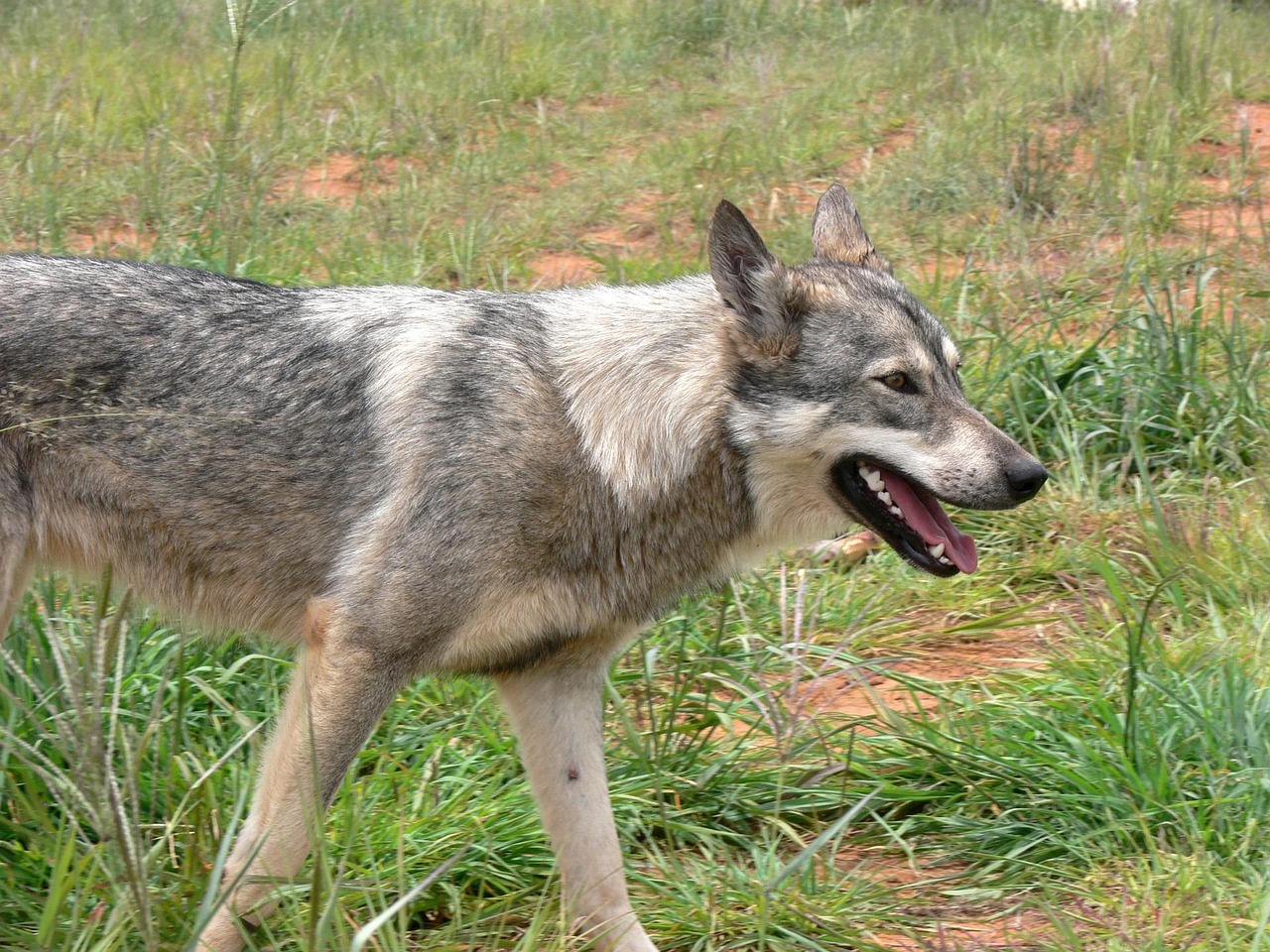
When most people think of wolves, they imagine pack hunters chasing down massive elk or deer across open terrain. That’s only part of the story though. In some areas during the summer, wolves will also go out on their own to track down a beaver. These apex predators have evolved something far more sophisticated than simple pursuit hunting.
What makes this even more remarkable is how wolves have learned to manipulate the very landscape around them. They found wolves waited out in the open only about one or two meters from where beavers were active on land, taking advantage of their bad sense of sight. It’s like watching a master strategist position pieces on a chess board. The wolves study wind patterns, beaver habits, and terrain features to create the perfect hunting scenario.
Strategic Wind Management for the Perfect Strike
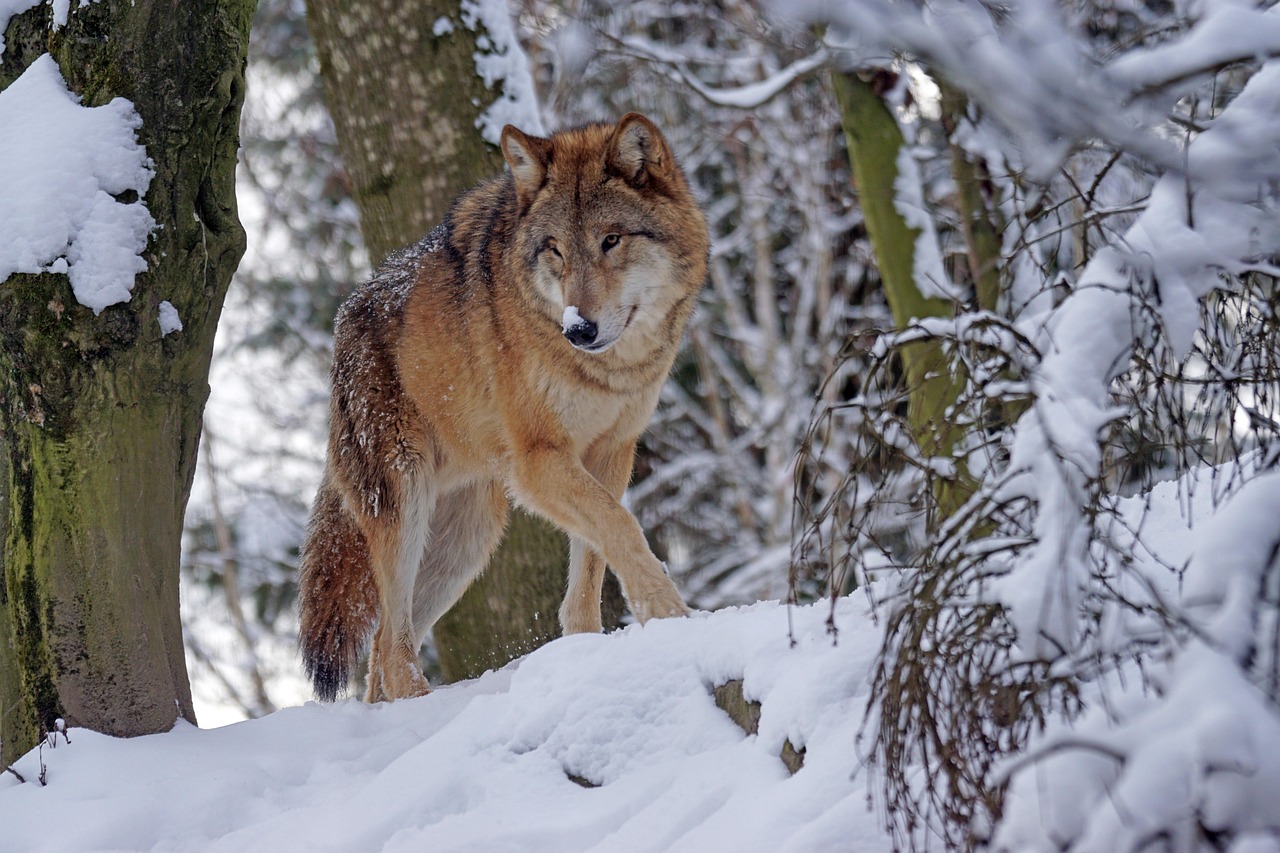
Here’s where wolves become true environmental engineers. But sense of smell also played an important role in strategy. The team mapped out beaver and wolf activity and referenced wind direction from weather station data to see what type of wind correlated with ambushes. Think about that for a moment. These animals are essentially reading weather patterns and using atmospheric conditions as tools.
This isn’t random behavior either. Instead, wolves from multiple packs across several years used the same ambushing tactics, indicating that this behavior is widespread throughout the Greater Voyageurs Ecosystem and likely other ecosystems where wolves hunt beavers. They’ve developed a repeatable, teachable construction strategy for hunting success.
Beavers: Nature’s Hydraulic Engineers
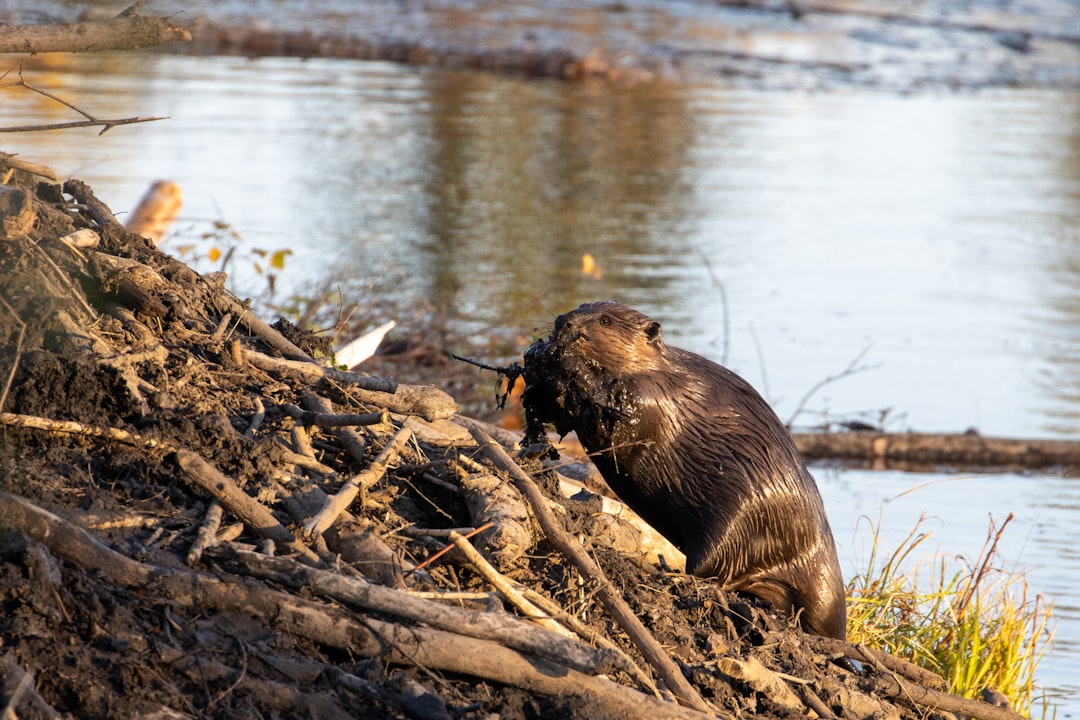
A beaver dam or beaver impoundment is a dam built by beavers; it creates a pond which protects against predators and holds food during winter. Calling beavers simple dam builders is like calling Frank Lloyd Wright a guy who stacked some bricks. These rodents are legitimate ecosystem engineers who completely reshape entire watersheds.
The scale of their construction projects is mind-boggling. The largest known beaver dam is in Wood Buffalo National Park in Alberta, Canada, and is approximately 850 metres (2,790 ft) long. That’s nearly half a mile of engineered water control. This impressive structure is about 2,790 feet (850 meters) long and researchers suggest that it has been used and maintained by many generations of beavers.
Advanced Construction Techniques Without Blueprints
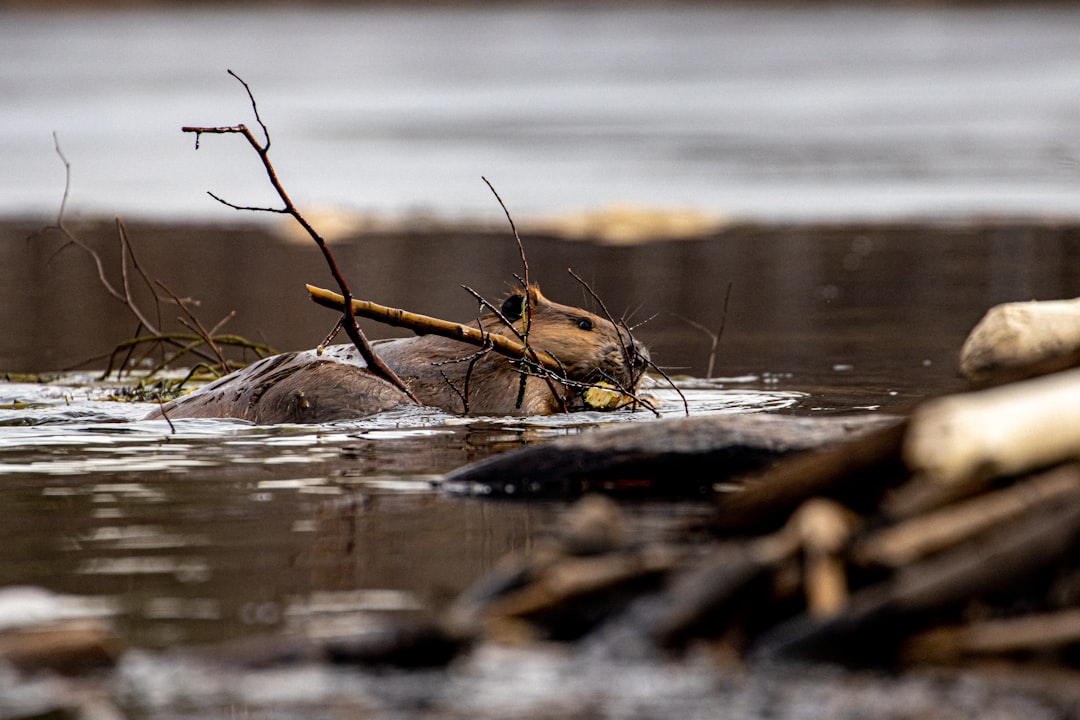
Beavers don’t just pile sticks randomly and hope for the best. Beavers can transport their own weight in material; they drag logs along mudslides and float them through canals to get them in place. They’ve created sophisticated logistics systems for materials transport that would impress modern construction managers.
The engineering principles behind their work are genuinely impressive. It was found that beavers employ interesting construction techniques, creating semi-permeable dams able to withstand flow volumes of up to 1.34 m3/s per meter width for a 1.4 m high dam. They understand concepts like water pressure, structural integrity, and controlled flooding that human engineers spend years studying.
Multi-Generational Infrastructure Projects
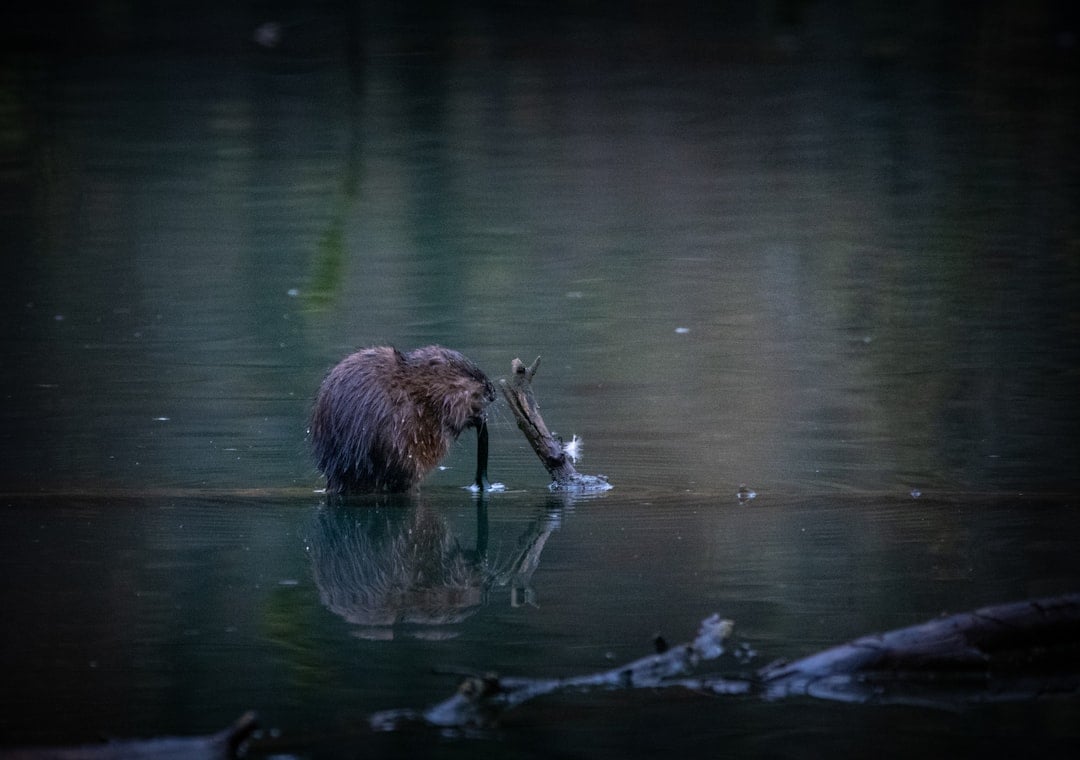
What’s truly astounding is how beaver construction projects span multiple generations. Beavers can transform an ecosystem thousands of meters in length over a single summer. Dams are only a small part of it. They need extensive trail networks so that they can travel back and forth to support material transport for lodges, dams, and food cache construction. They also excavate extensive canals and fell trees right alongside so that they can float them back to the dam.
This isn’t just construction. It’s urban planning. A study in Poland found that beavers could rebuild a destroyed dam and restore water levels in approximately 8 hours. When their infrastructure gets damaged, they mobilize like an emergency response team to restore functionality.
Beaver Communities: Instinctive Yet Learned Behavior
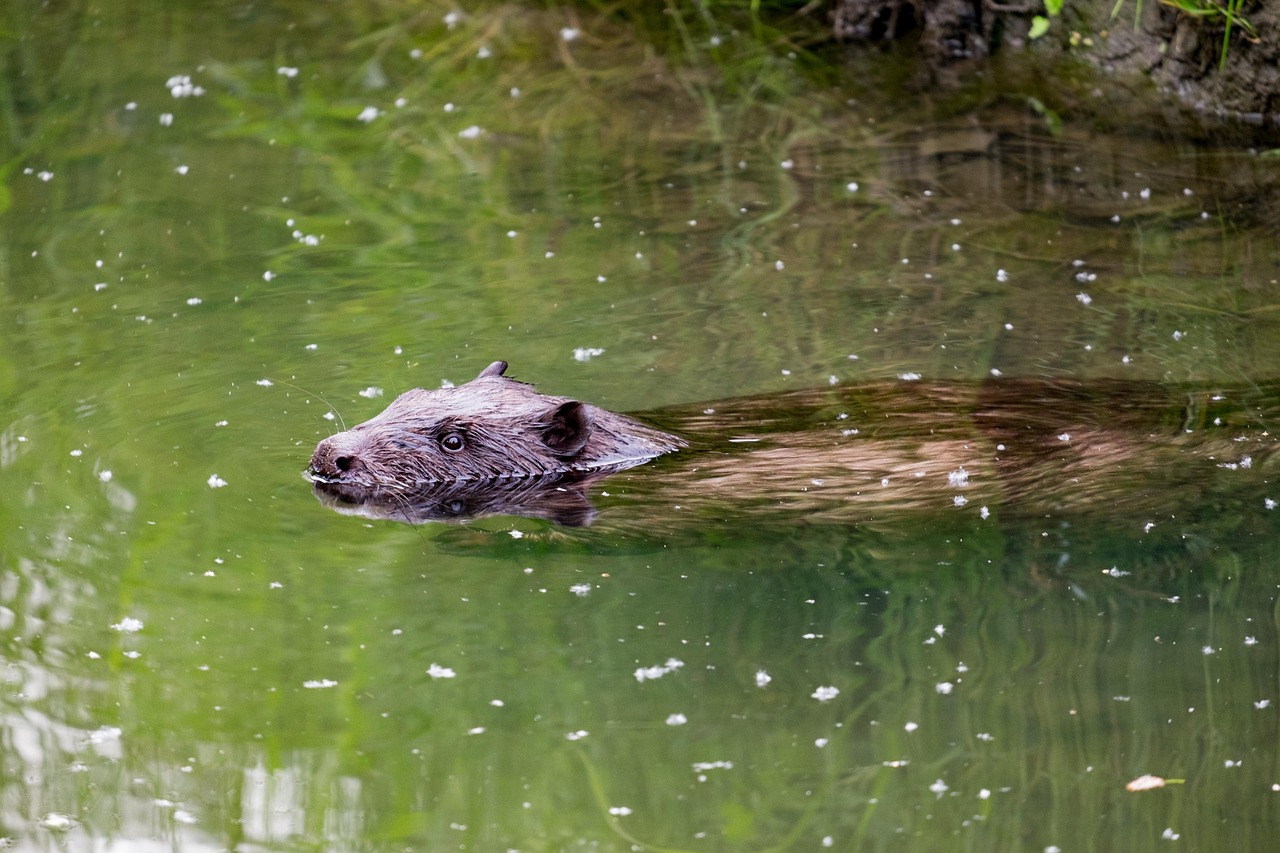
A beaver’s construction skills are instinctive; even beaver raised in captivity exhibit this behavior. Yet there’s evidence that beaver colonies coordinate their massive projects without central management. Her research sheds light on the way individual beaver colonies collectively create extensive networks of dams, canals, and trails without directly coordinating or communicating with one another.
The complexity of what they build defies simple explanation. But like termites building a mound or honeybees building a hive, they’re able to construct something at a very large scale. In fact, they build dams at length scales a thousand times larger than an individual beaver and time scales many times greater than the lifespan of a single beaver. Each beaver contributes to projects that will outlast their own lives by decades.
Bison: The Collective Defense Specialists
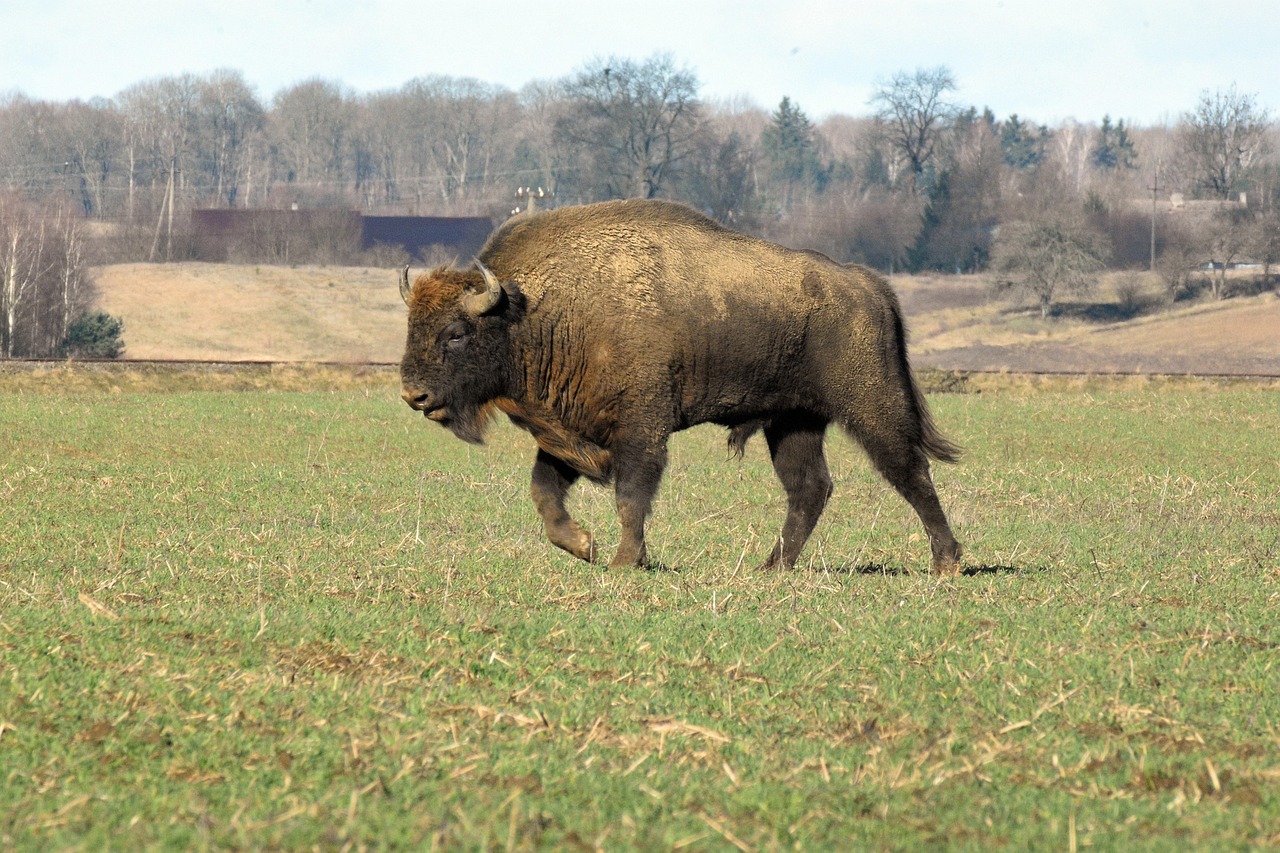
Bison herds represent one of nature’s most sophisticated examples of collective security architecture. Bison herds exhibit a distinct hierarchical structure that influences their social interactions and behaviors. Typically, herds are matriarchal, meaning that the oldest and often largest females lead the group. This isn’t just social organization. It’s strategic leadership for survival.
The way bison structure their herds creates multiple layers of protection. Within a buffalo group, social hierarchy plays a critical role in survival. Herds typically consist of: Dominant bulls: Usually older, stronger males who breed during mating season. Matriarchal females: Older cows often lead movement and make survival decisions. Subadults and calves: Younger buffalo who learn by observing and mimicking older herd members. Each member has a specific role in the collective defense system.
Dynamic Group Formation for Maximum Protection
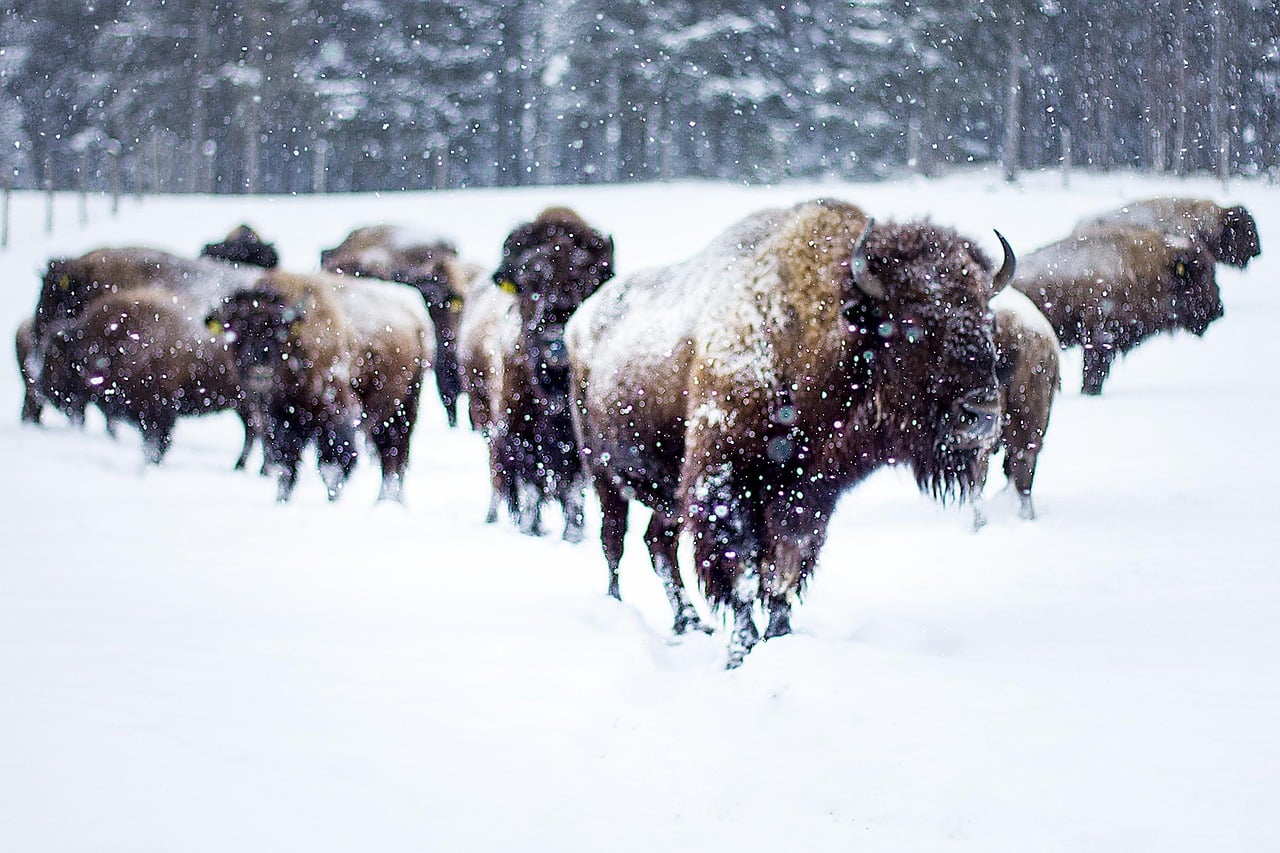
Bison herds aren’t static formations. Throughout the year during these non-rut seasons, bison herds vary in structure. Adult females, calves, and immature males will form mixed-age and -sex groups and large bull males will form separate groups. They reconfigure their social structure based on seasonal threats and resource availability.
During critical periods, these separate groups merge into massive defensive formations. These magnificent mammals, once numbering in the tens of millions, have perfected the art of collective protection against predators and environmental challenges. The formation and maintenance of bison herds represent one of nature’s most fascinating examples of social organization for mutual benefit. From complex communication systems to strategic positioning of vulnerable members, bison display remarkable intelligence and cohesion in their herd dynamics.
Teaching the Next Generation: Survival Education Programs
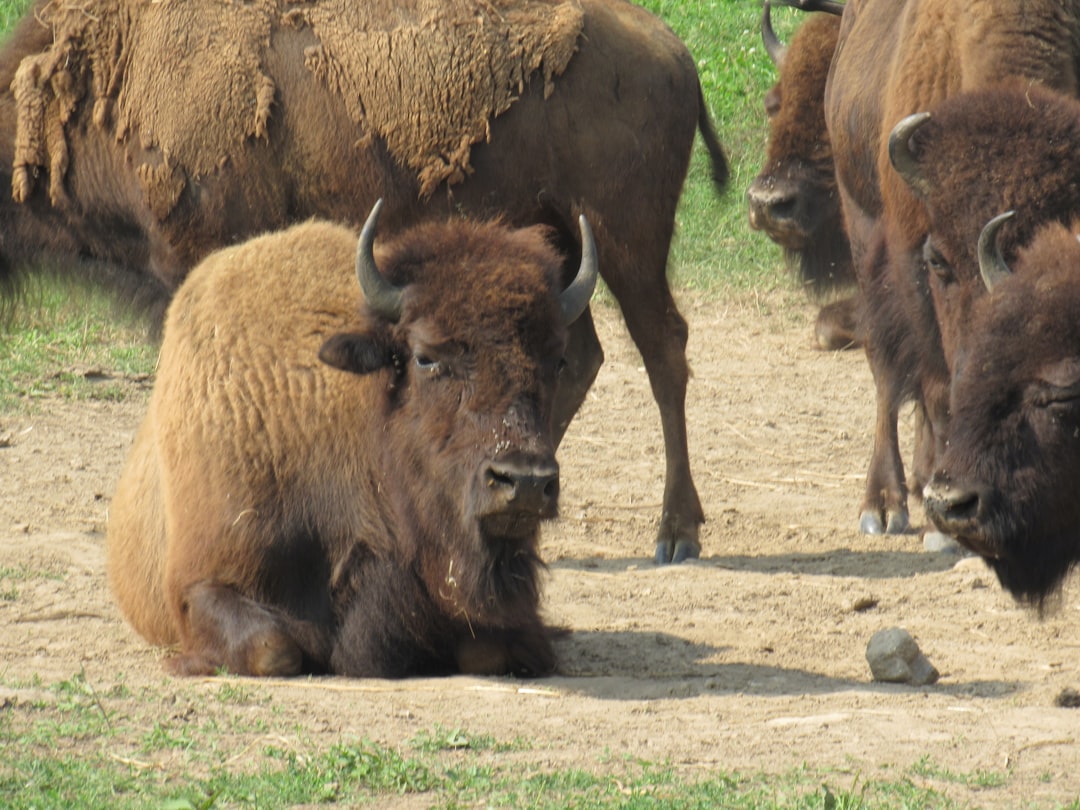
Bison herds function like survival schools where young animals learn complex protective behaviors. Calves that fail to maintain proper positioning receive corrective nudges and vocalizations. Additionally, young bison learn appropriate responses to alarm signals through observation and experience. When alarm calls sound, calves watch and mimic the reactions of adults, gradually internalizing these protective behaviors. By their second year, juvenile bison demonstrate near-adult competence in appropriate defensive positioning, alarm response, and group movement coordination – essential skills that will later contribute to the collective protection of the herd.
The teaching process is remarkably sophisticated. Newborn calves can stand within minutes of birth and begin following their mothers within hours, an instinctual behavior critical to their survival. However, the complex protective strategies that characterize bison herds require significant social learning. It’s like watching a military training program designed by evolution itself.
The Ultimate Survival Strategy: Building Through Biology
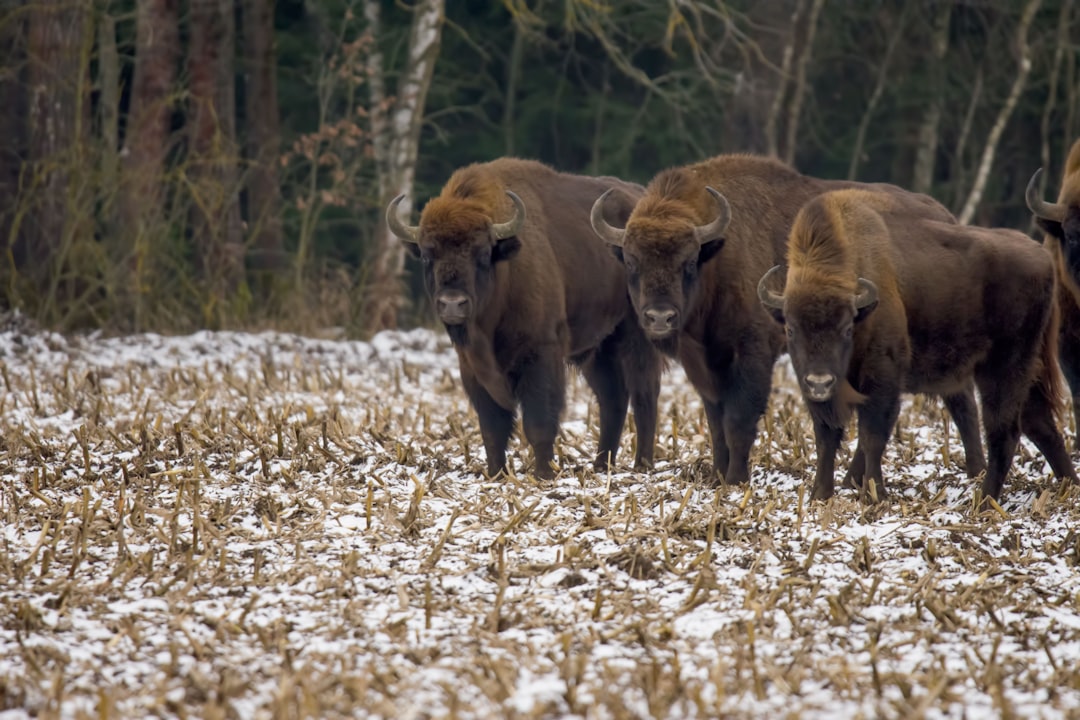
What connects wolves, beavers, and bison isn’t just their construction abilities. It’s how they’ve each developed unique ways to manipulate their environment for survival advantage. Wolves build hunting scenarios, beavers build landscape modifications, and bison build social fortresses. Each species has found its own answer to the fundamental challenge of staying alive in a dangerous world.
These animals prove that survival isn’t just about being strong or fast. It’s about being smart enough to construct solutions to life’s challenges. Whether through strategic positioning, hydraulic engineering, or collective organization, nature’s builders show us that the key to thriving isn’t just adapting to your environment. Sometimes it means completely rebuilding it to suit your needs. What would you build if your life depended on it?
