


Something magical happens when a traumatized human meets a gentle horse for the first time. The person might be carrying invisible scars from combat, abuse, or devastating loss, yet within moments of being near this powerful creature, something shifts. The horse’s breath slows, its eyes soften, and suddenly the human realizes they’re not being judged for their pain. This extraordinary connection forms the foundation of equine therapy, a growing field that’s transforming how we approach emotional healing.
For thousands of years, horses have lived alongside humans, but only in recent decades have we begun to understand their remarkable therapeutic potential. Equine-assisted therapy (EAT), a promising therapeutic approach that leverages the unique bond between humans and horses, has been shown to facilitate emotional and psychological healing. From veterans battling PTSD to children processing trauma, these majestic animals are becoming unlikely partners in the journey toward emotional wellness.
The Profound Connection Between Horses and Human Emotions
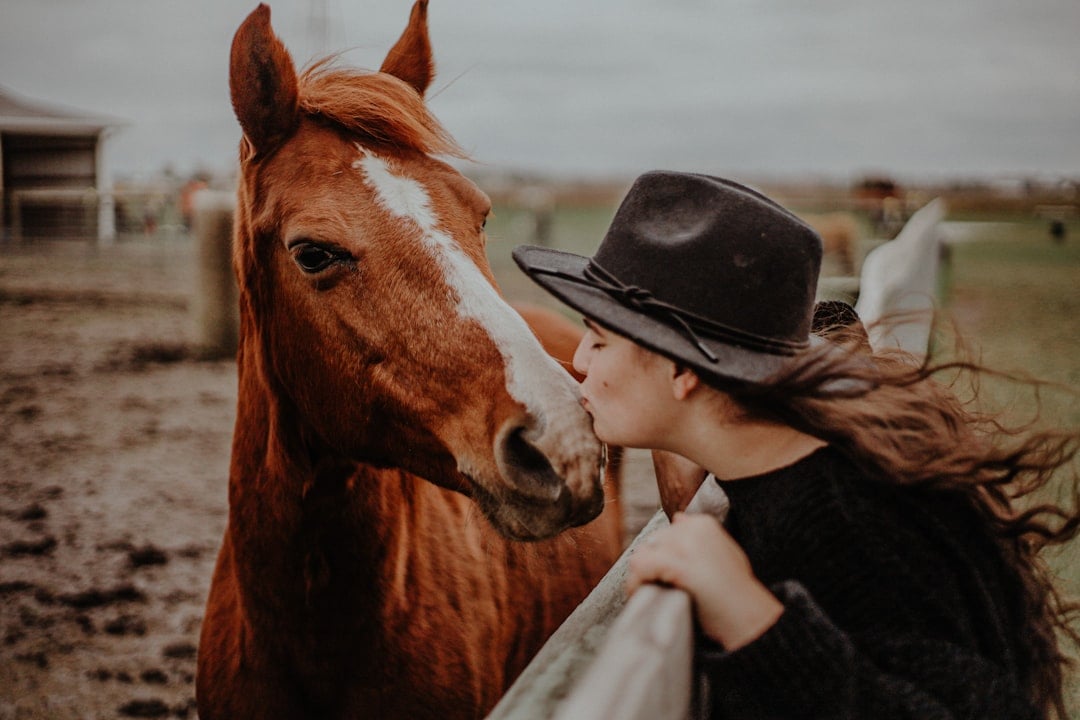
What makes horses such exceptional therapeutic partners? A horse can sense changes in a human’s emotional state even when others cannot. A restless or anxious person will see a horse react, which provides immediate feedback to a person. These remarkable creatures possess what many describe as emotional radar, detecting subtle shifts in our mood, energy, and psychological state that we might not even be aware of ourselves.
As prey animals, horses are highly attuned to changes in their environment. This means that he can tune in to your emotional state and notice how you’re feeling. Their survival has depended on this heightened sensitivity for thousands of years. When someone approaches a horse while angry or distressed, the animal immediately senses that tension and responds accordingly, creating an honest mirror of human emotions.
The Science Behind Equine Emotional Intelligence
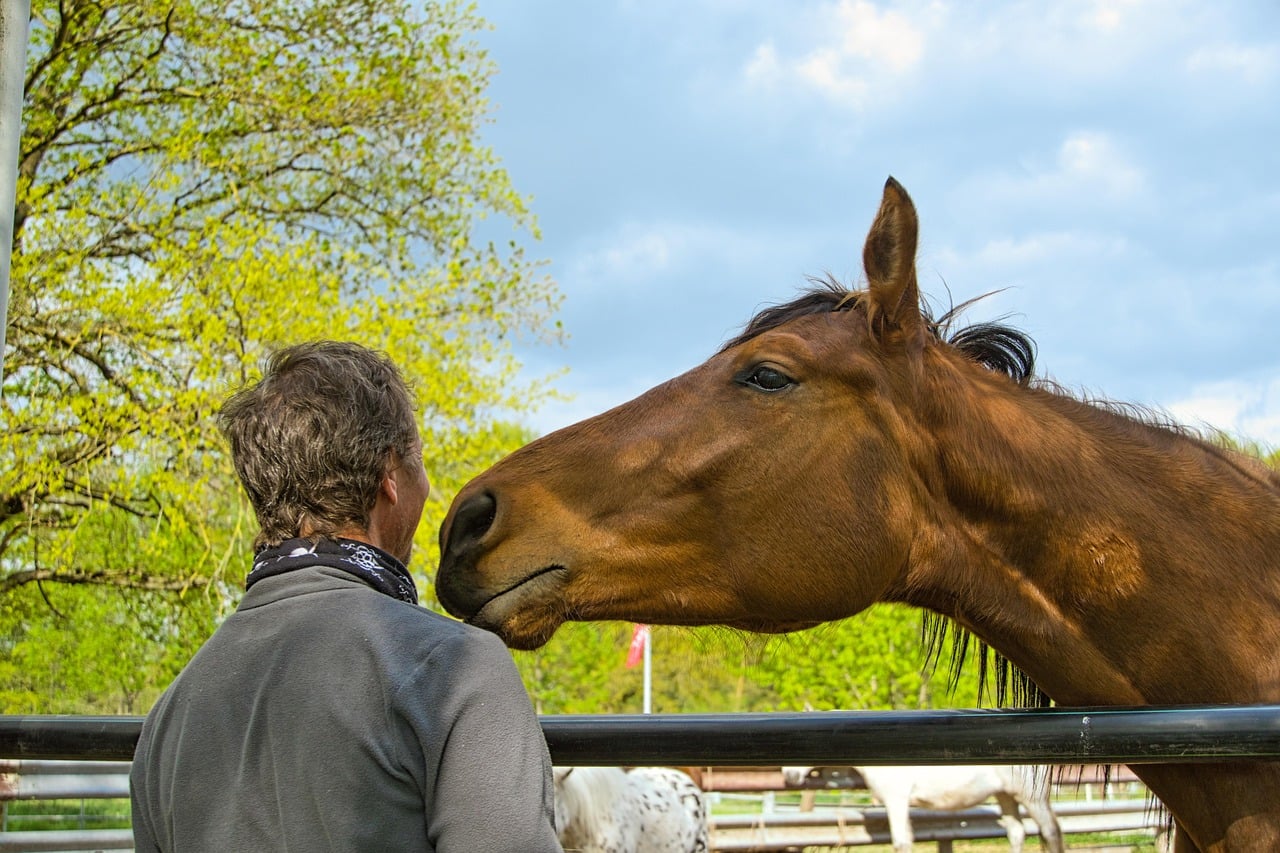
Research reveals that horses are unique in their ability to sense human emotions and respond to them in real-time. Because horses react to the emotional state of those around them, they provide immediate feedback, helping individuals become more aware of their emotions and behaviors. This isn’t just anecdotal evidence from horse lovers – it’s backed by scientific understanding of how horses process emotional information.
Horses pay attention to factors such as facial expressions, tone of voice, and posture to understand human emotions. Yes, horses have evolved to understand and interpret a wide range of human emotions, including joy, fear, and sadness. This extraordinary ability makes them natural co-therapists, offering genuine, unfiltered responses that help humans recognize and understand their own emotional patterns.
Breaking Through Traditional Therapy Barriers
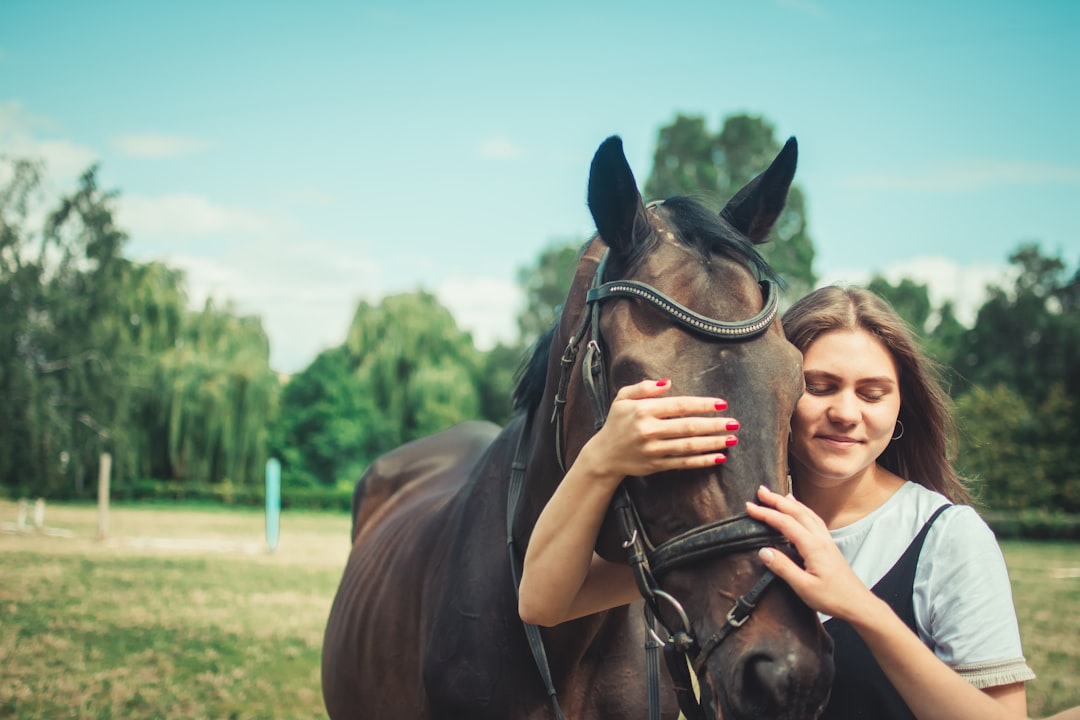
Many people struggle with conventional talk therapy, finding it difficult to open up or connect with traditional therapeutic approaches. Equine-assisted psychotherapy (EAP) gives them another way to process emotions – without words. Instead of talking about feelings, individuals experience them through interactions with the horse. This experiential approach can unlock emotions and memories that have been buried deep within.
Less traditional and way more fun, this therapy can break down barriers that conventional talk therapy sometimes struggles with. What could be better than learning and healing while connecting with such powerful animals? For many participants, the outdoor environment and hands-on nature of equine therapy feels more natural and engaging than sitting in a traditional therapy office.
Immediate Feedback and Real-Time Healing
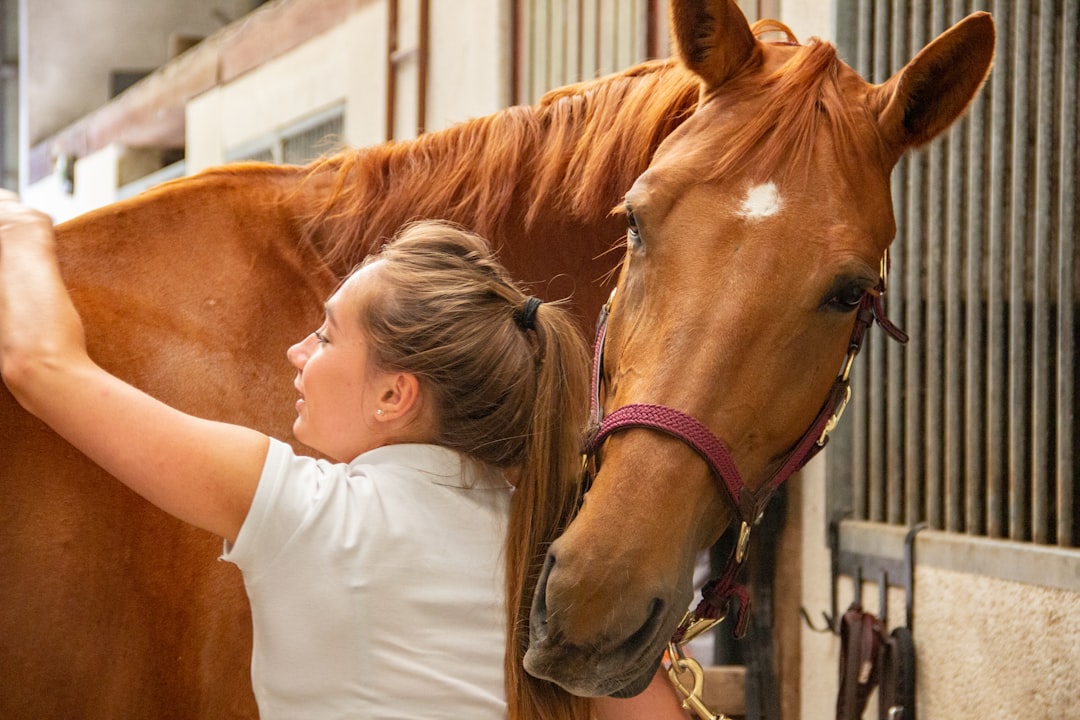
One of the most powerful aspects of equine therapy lies in the immediate, honest feedback horses provide. As prey animals, horses are sensitive to human emotions and energy, immediately responding to nonverbal signals. Thus, the horse acts as a mirror, providing instant feedback about how you are perceived. This creates opportunities for real-time learning and emotional growth.
As the person calms down, the horse adjusts its response. This interaction not only helps people become more aware of their own emotions but also teaches awareness of others’ body language and nonverbal communications. Participants learn to recognize their emotional states by observing how horses react to them, developing better self-awareness in the process.
Building Trust and Self-Confidence
Working with horses requires courage, patience, and clear communication. Because of their size, many people are afraid of working with horses. Caring for these animals takes work in more ways than one. Physically, caring for horses is an excellent way to build a solid work ethic. Successfully interacting with such powerful animals naturally boosts self-esteem and confidence.
Emotionally, working with horses requires courage, patience, and understanding. Seeing the connection deepen over time between you and a horse can increase your confidence. Many participants discover strengths they never knew they had, whether through grooming, leading, or simply being present with these magnificent creatures. The relationship that develops becomes a source of pride and accomplishment.
Emotional Regulation and Impulse Control
Equine therapy benefits people who struggle with impulse control and emotional regulation. The need to communicate with a horse calmly promotes emotional awareness, emotion regulation, self-control, and impulse control. Horses simply won’t cooperate with someone who approaches them with aggressive or chaotic energy, teaching participants valuable lessons about managing their emotional state.
The need to communicate with a horse calmly promotes emotional awareness, emotion regulation, self-control, and impulse control. It’s effective in reducing irritability, agitation, and impulsivity. Equine-assisted therapy increases cooperation, emotional regulation, capacity for delay, and behavioral control. This natural consequence system helps people develop better emotional management skills that transfer to other areas of their lives.
Healing Trauma Through Nonverbal Communication
For trauma survivors who struggle to express their experiences in words, horses offer an alternative pathway to healing. The nonverbal, physical nature of interacting with horses allows trauma survivors to engage in the therapeutic process without the pressure of verbal communication. Through activities like grooming, leading, and riding, trauma survivors can work on rebuilding trust, emotional regulation, and self-confidence.
Most of the exchange between horse and human is nonverbal, which is especially potent for individuals who have experienced traumatic events that they are not able to (or choose not to) express in words. This creates a safe space for processing difficult emotions without the need to articulate painful memories or feelings. The horse becomes a gentle witness to their healing journey.
Conclusion: The Future of Emotional Healing
Recent research confirms what many therapists and participants have observed firsthand. Research shows that clients’ global psychological, social, and emotional wellness scores on the Mental Health Continuum improved significantly. Clients’ resilience, self-efficacy, social and emotional skills, perceptions of hope, and cognitive reappraisal skills also showed significant improvements. These numbers represent real people finding hope and healing through their connections with horses.
The power of equine therapy extends far beyond traditional treatment methods, offering a unique blend of emotional intelligence, immediate feedback, and genuine connection. Whether someone is battling PTSD, struggling with anxiety, or simply seeking deeper self-awareness, horses provide a pathway to healing that feels both ancient and revolutionary. As we continue to understand this remarkable therapeutic relationship, one thing becomes clear: sometimes the most profound healing happens not through words, but through the silent understanding between two hearts – human and equine.
What aspects of equine therapy surprised you most? Share your thoughts in the comments below.
