
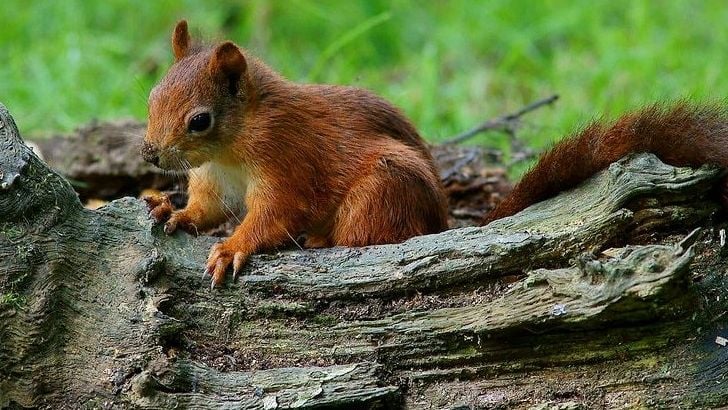
Autumn transforms America’s wilderness into a stage where wild animals perform some of their most captivating behaviors. The changing leaves and crisp air might signal cozy sweater weather to us, but for wildlife, fall triggers an ancient rhythm of survival preparation that’s both fascinating and frantic.
From deer to birds to bears, many species are triggered by the shortening days to switch into a frenetic mode of gathering food, finding mates, and more. The season brings a restlessness that spreads across national wildlife refuges and forests, creating drama and movement that nature enthusiasts find irresistible. So let’s dive into the remarkable world of autumn wildlife and discover which creatures truly embody the wild energy of America’s fall season.
The Majestic Elk: Nature’s Autumn Trumpet
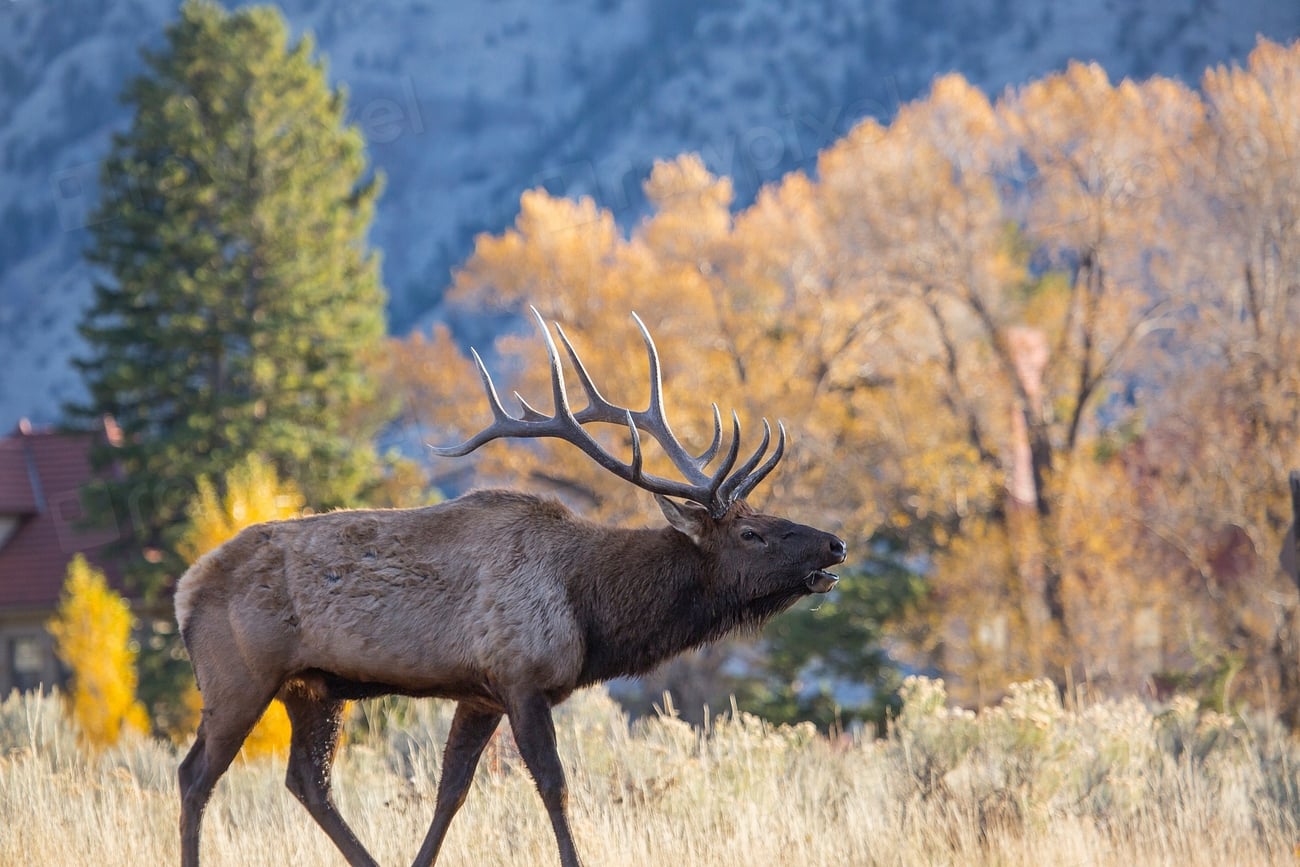
Male elk announce fall breeding season by throwing back their heads and letting out piercing, high-pitched calls. These haunting bugles echo across mountain meadows and valleys, serving as both a romantic serenade and a territorial battle cry. Male elk bugle to attract females, defend territory and assert dominance over competitors.
Every autumn, elk descend from the high country to montane meadows for the annual breeding season. The drama unfolds like an ancient theater production, with massive bulls weighing up to 700 pounds locking antlers in fierce combat. Seasonal spectacles include the eerie sounds of elk bugling and the sight of mule deer bucks locking antlers with rivals.
Black Bears: The Ultimate Autumn Gluttons
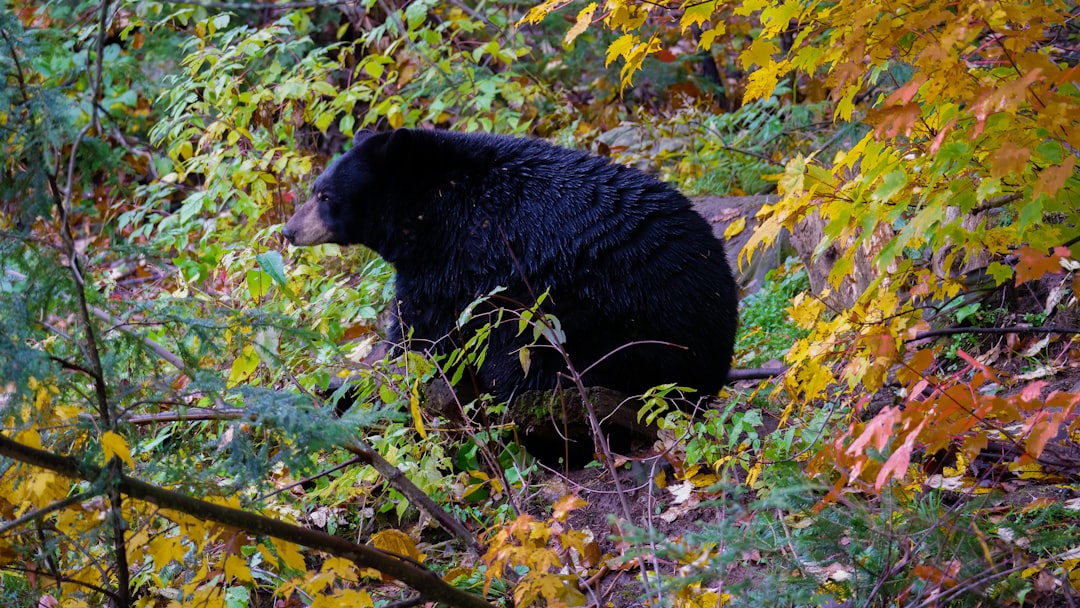
During the fall months, bears eat and drink nearly nonstop. They need to put on weight to prepare for winter and hibernation. This process is called hyperphagia. Think of it as nature’s version of an all-you-can-eat buffet, except the stakes couldn’t be higher.
To prepare for hibernation, bears enter a period of hyperphagia in late summer and fall, consuming up to 20,000 calories per day to pack on the fat reserves that sustain them through the winter. That’s roughly equivalent to eating 40 large pizzas daily! While bears get fattened up during the summer, they do so to apparent extremes during the hyperphagia period. During this time, they eat more than three times the amount of calories they do in the summer.
Monarch Butterflies: The Great Migration Marvel
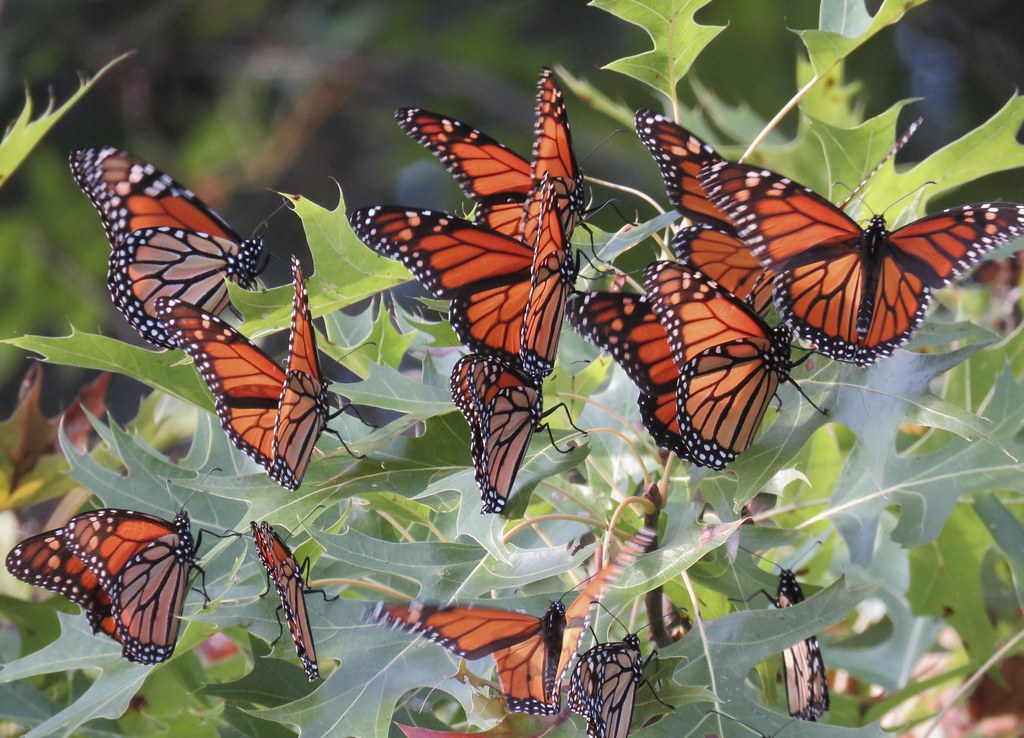
Every fall, monarch butterflies in the Eastern U.S. and Canada perform one of the most magical of all migrations in the animal kingdom: they fly up to 3,000 miles south in increasingly massive swarms to overwintering grounds in Mexican fir tree forests. This is the farthest migration of any insect in the world.
What makes this journey truly mind-boggling is that the monarchs that fly to Mexico have never been there before, but they follow almost exactly the same paths every year. Additionally, the monarchs that make the migration, called the Super Generation, live up to eight months, which is several times longer than monarchs in the first three non-migrating generations. It’s like nature’s own GPS system encoded in tiny butterfly brains!
Squirrels: The Hyperactive Hoarders
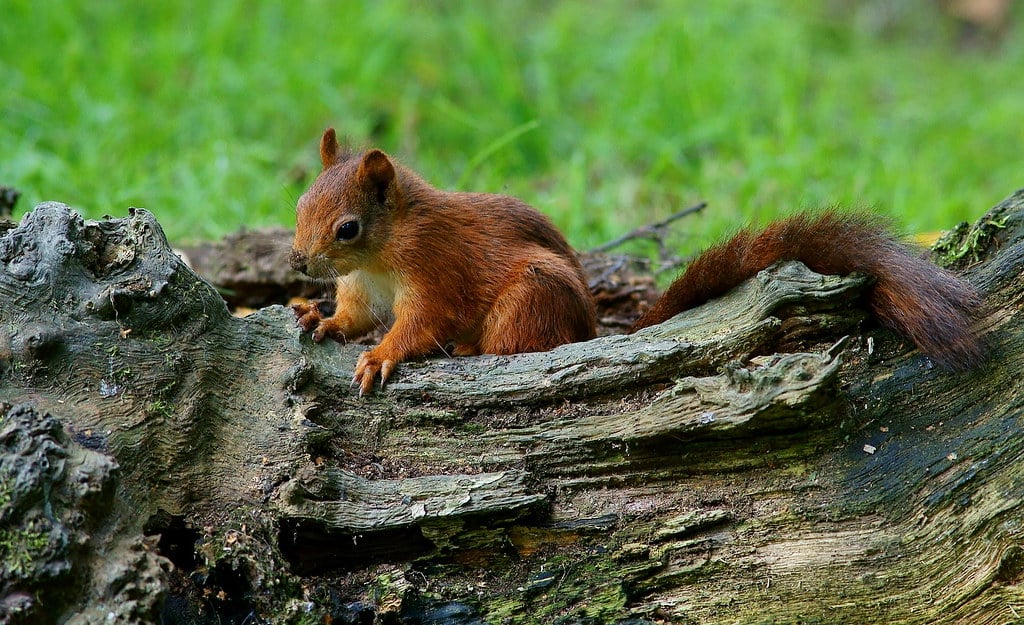
Squirrels are an easy animal to observe because they live all around us in our urban environments — you maybe even have some in your own backyard. Next time you’re outside this fall and spot a squirrel, watch it for a while. You might get to see how quickly it can shell a nut!
Gray squirrels get ready for the cold season by storing acorn and nuts typically in shallow holes. They bury thousands of nuts to make sure there’s enough food for the winter. They spread their stashes to avoid thievery, and a single squirrel may have hundreds or even thousands of hiding spots. They have even been observed attempting to deceive others by digging fake holes. Now that’s what I call strategic thinking!
Chipmunks: The Cheek-Puffing Champions
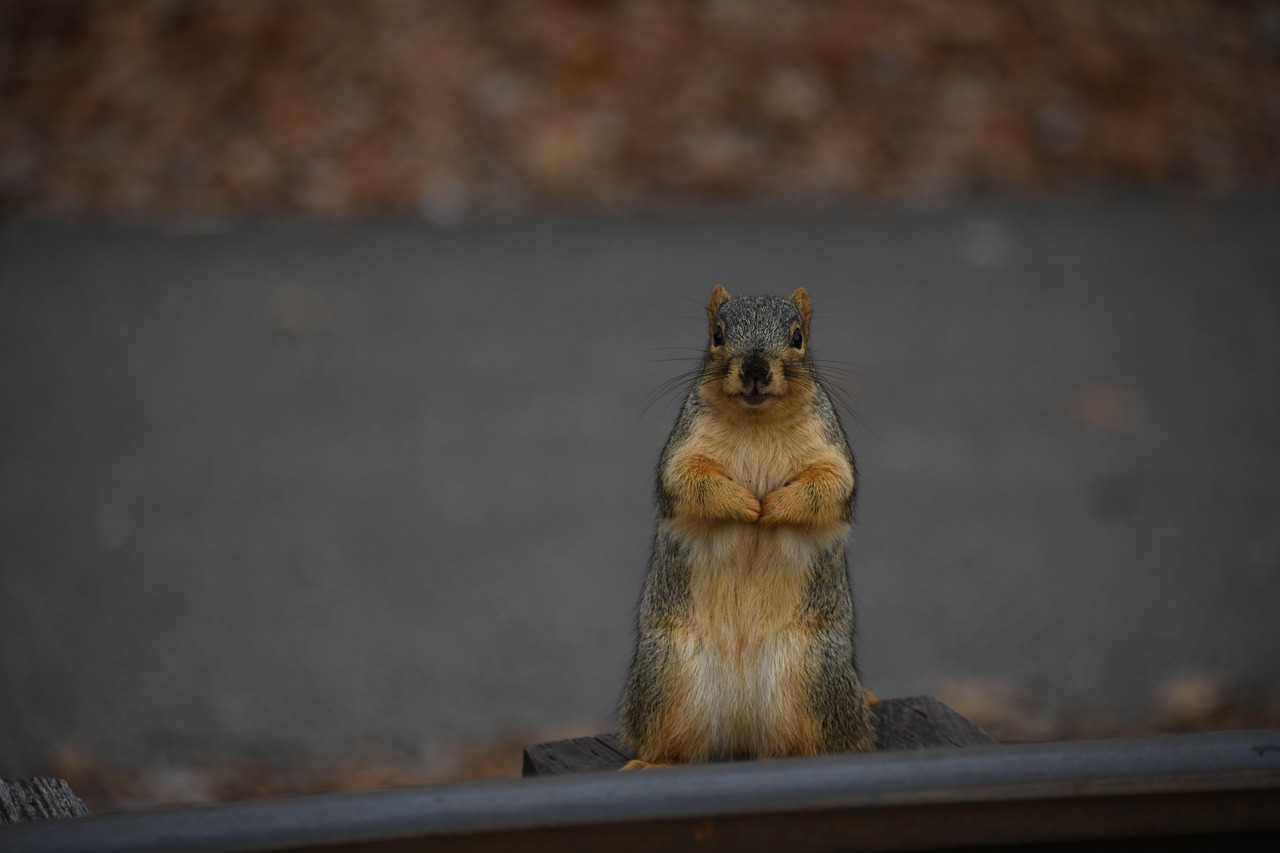
Chipmunks don’t hibernate in winter. Instead, they enter a deep sleep called torpor, in which they wake up only to feed. So fall is spent gathering plenty of food to store in their dens for those wakeful minutes. These striped little dynamos are basically nature’s version of extreme couponers.
Like Red Squirrels, Chipmunks store nuts in a central cache. Getting them there means lots of trips in the fall, but they have very expandable cheek pouches that help. Carrying a half dozen nuts at once can save time and energy! Watching a chipmunk with stuffed cheeks is like seeing a tiny, furry balloon with legs scurrying around the forest floor.
Canada Geese: The V-Formation Virtuosos
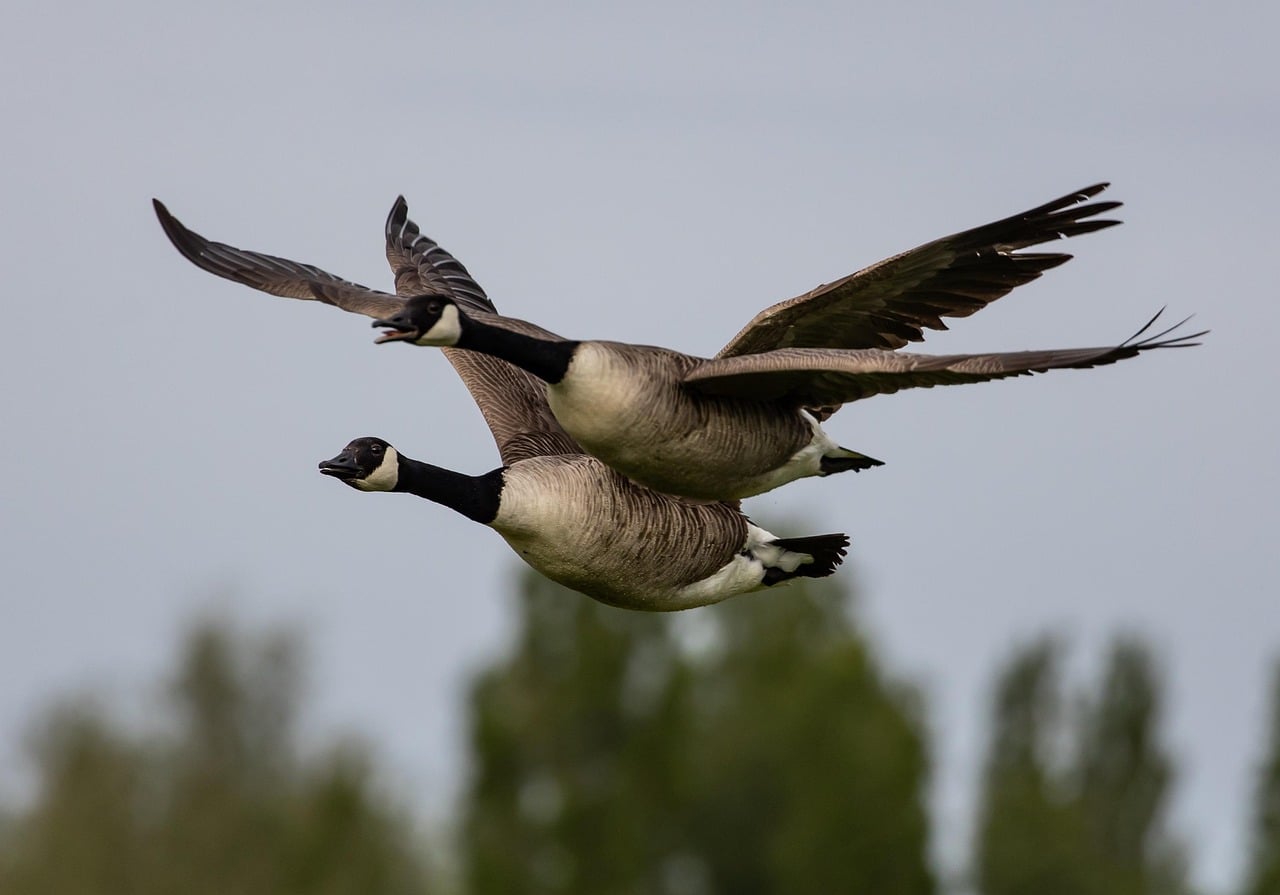
Although resident Canada geese stay in one place year-round, migratory geese start preparing for a long journey. These are the ones you’ll see flying in formation, sometimes in a V-shape, as they head to the southern half of the United States.
In the fall, migratory geese will gather in a bigger group – from a couple hundred to tens of thousands – at resting spots along their journey south. Drake calls this “flocking up,” and it helps the birds protect themselves from predators like foxes and coyotes while they’re resting. A large group means more birds to play lookout; looking at so many birds at once can also overwhelm and confuse predators.
Beavers: The Autumn Construction Crews
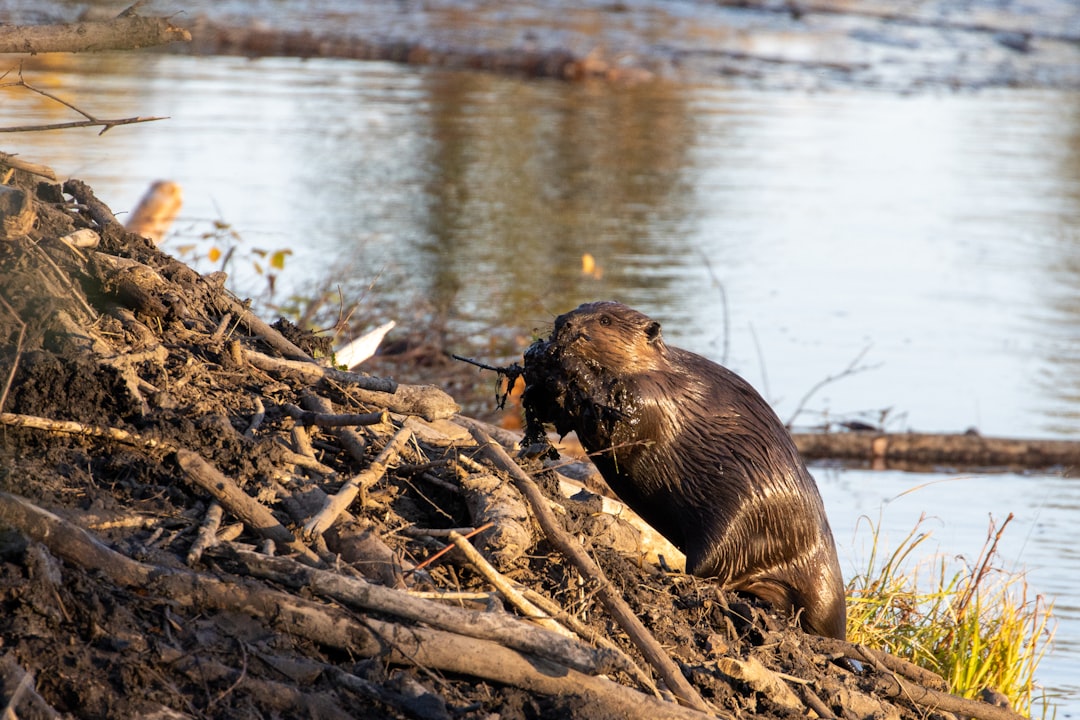
Talk about busy beavers! Once fall hits, these animals are busy inspecting and repairing any damages to their lodges to prep for winter. They’re basically running nature’s most efficient home renovation business, except they work for room and board instead of hourly wages.
Beavers don’t just patch up their homes; they’re also stockpiling food like aquatic preppers. They cut down trees and store branches underwater near their lodges, creating natural refrigerators that keep their woody meals fresh throughout the frozen months ahead. Their autumn work ethic would put most contractors to shame!
White-Tailed Deer: The Rutting Romantics
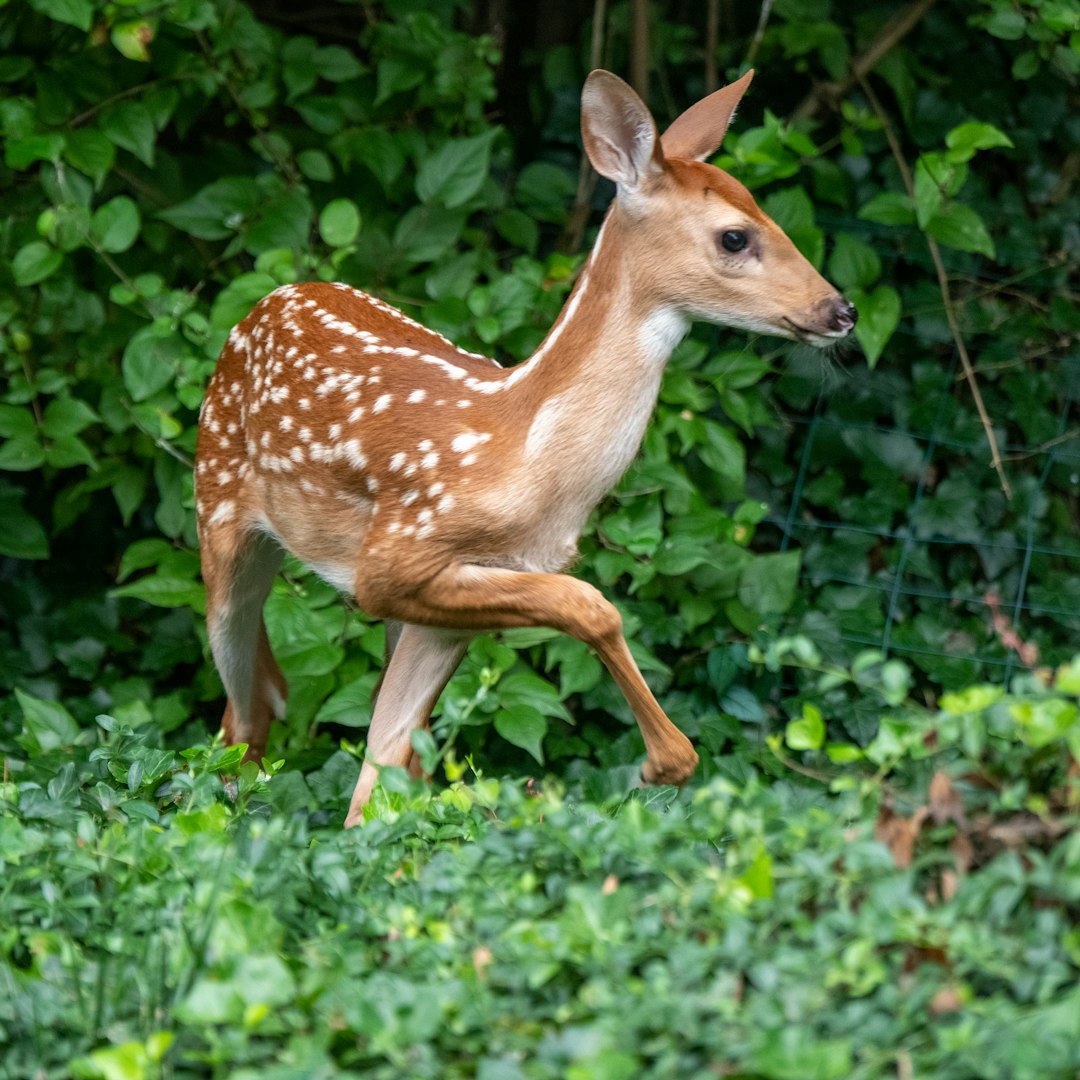
The whitetail deer of the Midwest go through an important mating ritual every fall called the “rut.” During this time, from mid-October through December, buck behavior changes as they work to secure mates. Picture nature’s version of a bachelor competition show, complete with antler displays and territorial posturing.
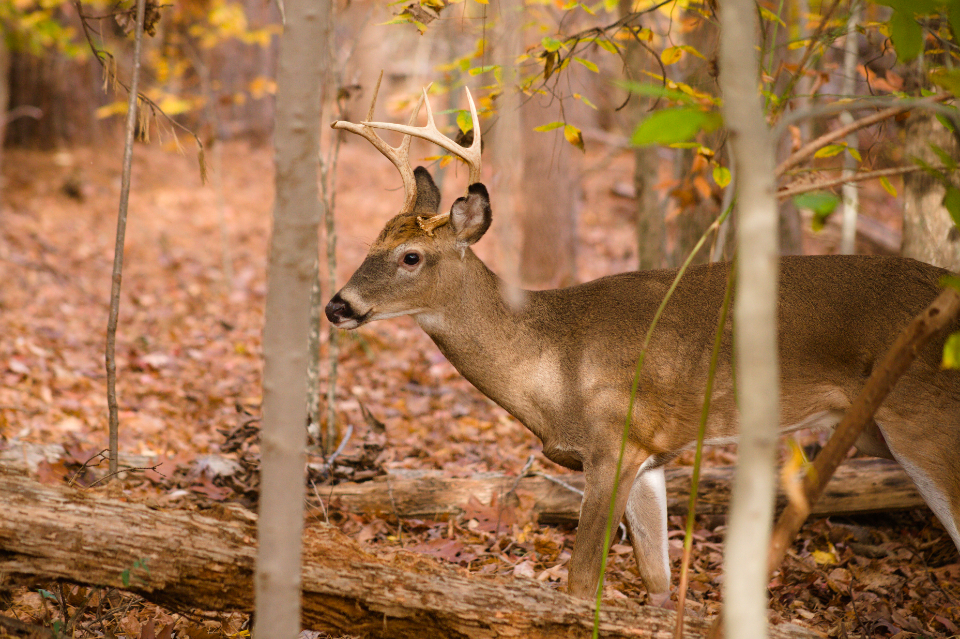
Deer, elk, and moose also go through important mating rituals in the fall. To compete for females, stags will physically fight one another, thrashing each other with their antlers until a winner prevails. The forest becomes a battleground where romance and rivalry collide in spectacular fashion. Many avid hikers know to keep away from stags during this autumn mating season. Stags can become very aggressive and territorial during the fall as they prepare to fight for a mate.
Wild Turkeys: The Thanksgiving Survivors
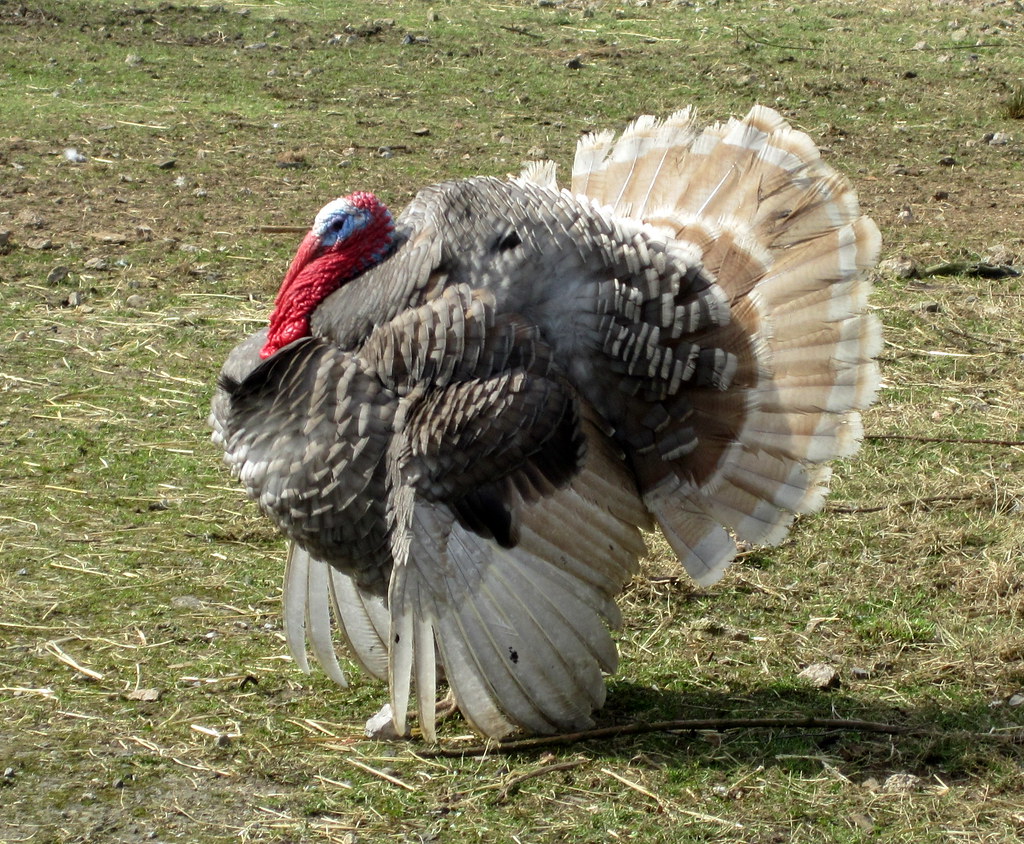
Wild turkeys also represent a conservation success story. In the early 1900s, wild turkeys were on the brink of extinction, with only about 200,000 left. Thanks to conservation efforts over the past century, with funding from the Pittman-Robertson Act, the number of wild turkeys in the United States now exceeds 6.5 million, according to the National Wild Turkey Federation.
While they don’t migrate like many other fall species, wild turkeys are incredibly active during autumn as they search for acorns, nuts, and seeds to fuel up for winter. See toms and hens strut their stuff at many national wildlife refuges. Their impressive tail fan displays and gobbling calls add a distinctly American soundtrack to the autumn wilderness.
Raccoons: The Masked Midnight Marauders
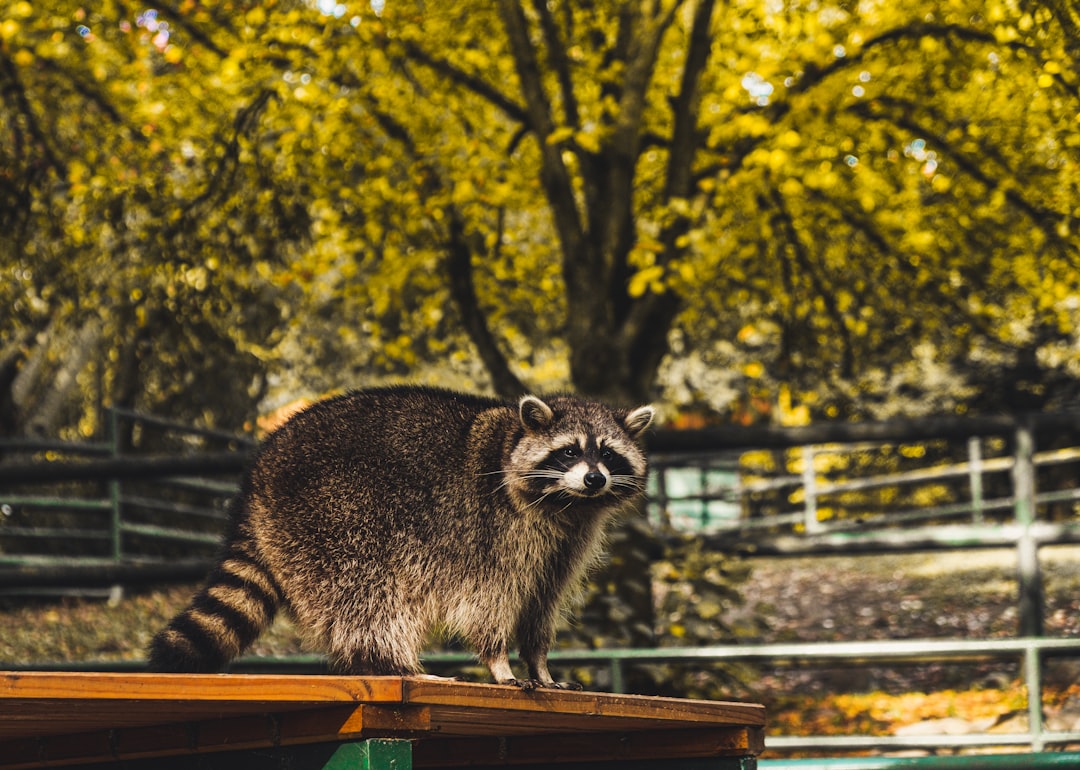
As autumn comes around and the weather cools, raccoons sense the temperature change and seek out a warm, safe place to nest. If they identify your home as an optimal place to spend the winter, they may attempt to enter it through various areas until they find one that works out for them; they possess the strength, intelligence, and tenacity to keep trying until they succeed.
These clever creatures become particularly bold during autumn’s food-gathering frenzy. Like many mammals, raccoons spend a lot of time sleeping during the winter, and many enter a deep sleep hibernation-like state called torpor. The main objective for raccoons in the fall is to prepare warm and cozy dens. Their autumn antics often bring them into close contact with humans, leading to legendary tales of overturned garbage cans and raided bird feeders.
Conclusion
America’s autumn wildlife creates a symphony of survival that’s both beautiful and urgent. From the haunting bugle of elk to the frantic acorn-gathering of squirrels, each species responds to fall’s changing rhythms in their own remarkable way. These animals don’t just survive autumn – they embody its wild energy, transforming landscapes into theaters of natural drama.
Next time you step outside during fall, remember you’re witnessing one of nature’s greatest performances. The creatures around you are writing their own stories of preparation, migration, and adaptation. What do you think about these incredible autumn transformations? Tell us in the comments.
