

Every cat owner thinks they know their feline companion inside and out. You’ve mastered the art of opening cans at precisely 5:47 AM, you’ve learned to interpret the difference between their hungry meow and their demanding-attention meow, and you’ve accepted that your favorite chair now belongs to someone with four paws and an attitude. Yet despite our best intentions, there are countless subtle desires our cats harbor that we completely miss.
These aren’t the obvious things like food, water, or that cardboard box they inexplicably prefer over their expensive cat bed. These are the nuanced preferences, the secret delights, and the often-overlooked behaviors that could transform your relationship with your whiskered roommate. Let’s dive into the hidden world of feline desires and discover what your cat has been trying to tell you all along.
Slow Blinking Conversations
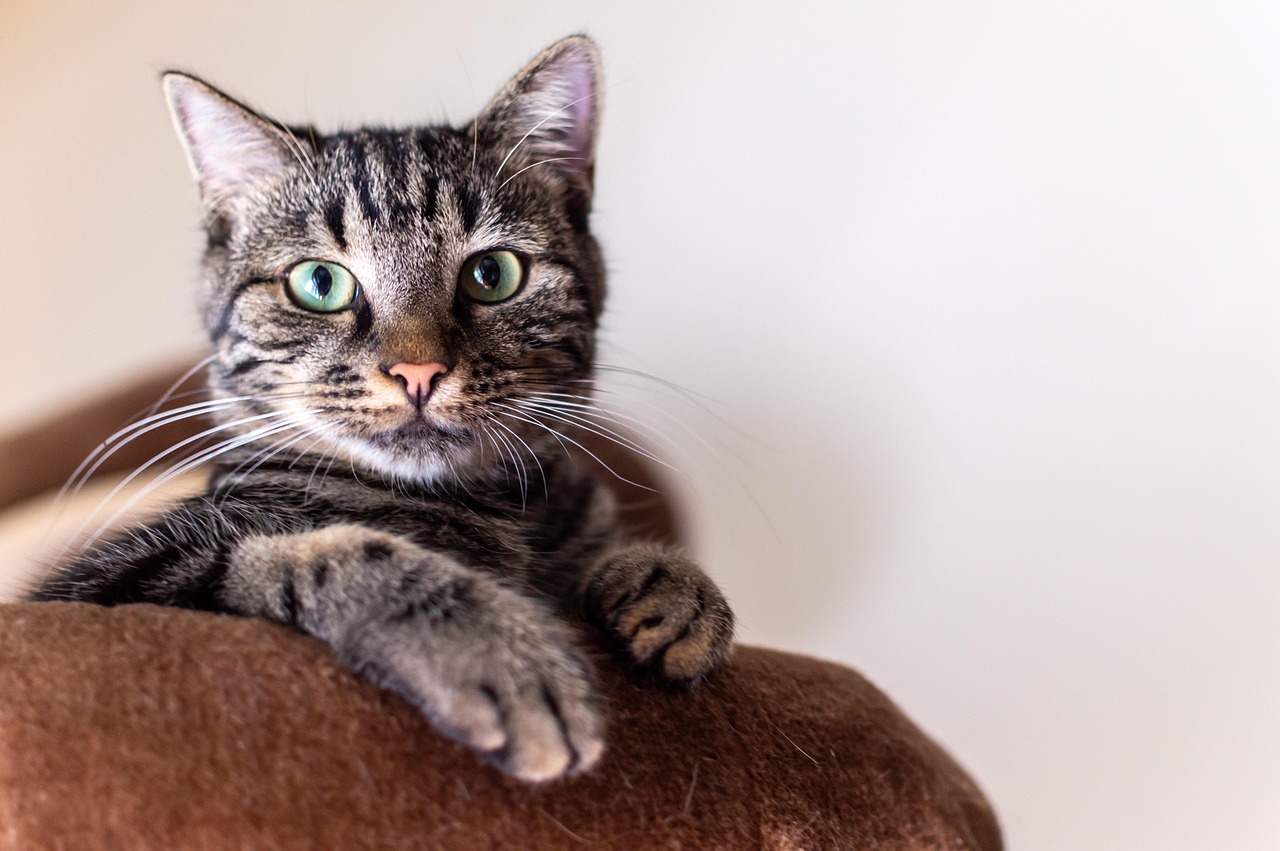
When your cat looks at you and blinks slowly, it’s their version of a kiss and shows trust and affection. This subtle gesture is one of the most profound ways cats communicate love, yet most owners either miss it entirely or don’t know how to respond. If a cat makes eye contact and slowly blinks at you, try slowly blinking back as this indicates they feel safe and comfortable in your presence.
Think of it as a secret handshake between you and your cat. While humans might wave or say hello, cats offer these gentle, deliberate blinks as their way of saying “I trust you completely.” The magic happens when you return the gesture, creating a moment of pure connection that strengthens your bond in ways that surprised even researchers.
Running Water Worship
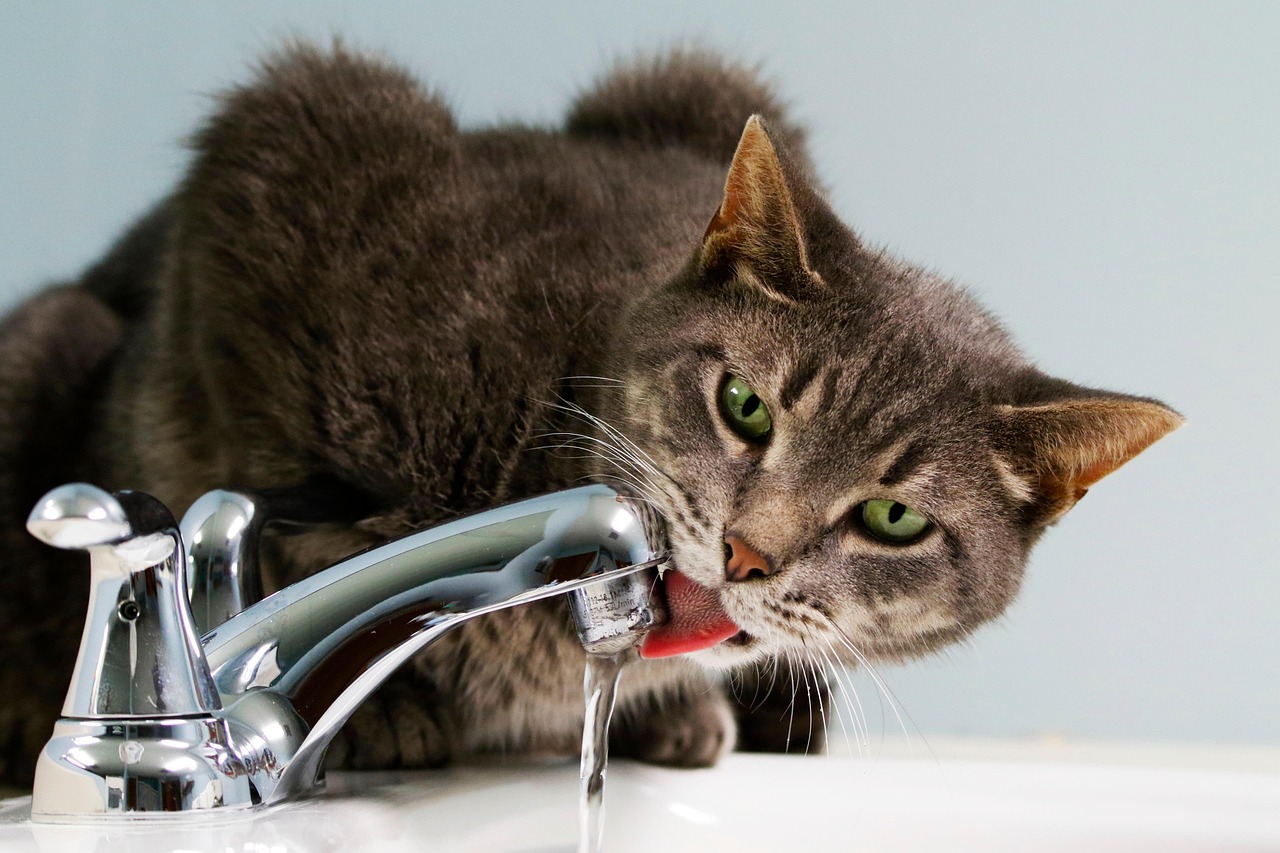
This behavior actually originates from your feline’s wildcat ancestors, as it’s safer to drink from running water sources like rivers than stagnant water that could harbor bacteria. Cats are notoriously picky drinkers who prefer running water over stagnant bowls, and this love for running water comes from their ancestors who preferred running water as cleaner and more trustworthy.
Most owners provide a simple water bowl and call it a day. However, installing a pet water fountain or even leaving a bathroom faucet dripping can dramatically increase your cat’s water intake. This isn’t just a preference, it’s a health necessity that many cats communicate by pawing at faucets or drinking from unusual places like bathtubs or plant saucers.
Puzzle Feeding Adventures

Cats are natural hunters who appreciate a challenge when it comes to their meals, and interactive feeders or puzzle toys can mimic the hunting experience while stimulating their minds. It’s a fun way to keep them entertained and mentally sharp by turning meal times into a game that caters to their instincts.
Simply placing food in a bowl ignores millions of years of evolutionary programming. Cats are designed to hunt, stalk, and work for their meals. Puzzle feeders, treat balls, or even hiding small portions of food around the house can transform mealtime from a mundane routine into an engaging adventure. The mental stimulation this provides often reduces behavioral problems and increases overall satisfaction.
Massage and Gentle Touch Therapy
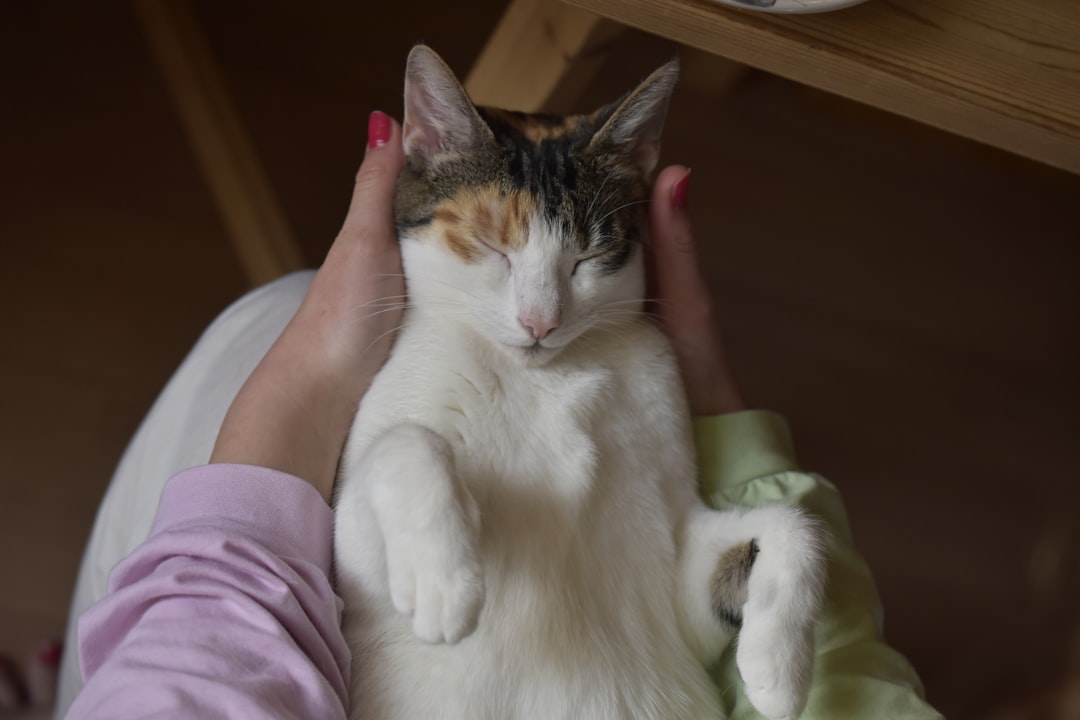
Regular, gentle massages targeting the head, neck, and shoulders ease tension and build trust, with slow, circular motions near the ears and soft kneading down the spine mimicking a mother’s grooming. Watch for purring and kneading as signs your cat enjoys the experience, keeping sessions short initially and gradually extending as your cat becomes comfortable, as these moments build trust and provide health benefits.
Most petting sessions focus on whatever feels good to humans, but cats have specific preferences for touch that mirror the grooming they received as kittens. Gentle circular motions around the temples, soft strokes behind the ears, and light pressure along the neck can create a spa-like experience that many cats crave but rarely receive.
Vertical Territory Exploration
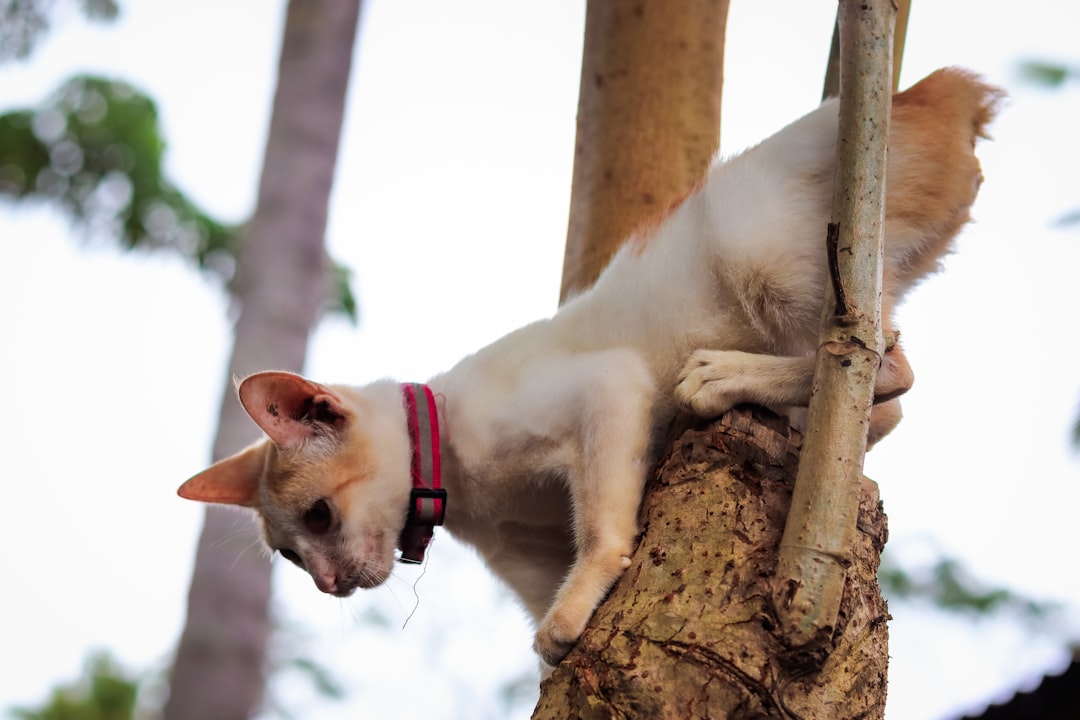
The African wildcat evolved to hide high in trees to watch for prey and escape to high places where large predators can’t follow, and jumping and climbing to high places continues to be normal behavior for domesticated cats. Cats are natural climbers who enjoy surveying their domain from above, and high perches offer them the vantage point they instinctively crave while providing security.
Cat trees are a start, but truly satisfying a cat’s need for height means thinking three-dimensionally about your living space. Wall-mounted shelves, tall bookcases with accessible levels, or even designated climbing areas can provide the elevated territory cats naturally seek. This isn’t just about play, it’s about giving them the security and control they need to feel truly at home.
Window Entertainment Centers
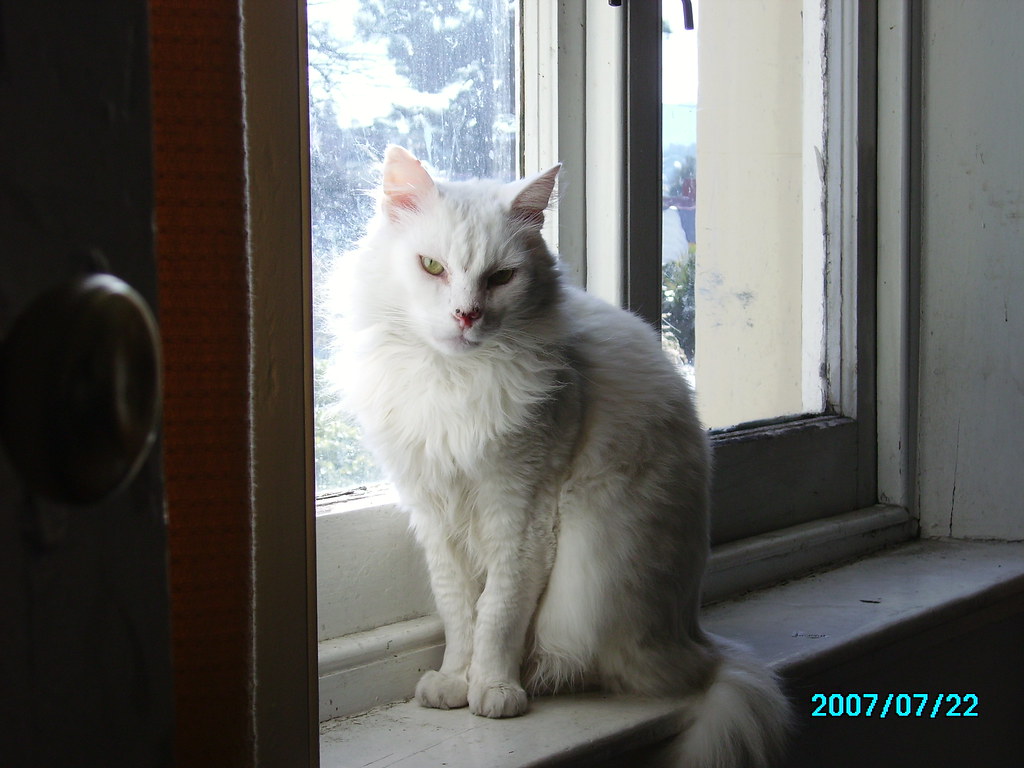
The world outside is a source of endless fascination for cats, as birds, cars, and passersby provide entertainment and mental stimulation. Cats are notorious bird enthusiasts who view it as the ultimate form of reality TV, and even indoor cats can enjoy watching birds through windows.
A simple window perch might seem like basic cat furniture, but it’s actually a gateway to hours of entertainment. Consider which windows offer the best views and at what times of day. Morning windows might showcase bird activity, while afternoon spots might capture neighborhood foot traffic. Some dedicated cat parents even install bird feeders outside specific windows to create a personal nature channel for their feline audience.
Routine and Consistency Comfort
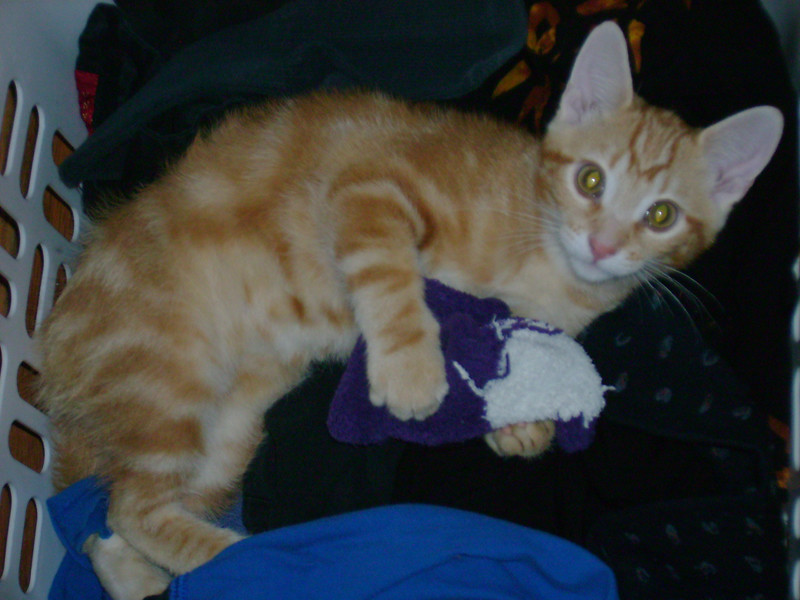
Cats don’t want a wide variety of food, bedding or activities as they thrive in a stable environment, and providing consistent food, water, shelter and enriching toys helps build trust. Cats thrive on consistency and want their meals every day at the same time, with consistency reigning supreme as cats prefer predictable schedules starting with meals.
While humans often crave variety and spontaneity, cats find deep comfort in predictable patterns. This means feeding times, play sessions, and even your daily routines become important markers in their world. Cats who seem anxious or destructive often improve dramatically when their environment becomes more structured and predictable, even down to something as simple as consistently using the same route through the house.
Interactive Hunting Play Sessions
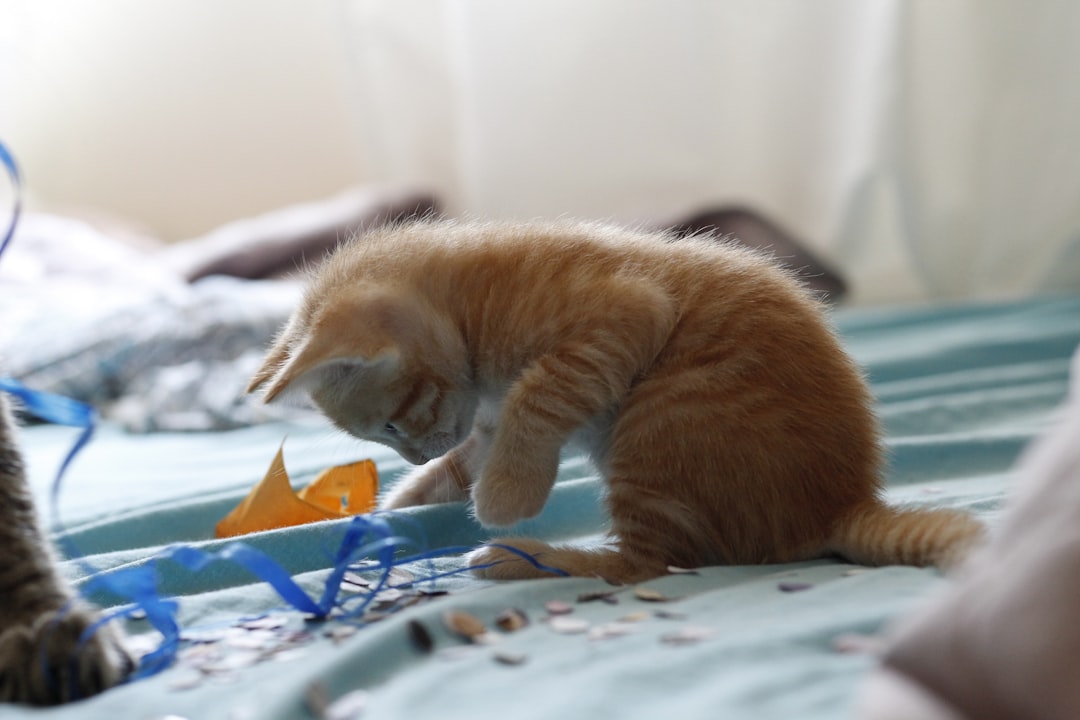
Cats are natural hunters who thrive on the thrill of the chase, and interactive playtime is crucial for their mental and physical health with toys like feather wands and laser pointers simulating the hunting experience. Interactive playtime is crucial for cats’ physical and mental health as they thrive on the thrill of the chase, with engaging toys mimicking hunting excitement.
Most play sessions end abruptly when humans get tired, but cats need a proper “hunt sequence” to feel satisfied. This means stalking, pouncing, catching, and then “eating” (treat time). A proper play session should end with the cat successfully “catching” their prey, followed by a small meal or treat to complete the natural hunting cycle that leaves them mentally and physically fulfilled.
Scratching Surface Variety
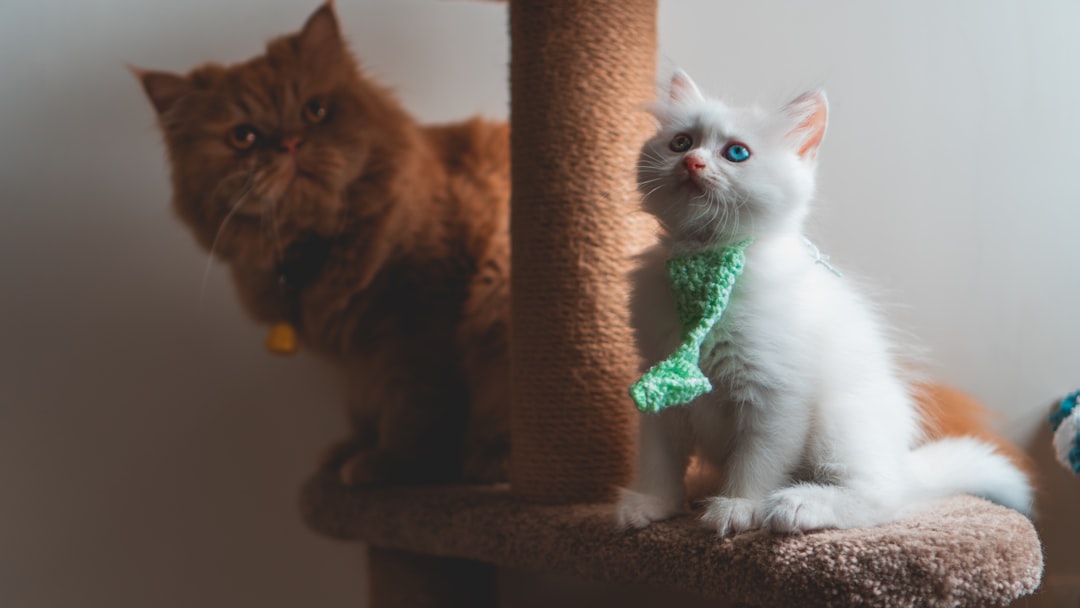
Scratching serves multiple functions including keeping nails healthy by removing the outer dead nail sheath and helping remove debris. Scratching is both an olfactory and visual way of marking, as there are scent glands in the paw pads, and it’s also a displacement behavior cats use to relieve emotions.
One scratching post in the corner doesn’t meet most cats’ diverse scratching needs. Cats prefer different textures, angles, and locations for scratching throughout their day. Some prefer vertical posts for full-body stretches, others love horizontal scratching pads for different claw angles. Providing options in materials like sisal, cardboard, and carpet in various locations gives cats the scratching variety they naturally seek.
Quiet Retreat Spaces
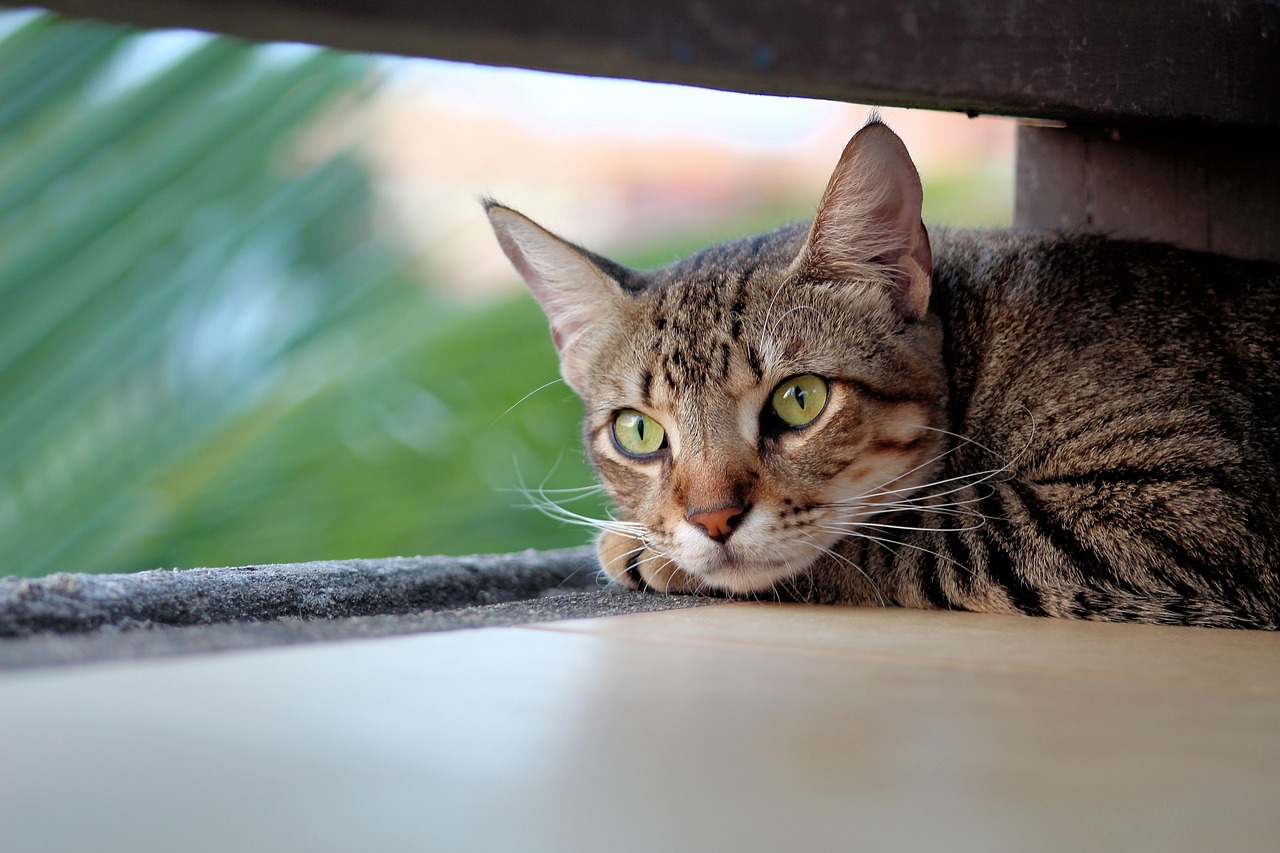
In the hustle and bustle of daily life, cats need calm surroundings to truly unwind, and providing them with a quiet, comfortable place to retreat is essential for their wellbeing. Whether it’s a soft blanket in a secluded corner or a cushy bed atop a shelf, ensuring access to tranquil spaces reduces stress and enhances mood.
Every cat needs a sanctuary where they can completely relax without interruption from children, other pets, or household activity. This might be a dedicated cat cave, a high shelf in a quiet room, or even a simple cardboard box in a peaceful corner. The key is ensuring this space remains consistently available and undisturbed, giving your cat somewhere to recharge when the world becomes overwhelming.
Understanding Their Communication Attempts

Cats learn specifically how their owners react when they make particular noises, and they’re much smarter than we give them credit for as they learn what works with what person. Scientists have identified more than a dozen different meows that cats make, each with its own meaning, and grown cats employ them solely to communicate with humans.
Your cat isn’t just randomly vocalizing or acting out, they’re trying to communicate specific needs and desires. Learning to distinguish between different meows, understanding what tail positions mean, and recognizing subtle body language cues can revolutionize your relationship. Cats who feel understood tend to be calmer, more affectionate, and develop deeper trust with their humans. This communication goes both ways – once you start responding appropriately to their signals, you’ll notice your cat becoming more expressive and engaged.
These hidden desires reveal a deeper truth about our feline companions: they’re far more emotionally complex and communicative than most people realize. The cats who seem aloof or demanding are often just trying to express unmet needs in the only ways they know how. By recognizing and responding to these subtle preferences, you’re not just making your cat happier – you’re unlocking a level of trust and companionship that transforms both of your lives.
What strikes me most about these overlooked cat preferences is how simple most of them are to implement. A dripping faucet, a window perch, or taking time to slowly blink back at your cat costs almost nothing but can dramatically improve their quality of life. The real question isn’t whether your cat has been trying to tell you something – it’s whether you’ve been listening. What secret message do you think your cat has been sending you?
