


The humble muskrat, often dismissed as little more than a pest, has captured the attention of scientists and conservationists worldwide. From the flooded marshes of the Great Lakes to the riverbanks of Canada, this unassuming rodent is being recognized as an “unsung hero” of wetland ecosystems. What makes this small, brown creature so special that researchers are now studying its behaviors with drone technology and considering it crucial to our environmental future?
The muskrat plays a pivotal role in shaping and maintaining the health of wetland ecosystems through its activities as an ecosystem engineer, influencing plant communities, water flow, nutrient cycling, and habitat availability for countless other species. As we face mounting environmental challenges from invasive species to climate change, the muskrat’s natural behaviors offer surprising solutions that have existed in nature for thousands of years.
The Unexpected Ecosystem Engineer
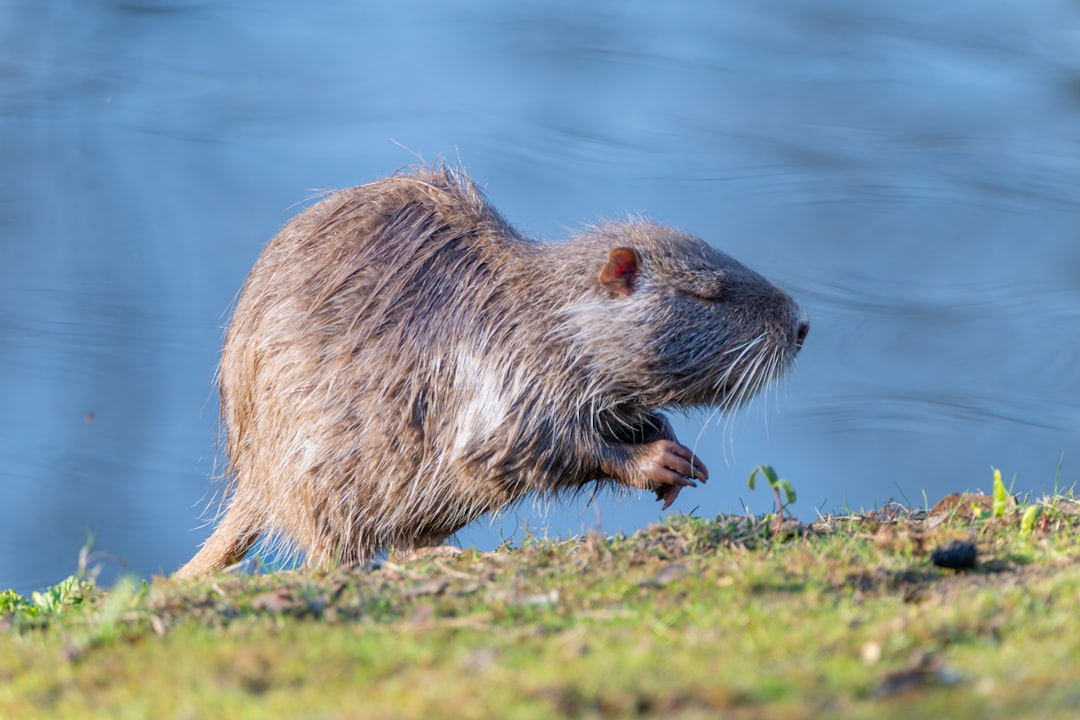
Picture a stocky, brown rodent about the size of a large rat or small rabbit, busily working underwater with the precision of a skilled gardener. As an ecosystem engineer, the muskrat influences its environment through herbivory, house building, and the creation of extensive activity networks. This isn’t simply random destruction or mindless grazing.
The muskrat’s diet primarily consists of aquatic plants, making it a keystone herbivore in wetland environments that prevents any single species from dominating through selective consumption, fostering diverse and healthy plant communities. Think of them as nature’s landscapers, constantly pruning and reshaping their watery domains. Their work creates what scientists call “ecological pruning” that maintains the delicate balance wetland ecosystems need to thrive.
Warriors Against Invasive Plants
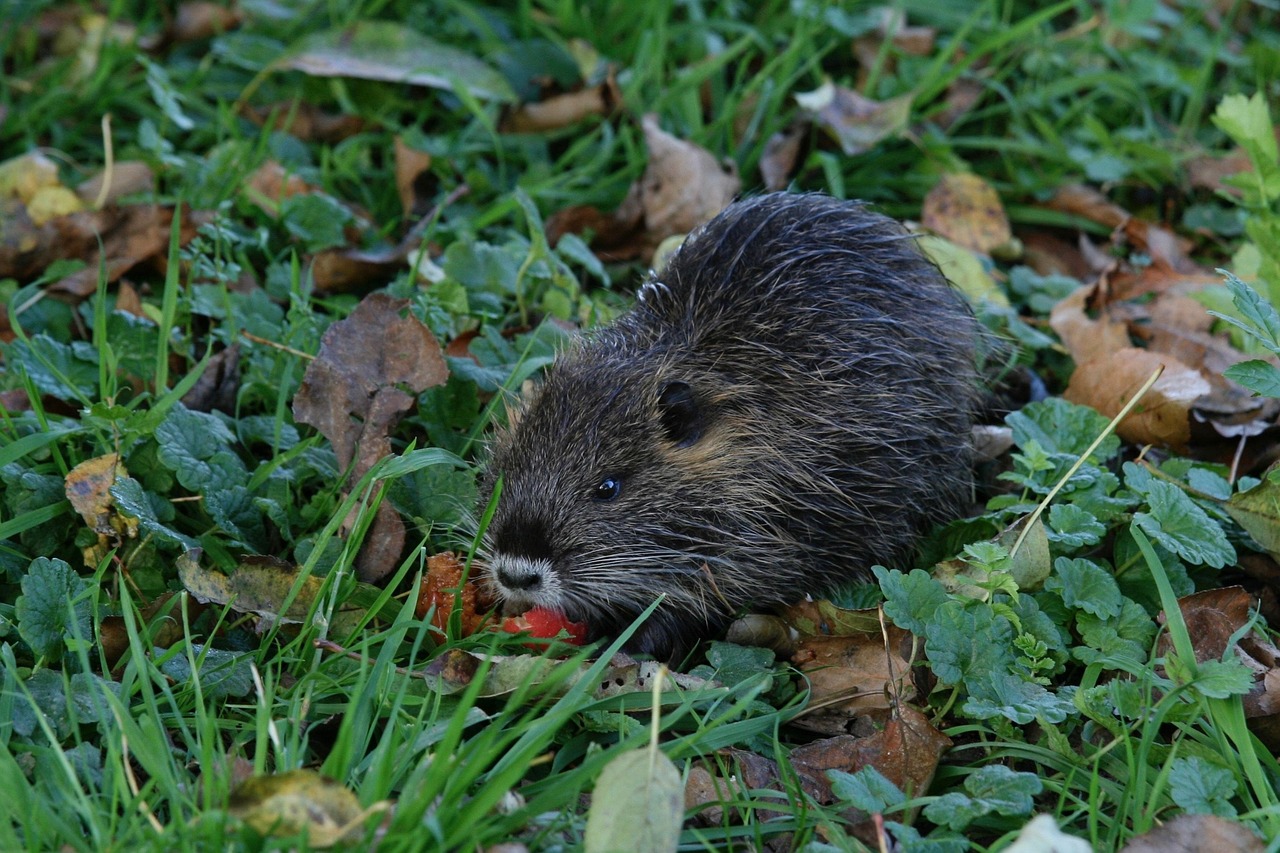
A new study has discovered that muskrats may play a crucial role in controlling invasive cattail plants in the Great Lakes, where non-native cattails have spread across wetlands for more than 100 years. These invasive plants have been around so long that most people assume they’ve always belonged there.
Because invasive cattails consume so many resources from local ecosystems, they leave very little for native plants, growing in dense stands where their leaves and stems pack together underwater, making it hard or impossible for fish and invertebrates to pass through them and reducing biodiversity. Research using drones to map muskrat lodges found the animals were clearing out cattails and European frogbit, creating space for native plants to grow back.
Superior Natural Methods
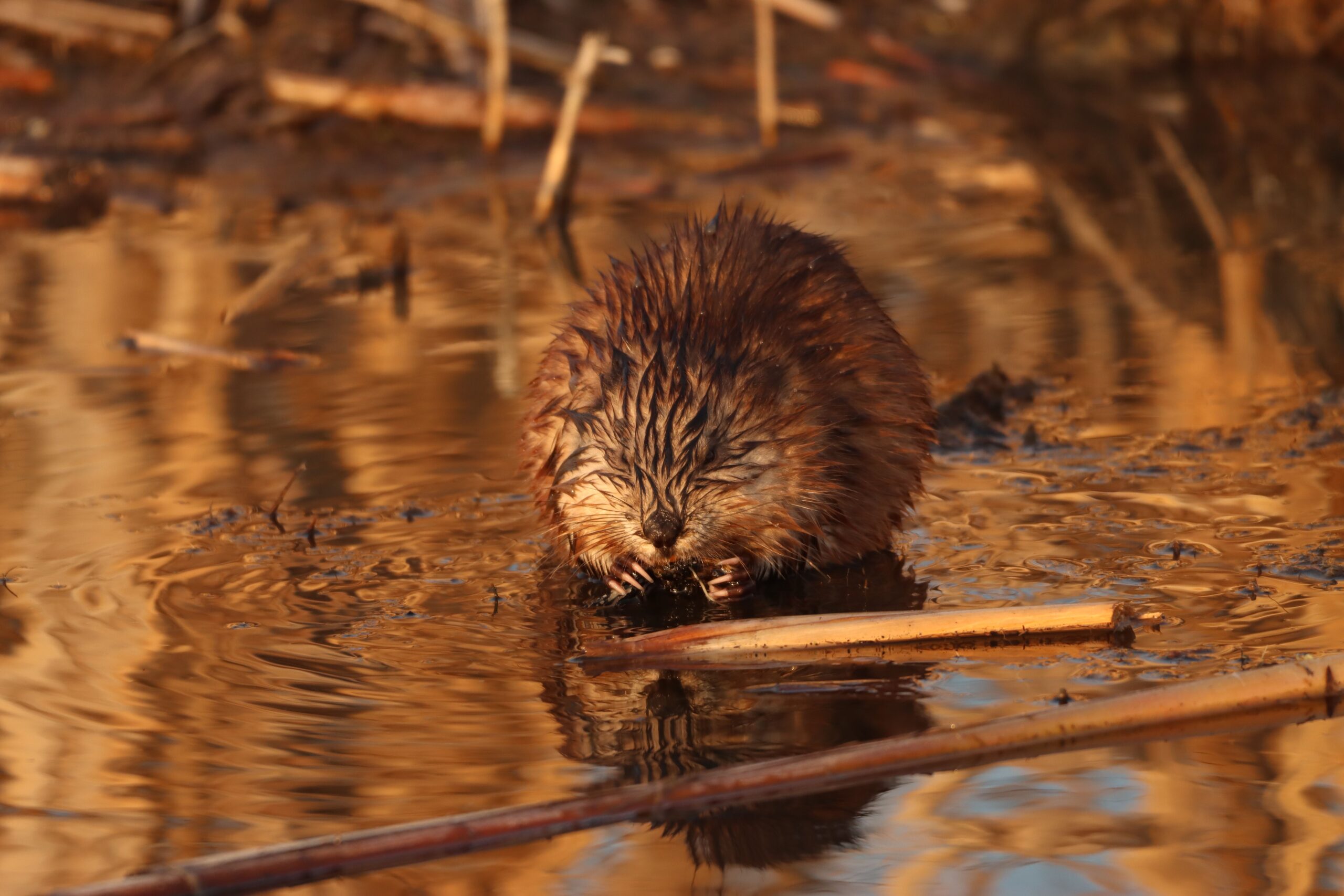
Scientists decided to test whether human intervention could replicate what muskrats do naturally. When researchers tried underwater weed-whackers and herbicides, they achieved success in cutting invasive plants, but human intervention lacked the added environmental benefits muskrats provide, such as clearing up dead plant material.
Muskrats did something extra that mechanical methods couldn’t: they cleaned up dead plant material that helps cattails spread even more, and did a better job removing European frogbit than human methods. Muskrats naturally harvest cattails by cutting them below the water level, which is important because the stems act like snorkels providing oxygen to roots, and cutting stems below water essentially drowns the cattail. Nature, it seems, has perfected techniques that our technology still struggles to match.
Living Construction Workers
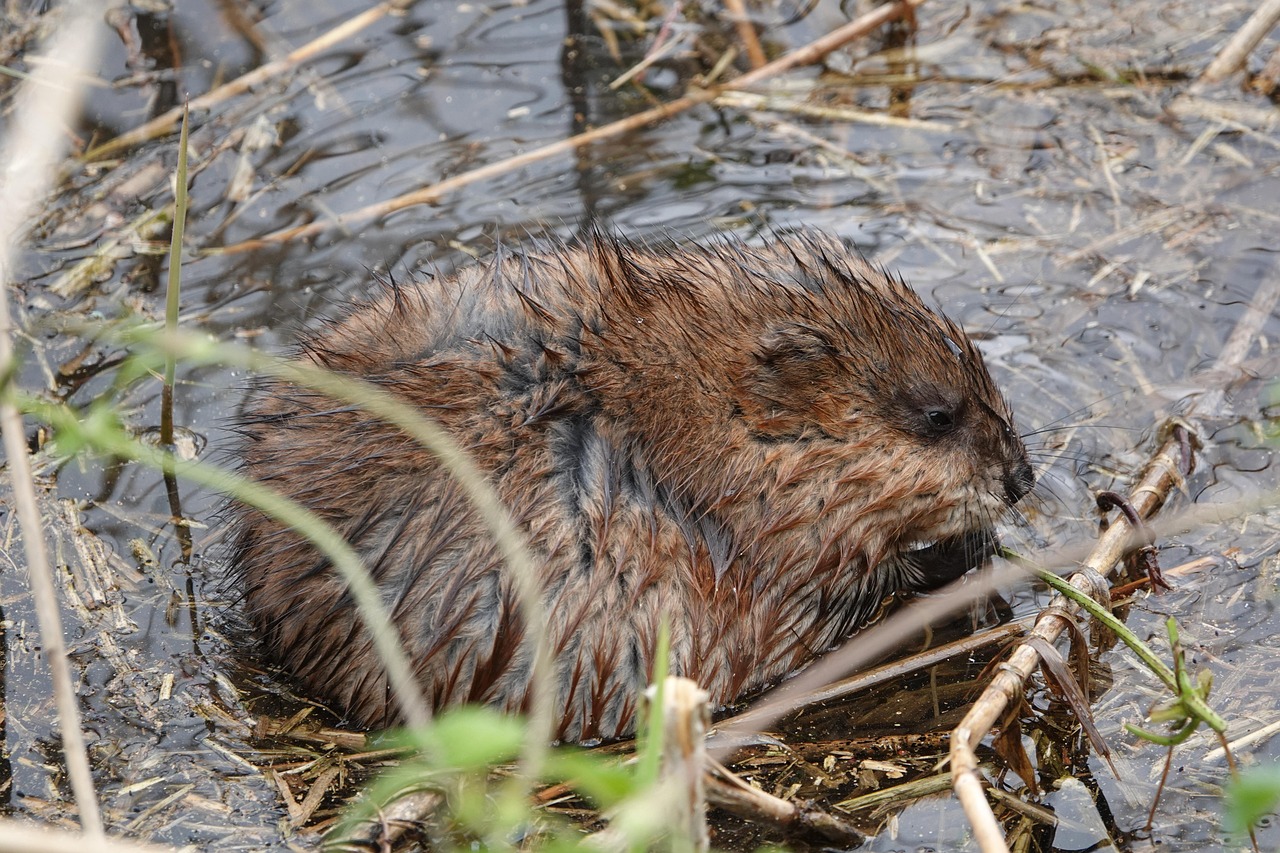
Muskrats are constantly digging and tunneling, creating extensive networks of underwater channels and burrows that provide crucial access to food resources and escape routes from predators while improving water circulation within wetlands. These aren’t random holes in the mud, but carefully constructed infrastructure that benefits the entire ecosystem.
The construction of houses by muskrats creates topographic heterogeneity in the landscape, specifically locally elevated habitats that may allow less flood tolerant and more facultative wetland plants to occur. These activity networks act as conduits for seed dispersal, helping plants colonize new areas and recover from disturbances by moving seeds around. Essentially, they’re running a free seed distribution service throughout their territories.
Nutrient Cycling Champions
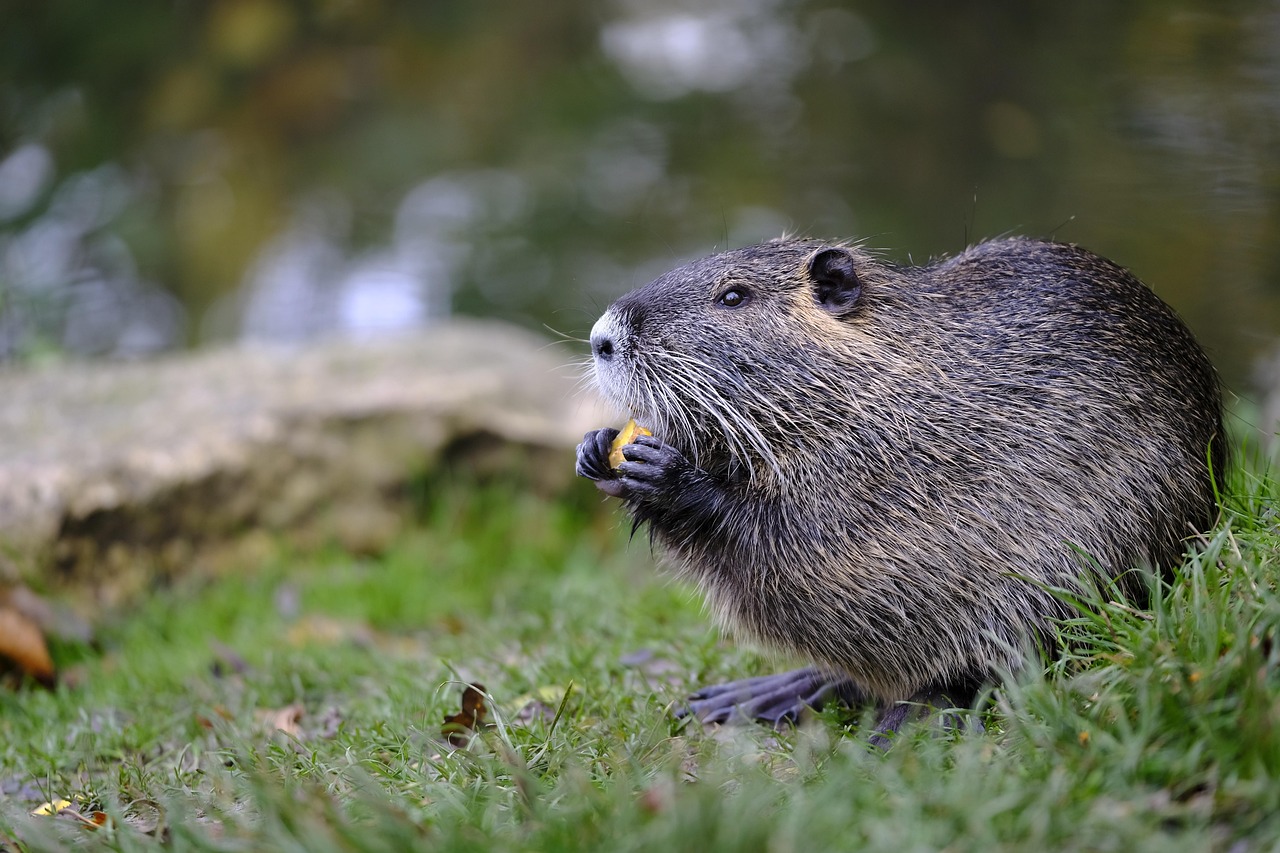
The act of gathering materials for lodge construction contributes to nutrient cycling, as muskrats move vegetation and redistribute nutrients within the ecosystem, enriching the soil and water. This process is like having a natural fertilizer delivery system operating around the clock.
Soil saturation mediates the biodiversity impacts of muskrats, with intermediate moisture levels resulting in the highest species richness, and their activity combined with hydrology has a compensatory effect on plant biodiversity loss associated with non-native cattail invasion. They’re not just moving dirt and plants around randomly. They’re creating the perfect conditions for maximum biodiversity to flourish.
Ancient Wisdom Meets Modern Science
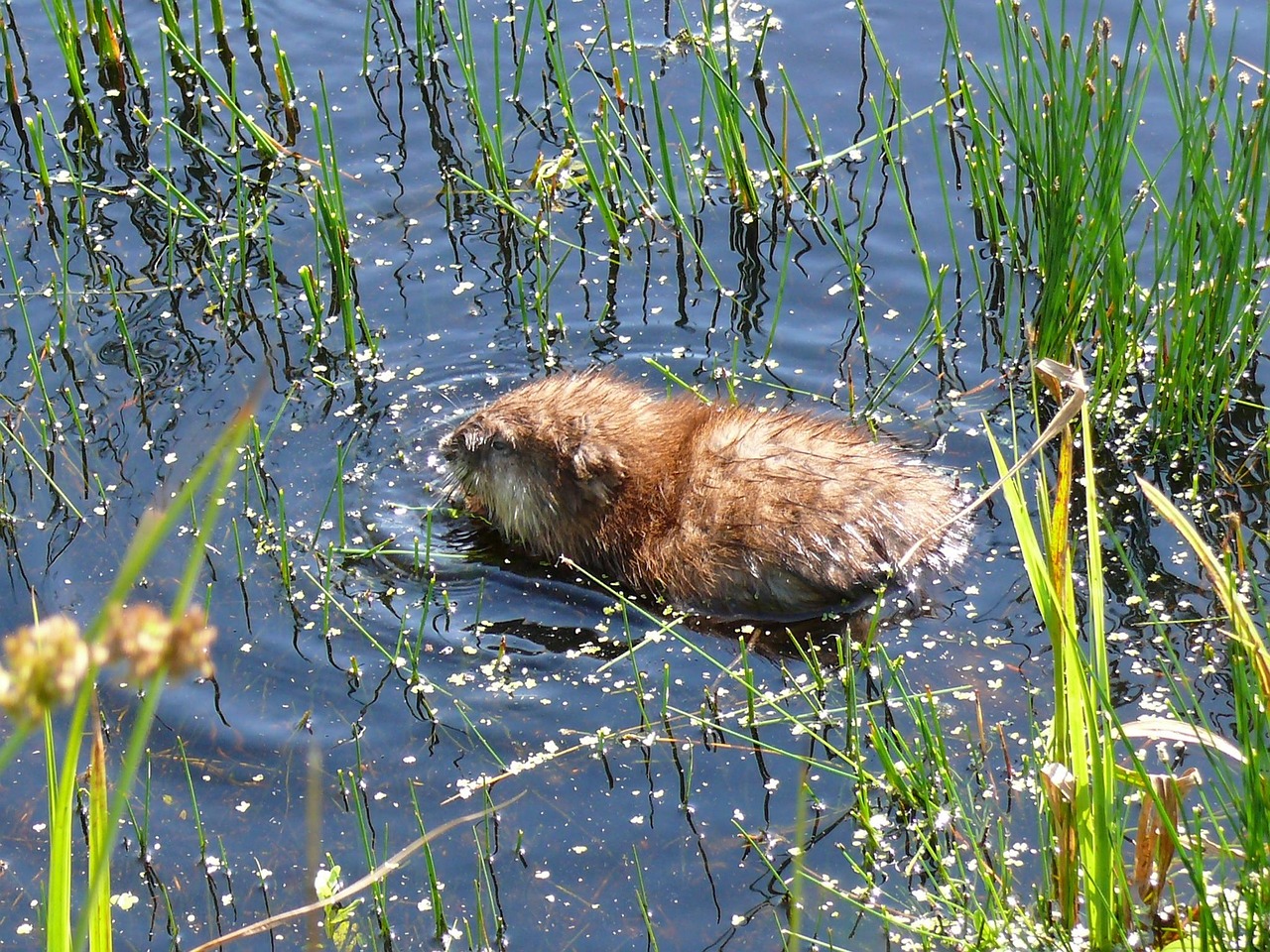
The significance of the muskrat isn’t some new discovery, as Indigenous communities have known about this for ages, with their creation stories highlighting the muskrat’s foundational impact on shaping landscapes. These important aquatic rodents transform habitats in many ways that some communities, like Native Americans, have appreciated for thousands of years, and Western science is just now discovering that importance.
In the creation stories of the Great Lakes Ojibwe Nations, Wazhashk – the muskrat – gives its life to collect a ball of mud from the depths, forming the island on which life can survive. What once seemed like folklore now appears to contain profound ecological truth. The stories told around fires for generations were actually documenting sophisticated environmental science.
Climate Change Indicators
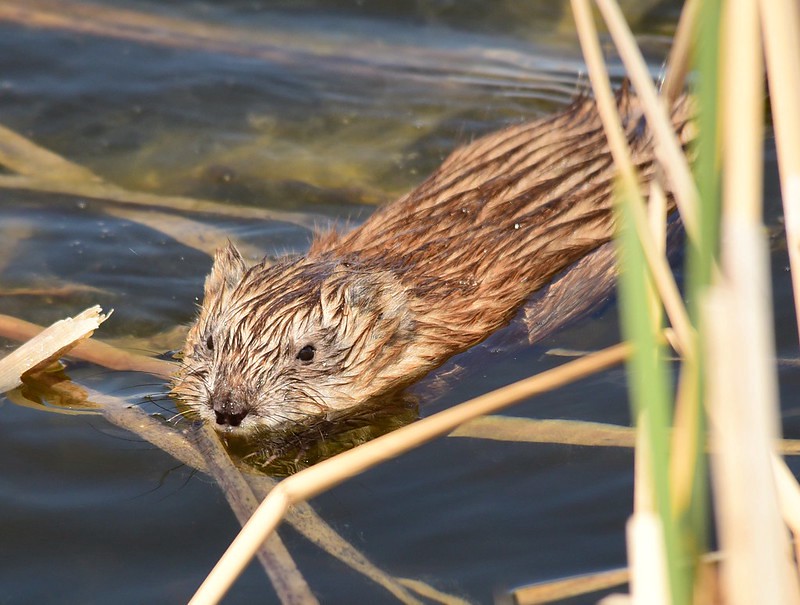
A little muskrat in northern Canada serves as an indicator of human impacts at local, regional and global levels, as climate change and dams have changed the ability of this species and many plants, animals and people who depend on the same ecosystem to thrive. Their populations tell us stories about the health of entire watersheds.
Because muskrat behavior and dispersal are so closely linked to freshwater distribution and abundance, their genetic data offers hard evidence for how changes in the aquatic environment have affected a real population over time. They’re like living environmental monitors, their presence or absence revealing the hidden health of wetland systems across vast landscapes.
Conclusion
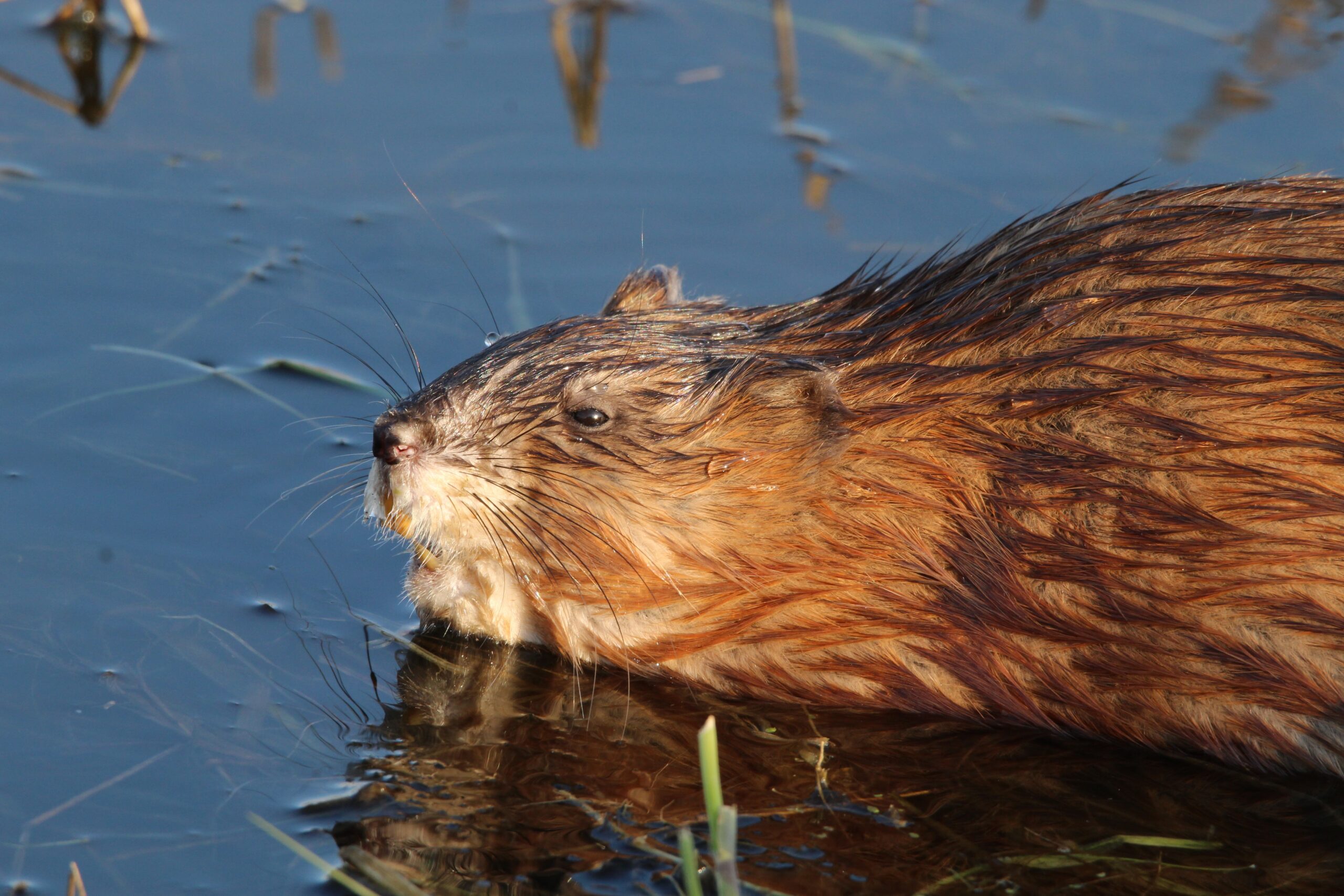
A devoted team of researchers has proved just how valuable muskrats are for Great Lakes ecosystems, encouraging people to appreciate these often-overlooked creatures and their role in maintaining ecosystem function and biodiversity. The muskrat is a vital component of wetland ecosystems whose activities as an ecosystem engineer shape the landscape, promote biodiversity, and contribute to the overall health and resilience of these valuable habitats.
Unfortunately, muskrat numbers across North America are dropping, with a 2019 study finding muskrat population declines of 38% between 1970 and 2017. Perhaps it’s time we stopped seeing these remarkable creatures as pests and started recognizing them as the environmental heroes they truly are. What would you have guessed about a creature most people barely notice?
