


The bear stands at the peak of the food chain, a towering symbol of wilderness dominance. With claws that could rip through steel and a bite that could crush bone, these apex predators seem almost invincible. Yet nature has crafted some remarkable animals that refuse to back down when confronted by these massive carnivores.
These fearless creatures don’t just survive encounters with bears, they actively challenge them. From the deadly precision of big cats to the surprising courage of smaller predators, the animal kingdom is filled with species that have what it takes to face down one of nature’s most formidable hunters. Let’s explore these remarkable animals that dare to challenge the bear.
Siberian Tigers: The Ultimate Bear Hunters
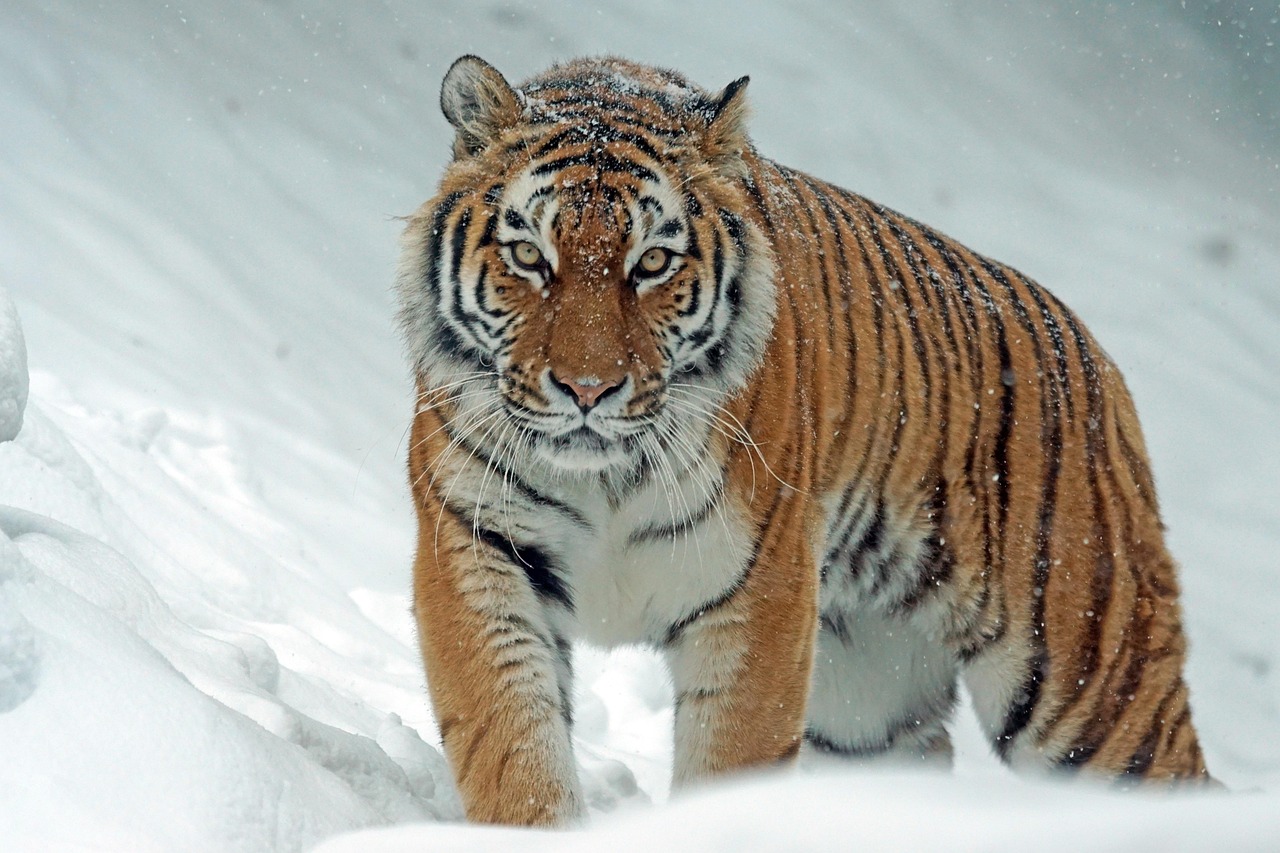
Encounters between Siberian tigers and brown bears happen regularly in parts of Russia, where tigers have been known to stalk, ambush, and kill bears. These magnificent cats, weighing up to 660 pounds, rely on stealth, speed, and precision to take down their prey. Unlike bears, tigers attack by ambush, using their tail to balance and launch from cover, going straight for the throat or neck to kill quickly.
What makes this confrontation so fascinating is the clash of hunting styles. A tiger in the jungle could stalk and strike before a grizzly reacts. The tiger’s agility, precision, and stalking ability are nothing to overlook. A hungry tiger can be relentless, and a defensive bear equally lethal.
African Lions: The Pride’s Fierce Defenders
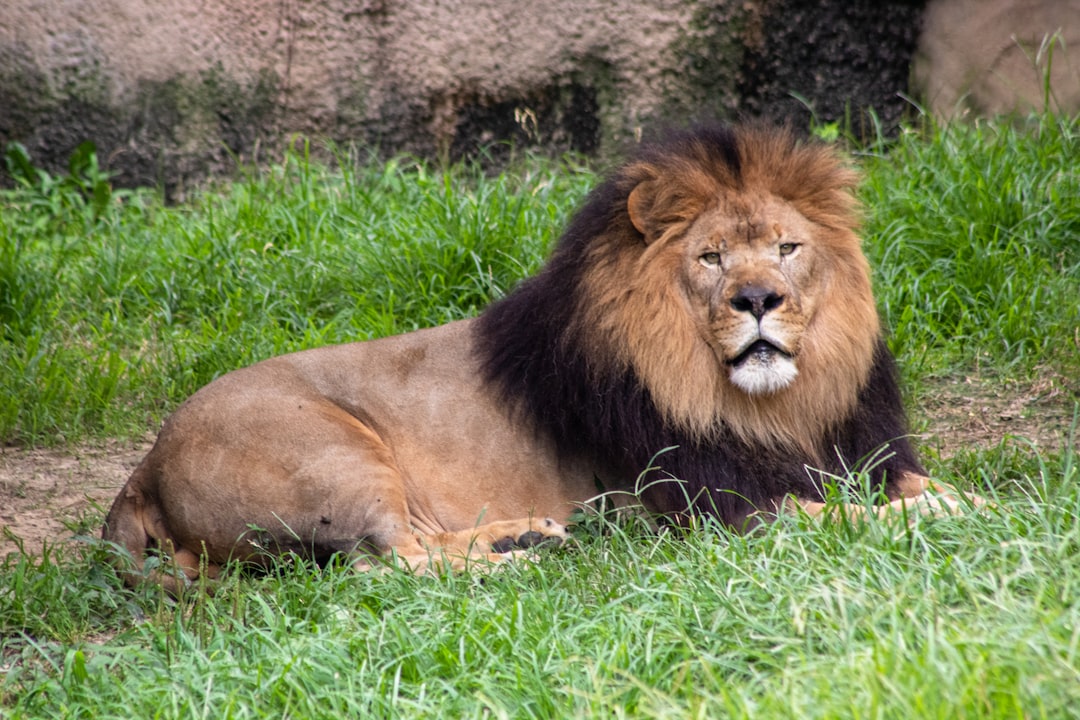
A grizzly bear can weigh up to 800 pounds while an African lion tops out around 420 pounds. Despite this significant weight disadvantage, lions possess qualities that make them formidable opponents. Lions stay low, agile and coiled, ready to strike, more likely to aim for the neck and hold on.
In fights, lions tend to go for the kill quickly while bears often wear opponents down. Lions edge out in speed, agility, and kill-zone accuracy. Their coordinated hunting skills and pack mentality give them tactical advantages that individual strength alone cannot overcome.
Mountain Lions: Silent Shadows of Death
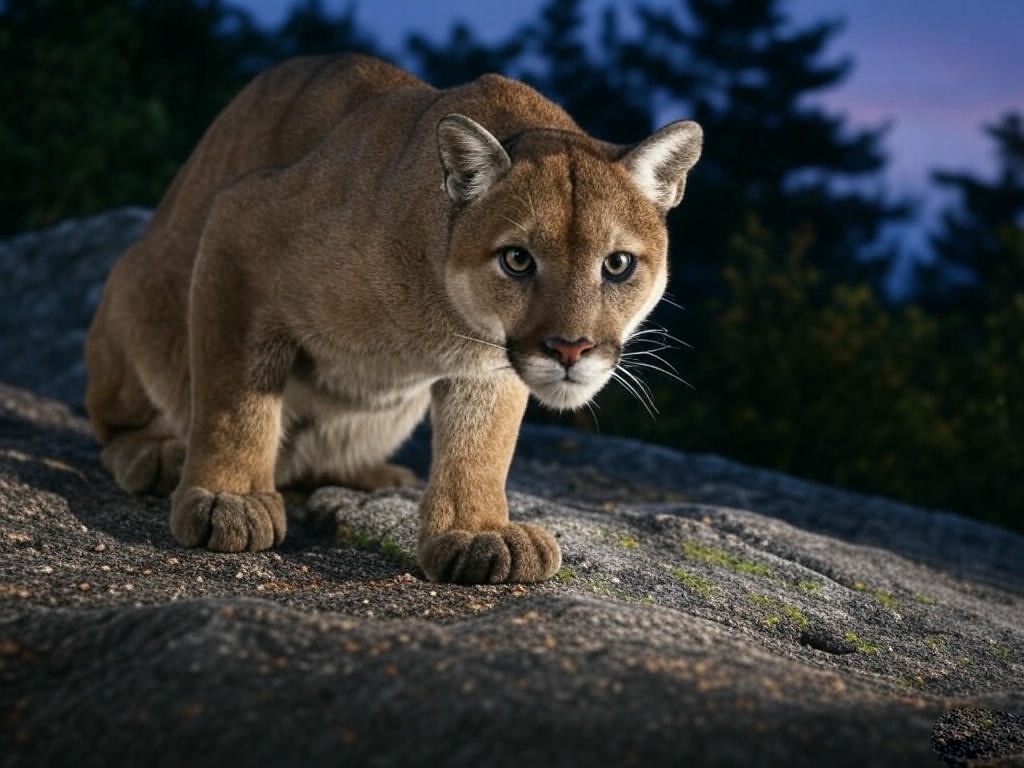
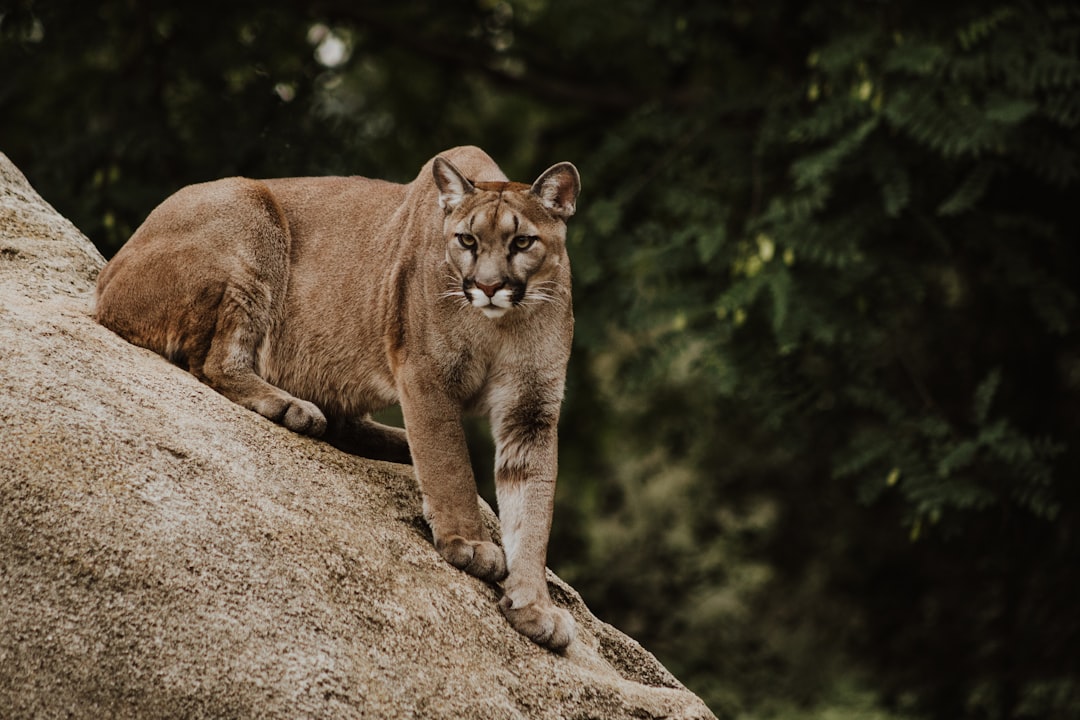
Mountain lions are a large cat species renowned for their expert hunting skills and impressive attack abilities, like their stealthy hunting skills. Cougars are known for their ambush hunting style, these silent stalkers are excellent at ambushing unsuspecting cubs with terrifying precision. In mountainous terrain where visibility is low and the terrain is rough, these stealthy predators can pose a real threat, stalking in the shadows and waiting for a single moment of opportunity.
When facing adult bears, mountain lions rely on hit-and-run tactics rather than prolonged battles. Mountain lions will usually flee when they perceive a threat. However, their superior climbing abilities and speed make them dangerous opponents when cornered or protecting their territory.
North American Bison: The Prairie Powerhouse
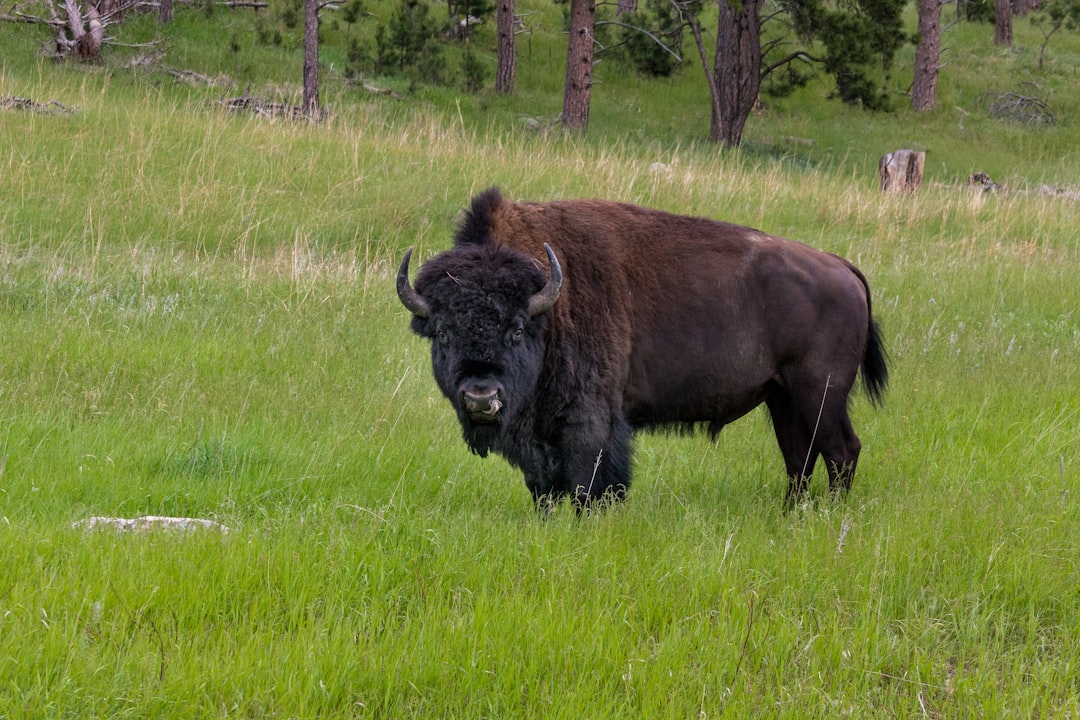
The bison of Yellowstone mainly feed grizzlies as carrion, but they sometimes fall prey to the bears, especially in the spring when bison weakened by harsh winters are more vulnerable. Bison are no easy prey: not for a grizzly, not even for a pack of wolves. Bison definitely win over grizzlies, as very large males can weigh 2,000 pounds, far beyond the weight league that the grizzly is in.
Those horns would be fatal to any bear alive on Earth. Bison use their horns to protect themselves against predators, and an attacked bison will charge, slash, and gore a predator if it can. Adult bison bulls possess the size, weaponry, and temperament to stand their ground against even the largest bears.
Moose: The Gentle Giants with Deadly Antlers
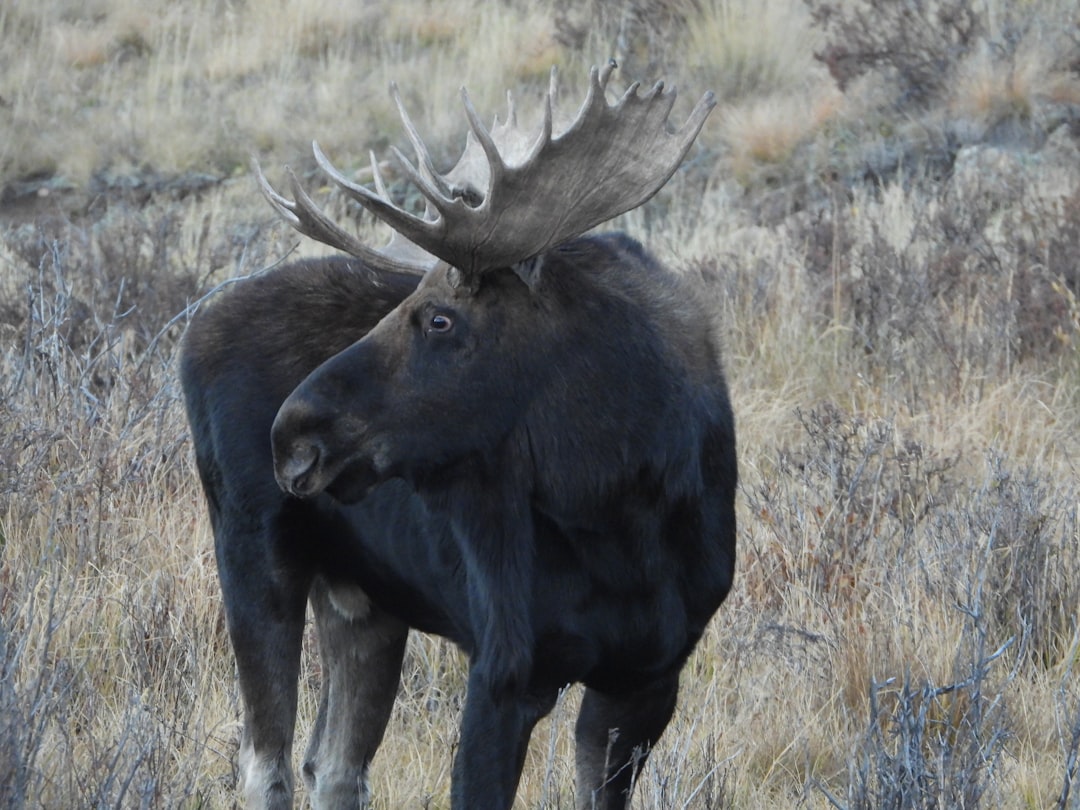
The Moose is typically taller than the Bison but lighter in weight, with adult males standing up to 6.5 feet tall at the shoulder and weighing around 1,500 pounds. Moose have broad and flattened antlers that can span up to 6 feet across. A bear would win a fight against a moose in the vast majority of cases, as bears know how to track down and kill moose when they are young and juveniles, and they’re also familiar with hunting and killing adult moose, too.
However, we mustn’t simply write off a fully grown moose from this battle. Bull moose during rutting season become incredibly aggressive and territorial. Their massive antlers and powerful kicks can deliver devastating blows to any predator brave enough to challenge them directly.
Pack Wolves: United We Stand
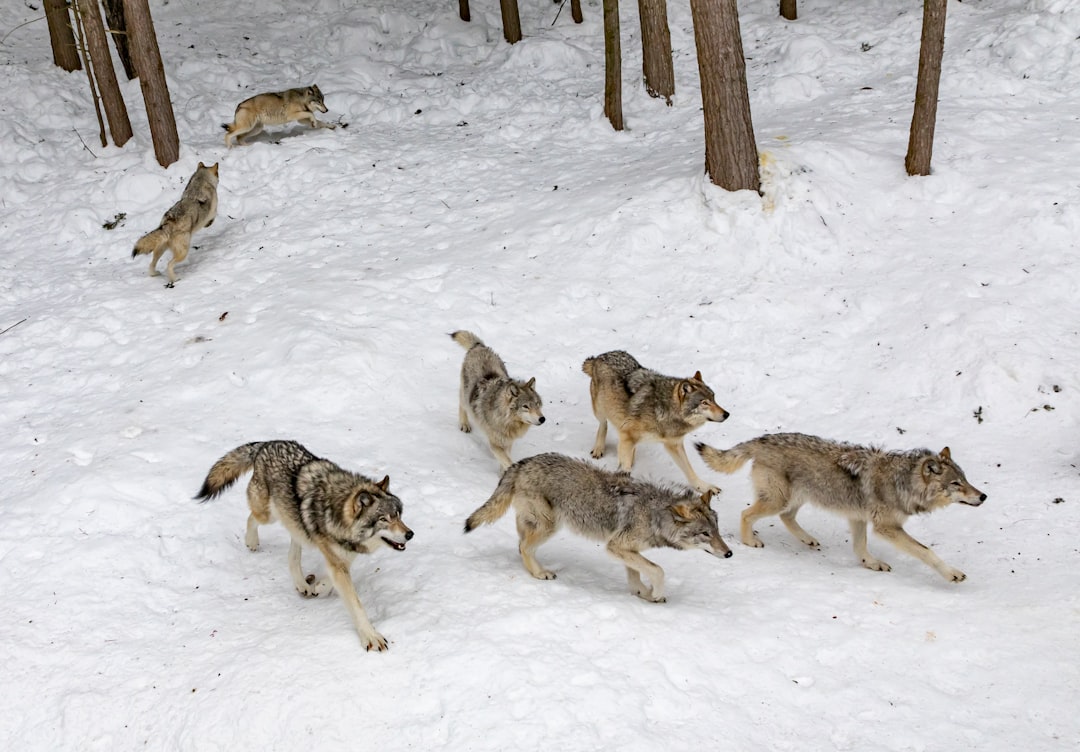
Wolves are opportunistic hunters, and one of the most common predators of bear cubs is wolves, though rare, when given the opportunity wolves seize it. Wolves often hunt in strategic packs, typically tracking cubs and waiting for an opportunity when a cub wanders too far on its own, or a distracted mother provides the perfect opportunity for wolves to move in.
While individual wolves rarely challenge adult bears, their pack coordination makes them formidable opponents. They use tactical advantages like surrounding their prey, taking turns attacking, and wearing down larger opponents through persistence and teamwork. Their intelligence and social structure give them tools that solitary predators lack.
Golden Eagles: Death from Above
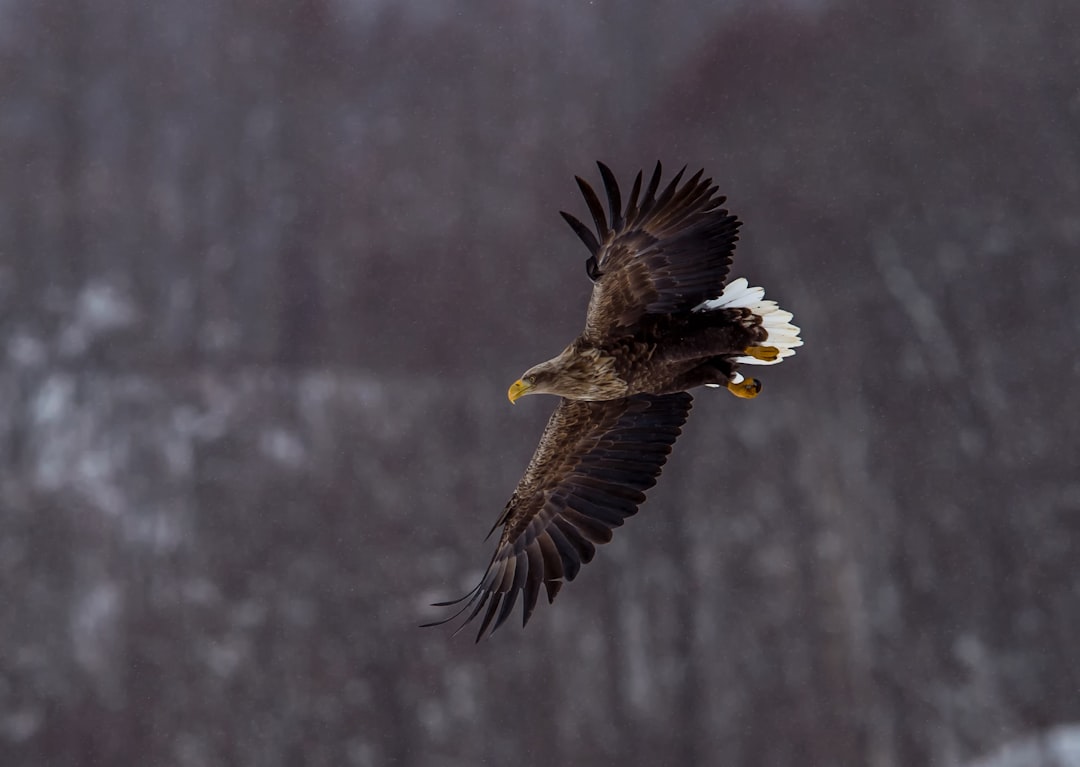
These massive birds are known for their voracious appetites, and Golden eagles have been documented preying on bear cubs as well, with wingspans of up to 7 feet and dive speeds of over 150 mph, a single strike from these powerful talons can be fatal. Although it is rare, it does happen, and it is a chilling reminder that even the air can hold danger for these cubs.
Golden eagles represent one of the few predators that can attack bears from an angle they cannot defend against. Their aerial advantage, combined with incredible speed and razor-sharp talons, makes them dangerous opponents even for larger prey. Though they primarily target cubs, their fearless nature and hunting prowess make them worthy of respect.
Caucasian Shepherd Dogs: The Mountain Guardians
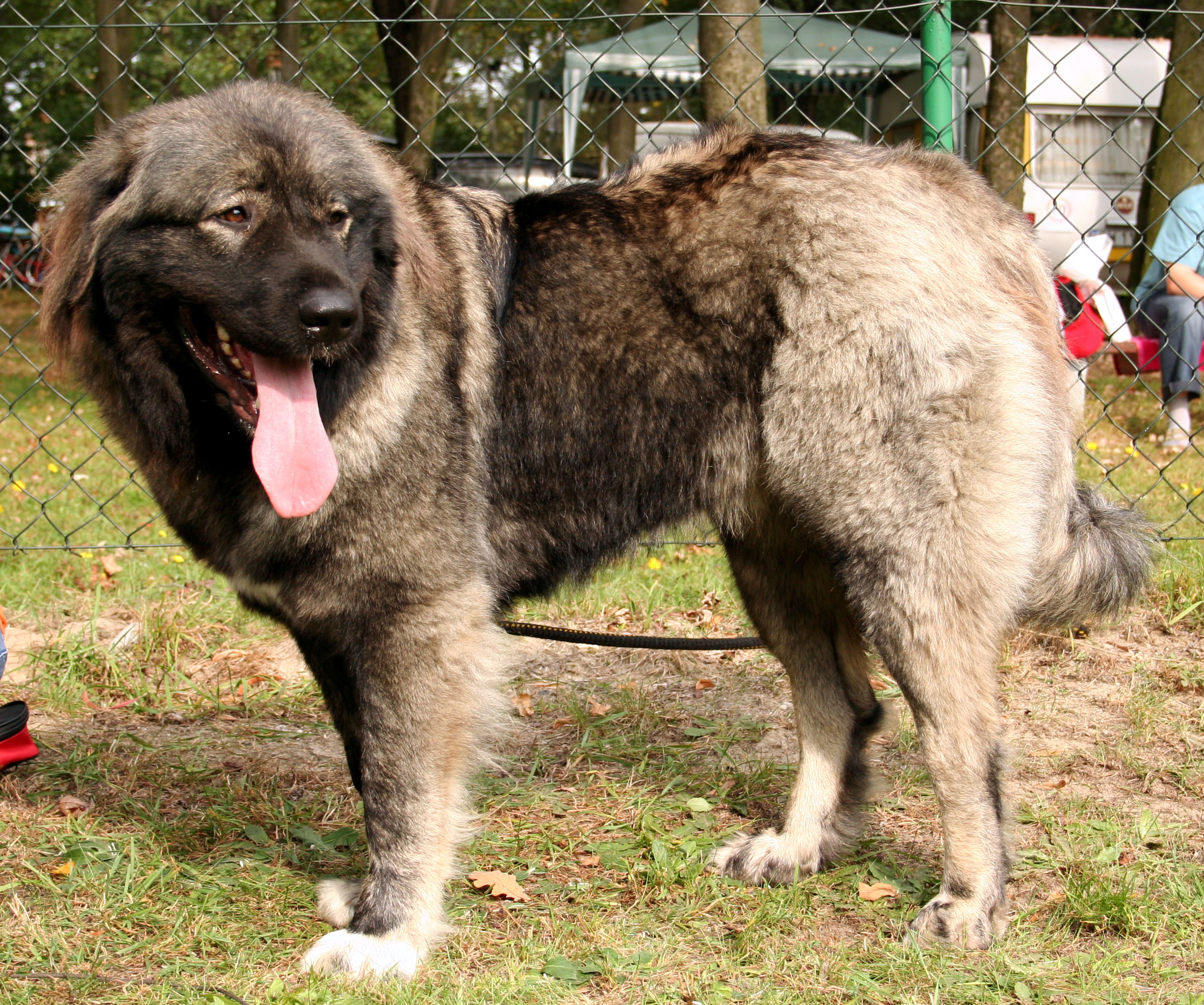
The Caucasian Shepherd is what happens when a dog is bred for one purpose over centuries, hailing from the harsh terrain of the Caucasus Mountains, this massive dog was built to hold the line against bears and wolves that threatened entire flocks. Towering in stature and weighing in at well over 100 pounds, these dogs can physically stand their ground against even grizzly bears.
Males average over 130 pounds with dense muscle that makes them capable of hunting a black bear or even a grizzly, bred not to herd but to fight off wild attackers, these dogs have been doing real-world defense work for centuries. Their battle-tested origins and intimidating presence make them one of the few domestic animals capable of facing bears.
Kangal Dogs: The Turkish Titans
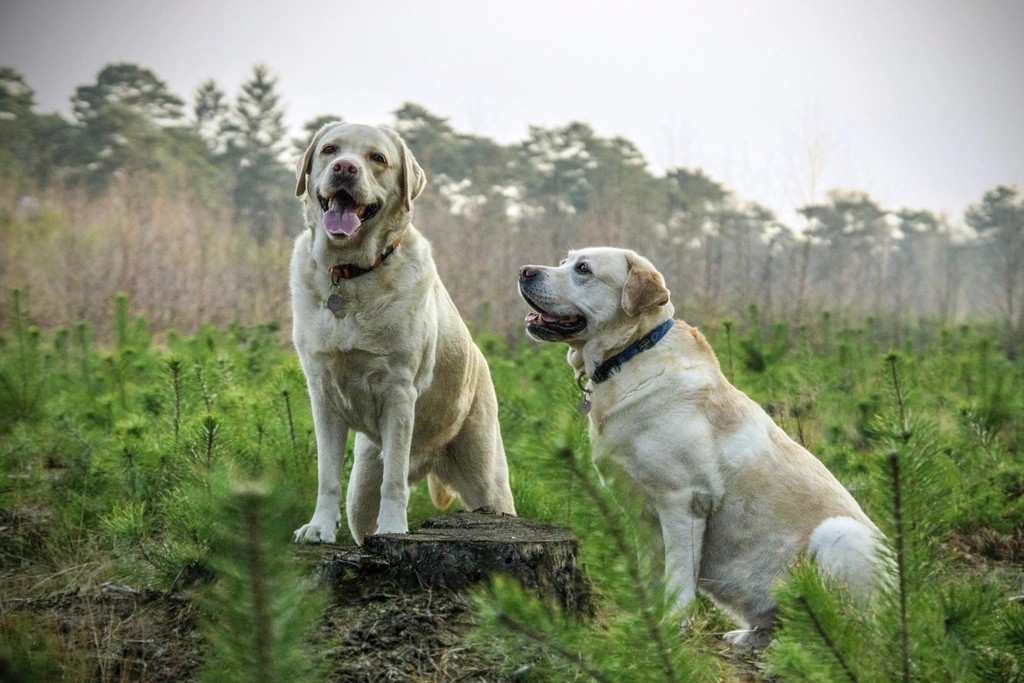
Their ears pick up subtle sounds in the distance, and they stay low when focused, ready to launch forward and neutralize the danger. Kangal dogs represent centuries of selective breeding for protection against large predators. These Turkish livestock guardian dogs possess the size, strength, and courage needed to confront bears when protecting their charges.
Their protective instincts run so deep that they’ll face down threats many times their size without hesitation. With powerful jaws, muscular builds, and fearless temperaments, Kangals have earned their reputation as bear-deterrent dogs in rural areas where livestock protection is crucial.
Great Pyrenees: The High-Altitude Heroes
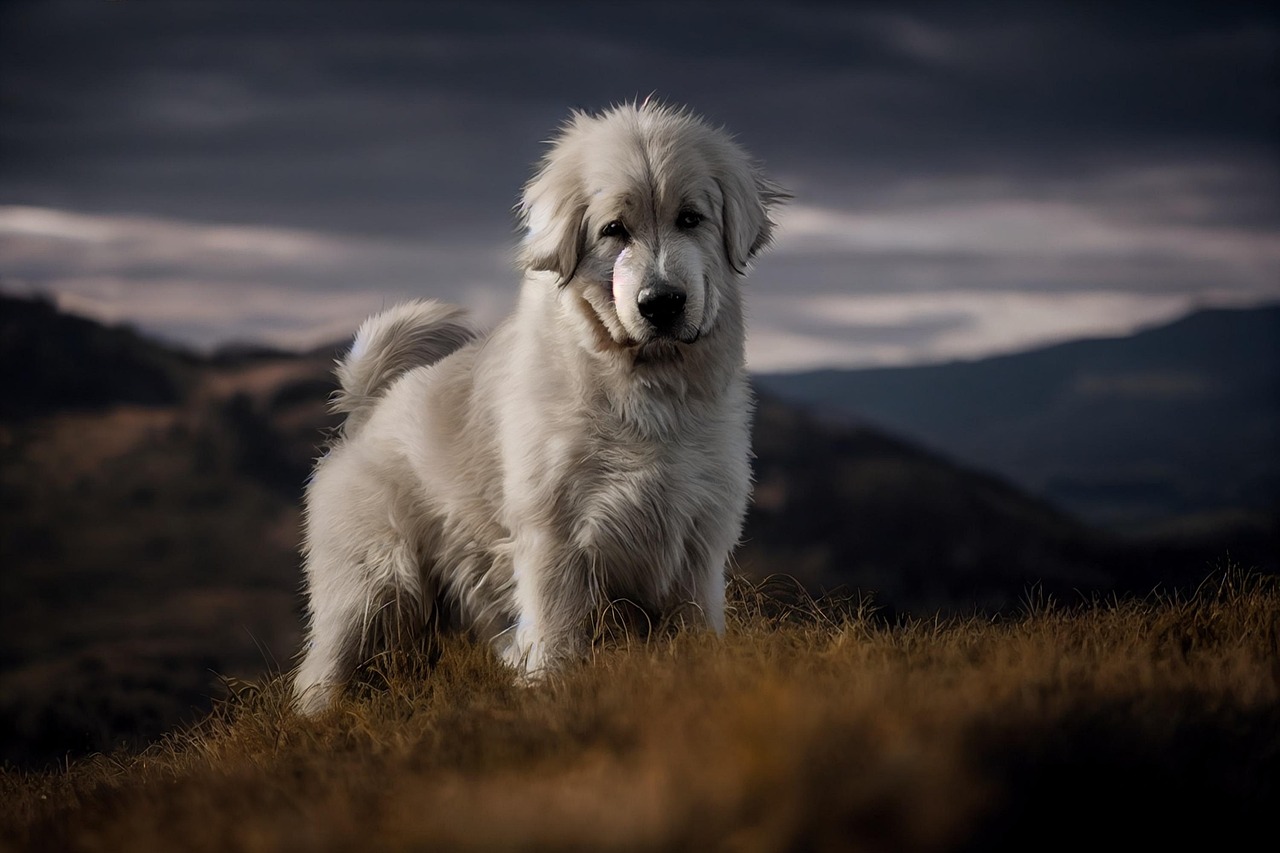
The Great Pyrenees was bred to roam high elevations and guard flocks in solitude, often spending long nights under the stars with nothing but instinct and grit to rely on, carrying that legacy into the modern world with quiet confidence. The thick, rough double coat provides a degree of protection against the elements and the claws of any animal reckless enough to test them.
These dogs evolved in bear country, developing the physical and mental attributes needed to succeed where others would fail. Their independence, courage, and protective instincts make them natural bear deterrents. Though smaller than some guardian breeds, their determination and fearless nature more than compensate for any size disadvantage.
Anatolian Shepherds: The Ancient Protectors
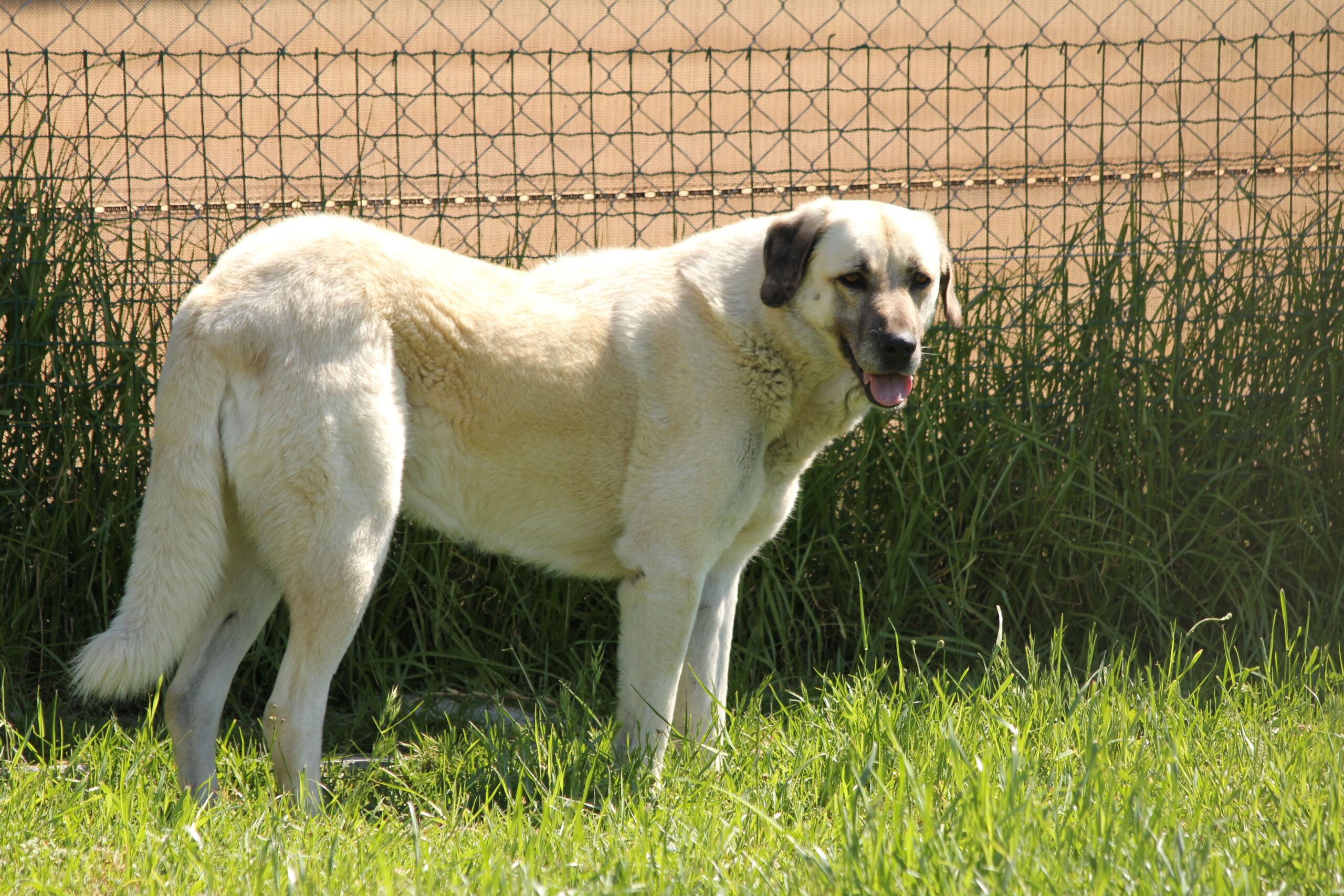
This isn’t a pet that just follows you in the woods – this is a dog that was born to protect, trained for centuries to confront predators head-on, they are 27–29 inches tall and weigh up to 150 pounds, the kind of dog that makes most bears think twice before getting too close. They descend from one of the oldest domestic bloodlines – they don’t just bark at danger, they assess and act.
Anatolian Shepherds combine size, intelligence, and ancient protective instincts in a package that bears have learned to respect. Their ability to make quick decisions and act independently makes them formidable guardians in remote areas where help is hours away.
Other Bears: The Ultimate Rivals
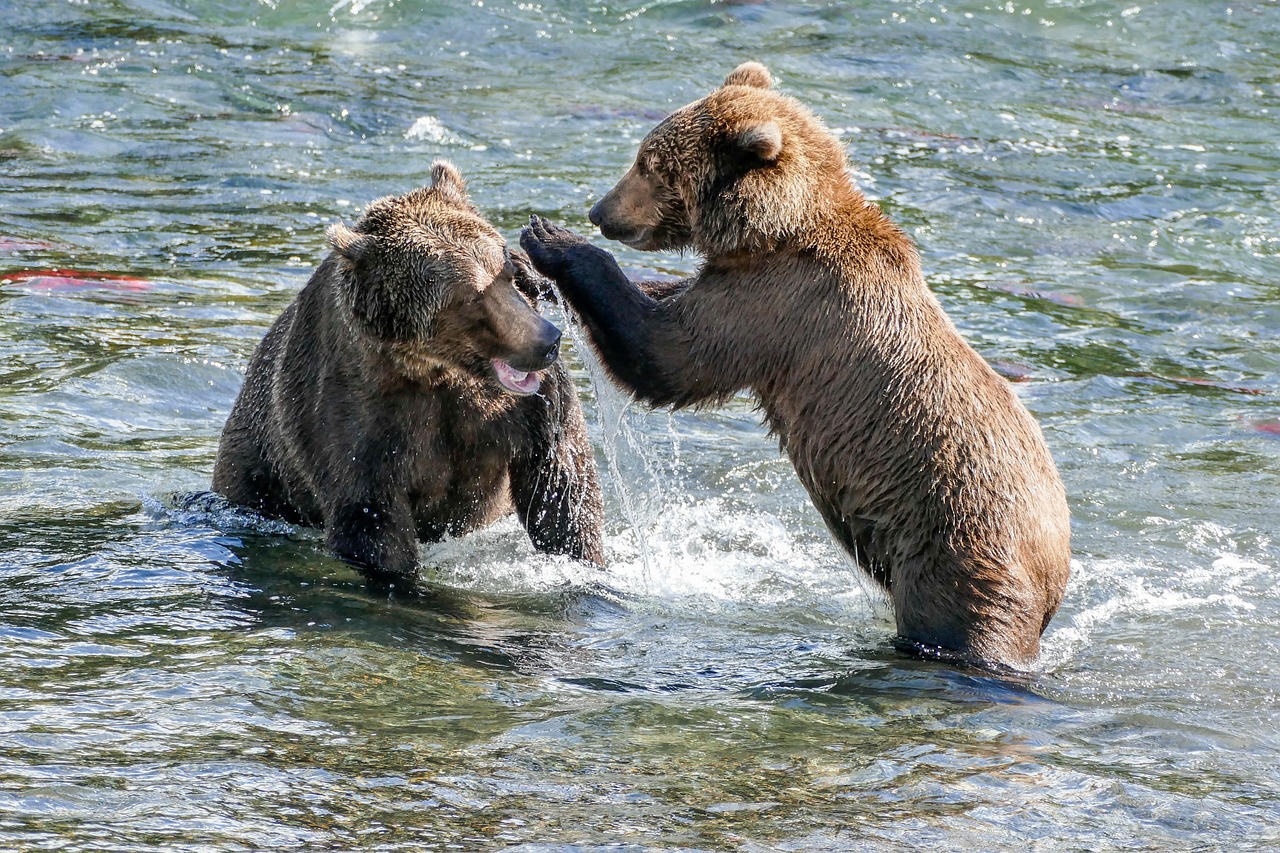
Bears often clash with one another, usually over territory, food, or mates, these clashes can become violent quickly and fights are usually between adult males and can end up being fatal. Sometimes the threat comes from inside the house, as male bears may kill cubs to bring the mother back into heat, infanticide has been observed mostly in brown bears and polar bears, especially during the height of mating season.
When bears face other bears, the battles are among the most intense in the animal kingdom. Equal strength, similar weapons, and territorial instincts create confrontations that can last for hours. These fights often determine dominance hierarchies that affect access to prime feeding areas and mating opportunities for years to come.
Conclusion
The natural world continues to amaze us with examples of courage that defy logic and size. These twelve remarkable animals prove that bravery isn’t measured by weight alone, but by heart, strategy, and sometimes sheer determination. From the stealth of great cats to the loyalty of guardian dogs, each species brings unique qualities to their confrontations with bears.
What strikes me most about these encounters is how they remind us that survival isn’t just about being the biggest or strongest, it’s about knowing when to fight, how to fight, and sometimes when to retreat and live to fight another day. Nature has provided each of these animals with the tools they need to face one of the wilderness’s most formidable predators.
What do you think about these fearless animals? Tell us in the comments which surprised you the most.
