
There’s something profoundly moving about watching a bald eagle soar overhead, its white head gleaming against an azure sky, embodying centuries of American dreams and natural majesty. Yet America’s relationship with nature extends far beyond this iconic raptor. The story of American ingenuity lies woven throughout the lives of remarkable creatures that have mastered the art of balance – between survival and adaptation, independence and cooperation, strength and wisdom.
These animals don’t just inhabit our landscapes; they mirror the very qualities that shaped a nation. From the engineering prowess of beavers to the pack loyalty of wolves, from the fierce independence of mountain lions to the remarkable recovery of California condors, each species tells a tale of resilience that echoes through American history. Let’s explore these living symbols of ingenuity and discover what they reveal about our nation’s character.
The Bald Eagle: America’s Official Symbol of Vision

In December 2024, President Biden signed legislation officially designating the bald eagle as the national bird of the United States, formalizing its status as America’s avian symbol since 1782. What makes the eagle so remarkable isn’t just its striking appearance, but its extraordinary recovery story.
By 1963, there were a record-low 417 nesting pairs in the lower 48, bringing these majestic birds to the brink of extinction. After searching for what might have been causing the decline of the eagles, scientist discovered the culprit was DDT, which caused eagles and other birds to absorb less calcium, so that when they laid their eggs, the shells would be crushed. In 1972, the EPA banned the domestic sale of DDT, clearing the way for federal-state restoration initiatives that culminated in a defining conservation success story of our age, with today’s bald eagle population thriving at over 300,000.
The American Beaver: Nature’s Master Engineer
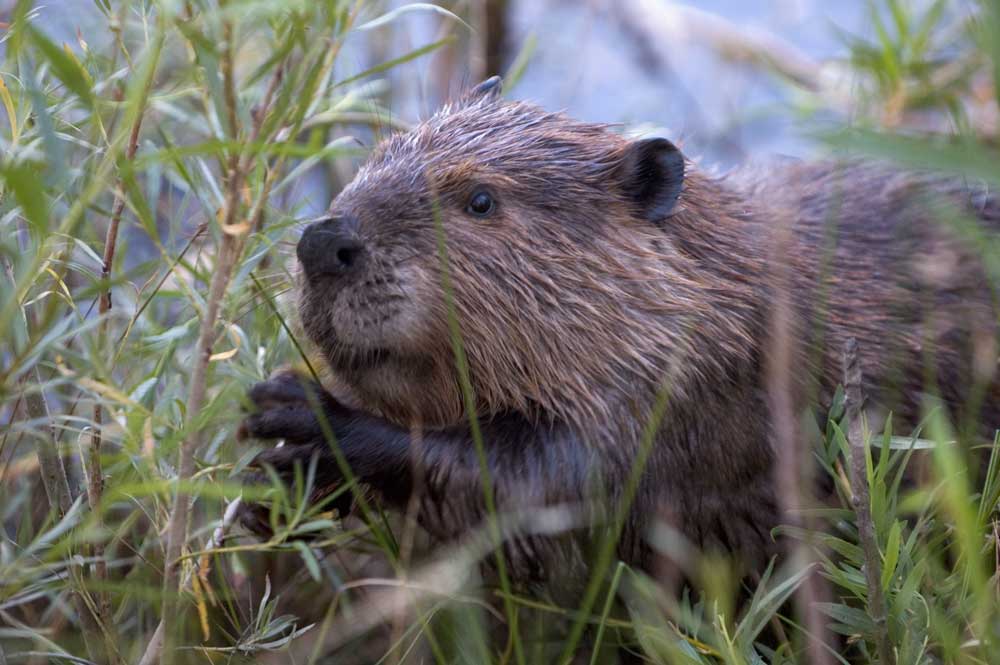
The American beaver is a symbol of ingenuity and hard work, known for its incredible dam-building skills. Found in rivers and streams, beavers are nature’s engineers. Their ability to transform entire ecosystems demonstrates the kind of innovative thinking that built America.
Their dams create wetlands that provide habitat for countless species, showcasing the beaver’s role in shaping ecosystems. The Beaver symbolizes creativity, hard work, and determination, teaching persistence, resourcefulness, cooperation, and harmony as a serious, hard worker that will not quit until he is done. This tireless work ethic perfectly reflects the American spirit of determination and innovation.
The Gray Wolf: Ecosystem’s Balancing Force
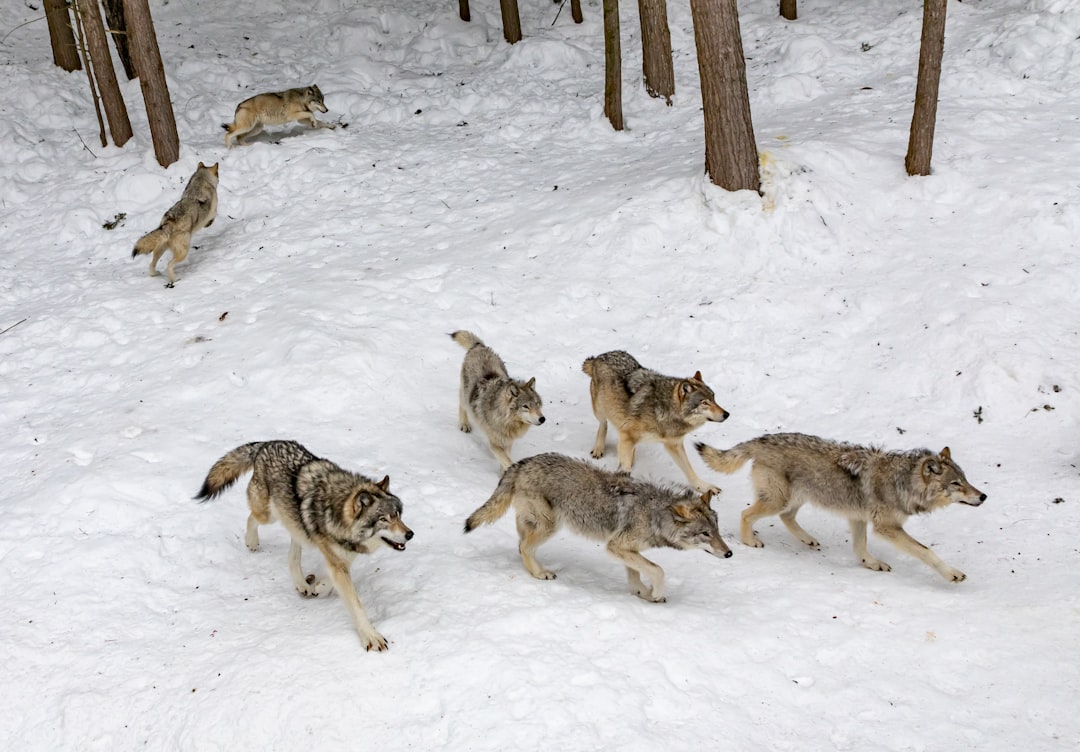
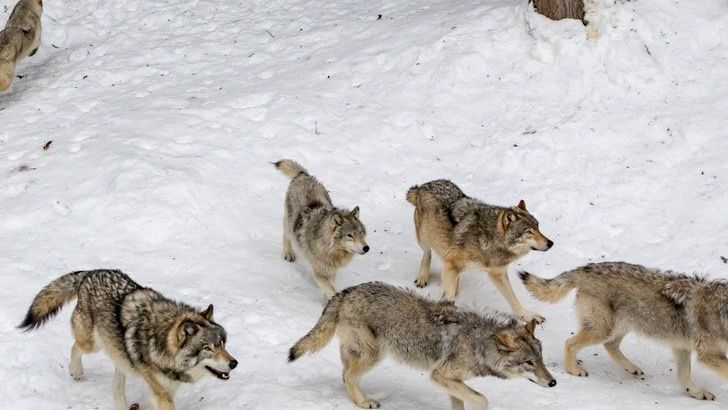
The gray wolf, with its haunting howl, is a symbol of wilderness and freedom, and once nearly wiped out, wolves have made a remarkable comeback. Living in packs, they are intelligent and social animals, known for their complex communication and hunting strategies, playing a vital role in maintaining ecological balance by controlling prey populations.
In terms of wildlife the most controversial creatures are wolves and grizzly bears, with wolves having been successfully introduced but their behavior being unpredictable, though their return has clearly strengthened the elk and bison herds. Wolves play a vital role in maintaining ecological balance by controlling prey populations, with their return to American landscapes being a testament to nature’s resilience and the power of conservation efforts.
The American Alligator: Ancient Survivor’s Comeback
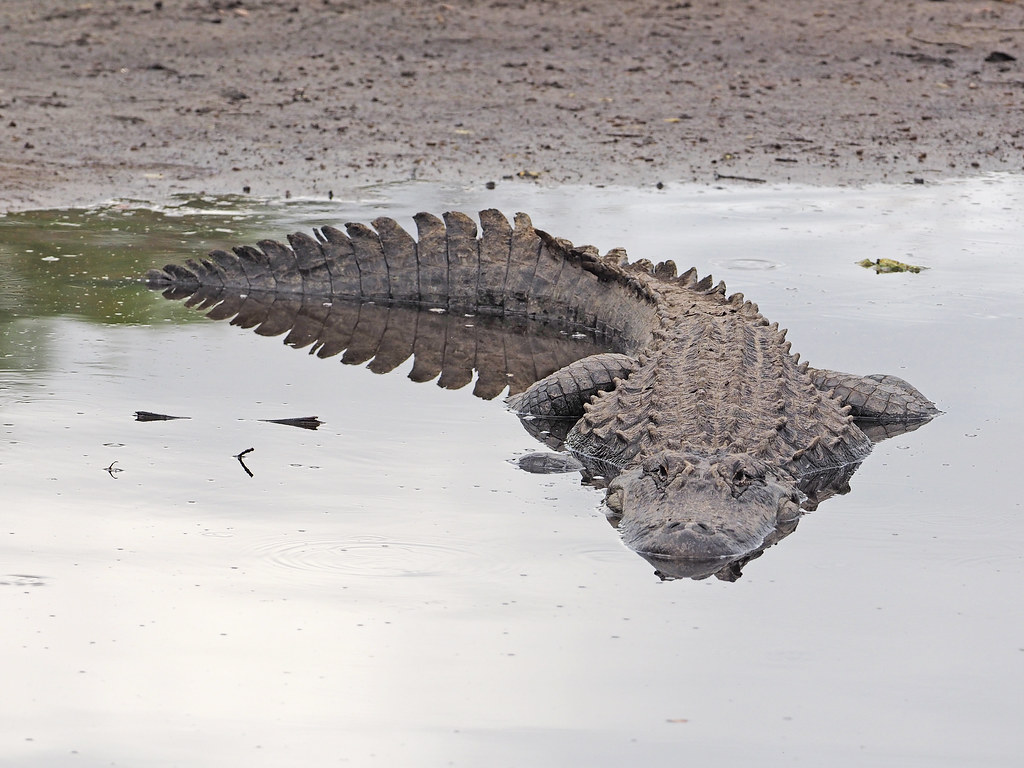
The American alligator is a symbol of survival and adaptability, found in the swamps and marshes of the Southeastern United States, these reptiles are ancient survivors. The American alligator represents a remarkable conservation success story and embodies the resilience of the American South, with these prehistoric-looking reptiles able to grow up to 15 feet long and live for more than 50 years.
By the 1960s, alligators were hunted to near-extinction for their valuable hides, but protection under the Endangered Species Act in 1973 allowed populations to recover dramatically, with over 5 million alligators thriving across their range today, demonstrating nature’s resilience when given proper protection. Their prehistoric wisdom combined with modern recovery showcases America’s capacity for environmental restoration.
The Mountain Lion: Independence and Stealth
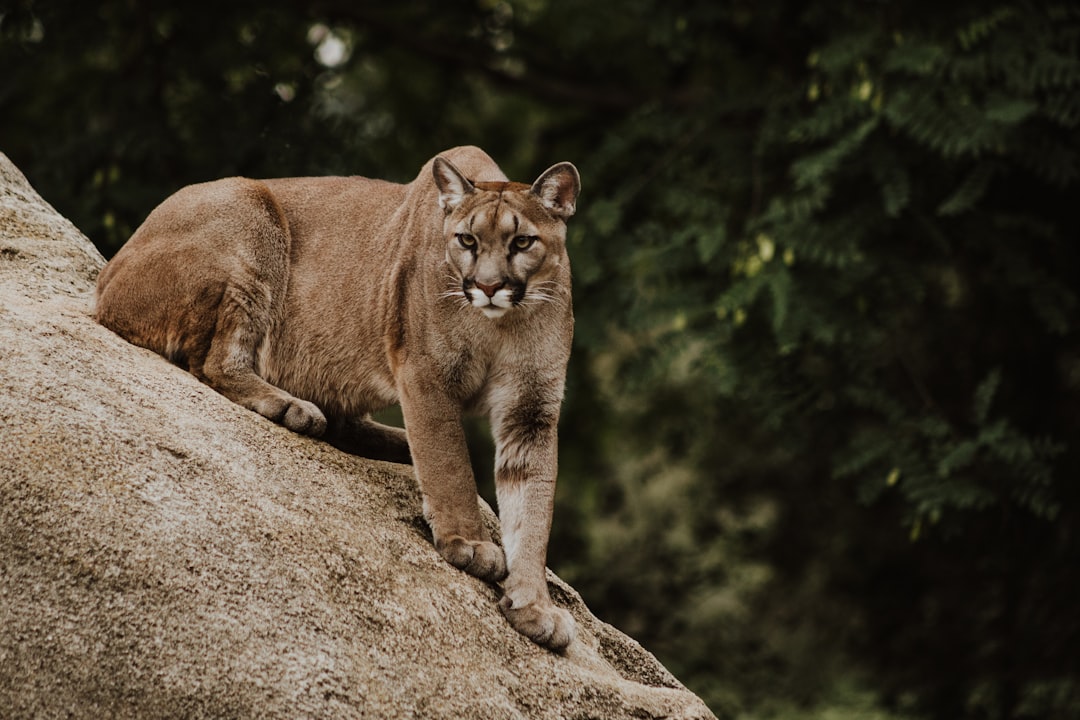
The mountain lion, also known as cougar or puma, embodies the spirit of the American wilderness. Found across diverse habitats, from forests to deserts, mountain lions are apex predators, playing a key role in maintaining ecological balance, with their elusive nature making them a symbol of mystery and independence.
Mountain lions are at the top of the food chain, keeping deer populations in balance and even helping reduce the number of vehicle accidents involving deer. Much of Colorado, including the Front Range, is prime mountain lion country, with these large, powerful predators having always lived here, preying on plentiful deer and playing an important role in the ecosystem. Their solitary nature mirrors the American ideal of rugged individualism.
The Grizzly Bear: Raw Power and Protection
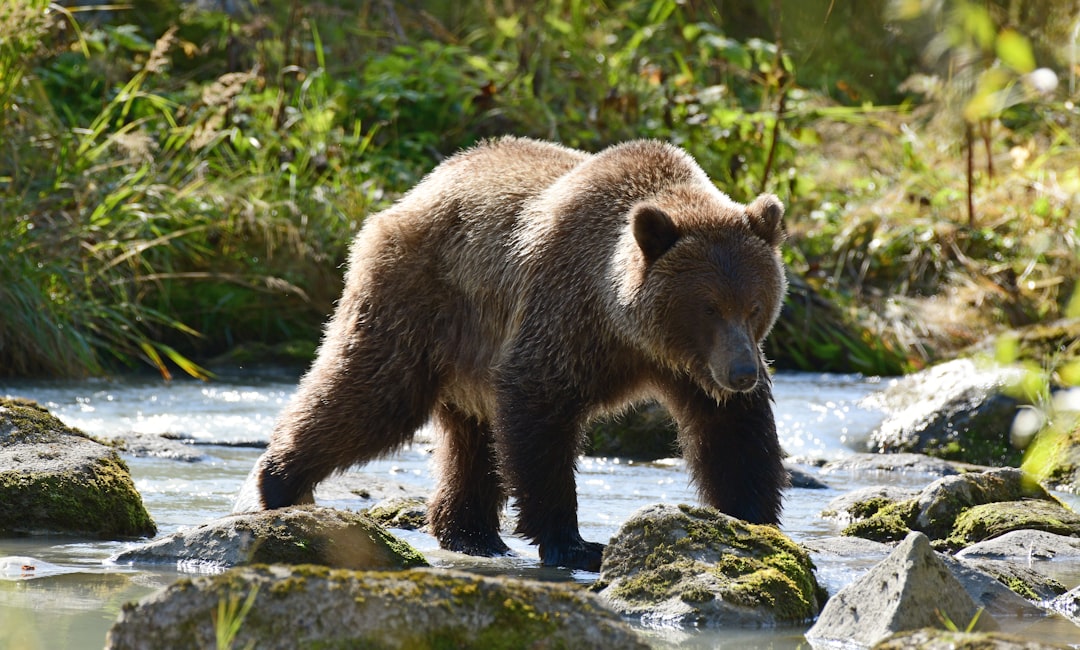
The grizzly bear represents the untamed power of American wilderness. These magnificent animals suffered catastrophic population declines following European settlement, with numbers falling from an estimated 50,000-100,000 in the lower 48 states to approximately 1,800 today in the contiguous United States due to overhunting, disease transmitted from domestic sheep, and habitat fragmentation. Yet they continue to symbolize strength and resilience.
Encountering a grizzly bear in the wild is a humbling experience, showcasing the raw power and beauty of nature, with their presence reminding us of the wild places still preserved in America. Of the large predators in Yellowstone National Park – the grizzly and black bears, gray wolf and cougar – the massive grizzly bear appears dominant, often able to drive a gray wolf pack, black bear or cougar off their kills.
The Whooping Crane: Innovation in Conservation
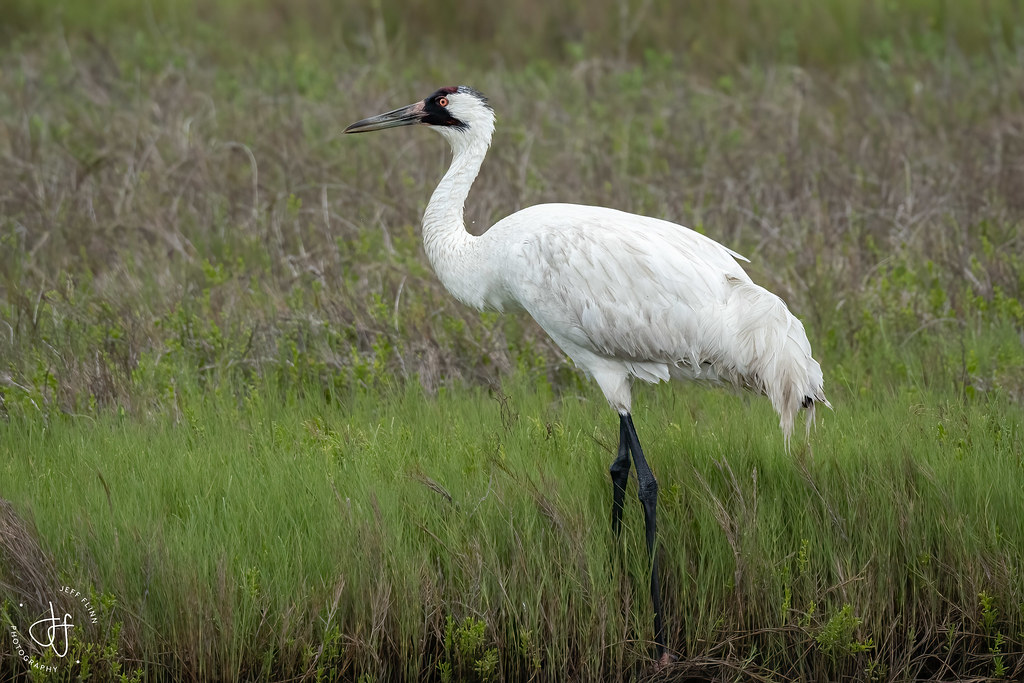
The whooping crane’s recovery story embodies American ingenuity, persistence, and commitment to preserving natural heritage against seemingly impossible odds. The ongoing effort to save this iconic species has inspired technological innovations, policy changes, and public engagement with conservation issues, with the crane’s graceful appearance making it a charismatic ambassador for American wetlands and wildlife.
Their annual migrations between Canada and the United States represent freedom of movement across political boundaries and the importance of international cooperation in conservation. This species demonstrates how American innovation extends beyond technology into wildlife management and international cooperation.
The American Bison: National Resilience
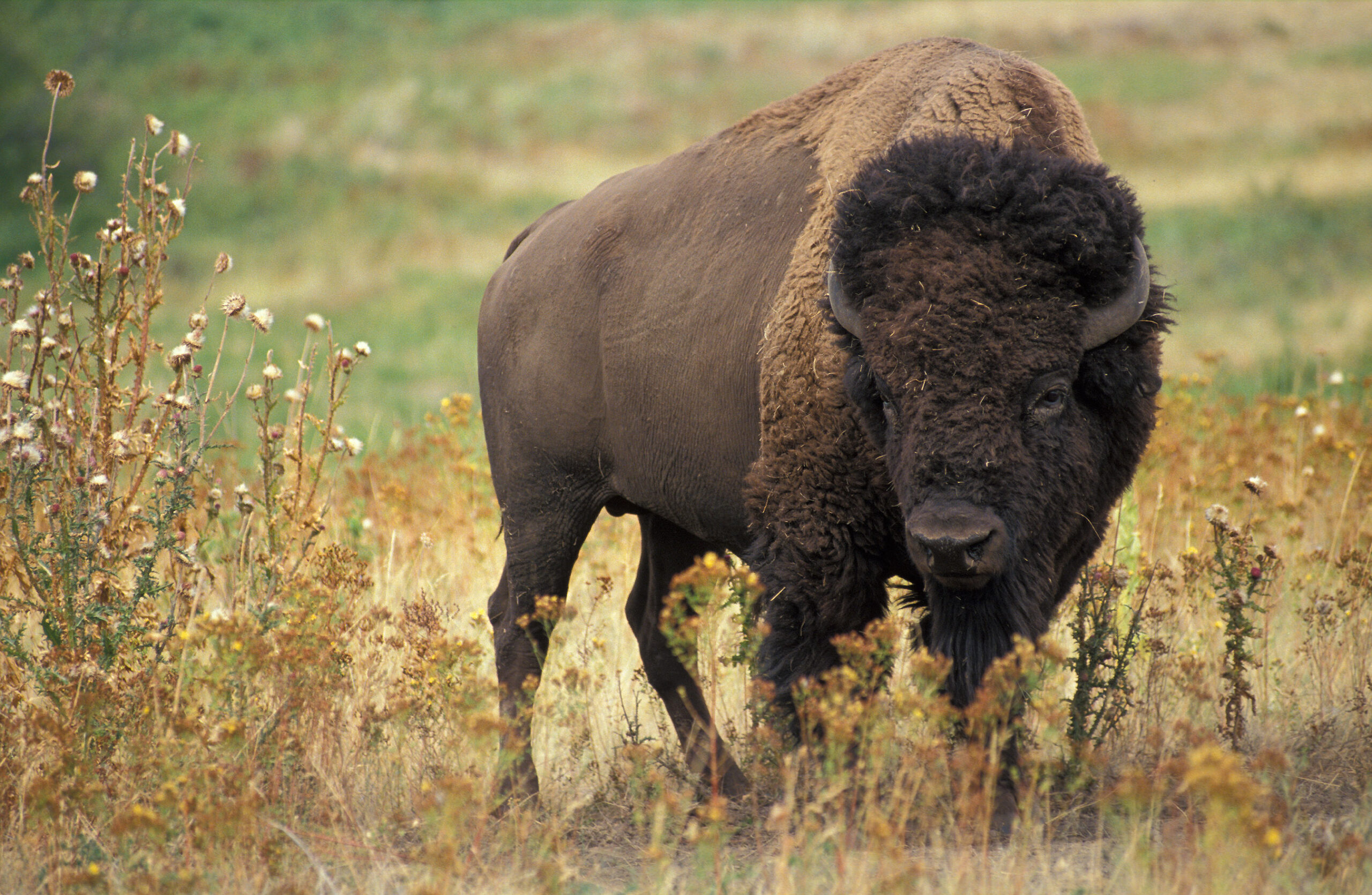
This giant herbivore–which is also known as a buffalo–is the National Mammal of the United States, with over 60 million American bison roaming the grasslands of North America in the late 18th Century, though as a result of over-hunting, by the end of the 19th century fewer than 1,000 bison remained. Their near-extinction and subsequent recovery mirror America’s own journey through environmental challenges.
Today’s bison populations represent one of conservation’s greatest success stories. These massive animals, once the backbone of Plains Indian cultures, now serve as living reminders of both America’s environmental mistakes and its capacity for redemption. Their presence in national parks and protected areas speaks to the nation’s commitment to preserving its natural heritage.
The California Condor: Triumph Over Extinction
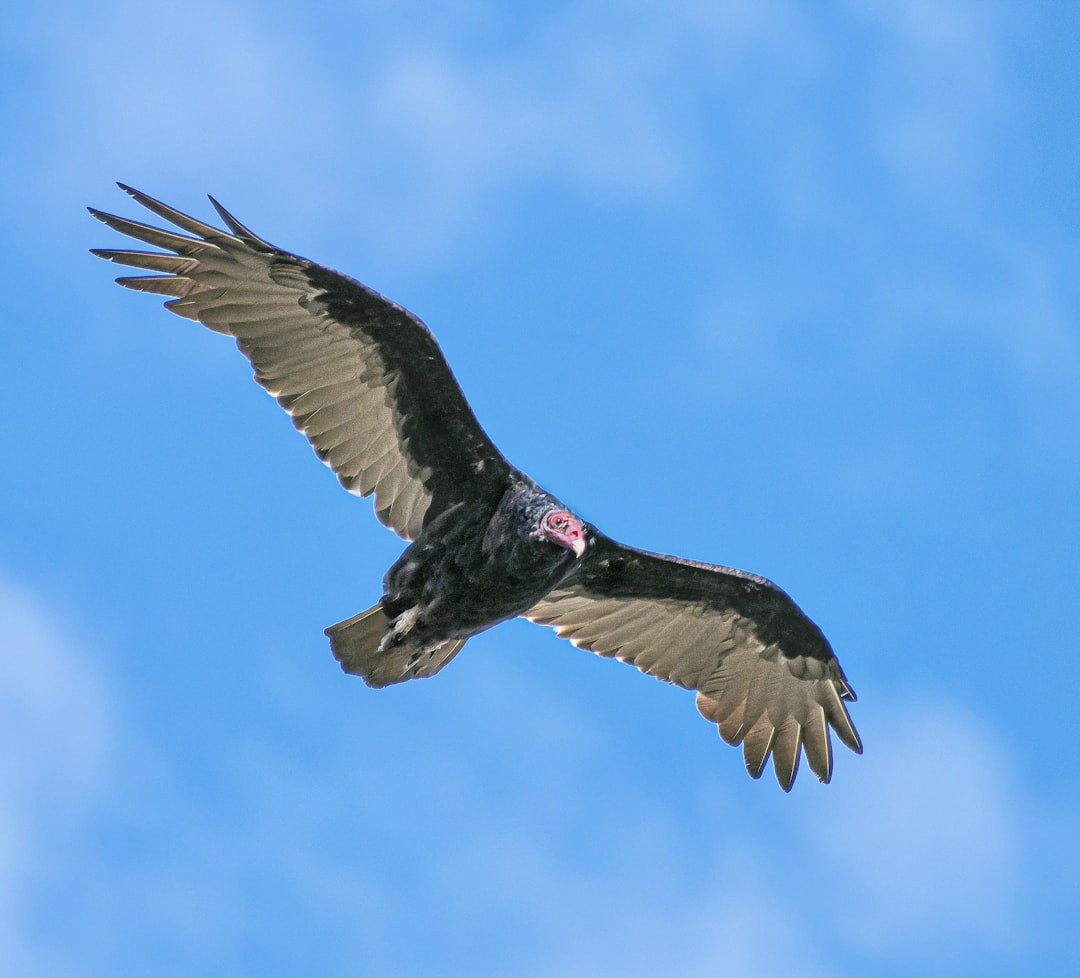
The California condor is a symbol of rarity and recovery, known for its impressive wingspan and endangered status, with these birds once nearly extinct but making a comeback through conservation efforts. Found in the rugged landscapes of the American West, condors play a role in maintaining ecological balance by scavenging, with observing one in flight being a profound experience highlighting the success of conservation and the ongoing challenges faced by endangered species.
They represent hope and the potential for restoring natural wonders to their rightful place in the world. The condor’s recovery represents American ingenuity at its finest – using cutting-edge breeding programs, GPS tracking, and innovative feeding techniques to bring a species back from the very edge of extinction.
The River Otter: Playful Balance
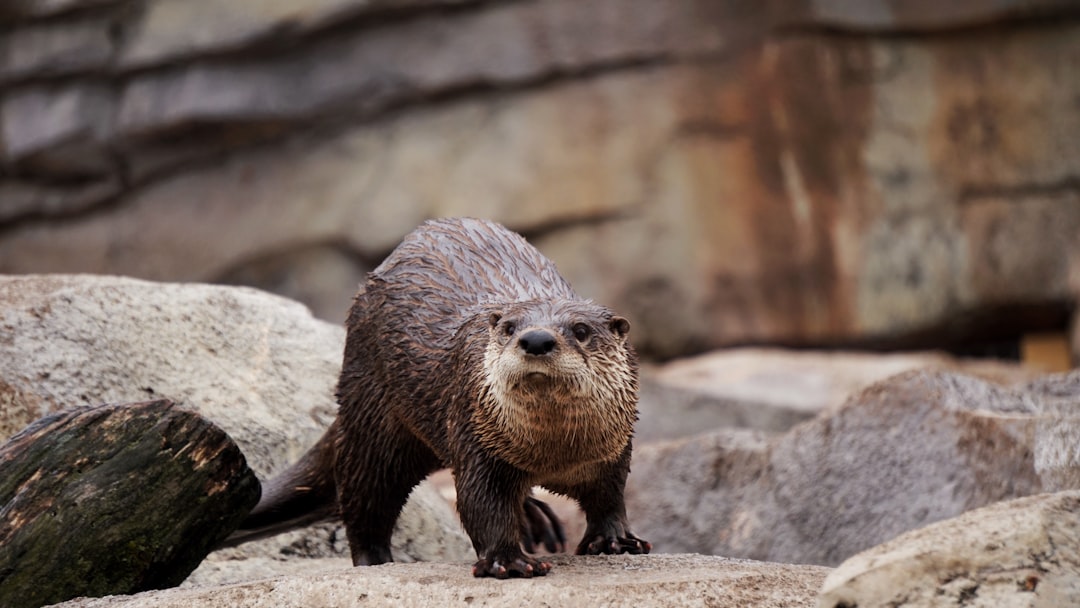
The Otter is often called “River Wolf” and represents resourcefulness, playfulness, and lightheartedness, being inquisitive, trusting, and loyal. Otter understands the importance of balance between work and play, and inspires us to take time to appreciate the grace and beauty of the world around us.
River otters embody a uniquely American trait: the ability to maintain joy and playfulness even while being incredibly skilled and resourceful. Their presence in waterways across the continent signals healthy ecosystems, and their social nature demonstrates that individual success often depends on community cooperation.
The animals that truly symbolize reveal something profound about the national character. These creatures show us that strength doesn’t always mean dominance – sometimes it means knowing when to cooperate, when to adapt, and when to recover from near-disaster. From the eagle’s keen vision to the beaver’s engineering prowess, from the wolf’s pack loyalty to the mountain lion’s fierce independence, each species mirrors qualities that have defined the American experience.
Perhaps most remarkably, many of these animals have taught Americans about redemption and second chances. The recovery of eagles, wolves, and condors proves that with determination, innovation, and respect for natural systems, even our greatest environmental mistakes can be corrected. What do you think makes these animals such perfect reflections of American ingenuity? Share your thoughts in the comments.
