

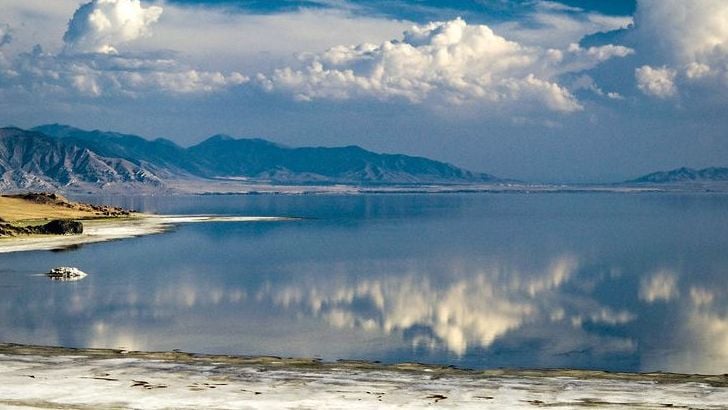
The American West’s water crisis has scientists sounding alarm bells across the country. While droughts and climate change have long threatened our precious freshwater resources, recent satellite data reveals something disturbing: lakes are disappearing at rates that exceed even the most pessimistic scientific projections.
A 2024 report found that surface water bodies are shrinking or being lost entirely in 364 basins worldwide, while 53 percent of the world’s largest lakes experienced significant declines from 1992 to 2020. This isn’t just happening in arid regions either. The decline was found in both arid regions prone to drought and humid regions prone to heavy rainfall, with researchers finding that even in humid regions, an intensified water cycle in a warming climate may not result in increased water storage.
From iconic recreation destinations to critical wildlife habitats, these vanishing water bodies tell a story of unprecedented change that’s reshaping America’s landscape. Let’s dive into the ten lakes that are shrinking faster than anyone expected.
Lake Mead: America’s Largest Reservoir in Crisis
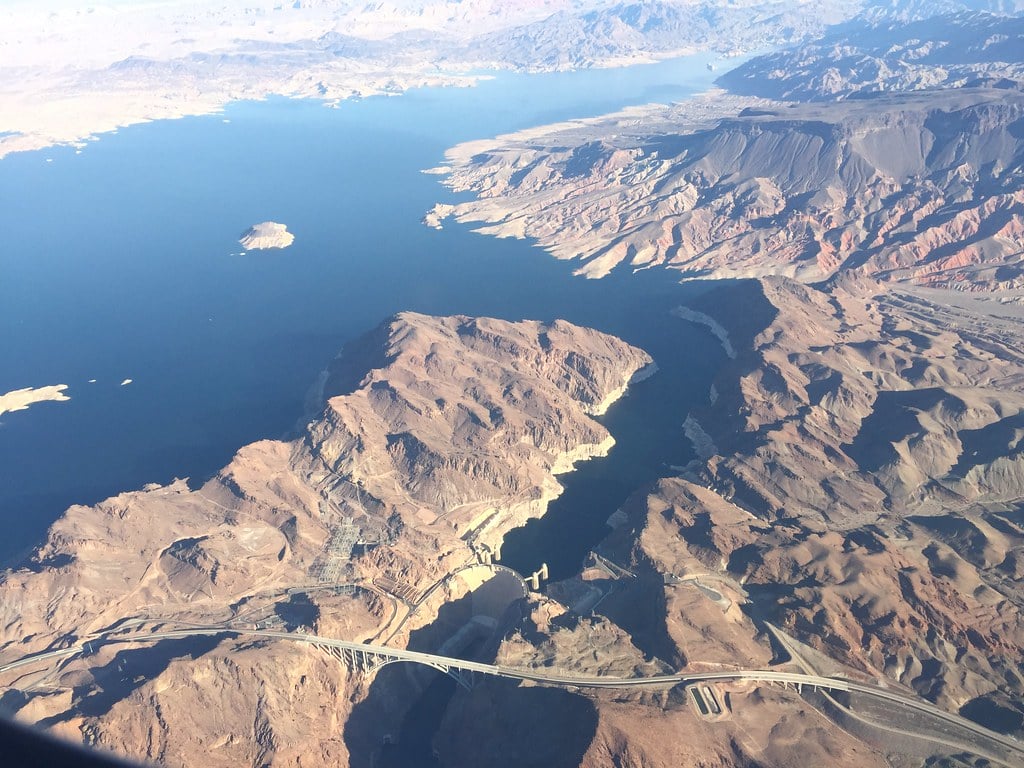
Lake Mead could be at dead pool within a couple of years – the point at which water cannot pass the dams designed to provide water for California, Arizona, Nevada, and northwest Mexico. This massive reservoir, formed by the Hoover Dam, has become the poster child for America’s water crisis.
America’s two largest reservoirs are only about 37 percent full, and Lake Mead hit critically low levels during the summer of 2022, following years of drought. Satellite imagery reveals just how dramatic the change has been – images show a stark contrast in Lake Mead’s water levels between July 1999 and May 2024, with the reservoir appearing noticeably smaller in the latter image.
Lake Powell: The Colorado River’s Second-Largest Reservoir
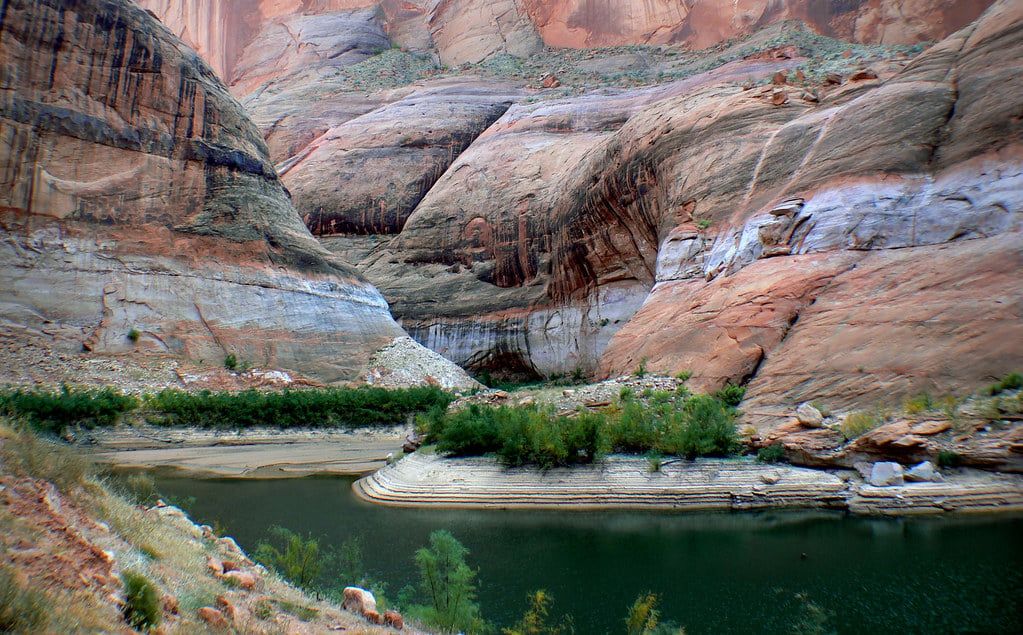
The Colorado River is shrinking at an unprecedented pace, faster than nature can replenish. Lake Powell, the nation’s second-largest reservoir, sits at the heart of this crisis. Lakes Mead and Powell are major reservoirs of the Colorado River, formed by the Hoover Dam and Glen Canyon Dam, respectively, with Lake Powell having a full pool of 3,700 feet and a dead pool of 3,370 feet.
More attention was directed at Lake Powell and problems inside Glen Canyon Dam as reports surfaced that a secondary set of pipes known as the “river outlet works” have been eroding from the inside. These infrastructure concerns add another layer of complexity to the reservoir’s declining water levels, making the situation even more precarious for the millions who depend on its water.
Great Salt Lake: Utah’s Vanishing Inland Sea
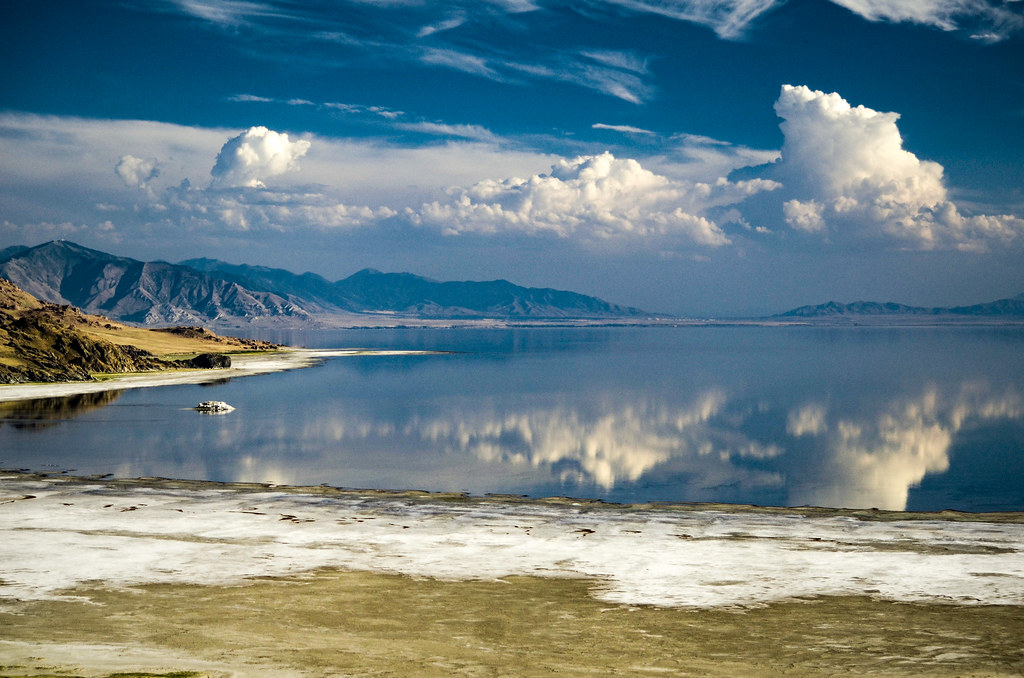
Scientists predicted that if the loss at this rate continues, the Great Salt Lake could reach critically low levels within five years. This shocking prediction has sent shockwaves through the scientific community and beyond. The study reported that a decline in the lake’s water levels has been accelerating since 2020, with an average deficit of 1.2 million acre-feet per year.
In Utah, a century of industrial chemicals accumulated in the Great Salt Lake, along with airborne pollutants from present-day mining and oil refinement, have settled in the water, creating a hazardous muck that is uncovered and dried as the lake shrinks. This environmental disaster in the making threatens not just wildlife but human health as toxic dust becomes airborne.
Walker Lake: Nevada’s Ecological Collapse
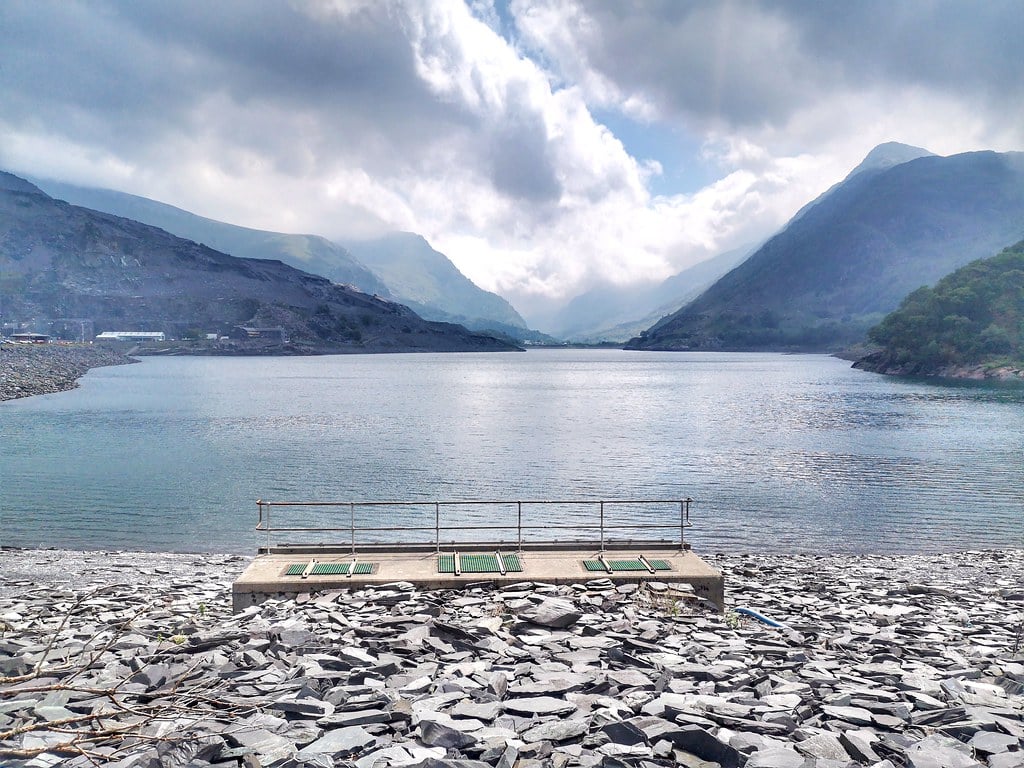
As of 2022, Walker Lake has decreased by 90% in volume and more than 50% by surface area – a lake that was once half the area of Lake Tahoe is now one-quarter the area. This dramatic transformation represents one of the most severe lake declines in North America.
More than a century of upstream irrigation diversions of the Walker River have left Walker Lake in a state of ecological collapse, and as inflows have decreased and more water evaporated, the concentration of salts in the lake has increased dramatically, causing Walker Lake to no longer support fish life. Lahontan cutthroat trout no longer occur in the lake and recent work by researchers indicates that the lake’s tui chub have disappeared.
Lake Tahoe: The Crown Jewel Under Pressure
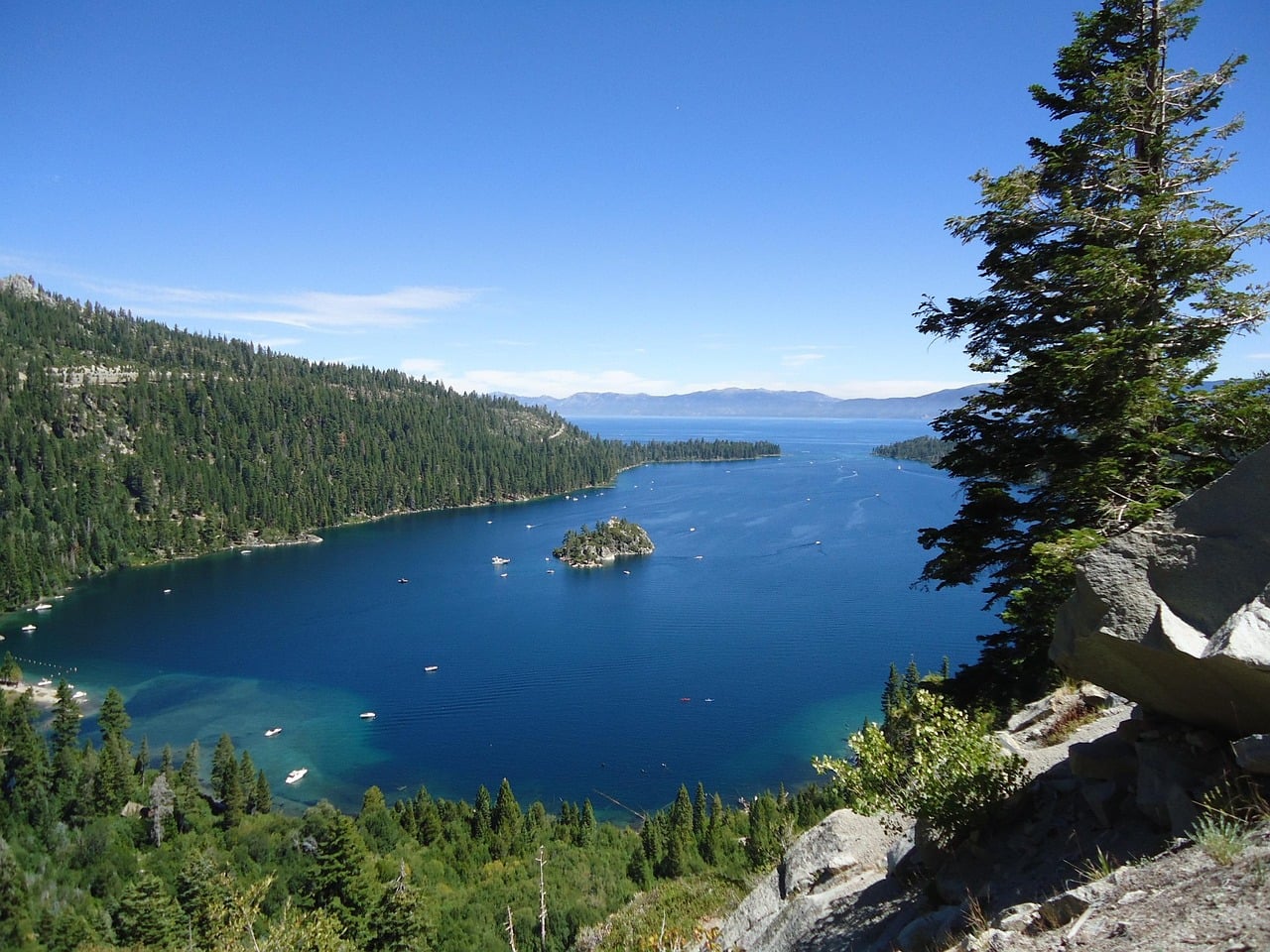
If water levels were to remain below the rim, Tahoe could become “terminal,” a designation of water bodies with no outflow, and such separation may occur at the mouths of many streams, cutting off access to spawning kokanee salmon. Even America’s most pristine alpine lake isn’t immune to the broader water crisis.
The Truckee River, Tahoe’s only outflow, has slowed to a trickle, with private piers across the North Shore high and dry, boat ramps plunging straight into bare earth, and entire coves on the East Shore that have dried up. Over the past century, Tahoe’s water levels have fallen below the natural rim during several severe droughts, affecting boaters, wildlife, and water management.
Mono Lake: California’s Ancient Alkaline Wonder
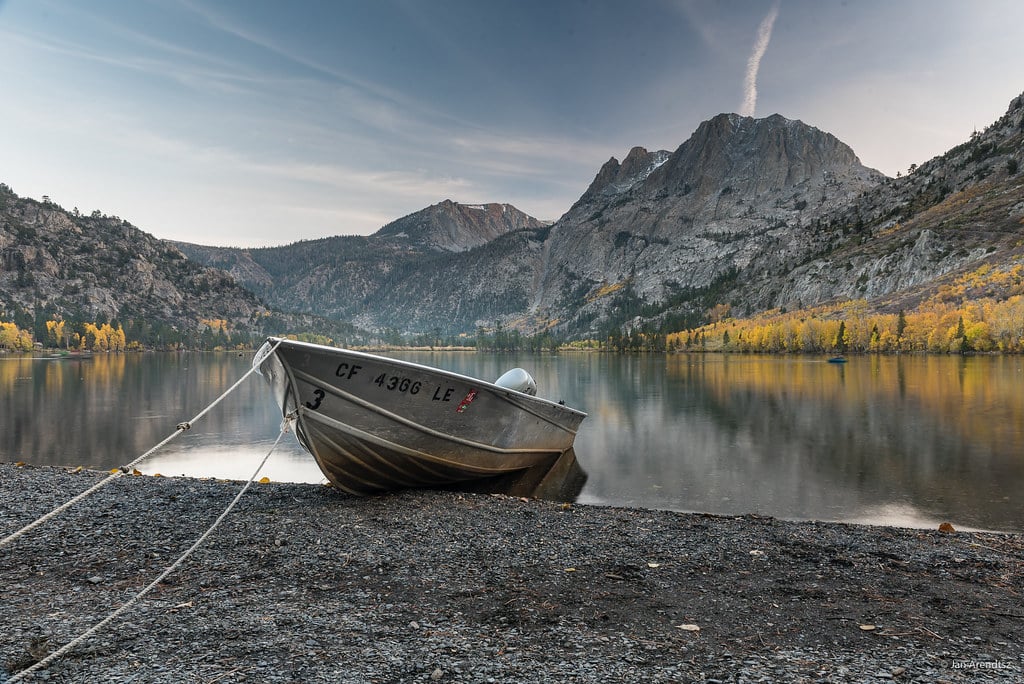
Mono Lake located in Mono County, California is a large and shallow alkaline lake that was formed as a terminal lake about 769,000 years back in an endorheic basin, and since the lake lacks an outlet, there is an accumulation of high levels of salt. This ancient lake has experienced significant water diversions that continue to threaten its unique ecosystem.
Mono Lake has a unique ecosystem where brine shrimp can prosper in its waters, and the lake also provides a significant nesting habitat to about 2 million annual migratory birds that feed on the shrimp and blackflies. The loss of water volume directly threatens this critical stopover point for millions of migrating birds each year.
The Great Lakes: Surprising Declines in Freshwater Giants
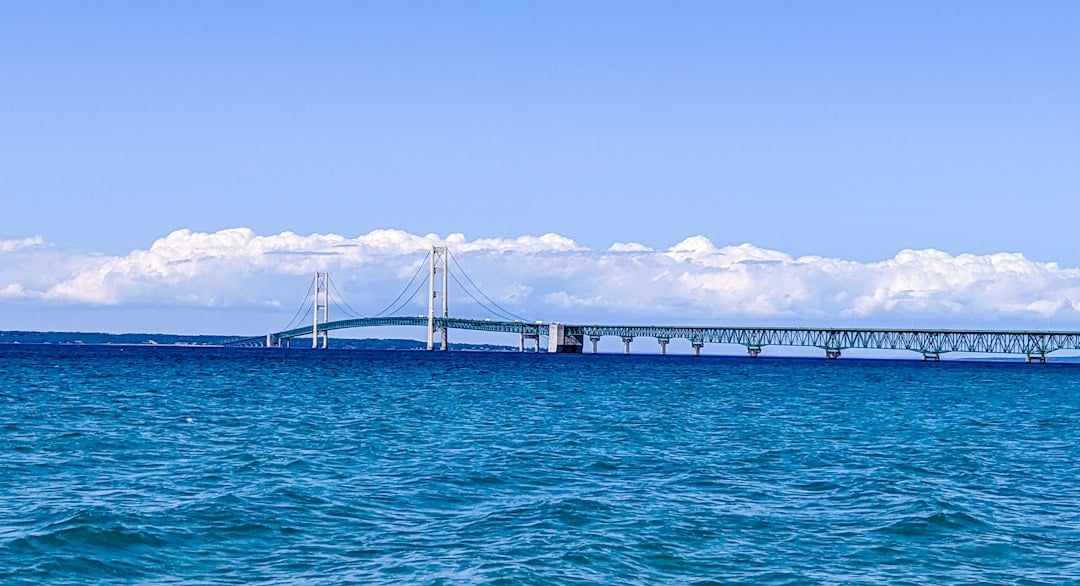
Government forecasts predict a three-year decline in Great Lakes water levels, resulting in significantly lower levels for the 2024 boating season, and while recent years have shown increases, water levels are expected to decline again in the next few years. Even these massive freshwater bodies aren’t exempt from concerning trends.
Despite recent increases, the overall trend, driven by climate change and human water use, is a cause for concern, as the lakes are interconnected, and changes in one can impact the others. The sheer size of these lakes makes their decline particularly alarming, as they contain roughly one-fifth of the world’s surface freshwater.
Salton Sea: California’s Largest Lake in Peril
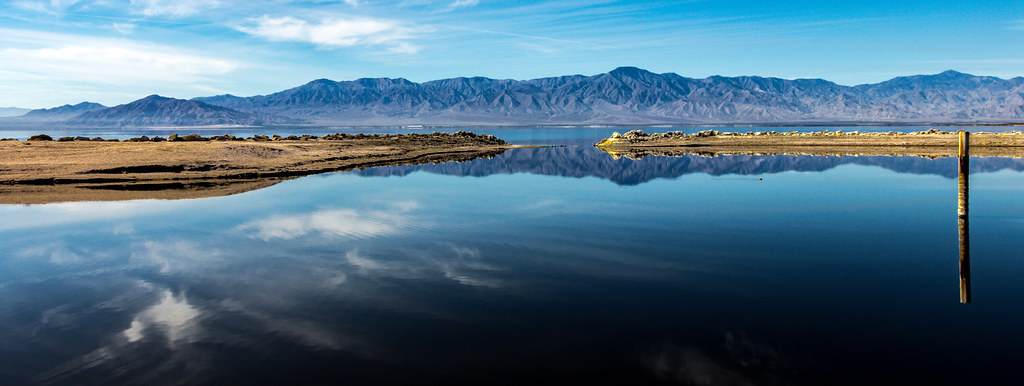
A shallow, saline, endorheic rift lake, the Salton Sea is the biggest lake in the US state of California, which historically reached a surface area of 240,000 acres. This massive inland sea has been shrinking rapidly due to reduced agricultural runoff and increasing evaporation rates in the desert climate.
Created by accident in the early 1900s, the Salton Sea has become increasingly toxic as water levels drop and salt concentrations rise. The exposed lakebed now creates dust storms that carry harmful particles across Southern California, affecting air quality for millions of residents in the region.
Goose Lake: The Forgotten Giant on the Oregon Border
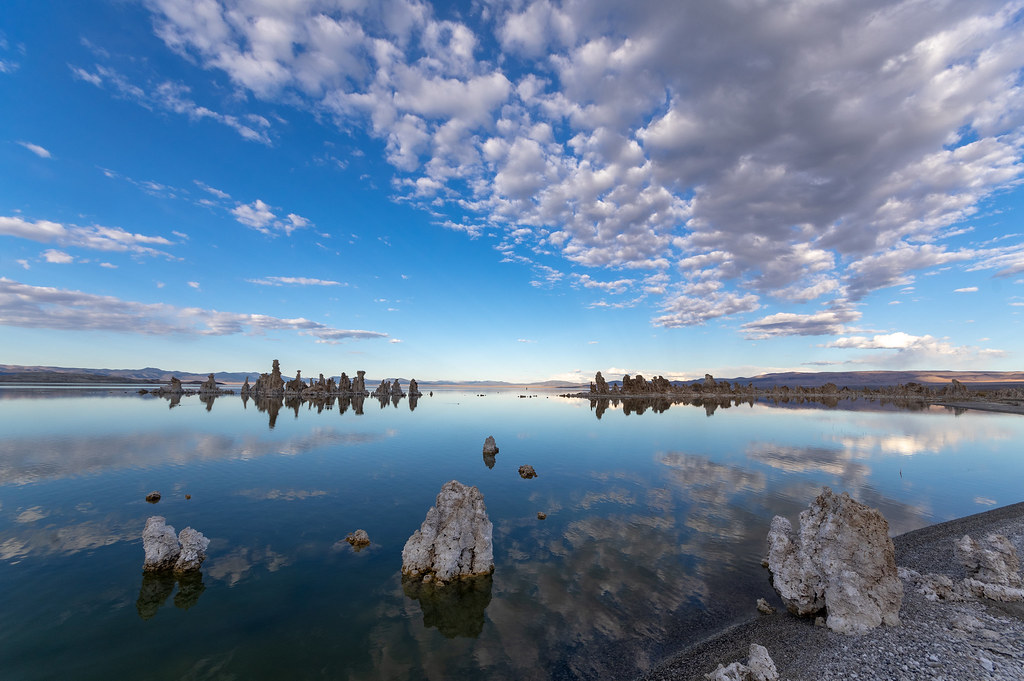
Goose Lake has a surface area of up to 94,000 acres when full, making it one of California’s larger lakes, and the large alkaline lake is situated in the Goose Lake Valley, near the state border of California and Oregon. This often-overlooked lake has experienced dramatic water level fluctuations that have scientists concerned about its long-term viability.
Located in a remote valley between the Sierra Nevada and Cascade ranges, Goose Lake serves as critical habitat for waterfowl along the Pacific Flyway. Its shallow nature makes it particularly vulnerable to evaporation during hot, dry summers, and recent years have seen the lake completely dry up during severe drought conditions.
The Broader Crisis: A Continental Water Emergency
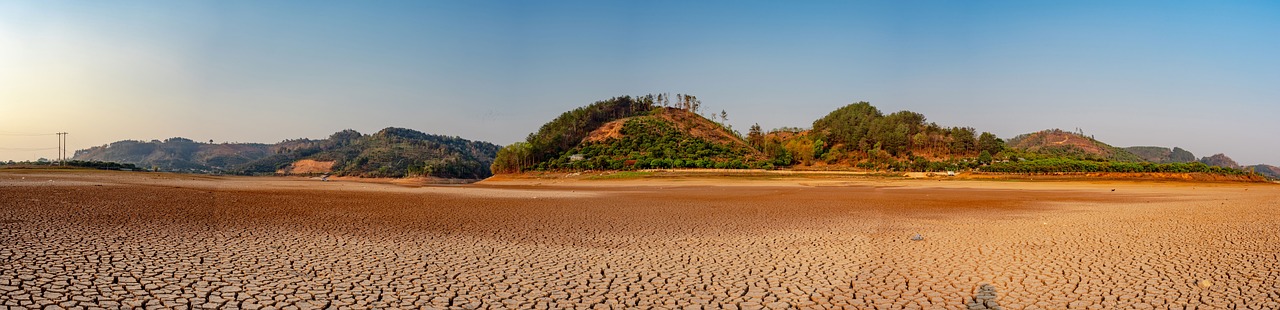
A global panel of climate experts has found that climate change is destabilizing the hydrological cycle, with rising temperatures intensifying evaporation and shifting rainfall patterns. This isn’t just a regional problem – it’s a continent-wide emergency that demands immediate attention and action.
Shrinking lakes are putting a strain on bird populations that rely on the lakes as stopovers during migration, and according to new findings, the ultimate solution will have to include wiser water management. The interconnected nature of these water systems means that the loss of one lake ripples through entire ecosystems, affecting countless species and human communities.
The rapid shrinkage of these ten lakes represents more than just a water crisis – it’s a fundamental shift in America’s landscape that’s happening faster than anyone anticipated. Scientists who once thought they had decades to address these problems now realize they may have only years before some of these iconic water bodies disappear forever.
From the Colorado River’s massive reservoirs to California’s ancient alkaline lakes, the speed of change has caught experts off guard. What do you think about this accelerating water crisis? Tell us in the comments.
