
Picture this: you’re swimming in crystal clear waters when suddenly, a massive shadow glides beneath you. Your heart pounds as you recognize the unmistakable shape of a shark approaching. Just when terror grips you completely, a pod of dolphins appears, forming a protective circle around you until the predator loses interest and swims away.
This isn’t the plot of some ocean adventure movie. These remarkable rescues have actually happened, with documented cases of dolphins intervening when sharks threaten human swimmers. Yet the reasons behind these heroic acts might surprise you more than the rescues themselves.
The Protective Ring Formation
Dolphins are known to form protective circles around humans who are in danger of shark attacks. The protective circle is formed by a group of dolphins swimming around the person in danger, keeping the sharks at bay. However, Heithaus said the most unusual case was when a group of lifeguards swimming off the coast of New Zealand were encircled by a group of dolphins. Unbeknownst to the group, a great white shark was stalking them.
In one study, dolphins formed a protective ring around swimmers in New Zealand waters. The dolphins stayed with the humans for 40 minutes until the shark left. This behavior mirrors what dolphins do naturally within their own pods when threatened.
Mistaken Identity or Maternal Instinct
Scientists believe dolphins might not actually be trying to save us at all. Despite this, Mike Heithaus, a Florida International University biological sciences professor, commented on how saving Richardson’s life might not have been the original intention of the dolphins. He explained that when a cloud of blood is seen in the water, this often shows how sharks were in the area, and if the dolphins had young with them, they’d want to scare the shark off. This meant that the dolphins might not have intentionally tried to save Richardson.
Some scientists think dolphins may mistake humans for injured members of their pod. Dolphins are known to support hurt companions by keeping them afloat. Their actions around humans could stem from this helping instinct. Think about it: to a dolphin, a struggling human might look remarkably similar to a distressed pod mate in need of assistance.
The Echolocation Connection
Through echolocation, dolphins may be able to detect distress in ways we’re only beginning to understand. It is the moment when they act as they would do it with a mate. This biological sonar system allows dolphins to detect distress in ways we’re only beginning to understand.
Through echolocation, dolphins may be able to sense distress signals in ways we’re only beginning to understand. When you’re in distress in the water, dolphins might detect your struggling movements and erratic behavior. Their natural response is to treat you like they would any distressed member of their social group.
Dolphins are known to display empathy, often assisting injured or distressed members of their pod. In these instances, echolocation can help a dolphin locate a struggling companion, allowing them to provide support.
Self-Defense Rather Than Heroism
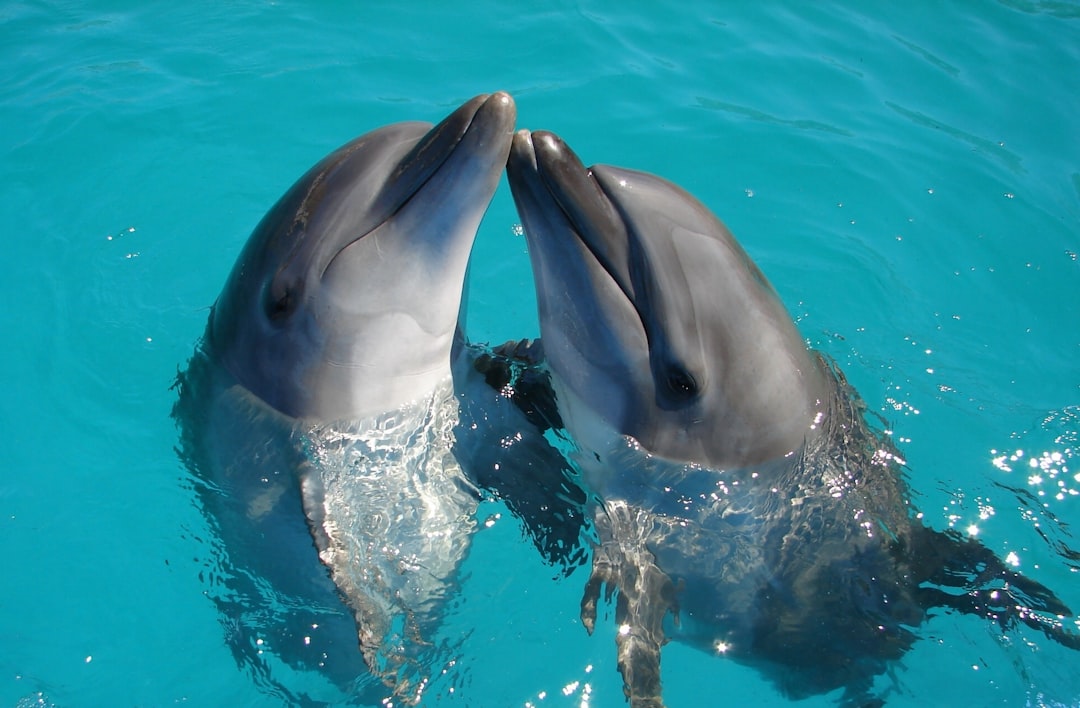
The truth might be less romantic than we’d like to believe. While there are stories of dolphins helping humans in danger, experts say they likely don’t do it to be heroes. Dolphins may form circles around people in the water, but this is probably to protect themselves or their young rather than to save humans.
While there are stories of dolphins helping humans in danger, experts say they likely don’t do it to be heroes. Dolphins may form circles around people in the water, but this is probably to protect themselves or their young rather than to save humans. When sharks appear, dolphins naturally band together for protection. Humans might simply benefit from being in the right place at the right time.
Ancient Protective Programming
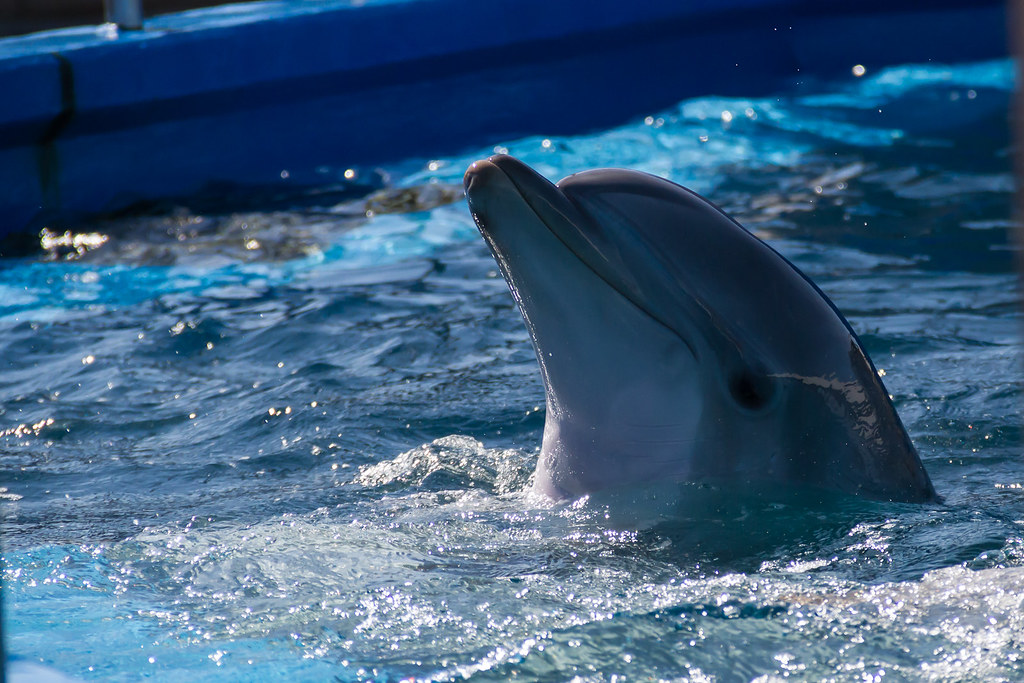
The act of defending humans from an animal that can attack them, like sharks, is similar to the behavior of mothers protecting their offspring. This maternal programming runs deep in dolphin psychology. In the wild they usually help the sick pod mates, supporting them to reach the surface so they can breathe. Females are loving mothers devoted to their offspring while they feed on breast milk and even long time after weaning.
In Greek and old sea stories, there are dozens of claims of dolphins helping drowning sailors, rescuing people from sharks, and making themselves useful as guides through treacherous waters. Dolphins and other cetaceans also help injured members of their family groups and newborn babies to the surface by swimming under them and nudging upward, just as some reports describe them doing with humans. This behavior appears hardwired into their social structure.
The Intelligence Factor
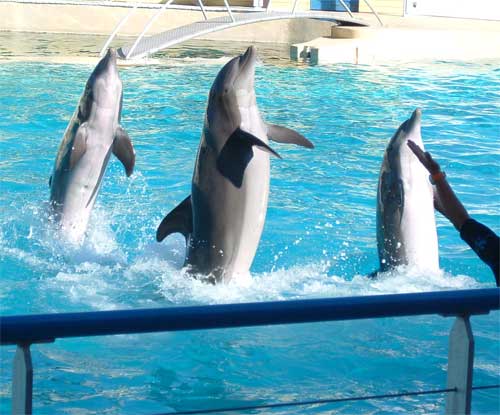
Scientists have been studying dolphin behavior for decades, and research shows that these creatures have a high level of empathy and understanding. Dolphins possess large brains relative to their body size, indicating advanced cognitive functions. This intelligence allows them to recognize threats, communicate effectively, and develop strategies to address dangers, including protecting humans from sharks.
Scientists, however, do know that dolphins are incredibly intelligent, large-brained, and highly social mammals — like us in these respects. Scientists have also found that dolphins are capable of mirror self-recognition, a primary indicator of self-awareness. And, according to researchers at the National Aquarium in Baltimore, this capability “is thought to correlate with higher forms of empathy and altruistic behavior”. Their intelligence might genuinely drive them to help other intelligent beings.
Real-Life Rescue Stories

The documented cases are truly remarkable. Surfer Todd Endris needed a miracle. The shark – a monster great white that came out of nowhere – had hit him three times, peeling the skin off his back and mauling his right leg to the bone. That’s when a pod of bottlenose dolphins intervened, forming a protective ring around Endris, allowing him to get to shore, where quick first aid provided by a friend saved his life.
In April 2014, swimmer Adam Walker was joined by dolphins to protect him from sharks on an eight hour endurance swim between New Zealand’s two main islands. When a shark started following him, a pod of dolphins started to circle him, apparently to protect him from the shark. MSNBC report that in 2007 a pod of bottlenose dolphins in California formed a protective ring around a surfer that had just been attacked by a great white shark, allowing him to get to shore and saving his life.
The Scientific Debate Continues
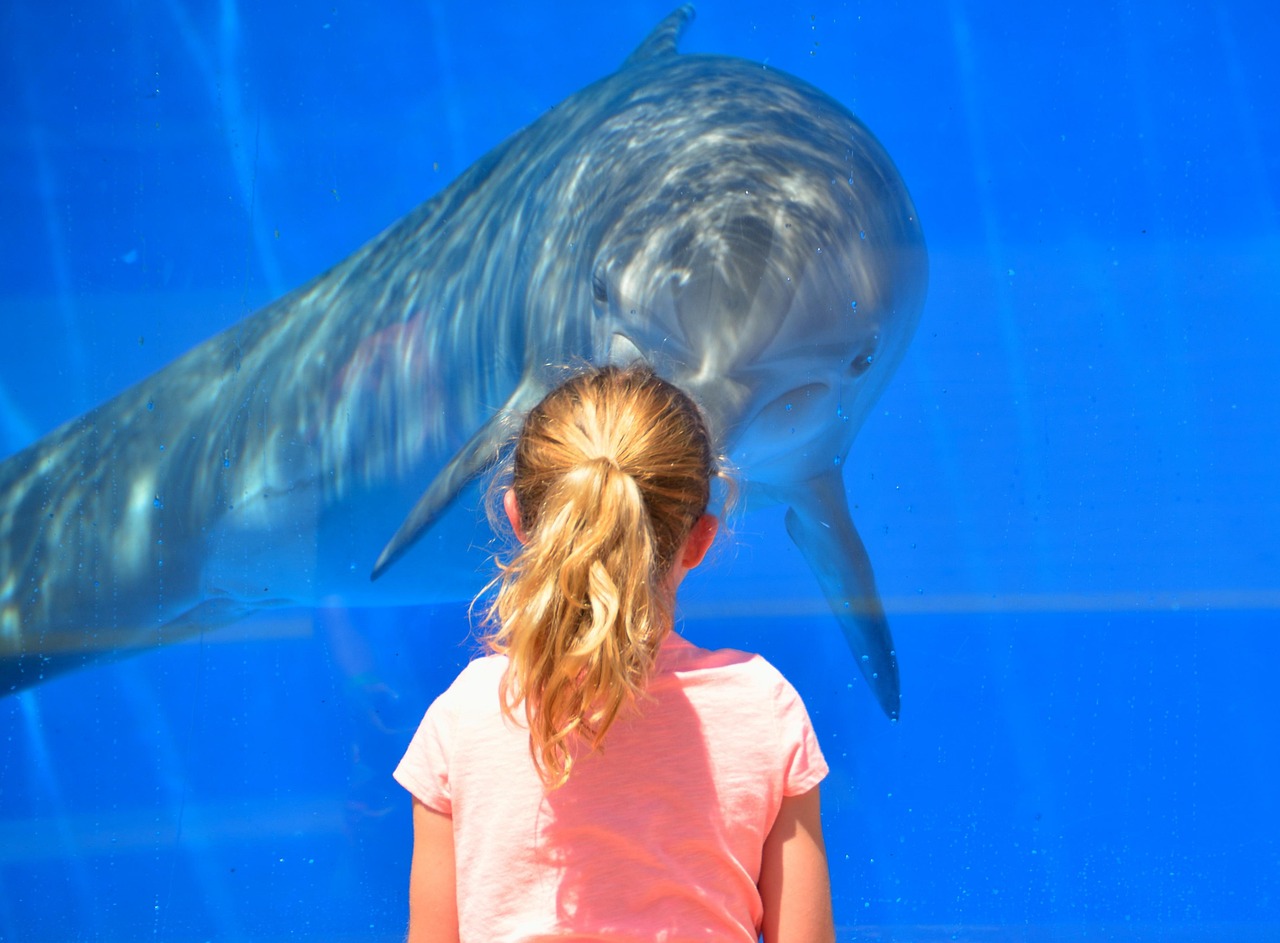
While anecdotal evidence suggests that dolphins might protect humans from sharks, scientific studies have yet to conclusively support this claim. Tom Hird, marine biologist and shark conservationist, said in the program: “Being saved by another animal is certainly a very romantic notion”.
While it’s true that dolphins have been observed attacking sharks in certain situations, there is no evidence to support the claim that they do so to protect humans. In fact, most shark attacks on humans occur in areas where dolphins are not present, and there is no scientific evidence to support the idea that dolphins have a specific role in protecting humans from shark attacks. The debate among marine biologists continues, with some remaining skeptical about intentional rescue behavior.
Conclusion
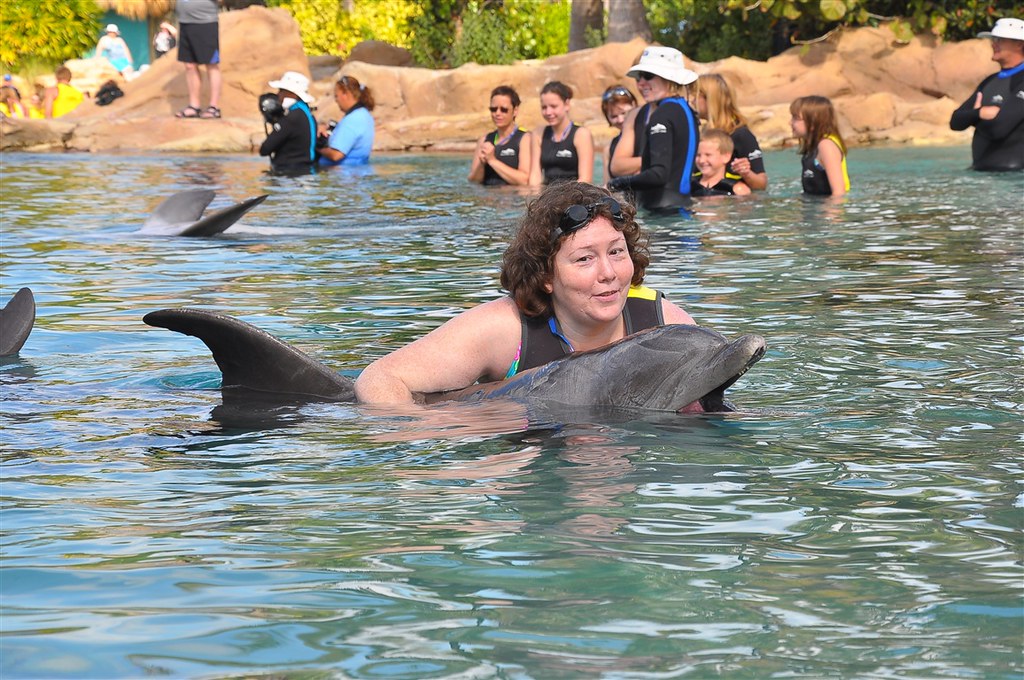
The strange truth about dolphin rescues lies somewhere between heroic altruism and evolutionary programming. As we can’t talk to dolphins, we can’t understand what their motives are in these situations. It is, however, very possible that they are indeed trying to help and protect fellow mammals in the ocean to safety. If this is true, it means that they are the only animals, besides humans, which show true altruism.
Whether dolphins consciously choose to save us or simply follow their natural protective instincts, these ocean encounters remind us of the remarkable intelligence and complexity of marine life. The next time you hear about a dolphin rescue, remember that the reality might be even more fascinating than the fairy tale. What would you think if you discovered that your rescue was actually just a case of mistaken identity?

- 16 Things a Dog Only Ever Does Around the One Human It Has Truly Chosen for Life - July 31, 2026
- Why Highly Sensitive People Often Have Highly Reactive Dogs - July 31, 2026
- Avoid These 8 Cat Breeds If You’re a Scorpio - July 31, 2026