
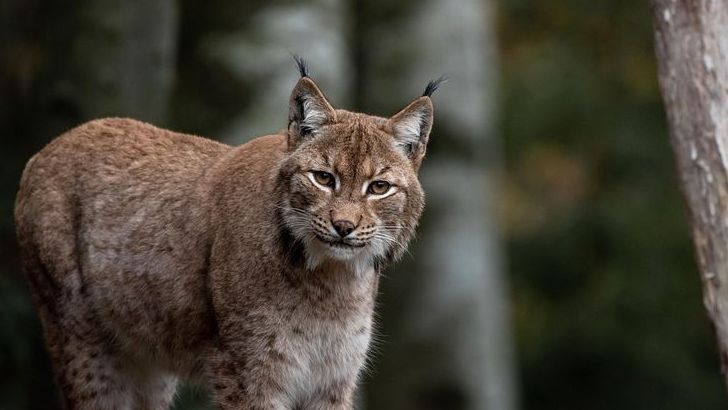
Across America’s vast forests, a quiet crisis unfolds in the shadows. According to global wildlife monitoring data, there has been a significant decline in wildlife populations over recent decades, marking one of the most devastating wildlife collapses in recorded history. This isn’t just about pandas or polar bears making headlines.
We’re talking about the squirrels in your backyard, the owls hooting at night, the woodpeckers you’ve always counted on seeing. These familiar creatures are vanishing so gradually that most people haven’t even noticed. That’s almost three billion birds gone. Vanished from our forests, grasslands, and backyards, in less than the span of a human lifetime. The science is clear, the numbers are staggering, yet this ecological disaster continues largely in silence.
Forest Birds Are Vanishing in Unprecedented Numbers
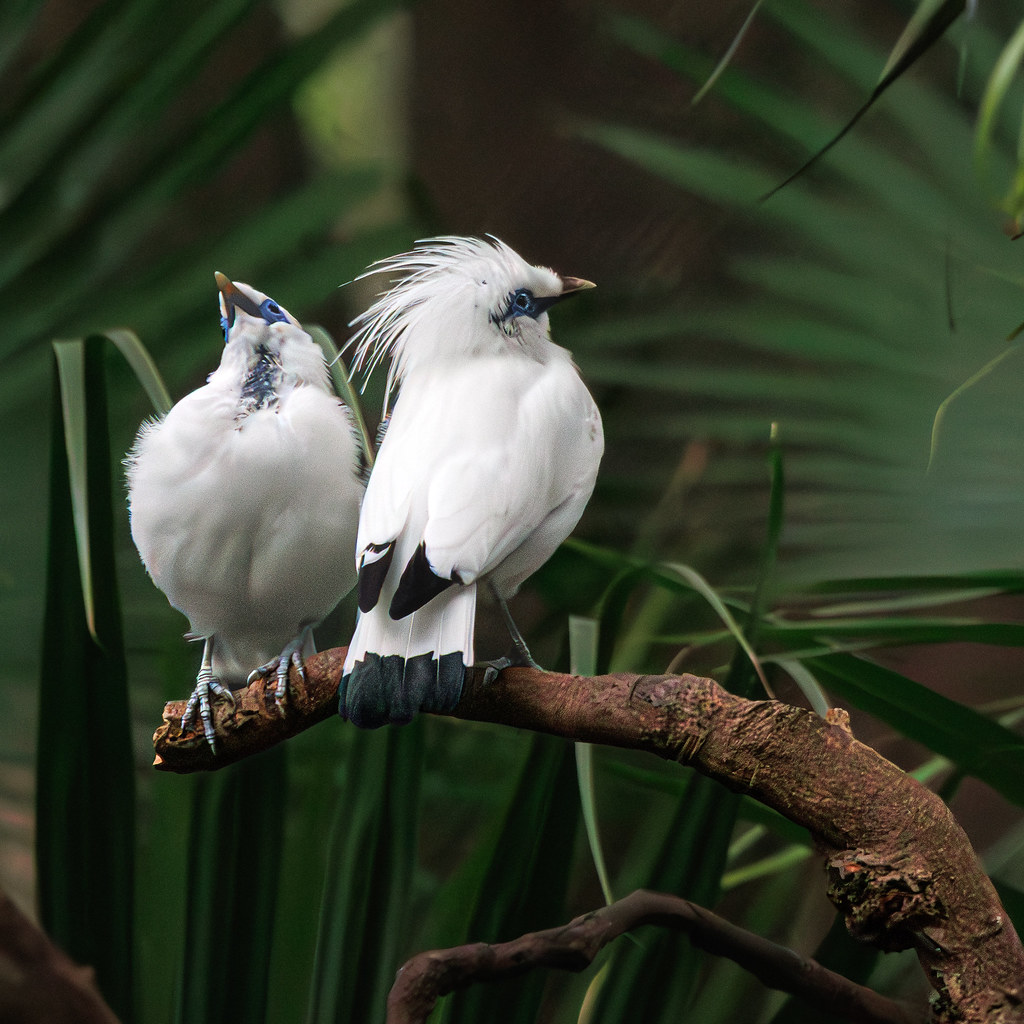
The statistics about forest birds are genuinely shocking. North American forests have experienced substantial bird population losses as part of the broader decline, representing an ecological catastrophe that’s happening right under our noses. These aren’t just rare species we’re talking about either.
Common birds – the species that many people see every day – have suffered the greatest losses, according to the study. More than 90% of the losses (more than 2.5 billion birds) come from just 12 families including the sparrows, blackbirds, warblers, and finches. The birds that once filled our forests with song are simply disappearing, and most of us haven’t even noticed the growing silence.
Mammals Face an Equally Devastating Decline
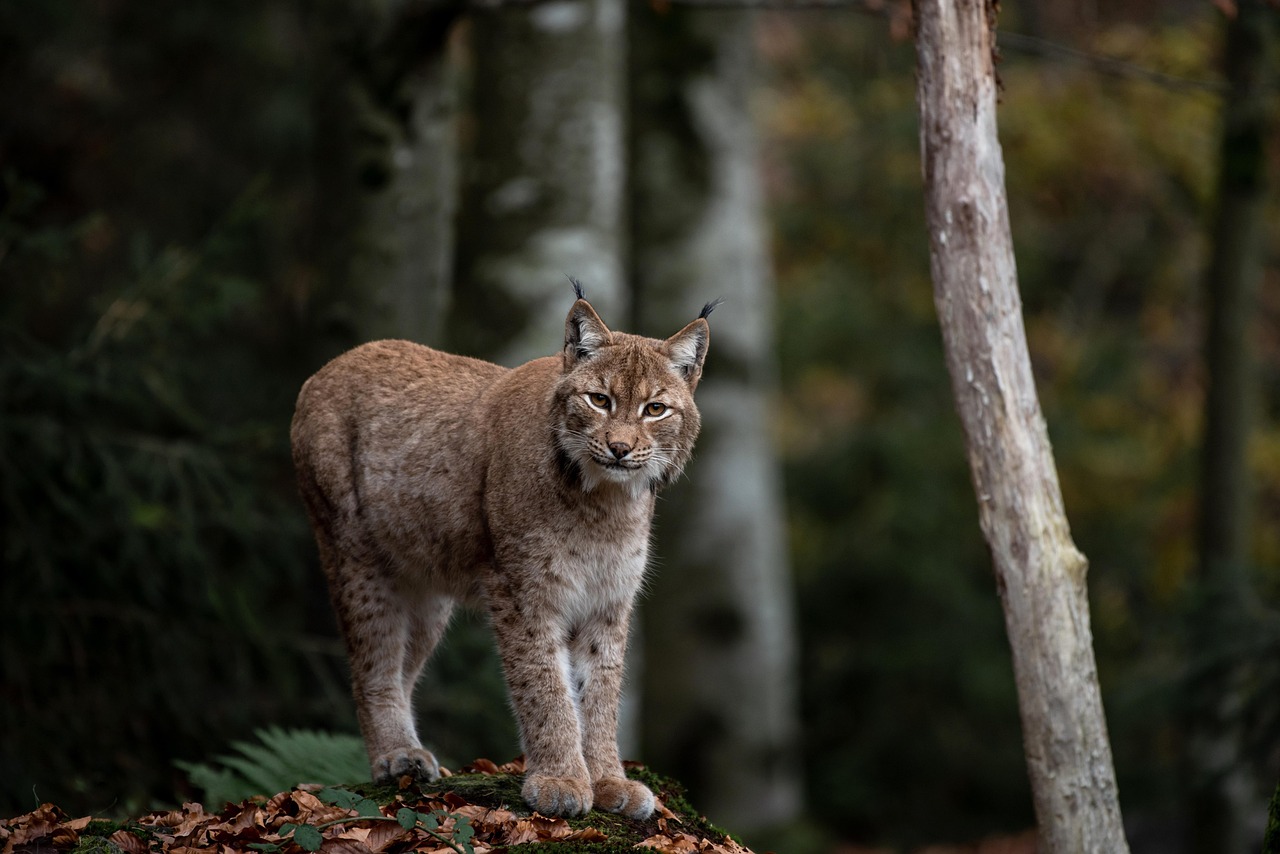
While birds capture much of the research attention, forest mammals are experiencing similarly devastating losses. More than one-third of U.S. fish and wildlife species are at risk of extinction in the coming decades. The decline affects everything from tiny shrews to large predators that once roamed freely through America’s woodlands.
Forest ecosystems have become increasingly fragmented, making it nearly impossible for many mammal populations to maintain healthy breeding groups. Much of the remaining terrestrial wildlife habitat in the U.S. has been cut up into fragments by roads and development. Aquatic species’ habitats have been fragmented by dams and water diversions. This fragmentation creates isolated populations that struggle to survive long term.
Habitat Loss Is the Silent Killer
Habitat loss – due to destruction, fragmentation, or degradation of habitat – is the primary threat to the survival of wildlife in the United States. When an ecosystem has been dramatically changed by human activities – such as agriculture, oil and gas exploration, commercial development, or water diversion – it may no longer be able to provide the food, water, cover, and places to raise young that wildlife need to survive. The transformation happens gradually, making it easy to overlook until it’s too late.
Habitat loss poses the greatest threat to species. The world’s forests, swamps, plains, lakes, and other habitats continue to disappear as they are harvested for human consumption and cleared to make way for agriculture, housing, roads, pipelines and the other hallmarks of industrial development. Every day, another patch of forest becomes a parking lot or housing development, and with it goes the home of countless creatures.
Climate Change Accelerates the Crisis
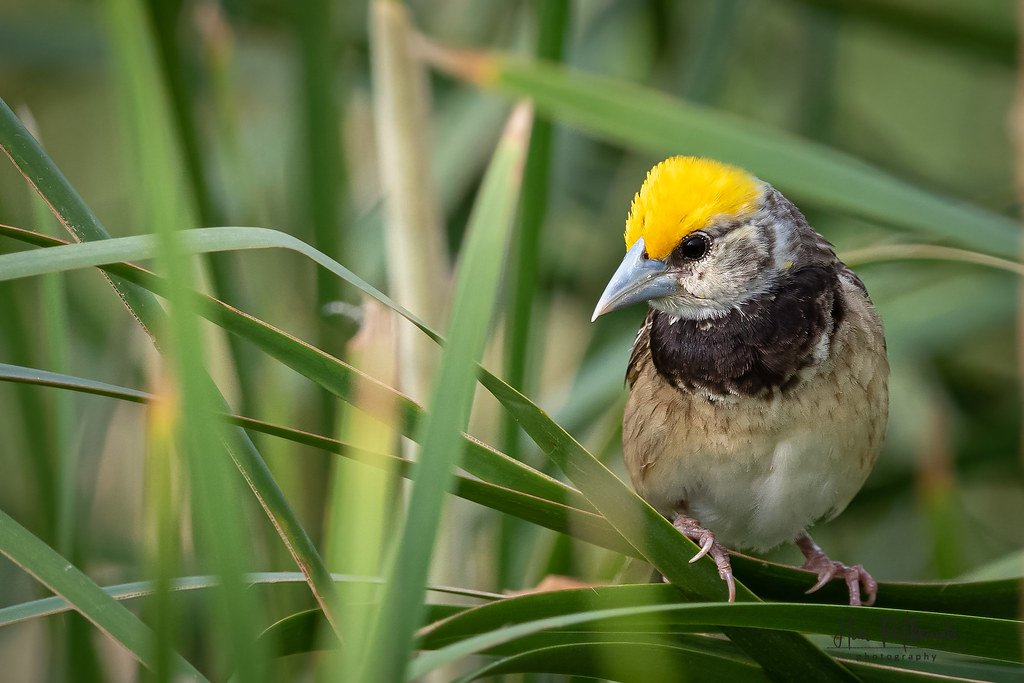
The emerging driver of habitat loss is climate change. Wildlife that need the cool temperatures of high elevations, such as the American pika, may soon run out of habitat. Coastal wildlife may find their habitat underwater as sea levels rise. Climate change isn’t just a future threat, it’s actively reshaping ecosystems right now.
Forest animals face a double threat as warming temperatures alter their habitats while simultaneously making it harder to find suitable new areas. So the loss of habitat combined with climate change, is making it trickier for birds to find places that have ideal conditions for them to survive. So, we’re already seeing birds move because of climate change and trying to find new locations to move into. And that’s tricky when there’s not a lot of habitat because things have been altered on the landscape from what they’ve been used to.
The Quiet Extinction of Common Species
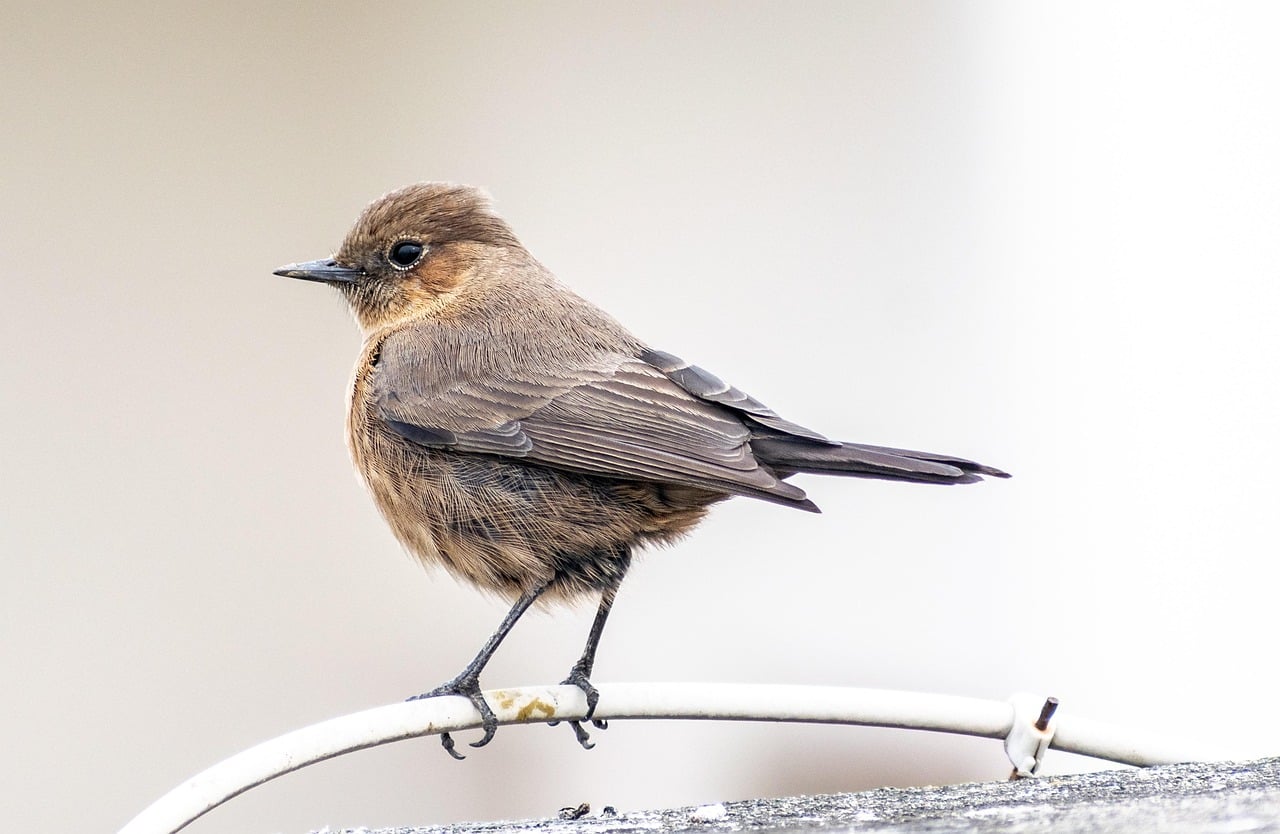
Perhaps most troubling is the revelation that formerly common species have been declining, while formerly rare species (the least abundant species) have shown increases in abundance. This counters typical narratives of declining rare species. The fact that this pattern is shared across distinct habitats and regions suggests that common species disproportionately face community-wide pressures.
This pattern represents a fundamental shift in forest ecosystems. The birds and mammals that once formed the backbone of forest communities are quietly disappearing. Declines in North American birds are driven not by rare species vanishing but by sharp losses among formerly common species. We’re witnessing the collapse of abundance rather than the extinction of rarity.
Why So Few People Notice the Crisis
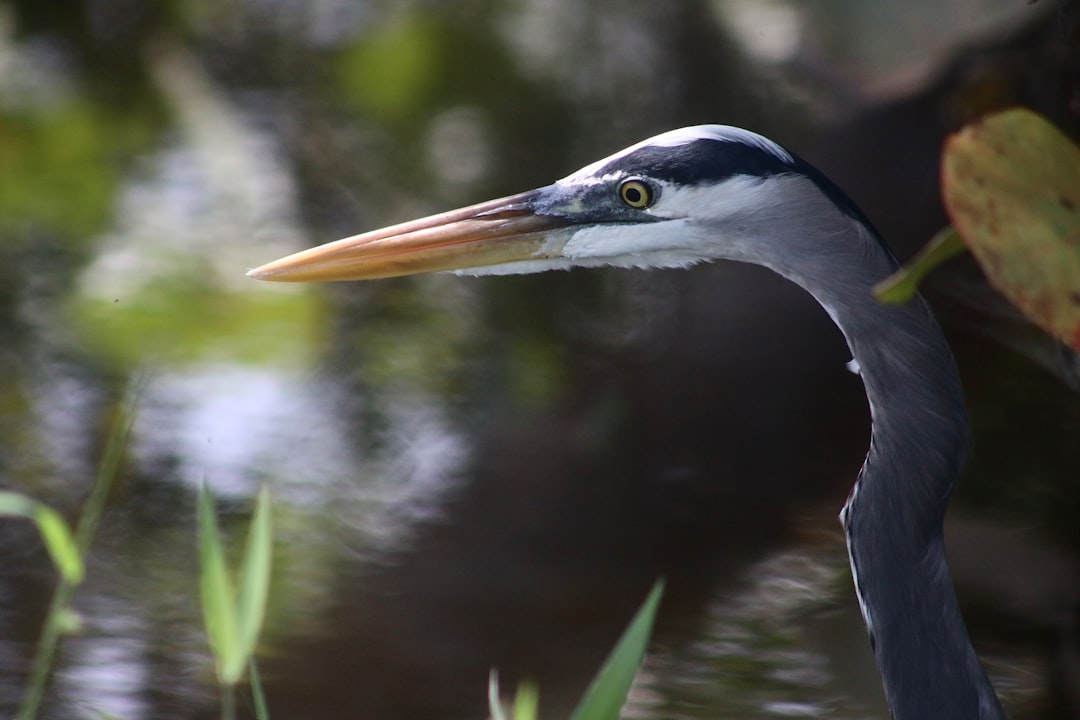
The gradual nature of this decline explains why it goes largely unnoticed. A surprising number and variety of North American wildlife species are quietly disappearing, but the changes happen slowly enough that people adapt without realizing what they’ve lost. Each generation grows up with a slightly diminished natural world, accepting it as normal.
The cumulative loss of nearly 3 billion birds since 1970 across North American biomes signals a continuing avifaunal crisis. Yet because these losses accumulated over decades, most people never experienced the dramatic moment when the forest suddenly fell silent. Instead, we’ve gradually adjusted to emptier woods, fewer bird songs, and less wildlife activity without really noticing the change.
The Hidden Consequences of Forest Animal Loss
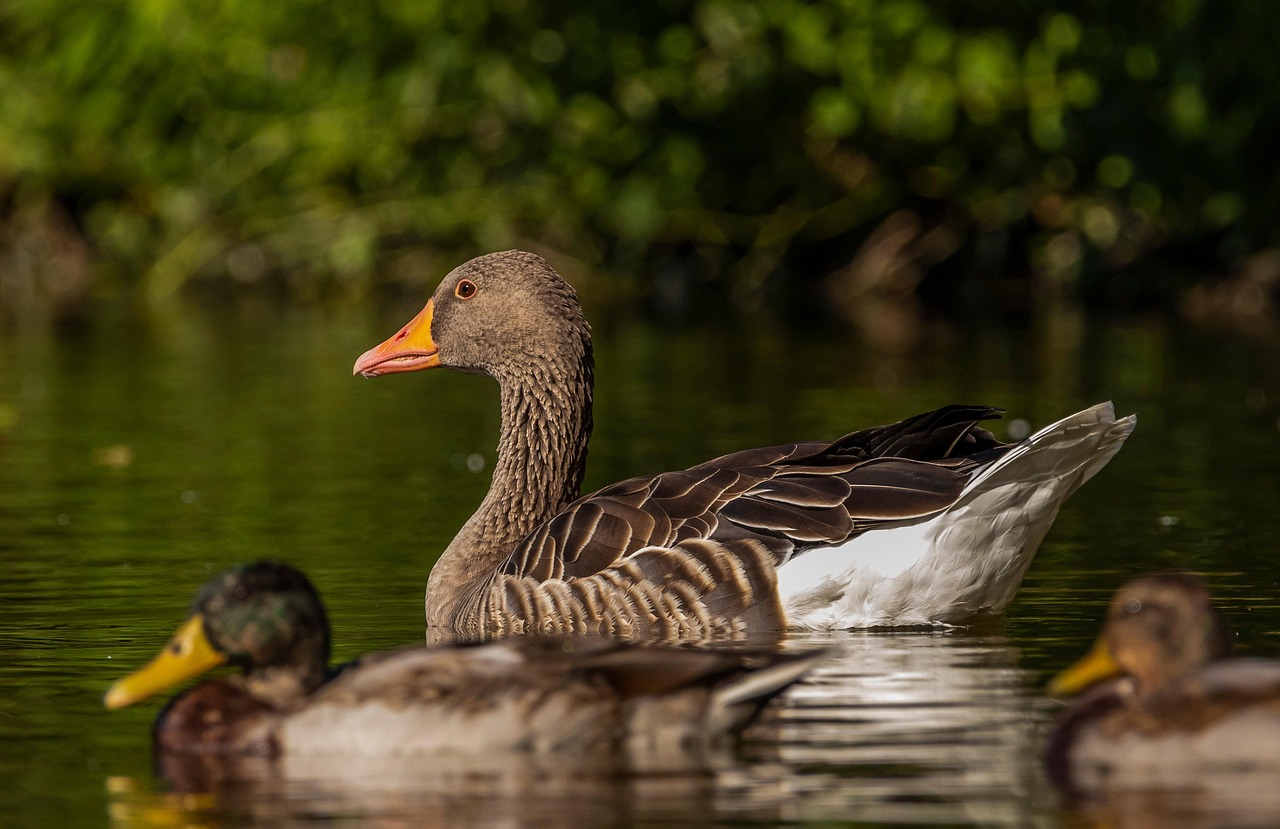
The disappearance of forest animals creates cascading effects that most people never connect to wildlife decline. “Vertebrate populations underpin ecosystem health and the services we get from ecosystems like stable climate, abundant and clean water, healthy soils to grow food, productive fisheries that supply people with protein”. When animals disappear, these essential services begin to break down.
“We’re talking about pest control, we’re talking about pollination [and] seed dispersal,” he says, referring to the roles birds play in ecosystems. Because it is relatively easy to monitor birds, he adds, their presence or absence in a habitat can be a useful indicator of other environmental trends. The quiet forest isn’t just sad, it’s a warning sign of deeper ecological problems.
Hope Remains Despite the Crisis
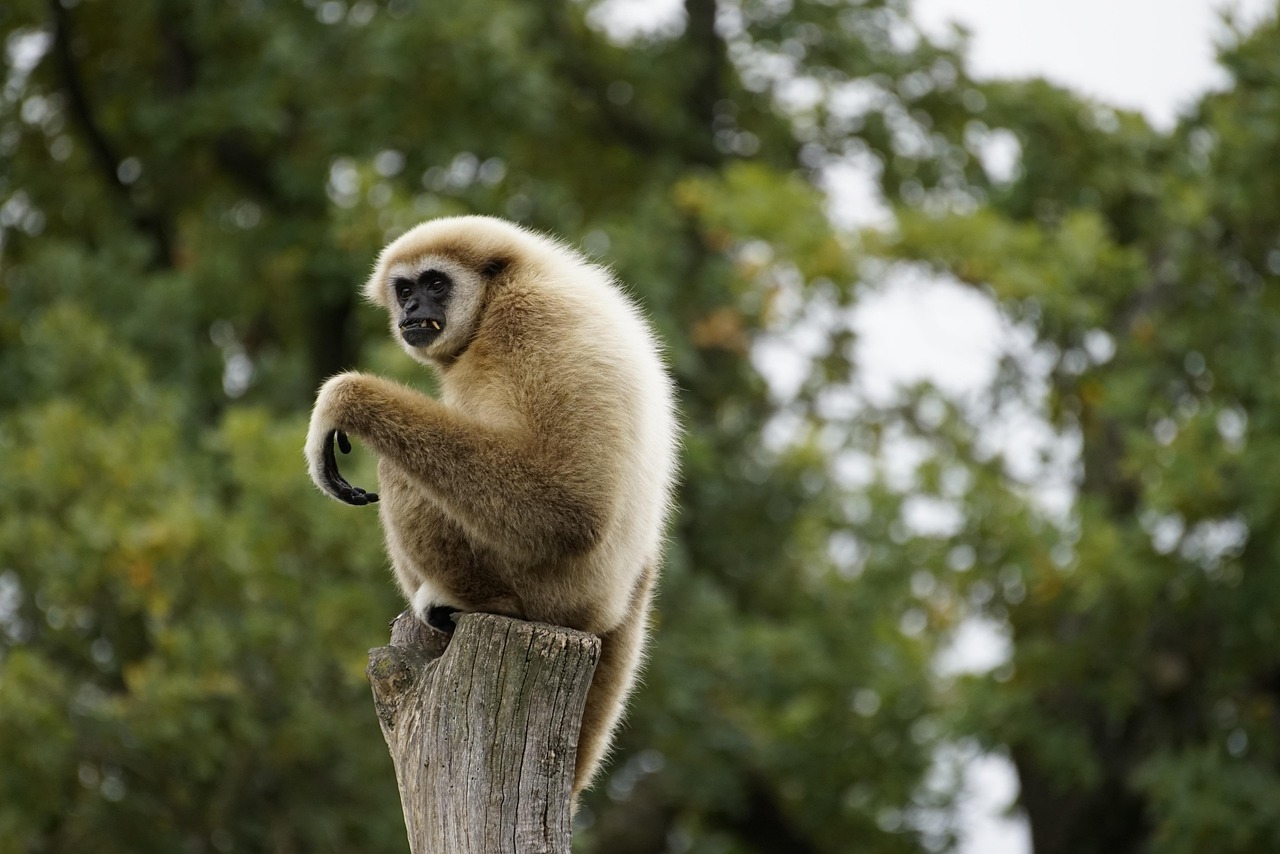
Though the situation seems dire, there are still opportunities to reverse these trends. It’s this bit about “conservation measures have helped” that needs to guide us going forward. Strategic conservation efforts, habitat restoration, and wildlife corridors can make a significant difference when implemented effectively.
Landmark programs such as the watershed 50-year-old Endangered Species Act and more recent legislation are providing needed boosts to resources to turn the tide of habitat destruction. America the Beautiful Initiative launched in 2021: Recent legislation with a goal to restore, connect, and conserve 30 percent of lands and waters by 2030. Success stories exist, proving that determined conservation efforts can bring species back from the brink.
The challenge is recognizing the crisis before it’s too late. “Federal protection came too late to reverse these species’ decline, and it’s a wake-up call on the importance of conserving imperiled species before it’s too late”. The time for action is now, while there’s still time to save what remains of America’s forest wildlife.
America’s forests are becoming quieter and emptier, and most of us are too busy to notice. The challenge isn’t just saving endangered species anymore, it’s preserving the common animals that make our forests feel alive. What do you think about this silent crisis? Have you noticed fewer birds or wildlife in your local forests?

- 6 US States With the Most Wild Turkey - July 29, 2026
- The World’s Deepest Oceans Harbor Creatures with Unbelievable Survival Skills - July 29, 2026
- 12 Dog Breeds That Stay Healthy Well Into Old Age - July 29, 2026