
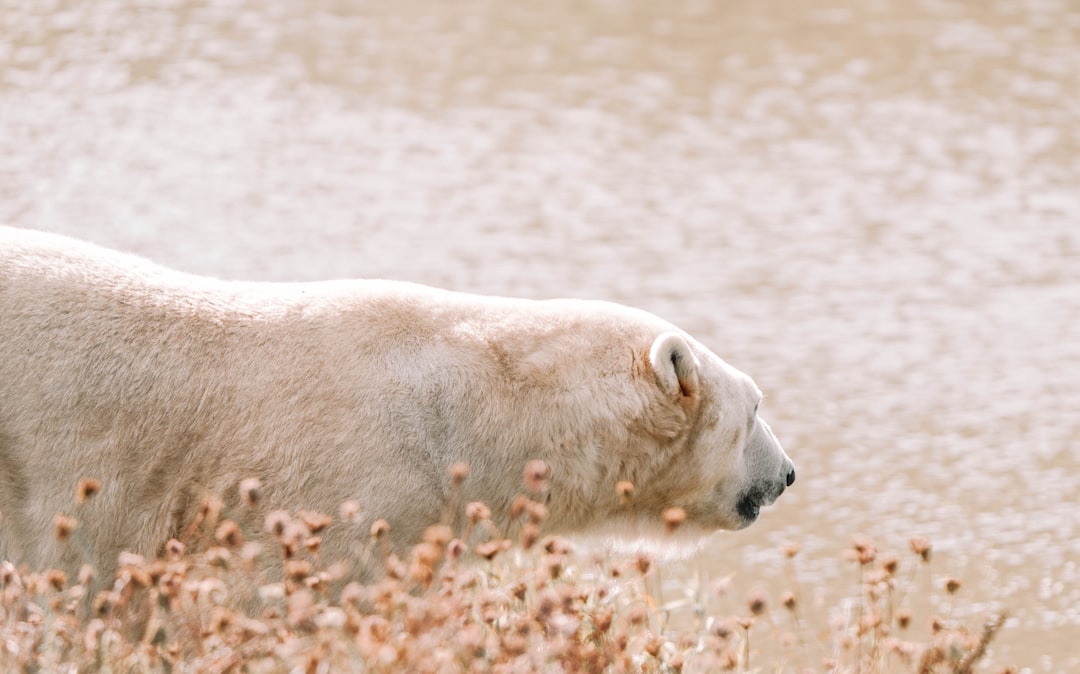
Picture this: a massive white predator, perfectly adapted for one of Earth’s harshest environments, suddenly finding itself outpaced by a changing world. That predator is the polar bear, and its current struggle isn’t just an animal story. It’s a preview of what happens when adaptation meets the unstoppable force of rapid environmental change.
Scientists now have concrete evidence that these Arctic giants are losing a battle they’ve fought successfully for thousands of years. Their survival strategies, honed over millennia, are failing in real time. What makes their story particularly unsettling is how it mirrors the challenges facing our entire planet. The polar bear’s fate has become our canary in the coal mine, except this canary weighs 1,500 pounds and has ruled the Arctic for half a million years.
When Sea Ice Becomes a Death Sentence
The Western Hudson Bay polar bear population has declined significantly in recent decades, with studies showing approximately 27-30% decline since the 1980s, directly due to climate-driven sea ice loss that reduced hunting opportunities. Between 1979 and 2015, the length of time without ice in western Hudson Bay has risen by three weeks. These aren’t just numbers on a spreadsheet.
Think of it this way: imagine if your grocery store was only open for eight months instead of twelve, but your family still needed to eat year-round. From 1980 to 1989, the average time between Hudson Bay ice melt and freeze was 107 days, but by 2015, this jumped to 130 days. Some years now stretch to 164 days without ice.
The Adaptation Myth Falls Apart
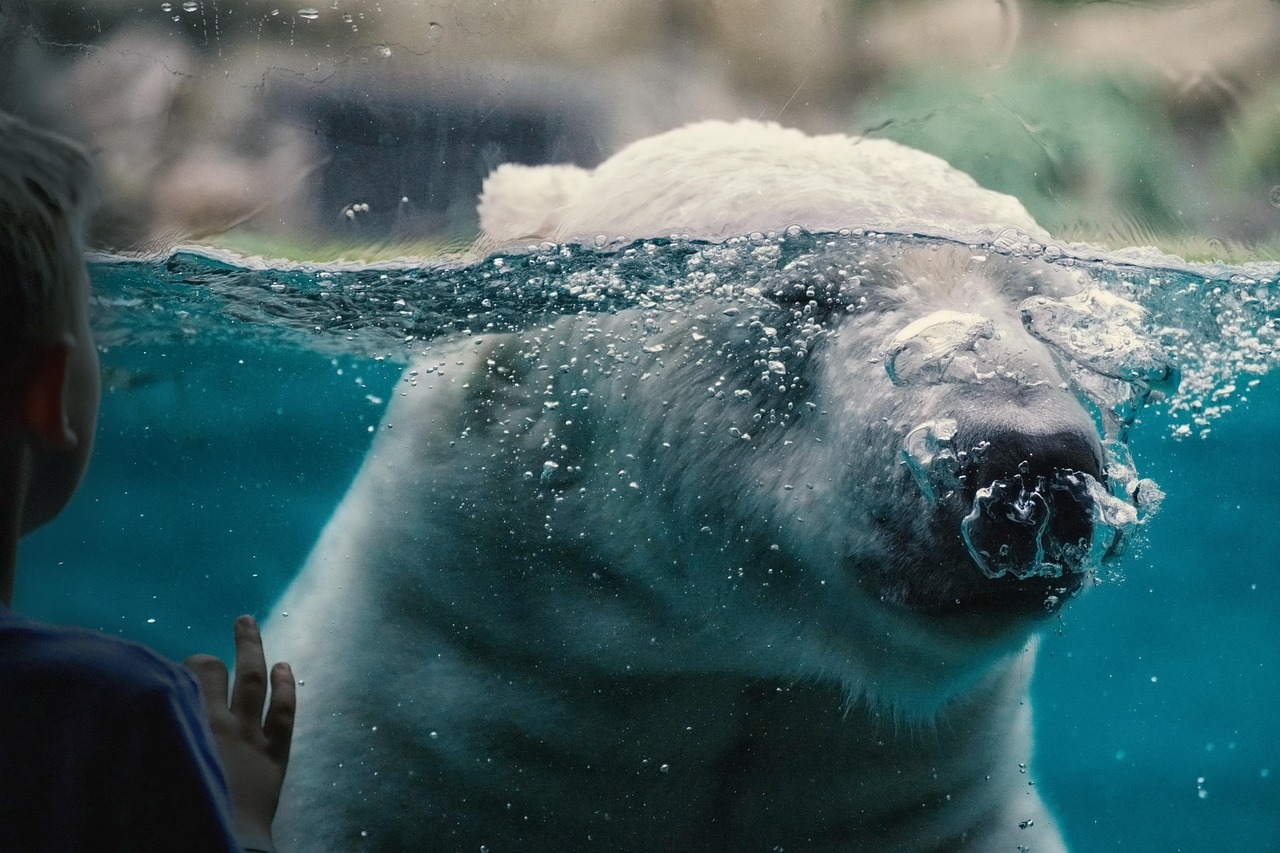
During three summer weeks, scientists observed 20 polar bears trying different strategies including resting, scavenging and foraging, yet nearly all lost weight rapidly at around one kilogram per day. This study shattered a common assumption that polar bears might simply adapt like their grizzly relatives.
The bears forage for food such as birds and berries rather than resting, but doing so causes them to spend as much extra energy as they gain from eating the food. As one researcher put it, “Polar bears are not grizzly bears wearing white coats. They’re very, very different.”
The Starvation Clock Is Ticking
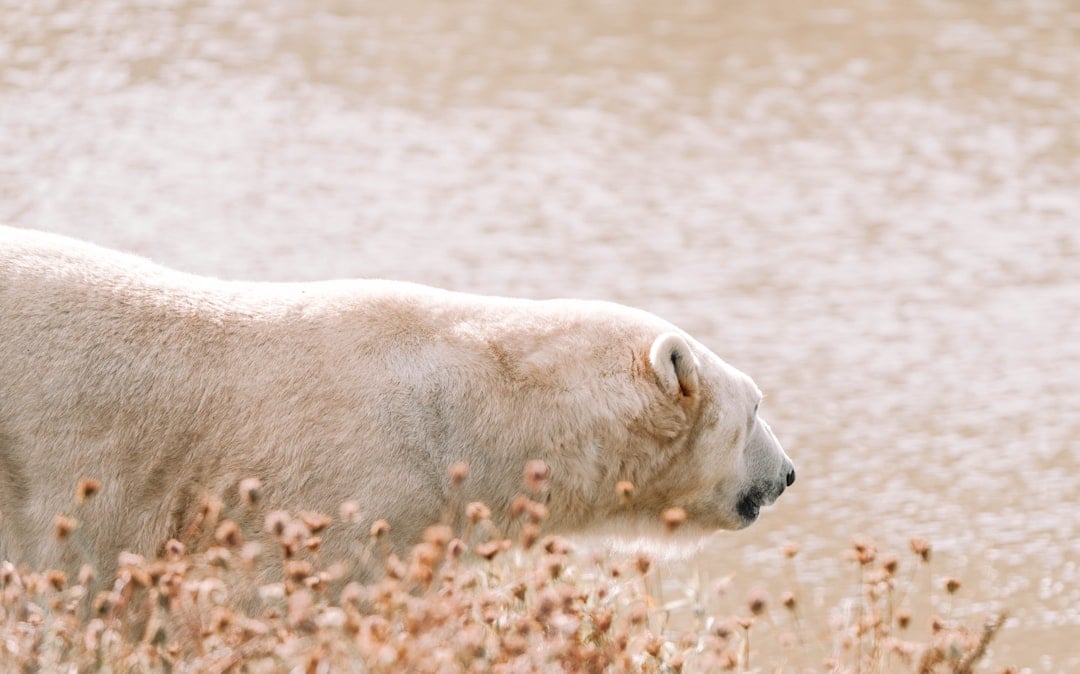
Scientists have identified a fasting threshold where cubs can survive around 117 days without food, while adult males and females can survive longer periods. However, forced to spend longer periods on land without sufficient food could cause vulnerable individuals, especially young bears, to suffer from starvation.
The mathematics of survival are brutally simple. The fatter a bear is from months of feeding on sea ice, the better it can deal with the ice-free period, leading to what one expert calls “survival of the fattest”. Yet even fat reserves have limits in a world where fasting periods keep expanding.
Cubs Pay the Ultimate Price
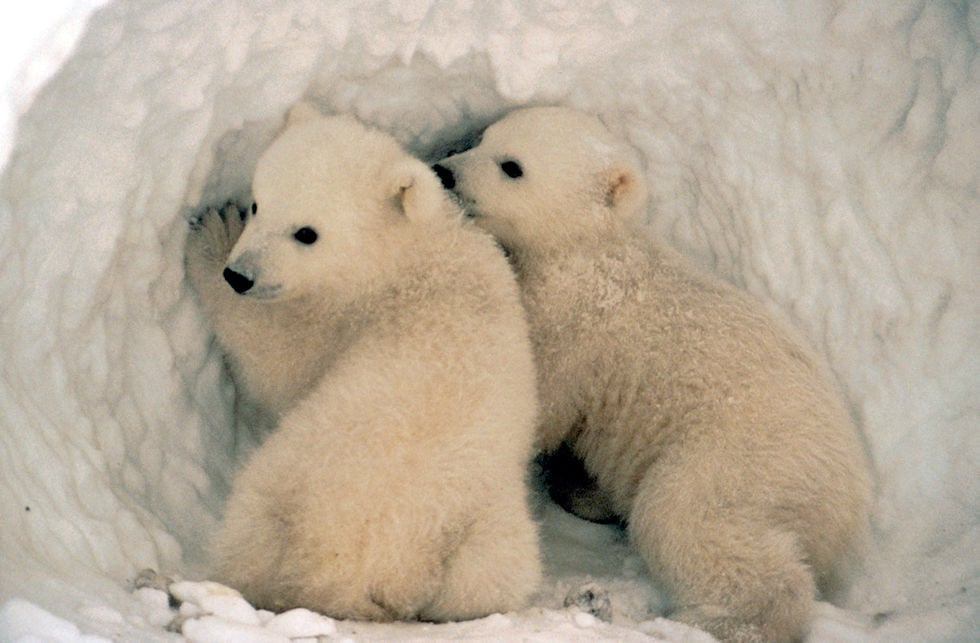
Cubs face the brunt of climate-induced challenges, as shorter hunting periods result in mothers producing less milk, jeopardizing cub survival, and cubs face reduced survival rates during their first fasting period if they fail to gain enough weight. Monitoring data shows cub litter sizes have dropped 11% compared to almost 40 years ago, and mothers are keeping their cubs longer because they aren’t strong enough to live on their own.
This creates a devastating cycle: stressed mothers produce fewer, weaker cubs, who then struggle to survive their first years. As one researcher noted, “It’s pretty simple — the survival of cubs directly impacts the survival of the population”.
A Glimpse of Hope in Greenland’s Fjords
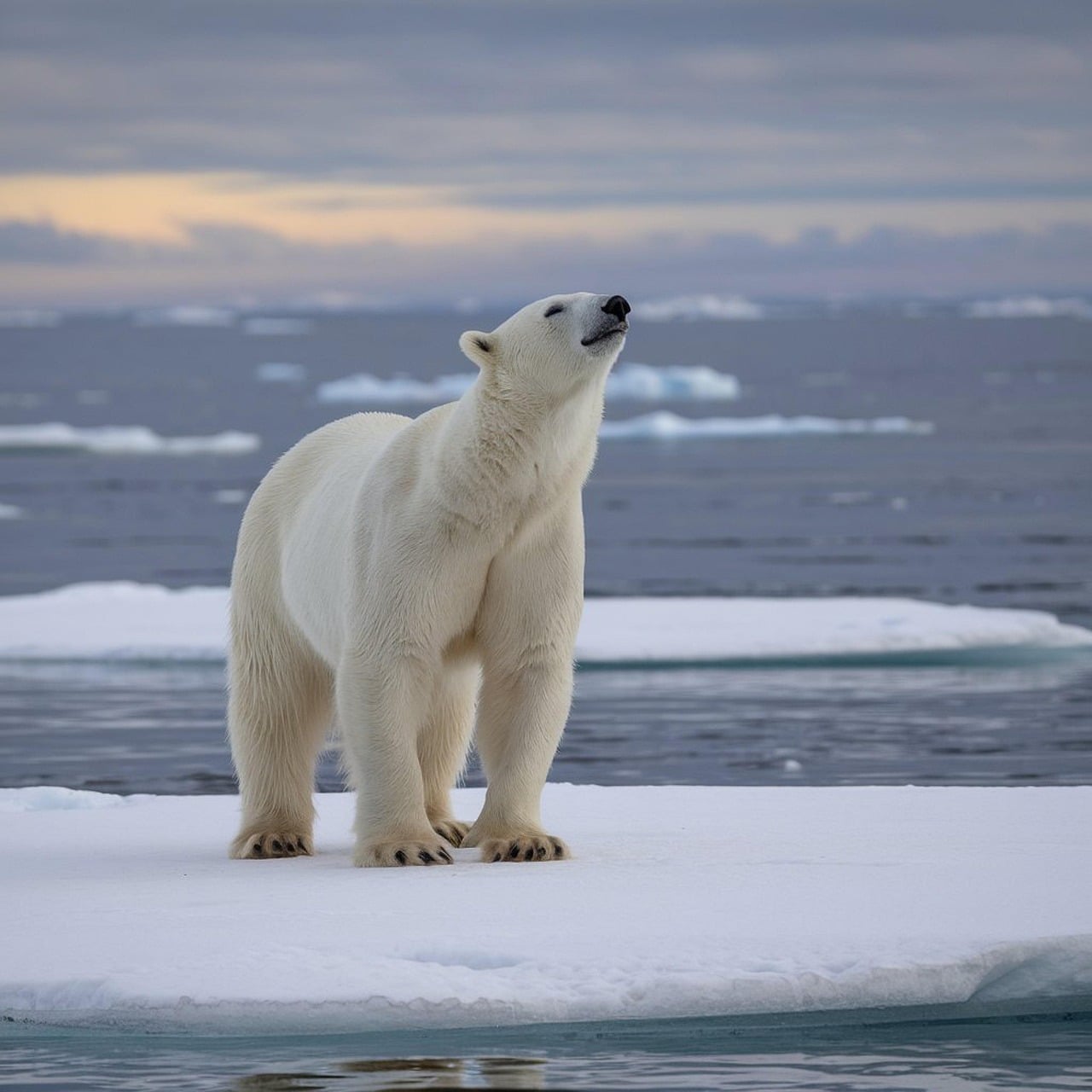
An isolated population of several hundred bears in Greenland’s southeast coast has survived with only abbreviated access to sea ice by hunting instead from chunks of freshwater ice breaking off from the Greenland Ice Sheet, surviving in fjords that are sea-ice free more than eight months of the year. This population offers a fascinating glimpse into possible adaptation.
However, these bears are not thriving – they reproduce more slowly and are smaller in size, but importantly, they are surviving. The findings may provide insight into how polar bears survived previous warm periods over roughly 500,000 years since they split evolutionarily from brown bears.
When Numbers Tell Our Future
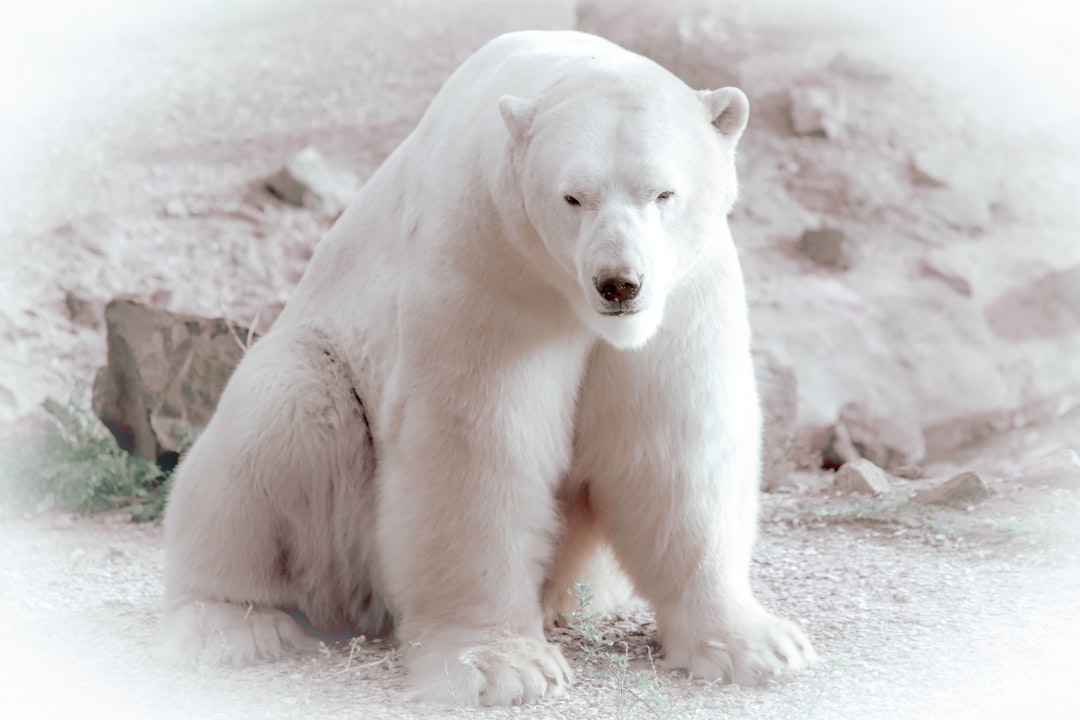
Scientists estimate there is a 70% chance the global population of polar bears will fall by more than a third within the next three generations. By mid-century, polar bears could disappear from areas that include two-thirds of the world’s current population.
Even if we moderately reduce greenhouse gas emissions, local extinctions of polar bears in some parts of the Arctic are likely by 2100, and if we fail to reduce emissions, we may lose all but a few high-Arctic subpopulations. The timeline isn’t abstract anymore. Scientists warn that breaching the Paris Climate Agreement could lead to localized extinction of Hudson Bay’s polar bears, with the Southern Hudson Bay population at risk as early as the 2030s.
The Mirror of Our Own Future
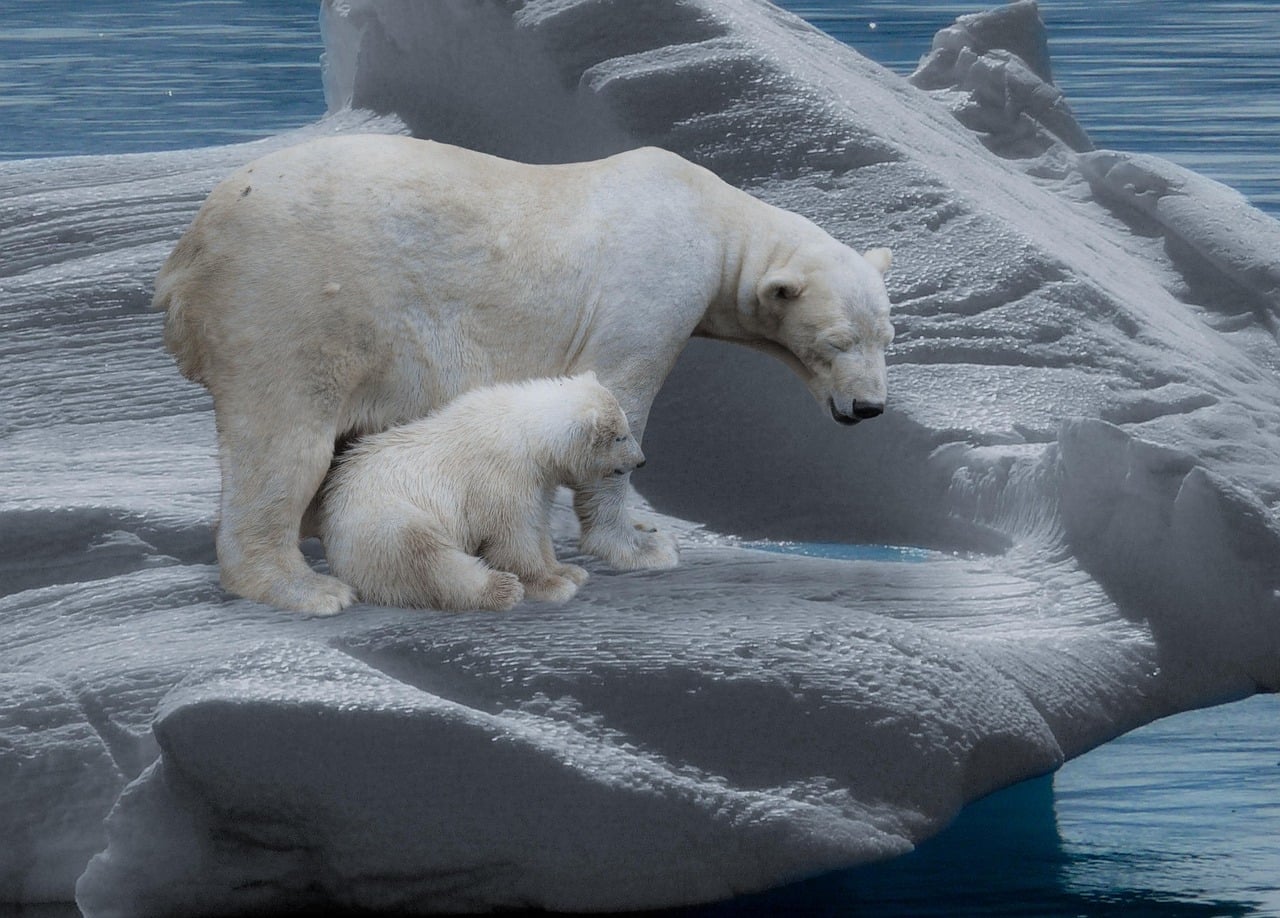
The polar bear’s story is ultimately about rapid change overwhelming slow adaptation. Temperatures in the Arctic are rising nearly four times as fast as the global average, creating a speed of change that evolution simply cannot match. Even with international climate agreements, the pace of warming will likely be too much for the bears to withstand, as these species evolved in a cold environment with lots of ice and are having to adapt quite quickly.
What makes this particularly relevant to humans is the pattern: a highly successful species, perfectly adapted to its environment, suddenly facing changes faster than its adaptation mechanisms can handle. Sound familiar? We’re witnessing what happens when the rate of environmental change exceeds the rate of adaptive response.
The polar bear’s struggle offers us more than just another climate change cautionary tale. It’s a real-time experiment in survival under rapid environmental transformation. These bears have survived ice ages, volcanic winters, and massive climate shifts over half a million years. Yet they may not survive the next few decades of human-driven change.
Their story forces us to confront an uncomfortable truth: being perfectly adapted to current conditions means nothing if those conditions change faster than you can adapt. The polar bear’s fate isn’t just about Arctic ecosystems or wildlife conservation. It’s about understanding what happens when change outpaces adaptation, whether you’re a 1,500-pound predator or a species that thinks it can engineer its way out of any problem. What do you think about it? Tell us in the comments.
