
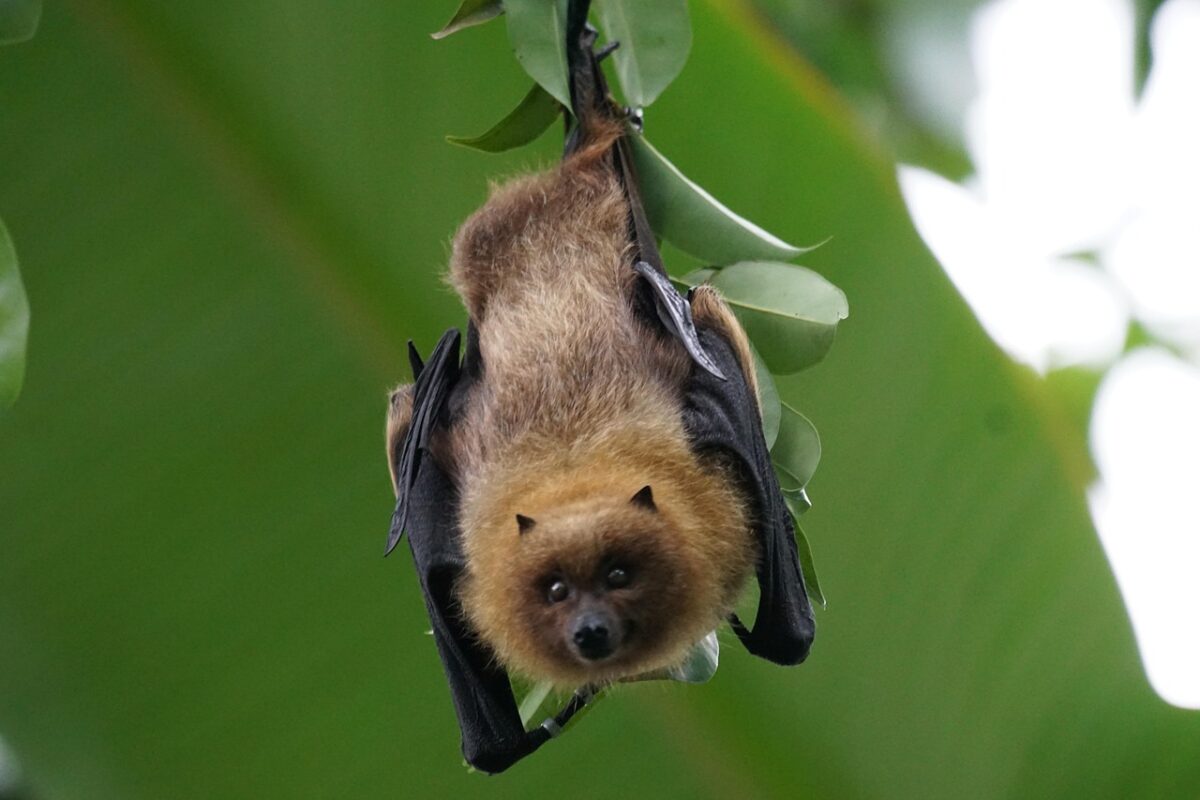
Picture this: while most of us are nestled safely in our beds, there’s a whole world stirring to life in the darkness around us. It’s a world inhabited by creatures so perfectly adapted to the night that they’ve turned our worst fears into their greatest advantages. Bats, those enigmatic flying mammals, have mastered the art of living in places that send shivers down our spines.
From pitch-black caves that stretch into the earth’s depths to abandoned mines still echoing with danger, these remarkable animals have claimed territories that would make even the bravest explorer think twice. What makes them not just survive but actually flourish in environments that seem hostile to life itself? Let’s explore the fascinating ways these nocturnal masters have turned humanity’s nightmares into their sanctuaries.
Masters of the Underground Kingdom
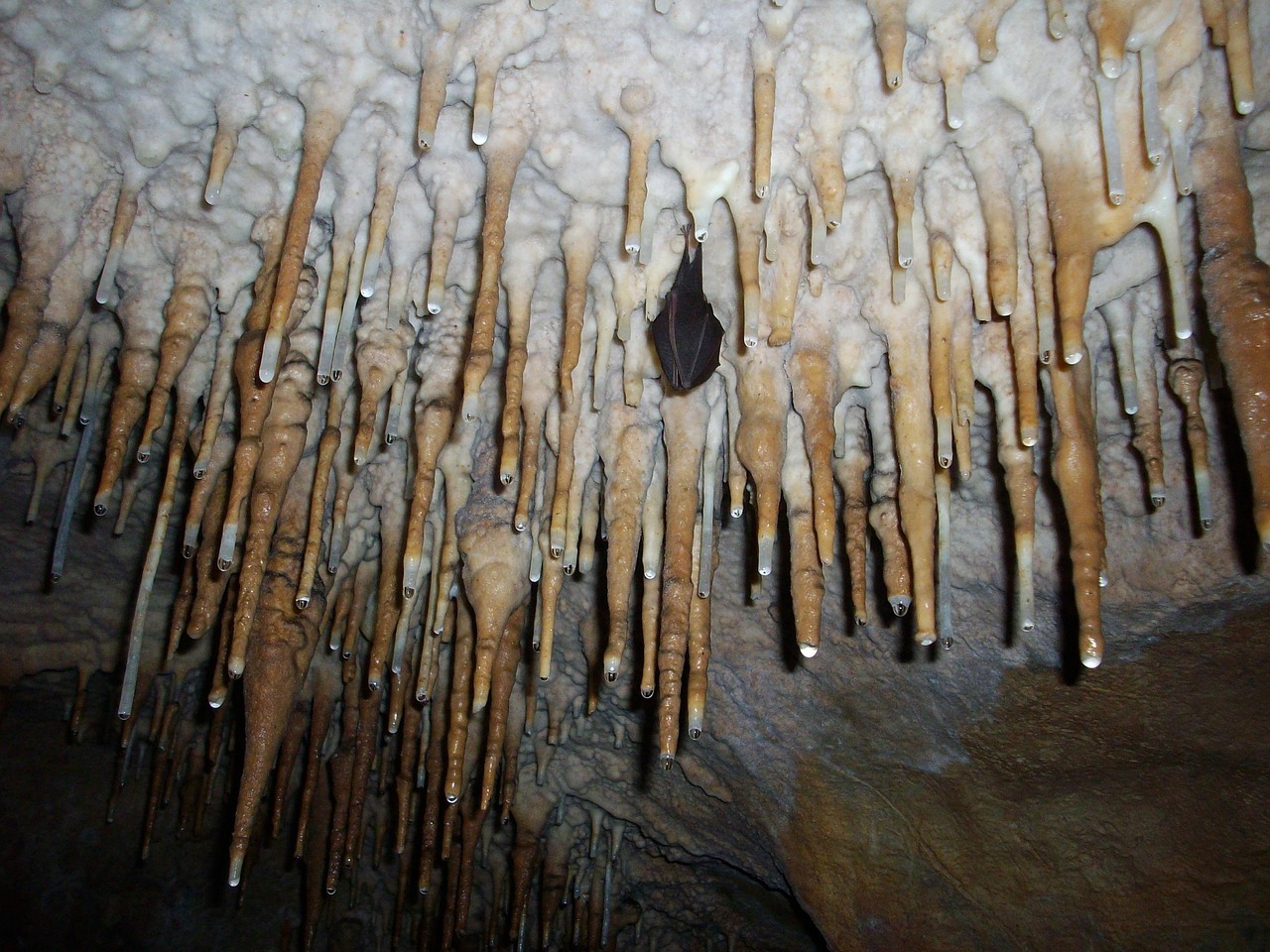
Caves offer bats the perfect combination of shelter from weather and steady temperatures that create ideal living conditions. Think of caves as nature’s ultimate climate control system. While surface temperatures fluctuate wildly throughout the day and seasons, the underground world remains remarkably stable.
These subterranean havens provide optimal temperatures and humidity levels that bats require, while keeping them safely out of reach from most predators. The constant cool environment allows bats to regulate their body temperature efficiently without burning precious energy. Hanging upside down from cave ceilings offers them a level of safety that few other creatures can achieve, essentially freeing them from worldly worries and danger.
Radioactive Resilience in Forgotten Places
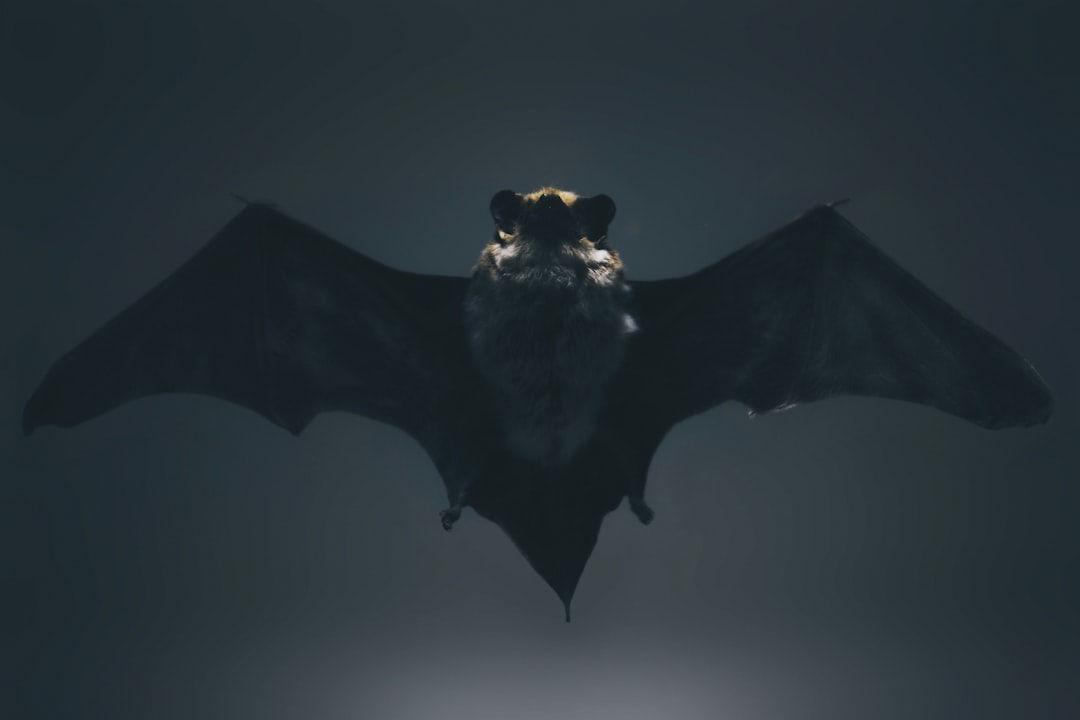
Here’s where things get truly extraordinary. Throughout the western United States, thousands of former uranium mines lay abandoned, yet these potentially dangerous sites provide high-quality habitat for bats. While humans need extensive safety gear to even survey these locations, bats have found a way to coexist with radiation.
Research has shown that bats can safely inhabit these radioactive environments by roosting high in the mines during summer above low radon levels, and during winter hibernation, their extremely slow respiratory rates prevent radiation from harming them. Studies of bats foraging and drinking at contaminated ponds found that their radiation exposure remains well below harmful levels. It’s like they’ve developed their own internal safety protocol.
Temperature Extremes as Comfort Zones
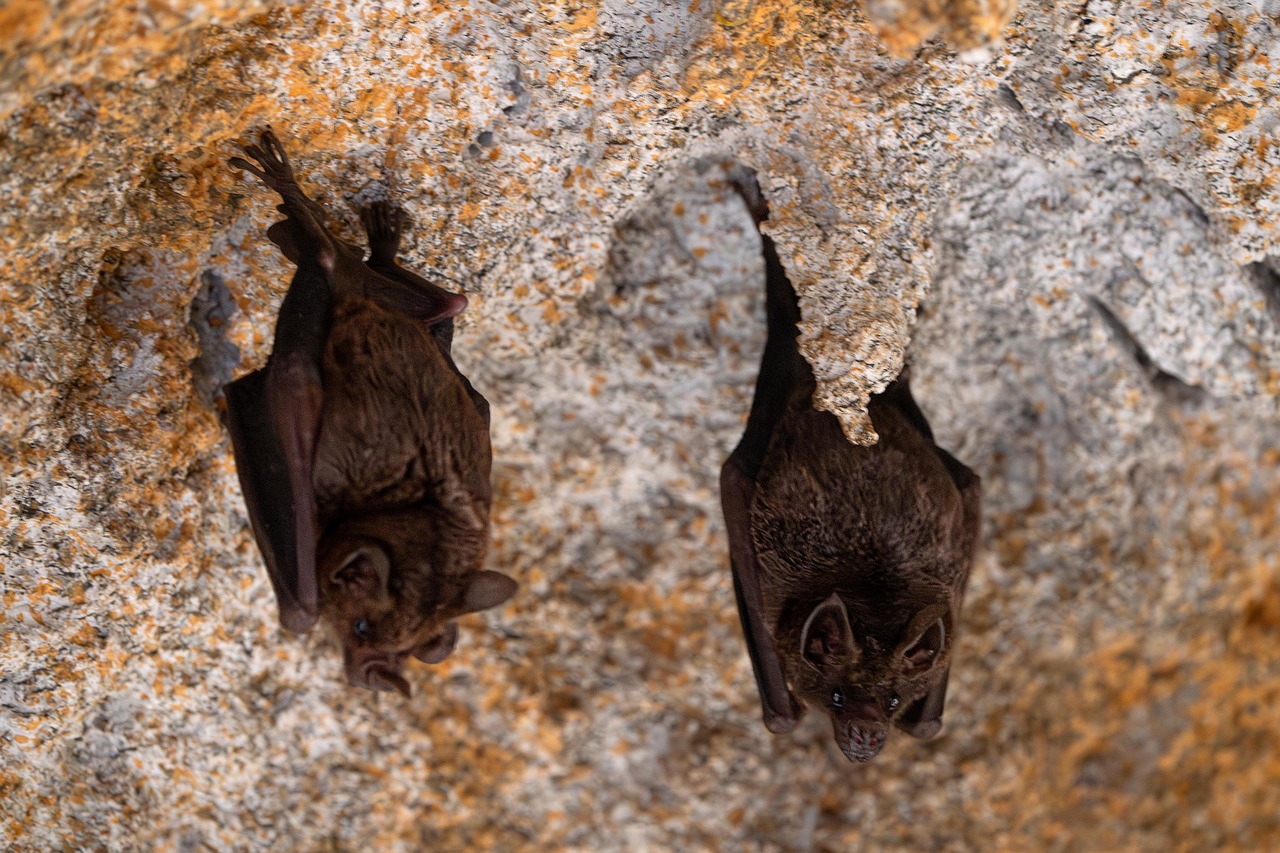
While temperate regions become extremely cold during winter, bats are the only group of vertebrates that have successfully exploited caves and mines as permanent shelter from freezing temperatures. These underground refuges maintain above-freezing temperatures that allow bats to survive harsh winters through hibernation.
During hibernation, bat body temperature falls to within just one or two degrees of the ambient cave temperature, and their metabolic processes slow dramatically to reduce energy requirements. Some species spend entire winter seasons in hibernation, with their core body temperature dropping to match the stable cave environment. This remarkable adaptation turns what would be a death sentence for most mammals into a survival strategy.
Navigating Total Darkness Like Champions
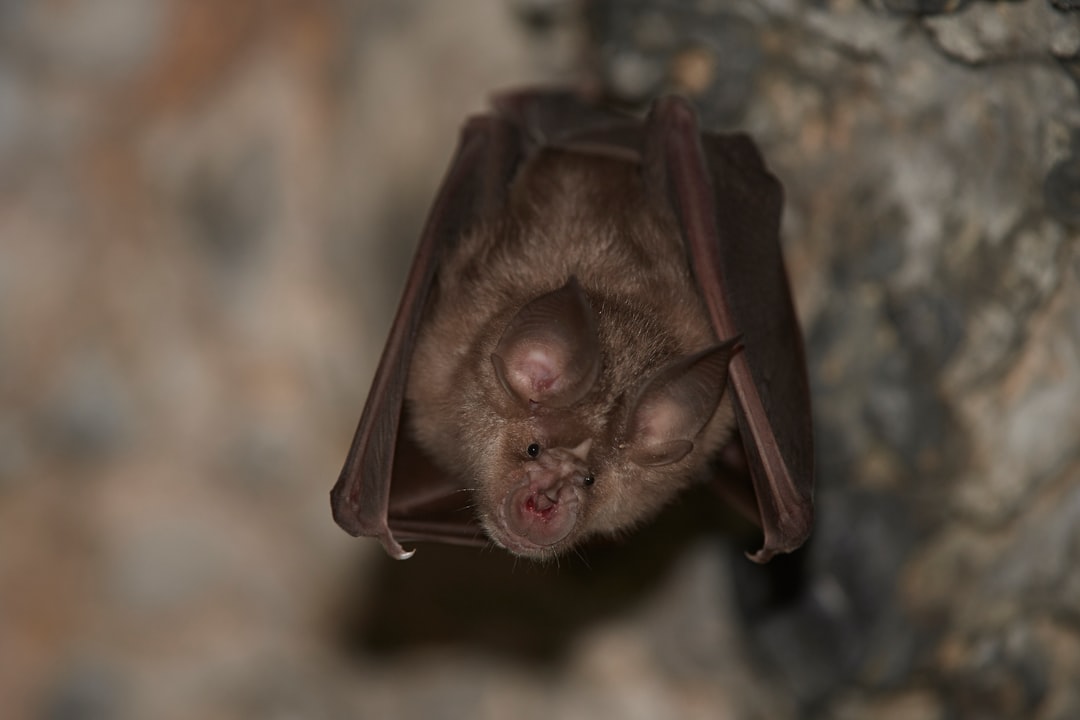
In the lightless world of caves where eyes become useless, many cave animals have lost their vision through evolution and instead use alternate senses to navigate in complete darkness. Bats, however, have perfected something even better than sight for these conditions.
They employ echolocation, emitting sounds that bounce off objects and return as echoes to paint a sonic picture of their surroundings, allowing them to navigate through the most complex environments while avoiding obstacles with astonishing agility. These adaptations let them find their way and locate prey in complete darkness. Imagine having a superpower that turns absolute darkness into a detailed map.
Toxic Environments as Hunting Grounds

Urban areas present numerous challenges including increased pollution, altered hydrology, urban noise, and artificial light that affect wildlife. Yet remarkably, many bat species have learned to thrive in these contaminated landscapes.
Urban environments can actually provide suitable habitat for various bat species, with certain species appearing to thrive in these conditions, and some urban areas within cities being suitable to harbor bat populations. Studies have found that bats can successfully forage in areas affected by wastewater treatment plant effluent. They’ve essentially learned to turn our pollution into their opportunity.
Abandoned Industrial Wastelands as Home
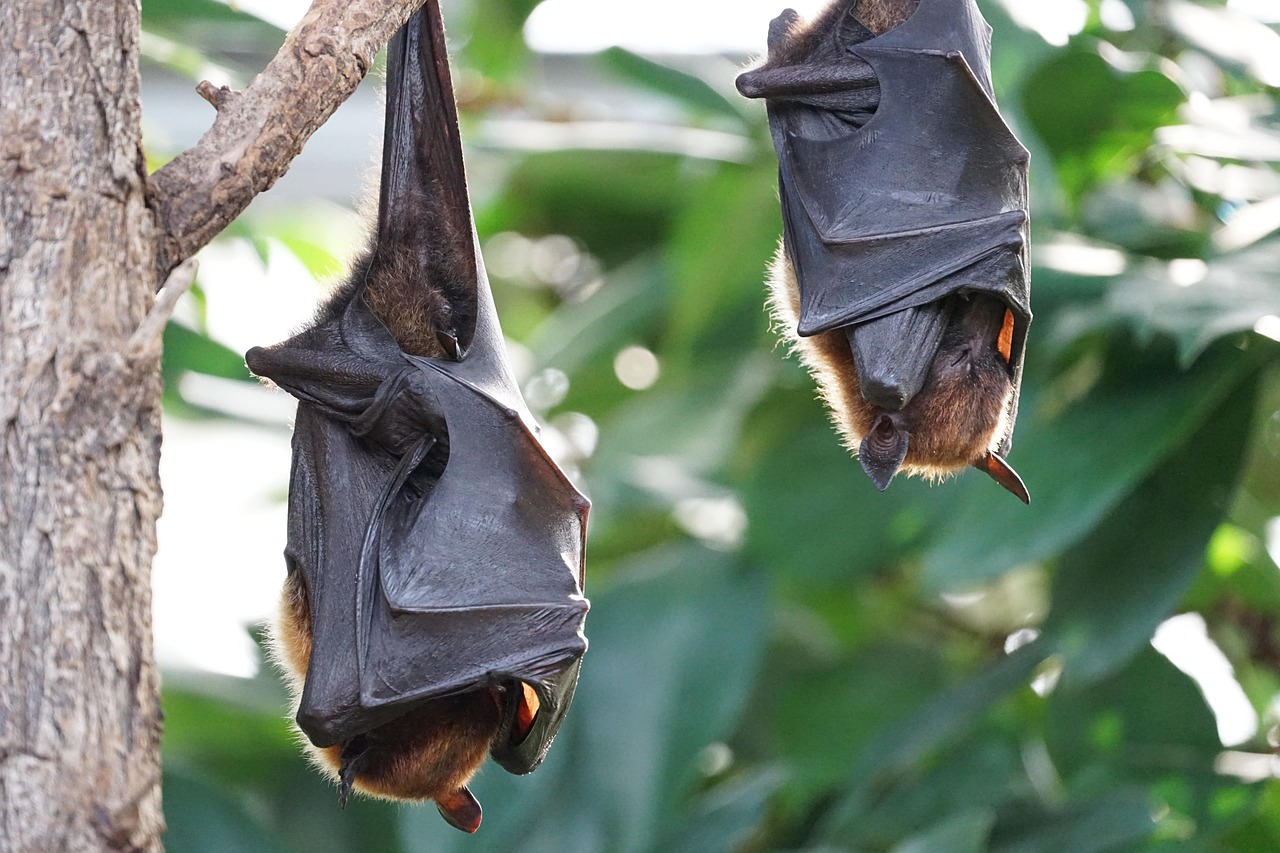
Abandoned mines offer important roosting habitat for several bat species throughout the western United States, with over 80,000 abandoned mines in the southwestern region alone providing crucial subterranean habitats for bat survival. These industrial graveyards that pose serious risks to humans have become essential sanctuaries for bats.
While abandoned mines represent injury hazards for humans due to collapsing tunnel walls and toxic gases, they serve as home to 28 bat species living in Arizona alone. Conservation efforts now install bat-compatible closures at these sites – steel gates that allow bats continued access to roosts while preventing human access. It’s remarkable how bats have claimed territories that humans have literally abandoned.
Chemical Contamination as Background Noise
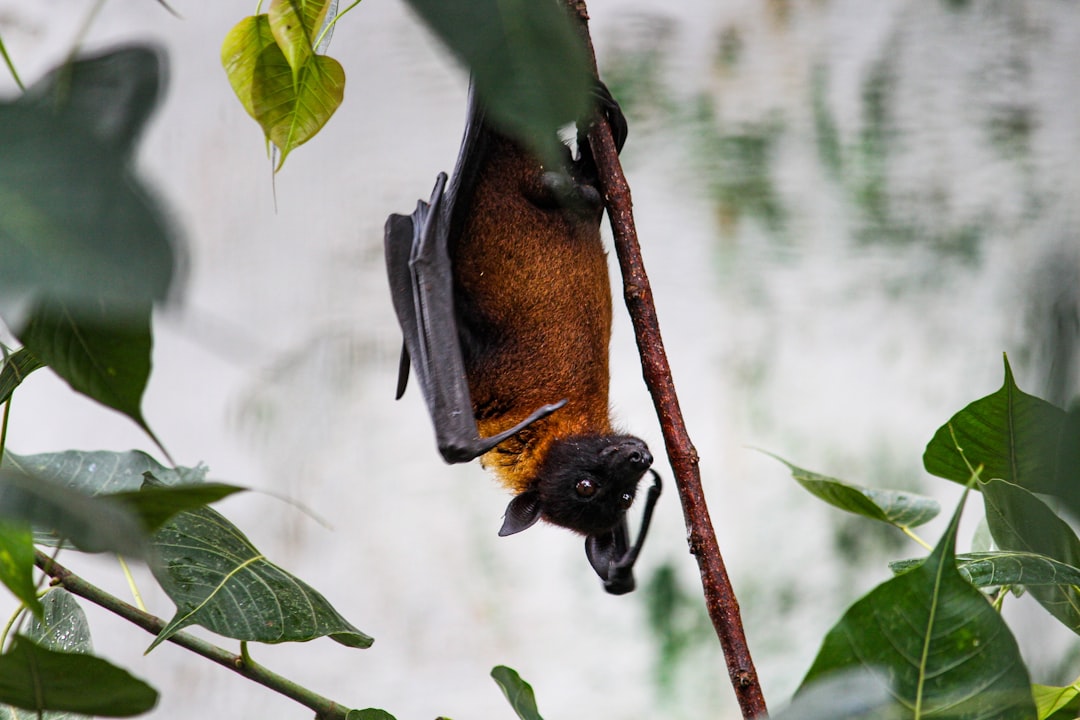
Bats face bioaccumulation of heavy metals through their longevity and high food intake, with insectivorous species consuming up to 100% of their body weight nightly and occupying high trophic levels that increase contaminant exposure. Despite this constant exposure, many species continue to thrive.
Bats often coexist with humans in urban, industrial, and agricultural landscapes, potentially exposing them to multiple anthropogenic stressors simultaneously, yet chronic sub-lethal exposure appears to be something many populations can withstand. Bats are considered one of the most vulnerable vertebrate groups to environmental changes and pollution, yet those living near pollution sources like mines, smelters, and contaminated ponds continue to be studied as thriving populations. Their resilience in the face of chemical challenges is nothing short of extraordinary.
Sound Pollution as a Navigation Challenge
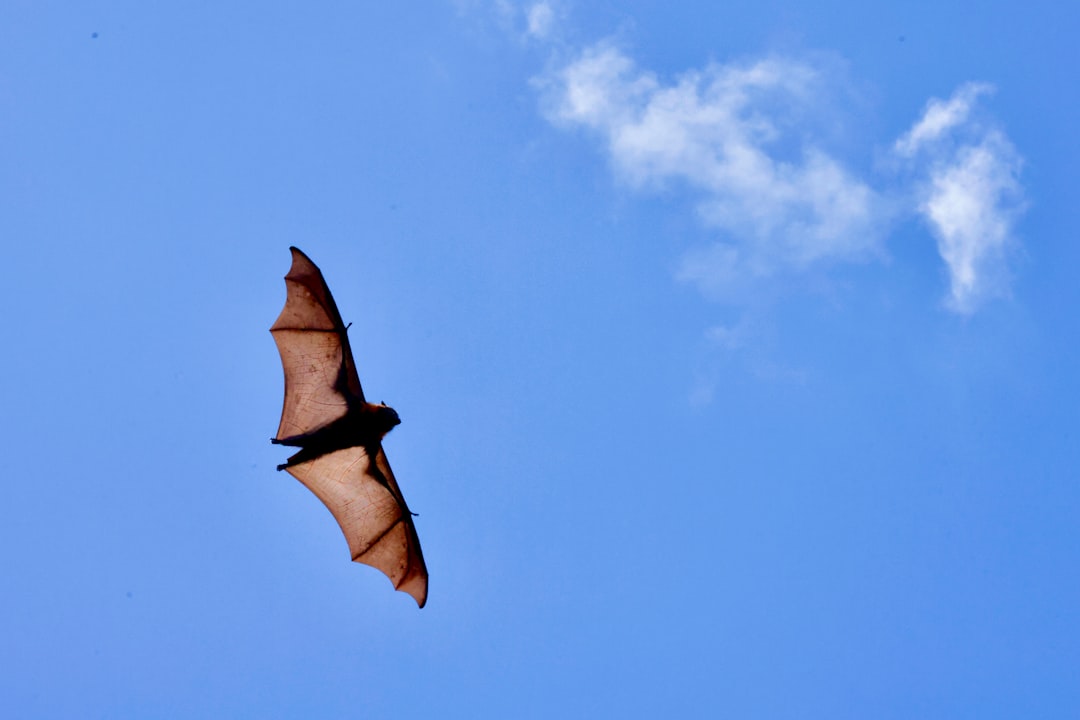
Noise pollution is harmful to many animals, but for bats with their sensitive hearing and reliance on echolocation, unnecessary or unfamiliar noises create unique challenges. Yet many species have found ways to adapt to our increasingly noisy world.
When faced with noisy environments, some bats adjust their echolocation calls to adapt, such as Mexican free-tailed bats producing longer and more narrow frequency calls near gas compressor stations. Even species otherwise tolerant of urban environments can be negatively impacted by noise, yet lower frequency echolocators continue to inhabit urban areas despite acoustic challenges. They’ve learned to literally change their tune to survive in our noisy world.
What’s truly remarkable about bats isn’t just that they survive in these harsh environments – it’s that they’ve turned our greatest fears into their greatest advantages. While we flee from darkness, radiation, pollution, and industrial decay, bats have embraced these challenges and made them home. They remind us that adaptability isn’t just about surviving change, but about finding opportunity in the most unlikely places.
What do you think about these incredible flying survivors? Tell us in the comments.

- These 7 Historic US Battlefields Are Sacred Grounds Of Remembrance - August 2, 2026
- The JWST Found A Jekyll-and-Hyde Galaxy In The Early Universe - August 2, 2026
- 10 Heartwarming Ways A Chihuahua Shows They’ve Bonded With You - August 2, 2026