
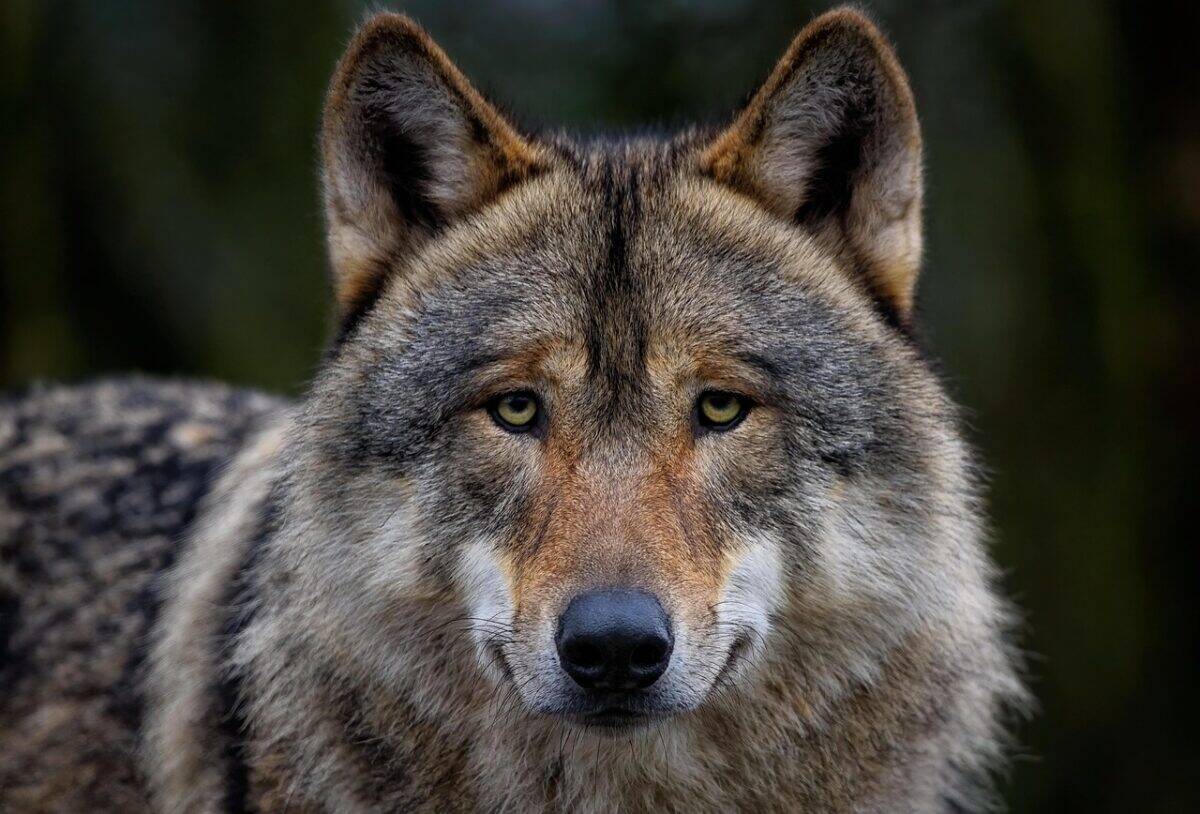
Picture this: over a century ago, the haunting howl of wolves echoed across American wilderness from California to Maine. Then, in what might be the most systematic wildlife slaughter in modern history, we eradicated them. The last wolf in Yellowstone was killed in 1926, bringing an eerie silence to landscapes that had known these apex predators for millennia. Yet today, something extraordinary is happening.
Wolves are back. Not everywhere, not in the numbers they once roamed, but their return represents one of the most controversial and fascinating conservation stories of our time. From the snow-covered peaks of the Northern Rockies to the forests of the Great Lakes, wolves are reclaiming territory their ancestors once called home. This isn’t just about wildlife management anymore – it’s about reimagining what wildness means in modern America.
The Great Elimination and the Silence That Followed
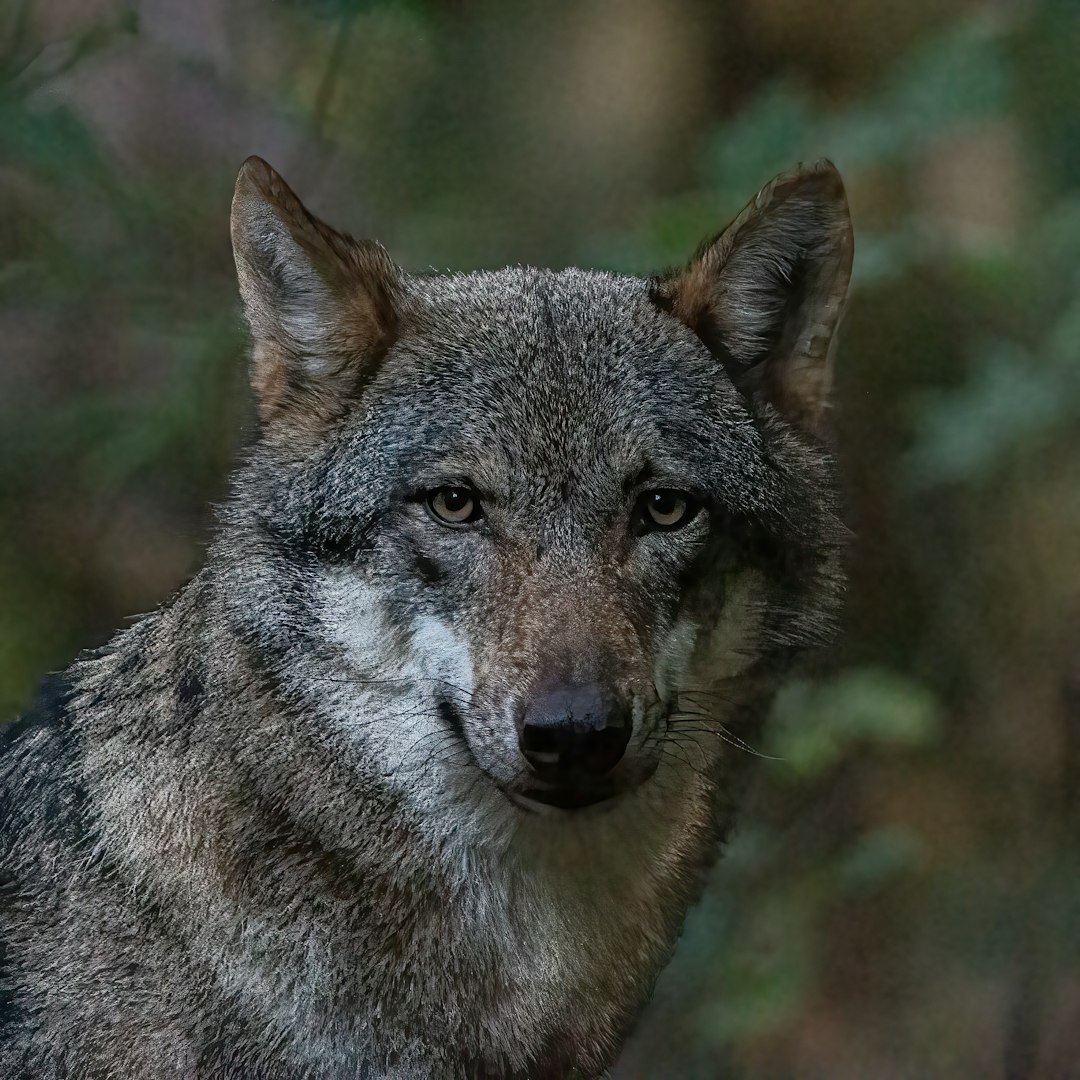
Scientists estimate that as many as 2 million gray wolves once roamed North America, including much of the contiguous United States. By the 1920s, government-sponsored extermination programs had reduced that population to nearly nothing in the lower 48 states. Because of government-sponsored killing programs, wolf numbers in the lower 48 states had dwindled to fewer than 1,000 animals.
The elimination wasn’t accidental – it was methodical and brutal. Federal agents used poison, traps, and rifles to systematically hunt wolves across the American West. Officially, 1926 was when the last wolves were killed within Yellowstone’s boundaries. What followed was decades of ecological imbalance that scientists are still studying today.
Without wolves to keep elk populations in check, entire ecosystems began to shift. Rivers carved deeper channels, vegetation disappeared from streambanks, and the delicate web of predator-prey relationships that had evolved over thousands of years collapsed almost overnight.
Yellowstone’s Bold Experiment: Bringing the Wolf Home
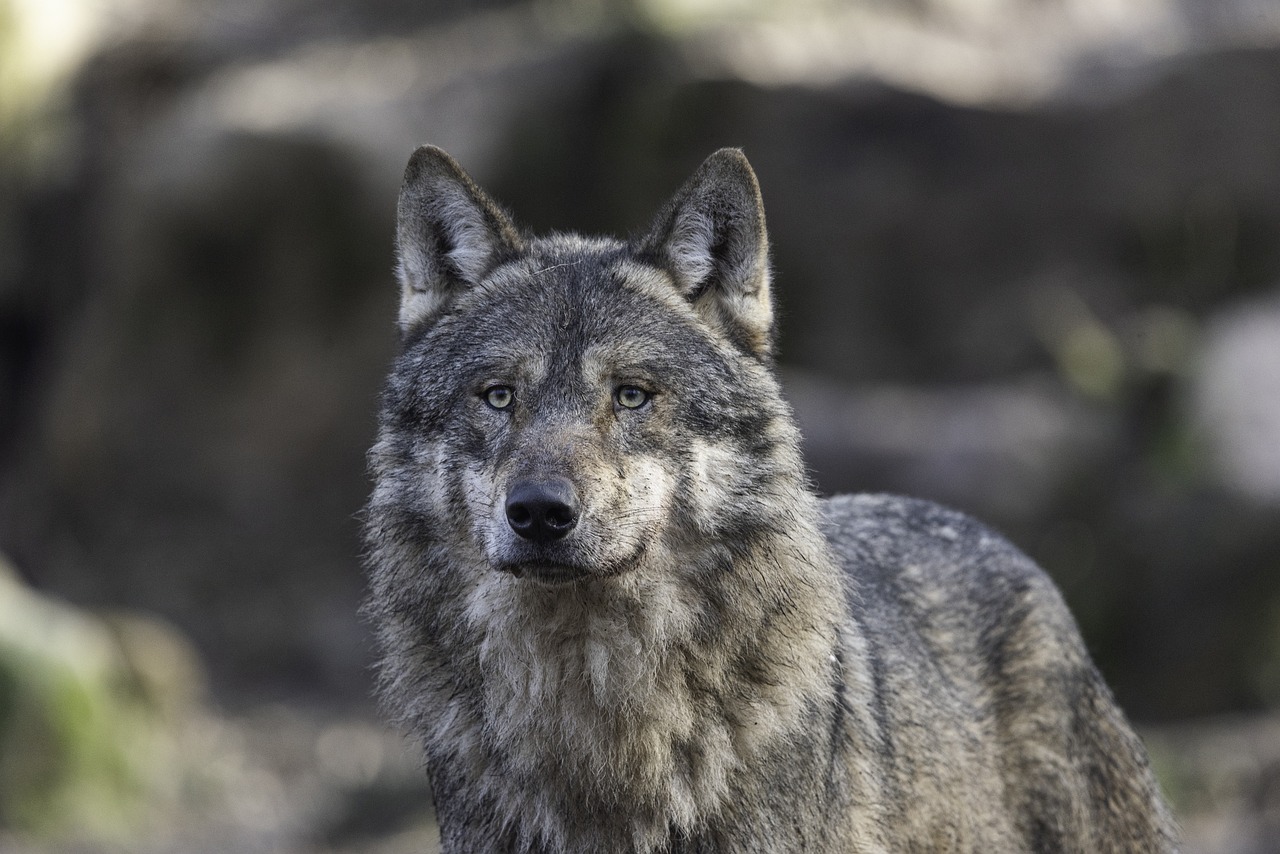
Grey wolf packs were reintroduced to Yellowstone National Park and Idaho starting in 1995. This wasn’t just about restoring a missing species – it was about testing a revolutionary idea in conservation biology. Could bringing back an apex predator actually heal damaged ecosystems?
Putting wolves back in the West was the most controversial wildlife program in U.S. history, and their reintroduction is a fascinating story that includes adventure, frostbite, even death threats and gunshots. The wolves came from Canada, transported in crates and released into a landscape they hadn’t seen for nearly seven decades.
The immediate results were dramatic. During that time, the Idaho wolf population had made the most remarkable comeback in the region, with its abundant federal lands and wilderness areas peaking at nearly 900 wolves (almost half of the regional wolf population) in 2009. Still, the controversy was just beginning.
The Trophic Cascade: When Predators Change Everything
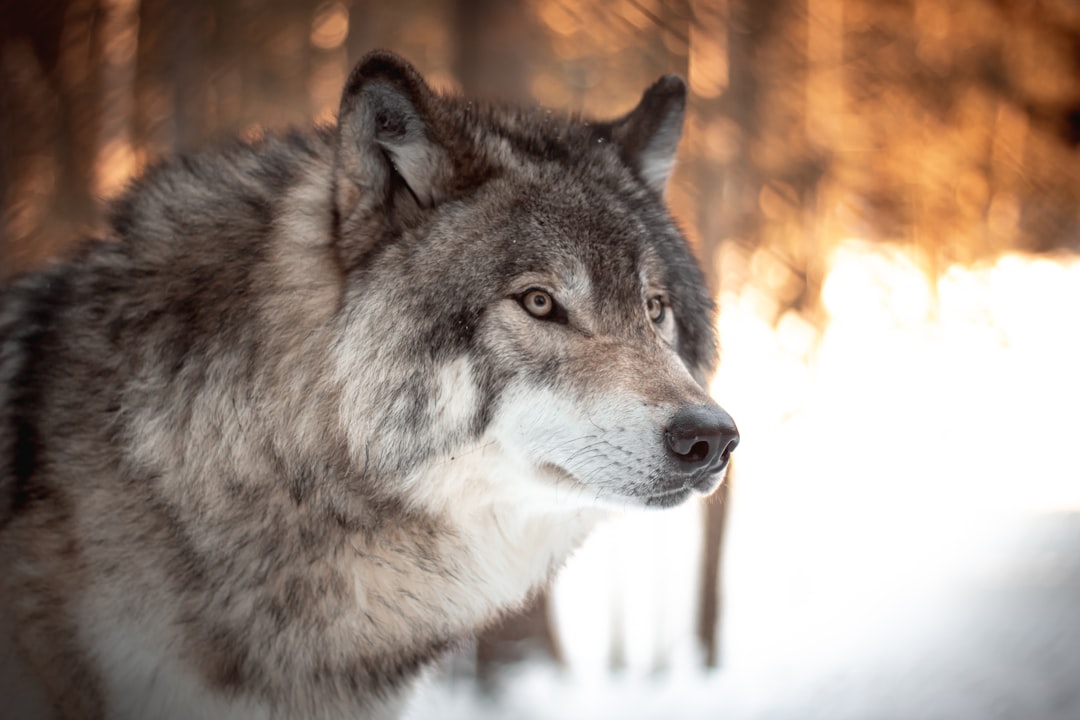
Something remarkable happened after wolves returned to Yellowstone – the very shape of the landscape began to change. Scientists call it a trophic cascade, where effects ripple down through the entire food web. Using the log10 response ratio, a standardized indicator of trophic cascade strength, we quantified changes in willow crown volume following the 1995–96 reintroduction of gray wolves (Canis lupus), which completed the large carnivore guild. Reduced herbivory pressure from Rocky Mountain elk (Cervus canadensis) followed their reintroduction, leading to increased growth in willows.
The numbers are staggering. The research, which utilized previously published data from 25 riparian (streamside) sites and collected over a 20 year period, from 2001 to 2020, revealed a remarkable 1,500% increase in willow crown volume along riparian zones in northern Yellowstone National Park, driven by the effects on elk due to a restored large carnivore guild following the reintroduction of wolves in 1995–96, and other factors.
However, the story isn’t quite as simple as early enthusiasts claimed. In a detailed comment published in Global Ecology and Conservation, researchers from Utah State University and Colorado State University demonstrate that the 2025 study by Ripple et al. overstated the ecological effects of wolf recovery in Yellowstone National Park. The truth, as usual in science, is more nuanced than the headlines suggest.
Red Wolves: America’s Rarest Predator Fights for Survival
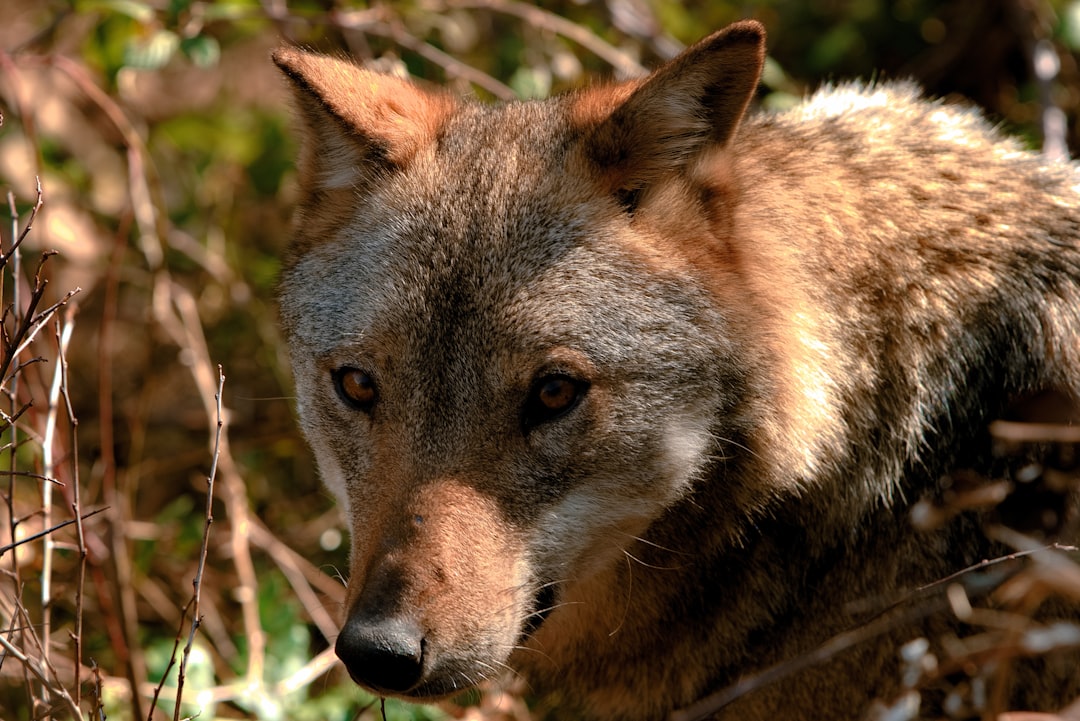
While gray wolves capture most of the attention, their smaller cousin faces an even more precarious future. Red Wolves are the most critically endangered canid on the planet, so a new generation of puppies is cause for celebration. In 1980, Red Wolves were declared extinct in the wild, but thanks to the Endangered Species Act, all was not lost.
A captive breeding program established by the U.S. Fish and Wildlife Service reintroduced Red Wolves to North Carolina in 1987, marking the first time a large carnivore had ever been reintroduced to the wild. This groundbreaking effort became the template for everything that followed.
The numbers tell a story of both hope and heartbreak. As of August 2025, there are approximately 280 Red Wolves in SAFE facilities across the country. Meanwhile, In the 2024-2025 breeding season, 29 breeding pairs were established and 43 pups in 12 litters were born – of which 26 survived, adding to the SAFE population. Historically, whelping success was around 25%; for the last 3 years success has been 45%, 38%, and 46%. Historically, pup survival was around 65%; for the last 3 years, survival has been 72%, 79%, and 67%.
Colorado’s New Chapter: Democracy Meets Wildlife
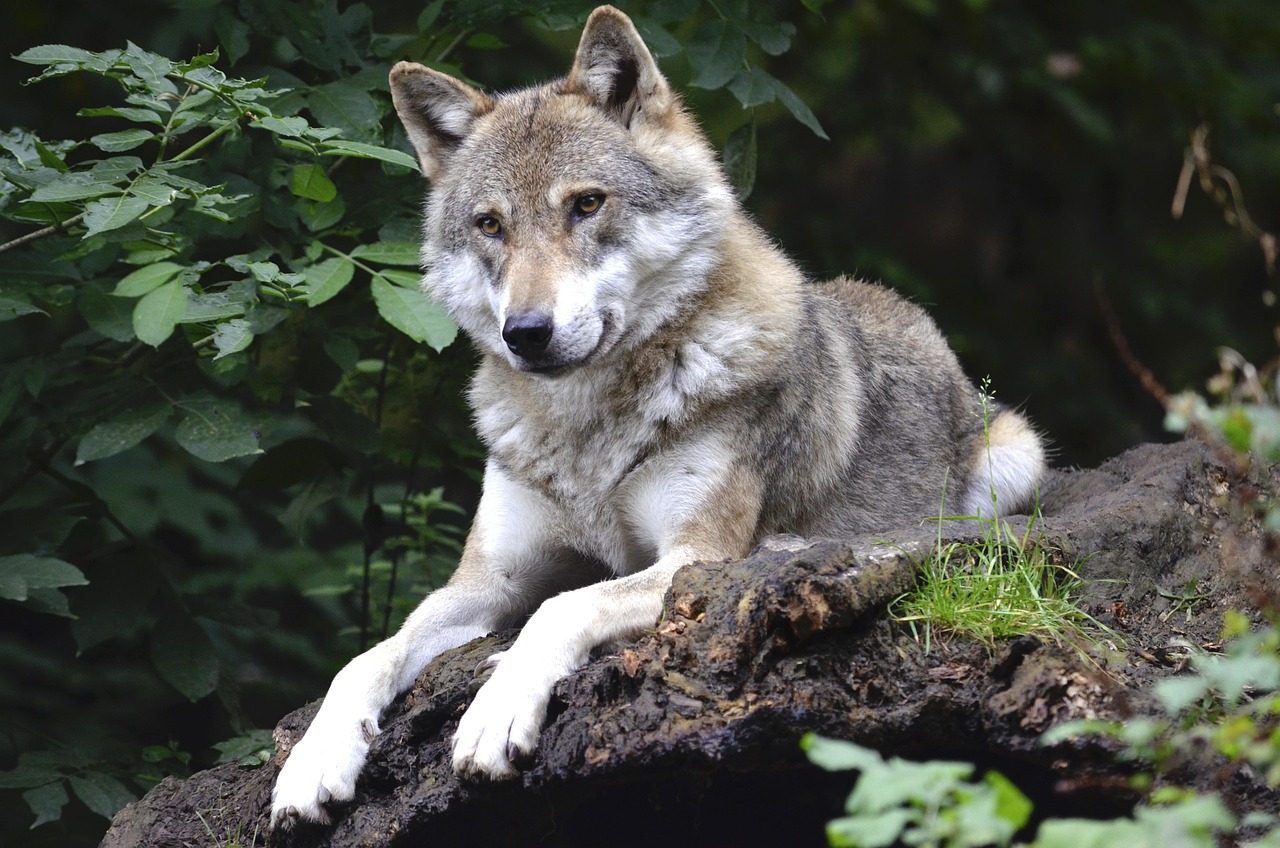
Colorado represents something entirely new in wolf conservation – a state where voters, not just wildlife agencies, decided the fate of wolves. Today marks one year since Colorado’s first release of five gray wolves on state land in Grand County. A second release is planned for early 2025, with 10-15 wolves from British Columbia, Canada.
On Saturday, Colorado Parks and Wildlife (CPW) completed capture and release work for the second gray wolf reintroduction season in support of the Colorado Gray Wolf Restoration and Management Plan. Fifteen wolves were translocated from the central interior of British Columbia to Colorado. This makes Colorado the first state to reintroduce wolves through a ballot initiative.
The road hasn’t been smooth. The deaths of one-third of the individuals reintroduced this year exceeds a benchmark the state set for itself in 2023. Yet the program continues, driven by the democratic will of Colorado voters who want to see wolves restored to their mountain landscapes.
The Mexican Wolf: Fighting Back from the Brink
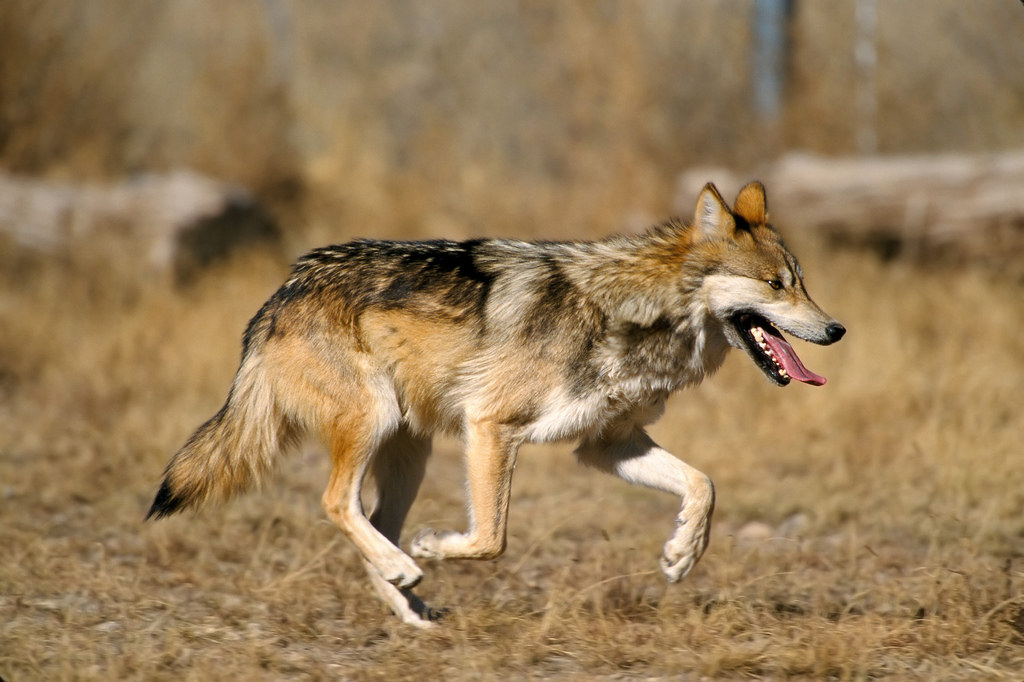
In the desert Southwest, another subspecies tells its own comeback story. The five last known wild Mexican gray wolves were captured in 1980 in accordance with an agreement between the United States and Mexico intended to save the critically endangered subspecies. Between 1982 and 1998, a comprehensive captive-breeding program brought Mexican wolves back from the brink of extinction. Over 300 captive Mexican wolves were part of the recovery program.
Today’s population shows steady growth. As of March 2024, there were at least 257 wild Mexican wolves in the United States: 144 in New Mexico (36 packs), and 113 in Arizona (20 packs). This represents 8 years of consecutive population growth.
Mexican gray wolves once numbered in the thousands throughout the Southwestern United States but were wiped out by the mid-1970s. They were listed under the Endangered Species Act in 1976, and in 1998, the U.S. began reintroducing them to the wild. Their recovery has been slower and more contentious than their northern cousins, but progress continues.
The Economic Reality: Counting the Costs
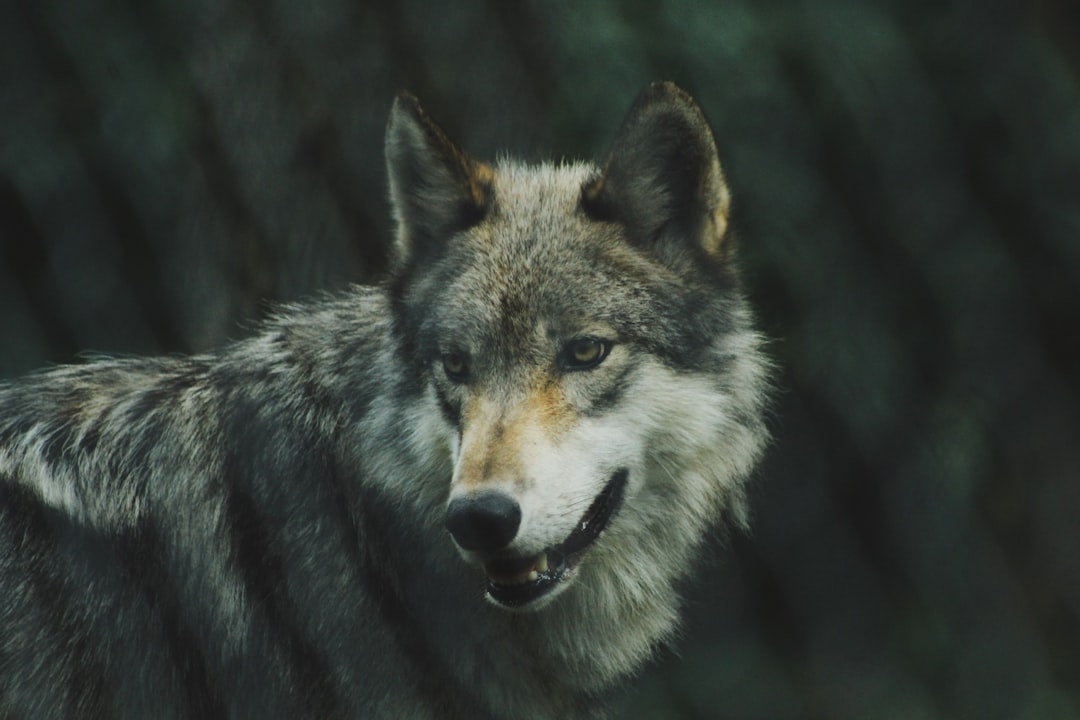
Wolf recovery comes with a price tag that extends far beyond government budgets. Recent studies reveal the true economic impact on ranching communities. In total, over $50 million in potential calf weight value was lost due to wolf presence, including $8.6 million in Montana and $7.6 million in Idaho alone.
The costs go beyond simple livestock losses. The authors estimated producers experiencing heavy wolf pressure experienced revenue losses ranging between $135 and $200 per cow, based on a five-year average. That would be about $200 to $300 per cow under 2024 and 2025 beef prices, which have been at record highs.
Ranchers reported an average cost of $79 per cow for conflict avoidance measures and associated labor. Even before accounting for any depredation or stress-related weight loss, these management expenses alone reduced net returns for the average ranch by 19%. Some ranchers spend upwards of $150,000 annually on wolf-related management costs.
Yet there’s another side to this economic equation. Delbridge said reintroduction of wolves in Oregon and elsewhere in the West is primarily motivated by perceived ecological benefits of having an apex predator prowling the landscape, though there could be other advantages such as wildlife-related tourism.
Science vs. Sentiment: The Ongoing Debate

The scientific community remains divided on just how transformative wolves really are. Boyd, however, is telling a different one. “I am absolutely certain wolves would be here in the numbers they are now just through natural dispersal,” Boyd said to me. “But natural recolonization was effectively killed by reintroducing the wolves.”
This challenges the popular narrative. Elk herds did decline following wolf reintroduction, and those declines have spurred ecological benefits for the region (though even this is up for debate). But many biologists hold that wolves can’t be credited with Yellowstone’s recovery. A host of complex and interlocking factors have led to a rebound for some animal and plant species in the GYE, and wolves are only one small part of that story.
It’s so complex that it’s really hard to detect not only just a trophic cascade, but why that’s happening,” Cassidy said. “It’s a hard thing to detect on a scale like Yellowstone. It’s even harder to detect something that is on a statewide scale.” The science continues to evolve as researchers gather more long-term data.
Looking Forward: The Future of American Wolves
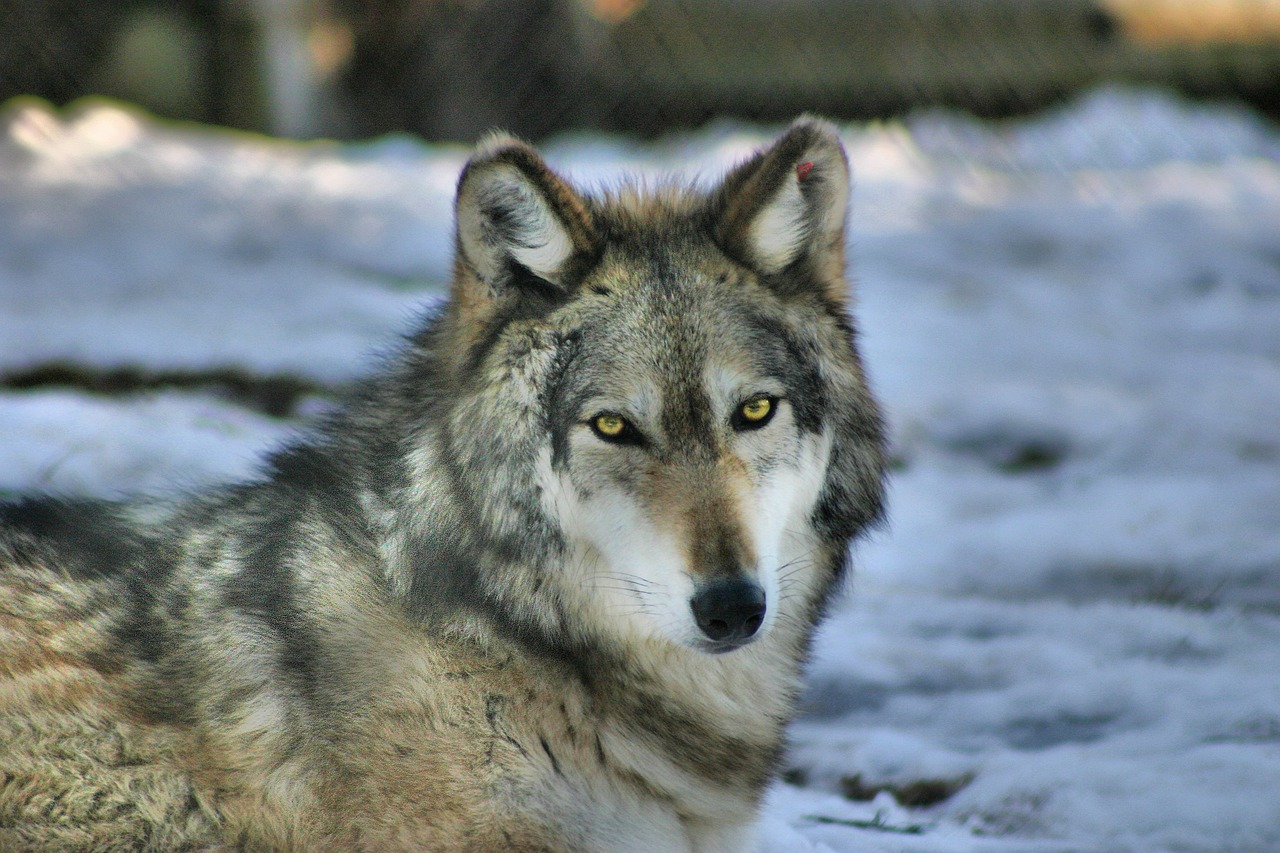
Fish and Wildlife Service today announced a path to support a long term and durable approach to the conservation of gray wolves, to include a process to develop – for the first time – a National Recovery Plan under the Endangered Species Act (ESA) for gray wolves in the lower 48 states. To accomplish this and address the concern about nationwide recovery for gray wolves, the Service will undertake a process to develop a first-ever nationwide gray wolf recovery plan by December 12, 2025.
Wolves represent perhaps nature’s greatest comeback. Exterminated from the West before the middle of the 20th Century, they now roam nine Western states. Yet challenges remain. But some scientists say wolves might be in trouble again and that key states may be inflating the number of wolves through faulty science.
The path forward requires balancing competing interests. Rural communities bear the direct costs while urban populations largely drive the political support for wolf recovery. For many ranching families, the return of wolves is not just a wildlife management question, it’s a daily reality shaped by decisions made in distant urban centers, often by voters and officials who will never have to look into the eyes of a mother cow searching for her calf. Ranchers are the ones bearing the real-world costs of policies shaped far from the range.
Conclusion
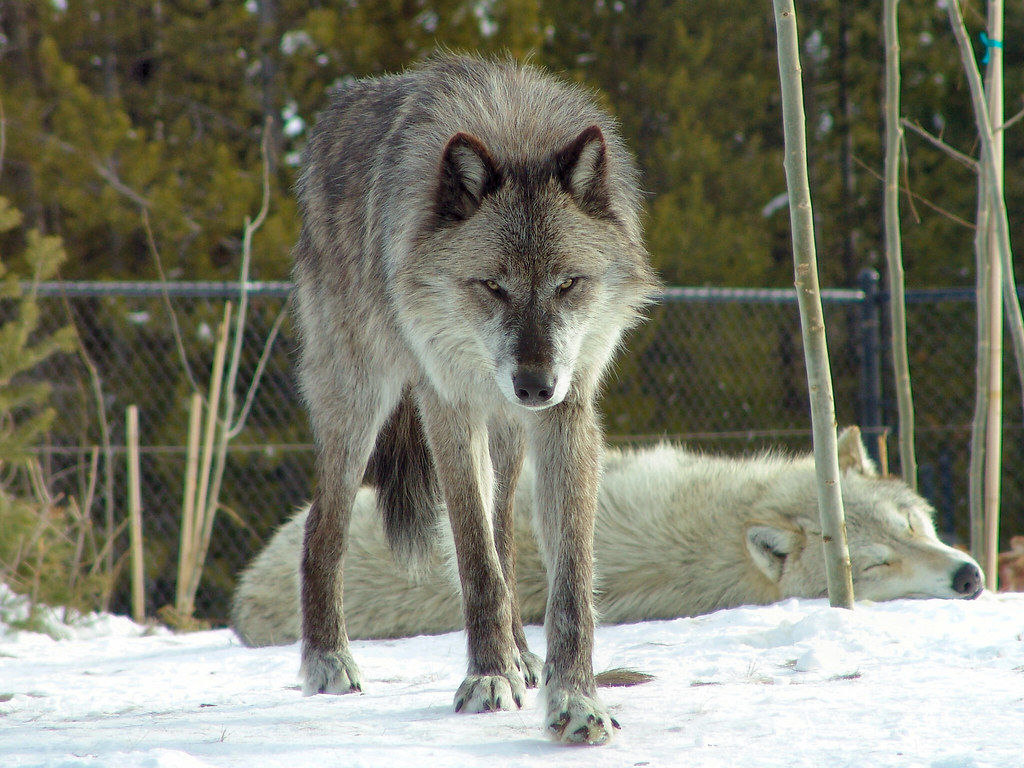
The wild comeback of America’s wolves isn’t just a conservation success story – it’s a mirror reflecting our evolving relationship with nature itself. These apex predators force us to confront difficult questions about coexistence, about who pays the price for ecological restoration, and about what kind of wild America we want to leave for future generations.
Yes, wolves are back. They’re howling again in places where silence reigned for decades. They’re reshaping ecosystems, challenging ranchers, captivating tourists, and dividing communities. Most importantly, they’re teaching us that bringing back what we’ve lost is never simple, never cheap, and never without controversy.
The story of America’s wolves is still being written. Each new pack that forms, each calf that’s lost, each scientific study that’s published, each ballot initiative that passes – all of these are chapters in a larger narrative about whether we can truly share the landscape with our wildest neighbors.
What do you think about this incredible comeback? Should we celebrate the return of these apex predators, or are the costs too high for the communities that must live with them daily? The answer might determine not just the future of wolves, but the future of wildness in America itself.

- 10 Facts About Roadrunners That Go Far Beyond Their Speed - August 3, 2026
- 10 Rescue Dog Breeds Too Difficult To Housebreak - August 3, 2026
- 7 US States With the Most Wild Turkeys - August 3, 2026