
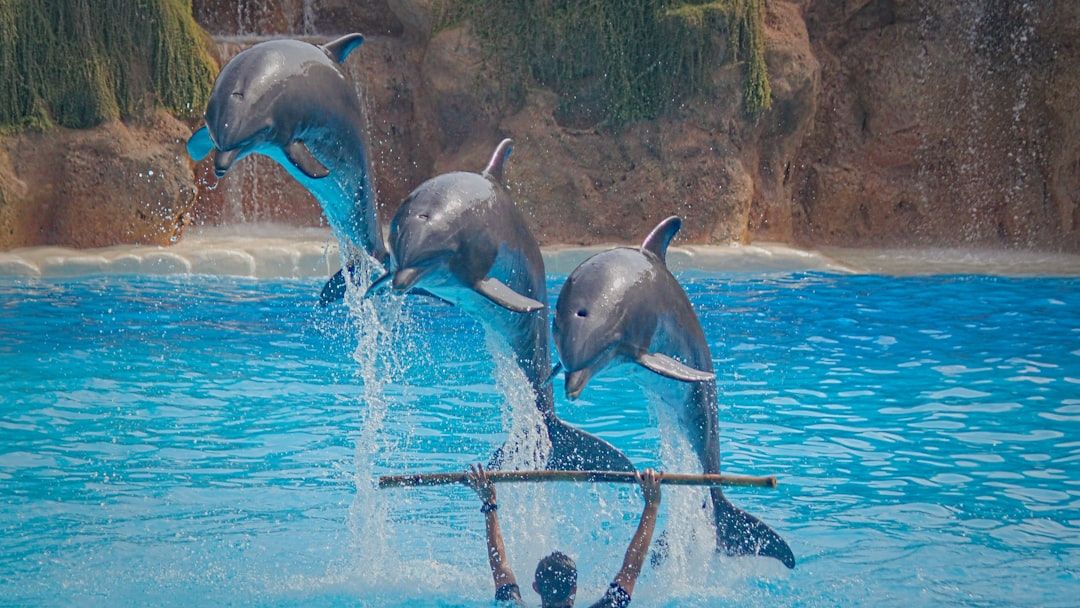
When we watch dolphins perform their graceful dances beneath the waves, we’re witnessing something far more profound than simple animal behavior. These marine mammals possess one of nature’s most sophisticated knowledge transmission systems, rivaling our own in complexity and effectiveness. Through intricate social bonds, specialized hunting techniques, and unique communication methods, dolphins create living libraries of wisdom that span generations.
What makes their cultural transmission truly remarkable is its precision and purpose. Each behavior, from tool use to hunting strategies, carries with it the collective intelligence of countless dolphin ancestors. Let’s dive into the fascinating world of how these extraordinary creatures ensure their most valuable lessons survive the test of time.
The Signature Whistle System: Dolphins’ Personal Names
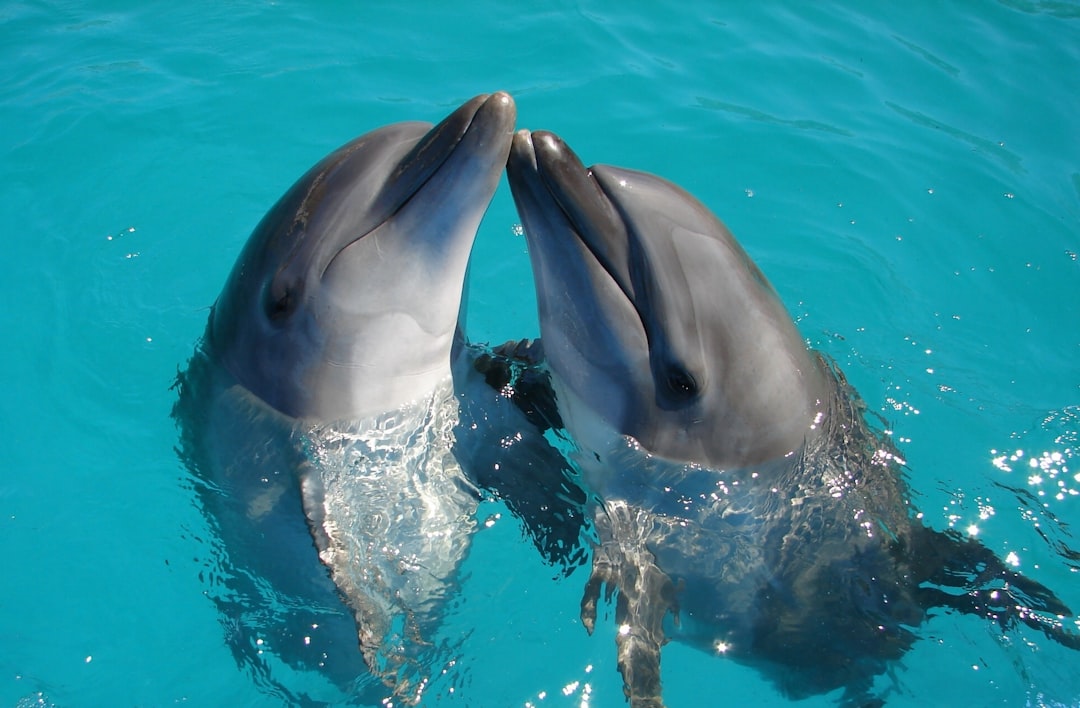
Signature whistles are the closest analog to human names that have been found in nonhuman animals, representing individuals across modalities. Signature whistles function in some ways like human names, in that they are learned, and function to help animals recognize and maintain contact with conspecifics.
In signature whistle development, an infant appears to copy a whistle that it only heard rarely and then uses a slightly modified version as its own signature whistle. This process leads to individually distinctive signature whistles but also may lead to geographic variation in whistle parameters over longer distances.
What’s truly extraordinary is how mothers adapt their communication for their young. Our results demonstrate motherese, or child (calf)–directed communication, in bottlenose dolphins. Females produced signature whistles with significantly higher maximum frequencies and slightly lower minimum frequencies, resulting in a greater frequency range (bandwidth) when they were with their dependent calves than when they were alone or with unrelated dolphins, mirroring similar patterns seen in human CDC.
Tool Use Mastery: The Sponging Tradition of Shark Bay
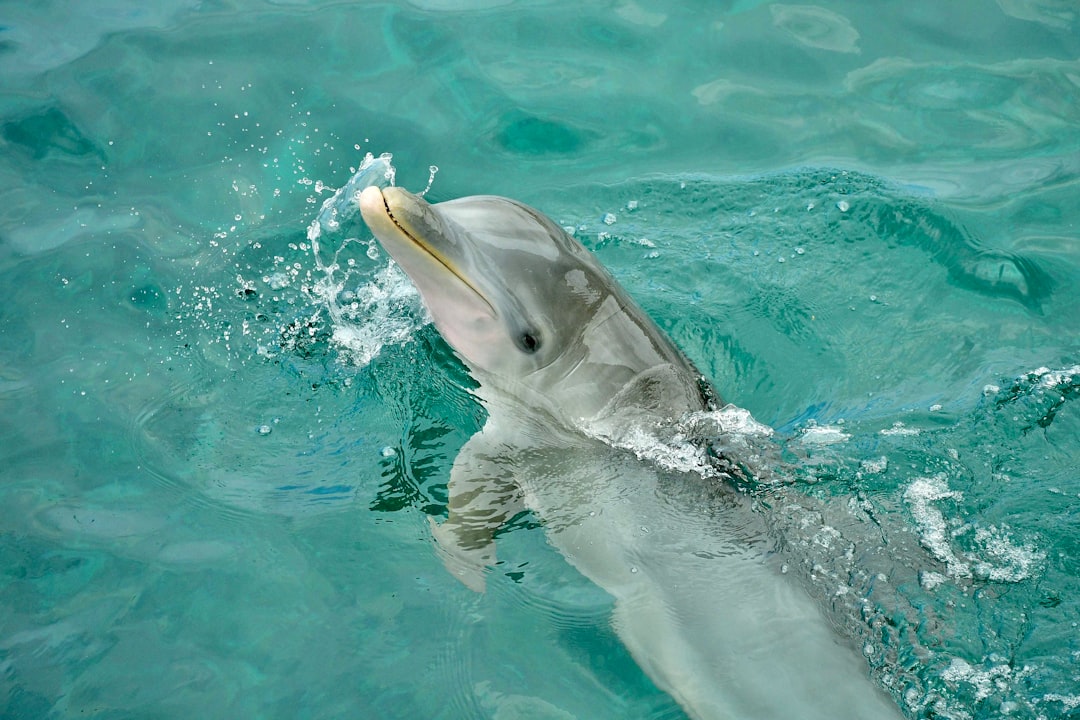
In the pristine waters of Shark Bay, Australia, researchers discovered something that revolutionized our understanding of dolphin culture. Using mitochondrial DNA analyses, we show that sponging shows an almost exclusive vertical social transmission within a single matriline from mother to female offspring. If genetic inheritance of sponging could be discounted, then it seems highly likely that sponging is culturally transmitted mainly within a matriline, i.e., daughters learn this behavior from their mothers.
Preferred foraging methods have been documented as passed on from mother to calf, illustrating perpetuation of behavior across generations. Of the calves observed foraging, 87% exhibited only those strategies used by their mothers. This remarkable statistic reveals how effectively dolphin mothers transfer their specialized knowledge to the next generation.
The precision of this cultural transmission becomes even more impressive when we consider its exclusivity. This social transmission would add an interesting new dimension to the mapping of cultural phenomena among animals by showing that unlike in apes, tool use in this population of bottlenose dolphins is limited almost exclusively to the social transmission within a matriline that is part of a larger population.
Peer Learning Networks: Knowledge Spreads Horizontally
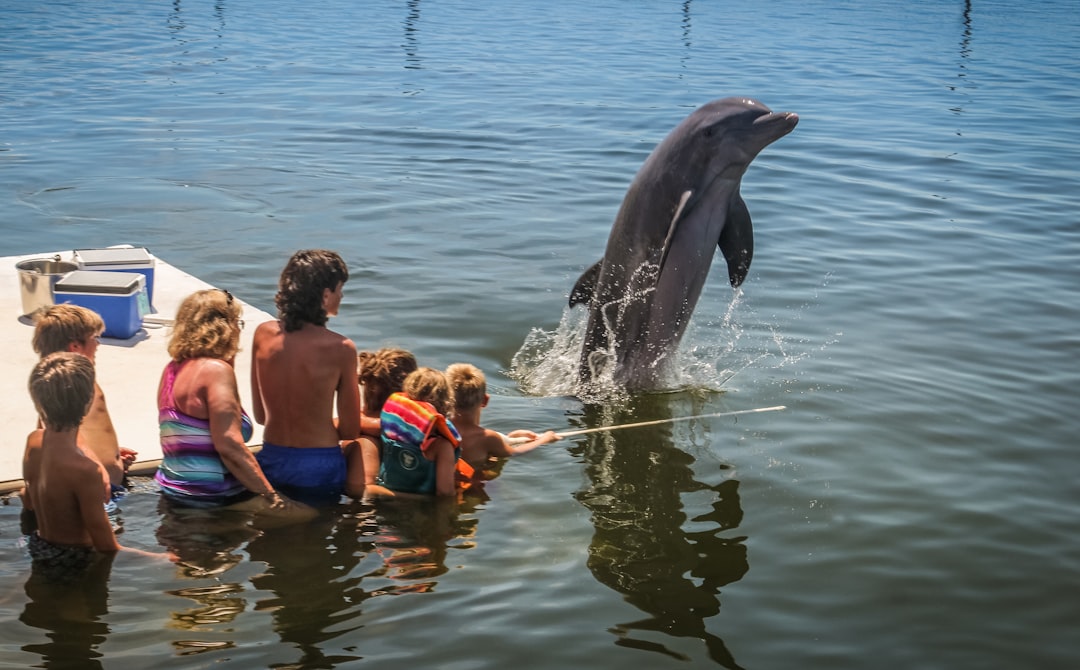
While mother-to-offspring transmission forms the backbone of dolphin culture, these intelligent mammals have developed sophisticated peer learning networks that allow knowledge to spread within generations. By analyzing the data, they found shelling spreads horizontally within generations (that is, from friend to friend) rather than vertically between generations (from mother to calf), they report today in Current Biology.
She says young dolphins spend years in close association with their mothers and naturally tend to adopt their mothers’ ways, but this study shows that “dolphins are not only capable, but also motivated to learn from their peers.” They seem to be observing others, watching what they’re doing and acquiring it from others in their social group.
This horizontal learning creates a dynamic knowledge ecosystem where innovative techniques can spread rapidly through dolphin communities. Scientists studying primate cultures have shown social learning is typically found in tolerant species – those animals that are able to peacefully accept others being nearby – with a broad variety of distinct foraging and other techniques that are passed along. For instance, chimpanzees can make twig tools for termite “fishing,” leaf sponges for collecting water, and pointed sticks for hunting bush babies.
Cooperative Hunting Strategies Passed Down Generations

The hunting prowess of dolphins becomes even more impressive when we understand how these techniques travel through generations. This human–dolphin cooperation is a century-old tradition in southern Brazil, passed down through multiple generations of humans and dolphins. Lahille’s bottlenose dolphins, Tursiops truncatus gephyreus hunt migratory mullet, Mugil liza by herding their schools toward the shallow and murky estuarine waters, where net-casting fishers wait for cues from the dolphins.
Most surprisingly, Gazda found that dolphins always play the same roles. They’re like the members of a football team, she says. One dolphin in each group is always the driver, kind of like a quarterback. The rest always form the barrier.
The complexity of these cooperative behaviors suggests sophisticated cultural transmission mechanisms. This scenario is much less parsimonious than dolphins learning the skills and rewards of the interaction by observing their social contacts, and serving as models of this behaviour for younger dolphins. Akin to fishermen, where the cooperative fishing tactic is culturally passed down from generation to generation (fathers to sons) and transferred among peers, social learning seems to be at play among the participating dolphins.
The Role of Matriarchs in Cultural Preservation

Female dolphins emerge as the primary custodians of cultural knowledge within their communities. We further confirm a previously documented female sex-bias, which is presumably due to differing sex-specific reproductive strategies between males and females. Meanwhile, female offspring are expected to invest more into developing foraging skills to maximize food intake compared to male offspring.
The evolutionary advantage of this system becomes clear when we consider long-term survival strategies. Alternatively, Zefferman proposed that the female sex-bias could be the result of a maternal teaching strategy, arguing that teaching a daughter would result in higher long-term fitness for a female: a potential advantage of sponging for a son would last only one generation, while a daughter can pass on the behaviour to subsequent generations.
This matriarchal knowledge system creates a stable foundation for cultural transmission. Female dolphins usually exhibit a higher site fidelity to certain localities, thus contributing to the maintenance of local cultural repertoires. Their commitment to specific locations ensures that valuable local knowledge remains anchored within dolphin communities.
Vocal Learning and Communication Development
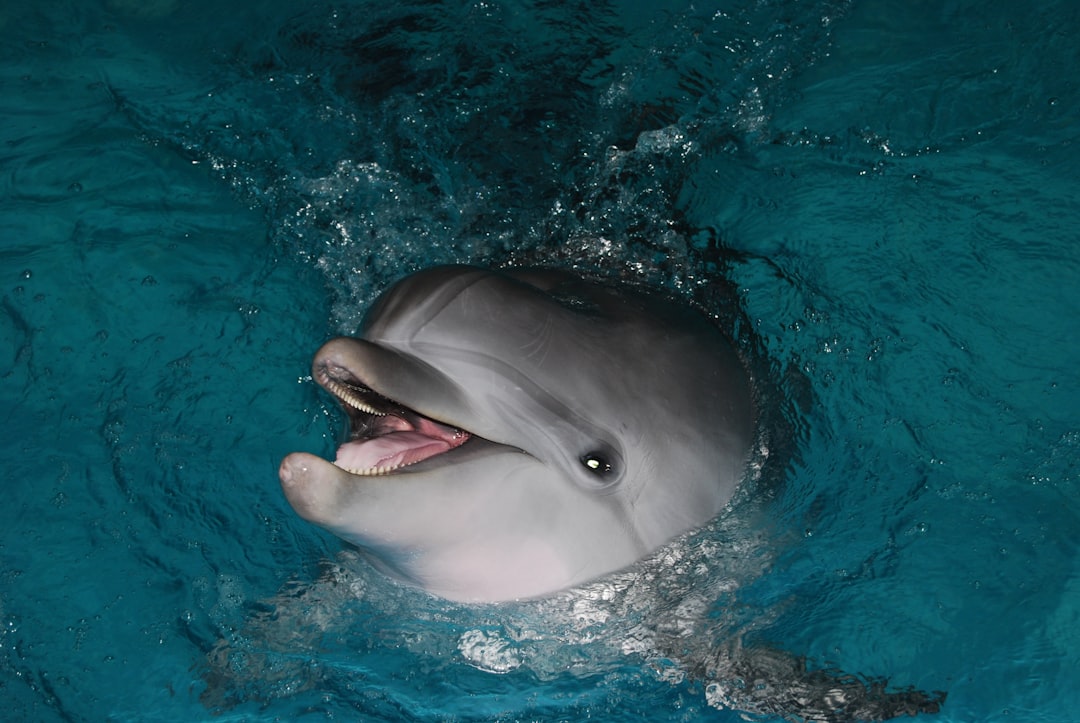
The development of dolphin communication skills represents one of nature’s most sophisticated learning systems. Vocal learning is essential in a dolphin calf’s signature whistle development. It plays an important role in development because it helps to build an individualized whistle with a unique frequency modulation pattern. Social interaction plays a significant role in vocal learning.
Rather, vocal learning strengthens social bonds, such as those between mother-calf pairs and alliance partners. This creates a positive feedback loop where communication skills enhance social relationships, which in turn provide more opportunities for learning and cultural transmission.
The sophistication of dolphin vocal learning rivals that of humans in many ways. It is clear that bottlenose dolphins have also convergently evolved many similarities to human communication, including lifelong vocal learning, referential communication through imitation of signature whistles, and long-term social memory. Adding to this list of similarities, our study found that dolphins modify their signature whistles in ways that parallel CDC in humans.
Innovation and Cultural Evolution

Dolphin cultures don’t simply preserve old knowledge; they actively evolve and adapt through innovation. Dolphins are known for their remarkable ability to learn and pass on behaviors, a phenomenon known as cultural transmission. One well-documented example is seen in Shark Bay, Australia, where dolphins use marine sponges to protect their rostrums while foraging on the seafloor. This tool use is taught from mother to offspring, showcasing how knowledge is transferred across generations.
These learned behaviors highlight the advanced cognitive abilities of dolphins and their capacity for cultural evolution. The ability to adapt and pass on complex behaviors not only underscores their intelligence but also enhances their adaptability in changing environments.
The innovative capacity of dolphin communities creates a dynamic cultural landscape. Being able to learn from peers may help animal populations survive in a changing environment. Because while knowledge from previous generations has been tested by time, certain behaviors may become less useful if conditions change.
The Future of Dolphin Cultural Transmission
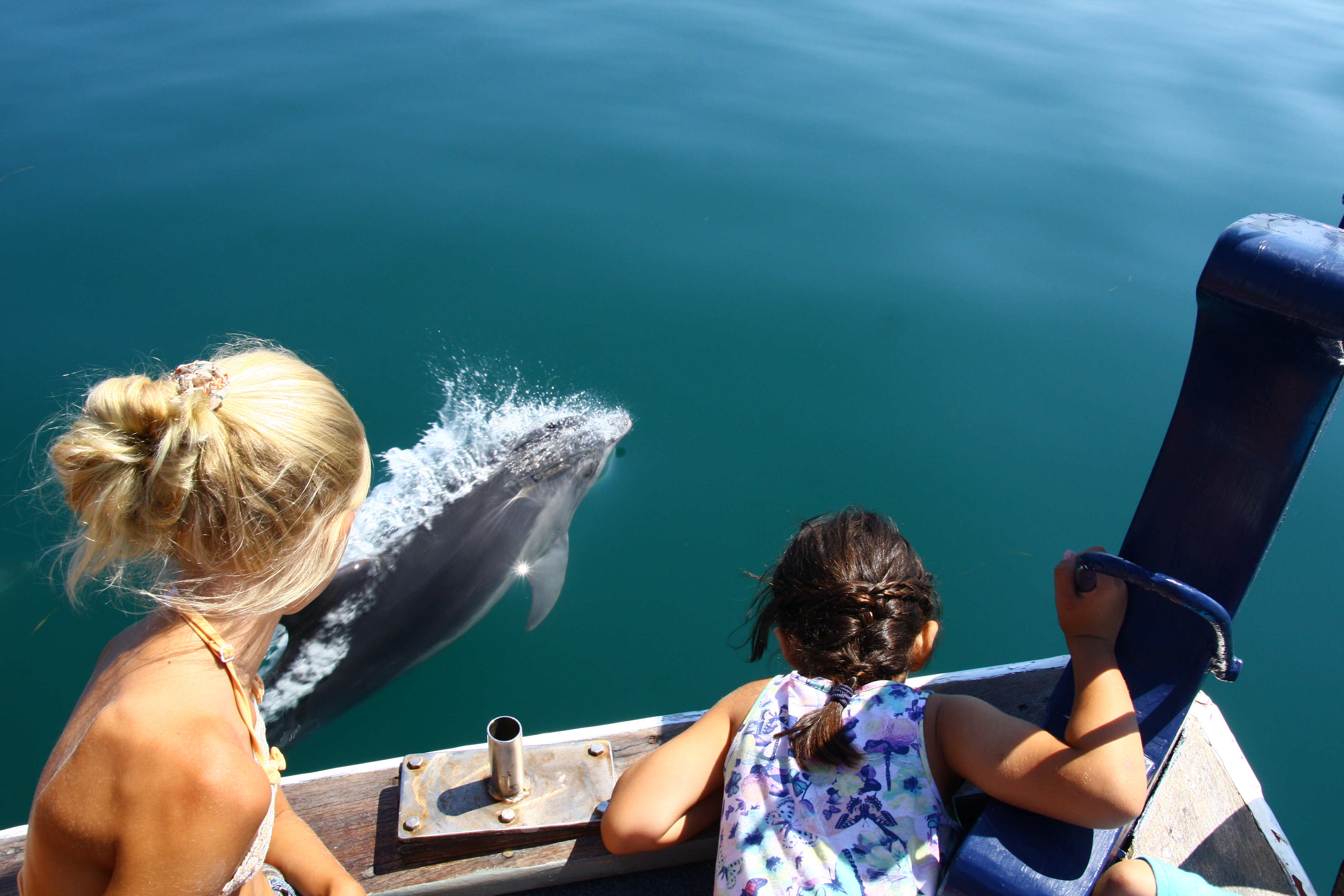
As we continue to study these remarkable marine mammals, new discoveries constantly reshape our understanding of their cultural complexity. The resulting conclusion is that this behavior must be passed on through social learning via mothers or associated animals. Rapid transfer of behavior in less than a generation is a good indicator of cultural transmission through social learning, as genetic causes can be excluded.
The implications for conservation become increasingly important as human activities impact dolphin habitats. Understanding dolphin behavior is not only fascinating but also essential for their conservation. By studying their personalities, daily activities, and social structures, we gain insights into their complex lives and the challenges they face. This knowledge helps inform conservation efforts, ensuring that these incredible animals continue to thrive in their natural habitats.
Understanding how dolphins pass reveals a sophisticated society built on learning, cooperation, and cultural preservation. Their ability to maintain complex traditions while adapting to new challenges demonstrates the remarkable intelligence that has allowed them to thrive in marine environments for millions of years. What strikes me most is how their cultural transmission systems mirror our own in many ways, suggesting that the drive to share knowledge and preserve wisdom transcends species boundaries.
What do you think about dolphins’ remarkable ability to create and maintain their own cultures? Tell us in the comments.

- These 7 Historic US Battlefields Are Sacred Grounds Of Remembrance - August 2, 2026
- The JWST Found A Jekyll-and-Hyde Galaxy In The Early Universe - August 2, 2026
- 10 Heartwarming Ways A Chihuahua Shows They’ve Bonded With You - August 2, 2026