
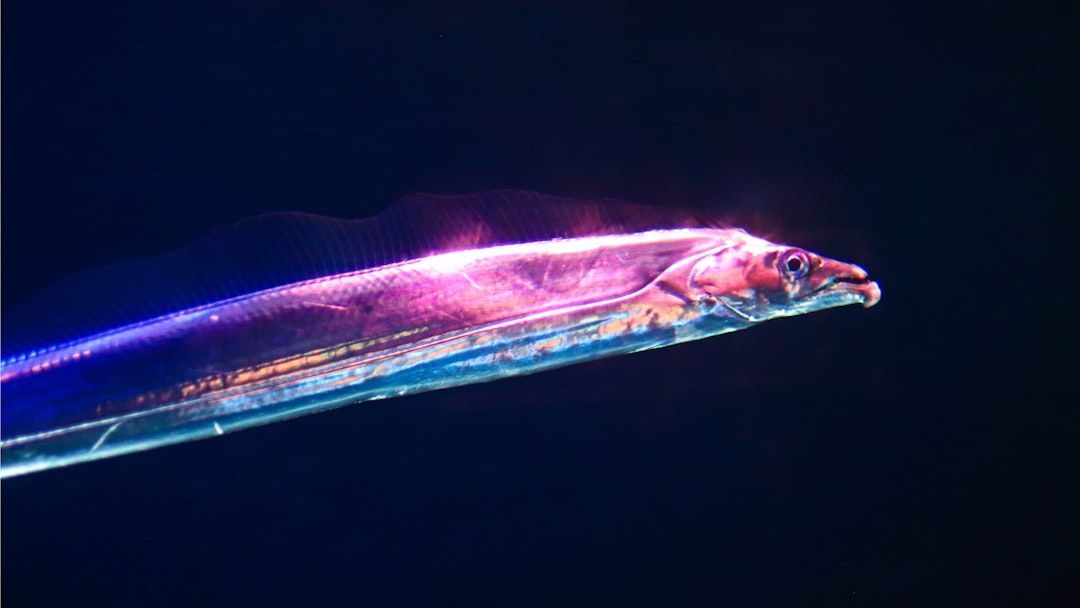
Venture beneath the surface of the sea, past where sunlight fades into complete darkness, and you’ll discover creatures so extraordinary they seem to defy the laws of biology itself. These deep-sea dwellers have evolved abilities that would make any science fiction writer jealous: transparent bodies that shimmer like living glass, bioluminescent displays that rival the most spectacular fireworks, and physiological adaptations that allow them to thrive under crushing pressures that would instantly kill a human.
The deeper we explore our oceans, the more we realize that reality surpasses imagination. Approximately 75-80% of marine creatures dwelling below 1,500 feet produce their own biological light through a remarkable process called bioluminescence. These aren’t just random mutations but sophisticated evolutionary solutions to life’s greatest challenges in Earth’s most inhospitable realm.
Living Light Shows That Defy Explanation
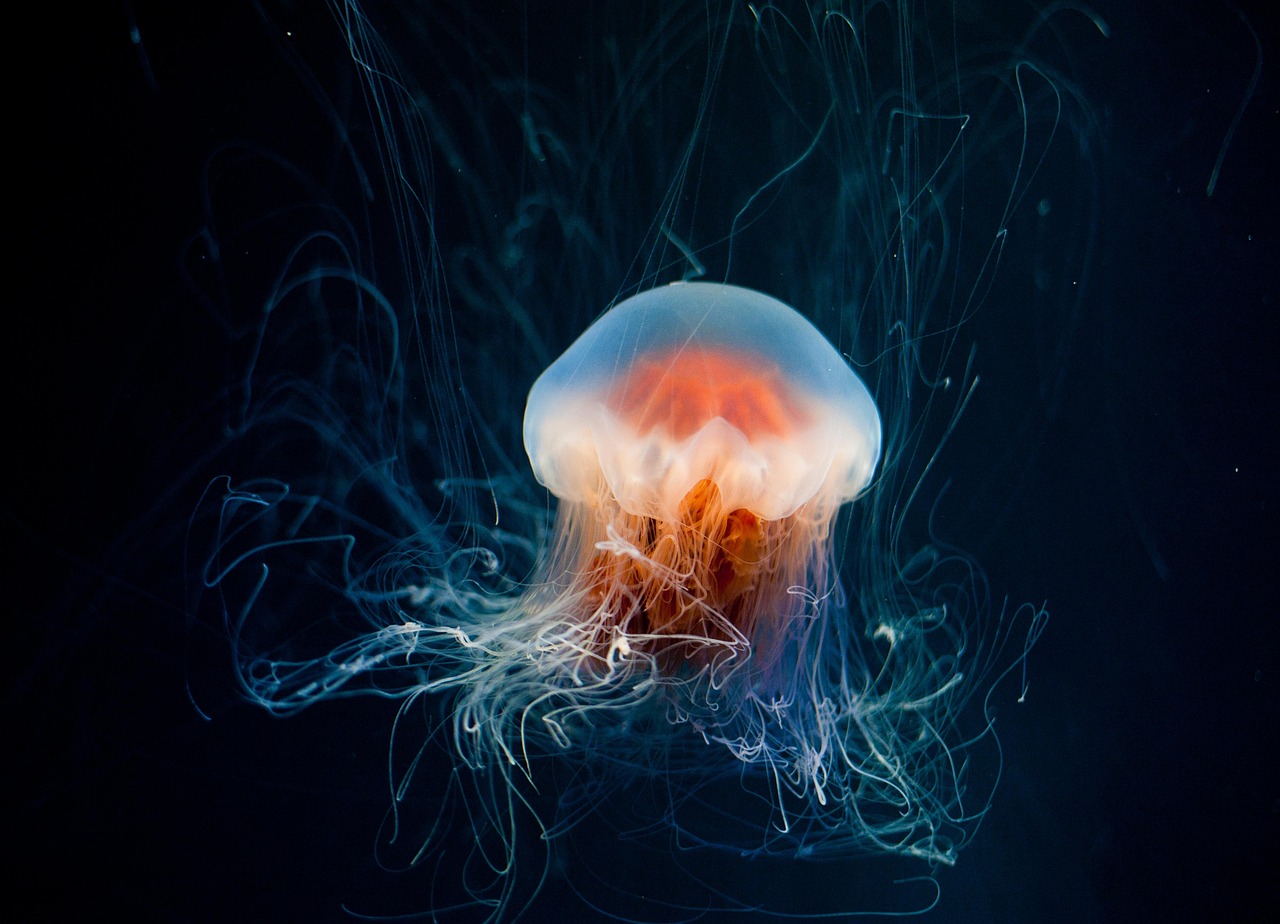
Picture darkness so complete that your own hand becomes invisible inches from your face. Yet in the ocean’s deepest reaches, an extraordinary light show illuminates the abyss unlike anything terrestrial life has ever produced.
99.5 percent or more of the living space on the planet is the ocean, and in the open sea, about three quarters of all animals are bioluminescent, and these animals can live anywhere from the surface down to 4,000 meters deep. This ability didn’t evolve once or twice – bioluminescence has evolved many times over – at least 40 separate times, suggesting something almost supernatural about life’s drive to create light in darkness.
There are a lot of animals that release their luminescent chemicals into the water to distract a predator. But for others, it can signal, “Don’t eat me or you’ll be sorry because I’ll sting you” or “I’m poisonous.” Some dinoflagellates use an especially bright light as a burglar alarm where it’s a scream for help with light. The ocean transforms into a vast communication network where creatures speak in languages of light.
Invisible Assassins: Glass Creatures of the Abyss
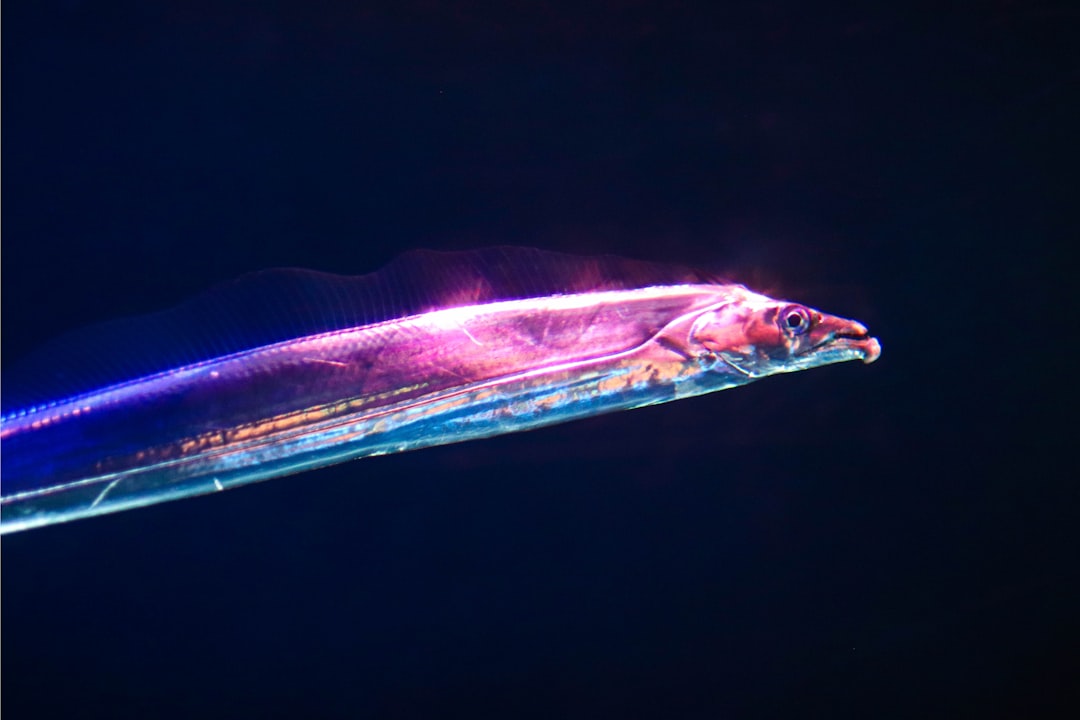
The common name “glass squid” derives from the transparent bodies of most species, creating creatures that appear almost otherworldly. Scientists could see chromatophores on the juvenile, those color-changing sacs found on other glass squid. That means “it almost certainly can switch back and forth between being completely transparent, which is how we see it mostly in this footage, to being opaque – and it probably has fine control over whether it can do that in certain regions of the body as well”.
These aren’t just simple transparent animals. Any remaining opaque body parts are obscured by light organs called photophores, which can glow by matching the level of sunlight trickling down from the surface. They’ve achieved what military engineers spend billions trying to develop – perfect camouflage that actively adapts to surrounding conditions.
A large, fluid-filled coelomic cavity containing ammonia solution is used to aid buoyancy. This buoyancy system is unique to the family and is the source of their common name “bathyscaphoid squid”, after their resemblance to a bathyscaphe. Imagine creatures so advanced they’ve developed their own biological submarine technology.
Defying Physics: Pressure Adaptation Beyond Comprehension
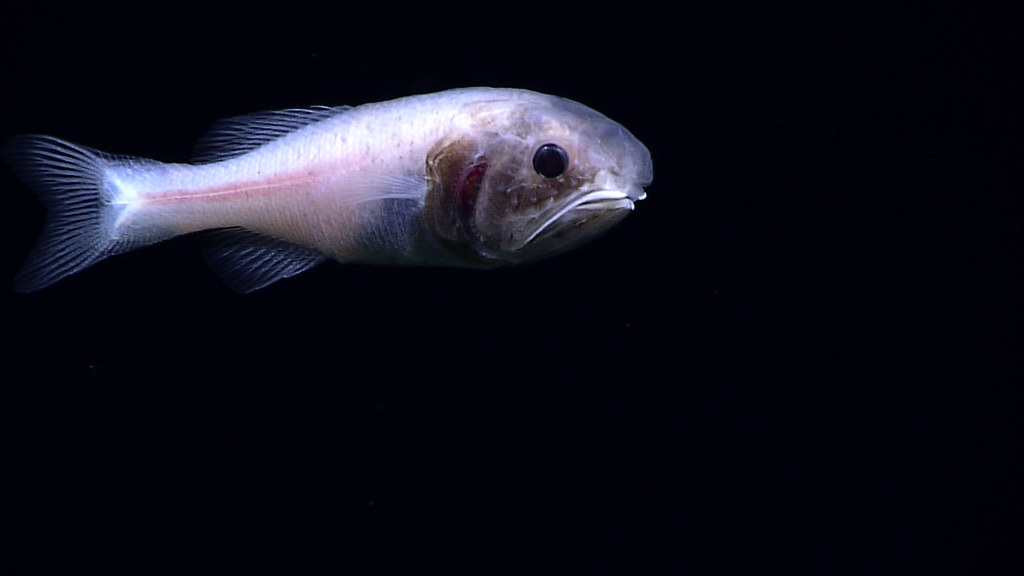
The ocean’s deepest reaches subject life to forces that should be lethal. In one of the deepest points in the Pacific – the Mariana Trench, 11 kilometers below the sea surface – the pressure is 1.1 kbar or eight tons per square inch. That is a 1,100-fold increase of the pressure experienced at the Earth’s surface. Yet life thrives here with adaptations that seem to mock our understanding of biological limits.
Pressure in the deep sea is up to 1,000 times higher than what we experience at the surface, the equivalent of an elephant standing on your thumb. How do creatures survive this crushing reality? They’ve evolved what scientists call TMAO – trimethylamine N-oxide. Studies have shown that the amount of TMAO in ocean-dwelling organisms increases in line with the depth of their habitat.
The TMAO provides a structural anchor which results in the water being able to resist the extreme pressure it is under. These creatures have essentially developed internal chemical shields that prevent their cellular structure from collapsing under impossibly intense forces.
Bodies That Bend Reality: Gelatinous Architecture of the Deep
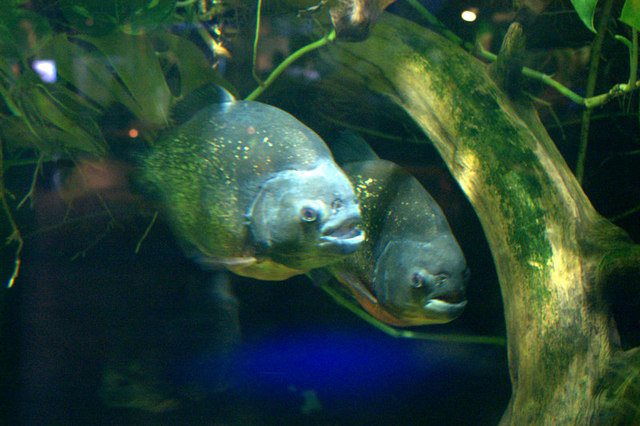
The skeletal structure of deep-sea creatures is much more flexible and less calcified, consisting mostly of cartilage, allowing for some compression and bending to withstand the high pressures. This increased flexibility is also not limited to just their skeletons, but also their skin.
These aren’t evolutionary compromises – they’re masterpieces of biological engineering. This compressibility makes them much more resistant to the high forces as it allows the body to deform to the pressure while staying flexible: not brittle. Their body is similar to a stress ball: it’s easy to compress at first but becomes stronger as you further compress.
Instead of a gas-filled swim bladder like those used by shallow-water fish, many deep-sea organisms use a fatty liver, extremely low-density bones, or gelatinous tissues to help them stay neutrally buoyant. This is why many deep-sea fishes are gooey looking. My favorite example is the blobfish, which has a lot of gelatinous tissues under their skin, making them look blobby when they are taken out of the water!
The Vampire Squid: A Living Phantom from Hell
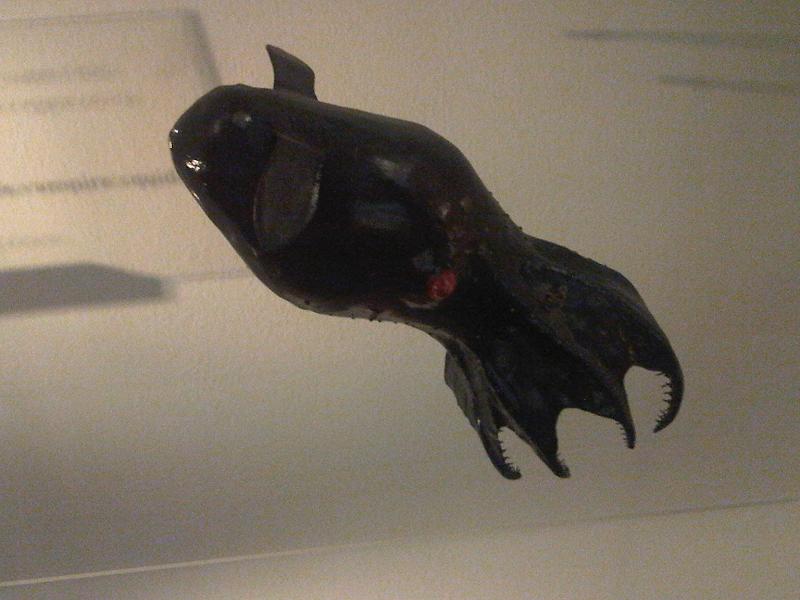
The vampire squid (Vampyroteuthis infernalis, lit. ‘vampire squid from hell’) is a small cephalopod found throughout temperate and tropical oceans in extreme deep sea conditions. Its name alone conjures images of supernatural terror, yet this creature possesses abilities that surpass any fictional monster.
The vampire squid is the only cephalopod able to live its entire life cycle in the minimum zone, at oxygen saturations as low as 2-5% of surface levels. While humans would suffocate and die in minutes, this creature thrives where oxygen barely exists. When threatened, it inverts, raising its arms over its head to obscure its body with its webbing and expose its rows of spikes to ward off attackers. If this isn’t enough, it can also expel a bioluminescent mucus that would startle any predator in the darkness of the deep ocean.
Its 15-centimetre (5.9 in) gelatinous body varies in colour from velvety jet-black to pale reddish, depending on location and lighting conditions. A webbing of skin connects its eight arms, each lined with rows of fleshy spines or cirri; the inner side of this “cloak” is black. This isn’t just camouflage – it’s biological theater.
Supernatural Senses in Absolute Darkness
In the perpetual darkness of the deep ocean, animals have evolved remarkable sensory adaptations that go far beyond conventional sight. These enhanced systems allow them to detect the slightest movements, pressure changes, and even electrical signals in their environment. Many deep-sea creatures possess highly developed lateral lines – sophisticated sensing organs that detect minute water movements and pressure changes.
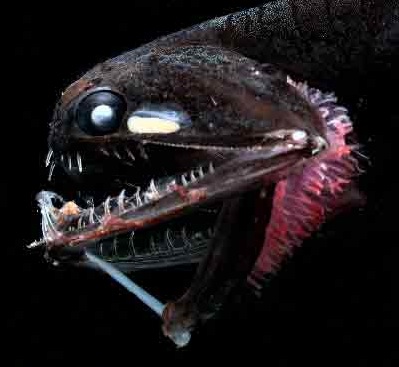
These aren’t simply enhanced versions of surface creature senses – they represent entirely new forms of perception. The dragonfish has three separate light organs beneath each eye. Two of them shine red lights, like night scopes, which help it sneak up on prey that see only blue lights. It’s developed what amounts to biological night-vision technology.
Dragonfish use red bioluminescent patches underneath their eyes like night vision goggles. Most other deep-sea animals have lost the ability to perceive red light, which doesn’t penetrate the ocean depths, so the dragonfish can secretly illuminate, then devour, their unknowing prey: the ultimate sneak attack.
Chemical Wizardry: Metabolic Magic of Extreme Depths
Many deep-sea predators maintain extremely slow metabolic rates, some operating at just 10% of the rate of their shallow-water counterparts. This reduced metabolism, combined with cold-blooded physiology, allows them to survive on minimal food intake while remaining alert enough to capture prey when opportunities present themselves.
Perhaps most remarkable of all, many deep sea creatures have evolved chemical defenses against the toxic effects of hydrogen sulfide found near hydrothermal vents. They possess specialized hemoglobin variants that can transport oxygen while remaining resistant to sulfide poisoning. Some species even harbor symbiotic bacteria that help detoxify these harmful compounds, creating a chemical alliance that enables survival in these extreme environments.
These creatures have essentially rewritten the rules of biochemistry, developing molecular partnerships that shouldn’t be possible according to conventional understanding of life’s limitations.
The Deepest Mysteries: Creatures That Shouldn’t Exist
The most common vertebrate species in the hadal zone are fish called snailfishes, and hadal snailfishes can survive down to depths of about 8,178 metres. These depths represent the very edge of where complex life should theoretically be possible, yet these creatures not only survive but flourish.
The hadal zone is among the most hostile environments on Earth because it is extremely cold and dark, there is very little food, the trenches are geographically isolated, and the hydrostatic pressure can reach values as high as 1000 times atmospheric pressure. The fact that vertebrate life exists here at all challenges our fundamental understanding of biological possibility.
Humans have explored less than 4% of the ocean floor, and dozens of new species of deep sea creatures are discovered with every dive. Recent developments have allowed scientists to look at these creatures more closely, and for a longer time. Each expedition reveals creatures that seem increasingly impossible, pushing the boundaries of what we thought life could achieve.
These deep-sea creatures represent more than mere biological curiosities – they’re living proof that life’s potential extends far beyond our wildest imagination. In the crushing darkness of the abyss, where pressure would kill us instantly and oxygen barely exists, these supernatural beings have not just survived but created an entire realm of biological wonders. They’ve evolved abilities that read like fantasy novels: invisibility, bioluminescent communication, pressure-defying chemistry, and sensory powers that border on the mystical. What do you think about these remarkable adaptations that challenge everything we thought we knew about the limits of life itself?

- Why The Florida Alligator Is Not As Dangerous To Humans As Their Reputation Suggests - August 4, 2026
- Why Some Birds Sing At Dawn: Unraveling Nature’s Melody - August 4, 2026
- 7 Cleverest Bird Species for Pets, Ranked - August 4, 2026