
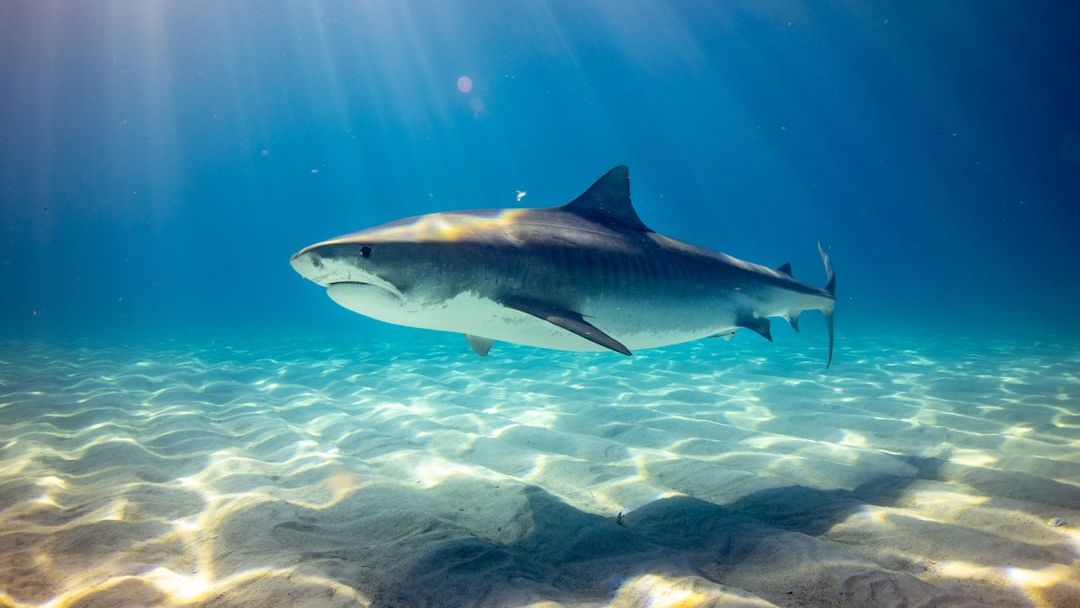
The sunshine state’s beaches draw millions of visitors each year with promises of pristine sands and crystal clear waters. Yet beneath those inviting waves lies a growing concern that has marine biologists and beach safety officials increasingly on edge. While Florida has long held the unofficial title of the world’s shark bite capital, recent developments suggest we might be entering uncharted territory.
The numbers tell an intriguing story that challenges our assumptions about these apex predators. Recent conservation efforts have succeeded beyond expectations, but this success story comes with an unexpected twist that’s making headlines across coastal communities.
The Unexpected Conservation Success Story
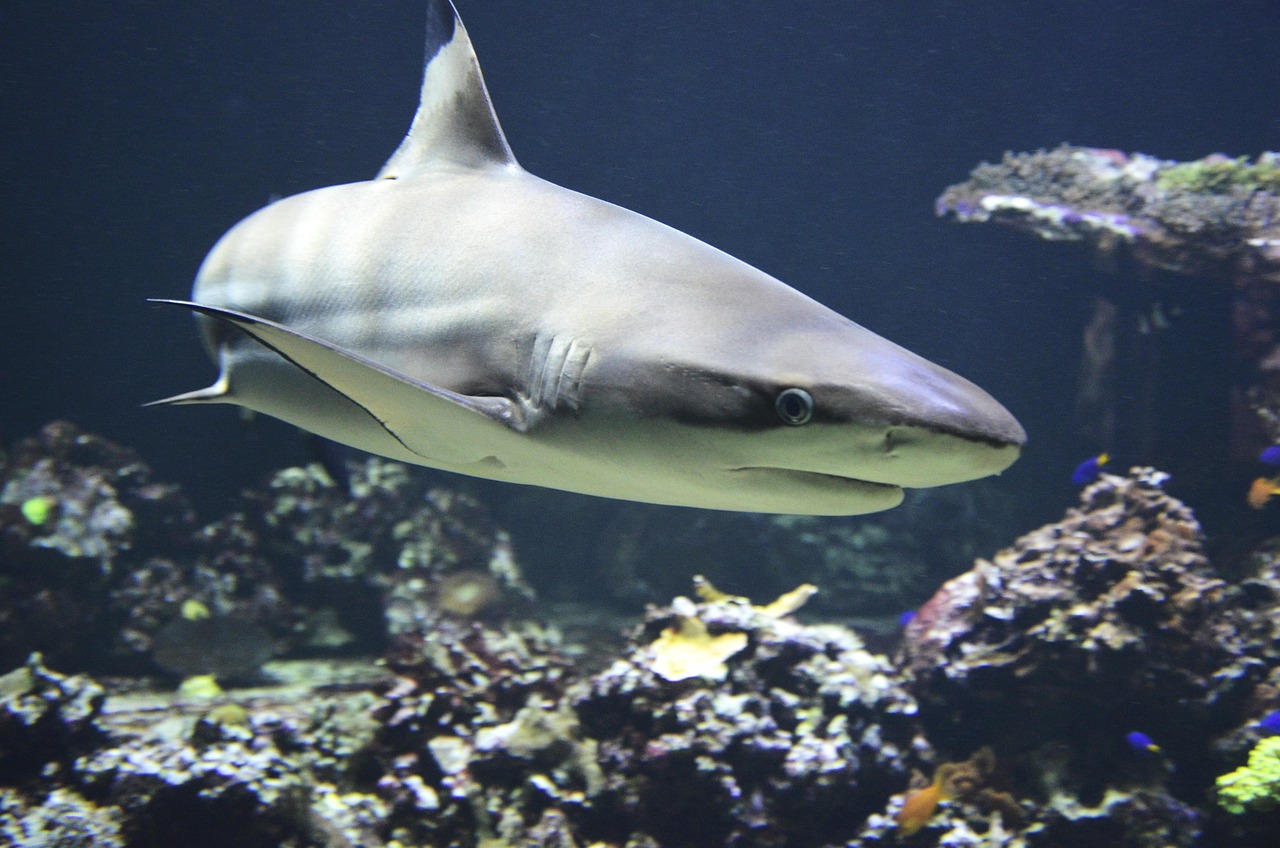
Conservation efforts including recreational and commercial fishing restrictions, plus the reduction in shark finning practices, have contributed to increases in shark populations. Most people have experienced the last 30 to 40 years in a system that didn’t have a lot of large sharks because they were overfished, but federal and state government intervention has helped rebuild shark populations.
Florida now has more sharks in the water than it used to, which indicates that fisheries are returning, while more people are living in Florida and visiting during summer vacation, creating a situation where more sharks and more people means more bites. This conservation success has created what experts call a perfect storm of circumstances.
Climate Change Disrupts Ancient Migration Patterns
Warmer waters are affecting shark behavior, causing them to migrate to areas they have never been seen before. For the past two years, many sharks are staying north thanks to the East Coast’s warming waters, with temperatures never getting below 73.4 degrees Fahrenheit last year and rising dramatically to 78.8 degrees this year.
Climate change impacts species distribution, changing how often humans interact with these animals, as more tropical fish species move north in the Gulf of Mexico in response to climate change, and sharks are no exception. This dramatic shift in traditional migration routes means sharks are appearing in new areas and staying longer in regions they once visited briefly.
Ocean Temperature Creates New Shark Highways
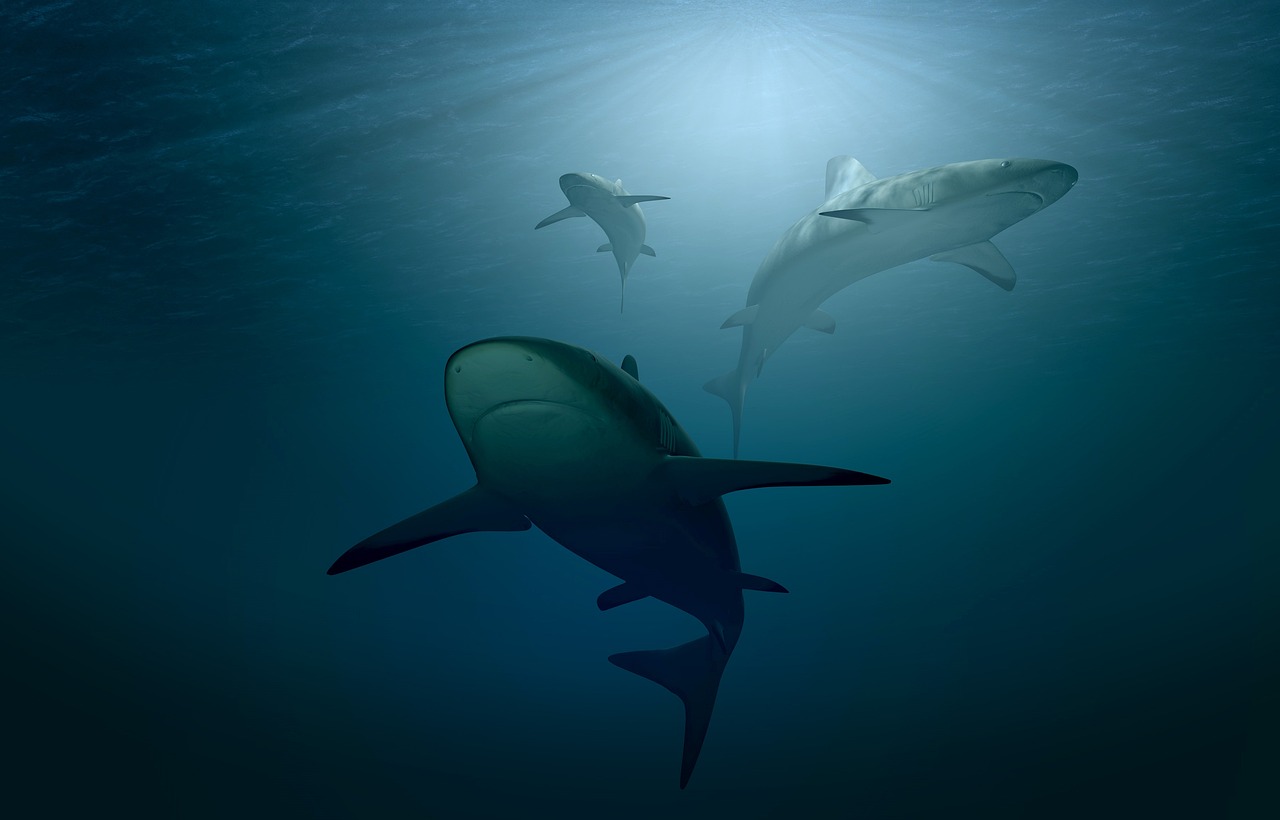
Climate change has made Florida’s ocean waters more hospitable to various species of sharks, with temperatures rising by three degrees Fahrenheit in some areas. Rising temperatures due to climate change have turned North Carolina estuaries into suitable habitat, with mother bull sharks that once traveled south to Florida now staying off the North Carolina coast to give birth.
The balmy water temperatures between 70 and 80 degrees that tiger sharks prefer are arriving earlier in the year and extending farther north, with the northern edges of their preferred range shifting about 186 miles poleward in cold season and 248 miles in warm season. These temperature changes are essentially creating new underwater highways that guide sharks into previously unsuitable territories.
The Tourist Boom Multiplies Human Encounters
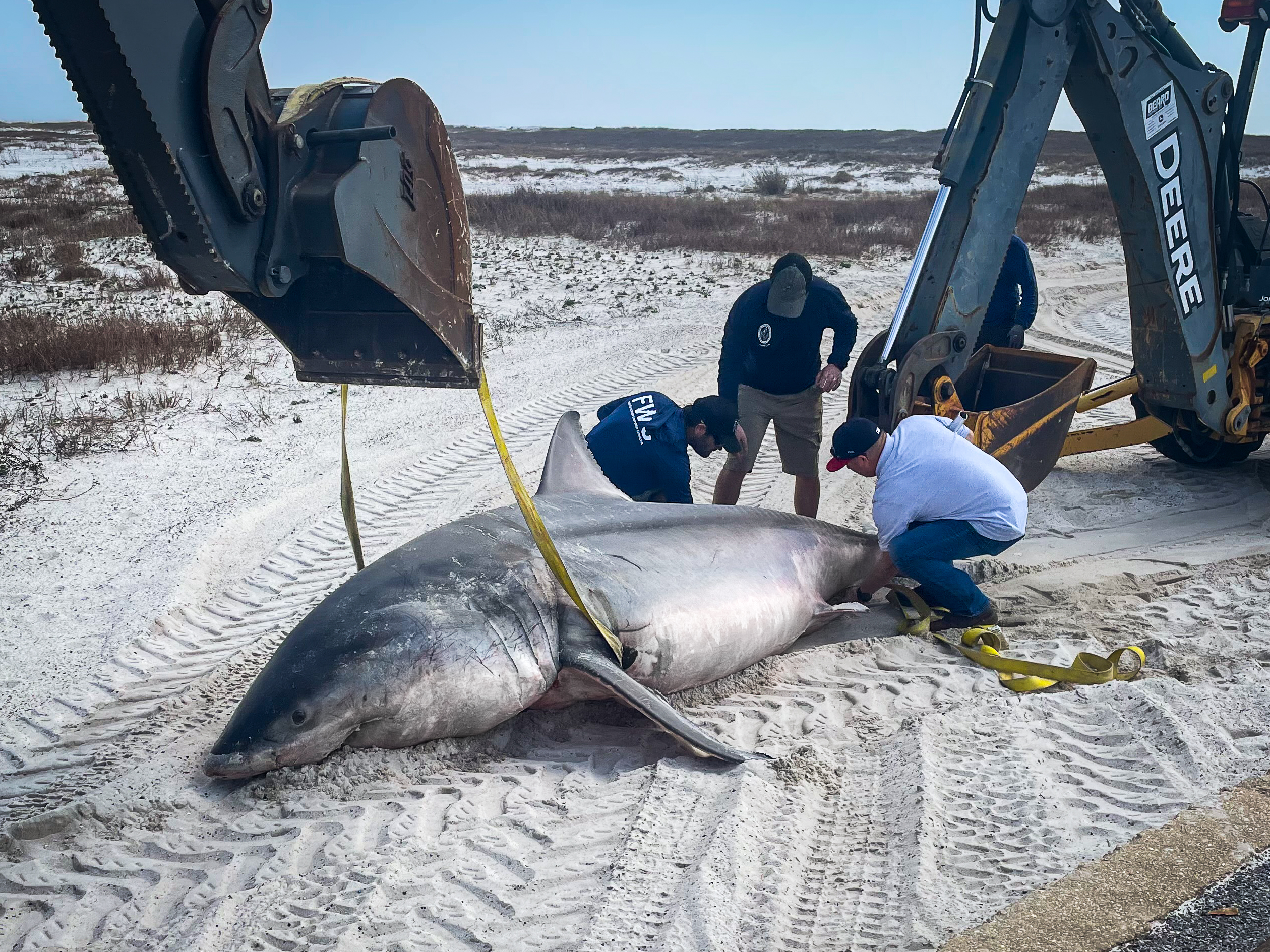
More people are living in Florida and coming to Florida in the summertime to vacation, so when you have more sharks and more people, you’re gonna have more bites. Florida’s tourism industry continues to break records, with coastal activities becoming increasingly popular among visitors seeking authentic marine experiences.
Along with an increasing shark population, more people are going to the beach leading to more interactions, though there’s only been a slight increase in the number of attacks globally. The mathematical reality is stark: more predators plus more people in the water equals higher probability of encounters, even if individual risk remains extremely low.
Young Sharks Learning Through Dangerous Mistakes
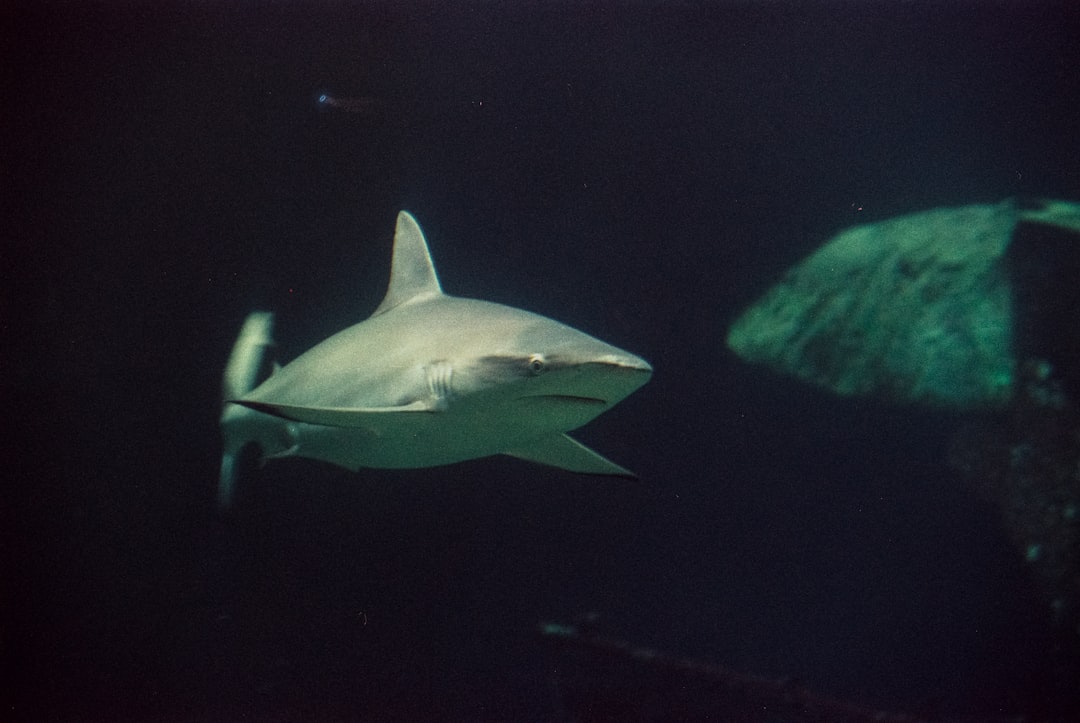
Many shark bites were likely from blacktip sharks, whose breeding grounds stretch along the northeast Florida coastline, with many juveniles that haven’t yet fully developed the ability to distinguish between humans and their natural prey. A spate of attacks in Florida’s Volusia County in 2024 is believed to have been caused by blacktip sharks that had recently hatched along the coast, as these young sharks were still learning while normally eating fish, stingrays and other sharks.
This learning curve represents a critical vulnerability period where inexperienced juvenile sharks make identification errors that can lead to human encounters. Their natural curiosity combined with underdeveloped hunting instincts creates a particularly unpredictable situation for beachgoers.
Fishing Activities Create Underwater Dinner Bells
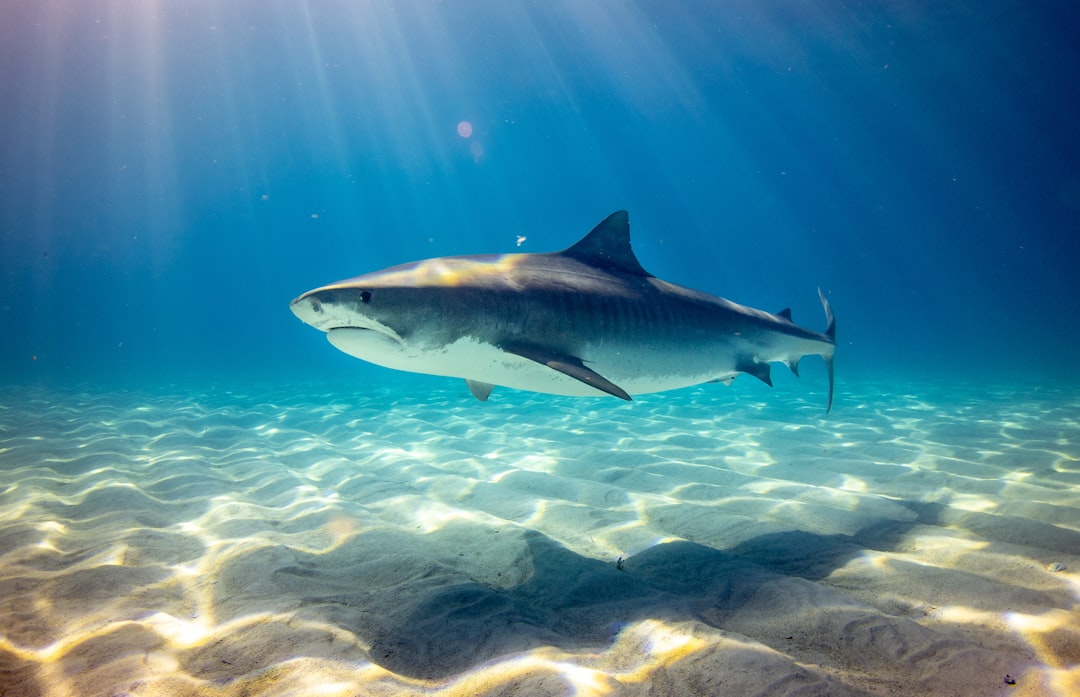
Anglers and fishermen pose a significant problem in the decline of fish populations in the ocean, which causes sharks to approach boats when they see a fish on the line, making it easy prey. People surf where there are good waves, and where there are good waves, there’s turbidity, where there are often bait fish that attract sharks.
The presence of struggling fish on fishing lines essentially creates an irresistible advertisement for nearby sharks. This phenomenon has become increasingly problematic as Florida’s recreational fishing industry has expanded, bringing more boats and more bait into coastal waters where sharks naturally patrol for feeding opportunities.
Improved Detection Technology Reveals Hidden Populations
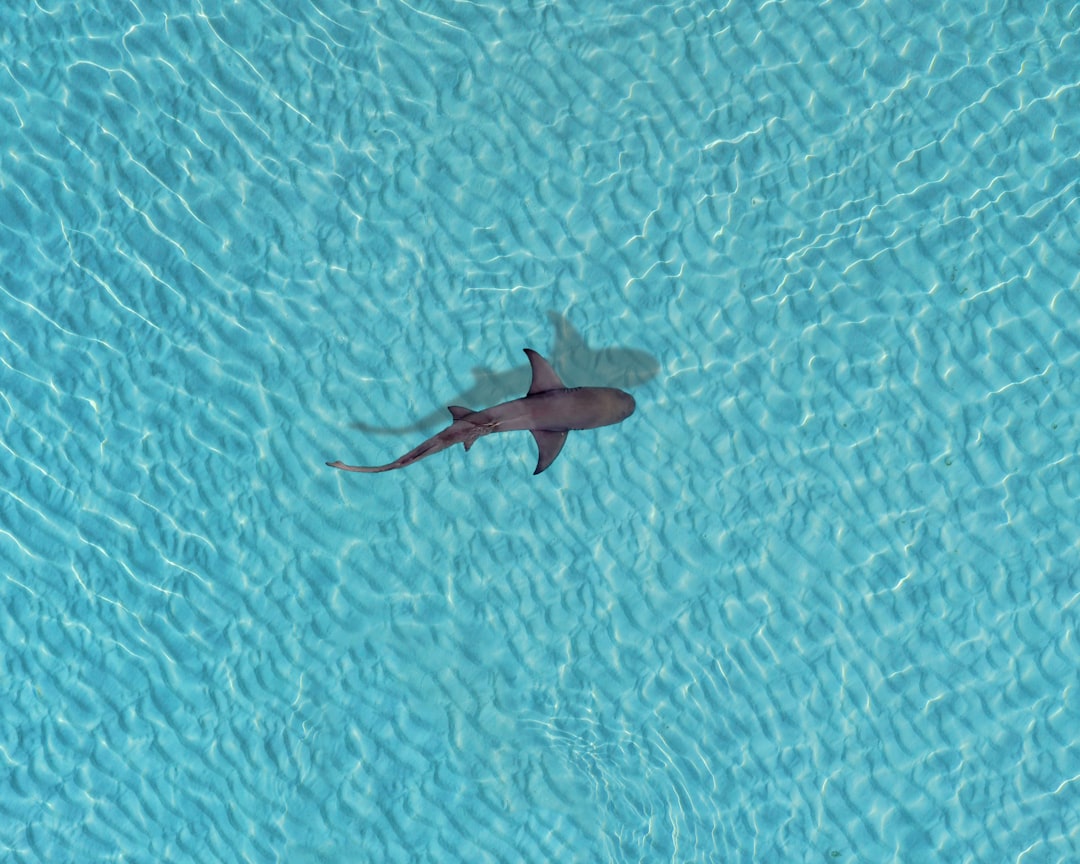
Sharks are not actually coming closer to shorelines than before, but we are just getting better at spotting them, with more advanced methods for tagging and tracking sharks, though shark numbers are going up due to successful conservation work over the last few decades.
Modern tracking technology has revolutionized our understanding of shark behavior and population dynamics. Satellite tags, acoustic monitoring systems, and drone surveillance have revealed shark populations that were previously invisible to researchers, creating the impression of sudden increases when the sharks were always there.
The Paradox of Successful Protection Measures

Florida’s 16 cases represent 44% of the U.S. total and 30% of unprovoked bites worldwide, as Florida has long topped global charts for the number of shark bites. Despite this leadership position in shark encounters, 2024 had 69 unprovoked attacks worldwide, up from 63 the previous year and well below the 10-year average of 70.
Global shark populations are on the decline despite protective government efforts, but Florida appears to be an exception, with locals and experts seeing a rebound. This paradox highlights how successful regional conservation can create localized challenges even as global trends remain concerning.
What Lies Beneath the Surface
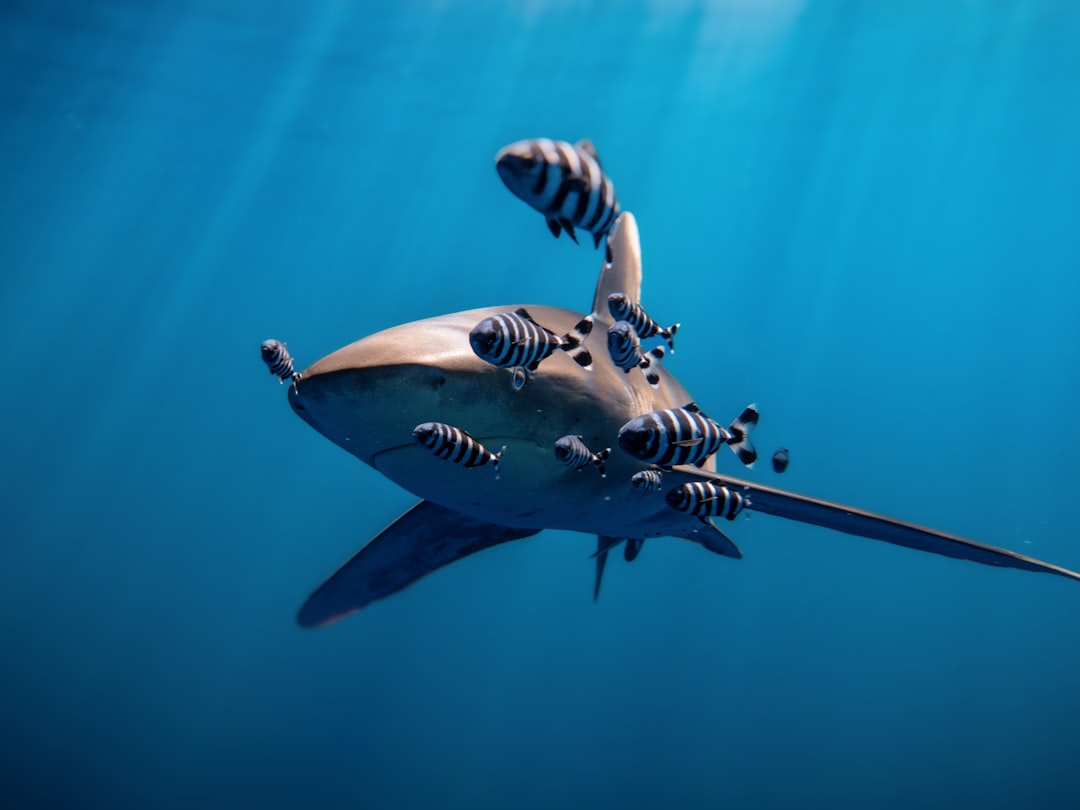
The Florida shark situation represents something far more complex than simple population growth or climate migration. According to the Florida Museum of Natural History, the odds of being attacked by a shark are 1 in 11.5 million. Experts believe more people are just reporting incidents, with increased attention and more eyes sharing information.
What we’re witnessing isn’t necessarily a shark problem but rather the intersection of multiple successful systems: effective conservation that has restored predator populations, climate changes that have altered ancient migration patterns, tourism growth that puts more people in marine environments, and technology that reveals previously hidden interactions. The challenge now lies in managing these intersecting trends while maintaining both marine ecosystem health and human safety.
What do you think about it? Tell us in the comments.
