
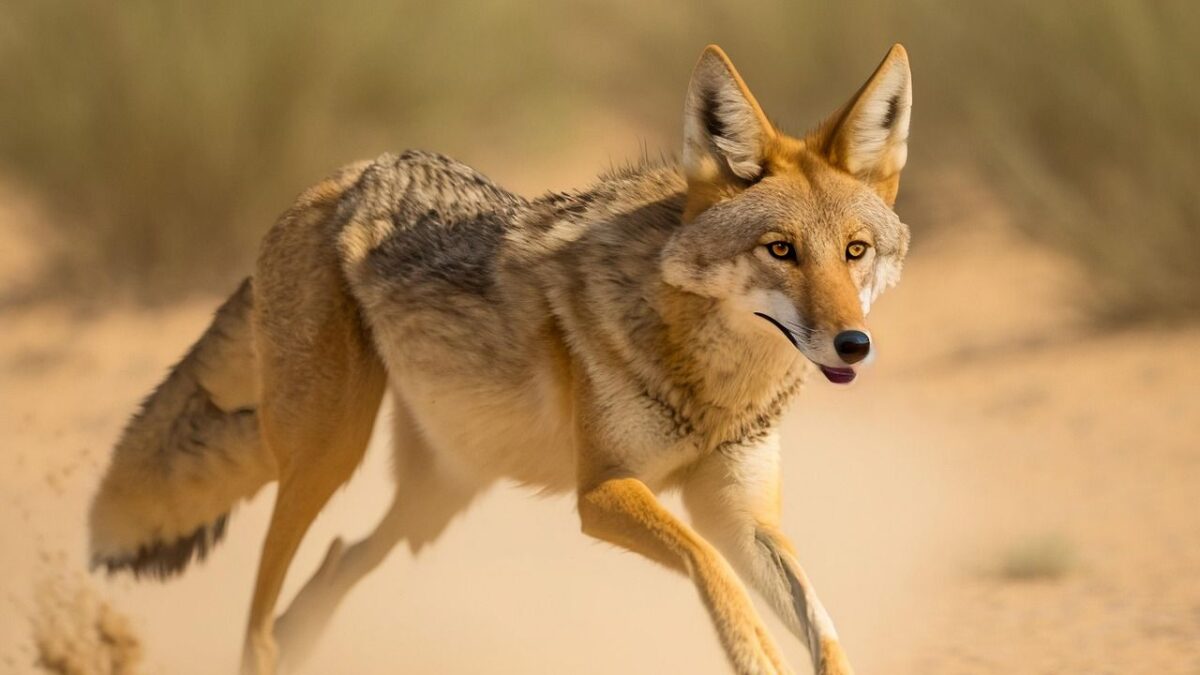
The question isn’t whether you’ll encounter a coyote. It’s whether you’ll be ready when you do. These remarkably intelligent predators have expanded their range to every major city in North America, mastering the art of urban survival while maintaining their wild cunning.
Yet most people still think of coyotes as mindless scavengers skulking in the shadows. That’s a dangerous underestimation. These animals possess cognitive abilities that rival domestic dogs in problem-solving scenarios, and their pack dynamics are far more sophisticated than Hollywood would have you believe. The real challenge lies in understanding that you’re not just facing an animal, but a strategic thinker capable of adaptation, deception, and coordinated attacks.
Understanding the Intelligence Behind the Hunt
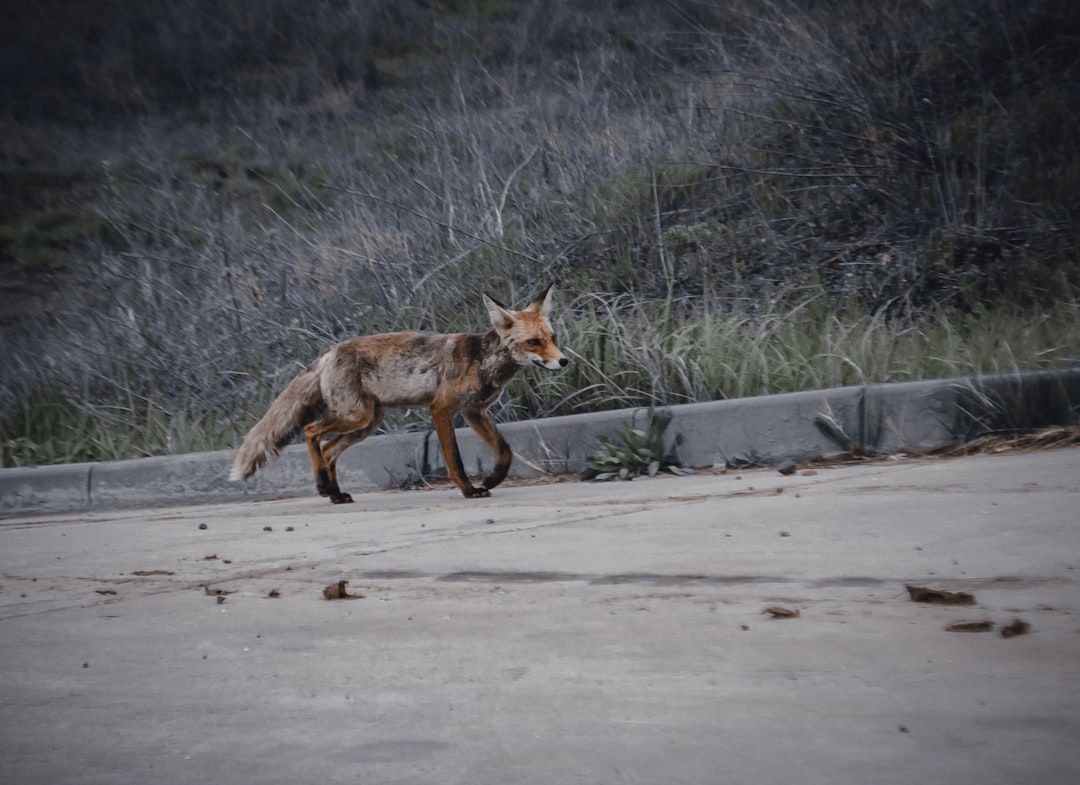
Coyotes are capable of social learning for novel tasks, and this ability contributes to understanding how animals gain information about their environment. Scientific tests show coyotes outperform domestic dogs in independent problem-solving, persistence, and creativity. Dogs look to humans for guidance, whereas coyotes think for themselves.
This independent intelligence makes them formidable opponents. They engage in purposeful deception, leading people or dogs away from dens and vocalizing from false locations to protect pups. They also pretend to be hunting in the distance when actually assessing threats from dogs or humans. Deception requires insight, forward planning, and an ability to mentally model another’s perspective.
Coyotes can recognize patterns and different locations in their mind where they have once gone. You can realize their full potential by providing them with interesting and stimulating tasks. This cognitive flexibility is exactly what makes them so challenging to outwit in the wild.
The Pack Dynamics That Change Everything
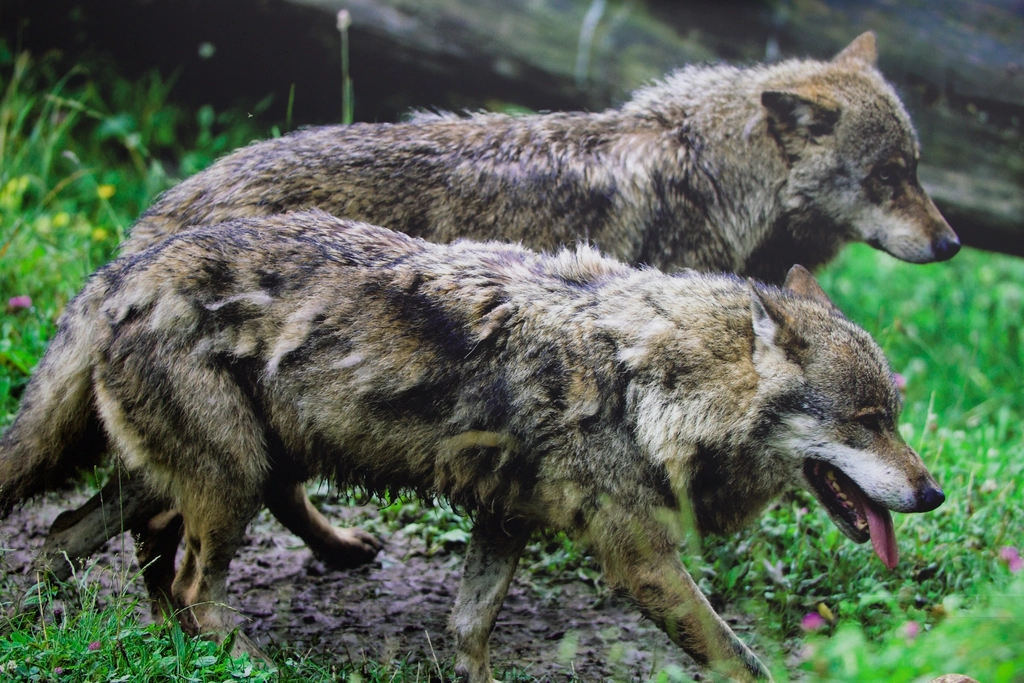
A coyote “pack” is usually a family group. Researchers analyzed the genes of individuals in a coyote pack and learned they were closely related members of a family unit. Coyotes tend to live in small packs with their offspring. When hunting prey, coyotes cooperate cooperatively to take down larger animals.
The dynamics shift dramatically based on circumstances. These animals form packs in cold months to improve their chances of hunting food and surviving. Brush wolves form family packs rather than large groups. Depending on food availability, family groups typically consist of 3-8 members, though larger packs of 10-12 individuals may rarely form under specific conditions. The packs will be smaller when food is scarce and high coyote densities prevail.
Understanding pack size matters for survival. A lone coyote presents one challenge, but when pressed, coyotes hunt larger animals such as adult deer. In most cases, the coyote cannot kill an adult deer alone. Still, they are perfectly capable when they work in packs.
Reading the Territory Signs Before It’s Too Late
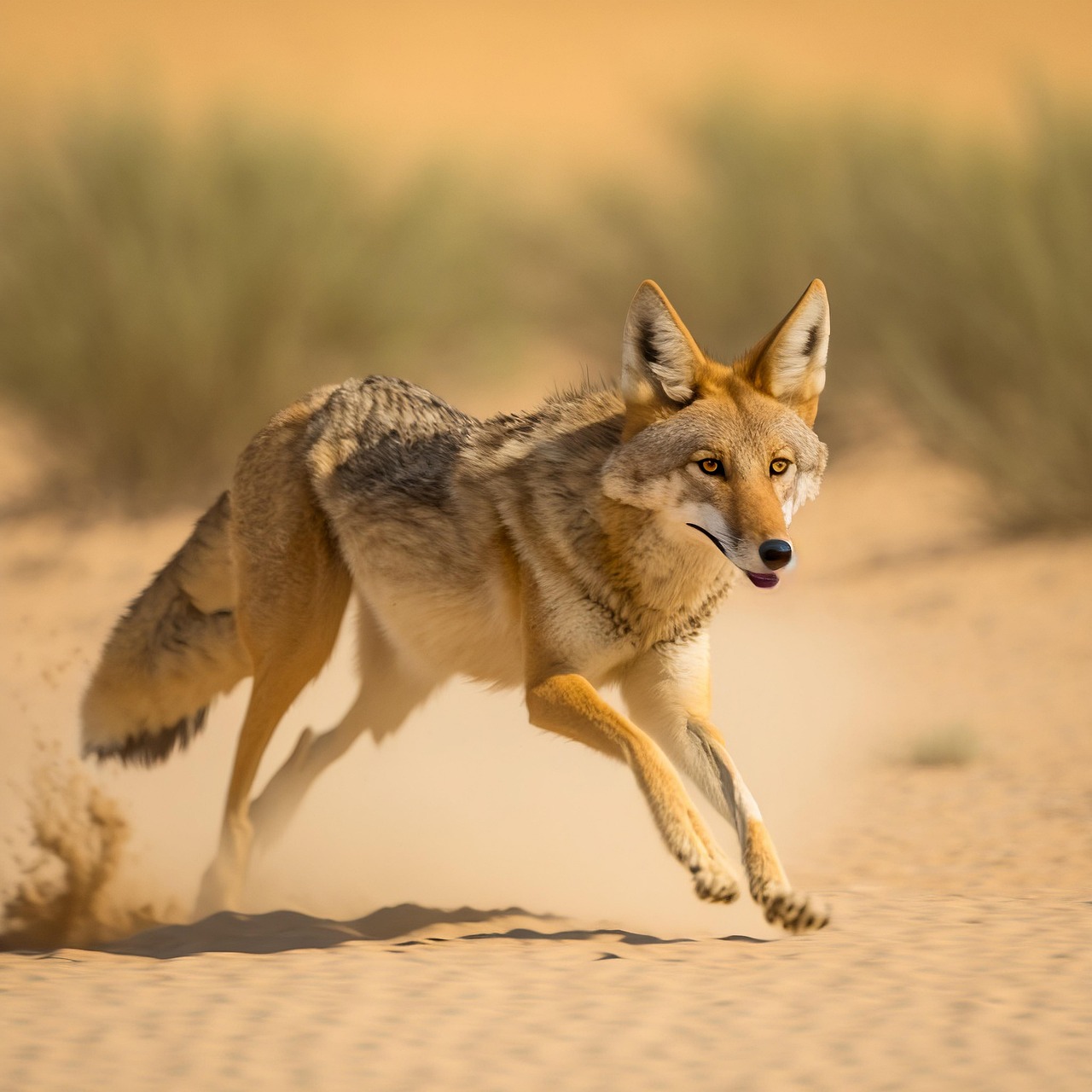
Smart survivalists know the landscape tells a story before any coyote appears. A coyote’s territory size varies according to habitat conditions and prey availability, but the area should support all pack members. A territory can range from 1-2 square miles in food-rich urban areas to over 25-40 square miles in less productive habitats. This is a sizable chunk of real estate, so a whole pack is needed to cover the entire area and guard the territory.
Territory markers aren’t subtle if you know what to look for. Fresh scat along trails, scratch marks on trees, and urine scent posts indicate active territories. Field observations show neighboring coyotes will trespass frequently into a pack’s territory, and there is no evidence that scent deposits are avoided.
Timing your movements becomes critical. Coyotes are most active at dawn and dusk, but as pressure increases, they often shift their activity to later at night. Temperature drops can trigger increased activity. The most dangerous encounters happen when you stumble into areas they consider protected space, especially when resident coyotes have a litter under their care.
The Fatal Mistakes Most People Make
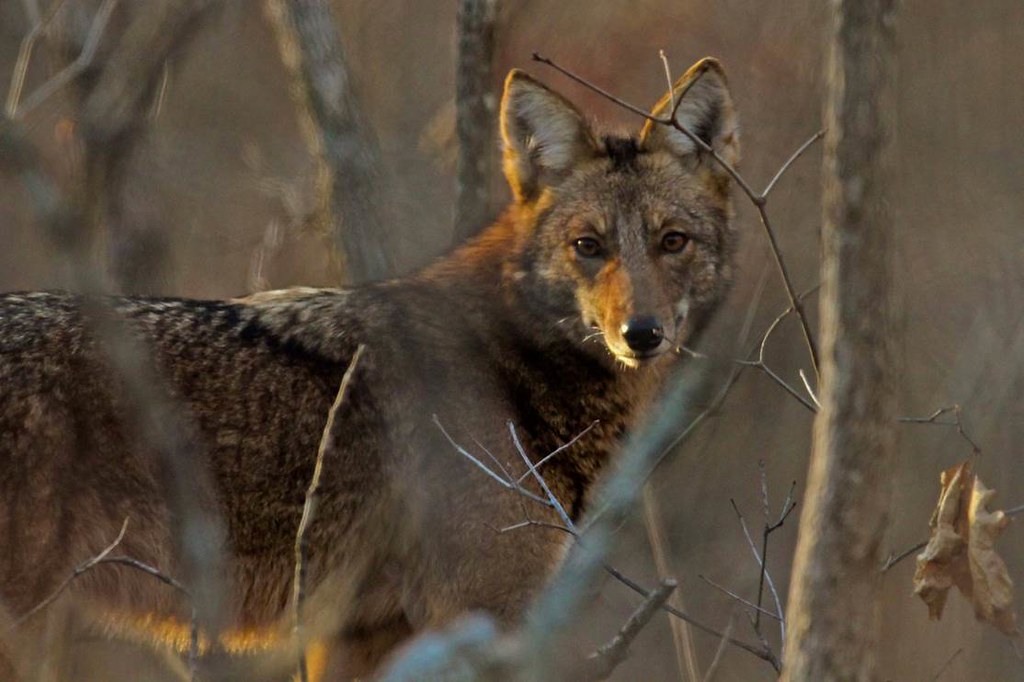
Running triggers their most primal instinct. Do not run from a coyote. Running will trigger the coyote’s hunter instinct. Coyotes have been known to give chase, usually outrunning the person trying to get away from it. This isn’t a race you can win.
Turning your back compounds the mistake. Instead, pick up small children, retract your dog’s leash, and slowly back away. Maintain eye contact, and never turn your back on the coyote. Avoid bending down or turning your back on the coyote. Bending down makes you appear small and vulnerable.
The worst error is misunderstanding their intentions. Coyotes often use niceness as a strategy to earn trust before going for the attack when your guard is down or to bring a dog back to their den where there are more coyotes. Your dog may think he has a new friend, but he will be killed and eaten each and every time.
Proven Intimidation Tactics That Actually Work
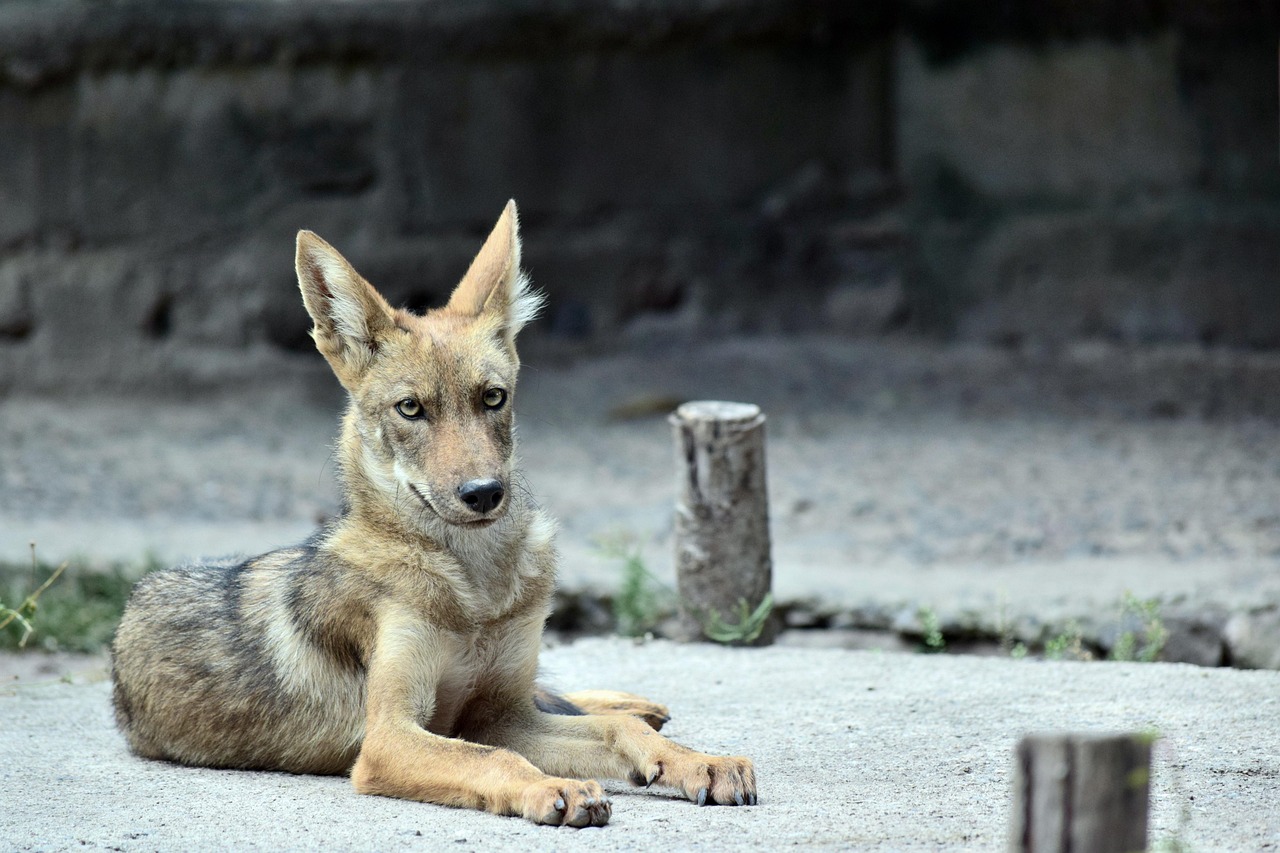
Size and noise become your primary weapons. Wave your arms above your head and make noise. Yell, clap your hands and tell the coyote to go away. Be loud and firm. Don’t make high-pitched sounds that can be mistaken for prey.
Escalation follows a specific pattern. If the coyote keeps approaching, throw things at them. Sticks, rocks, items from your hiking pack – throw anything within reach. As you throw things, face forward. Clap your hands loudly and firmly towards the animal and respond to its presence aggressively by making yourself appear large.
The key is persistence in your aggressive display. Stay standing, shouting, and throwing until the coyote flees. Show your size and intimidate by waving your arms and yelling. Slowly approach the coyote while continuing to wave your arms and yell. Doing this should scare the coyote away.
When Pack Coordination Turns Deadly
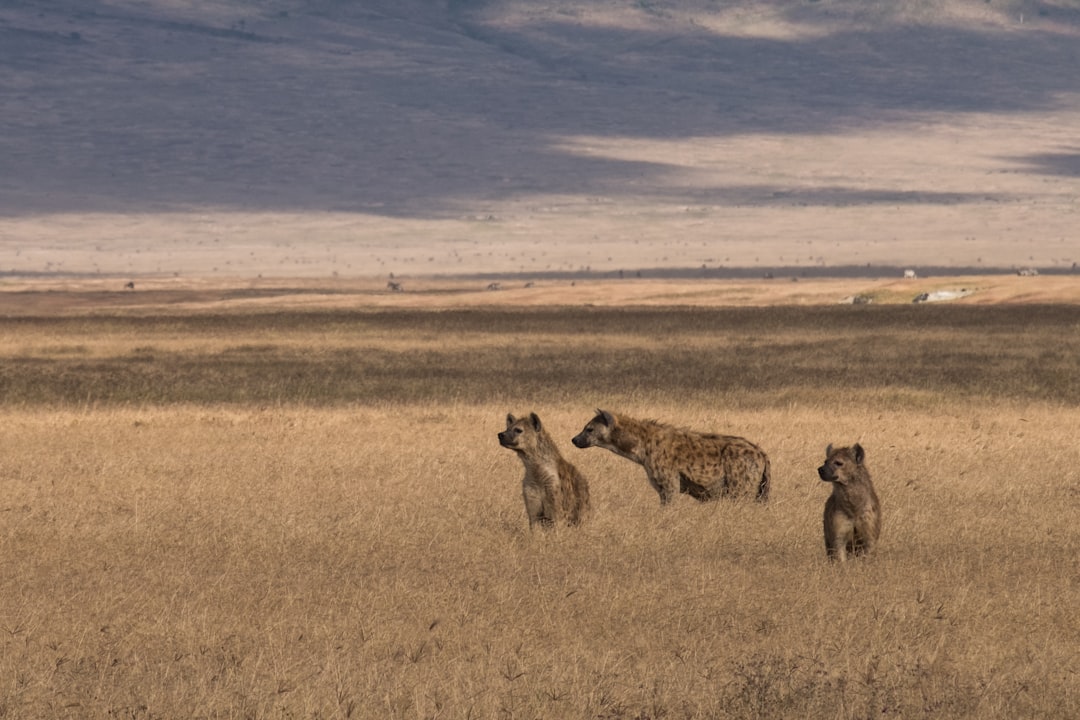
Pack hunting changes every rule. When large prey animals such as ungulates are available, several carnivores including wolves, jackals and African wild dogs have been seen to band together in packs for cooperative hunting. Coyotes employ similar strategies when circumstances require it.
In a pack, coyotes can catch larger prey. This ensures more food for everyone. Sharing the catch means each member gets a portion. This helps all members of the pack stay healthy and strong. This coordination makes them exponentially more dangerous than a single animal.
Multiple coyotes create tactical advantages you cannot overcome with standard deterrent methods. They may attempt flanking maneuvers, with some animals acting as distractions while others position for attack. Pack activity does occur in other areas when smaller rodents aren’t so prevalent, and when there happen to be larger prey around. Likely candidates are young deer or unprotected young farm animals such as lambs.
Environmental Factors That Stack the Odds
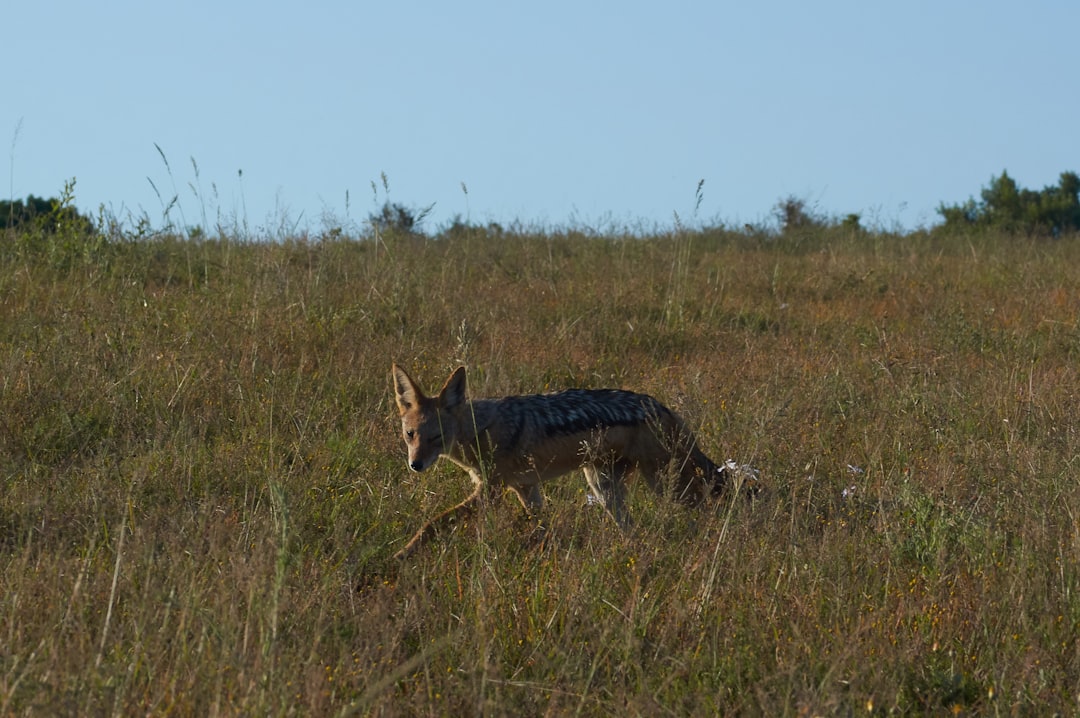
Weather conditions dramatically affect coyote behavior and your survival chances. Hunting in packs helps coyotes during harsh weather. Extreme cold or heat can make food scarce. By working together, they can cover more ground. They share the effort of finding prey. This teamwork ensures they get enough food to survive.
Season timing creates predictable patterns. During the breeding season, typically from January through March, coyotes become more vocal and responsive to howls. Around pupping season in May, coyotes may defend certain areas more intensely, and your best bet may be to alter your route to avoid conflict.
Terrain becomes crucial for both offense and defense. Open areas favor the human because coyotes lose their stealth advantage. Dense brush or rocky terrain favors the coyotes, providing cover and ambush opportunities. Pay attention to wind direction and try to sit some place with a good vantage point where the wind is blowing in your face. A small rise that gets you elevated to better see coyotes coming will do nicely. If you’re sitting in a low spot, it’s less likely you will see the coyote before he sees you.
The Last Resort Combat Strategy
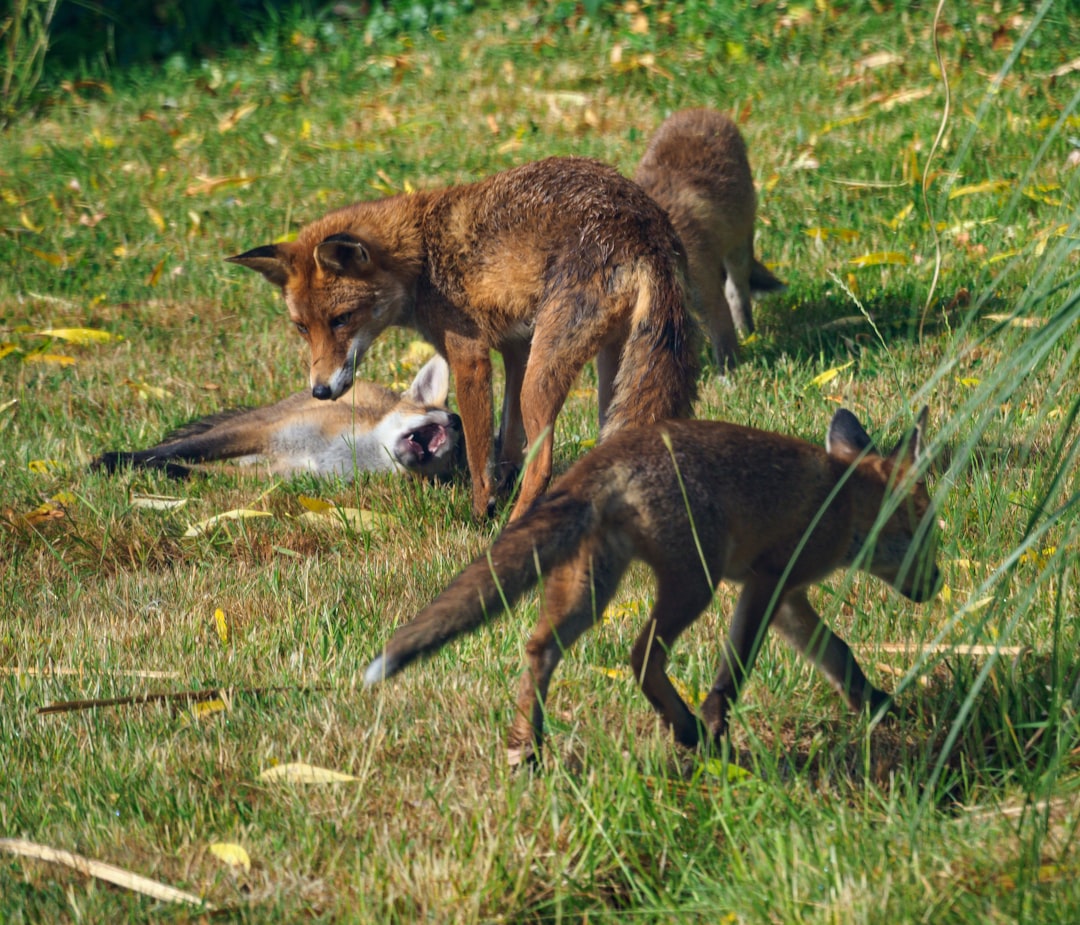
Sometimes intimidation fails and physical confrontation becomes unavoidable. When dealing with a predatory coyote, never play dead. Your best chance of survival is scaring the coyote away. If you can’t scare them away, prepare for a fight.
Fighting technique focuses on protecting vital areas while maximizing damage. How do you fight a coyote? Yell, kick, punch, and scream while protecting your vital organs. Target the nose, eyes, and throat when possible. Coyotes weigh between 20-50 pounds on average, making them smaller than most adult humans, but their speed and teeth remain dangerous.
Coyotes don’t naturally target humans as prey. If the coyote is aggressive, you’re in danger. You have to remind them that you’re not someone to be messed with. Keep cool, and don’t back down. The psychological battle matters as much as the physical one.
Conclusion
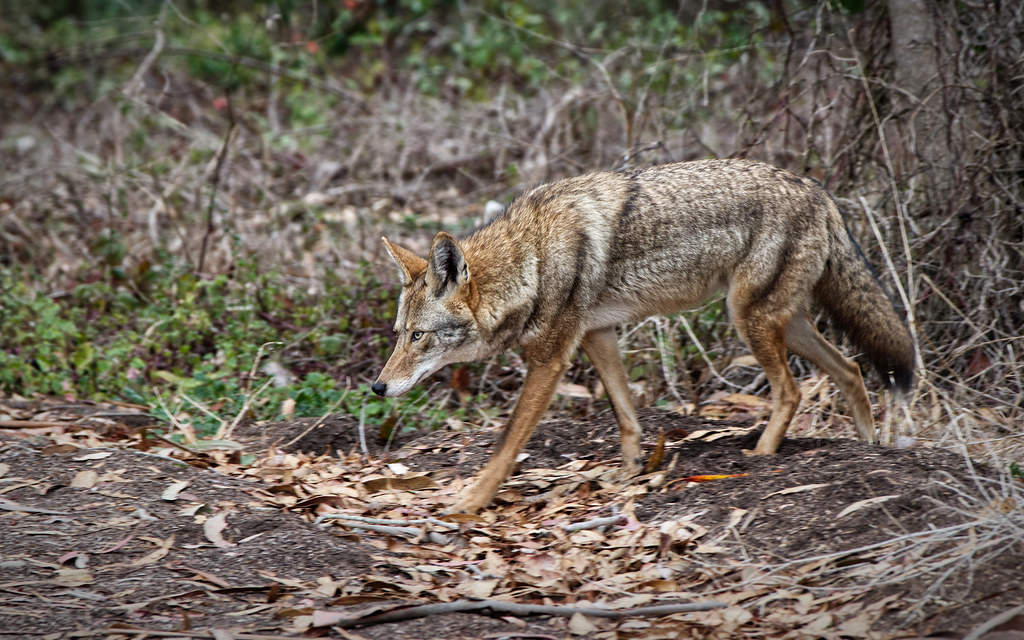
Surviving a coyote encounter, whether with a single animal or a coordinated pack, comes down to understanding that you’re facing an intelligent predator capable of strategic thinking and adaptation. The old advice about making yourself appear large and backing away slowly still holds true, but the reality of modern coyote encounters demands more sophisticated knowledge.
These animals have proven their ability to outsmart traditional deterrent methods, learn from human behavior patterns, and coordinate pack strategies that can overwhelm unprepared individuals. Your best defense remains awareness, proper intimidation techniques, and the willingness to fight aggressively if circumstances demand it.
The coyote’s expansion into urban environments means these encounters will only become more common. Those who respect the intelligence of their potential opponent while maintaining confidence in proven survival techniques will have the best chance of walking away unharmed. What do you think about these survival strategies? Tell us in the comments.

- 10 Facts About Roadrunners That Go Far Beyond Their Speed - August 3, 2026
- 10 Rescue Dog Breeds Too Difficult To Housebreak - August 3, 2026
- 6 Common Myths About Weather Phenomena Debunked - August 3, 2026