
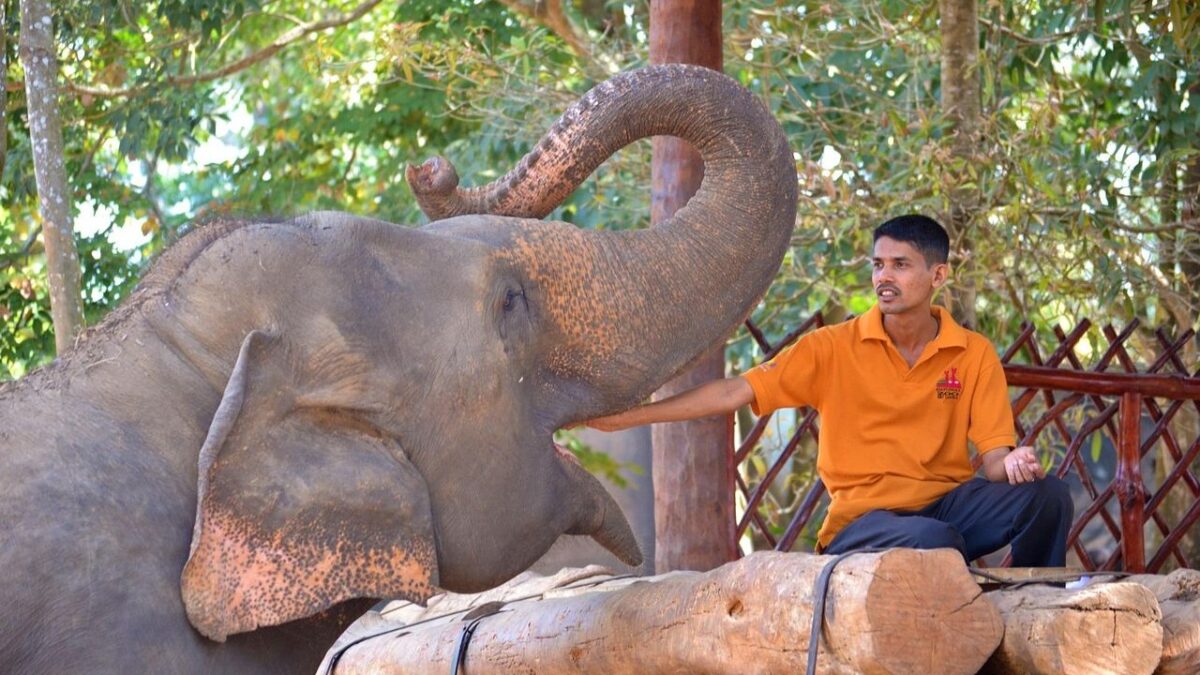
When we talk about emotional intelligence, we typically think of humans as the gold standard. We pride ourselves on our ability to understand feelings, show empathy, and navigate complex social situations. Yet in the heart of Africa and Asia, gentle giants wander with emotional capabilities that might just humble our own sense of superiority.
These magnificent creatures process emotions with a depth and authenticity that often surpasses what we see in human society. While we humans sometimes struggle with genuine connection in our digital age, elephants maintain lifelong bonds that would make therapists weep with envy. Let’s dive into the fascinating world of elephant emotions and discover why their emotional intelligence might actually put ours to shame.
Mirror, Mirror on the Wall: Self-Awareness That Rivals Our Own
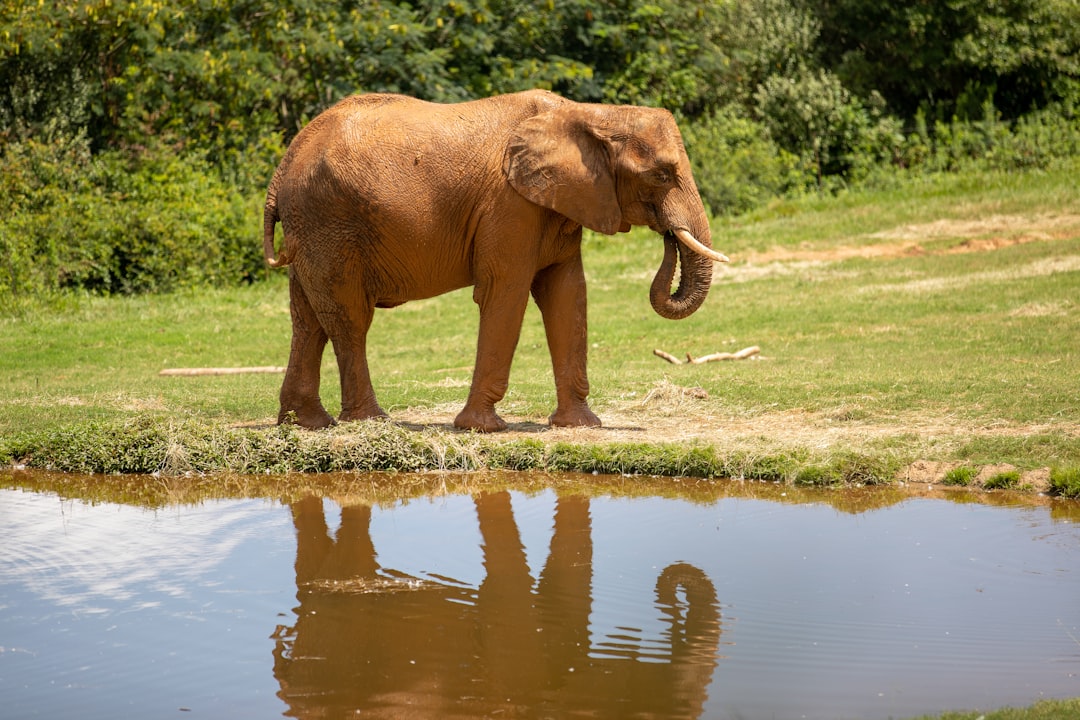
Asian elephants have successfully passed the mirror test, a behavioral experiment where researchers observe if animals can recognize their own reflection. The test involves placing visible marks on the elephants’ heads to see if they use the mirror to investigate the marks on their own bodies.
Elephants’ self-recognition abilities were parallel to those of apes and dolphins. For context, human children are not capable of this until at least 18-24 months old. This means elephants possess the rare ability of self-awareness, understanding they exist as individuals separate from others.
The implications of this discovery are staggering. Their success in the mirror test aligns them with a select group of animals, including great apes, dolphins, and magpies, that have demonstrated similar self-recognition capabilities. It implies that elephants possess a concept of the self, which is foundational for empathy, complex social interactions, and advanced problem-solving.
When Giants Grieve: Mourning Rituals That Put Human Funerals to Shame
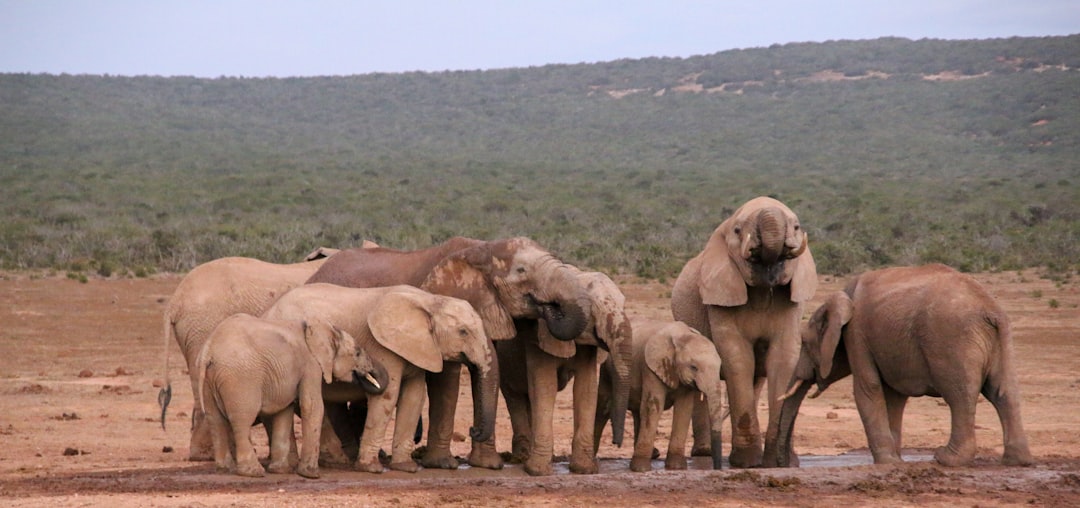
Elephants have demonstrated fascinating reactions to the deaths of other elephants, often displaying what appears to humans as symptoms of grief and mourning. When elephants encounter the remains of a deceased elephant, they will stop and take a silent pause that can last several minutes. While standing over the remains, they will smell and touch the bones – seemingly a display of grief and a sign of respect.
Most remarkable is their tendency to cover dead elephants with branches, leaves, and dirt – a behavior rarely directed at other animal species. These covering behaviors have been observed even when elephants discover the bones of unrelated elephants who died long ago, suggesting a species-wide recognition and respect for their dead.
Their mourning behaviors – touching the remains with their trunks, standing vigil, returning to burial sites years later – mirror human grief in ways that are both startling and poignant. They remember and mourn loved ones even many years after their death.
Comfort Me Tender: The Art of Emotional Support
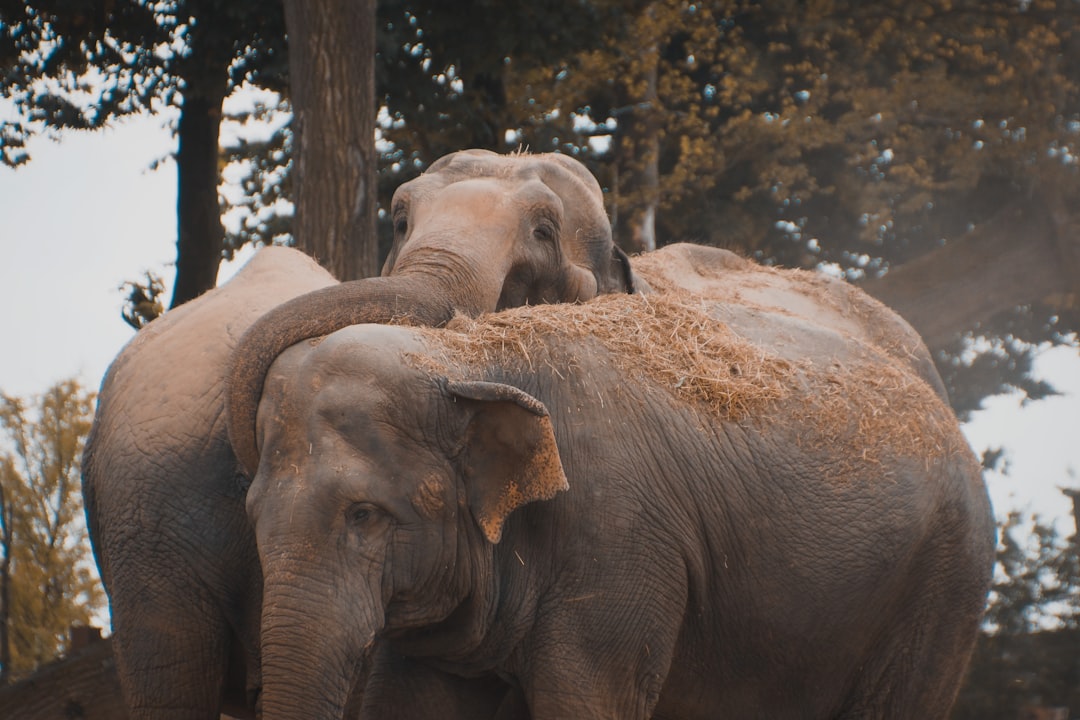
In a study carried out at an elephant camp in Thailand, researchers found that elephants affiliated significantly more with other individuals through directed, physical contact and vocal communication following a distress event than in control periods. In addition, bystanders affiliated with each other, and matched the behavior and emotional state of the first distressed individual, suggesting emotional contagion.
The elephants also ran to stand beside their friend, touched her with their trunks to soothe her, and made soft chirping sounds. Sometimes one would even put her trunk inside the other’s mouth, a behavior elephants find particularly comforting, the researchers say.
When elephants become distressed, their ears will flap out and they will emit a low-frequency sound. The herd will hear this sound and go comfort them by stroking their trunks. This incredible gesture means that elephants can recognize others’ feelings just like we do. This level of emotional support and recognition is truly remarkable.
The Brain Behind the Beauty: Neurons That Process Feelings
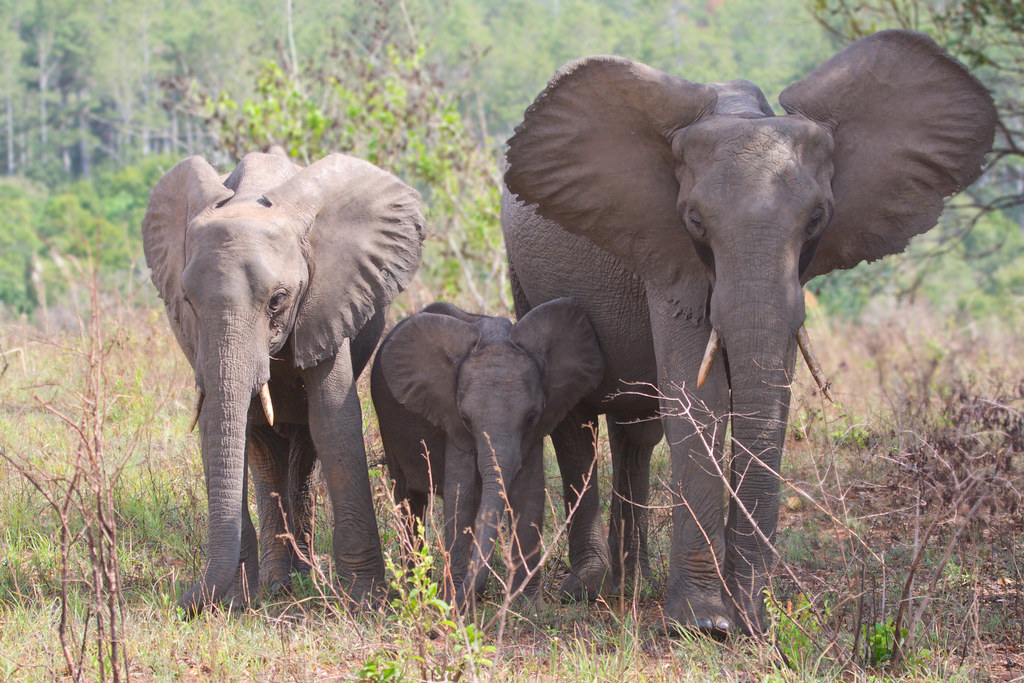
The African elephant brain, which is about three times larger than the human brain, contains 257 billion neurons, three times more than the average human brain. In contrast, the elephant cerebral cortex, which has twice the mass of the human cerebral cortex, holds only 5.6 billion neurons, about one third of the number of neurons found in the human cerebral cortex. This finding supports the hypothesis that the larger absolute number of neurons in the human cerebral cortex (but not in the whole brain) is correlated with the superior cognitive abilities of humans compared to elephants and other large-brained mammals.
The elephant’s brain also has a similar structure to that of humans. They have a developed cerebral cortex, which is the part of the brain that helps solve problems. They have a large hippocampus, which is linked to emotion, and is part of the reason elephants have been observed having significant emotional reactions to things, including suffering from PTSD.
However, where elephants do seem to excel is in long-term, extensive spatial-temporal and social memory. Their emotional processing capabilities are extraordinary, even if structured differently than ours.
Matriarchal Wisdom: Leading Through Love and Loss
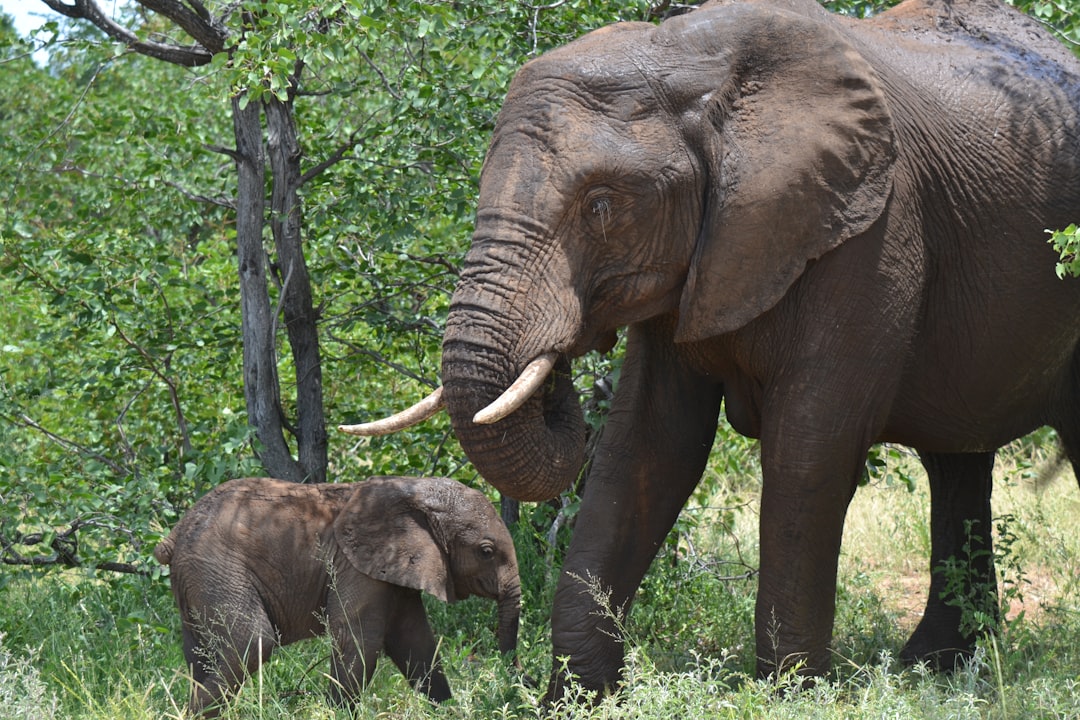
The matriarch – the oldest, most experienced female who leads the herd – plays a crucial role in coordinating the group’s response to death. Her accumulated wisdom helps guide younger elephants through the mourning process, providing a model for appropriate grief behaviors.
When a herd member dies, the matriarch often inspects the body first, seemingly confirming death before allowing others to approach. She typically remains calm and provides stability for the group, initiating comfort behaviors and ensuring vulnerable members receive extra attention.
Adult female Asian elephants often cross busy roads first to protect the younger ones. The younger elephants then cross, followed by the adult females who ensure everyone gets across safely. These remarkable actions showcase the depth of their social bonds and their natural instinct to protect the vulnerable. This level of leadership through emotional intelligence is inspiring.
Communication Beyond Words: Understanding Without Speaking
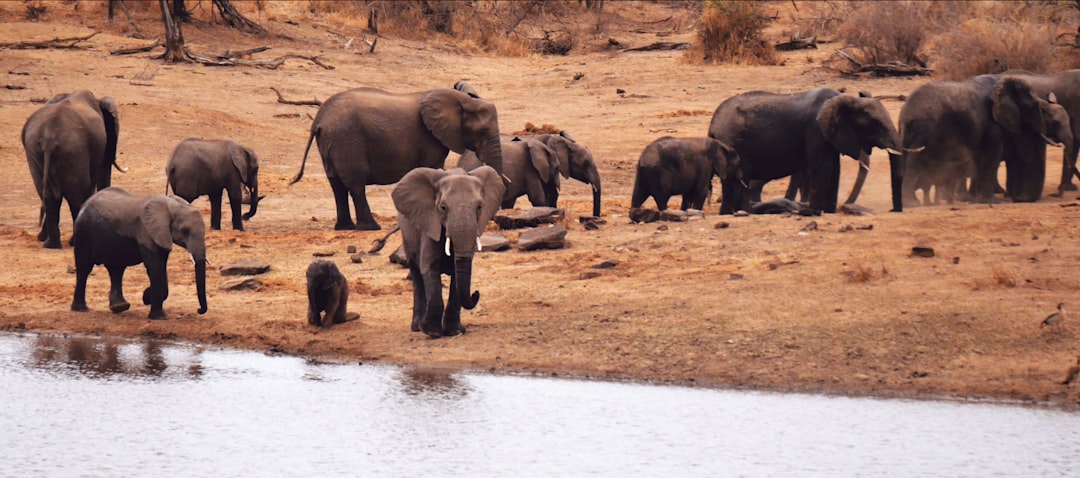
Female Asian elephants maintain complex social networks with multiple companions, but they may not see them for long periods of time, instead they will communicate with them both chemically (through scent) and acoustically (through sound), sending messages that travel further than we can measure. This allows them to stay aware of each other’s whereabouts, even when miles apart.
Elephants can express their emotions through sounds, like trumpeting, and by moving their bodies in different ways. The loudness, pitch, and frequency of these sounds can tell us how they are feeling. For example, a loud and high-pitched trumpet might mean an elephant is in pain.
Their communication system demonstrates emotional sophistication that transcends simple vocal expression. Moreover, their compassionate nature is evident in how they react to one another’s emotional states, comforting and supporting individuals in distress. Elephants respond with deep rumbling sounds and outstretched ears, mimicking the emotions of their troubled herd members.
Empathy in Action: Helping Beyond Self-Interest
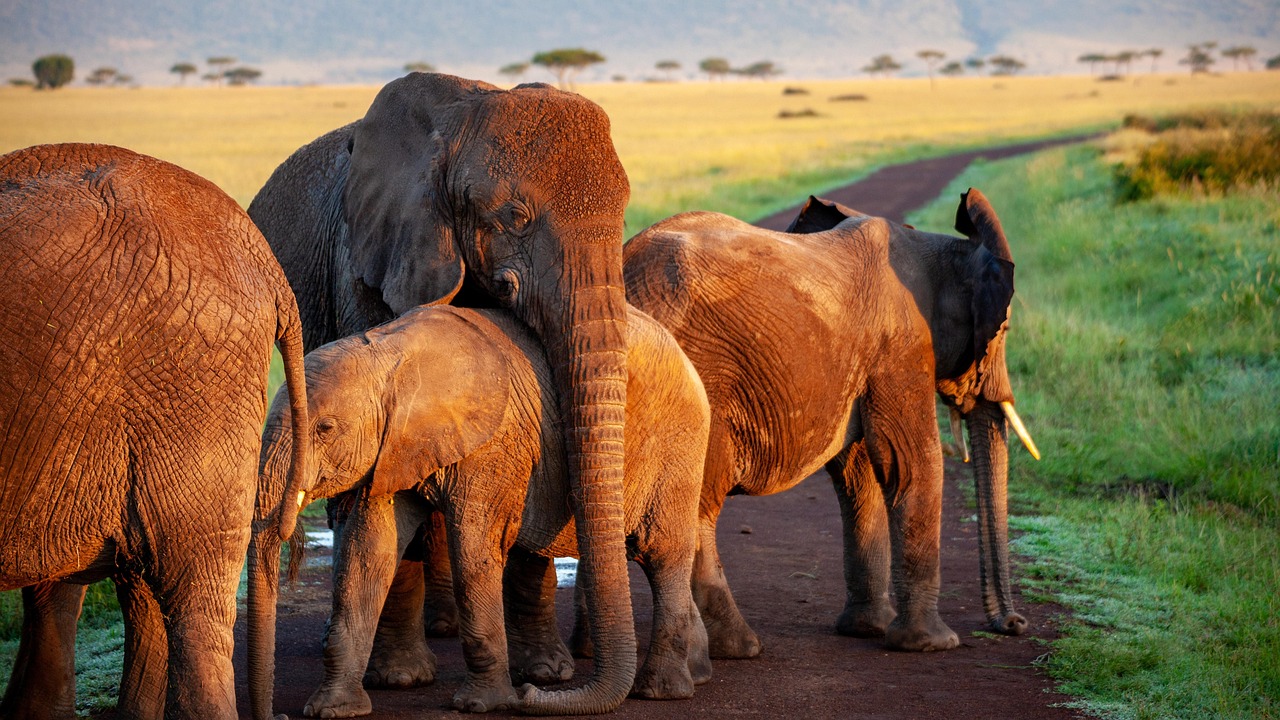
When a member of the herd is injured and cannot walk as fast as the rest of the herd, the herd will slow down to ensure that the injured elephant is not left behind. When a member of the herd is injured, the others immediately stop to help. They demonstrate altruism and will risk their own lives to protect the calves of the herd.
This compassion can even extend beyond their own species. For example, when a black rhinoceros calf in Kenya got stuck in the mud, a group of elephants attempted to help it escape even as the rhino’s mother continually charged at the herd.
In Kenya, researchers have watched mother elephants and other adult females help baby elephants climb up muddy banks and out of holes, find a safe path into a swamp, or break through electrified fences. Scientists have spotted elephants assisting others that are injured, plucking out tranquilizing darts from their fellows, and spraying dust on others’ wounds.
The Emotional Paradox: Simple Hearts, Complex Feelings
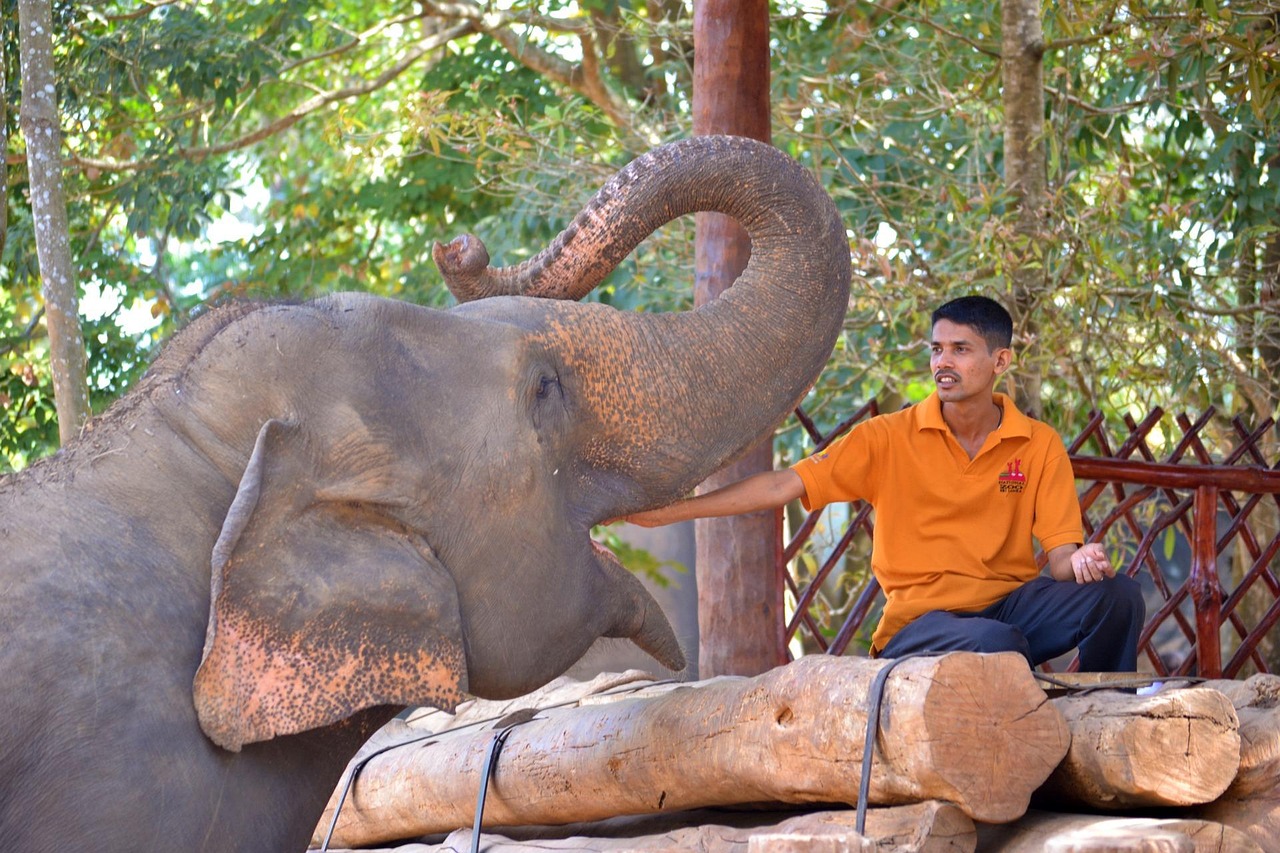
Given that elephants are highly intelligent and emotional animals, it’s no surprise that they remember traumatic experiences and even have nightmares. For instance, in an African elephant orphanage, young calves who have experienced trauma, such as witnessing their families being killed and their tusks removed by poachers, often wake up screaming and trumpeting in distress during the night.
What makes elephant emotional intelligence so remarkable is its authenticity. Elephants are deeply emotional beings and experience a rich spectrum of feelings, from grief and rage to joy and empathy. They express joy easily when they are with their families. Both young and old play games together and demonstrate their happiness by flapping their ears, swishing their tails, and entwining trunks.
Unlike humans, who often mask their emotions or struggle with authentic expression, elephants wear their hearts on their sleeves. Their emotional responses are genuine, immediate, and deeply felt. They reveal a creature that weeps, revels, rages, and grieves. One can only believe that the depth of an elephant’s emotional capacity knows no limit.
Conclusion
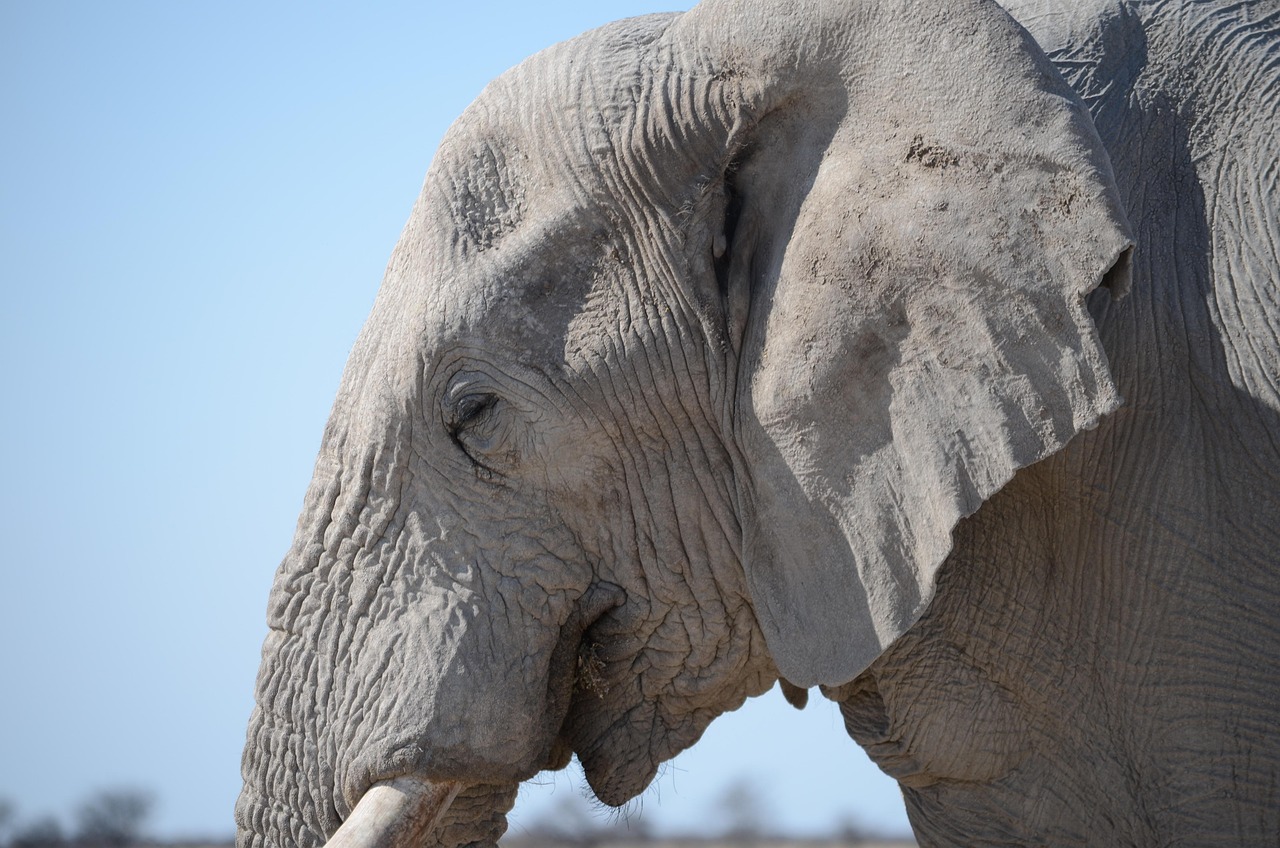
As we observe these gentle giants navigating their emotional landscapes with such grace and authenticity, it becomes clear that emotional intelligence isn’t solely a human domain. Elephants demonstrate empathy, self-awareness, grief, joy, and compassion in ways that often surpass our own emotional expressions. Their ability to comfort each other, remember their dead, and maintain complex social bonds across vast distances reveals an emotional sophistication that challenges our assumptions about intelligence and consciousness.
Perhaps the most humbling realization is that while we humans often struggle with genuine emotional connection in our modern world, elephants have mastered the art of authentic feeling and expression. They live their emotions fully, support each other unconditionally, and maintain relationships that span decades without the complications of ego or pretense that plague human interactions.
What do you think about the emotional intelligence of elephants? Tell us in the comments.

- 10 Facts About Roadrunners That Go Far Beyond Their Speed - August 3, 2026
- 10 Rescue Dog Breeds Too Difficult To Housebreak - August 3, 2026
- 7 US States With the Most Wild Turkeys - August 3, 2026