

Picture this: you’re sitting peacefully at home when suddenly your dog starts acting strange. He’s pacing, whining, and refuses to go on his usual walk up the hillside. Your cat has disappeared under the bed and won’t come out. Most of us would probably dismiss this behavior as just another pet quirk. Yet what if I told you that these animals might be trying to warn you about something far more serious than you could imagine?
Throughout history, countless stories have emerged of animals acting unusually before natural disasters strike. From ancient Greece to modern-day Sicily, the evidence keeps mounting that our four-legged friends possess something we’ve lost along the way: the ability to sense when the earth is about to unleash its fury. Today, scientists are finally taking these animal warnings seriously, and what they’re discovering might just revolutionize how we predict volcanic eruptions.
The Ancient Warning System That Never Left

The earliest reference we have to unusual animal behavior prior to a significant earthquake is from Greece in 373 BC. Rats, weasels, snakes, and centipedes reportedly left their homes and headed for safety several days before a destructive earthquake. This isn’t some isolated historical anomaly either. Before the devastating tsunami in the Indian Ocean in 2004, people noticed herds of elephants and antelopes retreating inland well in advance.
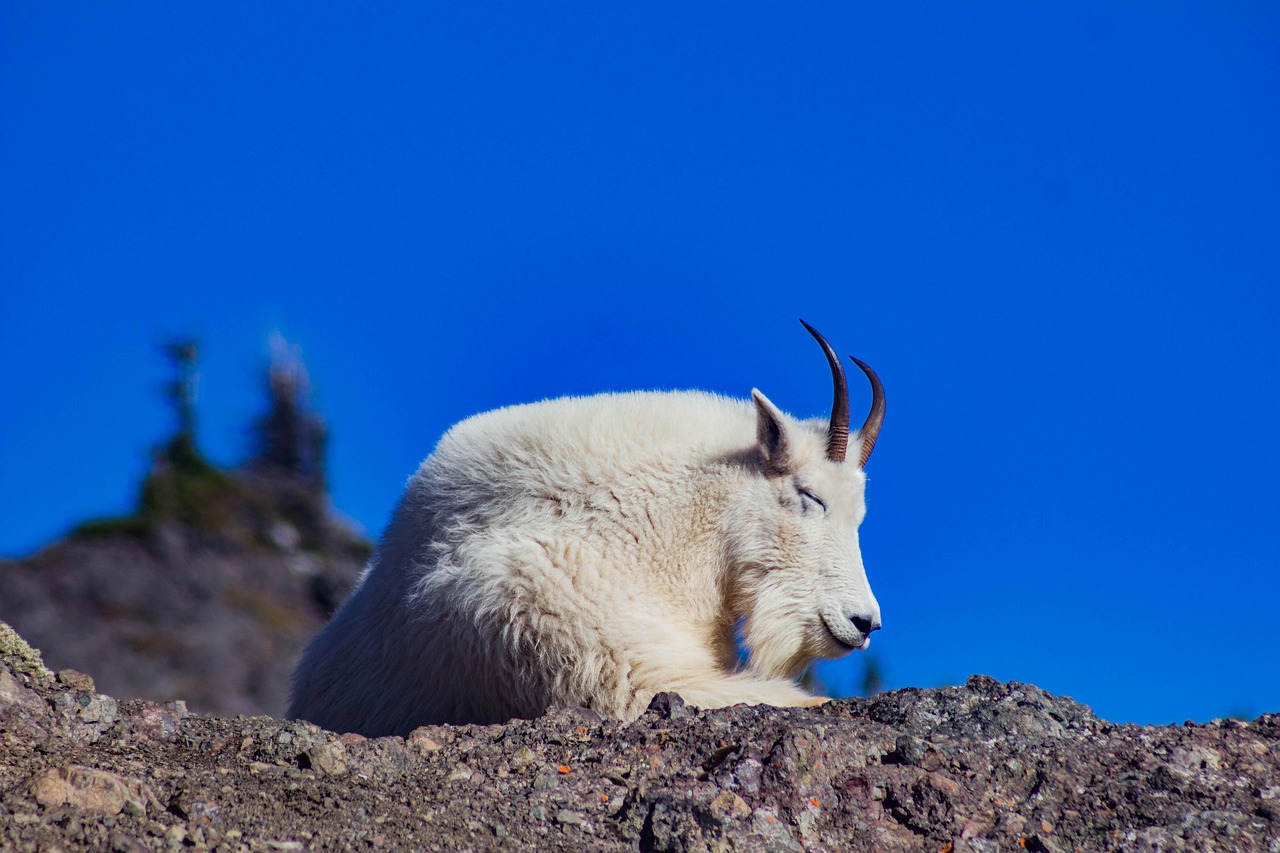
Sicilian goat herders in the region surrounding the active volcano Mount Etna, for instance, have noticed behavioural changes in their goats prior to major volcanic eruptions for centuries. These aren’t just old wives’ tales anymore. They represent a sophisticated early warning system that has been operating right under our noses for millennia.
Mount Etna’s Four-Legged Seismologists

The researchers also attached transmitters to goats living around Mount Etna, recorded the animals’ movements over several years and retrospectively compared the animals’ movement profiles with volcanic activity. Their big moment arrived on 4 January 2012: around 7:30 p.m., Mount Etna began to spew large amounts of lava and ash into the air – six hours after the researchers had recorded unusual activity among the goats.
Think about that for a moment. These goats knew something was coming six hours before one of Europe’s most active volcanoes erupted. Over the course of the study, which lasted two years, scientists were able to retrospectively “predict” a total of seven major eruptions based on their data. The results were so consistent that researchers now believe they can accurately predict a volcanic eruption – up to 14 hours in advance just by watching goat behavior.
The Mysterious Sixth Sense Revealed

So how exactly do these animals know what’s coming? “We don’t yet know how they do that,” says Martin Wikelski. “Perhaps they perceive the smell of rising magma leaking through the ground.” Gases containing substances like sulfur dioxide and hydrogen sulfide seep out of the fiery molten rock. It is still not known exactly what senses the goats are using to predict these events, but Wikelski speculates that they may be able to smell certain gases like sulfur dioxide and hydrogen sulfide, which are released prior to an eruption.
Catastrophic events such as earthquakes and volcanic eruptions are accompanied by low-frequency oscillations (infrasound), which humans cannot hear but animals are sensitive to. Elephants detect them through pads in their feet, while dogs perceive them with their ultrasensitive hearing. Animals literally live in a different sensory world than we do.
The Chemical Cocktail of Volcanic Warning
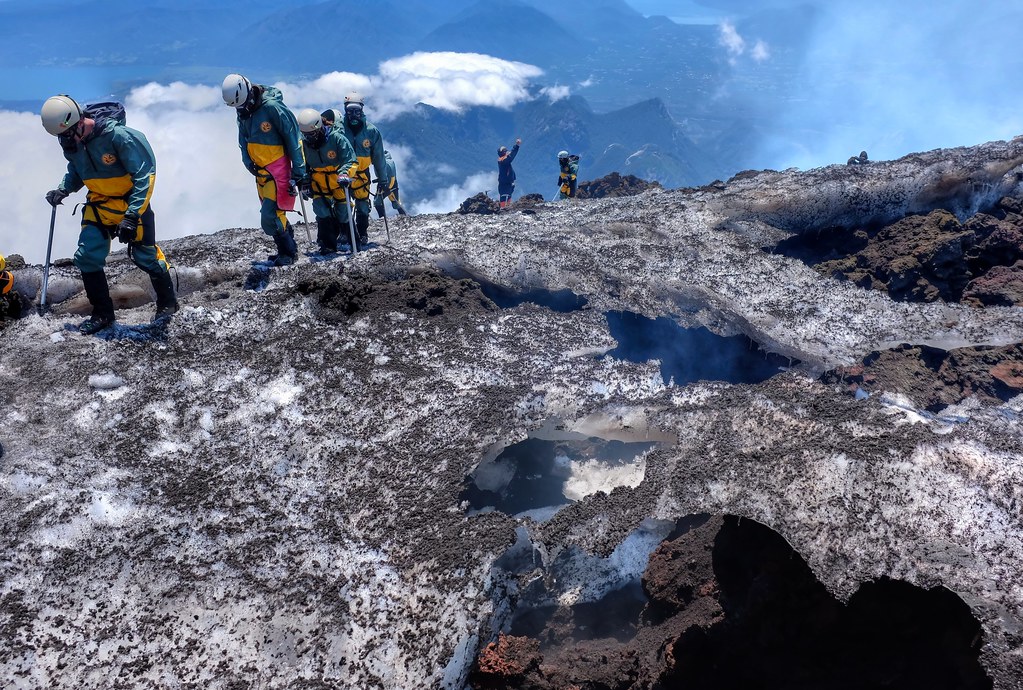
However, significant amounts of carbon dioxide, sulfur dioxide, hydrogen sulfide and hydrogen halides can also be emitted from volcanoes. Sulfur dioxide is a colorless gas with a pungent odor that irritates skin and the tissues and mucous membranes of the eyes, nose, and throat. While we might need sophisticated equipment to detect these changes, animals can smell them immediately.
The common effects of volcanic gases, in particular SO2, H2S, HCl and HF, which are poisonous, are: (i) irritation to the respiratory tract, eyes and skin; (ii) chest tightness, shortness of breath, and headaches; and (iii) asthma aggravation. For animals with their heightened senses, these chemical warnings arrive loud and clear long before any human would notice them.
Beyond Volcanoes: Nature’s Universal Alert System
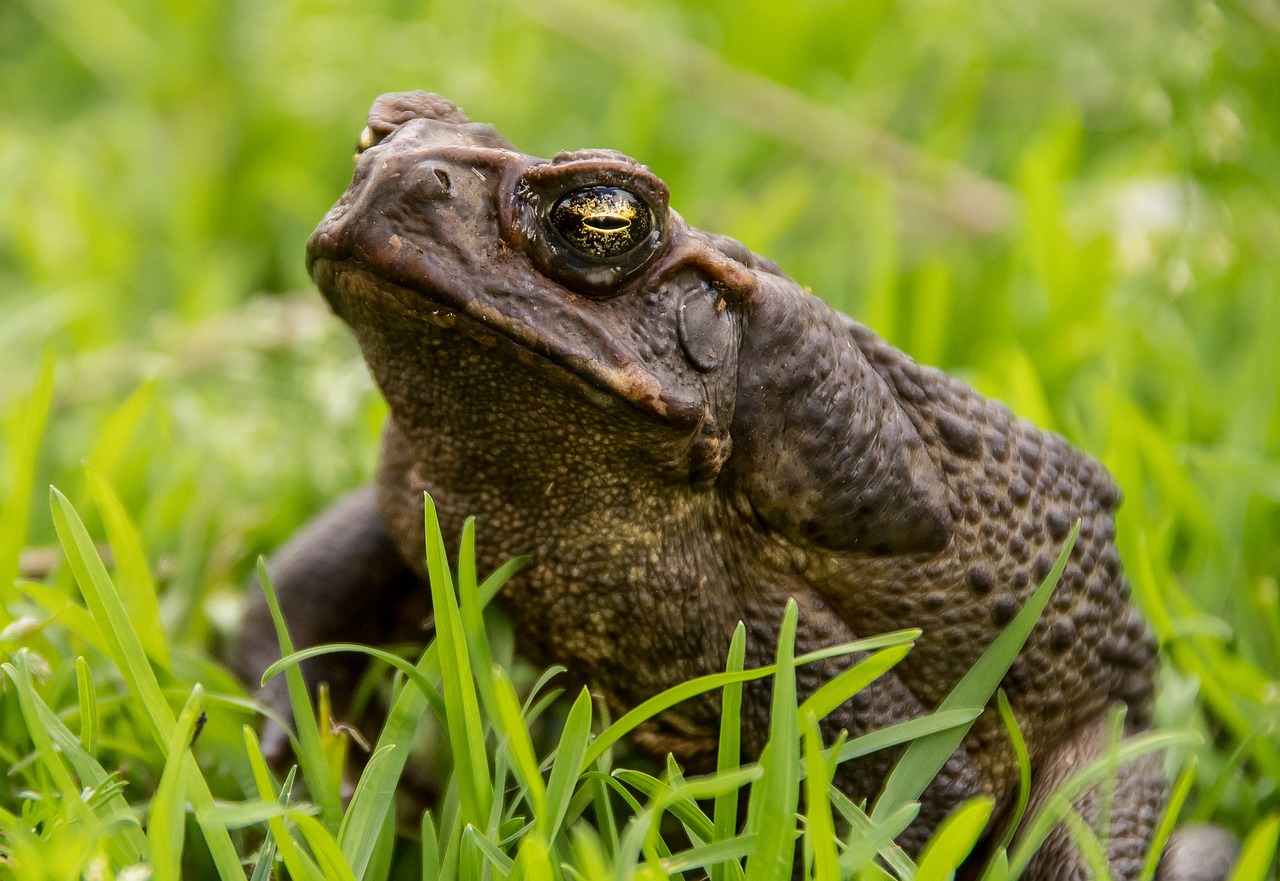
Researchers also analysed the behaviour of common toads near the Italian city of L’Aquila, which in April 2009 was the scene of a major earthquake. The analyses show that the amphibians were already behaving unusually five days before the earthquake and had ceased their spawning activity. Five days! That’s nearly a week’s advance warning from creatures we barely pay attention to.
And we know that, for instance, amphibians are super sensitive to changes in water chemistry because their skin is permeable. Which could explain why a whole bunch of toads fled their regular breeding pond five days before the 2009 earthquake in L’Aquila, Italy. Their entire bodies act as chemical detectors, picking up changes in their environment that completely escape our notice.
The Technology Revolution: Tracking Animal Predictions
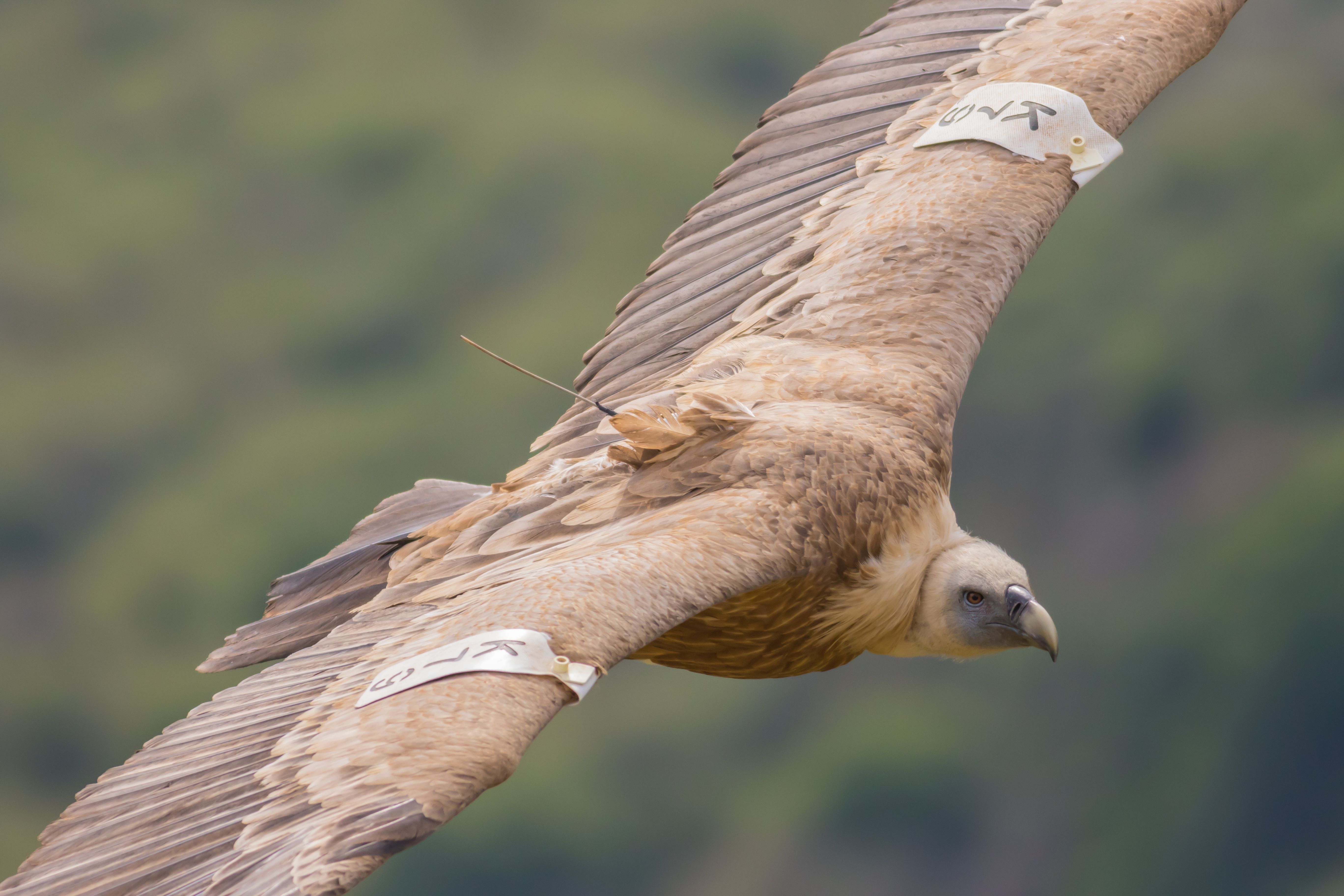
Hundreds of thousands of solar-powered transmitter tags have been placed on animals across the globe, and the data about their movements and behaviour is teaching scientists about how animals respond to natural disasters, weather, poaching threats and more. Scientists are finally catching up to what animals have known all along.
The scientists hope to tag thousands of animals – including goats, dogs and various farmyard animals – and monitor their movements via satellite to look for the telltale behaviors indicative of an impending natural disaster. “Ultimately, we hope to launch a fleet of around six satellites and establish a global observation network that will not only provide details of wildlife movements and animal health across the planet but reveal how creatures respond to natural phenomena like earthquakes,” said project leader Martin Wikelski of the Max Planck Institute of Animal Behavior in Germany.
When Animals Beat Our Best Technology
But even if the mechanism hasn’t yet been clarified, the animals do seem to be superior to the technical equipment currently available to volcanologists when it comes to early detection. The instruments register an impending eruption only shortly before it occurs, leaving little time for evacuation. This is perhaps the most humbling discovery of all: with all our advanced monitoring equipment, seismographs, and satellite technology, a simple goat grazing on a hillside can outperform our best scientific instruments.
Evidence is mounting, therefore, that animals perceive impending disasters earlier than humans with their measuring equipment. It’s not that our technology is bad; it’s that we’ve been looking at the wrong indicators all along.
Conclusion: Learning to Listen Again

That is why paying attention to animal behavior is not just a matter of curiosity, but a real chance to respond to a disaster in time. We’ve spent centuries dismissing animal behavior as superstition, when in reality we’ve been ignoring one of nature’s most sophisticated warning systems.
The next time your pets start acting strangely, maybe don’t dismiss it so quickly. However, in our modern, technology-based society, these animal skills have lost their importance and this warning signal went unheeded. Perhaps it’s time we started listening again. After all, when it comes to sensing danger, our animal companions might just be the early warning system we never knew we needed.
What do you think about it? Could your pet be trying to tell you something important that you’re missing?

- These 7 Historic US Battlefields Are Sacred Grounds Of Remembrance - August 2, 2026
- The JWST Found A Jekyll-and-Hyde Galaxy In The Early Universe - August 2, 2026
- 10 Heartwarming Ways A Chihuahua Shows They’ve Bonded With You - August 2, 2026