

The African savanna holds countless mysteries, yet few questions captivate us quite like this one: can a massive predator recognize and remember a human face years later? Every time someone posts footage of a wildlife expert greeting a lion like an old friend, we wonder if this is real affection or just wishful thinking. The truth behind lion memory might surprise you more than any Hollywood movie ever could.
These magnificent cats possess cognitive abilities that scientists are only beginning to understand. From heartwarming reunions in Kenya to groundbreaking research in laboratory settings, the evidence keeps mounting that lions are far more intelligent than we ever imagined. Let’s explore what wildlife experts have discovered about these extraordinary encounters.
The Christian the Lion Phenomenon
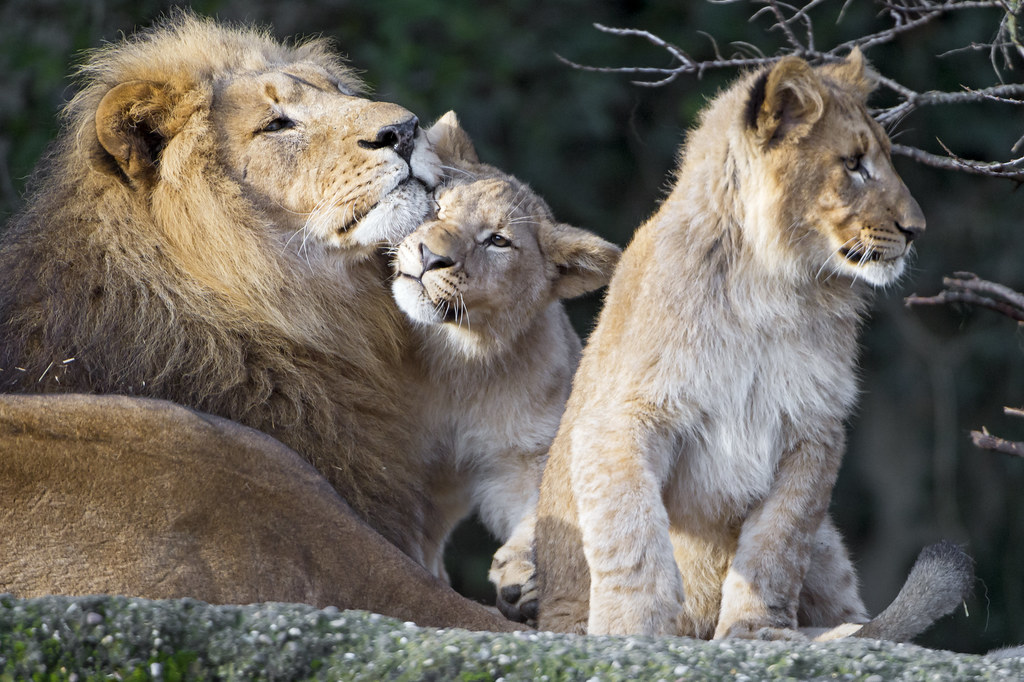
One year after conservationist George Adamson released Christian to the wild, his former owners decided to go looking for him to see whether Christian would remember them. He did, and with him were two lionesses who accepted the men as well.
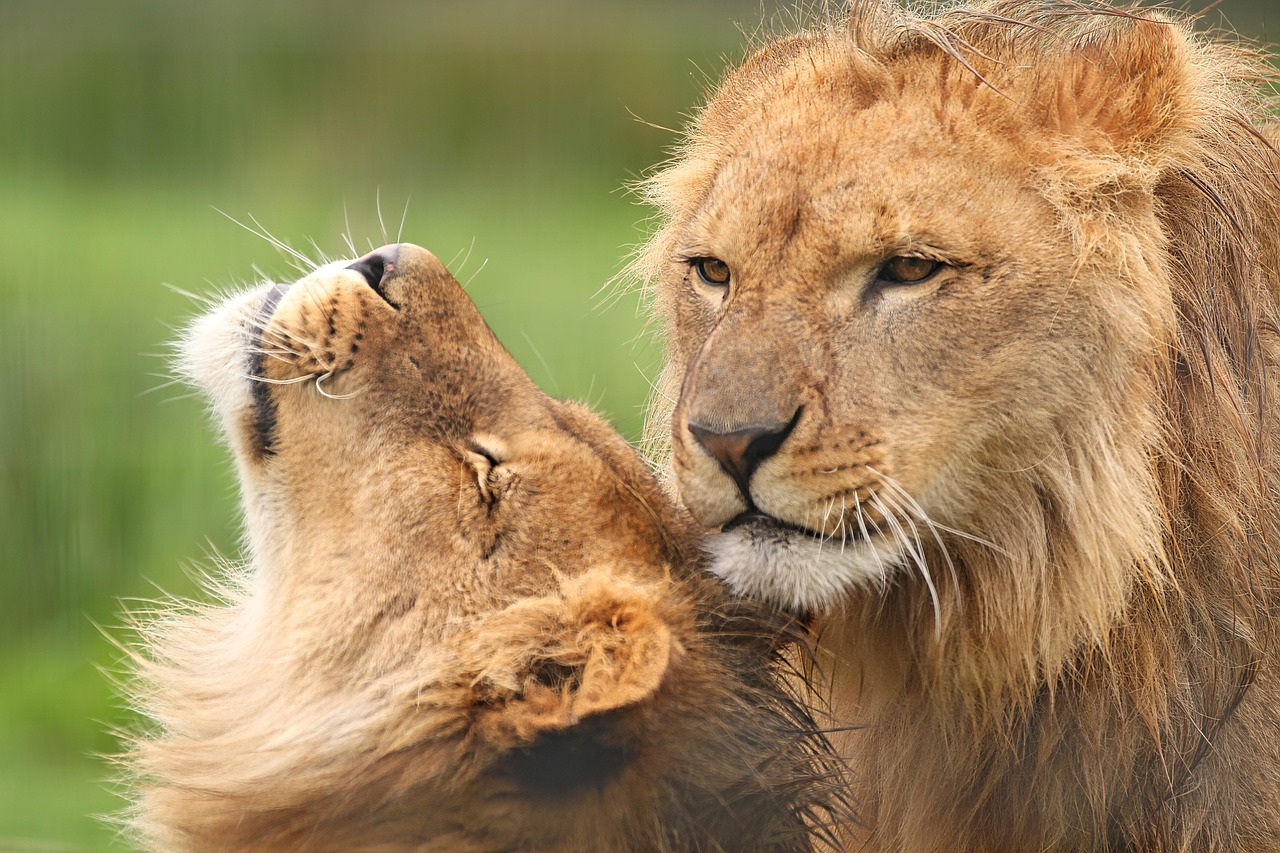
This story began in 1969 when two Australians purchased a lion cub from Harrods department store in London. The film shows the lion at first cautiously approach and then, upon recognising who they were, quickly leap playfully onto the two men, standing on his hind legs and wrapping his front legs around their shoulders, nuzzling their faces. What makes this encounter even more remarkable is that Adamson advised that Christian might not remember them after a year apart.
Scientific Evidence of Lion Memory Capabilities
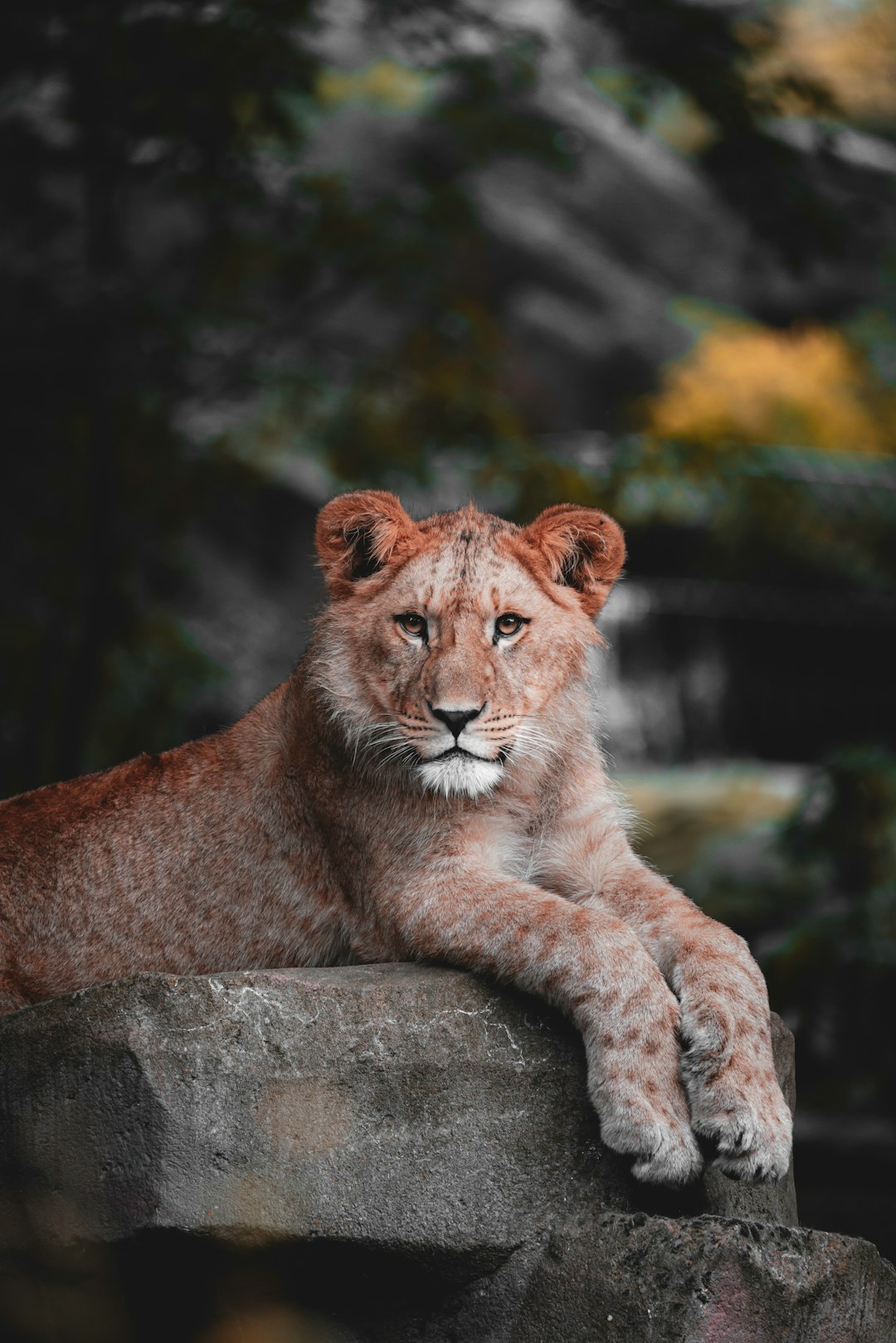
Recent research has shattered assumptions about feline intelligence. Lions also demonstrated cognitive abilities associated with memory and solved the task after up to a 7-month testing interval. Scientists discovered that these big cats can retain complex problem-solving techniques for extended periods.
Overall, our results support the presence of cognition associated with novel problem-solving, learning, and memory in lions. These findings emerged from experiments involving twelve lions who successfully learned to operate puzzle boxes. Researchers found that lions could remember solutions and apply them months later, demonstrating sophisticated cognitive processing that rivals many other intelligent species.
Cross-Modal Recognition in Wild Lions
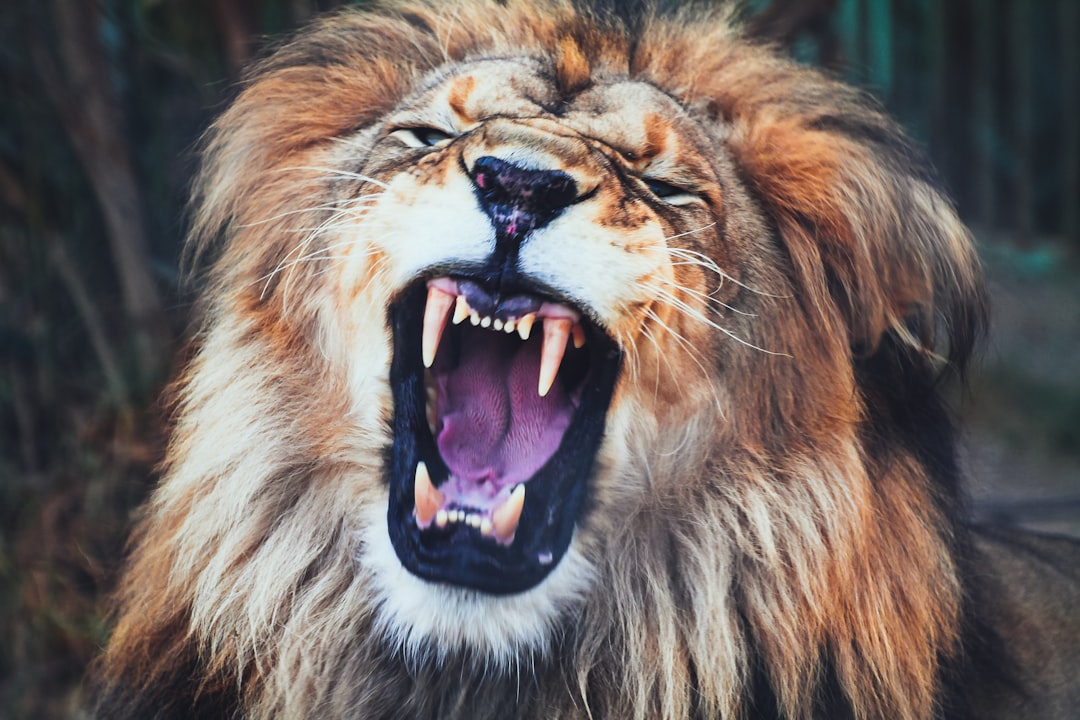
Perhaps even more fascinating is how lions process multiple types of sensory information simultaneously. After hearing an incongruent call that did not match the previously seen conspecific, lions responded by moving and also looking in the direction of the simulated call for a longer proportion of time before resting again, while also initiating a higher rate of allo-rubbing.
This groundbreaking research used expectancy-violation experiments where wild lions heard roars that didn’t match the lion they had previously seen. In empirical terms, it is necessary to demonstrate (i) that recognition occurs at the level of the individual (rather than at a broader level) and (ii) that there is matching of current sensory cues to identity with information stored in memory about that specific individual. The results prove lions can integrate visual and auditory information to recognize specific individuals.
Long-Term Memory in Big Cats
Wildlife scientists have documented extraordinary examples of long-term memory across multiple species. Lions demonstrate remarkable long-term memory capabilities, though the exact duration of specific memory retention requires further research. This research suggests that memory retention in large carnivores extends far beyond what most people imagine possible.
The implications are profound for understanding lion behavior in the wild. If lions can remember hyena calls for a decade, it stands to reason they could retain memories of significant human encounters for similarly extended periods. This cognitive capacity likely evolved to help lions navigate complex social relationships within their pride structures and remember important territorial information.
Modern Human-Lion Interactions and Memory
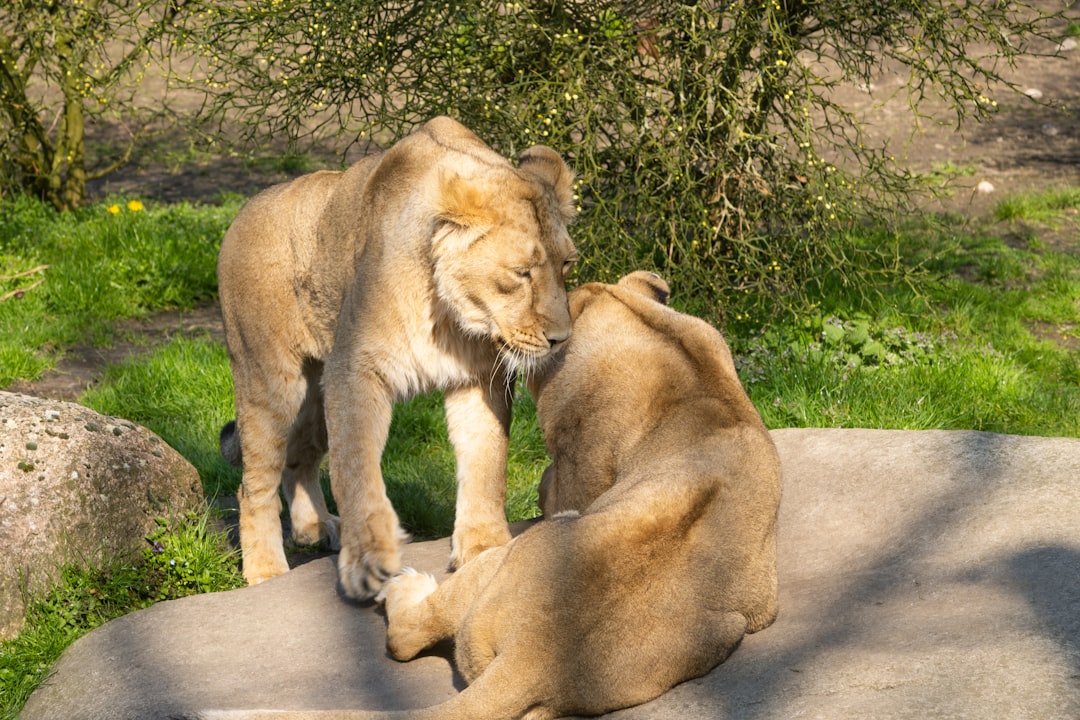
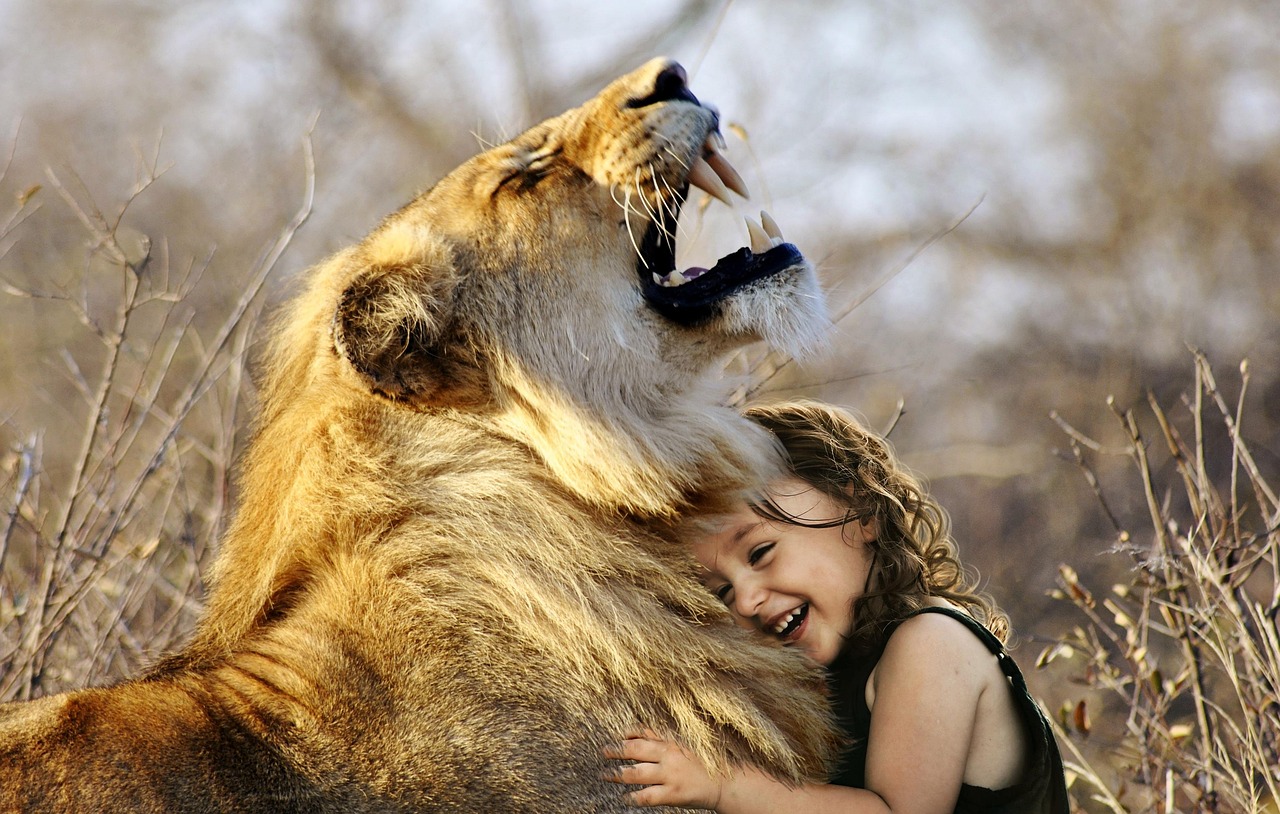
Now Valentin Gruener shows that even Lions can be humans best friend if treated correctly. The basic message from both is: Treat animals with respect and do nit threaten them and they will do the same to you. Contemporary wildlife experts working with lions report consistent recognition behaviors that suggest genuine memory formation.
I would go even further and say that lions have tried to understand us too. In fact, as I will argue, the contact between humans and lions has sometimes shown evidence of mutual comprehension. These observations come from researchers studying traditional human-lion relationships in places like the Kalahari, where historical coexistence created complex interspecies understanding.
The Dark Side of Human-Lion Memory
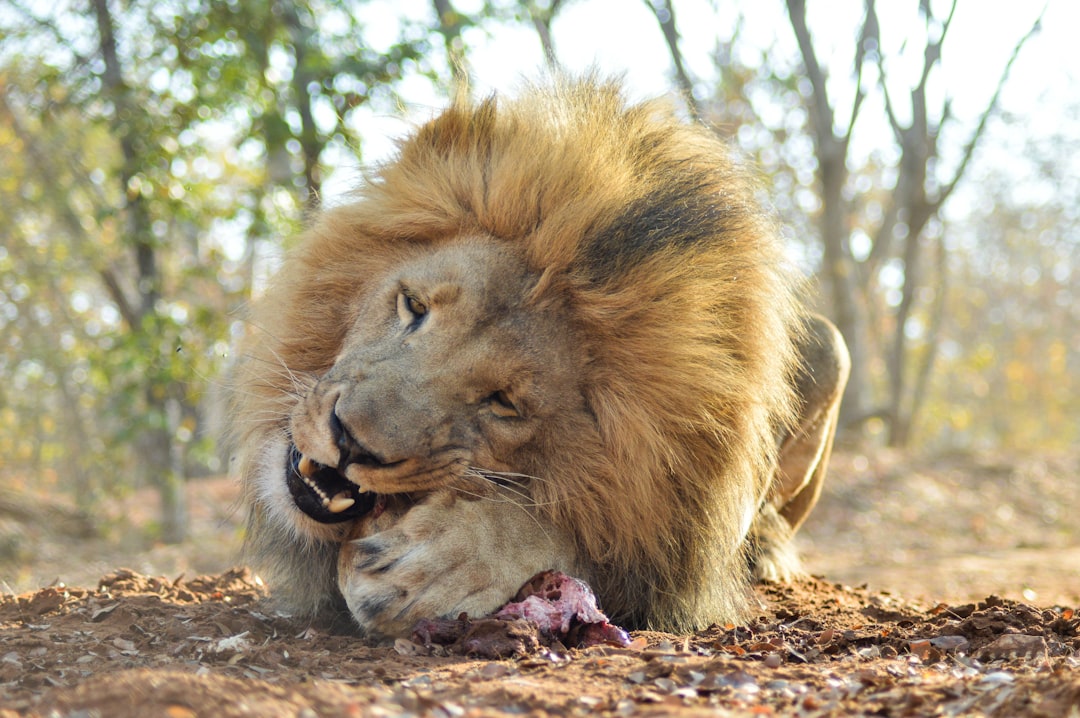
Memory works both ways, and lions don’t forget negative encounters either. Today, the Tsavo Man-Eaters are the most widely studied man-eating pantherine cats given their behavior of hunting humans as a pair and dental injuries reported in one of the lions. These notorious lions demonstrated that felines can develop specific behavioral patterns toward humans that persist over time.
During nearly ten months of construction, two maneless male Tsavo lions stalked the campsite, dragging workers from their tents at night, devouring them. Wildlife experts believe these lions learned to associate humans with food sources, creating dangerous memory patterns that influenced their hunting behavior. This tragic example shows how lion memory can work against human interests when circumstances align poorly.
Modern Wildlife Encounters and Recognition Patterns
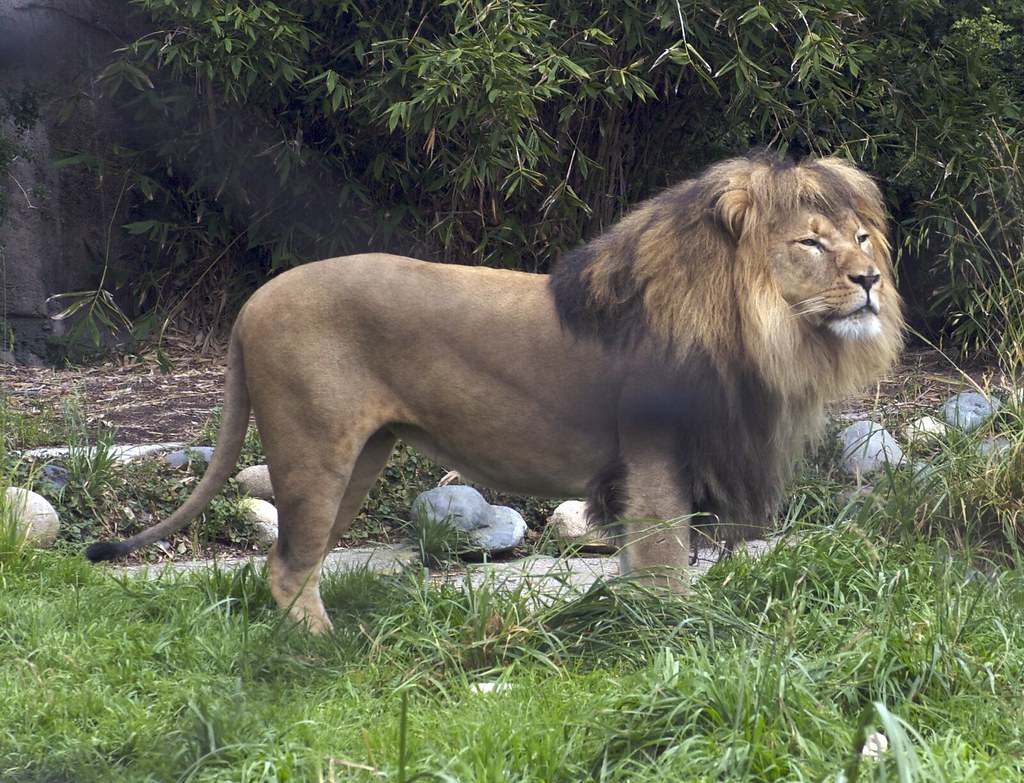
African lions are fully capable of attacking, killing and even eating humans, and it’s generally estimated about 250 people a year die in lion attacks. Yet many wildlife experts report positive recognition experiences that suggest individual lions can distinguish between threatening and non-threatening humans.
Professional guides and researchers often describe how certain lions seem to recognize them specifically, showing different behaviors compared to their reactions to strangers. Increasing nocturnal activity to avoid human encounters can influence competition between species, predator-prey dynamics and ecosystem function. Avoiding human-dominated areas altogether effectively limits the amount of habitat that lions can use and can increase competition. These behavioral adaptations demonstrate that lions form memories about human presence and adjust their activities accordingly.
The Future of Human-Lion Memory Research
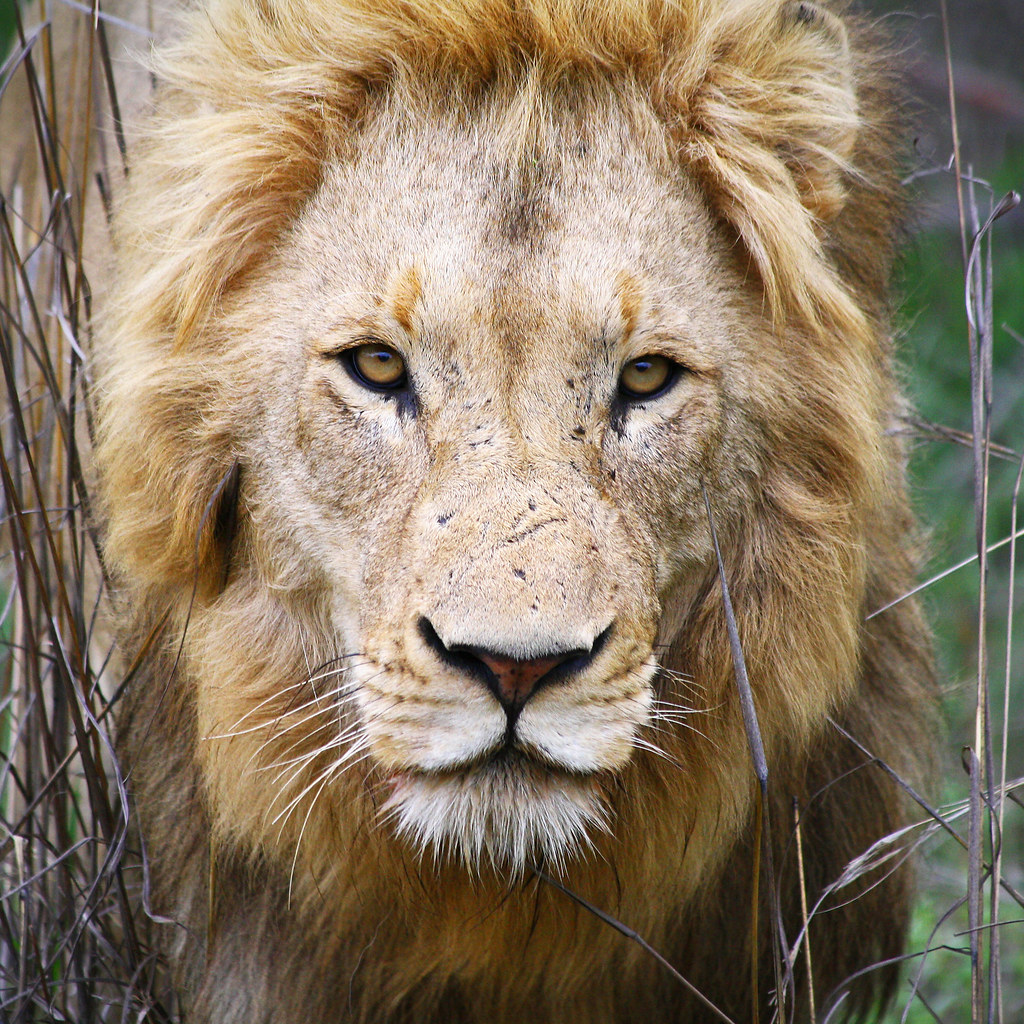
To date, our study is only the second experimental investigation of cognition in lions and further supports expanding cognitive research to lions. Scientists are calling for more comprehensive studies to understand exactly how lion memory works and how it influences their relationships with humans.
The research implications extend beyond pure curiosity. Understanding lion memory could revolutionize conservation efforts, improve safety protocols for wildlife workers, and help develop better strategies for human-wildlife coexistence. As habitat loss forces more interactions between lions and humans, this knowledge becomes increasingly crucial for both species’ survival and wellbeing.
Conclusion
The evidence is clear: lions possess remarkable memory capabilities that extend far beyond basic survival instincts. From Christian’s joyful reunion with his human companions to complex recognition experiments in the wild, these magnificent predators demonstrate cognitive abilities that demand our respect and continued study.
Whether through loving nuzzles or calculated avoidance, lions remember us in ways that should fundamentally change how we think about our relationship with the natural world. The next time you see footage of a wildlife expert embracing a lion, remember that this isn’t just a feel-good moment – it’s a testament to the extraordinary intelligence of one of nature’s most powerful creatures.
What do you think about these incredible findings? Tell us in the comments.
