

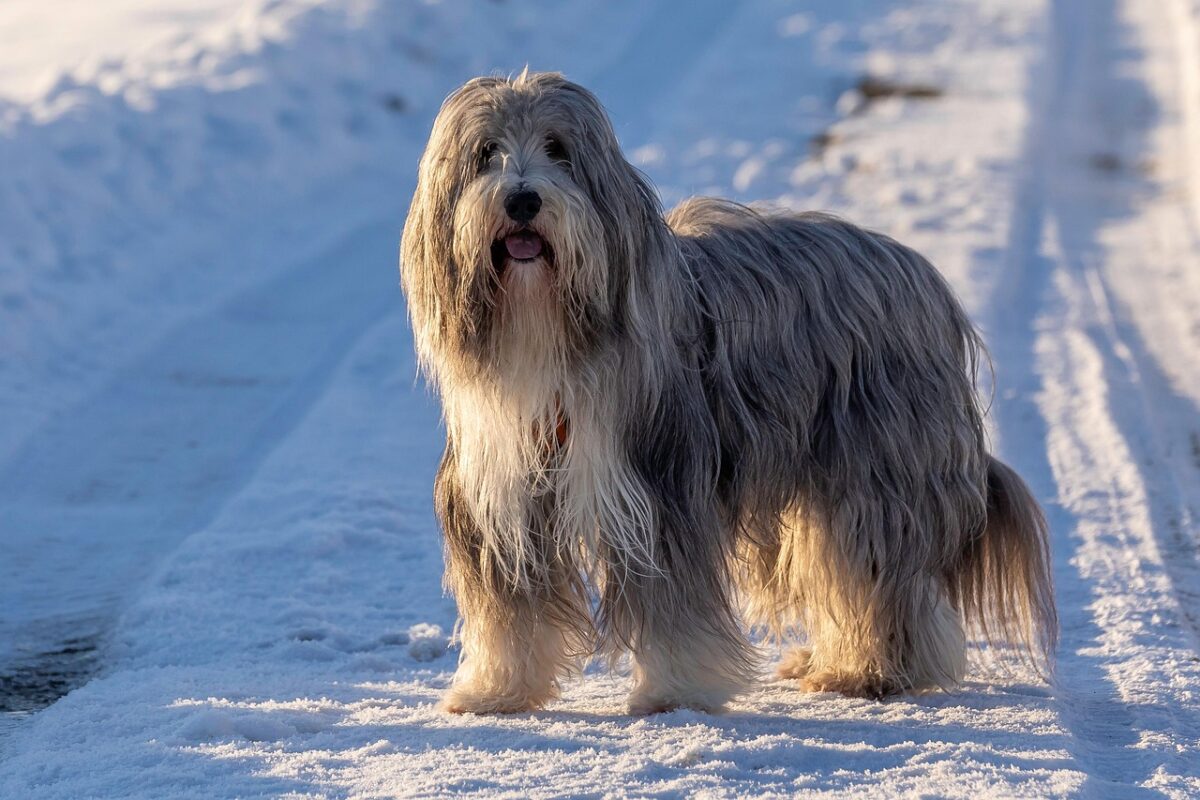
Professional dog groomers spend their days transforming scruffy pups into picture-perfect companions, wielding brushes and clippers with artistic precision. Yet when it comes time to choose their own four-legged friends, many groomers make surprisingly different choices than their clients might expect.
The irony is fascinating. These grooming experts understand better than anyone which breeds require the most intensive care, which coats tangle overnight, and which temperaments make grooming sessions feel more like wrestling matches. Their professional insights create a unique perspective that leads many to seek low-maintenance companionship at home rather than extending their workday into their personal lives.
#17 Poodles
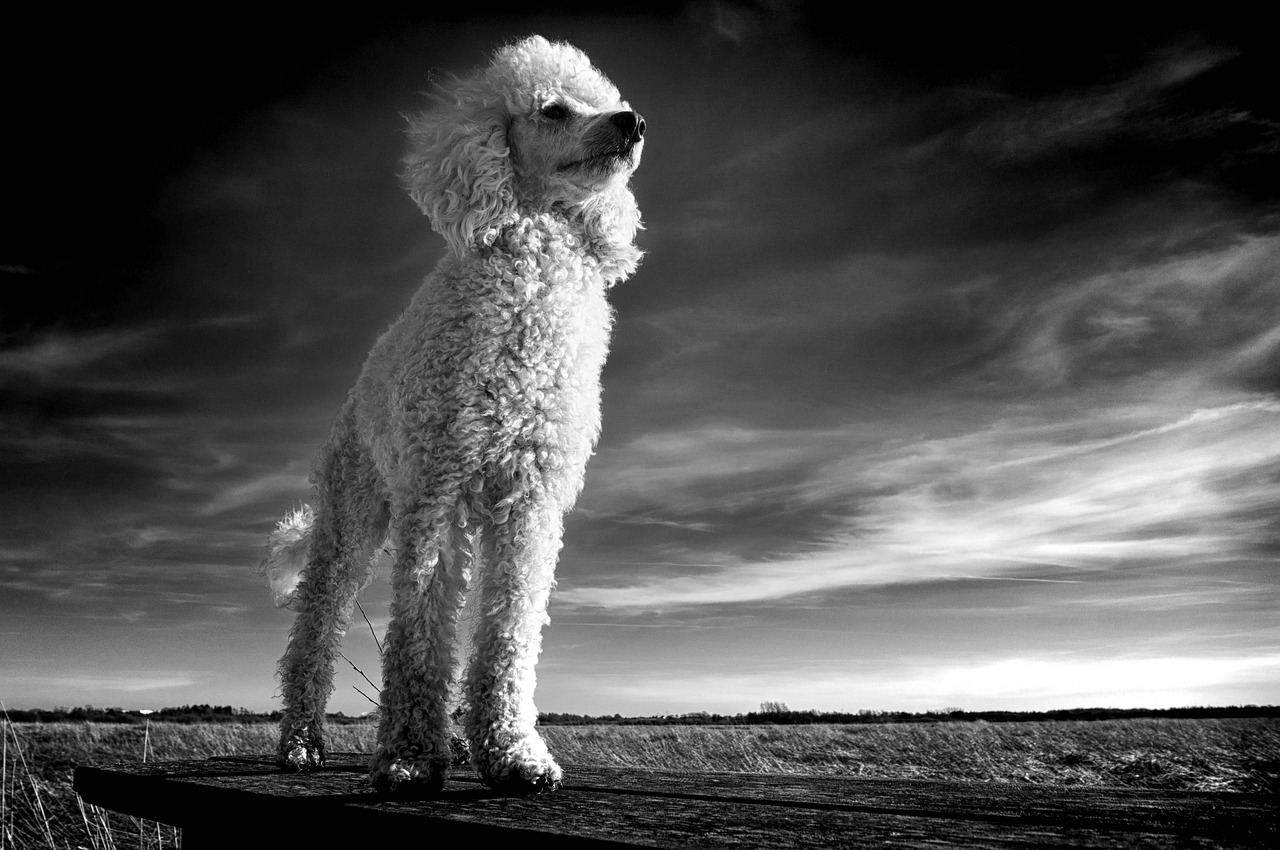
Despite being the poster child for professional grooming, poodles are the epitome of grooming challenges, thanks to their dense, curly coats. Their hair requires regular brushing to avoid matting and professional grooming every 6-8 weeks. Many groomers who spend hours perfecting poodle cuts at work prefer simpler coat types when they get home.
The texture of the coat is thick and tightly-curled, which can trap dirt and debris, plus it knots very easily. Due to coat friction, especially between the legs, these areas should be groomed at least twice a week. This constant maintenance requirement makes poodles a professional commitment that follows you home.
#16 Afghan Hounds
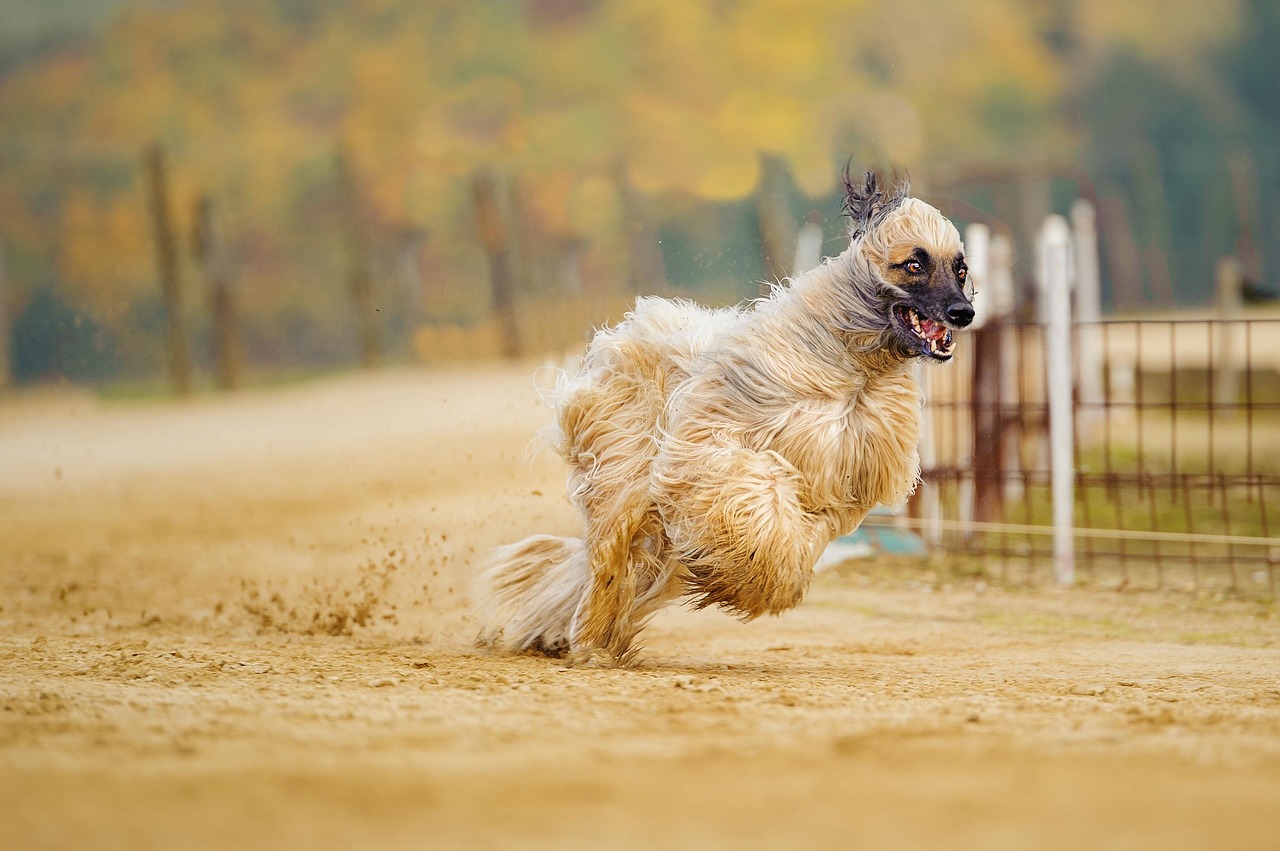
Afghan hounds need to have their long hair brushed for several hours a week to keep them free of tangles and matted clumps. Regular bathing with shampoo and conditioner is also required. Their flowing locks require the same level of dedication as maintaining a show horse.
Known for their beauty and luscious, flowing locks, Afghan Hounds are a breed that demands meticulous care. Professional groomers often admire these dogs from a distance, knowing that ownership means hours of weekly brushing becomes a personal responsibility rather than a paid service.
#15 Old English Sheepdogs
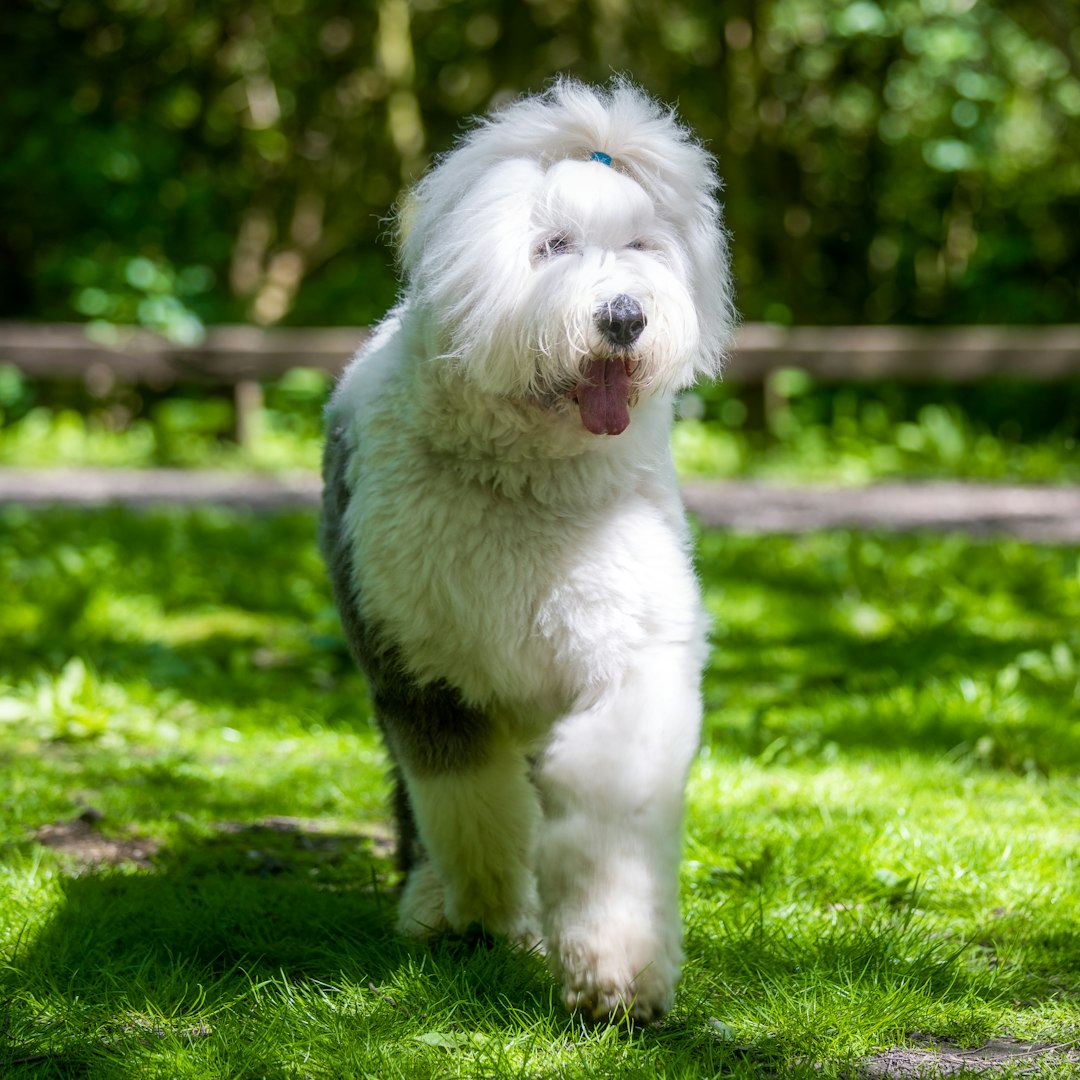
Known for their abundant, shaggy double coats, Old English Sheepdogs are prone to matting and require extensive upkeep. Groomers and pet owners must ensure thorough brushing to avoid painful tangles and skin irritation. Their coat can transform from adorable to unmanageable seemingly overnight.
These gentle giants require professional-level grooming skills just for basic maintenance. The coat is naturally coarse, with a slight wave in some dogs. For groomers who already spend full days managing similar challenges, the appeal of coming home to an easy-care companion becomes undeniable.
#14 Chow Chows
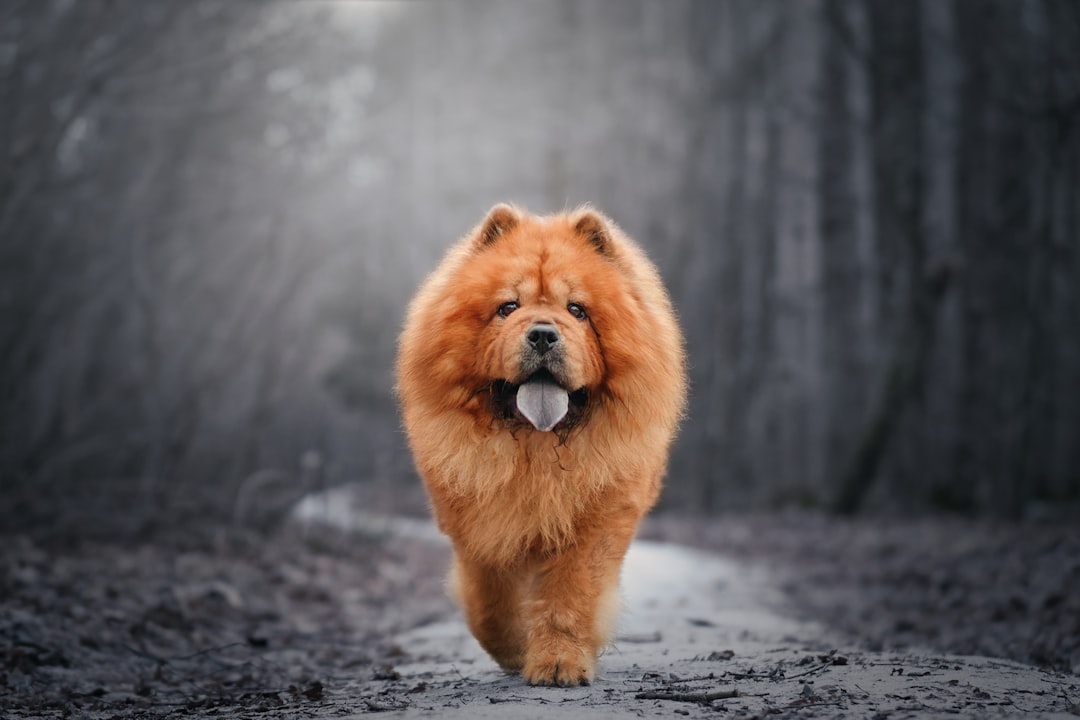
Due to their “puffy” appearance, this breed must be brushed several times a week. Daily brushing: The Chow Chow’s thick double coat requires daily brushing to prevent matting. It’s also necessary to reduce shedding and manage loose fur (which can be problematic with this breed). Their lion-like mane demands constant attention.
A wet Chow coat can take hours to air dry, and damp fur is a breeding ground for skin problems. You need to get them completely dry. Professional groomers understand this challenge intimately, making the breed less appealing for personal ownership when they crave simplicity at home.
#13 Chinese Shar Peis
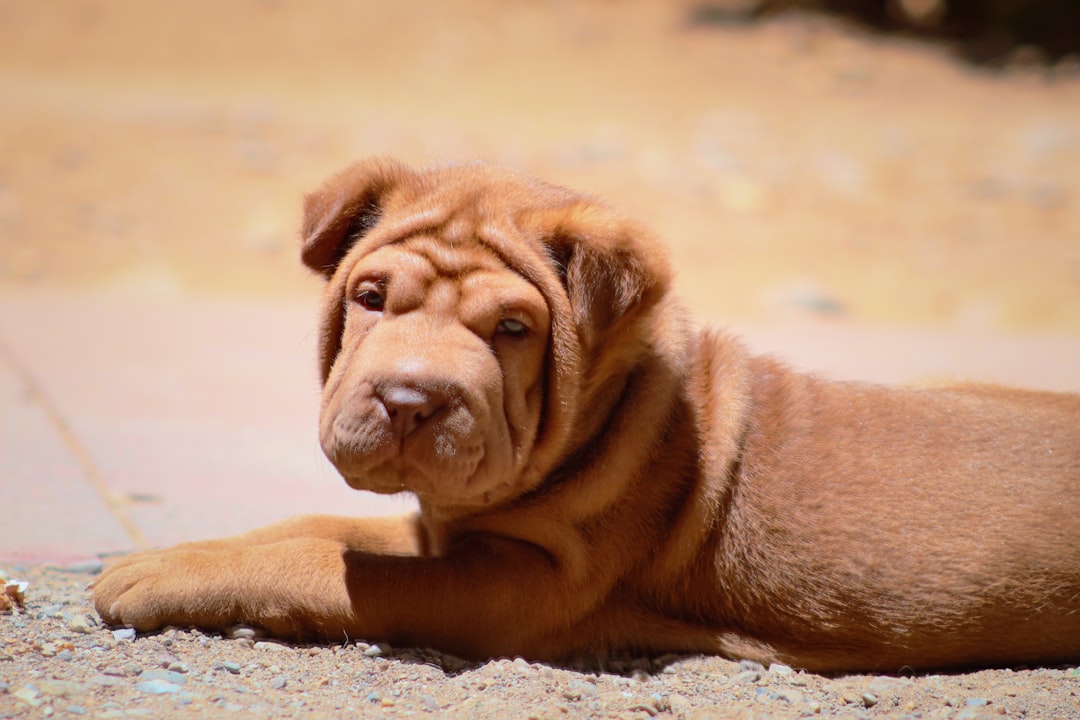
A Shar Pei is undoubtedly not the kind of dog you can skip out on grooming. They need routine baths every 4 to 6 weeks, and you need to frequently clean their wrinkles! They have several skin flaps, which can be a breeding ground for bacteria and infection. The wrinkle maintenance alone requires daily attention.
And all Shar-Pei need regular wrinkle care. The wrinkles must be wiped out with a damp cloth and then dried thoroughly to prevent infection. This specialized care routine makes Shar Peis a professional challenge that many groomers prefer to handle during work hours only.
#12 Saint Bernards
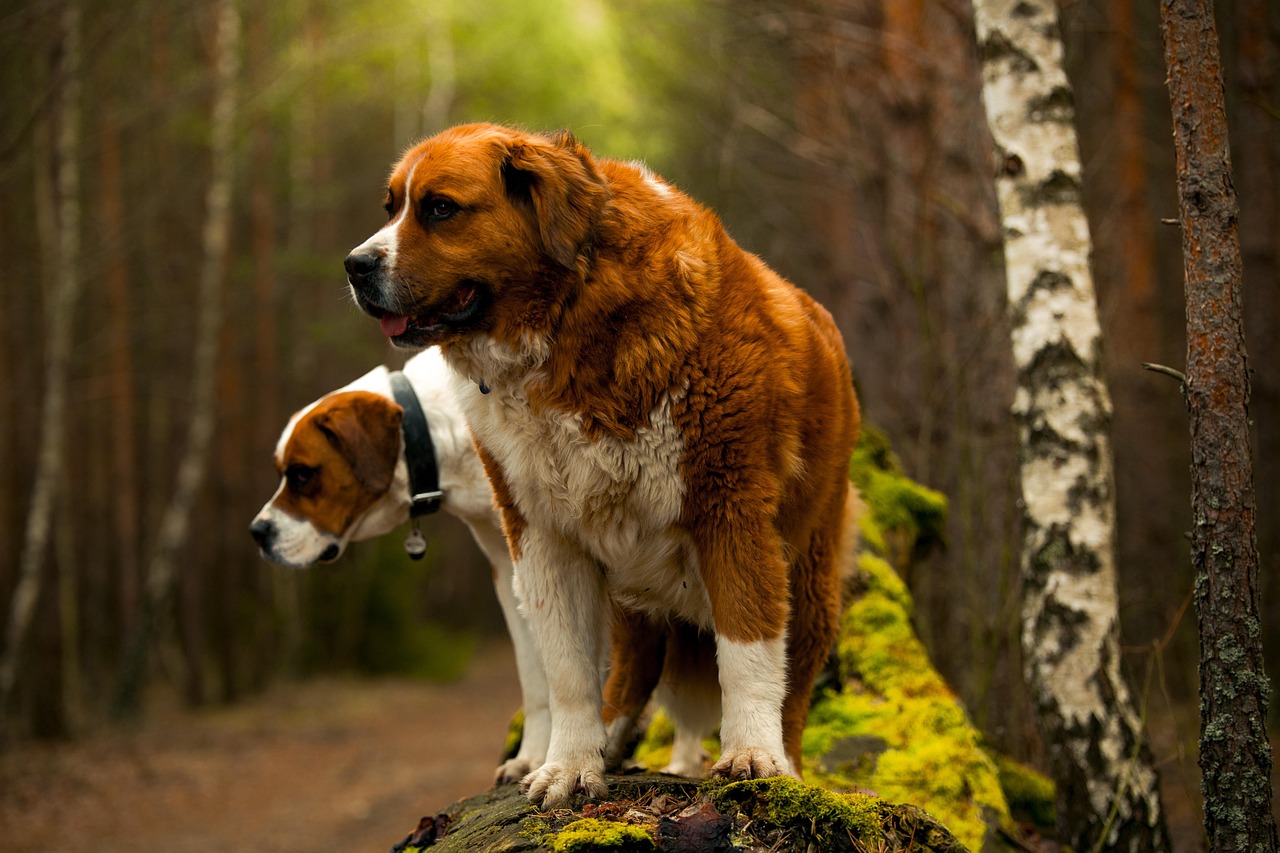
St. Bernards are usually considered to need moderate maintenance. While they only need to be brushed and have some other basic hygiene tasks done, their larger size makes these grooming sessions take longer. Their longer fur can also get matted, so grooming isn’t optional. You should set aside 30 minutes to groom your St. Bernard 2-3 times per week. The sheer size factor transforms simple tasks into major undertakings.
Saint Bernards have a distinctive double coat that consists of a dense undercoat and a rougher topcoat. This double layer is designed to protect them from harsh weather conditions, but it also means they are heavy shedders, especially during the shedding seasons in spring and fall. For professional groomers, the prospect of wrestling with such massive coat maintenance after a full day at work holds little appeal.
#11 Newfoundlands
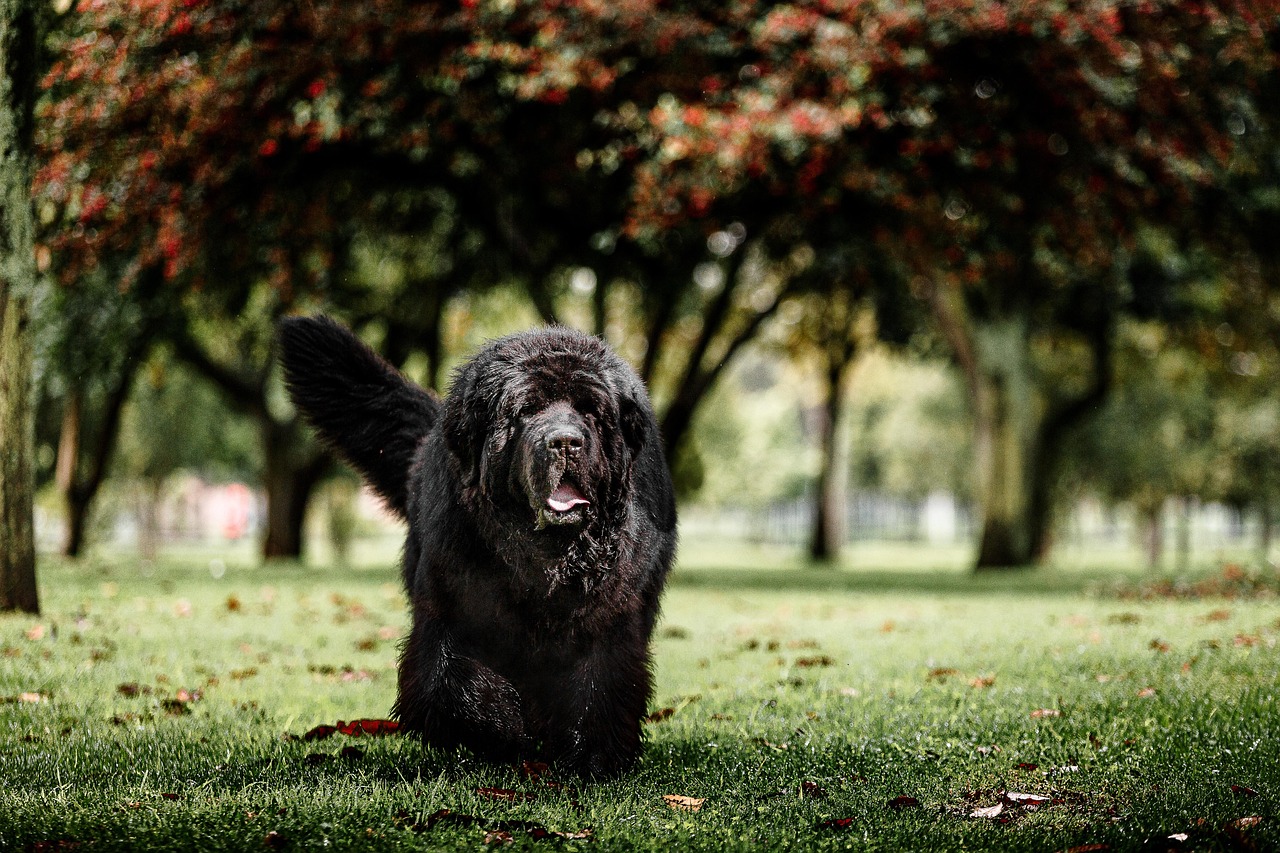
Newfoundland dogs need a lot of space due to their size and are not suited for apartment living. They require significant grooming to manage their heavy coat, especially to prevent matting and to maintain skin health. Their water-resistant double coat becomes a grooming nightmare when wet.
Dogs with extremely profuse coats, like Newfoundlands, American Eskimo Dogs and Keeshonds, have ears that need to be checked weekly for infection and cleaned with a cotton ball. The combination of size and intensive care requirements makes these gentle giants more appealing as salon clients than household companions for many groomers.
#10 Cocker Spaniels
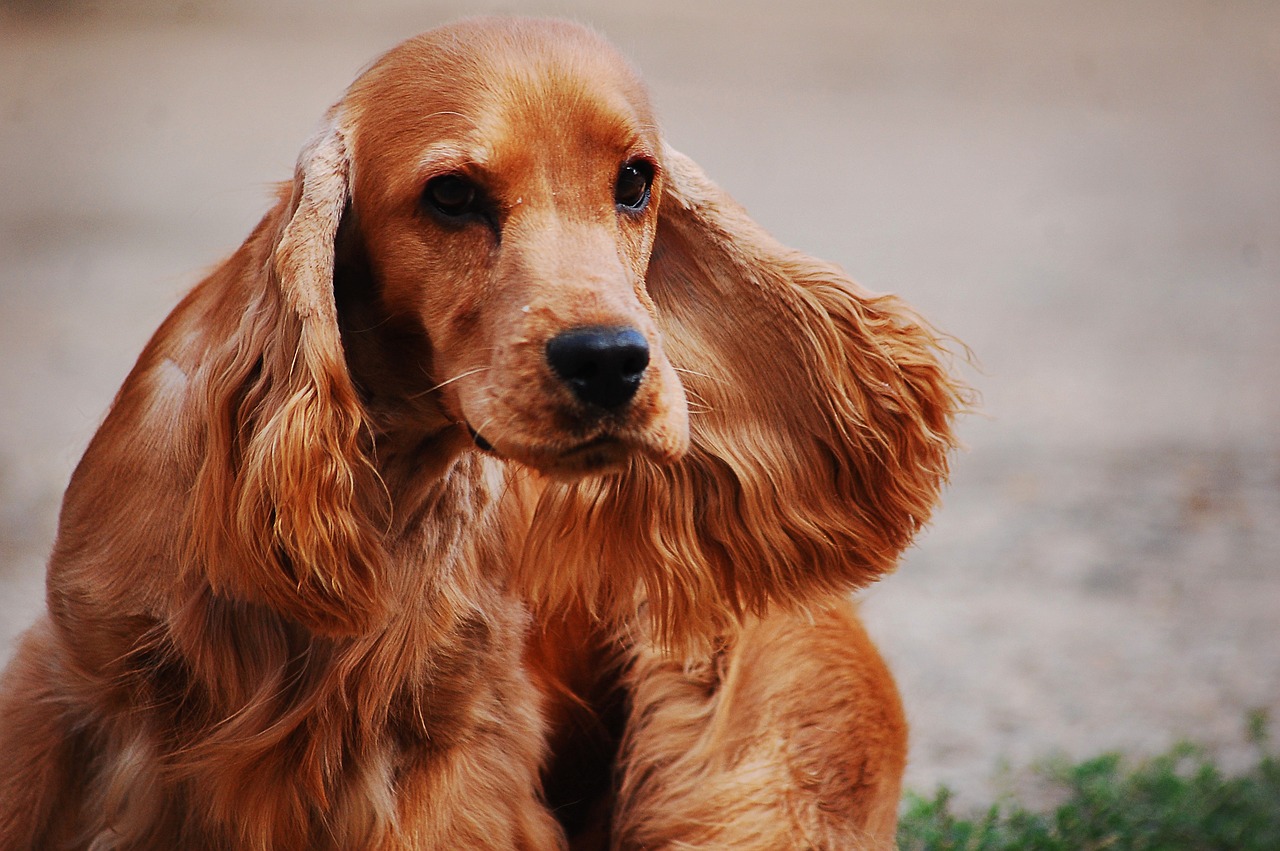
Cocker Spaniels are beloved for their affectionate nature and striking appearance, especially their silky, feathered coats and long, floppy ears. However, maintaining their beauty requires a significant grooming effort. For both pet owners and professional groomers, grooming a Cocker Spaniel presents unique challenges that demand skill, time, and the right techniques. Their beautiful feathering requires constant detangling.
The Cocker Spaniel’s coat is dense, often soft, and prone to tangling and matting. Feathering Maintenance: The fine, silky fur on their chest, legs, and ears requires frequent brushing to avoid mats, which can form quickly in these areas. This breed’s grooming complexity often makes professionals prefer simpler coat types in their personal pets.
#9 Shih Tzus
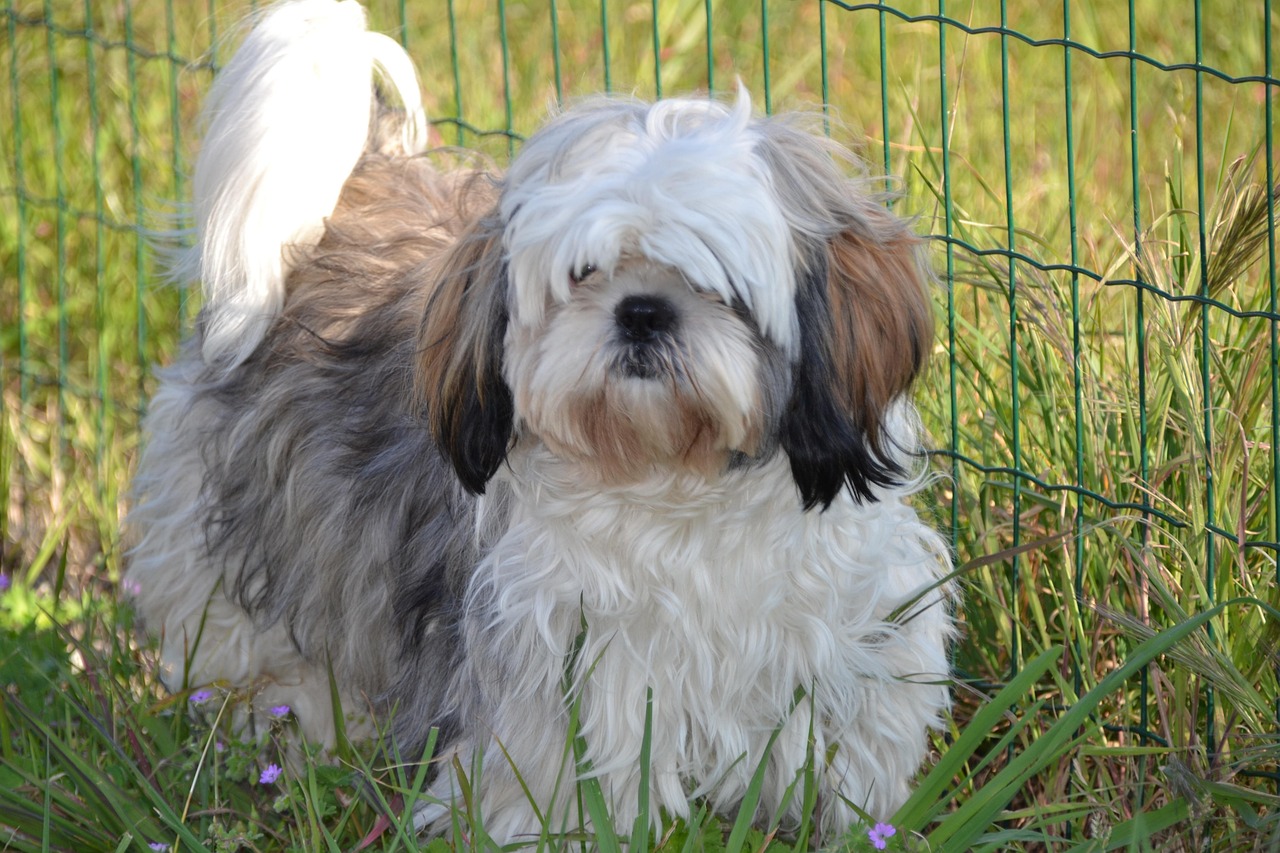
Grooming a Shih Tzu is a labour of love, blending technique, time, and care to maintain their signature beauty. While the challenges of their long, flowing coat may seem daunting, the result is well worth the effort. Their floor-length coats require daily brushing to prevent disaster.
The lush long coat of shih tzu dogs requires a lot of maintenance. Many groomers appreciate the artistic challenge these dogs present professionally while preferring lower-maintenance companions at home where grooming becomes leisure rather than labor.
#8 Doodles and Poodle Crosses
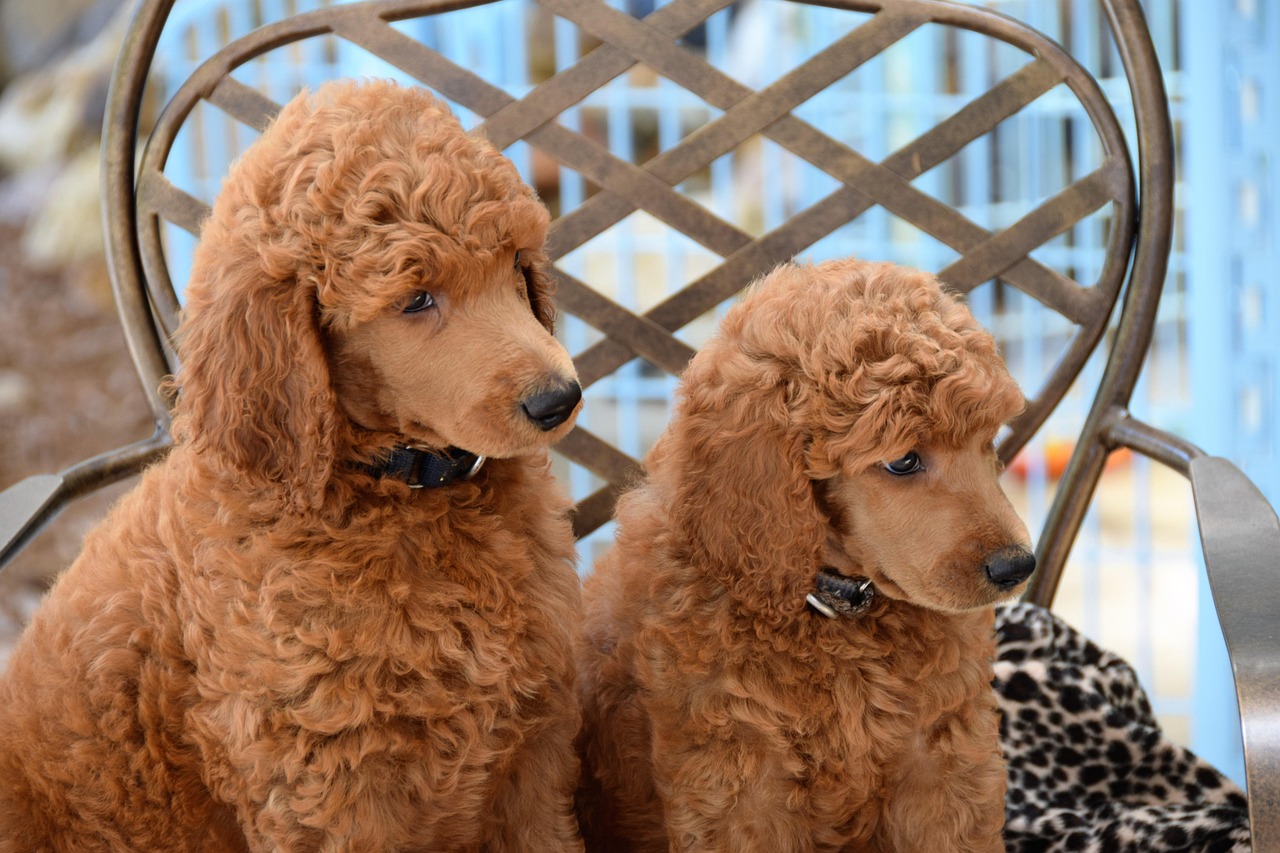
Lucy Baker from Shaggy and Chic says, ‘Poodle mix/cross breeds must absolutely get groomed, and it’s not easy to do from home’. Because of their possible coat types, extremely curly, wavy and loose, or straight and flowing, it can be hard to understand and keep on top of the tough requirements needed to maintain their coat. The unpredictable coat combinations create grooming puzzles.
Doodle breeds are a popular choice among dog lovers due to their friendly and affectionate nature. But their wavy or curly coats can pose grooming challenges similar to those of poodles. Regular doodle grooming is essential or their fur can become tangled and knotted. Professional groomers often find these crosses more challenging than their purebred parents, making them less appealing for personal ownership.
#7 Bichon Frise
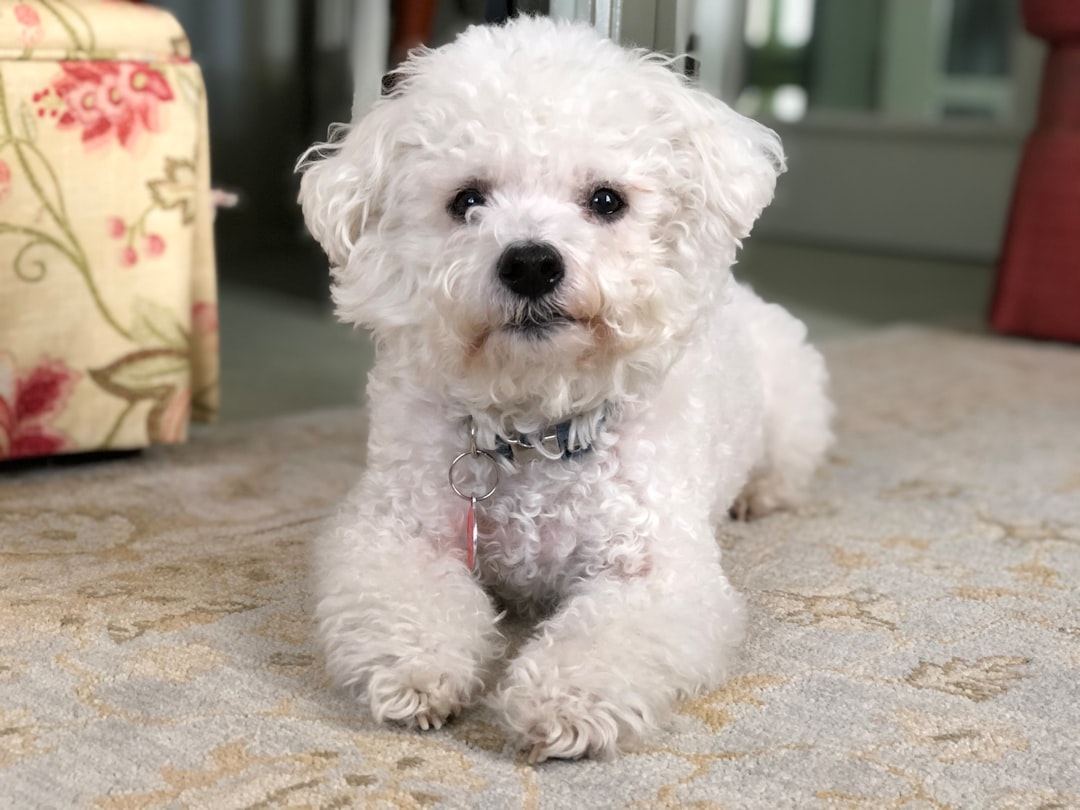
Picture a fluffy white cloud with legs and a wet nose – that’s your Bichon. These little charmers have hair (not fur), which means it grows continuously and needs regular trimming to maintain that signature powder-puff look. Without consistent brushing, their coat turns into a matted nightmare that’s painful for them and expensive for you to fix. We’re talking daily brushing and monthly professional trims. Their cotton-ball appearance requires intensive daily maintenance.
Plus, Bichons need to be clipped and bathed once a month, so should be taken to the groomer around every four to six weeks. For professional groomers, the irony of needing their own services for their personal pet creates an interesting dynamic that many choose to avoid.
#6 Portuguese Water Dogs
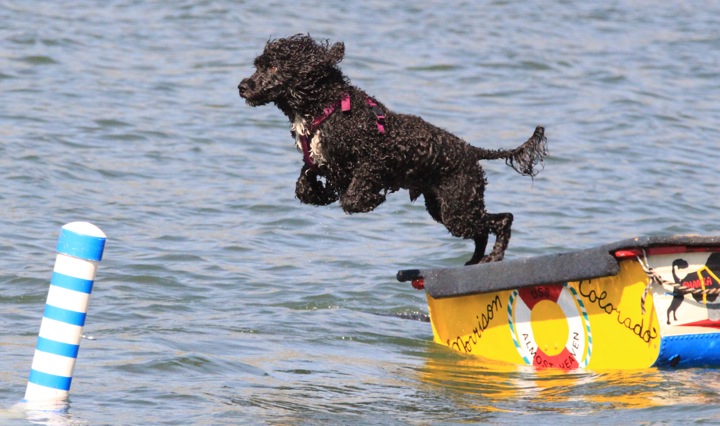
With coats ranging from tight and curly to loose and wavy, Portuguese water dogs require “regular and extensive grooming,” according to the AKC. This breed should be groomed once a week and bathed occasionally. Their working heritage demands professional-level coat care.
Active and intelligent, the Portuguese Water Dog makes an excellent choice for active families with children of all ages. Having hair rather than fur, their coats continually grow and, therefore, require regular brushing, bathing, and trimming. The continuous growth means there’s no seasonal break from grooming duties, making them a full-time commitment.
#5 Pulis and Komondors
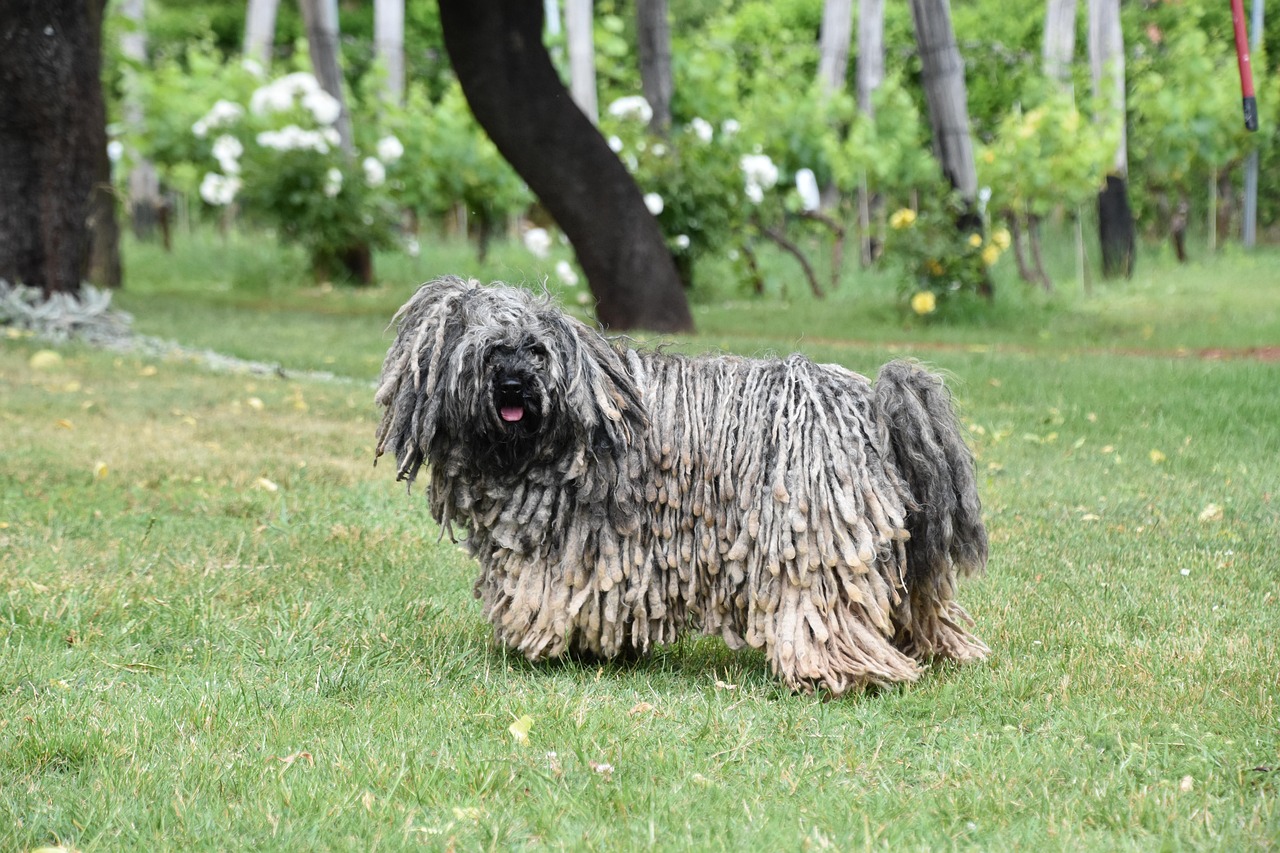
The Puli dog’s hair can be kept in cords, brushed, or clipped. Once the dogs develop their cords, they should be bathed and have their cords separated. It can an entire day for these dogs to dry after a bath. “If this breed is not dried correctly, it can leave mildew as well as a stench within their chords.” The corded coat maintenance is unlike any other grooming challenge.
Newfoundland Komondor mixes can develop matting and skin irritation if grooming is delayed. Matted fur can cause skin sores due to trapped moisture and friction. These Hungarian breeds require specialized knowledge that makes them fascinating professionally but exhausting personally.
#4 Bearded Collies
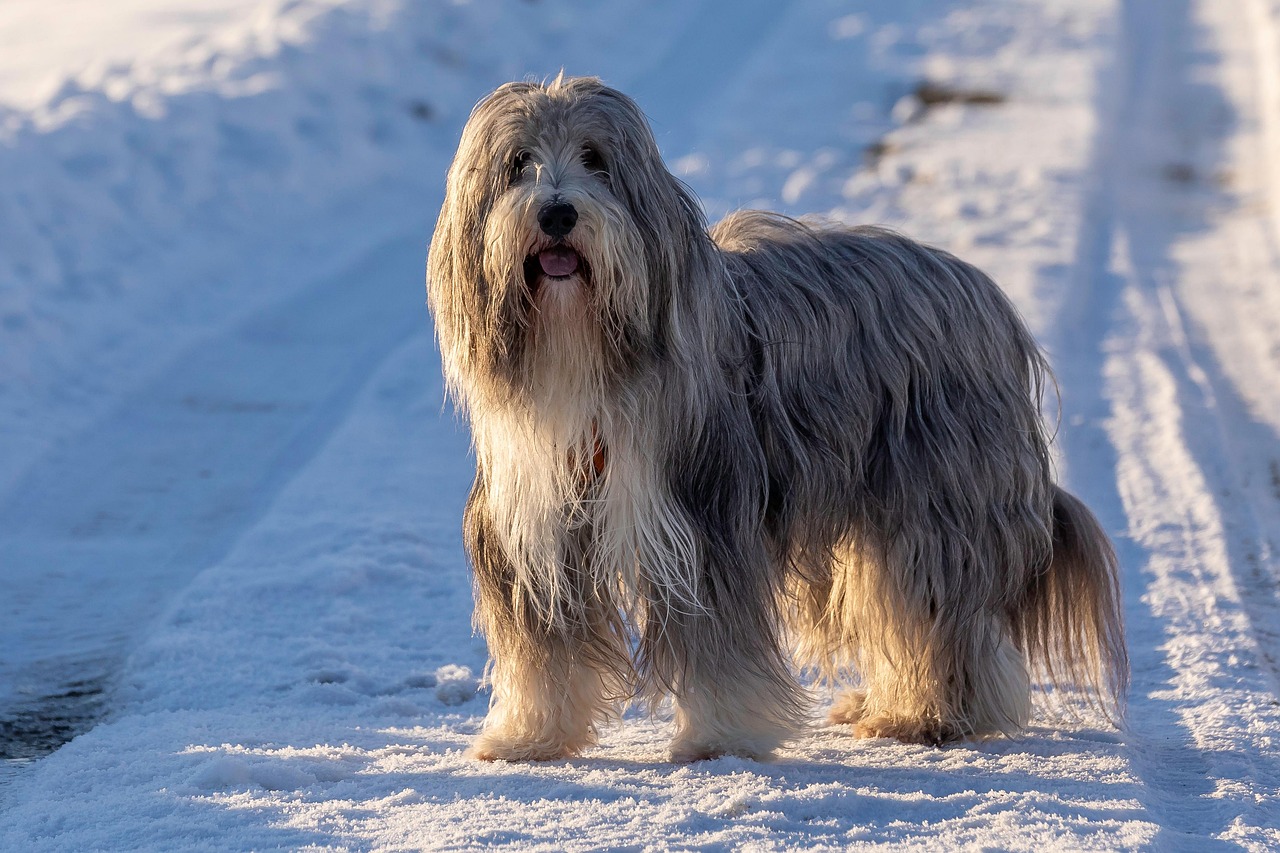
Bearded collies need to be brushed every day to remove tangles, and once a week they need to be brushed with a pin rake, brush, comb, and maybe anti-tangle spray to remove any dead hair. Their shaggy coats hide a complex grooming routine that demands multiple tools and techniques.
The daily commitment to prevent matting combined with their active nature means dirt and debris constantly challenge the coat’s condition. Professional groomers recognize the breed’s charm while understanding that ownership means never having a day off from brushing duties.
#3 Lhasa Apsos
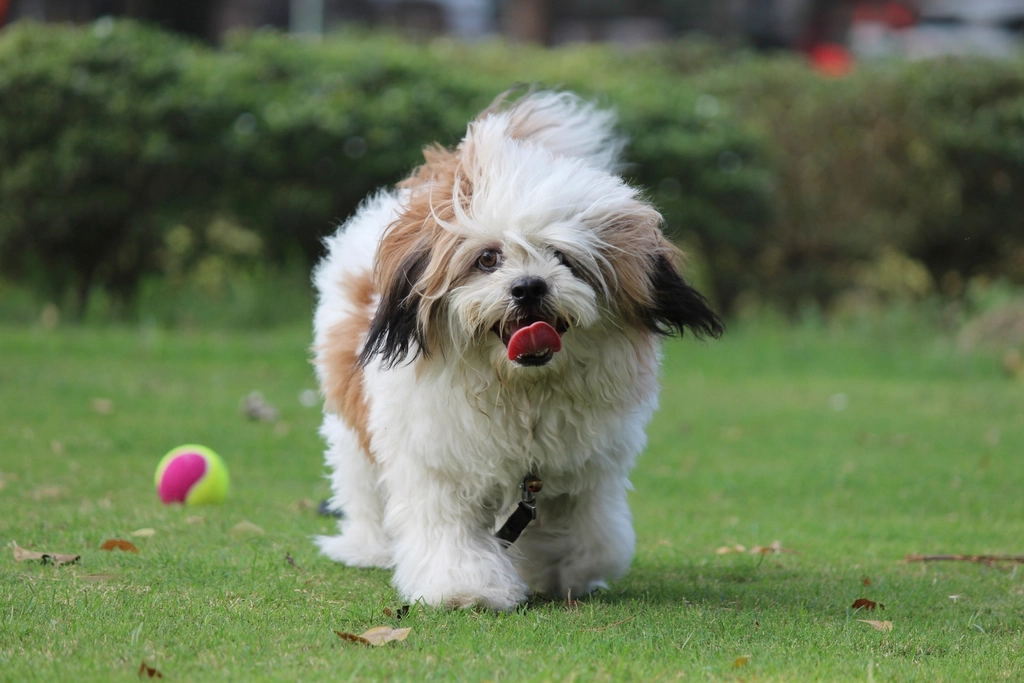
These joyful and mischievous dogs have long, thick coats that easily mat and tangle. Regular grooming to prevent tangles and matting is essential to the pets needs. Grooming a Lhasa Apso can be a time-consuming task, even for experienced dog owners. Their palace dog heritage requires royal-level grooming attention.
These small dogs pack maximum grooming requirements into a compact frame. Their floor-length double coats need constant attention to maintain the breed’s characteristic appearance, making them better suited for professional admiration than personal ownership for many groomers who value simplicity at home.
#2 Akita
Veterinarians often describe the Akita as a stunning but extremely challenging breed to own. Originally bred for guarding and hunting large game in Japan, Akitas are naturally dominant, independent, and territorial, which can make them difficult to manage without expert handling. Vets point out that they require consistent, confident training from an early age and a calm but firm owner who understands canine body language. Without that structure, Akitas can develop aggression toward other dogs or strangers and may become protective to the point of being unsafe in inexperienced hands. Their thick double coat also demands regular maintenance, and they are prone to autoimmune disorders and hip issues, making them both behaviourally and medically demanding companions.
#1 German Shepherd
Though German Shepherds are intelligent, loyal, and highly trainable, many veterinarians say they personally avoid owning them because of their high maintenance needs—both physically and emotionally. Shepherds are working dogs bred for herding and police work, which means they require several hours of daily exercise, mental stimulation, and strong leadership. Without this, they can develop anxiety, reactivity, and destructive habits. Vets also see a disproportionate number of German Shepherds with degenerative myelopathy, hip dysplasia, and chronic skin allergies, conditions that require expensive long-term management. While deeply devoted, their intensity and health vulnerabilities make them a breed that demands far more than the average pet owner—or even a busy veterinarian—can comfortably give.
Conclusion
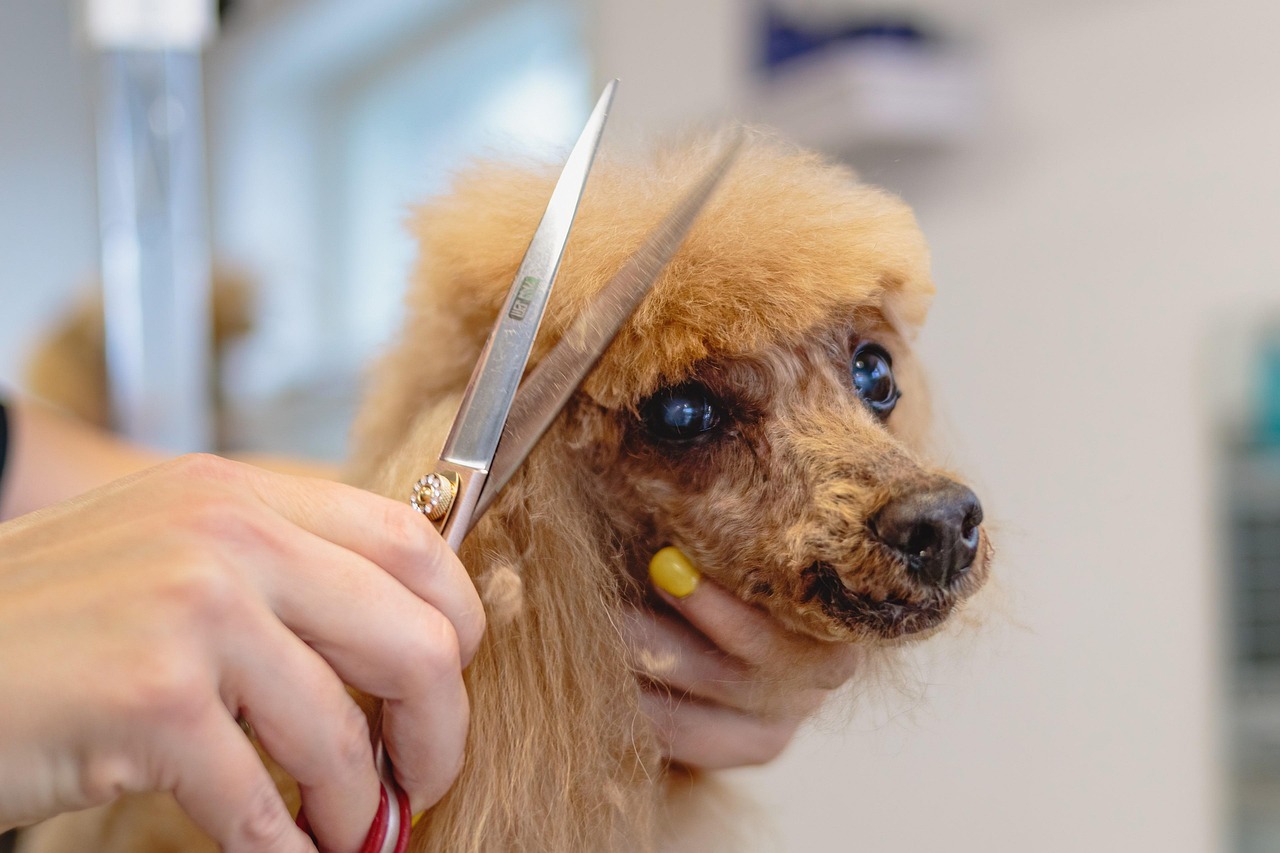
The grooming industry’s best-kept secret isn’t a magical tool or technique – it’s the breeds that professionals quietly steer clear of for their own homes. These experts understand that loving a breed professionally and living with one personally are entirely different experiences. While they masterfully transform high-maintenance coats in their salons, many choose companions that let them truly relax when the workday ends.
This insight reveals the deep respect groomers have for both their craft and their personal time. What do you think about these choices? Would you expect groomers to choose differently for their own pets?

- Which Bird of Paradise Are You According to Your Zodiac Sign - August 5, 2026
- What Reptile Are You According to Your Zodiac Sign? - August 5, 2026
- The Zodiac Signs That Share The Strongest Connection With Marine Animals - August 5, 2026